After a fire, dealing with your insurance company can feel like a second disaster. The claims process is a maze of paperwork, demanding specific proof you might not know how to provide. Your key to a successful claim? A professional restoration team. The right company does more than just clean; they meticulously document all the fire smoke damage, creating the detailed evidence your insurer requires. Here’s how to choose a restoration partner who not only repairs your home but also acts as your advocate, helping you secure the full settlement you deserve.
Key Takeaways
- Start with a professional safety inspection: After a fire, your property can have hidden structural dangers and hazardous air quality. A professional assessment is the safest first step and provides the detailed documentation you need for an accurate insurance claim.
- Hire a qualified and available team: Look for a restoration company that is licensed, insured, and offers 24/7 emergency services. The right partner will also help you with the insurance process by providing clear reports and communicating with your adjuster.
- Understand that restoration is a complete process: Proper fire damage cleanup is more than just wiping away soot. It involves securing the property, using specialized equipment for deep cleaning, neutralizing odors at their source, and completing all necessary repairs to make your home safe again.
What Does Fire and Smoke Damage Cleanup Involve?
Dealing with the aftermath of a fire can feel overwhelming, but understanding the cleanup process is the first step toward recovery. Fire and smoke damage cleanup is much more than just wiping away soot. It’s a comprehensive restoration process designed to return your property to its pre-fire condition safely and effectively. This involves assessing the structural integrity of your home, removing smoke and soot from every surface, eliminating persistent odors, and repairing any damage caused by the fire, smoke, and even the water used to put it out. A professional approach ensures that both visible and hidden damages are addressed, protecting your property and your health.
What Kind of Damage Are You Dealing With?
After a fire, the damage you see is often just the beginning. Beyond the obvious charred materials, you’ll likely face several types of damage. Soot and smoke can travel throughout your property, settling on walls, inside cabinets, and within your HVAC system, leaving behind acidic residue and stubborn odors. The water used by firefighters can also lead to significant issues, including soaked drywall, warped flooring, and the potential for mold growth.
A professional assessment is essential to understand the full scope of the restoration needed. Experts can identify structural damage that might compromise your home’s safety and document everything for your insurance claim, ensuring all damages are accounted for. This detailed evaluation is a critical part of a successful fire and smoke damage restoration plan.
Understanding the Different Types of Smoke
It’s important to know that not all smoke damage is the same. The type of smoke left behind depends on what burned and the temperature of the fire, which directly impacts the cleanup strategy. Generally, you’ll encounter one of four types: dry smoke, wet smoke, protein residue, or fuel/oil residue. Dry smoke comes from fast-burning, high-temperature fires and is often easier to clean, while wet smoke from smoldering, low-heat fires leaves a sticky, smeary residue that’s much harder to remove. Protein residue is nearly invisible but leaves a powerful, foul odor, typically from burnt food. Recognizing these distinctions is key to an effective restoration, as each requires a specific cleaning approach.
How Soot and Smoke Affect Different Materials
Smoke damage isn’t just a surface-level problem; its acidic nature can cause long-term issues if not handled correctly. Soot particles are tiny and can penetrate porous materials like drywall, wood, and upholstery, leading to deep-set stains and persistent odors that are difficult to eliminate. This acidity can also corrode metal fixtures and etch glass over time. Furthermore, your HVAC system can circulate these harmful particles throughout your home, affecting air quality and spreading the damage to areas the fire never touched. Different materials, like plastics, produce a greasy, stubborn soot that requires specialized cleaning techniques to remove without causing further harm to your property.
Why You Should Call a Professional Immediately
While it might be tempting to start cleaning up yourself, fire damage cleanup is a job best left to the pros. Professionals have the specialized training, equipment, and cleaning agents to handle hazardous materials like soot and smoke residue safely. They know how to photograph every point of damage, including hidden areas affected by smoke that often get overlooked, which is vital for your insurance claim.
A professional restoration company acts as your advocate, providing thorough documentation that helps insurance adjusters accurately assess the damage. They can distinguish between items that can be salvaged and those that must be replaced, saving you time and money. By hiring an expert team, you ensure the job is done correctly and your home is restored to a safe, healthy environment.
The Timeline of Smoke Damage
Smoke damage doesn’t wait for you to catch your breath; it begins its destructive work the moment a fire is extinguished. Soot and smoke particles are acidic and incredibly invasive, traveling through your HVAC system to settle on walls, inside cabinets, and deep within porous surfaces like drywall and upholstery. Within just a few minutes, this residue can discolor plastics and tarnish metals. After a few days, the damage escalates significantly. Walls and surfaces can permanently yellow, metals may start to corrode, and stubborn odors will embed themselves so deeply that they become nearly impossible to remove without professional intervention. The longer you wait, the more complex and costly the fire damage restoration becomes, turning what might have been a straightforward cleaning job into a major replacement project.
Post-Fire Safety Risks You Can’t Ignore
Entering your property after a fire can be dangerous. The structure itself may be unstable, with weakened floors, walls, and ceilings that could collapse. The air quality is another major concern, as soot and smoke particles can contain toxic chemicals that pose serious respiratory risks. You also have to watch out for electrical hazards from damaged wiring and appliances.
Your first priority should be safety. Avoid re-entering the building until it has been cleared by the fire department. A professional team can help by securing your property with board-up services to prevent further damage or unauthorized entry. Trying to handle the cleanup on your own exposes you to unnecessary risks and can even make the damage worse. Let the experts manage the hazards so you can focus on moving forward.
Health Risks from Lingering Smoke Particles
That lingering smoky smell is more than just an unpleasant reminder of the fire; it’s a warning sign. What you can’t see are the tiny, toxic particles that have settled deep into porous materials like drywall, carpet, and furniture. These acidic residues, including soot and ash, don’t just cause odors and staining. Over time, they can corrode metal, etch glass, and permanently damage wood surfaces. More importantly, these lingering particles and volatile organic compounds (VOCs) can seriously impact your health, leading to respiratory issues, triggering asthma attacks, and even contributing to heart conditions. A professional fire damage restoration service is crucial for removing these hidden threats and ensuring the air in your home is truly clean and safe to breathe.
Essential Safety Precautions for Cleanup
Before you even think about starting the cleanup process, your first priority must be safety. The area needs to be declared structurally sound, as fire can weaken key supports in your home. If you do decide to enter, proper personal protective equipment (PPE) is non-negotiable. This means wearing an N95 mask to filter out fine particles, along with safety glasses, gloves, long sleeves, and sturdy shoes to keep acidic ash off your skin. It’s especially important to keep children, pets, and anyone with respiratory sensitivities far away from the affected areas during the recovery process. Given the risks, the safest and most effective approach is to contact a professional team. We have the right equipment and training to handle the cleanup safely while you focus on your family.
How to Choose the Right Fire Restoration Company
After a fire, choosing the right cleanup crew is a critical step in getting your life back to normal. The right team won’t just handle the physical restoration; they’ll guide you through the entire process with care. When you start making calls, focus on three key areas: their credentials, their experience and availability, and how they support you with insurance claims. A company that excels in these areas will make your recovery journey much smoother, acting as a partner to manage the chaos so you can move forward.
Are They Licensed and Certified?
First, any company you consider must be fully licensed and insured in Florida. This is non-negotiable, as it protects you from liability for accidents on your property. Beyond that, look for certifications from organizations like the IICRC (Institute of Inspection, Cleaning and Restoration Certification). This proves the technicians have up-to-date training in the proper techniques for fire and smoke damage restoration. A certified team understands the complexities of soot and smoke removal, ensuring the job is done right the first time.
The Importance of Specialized Experts
When you’re facing the aftermath of a fire, bringing in specialized professionals is one of the most important calls you can make. Fire and smoke damage cleanup is a complex process that requires a deep understanding of how smoke, soot, and water affect a home. A professional team starts with a thorough assessment to uncover the full scope of the work, identifying hidden structural issues and documenting every detail for your insurance claim. They come equipped with the right training and gear to safely handle hazardous materials, ensuring that acidic soot and smoke residue are removed completely.
Hiring a qualified restoration company also means you get an advocate for your disaster recovery. Their team provides the detailed documentation that insurance adjusters need to accurately assess the damage, which is crucial for a fair settlement. This expertise is invaluable when deciding what can be salvaged versus what needs to be replaced, a process that can save you significant time and money. Ultimately, having experts manage the cleanup ensures your property is safely restored and simplifies the often-stressful interactions with your insurance company.
Prioritize Experience and 24/7 Availability
A fire doesn’t wait for business hours, and neither should your restoration company. Damage from smoke and soot worsens over time, and water from firefighting efforts can lead to mold if not addressed quickly. That’s why you need a team offering 24/7 emergency services. When you contact a company, ask about their response time and their experience with fires similar to yours. A seasoned crew has seen it all and will be prepared to handle any unexpected challenges, from structural issues to complex contamination problems.
Will They Help with Your Insurance Claim?
Dealing with an insurance claim can feel like a full-time job. A great restoration company will ease this burden. Ask potential companies how they assist with the insurance process. The best teams provide detailed documentation, including photos and itemized lists of the damage, which is essential for your claim. As experts in disaster recovery services, they can communicate effectively with your insurance adjuster to ensure all necessary repairs are covered. This support is crucial for a fair settlement, helping you get the resources you need to rebuild.
Understanding Your Rights as a Homeowner
When you’re facing the aftermath of a fire, it’s easy to feel overwhelmed by the insurance process. But remember, your homeowner’s policy is a contract, and you have rights. Standard policies are designed to cover damage not just from the flames, but also from the smoke and ash that infiltrate your property, affecting everything from drywall to personal belongings. Your insurance company has a legal duty to investigate your claim fairly and in good faith. You shouldn’t have to pay to prove your loss or be made to feel like you’re asking for a favor. Understanding your rights is the first step in confidently managing the claims process and getting the support you deserve.
While your insurer has obligations, the key to a smooth claim is thorough documentation. This is where a professional restoration company becomes your strongest advocate. They have the expertise to identify and record all damage—even the hidden effects of smoke that are easy to miss—and present it in a way the adjuster understands. To support this, it’s also wise to document everything on your own. Take photos of the damage and keep a log of every conversation you have with your insurance company. Pairing your personal records with the detailed reports from your restoration team creates a powerful case for a full and fair settlement, ensuring no detail is overlooked.
How Much Does Fire Damage Cleanup Cost?
After a fire, one of the first questions on your mind is likely, “How much will this cost to fix?” The answer isn’t always straightforward because every situation is unique. The final price tag for a fire and smoke damage cleanup depends on several moving parts. Understanding these factors can help you set realistic expectations as you begin the recovery process. From the size of the affected area to the type of materials that burned, each detail plays a role in the overall scope of the project and its cost.
What Factors Influence the Final Price?
The cost of restoration is shaped by the specific details of the damage. A small kitchen fire will have a very different price than a fire that spread through multiple rooms. Key factors include the extent of the fire, smoke, and soot damage. We also consider the amount of water damage left behind by firefighting efforts, which often requires its own separate restoration process. The types of materials affected matter, too, as porous surfaces like drywall and upholstery need more intensive cleaning than non-porous ones. Finally, the kind of smoke residue present can impact the cleaning methods and time required to fully restore your property.
A Quick Breakdown of Costs by Damage Level
While we can’t give a flat rate without seeing the property, costs generally fall into three categories. Minor damage, usually from a small, contained fire, might only require professional cleaning to remove soot and smoke odor from a single room. Moderate damage often involves multiple rooms, requiring deep cleaning, content restoration, and minor repairs. Major damage involves significant structural issues, extensive cleanup, and reconstruction of large sections of your home. The best way to get an accurate estimate is to have a professional assess the damage. A thorough evaluation ensures all damage, including hidden smoke or soot, is documented for your insurance claim.
Will Insurance Cover Your Cleanup Costs?
The good news is that most standard homeowner’s insurance policies cover fire damage restoration. Your out-of-pocket cost will largely depend on your deductible and policy limits. To ensure a smooth claims process, document everything immediately. Take clear photos and videos of all affected areas before anything is moved or cleaned. A professional restoration company can be a huge asset here, providing detailed reports and accurate estimates that your insurance company needs. We can work directly with your provider to make sure all necessary restoration services are covered, helping you get the full support you’re entitled to.
What to Expect During Professional Restoration
When you’re facing the aftermath of a fire, understanding what comes next can bring a sense of control. A professional fire and smoke damage restoration process is methodical and thorough, designed to return your property to its pre-loss condition safely and efficiently. While every situation is unique, the core approach follows four key steps, from the initial emergency call to the final walkthrough. Here’s a look at what you can expect when you work with a certified restoration team.
Step 1: Assessing the Damage and Making It Safe
The first priority is safety. Once the fire department clears the property, our restoration team arrives to conduct a comprehensive inspection. We identify all structural and cosmetic damage, not just from the flames but also from smoke and soot. This initial assessment is critical for creating a detailed restoration plan. We also secure the property by boarding up windows and tarping damaged roofs to prevent further issues. Documenting the extent of the damage is a crucial part of this step, as these detailed evaluations are essential for filing an accurate insurance claim.
Step 2: Clearing Out Soot, Smoke, and Debris
With the property secured, the cleanup begins. This phase involves removing water used to extinguish the fire and clearing out debris. Next, we tackle the soot and smoke residue, which can coat every surface. Our team uses specialized industrial-grade equipment and cleaning techniques to remove these acidic residues from walls, ceilings, floors, and personal belongings. We’ll help you sort through your belongings to determine what is salvageable and what needs to be discarded, creating a careful inventory for your insurance provider along the way.
What to Throw Away After a Fire
Deciding what to keep is one of the most difficult parts of fire recovery. For your safety, it’s crucial to know what can’t be salvaged. You should discard all food and drinks—even canned or sealed items—as heat can cause contamination. The same goes for medications and cosmetics, which can be altered by high temperatures and smoke. Porous materials like clothing, upholstered furniture, and rugs absorb toxic smoke particles and are often impossible to fully decontaminate. Similarly, plastic items and children’s toys can hold onto harmful residues. A fire damage restoration expert can help you document these non-salvageable items for your insurance claim, taking some of the burden off your shoulders.
Step 3: Deep Cleaning and Removing Smoke Odors
After the visible soot is gone, a stubborn smoke odor often remains. Smoke particles are tiny and can penetrate porous materials like wood, drywall, and textiles. Simply cleaning the surface isn’t enough. We use advanced deodorization methods, such as thermal fogging and ozone treatments, to neutralize odors at the molecular level. While household remedies like vinegar or baking soda can help with minor smells, professional techniques are necessary to permanently get rid of the smoke smell that lingers deep within your home’s structure and furnishings.
Step 4: Restoring Your Property to Pre-Fire Condition
The final step is bringing your home back to life. This is where all the cleaning and preparation pay off. Restoration can involve a wide range of repairs, from painting walls and replacing flooring to more significant structural work. Depending on the extent of the damage, our team can handle minor repairs or rebuild entire parts of your home. Our goal is to seamlessly restore your property, making it feel like home again. This comprehensive approach ensures you don’t have to coordinate with multiple contractors, simplifying your path to recovery.
What Tools Do the Professionals Use?
When you call in a professional restoration team, you’re not just paying for their expertise; you’re also getting access to powerful, industry-grade equipment and cleaning solutions. These tools are far more effective than anything you can buy at a hardware store and are essential for a safe and thorough cleanup. Using the right equipment ensures that soot is completely removed, surfaces are properly sanitized, and lingering smoke odors are eliminated for good. This professional-grade gear is a key reason why hiring an expert for fire and smoke damage restoration is so important. It’s about getting the job done right the first time, protecting your property and your health.
Industrial-Strength Cleaning Equipment
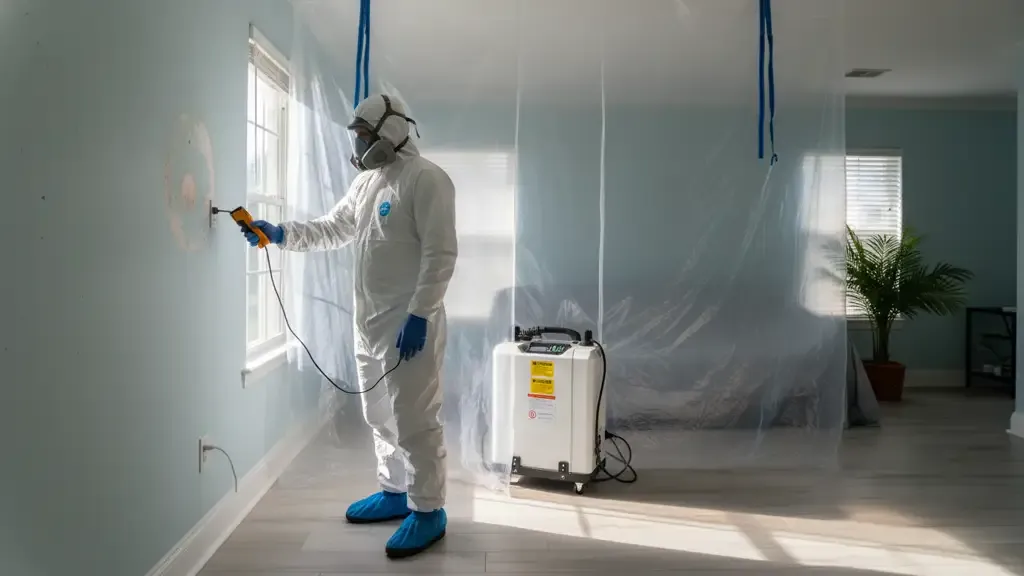
To tackle soot and ash, professionals rely on specialized cleaning equipment designed to capture the finest particles without spreading them further. We use tools like industrial-grade HEPA vacuums and air scrubbers to pull smoke and soot particles directly from the air, which dramatically improves indoor air quality. These systems trap contaminants that standard vacuums would simply recirculate. For cleaning surfaces, smoke vacuums are used to lift away thick layers of soot before deep cleaning begins. This initial step is crucial for preventing soot from getting ground into porous materials like drywall, upholstery, and wood, making the rest of the cleanup process much more effective.
Cleaners You Won’t Find at the Store
Soot is oily and acidic, meaning it bonds tightly to surfaces and can cause further damage if not treated correctly. That’s why we use professional-grade cleaning agents that are specifically formulated to break down smoke residue. Products like trisodium phosphate (TSP) and other specialized soot removers can safely cut through the greasy film left behind by a fire. These powerful cleaners are much stronger than typical household products and require careful handling and application. Using the right agent for the right material, whether it’s wood, drywall, or tile, ensures a deep clean without causing additional harm to your property.
How They Permanently Remove Smoke Odor
One of the most stubborn reminders of a fire is the lingering smoke odor, which can seep into just about everything. Simply masking the smell won’t work. To truly eliminate it, we use advanced odor removal systems that attack odor molecules at their source. Tools like ozone generators and thermal foggers are used to neutralize odors trapped deep within walls, furniture, and flooring. Thermal fogging, for example, creates a fine mist that penetrates porous materials just like the original smoke did, allowing it to neutralize smells from the inside out. These technologies ensure that once our disaster recovery services are complete, your home smells fresh and clean again.
Can You Handle Minor Fire Damage Cleanup Yourself?
After a small fire, your first instinct might be to start cleaning. While tackling a bit of soot seems manageable, fire and smoke damage is often more complex than it appears. Soot is corrosive, and smoke particles can get into hidden spaces, causing lingering odors and potential health issues. Before you start any cleanup, it’s important to know the right way to approach it and recognize when the job is too big to handle on your own.
What You Can Safely Do on Your Own
Your safety is the top priority. Before cleaning, you must get official clearance from the Fire Marshal to re-enter. Once it’s safe, ventilate the area by opening every window and using fans to circulate fresh air and dry wet spots. It’s also smart to secure your property to prevent further issues. This might involve boarding up broken windows or damaged doors while you plan your next steps for disaster recovery.
Simple Ways to Reduce Smoke Odor Now
For very light smoke smells, a few household items can help. Try placing bowls of white vinegar or baking soda in affected rooms to absorb odor. Activated charcoal is another great option. Just remember, these are temporary fixes for minor issues. If the smoke smell is strong or embedded in furniture and walls, these DIY methods won’t be enough. Professional fire and smoke damage restoration uses specialized equipment to remove odors from deep within porous materials, which a bowl of vinegar can’t do.
Improving Your Home’s Air Quality
Even after the smoke clears, your home’s air can still be full of tiny, harmful particles. These microscopic bits of soot and gases, known as VOCs, can get deep into your lungs and cause respiratory problems. A good first step is to change your HVAC filter to a high-quality one with a MERV 11 or 12 rating, which can help trap some of these particles. However, for a truly deep clean, professional tools are essential. We use industrial-grade air scrubbers and HEPA vacuums to pull these contaminants directly from the air, ensuring the air you breathe is safe. This is a critical part of a complete fire and smoke damage restoration, because your family’s health is the top priority.
When to Stop DIY and Call a Pro
If you’re looking at more than a small patch of soot, it’s time to call the professionals. Widespread smoke damage, structural concerns, or electrical issues are clear signs that a DIY approach is unsafe. Professional teams have the right training and equipment to safely remove soot and smoke residue without causing more harm. They can also identify hidden damage and properly document everything for your insurance claim. If you’re feeling overwhelmed or unsure, it’s always best to get in touch with an expert for an assessment.
Related Articles
- Fire Damage Restoration vs. General Repair: Key Differences
- Fire Damage Restoration St. Petersburg, FL | Go Time
Frequently Asked Questions
Is fire damage cleanup just about cleaning up soot and ash? Not at all. While removing soot and debris is a big part of it, professional restoration is a much deeper process. It also involves addressing water damage from firefighting, neutralizing corrosive residues to prevent further harm to your property, and using advanced technology to permanently eliminate smoke odors that get trapped in walls and furniture. The goal is to restore your home’s structural integrity and air quality, not just its appearance.
How long does the fire restoration process usually take? The timeline really depends on the extent of the damage. A small kitchen fire might only take a few days to clean and repair, while a more significant fire affecting multiple rooms could take several weeks or even months. Once we complete our initial assessment, we can give you a much clearer and more detailed timeline for your specific situation.
Will my homeowner’s insurance cover the entire cost of restoration? In most cases, standard homeowner’s insurance policies do cover fire and smoke damage restoration. However, the amount covered depends on your specific policy limits and your deductible. A professional restoration company can help by providing your insurance adjuster with thorough documentation and accurate estimates to ensure all necessary repairs are accounted for, which helps you get the full support you’re entitled to.
What’s the biggest risk of trying to clean up fire damage myself? The biggest risk is your health. Soot and smoke particles contain toxic chemicals that can cause serious respiratory issues if inhaled. Beyond that, you could accidentally make the damage worse by using the wrong cleaning products, which can permanently set stains or spread soot further into porous surfaces. Professionals have the right safety gear and cleaning agents to handle the job safely and effectively.
Can I save any of my personal belongings after a fire? Yes, it’s often possible to save many personal items. A professional restoration team can assess your belongings, from furniture and electronics to clothing and important documents, to determine what can be salvaged. We use specialized cleaning techniques to remove soot and smoke odor from a wide variety of materials, helping you recover as many of your cherished possessions as possible.