.
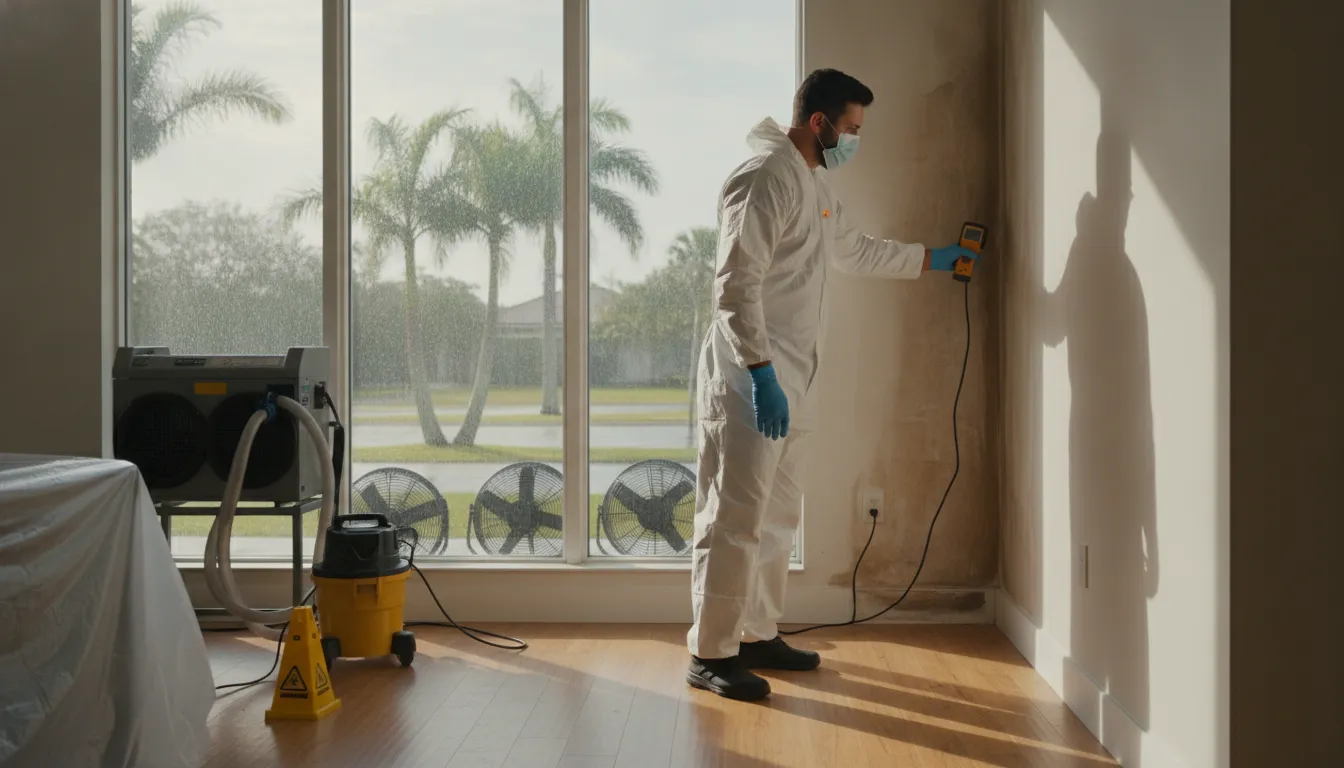
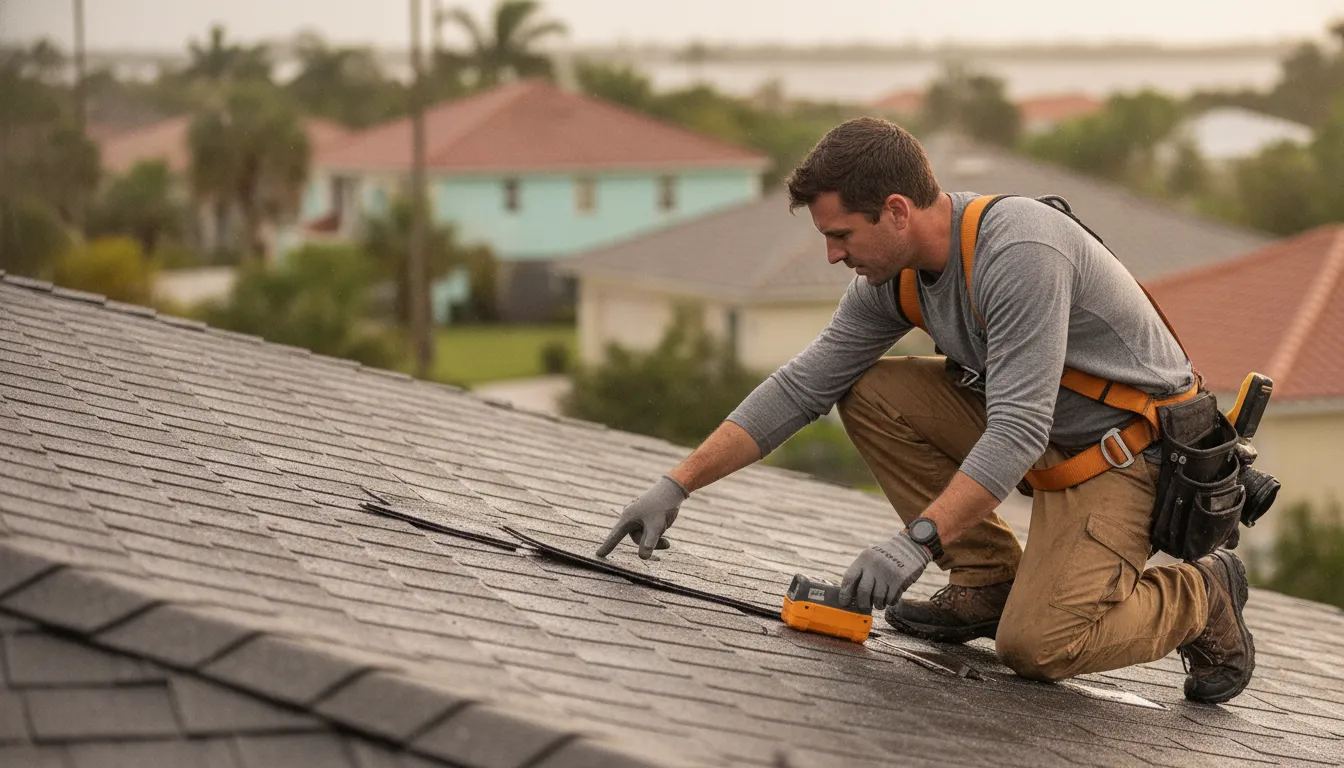
Visible mold after a storm-driven roof leak signals unfinished water damage indoors. In humid Pinellas County homes, wiping the stain does not solve the cause.
Schedule a free mold damage assessment with Go Time before moisture spreads farther.
Mold remediation is the controlled process of finding affected materials, containing spread, removing or cleaning contaminated materials, and correcting the moisture that allowed growth. In St. Petersburg and Pinellas County, certified professional help is warranted after storm or roof water intrusion, especially when mold returns after cleaning. It is also prudent when growth reaches drywall, carpet, insulation, or hidden areas, or the job requires Florida-licensed professionals. The EPA states moisture control is key to mold control because a damp surface can support new growth after cleanup. Go Time Roofing and Restoration connects interior remediation with possible roof damage, helping homeowners address contamination and the water source under one clear plan.
The real question is not whether a stain can be wiped away. It is whether moisture is still feeding damage in your home.
For Pinellas County homeowners deciding when certified help makes sense, the path starts with moisture control.
Mold remediation starts with moisture control
Go Time Roofing and Restoration frames mold remediation around moisture control first, because the repair is not complete until the water source is understood. Every conversation starts with one practical question: where is the water coming from? The CDC notes that excess moisture is the major cause of indoor mold growth, which means a sound plan must address damp materials before cosmetic repairs begin.
Mold remediation is the work of finding mold, limiting its spread, removing affected materials, and drying the area. It is not the same as wiping a stain from a wall. In a Pinellas County home, a clean surface can still hide a damp wall cavity, ceiling, or cabinet base.
Why moisture comes first
Mold needs damp conditions to keep growing. This is why a sound plan begins with the water source, then checks the affected materials. If the damp area remains, the same surface can show growth again after cleaning.
The EPA puts the point in plain terms: the key to mold control is moisture control. If a leak or damp space remains, surface cleaning does not resolve the cause of growth. Drying and repairs are part of the remediation work, not an extra step.
This difference matters for homeowners. Mold removal describes the material being cleaned or removed. Mold remediation addresses the damp condition, the affected area, and the steps needed to limit repeat growth.
Common moisture paths in Florida homes
Florida homes can face humid air for long stretches, plus heavy rain and storm-driven water. A damaged roof may let water enter an attic or ceiling without a clear drip indoors. After a storm, damp insulation or wood decking may stay out of sight while stains appear later.
Water can also begin inside the home. A slow plumbing leak below a sink or behind a shower wall may soak drywall or cabinets. Condensation near air conditioning equipment may leave another hidden damp area. A musty odor can be a reason to inspect further.
- Roof leaks may wet attic insulation, rafters, ceiling drywall, and wall cavities.
- Storm water may enter through damaged roofing, flashing, soffits, or window openings.
- Plumbing leaks may damp cabinets, flooring, baseboards, and walls from behind.
- Humidity and condensation may keep enclosed materials damp after the first water event.
What remediation addresses
A proper response traces where water traveled, checks nearby materials, and dries the damaged space. Some hard surfaces may be cleaned and dried. Moldy porous materials may be hard to clean in full. Growth can reach open spaces in carpet or ceiling tile.
Hidden moisture changes the scope of the work. A ceiling mark can point to wet insulation above it. Swollen baseboards may show that water has moved through a wall or across flooring.
This approach matters when water has moved from a roof into interior finishes, or from a pipe into a wall. Homeowners who find visible growth can review local mold remediation services in Largo for help with the moisture source. The first question is where the water came from, not only where mold appears.
Mold remediation vs. cleaning: what is the difference?
Go Time explains the difference this way: cleaning is a surface action, while mold remediation is a controlled damage response. According to EPA cleanup guidance, hard surfaces can often be scrubbed and dried, but porous moldy materials may need disposal.
Cleaning and mold remediation are not the same service. On a small hard surface, cleaning removes visible growth and residue. A remediation plan addresses affected materials, the work area, and the moisture problem that allowed growth.
What surface cleaning can do
Hard surfaces can be scrubbed with detergent and water, then dried. Porous items, such as carpet and ceiling tile, may need disposal. Mold can enter spaces in those materials that are hard to clean.
DIY cleanup can make sense for an isolated spot on a washable surface, once its moisture source is fixed. It is not a plan for wet drywall, carpet, insulation, or an area where growth returns. Painting or caulking over a moldy surface is not a repair.
| Approach | What it covers | Key limit or question |
|---|---|---|
| Surface cleaning | Visible growth on cleanable hard surfaces | Has the moisture source been fixed? |
| DIY cleanup | A small, isolated, washable area | Porous or repeat growth needs closer review. |
| “Mold removal” marketing | May describe visible removal | Ask for the full scope and controls. |
| Full remediation | Affected material, work zone, and moisture source | Review containment, filtration, removal, and drying. |
What remediation addresses
Remediation starts with scope, not a product name. A clear plan states what will be cleaned or removed. It should state how the work area will be separated. Ask whether HEPA-filtered equipment fits the proposed work.
Containment keeps the work focused on the affected space during removal. Porous building materials may need removal when they cannot be cleaned fully. In Pinellas County homes, water damage restoration in St. Petersburg is relevant when wet materials or leaks remain.
The main difference is moisture control. The CDC says mold in a home calls for cleanup and correction of the moisture problem. If damp materials or a leak remain, wiping a surface does not address why growth appeared.
How to compare a scope of work
Ask what material is affected, what moisture source was found, and what drying or repair is planned. Ask whether containment and HEPA filtration are included. The contractor should explain why those controls suit the affected area and work plan.
DIY cleaning may fit an isolated washable surface once the moisture issue is fixed. A larger problem, repeat growth, or affected porous materials calls for a defined plan. A clear scope helps owners choose a sound response without treating every visible spot the same way.
When do Florida homes need certified mold remediation?
Go Time recommends certified mold remediation when visible mold follows water damage, keeps returning, or may be hidden in the home. The CDC identifies excess moisture as a major mold driver, so Florida homeowners should treat storm leaks, roof openings, and wet porous materials as warning signs.
Certified mold remediation is a sound next step when mold follows water damage, keeps returning, or may be hidden in the home. In St. Petersburg and Pinellas County, roof leaks and storm intrusion can affect more than the spot you can see. The goal is to stop moisture, contain affected areas, and remove damaged material safely.
Moisture after a leak or storm
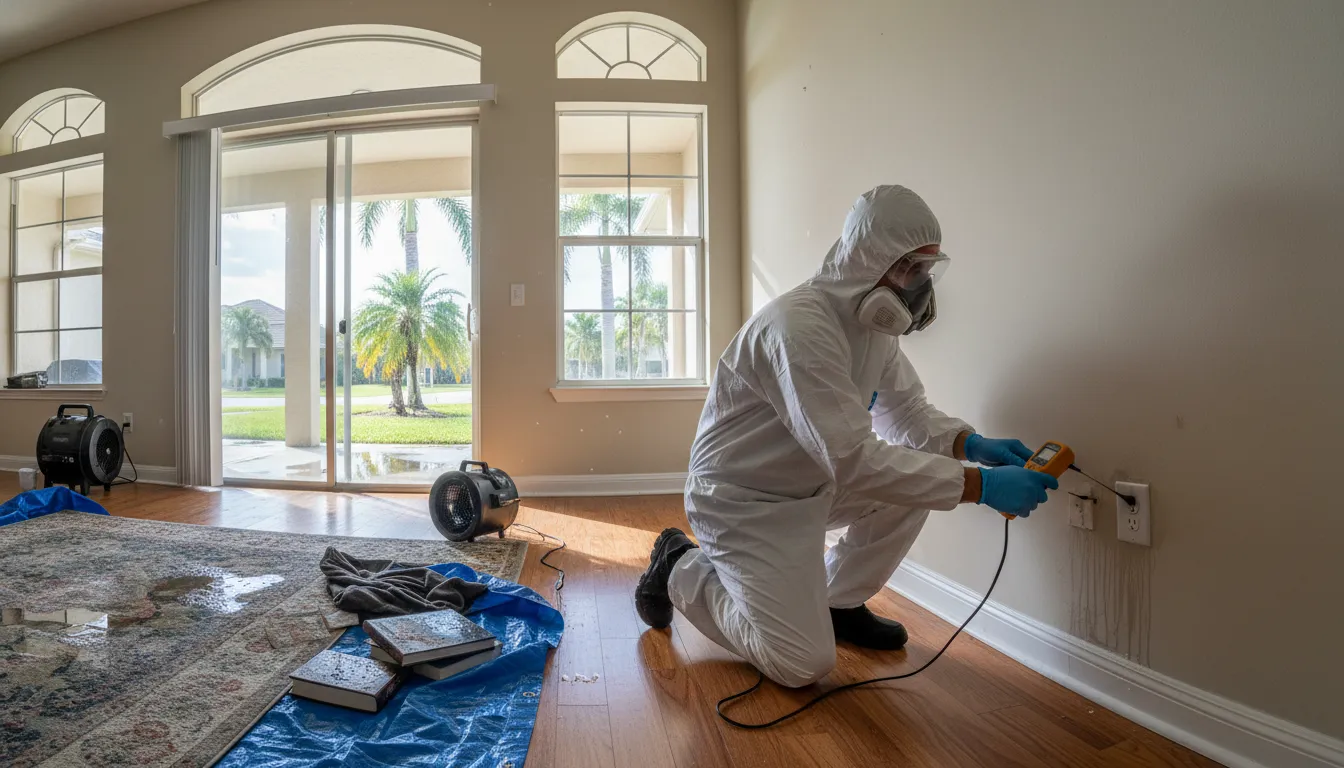
After wind-driven rain, a roof opening, plumbing leak, or flooding, the first concern is the water source. Cleaning a stain without drying and fixing the source can leave the same conditions in place.
Call for certified help when water reaches drywall, insulation, carpet, ceiling materials, or enclosed wall spaces. These areas can hold moisture beyond the visible surface. Homeowners with soaked rooms or roof leaks can begin with professional water cleanup and drying. Drying and repairs then address damage at its source.
This need is common after a Florida storm event. Rain may enter through damaged roofing and move into attic insulation or ceilings. Even when standing water is removed, damp enclosed material may call for trained inspection and a defined cleanup plan.
Signs the affected area needs professional care
A musty odor without a clear source calls for a closer look, especially after a past leak. Recurring growth can point to moisture that was not fully corrected. Certified help is appropriate when mold appears behind cabinets, baseboards, ceilings, or wall finishes.
- Visible growth returns after the surface was cleaned.
- A musty odor remains after a leak, storm, or flood cleanup.
- Wet drywall, carpet, insulation, or ceiling tile may be affected.
- The affected space is hidden, broad, or hard to isolate.
- An insurance claim requires clear records of damage and work.
Porous building materials need care because growth can extend into spaces that are hard to clean. The EPA notes that moldy carpet and ceiling tile may need to be discarded when full cleaning is not possible. A trained remediator can assess what can be dried and what should be removed.
What certified remediation covers
Mold remediation is more than wiping visible marks from a wall. A certified process considers containment, damaged material removal, moisture control, and records of the work done. This matters after roof intrusion because cleaning inside does not correct the opening that let water enter.
Professional care is also wise when children, older adults, or people with breathing concerns use affected rooms. A team can establish a work area and limit the movement of debris during removal. That helps a household plan safe access while drying and repairs are underway.
Documentation can matter when storm damage is part of an insurance claim. Photos, moisture findings, removal details, and repair records show the scope of the work. For Pinellas County homeowners, certified help connects the visible mold concern with the moisture source that must be corrected.
What happens during a professional remediation project?
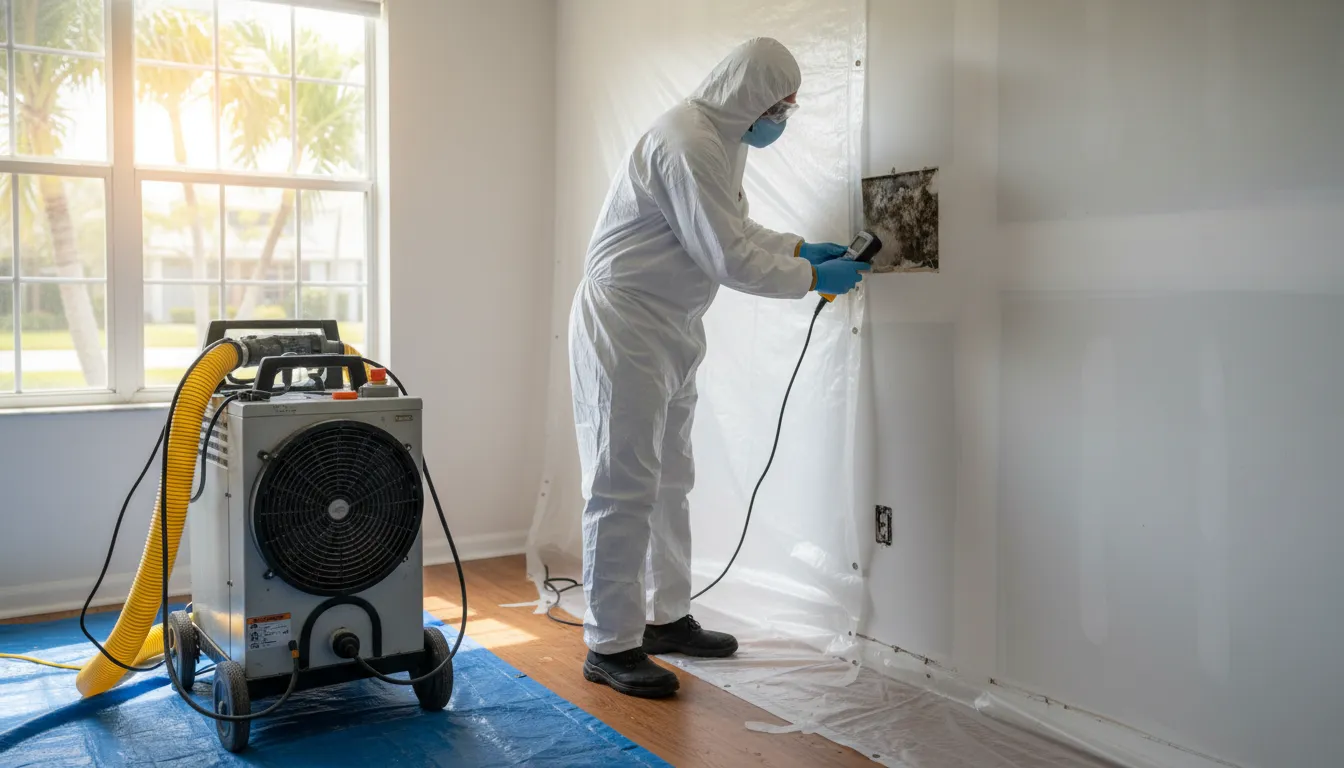
Go Time handles professional remediation as a controlled sequence: assess the moisture path, contain the work area, remove or clean affected materials, dry the structure, and document what changed. The EPA notes that moisture control is key to mold control, so the process is built around both cleanup and source correction.
For a Pinellas County property, the goal is simple: remove affected material safely and correct the damp condition. Each project has its own scope because water can move behind walls, under floors, or into roof systems.
Assessment and work plan
A trained team first reviews affected rooms, nearby spaces, and possible water sources. Moisture readings help trace damp material that may not look wet at first glance. The findings define a clear work area and guide the next steps.
-
Document the affected area and moisture source. Technicians note visible growth, musty odor, and damp building materials. They look for the cause, such as a leak, roof opening, or prior flood.
-
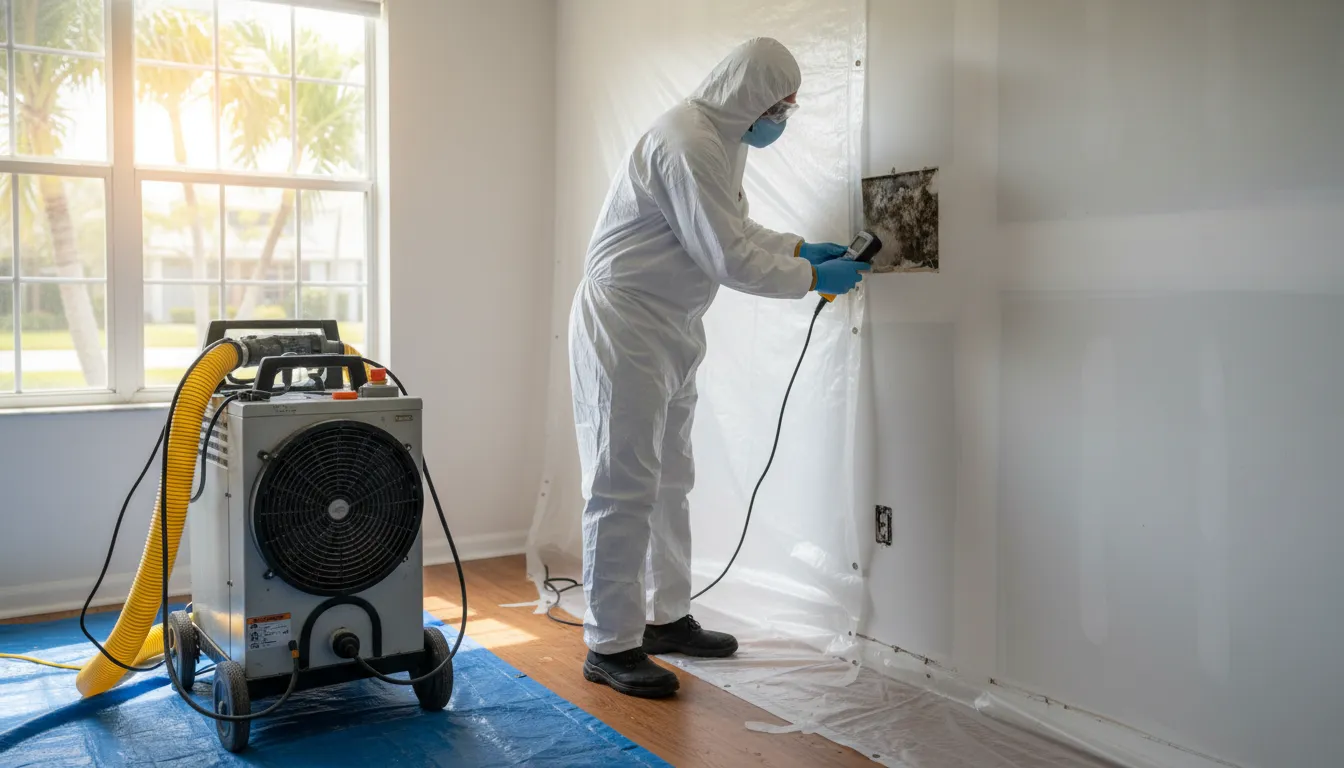
Set containment before removing damaged material. Barriers separate the work zone from occupied or clean areas. Negative air equipment can help move airflow into containment, not out into the home.
-
Filter air and remove damaged porous material. Air scrubbers use HEPA filtration during active work. Damp drywall, insulation, carpet, or other affected material may need controlled removal and disposal.
-
Clean remaining surfaces within the contained space. Workers may HEPA vacuum dust and debris from sound surfaces. They then use the selected cleaning method on material that can remain in place.
-
Dry the materials and address odor sources. Drying equipment supports moisture reduction after removal and cleaning. Odor control targets affected material and damp conditions, instead of hiding a musty smell.
-
Review the moisture path and prevention needs. The team checks whether wet areas have dried. It then notes repairs that can limit new water entry or indoor dampness.
Containment and cleanup
Containment is important because removal can disturb dust and debris in a work zone. Technicians control access, handle removed material with care, and keep cleaning focused on affected spaces. HEPA vacuuming and filtered air scrubbing support detailed cleanup during this stage.
In Florida’s humid climate, removal is only part of the job. When a leak or flood affects materials inside the building, emergency water damage restoration support may support the drying and repair plan. This connects the visible mold concern to its moisture source.
Contact Go Time for a free assessment if mold followed a leak, flood, or roof problem.
Drying and prevention recommendations
After cleaning, a team reviews dry-out progress and any odor concerns tied to affected material. It should also explain what was removed, what remains, and which repairs still need attention. That record helps owners plan the restoration phase.
Go Time handles restoration and roofing work for homes and properties in St. Petersburg and across Pinellas County. Owners seeking a local next step can review mold remediation help in Palm Harbor. Recommendations may address a plumbing leak, roof opening, ventilation issue, or another water source.
What should homeowners avoid when they find mold?
Go Time advises homeowners to avoid any step that hides mold, spreads debris, or skips the moisture source. The CDC says mold cleanup should include correcting the moisture problem, which is why paint, fans, and rushed demolition can make the response less controlled.
Finding mold can make a quick fix tempting, especially after a leak or storm. Do not hide the stain, blow air across it, or open damaged walls without a clear plan. Mold remediation starts with moisture control and careful handling of affected areas.
Covering growth instead of correcting moisture
Paint and caulk are not repairs for active mold. According to the EPA mold cleanup guidance, homeowners should not paint or caulk moldy surfaces. The surface must be cleaned and dried first, or the new paint may peel.
Do not rely on bleach as a cure-all for a damp building. A cleaned stain does not fix a roof leak, plumbing leak, or wet wall cavity. If the source remains damp, cleaning the visible spot alone does not solve the moisture problem.
Spreading debris beyond the affected area
Avoid placing a fan where it blows across visible mold or damp debris. Moving air through a dirty work area can carry particles into nearby rooms. Do not pull up carpet or tear out drywall until you know how the work area will be contained.
Absorbent materials call for extra care. Mold can reach spaces in carpet, ceiling tile, or other porous materials that are hard to clean. Removal should be planned so damp debris does not pass through clean living areas.
- Keep children, guests, and pets away from the affected room while you decide next steps.
- Do not place wet debris beside clean furniture, boxes, or clothing.
- Avoid cosmetic repairs until the moisture source and damaged materials have been assessed.
Waiting after water damage
Do not ignore a leak after the visible stain appears dry. Check the cause of the water entry before restoring finishes.
For a Pinellas County home with water damage, the priority remains simple: stop ongoing water and dry affected areas. If wet materials or hidden leaks are involved, consider St. Petersburg water damage repair services. Drying and repairs should come before cosmetic work begins.
Waiting, covering stains, or removing materials without containment can leave the cause unresolved. Record where the water entered, and keep affected areas undisturbed. Seek a clear scope for mold remediation when damage extends beyond simple surface cleanup.
How Go Time helps after water damage and mold
Go Time helps St. Petersburg and Pinellas County property owners connect the visible mold concern to the water event behind it. Because the company provides both restoration and roofing services, the team can document roof-related water entry, indoor moisture, drying needs, and repair planning within one coordinated response.
After a leak or storm, the first goal is to stop added damage and find where water has traveled. Go Time serves properties in St. Petersburg and across Pinellas County with 24/7 response for roof-related and indoor water damage.
From water entry to dry materials
The work starts with an on-site review of affected rooms and the likely water source. Crews can extract standing water and set up drying equipment. Moisture mapping checks walls, floors, and other materials that may still hold water.
This step matters because damp areas can remain hidden after surfaces look dry. The CDC notes that excess moisture is a major cause of indoor mold growth. Finding damp building materials helps guide drying and repair decisions.
- Water extraction removes water that can spread into nearby materials.
- Drying targets wet spaces after visible water is gone.
- Moisture mapping helps define affected areas before repairs move ahead.
Mold remediation after a water event
If mold is found after a water event, the focus is more than surface cleaning. Mold remediation can include control of the work area and removal of affected material. It also includes moisture control before repairs begin.
Homeowners with wet rooms, damaged flooring, or wall moisture can review Go Time’s free damage assessment process. This service path links urgent water cleanup with drying and mold-related needs when they occur together.
One record of damage and repairs
Water damage may begin at the roof, then affect ceilings, walls, insulation, or flooring below. Go Time can document affected areas and completed work. This gives property owners a clearer record for claim talks and repair planning.
When roof damage is part of the same loss, Go Time’s roofing quote request page supports a single-source restoration approach. Roof repairs, interior drying, mold remediation, and repair planning stay linked to the same damage path.
For St. Petersburg and Pinellas County properties, this approach keeps the response organized from water entry through repair. Property owners can focus on clear next steps instead of managing separate scopes for connected damage.
Frequently Asked Questions
Can you remediate mold yourself?
Small mold on a hard surface may be cleaned with detergent and water, followed by complete drying. The EPA notes that porous materials, such as carpet or ceiling tile, may need disposal when moldy. Do not attempt broad cleanup when moisture remains, contamination is hidden, or affected materials require removal and containment.
What kills mold permanently?
No spray or cleaning product can permanently solve mold growth if moisture continues. The EPA identifies moisture control as the key to controlling mold. Effective remediation includes drying the area, correcting leaks or water intrusion, cleaning suitable hard surfaces, and removing contaminated porous material when it cannot be cleaned completely.
How much should mold remediation cost?
The cost of mold remediation in a Pinellas County home depends on the affected area, materials, access, containment needs, and needed moisture repairs. A small surface area is not priced like hidden contamination behind drywall after roof or water damage. Ask for a written scope that separates remediation, removal of damaged materials, moisture-source repair, and restoration work.
What are the signs of mold exposure in a home?
Mold may be present when a home has visible growth, damp materials, past water intrusion, or an ongoing musty odor. For some people, the CDC says mold exposure can cause a stuffy nose, sore throat, coughing, wheezing, burning eyes, or skin rash. A health concern should be discussed with a medical professional.
When is professional mold remediation necessary?
Professional mold remediation is appropriate when growth returns after cleaning, a musty odor persists, wet drywall or insulation is affected, or damage may extend into concealed spaces. In humid Florida homes, the moisture source must also be identified and corrected. The CDC notes that visual inspection and musty odors can be more reliable than routine air sampling for building evaluations.
Ready to Call Go Time for Mold Remediation Help?
Waiting after moisture or visible mold appears can allow damage to reach more materials, making the needed remediation harder to plan and complete. Starting now gives a professional team time to find the moisture source, evaluate affected areas, and recommend a practical course of action. That early plan can help you make informed repair decisions before a small concern demands a more involved response.
Call Go Time at (727) 430-3079 for mold remediation help in St. Petersburg and Pinellas County.
A direct conversation can help you explain what you see, what happened before the mold appeared, and how quickly the property needs attention. Go Time can help you decide whether the next step is inspection, drying, remediation, roofing repair, or a coordinated plan that addresses the full water path.