After a Florida leak, visible mold can turn a repair into a serious budget decision. Price depends on where growth spread, what moisture damaged, and what safe removal requires.
Request a free mold damage assessment from Go Time Roofing and Restoration before hidden moisture raises the scope of work.
Mold remediation cost in Florida typically runs from $1,500 to $5,000 for standard residential work, according to Go Time Roofing and Restoration. Contractors may estimate $10 to $30 per square foot of affected material in a contained work area, not the full floor plan. Size, location, containment needs, and repairs after moisture damage can push a job above a typical range, especially in attics, walls, crawl spaces, or HVAC areas. Insurance may depend on the cause of the water damage and policy terms, so keep photos, estimates, and mitigation records from the start of cleanup. Florida homeowners should verify state licensing and seek professional help when contamination is widespread, hidden, recurring, or tied to significant water loss.
Homeowners usually want two clear answers before authorizing work: what a realistic bill looks like, and when mold needs more than routine surface cleanup. The next section, Mold remediation cost in Florida: average price ranges, sets the baseline. Start here:
Mold remediation cost in Florida: average price ranges
Typical price bands for Florida homes
For many Florida homeowners, mold remediation cost in Florida falls between $1,500 and $5,000 for a standard job. Professional work commonly runs from $10 to $30 per square foot of affected space. These ranges are listed in Go Time’s mold remediation service details.
A small job under 10 square feet may range from $500 to $1,500. A large project with structural damage can exceed $30,000. This spread helps explain why the first visible sign of mold does not tell a homeowner the likely final cost.
The smaller range may fit a contained spot with limited affected material. Higher costs may apply when damage reaches walls, ceilings, flooring, or other parts of a building. A quote should reflect the work area and damaged materials, not just the stain a homeowner first noticed.
| Cost factor | Smaller contained project | Larger structural project |
|---|---|---|
| Affected size | Under 10 sq. ft. | Broad affected area |
| Published price range | $500 to $1,500 | Can exceed $30,000 |
| Pricing reference | Common service pricing is $10 to $30 per sq. ft. | |
| Likely scope concern | Limited material | Structural material damage |
Why St. Petersburg costs can vary
In St. Petersburg and across Pinellas County, moisture is central to the scope of mold work. The EPA explains that mold may begin growing indoors when spores land on wet surfaces. It also advises keeping indoor humidity below 50 percent, when possible, in its guide to mold and moisture in the home.
Florida humidity makes moisture control a practical concern for local properties. Yet humidity alone does not set the bill. Price can change with the size of the affected area, its location, and the extent of damaged building materials.
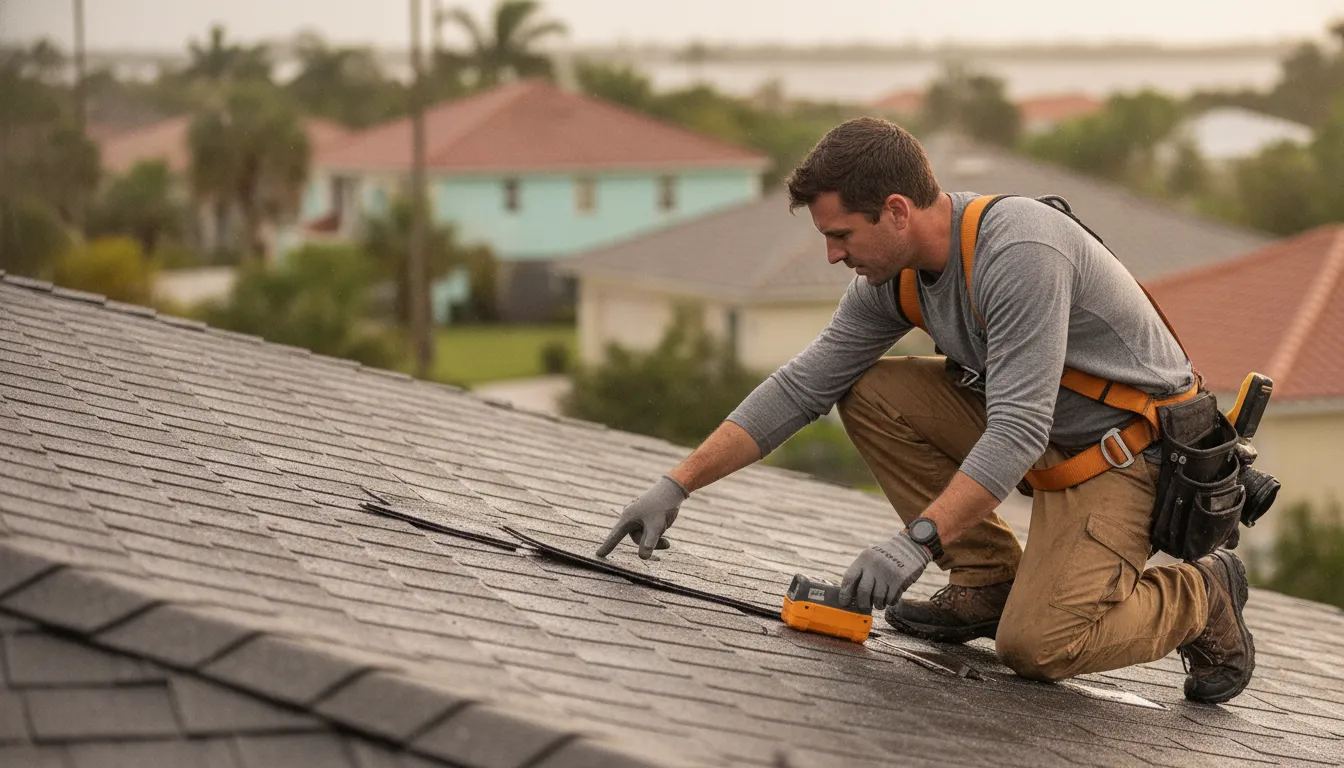
If rain or a roof leak lets water into a home, hidden spaces may need review. Wall cavities, ceiling areas, and flooring can affect the work scope when they are damp or damaged. This is why a quick surface look may not be enough for price planning.
How to read an estimated range
A published range is a planning guide, not a final quote for each home. Two Pinellas County properties may show similar signs but need different containment, removal, drying, or repair work. The work area and moisture source should be checked before a firm scope is set.
Homeowners can use local service information to prepare questions about affected areas and material damage. For nearby coastal properties, Go Time describes mold remediation pricing factors on its St. Pete Beach service page.
What drives the final remediation estimate?
Affected area and location
The final estimate starts with the amount of affected material, not just the visible spot. A limited surface area takes less labor and setup than growth spread across several rooms. For homeowners comparing mold remediation cost in Florida, square footage is only one part of the scope.
Location matters because crews must reach, isolate, and clean the affected area safely. An open room is easier to work in than an attic, crawl space, wall cavity, or HVAC system. The EPA calls for more caution when extensive hidden mold is expected, including mold inside HVAC systems.
Access can add time even when the affected area is small. Tight crawl spaces, steep attic access, stored belongings, or finished wall systems may slow inspection and removal. Work near ducts or air handlers may need added controls to avoid moving debris through the home.
Containment and cleanup scope
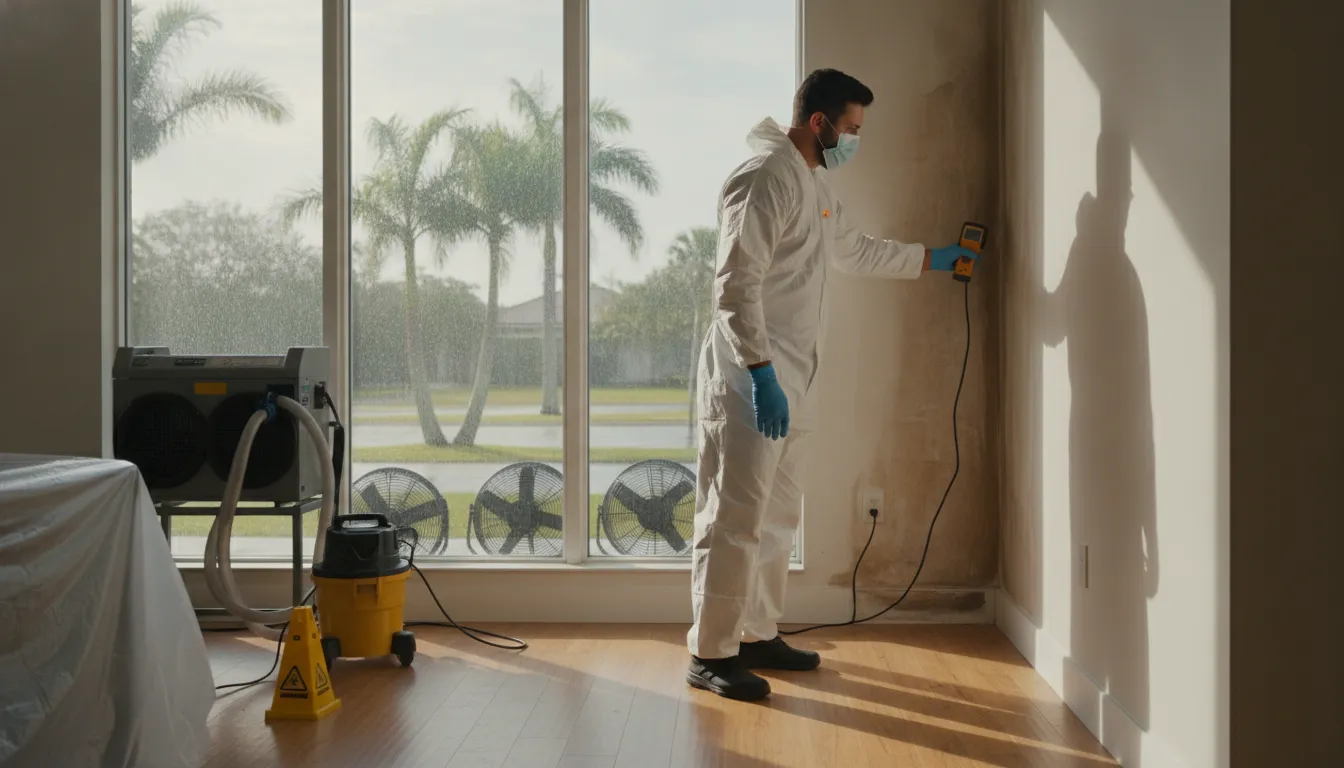
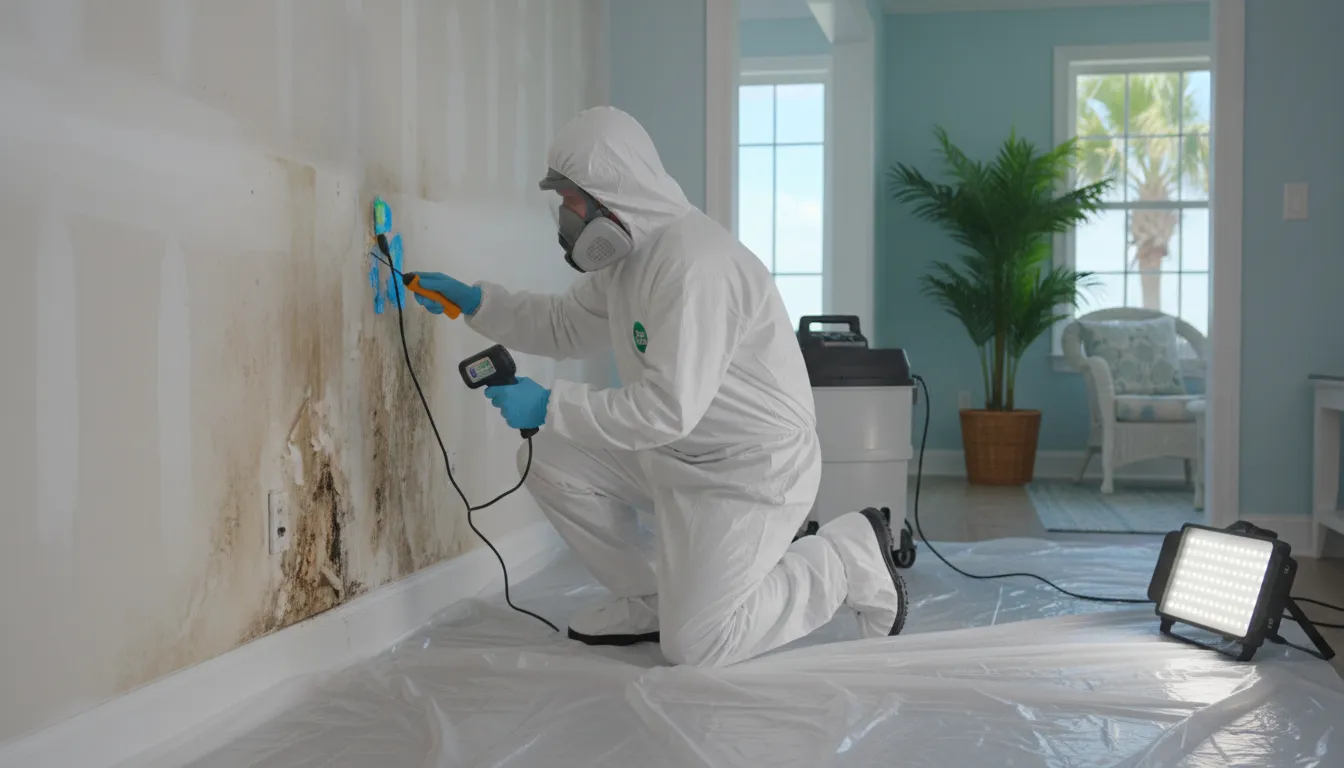
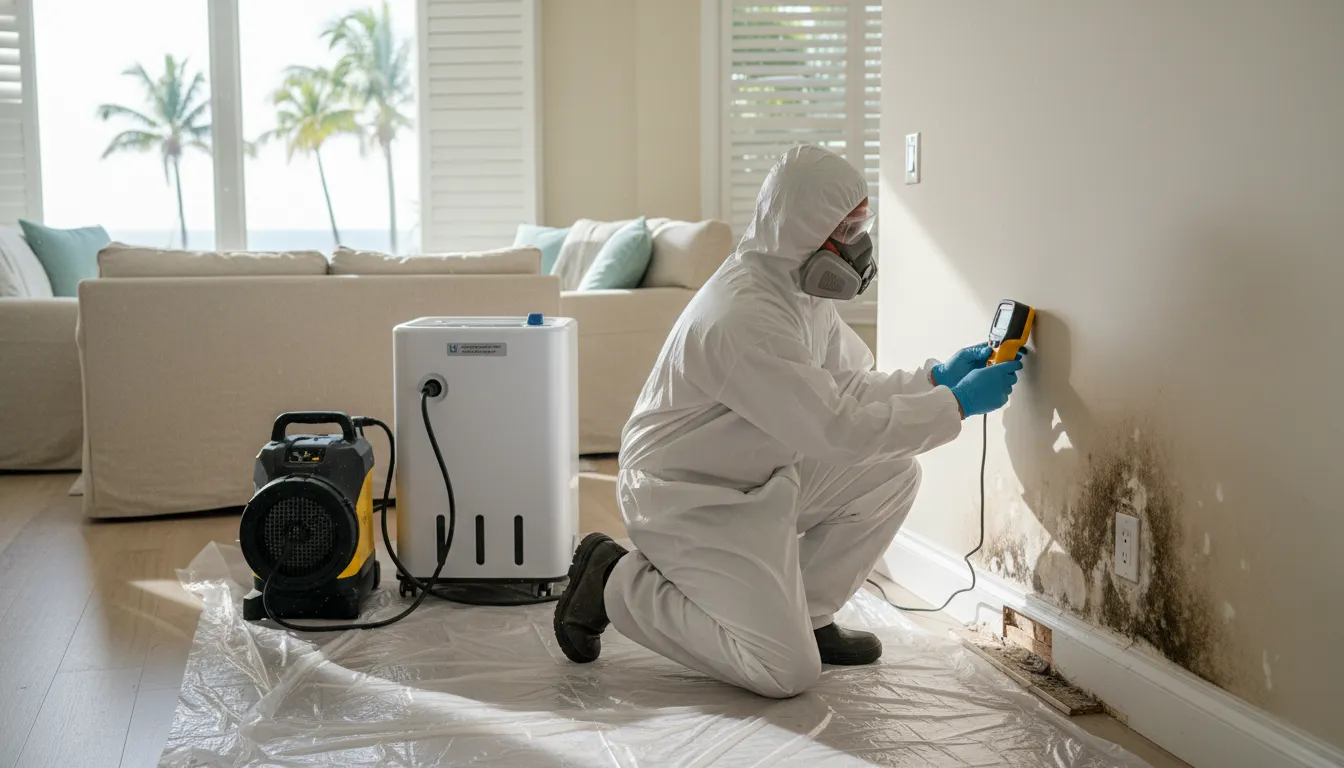
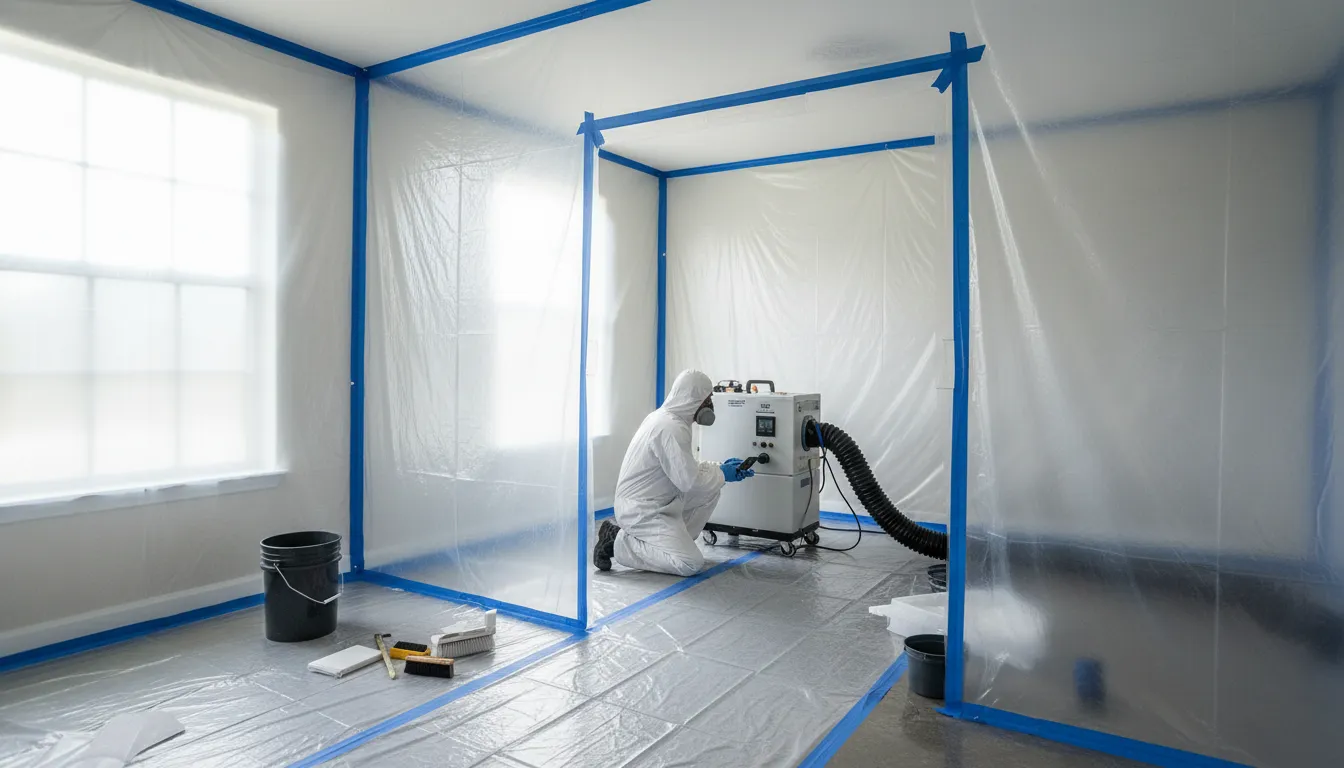
A sound estimate separates mold removal work from repairs to damaged finishes. Containment helps keep the work zone controlled during removal. The plan may also call for HEPA filtration, surface cleaning, drying, and disposal of materials that cannot be cleaned.
- Containment: barriers and controlled entry for the affected work zone.
- Demolition: removal of damaged drywall, insulation, flooring, or other porous materials when needed.
- Cleaning and filtration: detailed cleaning and HEPA filtration based on the work plan.
- Drying: equipment and checks for damp materials after the source is corrected.
- Reconstruction: replacement of removed finishes after remediation work is complete.
Each step changes labor, materials, equipment use, and disposal needs. That is why two homes with a similar stain can receive different scopes. A written estimate should show included tasks and repairs that follow cleaning.
Water damage and repairs
Water damage can increase the scope because damp materials may extend beyond the first visible area. The EPA guide to mold and moisture states that mold may grow after spores land on wet surfaces. A leak, storm opening, or past flood issue must be found before the work plan is final.
Drying and repair costs depend on what became wet and what must be removed. Wet insulation behind a wall may require opening the wall, cleaning the cavity, drying it, and replacing finishes. Roof or structural damage can make repairs a separate part of the project.
A site visit should connect the mold scope to the moisture source and needed repairs. Go Time’s page on mold remediation pricing factors gives local homeowners another view of the cleanup process before requesting an estimate.
Does homeowners insurance cover mold remediation in Florida?
Homeowners insurance does not make every mold project a covered loss. Coverage may turn on the event that caused moisture, the policy terms, limits, exclusions, and the insurer’s review. The mold remediation cost in Florida should not be treated as an automatic claim payment.
The cause of loss
A sudden water event, such as a burst supply line or storm opening, creates a different claim record than long-term dampness. Slow leaks, worn seals, poor ventilation, or delayed upkeep may lead to questions about maintenance. Read your policy and speak with the carrier or adjuster before relying on coverage.
Mold needs wet surfaces to begin growing, as explained in the EPA guide for homeowners. After a loss, address safe water control quickly and keep damaged areas available for inspection. Do not hide the source of moisture with paint or surface cleaning alone.
A stronger claim record
The claim file should show what happened, where water traveled, and what work is needed. Start with dated photos and video of the source, wet materials, visible mold, and damaged contents. Keep receipts, service reports, insurer messages, and any drying records in one file.
- Record room names, dates, and the first signs of water or odor.
- Request moisture readings before drying, during work, and after the affected materials are dry.
- Ask for an itemized scope that separates water mitigation, mold remediation, removal, and repairs.
A written scope should tie planned work to the affected building materials. University of Florida guidance says water-stained porous materials should be cleaned and dried below 20 percent moisture content. That measurement gives reviewers a clear record of drying needs and progress.
Costs and claim decisions
The contractor documents conditions and the work needed to remediate them. The insurance carrier decides whether policy coverage applies and what amount, if any, is payable. A professional scope is useful evidence, but it is not a coverage promise.
Costs can rise when moisture reaches hidden areas or damaged materials require removal. For a local view of insurance considerations for mold, review the steps used for Palm Harbor properties. The same recordkeeping approach helps homeowners discuss scope, pricing, and coverage with their insurer.
Before signing work authorization, ask how emergency steps, testing, containment, and repairs appear on the estimate. If the claim is open, send the documented scope to the adjuster without delaying needed safety work. Keep each estimate version so changes to the mold remediation cost in Florida remain easy to trace.
Why Florida licensing matters before you compare quotes
Credentials behind the quote
A low quote does not tell you who will handle contaminated materials in your home. Florida homeowners should first confirm that a remediation contractor holds the license needed for mold work. Go Time lists Florida Mold Related Services Remediator (MRSR) licensing and IICRC AMRT training among the standards for professional mold remediation.
These credentials answer different questions. An MRSR license speaks to the contractor’s authority to perform mold remediation in Florida. AMRT, or Applied Microbial Remediation Technician, training addresses the work methods a technician uses during a microbial cleanup project.
Assessment and remediation roles
When comparing quotes, ask who inspects the affected areas and who completes the removal work. A useful quote states whether an assessor prepared the scope and whether a remediator priced that scope. It should also state which license applies to each role. This helps you compare the same work, instead of totals built on different assumptions.
The scope matters because hidden mold or possible airborne spread can change a safe work plan. The EPA guidance on mold remediation calls for more caution when hidden mold is expected. It also advises care when mold may become airborne or when sensitive people are present.
- Request the contractor’s Florida mold remediator license number and verify its current status.
- Ask whether the quote includes assessment, containment, removal, cleaning, drying, and post-work documentation.
- Confirm who will perform the field work and whether AMRT-trained staff will be on site.
- Compare exclusions, moisture-source repairs, and clearance steps, not only the bottom-line price.
A price comparison that protects your home
The mold remediation cost in Florida can look lower when a quote omits needed steps. It may exclude containment, drying, documentation, or work in spaces that have not yet been inspected. In Pinellas County, reviewing Florida mold remediation service details can help you form questions before seeking estimates.
Before signing, request a written scope and proof of licensing. Look for the affected area, moisture source, containment plan, removal method, drying plan, and final records. Then compare quotes based on the same scope, qualified personnel, and safety controls.
When should you call a certified remediator?
A small surface mark may look manageable, but a wet home can hide a larger issue. Call for help when growth spreads, returns, or follows water entering the home. The goal is to stop the water source and limit further damage.
Signs that call for expert help
Look beyond the patch you can see. Active moisture, stained drywall, damp insulation, or a musty odor can point to a problem behind finished surfaces. These signs matter after storms, flooding, plumbing failures, and roof leaks.
- Visible growth is spreading. A patch that covers more than a small spot may involve nearby porous materials.
- Mold follows a flood or roof leak. Water can reach wall cavities, ceilings, flooring, and insulation.
- The musty smell keeps returning. Odor without an obvious source can signal damp or hidden materials.
- You suspect hidden mold. Discoloration, bubbling paint, and soft drywall can justify a closer review.
- Air handling equipment may be affected. Suspected growth near ducts or HVAC components requires care before disturbed material spreads.
- Someone in the home is sensitive. Take extra care when occupants have severe allergies or asthma.
Hidden mold and household health concerns
The EPA recommends a more cautious approach when extensive hidden mold is expected. Its guidance also calls for caution when people with severe allergies or asthma are present. Those situations are not good places for trial-and-error cleanup.
Moisture is the trigger to address first. The EPA explains that mold may begin growing when spores land on wet surfaces in its home mold guide. If a leak is active or building materials still feel damp, start with water control and a sound assessment.
What a remediator should review
A trained remediator should review the water source, affected materials, possible hidden areas, and the need for containment. This review helps define the scope before removal begins. It also gives homeowners clearer details when comparing mold remediation cost in Florida.
If you see these warning signs in Pinellas County, review when to call a certified remediator and discuss the affected areas. Share when the water event happened, what you can see, and whether the odor returns after cleaning.
How to compare mold remediation quotes
A low total does not always mean a fair quote. For a true comparison of mold remediation cost in Florida, ask each contractor to price the same work. The scope should show what is affected, what will be removed, and what happens after cleanup.
Scope details to match
Start with the affected rooms and materials. A clear quote names drywall, insulation, flooring, cabinets, or HVAC areas that need work. It should also separate removal from surface cleaning. Those steps do not solve the same problem.
Ask how the work area will be kept apart from clean parts of the home. Look for containment barriers, air control, bagging, disposal, and cleaning steps. A local page on professional mold remediation cost factors can help you form questions before comparing estimates.
- Rooms and materials included in the work area
- Items removed, cleaned, dried, sealed, or discarded
- Containment and air filtration measures
- Labor, disposal, equipment, and optional repairs shown separately.
Moisture repair and verification
Mold work should not ignore the source of damp conditions. Ask whether the quote covers leak tracing, roof or plumbing repair, drying, or a referral for that work. The EPA mold guide states that mold may grow indoors when spores land on wet surfaces.
Also ask how the contractor will show that the job is complete. The estimate should state whether final checks, photos, moisture readings, or clearance testing are included. If you may file an insurance claim, request a written scope, invoices, photos, and proof of repairs.
Red flags in an estimate
Compare line items instead of totals alone. One contractor may include containment, disposal, and final checks. Another may give only a cleanup price. Palm Harbor homeowners can review local insurance considerations for mold while gathering claim records.
- A vague lump-sum price with no areas, materials, or tasks listed.
- A plan that cleans visible spots but does not address wet materials.
- No stated containment method for work inside occupied spaces.
- No license details, insurance proof, or named point of contact.
- Pressure to start before you receive a written scope.
Before accepting a quote, ask for changes in writing if any step is missing. A detailed estimate makes price differences easier to understand. It also gives you a clear record of the promised work.
Schedule your free assessment now if the estimate needs to account for water damage, containment, or insurance documentation.
Frequently Asked Questions
What is the average mold remediation cost in Florida?
Standard mold remediation cost in Florida typically ranges from $1,500 to $5,000, according to Go Time’s mold remediation guidance. The final estimate depends on contaminated square footage, room access, containment requirements, material removal, and damage linked to moisture. A small isolated area may cost less, while hidden or structural contamination may increase labor and repairs.
How much does mold remediation cost per square foot in Florida?
In Florida, professional mold remediation commonly runs $10 to $30 per affected square foot, based on published service guidance. Pricing applies to contaminated surfaces, not the home’s total size. A quote may also include containment, filtration, disposal, damaged material removal, and drying. Attics, crawl spaces, or HVAC involvement can require extra work beyond a simple surface cleanup.
Is mold remediation in Florida covered by homeowners insurance?
Coverage for mold remediation in Florida depends on the policy and the source of moisture. Before expecting reimbursement, review exclusions, limits, and claim requirements with your insurer or adjuster. Document visible damage, the moisture source, estimates, invoices, and remediation records. If delay could allow damage to spread, ask how emergency mitigation should be documented while the coverage decision is pending.
Does Florida law require special licenses for mold remediators?
Yes. Florida statutes require mold assessors and mold remediators to hold specific state licenses, as noted in Florida mold remediation guidance. Before hiring, homeowners can ask for the remediator’s license details and proof of relevant training. A licensed professional is especially important when mold is widespread, hidden, linked to water damage, or likely to require containment and removal of building materials.
How long does professional mold remediation typically take?
Professional mold remediation in Florida typically takes one to five days, according to service guidance, but the schedule can change. Larger affected areas, difficult access, material removal, drying needs, or repairs may extend the project. The underlying moisture source should be addressed as part of the plan, because cleanup without correcting moisture can leave the home vulnerable to recurring growth.
Ready to Address Mold Before Cleanup Costs Can Grow?
Waiting to address suspected mold can leave more building materials exposed, make your cleanup budget and planning harder to define, and increase disruption at home. Starting now gives a remediation professional time to review the affected spaces, outline appropriate next steps, and prepare a clear written scope for your decision. Acting promptly also lets you organize key photos, relevant dates, and policy questions before speaking directly with your insurance provider about possible coverage.
Ready to get clear guidance for your Florida home, limit needless uncertainty, and avoid another delay? Call (727) 430-3079 to request immediate mold remediation help and talk to a restoration professional about your next step today before more time passes.