Florida humidity can turn a hidden leak into a mold project within days. The sooner moisture is stopped, the sooner a home can move toward clearance.
How long does mold remediation take depends on moisture, affected materials, and the size of the contained work area in a Florida home. Many residential mold remediation projects take several days; extensive growth, wet structural materials, or repair needs can extend the work longer. Florida’s warm, humid conditions make source control and verified drying especially important before repairs begin. The schedule commonly includes inspection and assessment, containment of the work zone, careful removal of affected materials, cleaning, drying, and final clearance. The CDC guide warns homeowners to assume mold growth if belongings were not dried within 24 to 48 hours. A professional review sets the real timeline, safety controls, drying goals, and clearance expectations for each specific Florida home.
Homeowners need a realistic schedule, not a promise made before walls, flooring, and humidity conditions are checked. First, we will answer How long does mold remediation take in a Florida home? by mapping the steps that control safe completion. Here is how.
How long does mold remediation take in a Florida home?
A realistic starting range
If you are asking how long does mold remediation take, the short answer is usually 1 to 5 workdays after assessment. For severe growth or damage across several rooms, work can take 1 to 2 weeks or longer. These ranges come from a published residential remediation timeline, but they are not a promise for each home.
A small, open area is often easier to contain and clean than mold behind drywall or under flooring. A professional first checks the affected space, damaged materials, and the source of water. That scope sets the safe work plan and gives the homeowner a firmer schedule.
Moisture control in a humid home
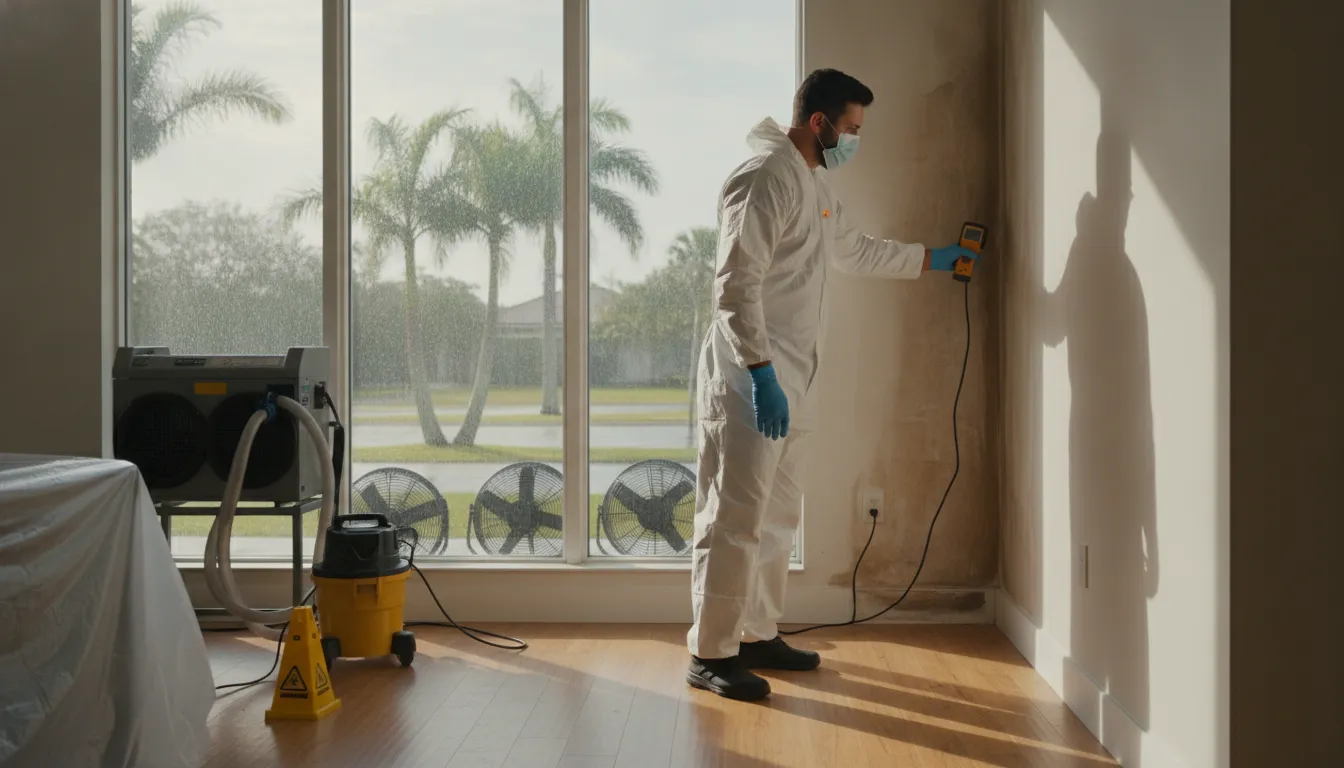
Removal is only one part of the job. In a Florida home, wet materials and damp indoor air can add drying time before repairs begin. The CDC homeowner mold guide addresses homes that cannot be dried soon after water damage. It says to assume mold growth when drying is not complete within 24 to 48 hours.
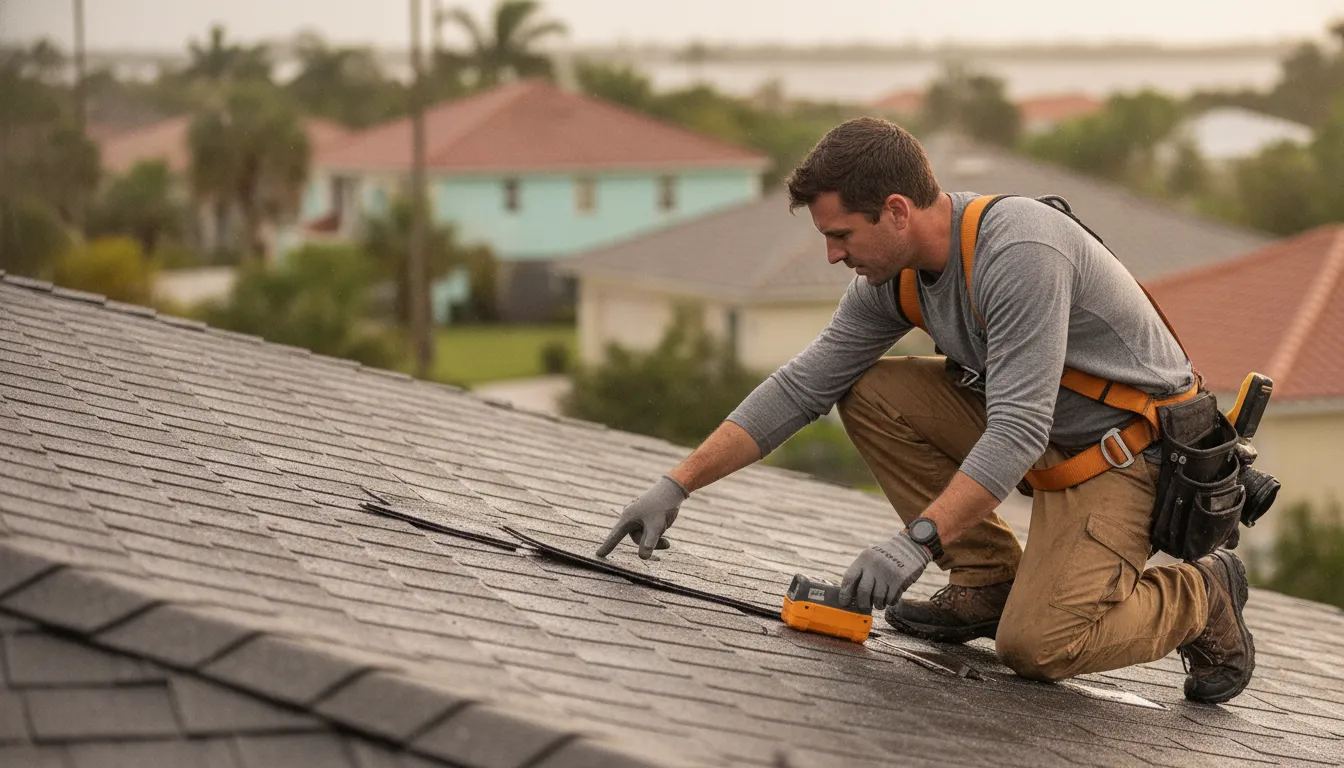
The crew must find and address the moisture source, such as a roof leak, plumbing leak, or storm water entry. If water keeps entering the home, cleaning the visible growth does not finish the problem. Drying equipment may need to stay in place while damp materials release moisture.
This is why Florida conditions matter. Humid outdoor air can make the drying phase harder to rush, even when removal work is straightforward. A sound timeline leaves room to correct the water source and dry the area before repairs cover it.
What can add days to the schedule?
Two homes with similar visible spots can require different timelines. Hidden damage, porous materials, more containment areas, and needed repairs all affect the work. Homeowners seeking local service can review Florida home mold remediation options while an assessment defines their own scope.
- More affected rooms: More containment, removal, cleaning, and inspection work may be needed.
- Hidden moisture: Damp wall cavities, flooring, or attic materials can extend drying and removal.
- Ongoing water entry: A leak or storm opening must be addressed before the work is complete.
- Clearance and repairs: Inspection needs and replacement materials may add time after cleanup.
Ask for a schedule after the inspection, not before the damaged area is seen. The estimate should explain containment, removal, drying, clearance needs, and any repair work that follows. For urgent help in Pinellas County, Go Time operates 24/7 at (727) 430-3079.
The mold remediation timeline by project phase
When homeowners ask how long does mold remediation take, the answer starts with the amount of wet material and affected space. A small, open area may move through work faster than hidden growth or widespread damage. Time also changes when the water source is still active.
Speed matters before the work begins. The CDC guide for homeowners and renters covers homes and belongings that stay wet. It says to assume mold growth if they were not dried within 24 to 48 hours. A prompt inspection helps define safe next steps.
From inspection to containment
Inspection is the planning phase. The team checks visible signs, damp materials, and the moisture source. It then sets the work area and decides what can be cleaned or must be removed. Containment comes next, before disturbed material can affect other areas.
Published timeline estimates place assessment at 1 to 2 days and containment at about 1 day. They place cleaning at 1 to 2 days and drying at 1 to 3 days. These phase-by-phase time ranges are planning guides, not promises for a home.
| Project phase | Typical planning range | What homeowners can expect |
|---|---|---|
| Inspection and assessment | 1 to 2 days | Moisture source and affected area are mapped. |
| Containment setup | About 1 day | The work zone is isolated before removal starts. |
| Removal | Varies by materials and scope | Affected items are removed or set for cleaning. |
| Cleaning | 1 to 2 days | Remaining surfaces and work areas are cleaned. |
| Drying and dehumidification | 1 to 3 days | Drying continues while moisture is checked. |
| Clearance expectations | After the work area is ready | Final checks guide the next safe step. |
Removal, cleaning, and drying
Removal is often the phase with the most change. Accessible materials can be handled faster than wall cavities, flooring layers, or other hard-to-reach spaces. If damp materials remain, cleaning alone does not solve the moisture problem. That is why drying and dehumidification are part of the timeline.
For Pinellas County homeowners, a local service page can help set expectations before an inspection. Go Time explains mold remediation in Largo for residents seeking service in that area. The actual schedule follows the conditions found at the property.
Clearance and return to normal use
Clearance is not a shortcut at the end of a rushed job. It follows containment, removal, cleaning, and moisture control. Homeowners should expect the team to explain what was treated and what remains dry. The team can also say whether later repair work is separate from remediation.
A realistic timeline leaves room for findings during the work. A hidden damp area may extend removal or drying. A smaller affected area may move ahead sooner. The useful estimate is a phase-based plan that is updated when the condition of the home becomes clear.
What affects how fast mold remediation can be completed?
Area, materials, and hidden growth
When homeowners ask how long does mold remediation take, the answer starts with scope, not a fixed promise. One visible patch can hide damp drywall, insulation, or framing beyond the surface you can see. A larger affected area requires wider containment, more material handling, and more cleaning before the area is ready for review.
The type of material matters as much as the size of the stain. Flooring, drywall, insulation, and cabinet backing often cannot follow the same cleaning plan as hard surfaces. When mold reaches an air handler or duct path, the work plan may also need added controls.
Hidden growth can turn a simple visit into a check of how far dampness traveled. For example, a supply line leak under a vanity may affect the cabinet base and nearby wall cavity. Opening affected areas with care can add labor, but it helps avoid leaving wet materials behind.
The moisture source and indoor drying
An active leak must be corrected before drying and cleanup can hold. The CDC advises homeowners to assume mold growth if a wet home and belongings were not dried within 24 to 48 hours. In a Pinellas County home, a roof opening or plumbing leak can keep feeding moisture until the repair is complete.
Florida projects may need close drying checks because warm, damp air can slow material drying. Dehumidification helps control that risk, but cleanup cannot stop a leak that is still active. A homeowner planning for Florida home mold remediation should expect the inspection to include moisture conditions.
Repairs, access, and claim steps
Work can take longer when crews must reach wall cavities, crawl spaces, attics, or HVAC components. Removed drywall, trim, flooring, or base cabinets may need replacement after the affected area is dry. Structural repairs are separate from removing affected material, yet they still shape the homeowner’s full recovery timeline.
An insurance claim can also add steps outside the hands-on remediation work. Photos, moisture records, estimates, and approvals may be needed before some repair decisions are made. Before work begins, homeowners can ask:
- How many rooms or enclosed areas are affected?
- Is the moisture source repaired, or is water still entering?
- Do porous materials or HVAC areas need attention?
- Will rebuilding or claim documentation add separate time?
A professional assessment can answer these questions before a timeline is set. Go Time Roofing and Restoration provides 24/7 response for property damage concerns at (727) 430-3079.
What happens before remediation starts?
Before any material is removed, the first work is investigative. A technician needs to understand where moisture entered, what stayed wet, and how far conditions may have spread. That early picture shapes the work area, protective measures, and a realistic schedule. Without it, removal can miss the cause or disturb a larger affected area.
Moisture source diagnosis
An inspection starts with the likely moisture source. It may be a roof leak, plumbing issue, storm opening, or indoor humidity problem. The source matters because removing affected material does not solve ongoing dampness. In Florida homes, that step can be key after rain or water intrusion.
Timing also matters. The CDC guide for homeowners and renters discusses wet items not dried within 24 to 48 hours. In that case, it says to assume mold growth. This does not show the full extent of growth. It does explain why an inspection should begin soon after water damage.
Extent of affected materials and containment
Next, the technician assesses visible signs and areas that may have stayed damp. The goal is to outline which materials need closer review before removal begins. Walls, flooring, cabinets, and nearby rooms may each change the work plan. A smaller defined area can require a different setup than conditions across several spaces.
This review also guides containment decisions. Containment is planned before disturbed material can carry dust or debris beyond the work zone. The EPA water damage guidance stresses quick action after water damage to help prevent mold growth. A careful plan supports that response without rushing into removal.
- Locate and address the water or humidity source.
- Check the likely spread through affected building materials.
- Choose a work area and any needed containment controls.
- Record findings before damaged material is removed.
Scope, records, and scheduling
Documentation turns inspection findings into a clear scope of work. Notes and photos can record affected locations, moisture concerns, planned removal, and setup needs. This step also helps explain why one project moves quickly while another needs more work. It is part of answering how long does mold remediation take for a specific property.
For Pinellas County property owners, Go Time can review next steps through its mold remediation services. A project timeline should follow the actual inspection, not a fixed promise. If damage is urgent, the team is available 24/7 at (727) 430-3079.
How containment, removal, and drying shape the schedule
When you ask how long does mold remediation take, the schedule is not just removal time. The work area must stay controlled while affected material is removed and the remaining surfaces dry. Go Time’s our mold removal process explains how removal fits within a full restoration job.
Setting up containment
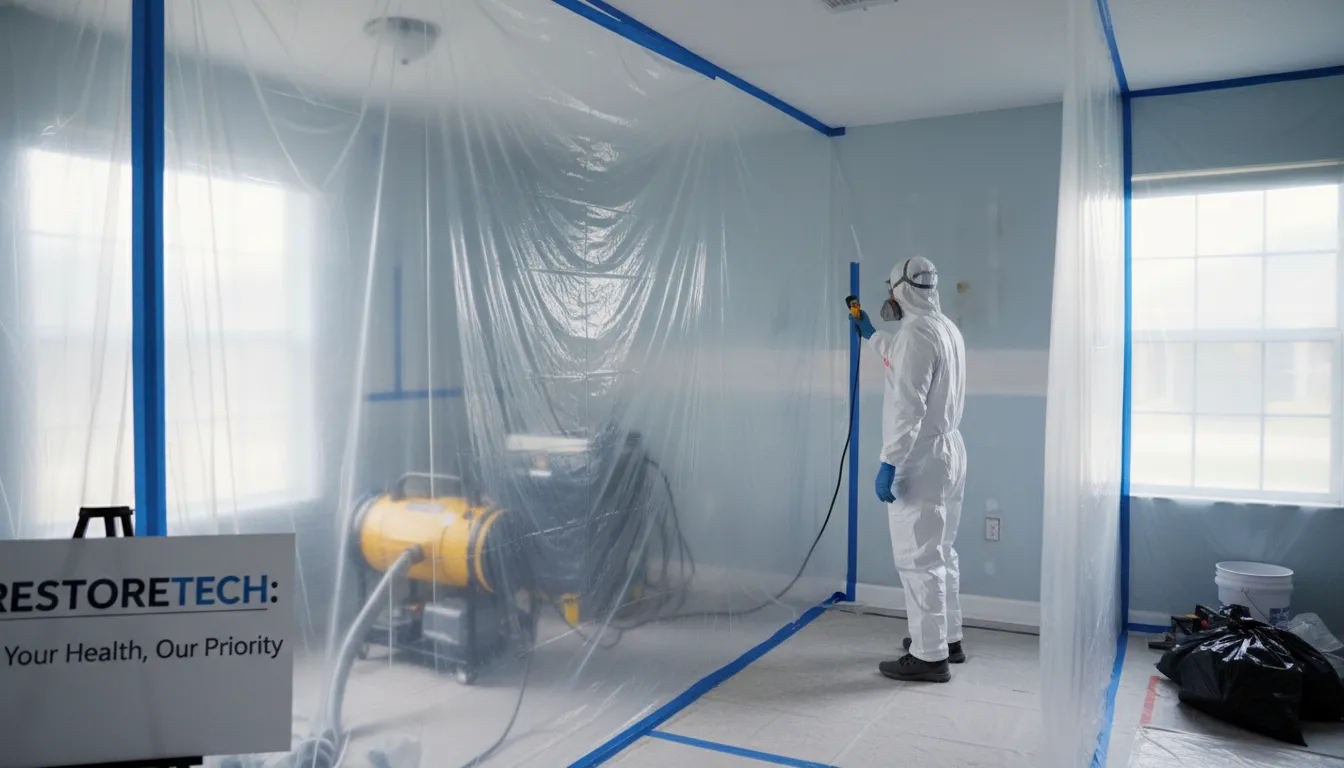
Containment may begin with plastic barriers that separate the work zone from nearby rooms. Crews may use negative air pressure within that controlled area. This approach draws air inward instead of allowing work-zone air to move through open spaces.
HEPA-filtered air equipment can run during the work to help manage particles in the enclosed zone. Setup takes care and time, but it supports a controlled removal process. The goal is to avoid spreading debris while work moves forward.
Fast action also matters when water damage starts the problem. The EPA water damage guidance advises response within 24 to 48 hours. Prompt drying can help avoid the need for mold remediation.
Removal and detailed cleaning
Removal time depends on the materials involved and how far damage extends. Porous materials, such as drywall or insulation, may need removal if cleaning and drying are not workable. Nonporous surfaces may stay in place for detailed cleaning within containment.
Crews may remove damaged material in sealed bags, then clean surfaces in the controlled area. This work may reveal more damp material behind finishes or inside wall cavities. Each added area can extend removal and add drying time.
- Barriers separate the active work zone from other spaces.
- Negative air and HEPA filtration support control during removal.
- Material type helps set the cleaning and removal pace.
Drying before rebuild or clearance
After removal and cleaning, air movers and dehumidifiers may run inside the work area. Drying and dehumidifying often takes 1 to 3 days, based on site conditions. Humid air, wet framing, or a moisture source can make this stage take longer.
A room that looks clean is not always ready for repairs. The team must confirm that affected materials are dry before rebuild begins. Final clearance steps also come after the controlled work is complete, not while damp materials remain.
This is why schedules vary between homes and rooms. Containment protects the work zone, removal addresses affected materials, and drying confirms when the next phase can start. Each phase has a clear purpose, and skipping one can lead to added work later.
When can you return home after mold remediation?
Do not return home only because removal equipment is gone. The return point depends on the work area, moisture conditions, and the instructions your remediation team provides. Ask for clearance before people or pets use treated rooms again.
Clearance before re-entry
Clearance means the team has finished its planned cleanup and can explain any remaining limits. It may include a visual review, moisture readings, or post-remediation verification requested for the project. The written guidance should state which rooms are ready for use.
Before moving back in, ask whether containment has been removed and whether any materials still need drying. Ask if HVAC use, cleaning, or access to a repaired room has short-term limits. This keeps the decision tied to your job, not a general timeline.
Post-remediation verification and moisture control
Post-remediation verification is a check after the cleaning work is complete. Its scope may vary with the property and the remediation plan. It helps owners understand if the treated area is ready for normal use or needs more work.
A dry space matters after cleanup. The EPA guidance on water damage and mold explains that prompt drying after water damage helps avoid mold growth. Ask how the moisture source was fixed and how to watch for new leaks.
- Request the clearance or completion guidance in writing.
- Confirm which rooms can be used and which remain restricted.
- Ask whether drying equipment or dehumidifiers must keep running.
- Note any follow-up inspection or repair work still planned.
Ventilation and your return plan
Some professionals recommend waiting 24 to 48 hours after remediation, when appropriate, to allow for ventilation. Industry advice on waiting after mold remediation notes this time frame. It does not replace your remediation team’s clearance guidance.
Your team may advise a different return plan due to affected rooms, drying needs, or repairs. Pinellas County homeowners can review Go Time’s professional mold remediation services to plan next steps for a property.
When asking how long does mold remediation take, include re-entry in the conversation from the start. A clear plan covers cleanup, verification, ventilation, and the point when normal use can resume.
How to keep a Florida mold project from taking longer
When a Florida home stays damp, waiting can widen the work area and add drying time. The EPA advises quick action after water damage, with response steps aimed at the first 24 to 48 hours.
If you are asking how long does mold remediation take, focus first on what you can control. Fast reporting, safe choices, and clear access can help the crew assess and dry the home without avoidable delays.
First actions after finding damage
Go Time offers 24/7 emergency response for water and mold concerns in the Pinellas County area. Call (727) 430-3079 promptly, especially when a leak, storm entry point, or wet flooring may be involved.
-
Call as soon as you see water or possible mold. Share where the damage is, when you found it, and whether water is still entering. Early details help set the right response.
-
Stop the water source only if it is safe. Turn off an accessible supply valve or move away from active water. Do not climb onto a wet roof or enter unsafe spaces.
-
Leave suspected mold undisturbed. Do not scrub, sweep, pull up flooring, or open wet walls. Movement can spread debris into other rooms and change the containment plan.
-
Follow directions about HVAC use. If the crew tells you to keep air conditioning off in an affected zone, do so. Air movement can carry particles beyond that area.
-
Document the loss before cleanup begins. Photograph wet materials, visible damage, and the likely water source from a safe distance. Keep dates, repair notes, and claim details in one place.
-
Let drying equipment keep running. Do not unplug air movers or dehumidifiers because of noise or heat. Ask before moving equipment or opening contained areas.
Why safe speed matters
Water response is time sensitive, but speed does not mean tearing materials out without a plan. The CDC guide for homeowners and renters says to assume mold growth if a home cannot be dried. Its guide identifies a 24 to 48 hour window.
That is why the first steps are simple: report damage, reduce new moisture when safe, and leave disturbed materials to trained crews. These choices protect the work area and help avoid extra cleanup.
Access during the project
Before the first visit, clear a safe path to the affected room and secure pets away from the work zone. Have insurance contact details ready, plus any photos or plumbing repair records.
Once work starts, follow access and equipment instructions until the crew confirms the next step. Homeowners seeking local help can learn more about our mold remediation services while arranging an assessment.
Frequently Asked Questions
How long does mold remediation take on average?
For many residential properties, mold remediation takes about one to five days, although no fixed timeline applies to every Florida home. The estimate depends on the affected area, hidden growth, wet materials, moisture correction, drying, and repairs after removal. Severe contamination can take longer. A published residential benchmark from RestoPros reports a typical one-to-five-day range.
What factors affect how long mold remediation takes?
Project length depends on how much mold is present, where it is located, and how far moisture has traveled. Growth behind drywall, beneath flooring, or in a crawl space may require more access work. Florida humidity can also make drying especially important. Replacement of removed drywall, flooring, or cabinets may occur after remediation and extend the full recovery timeline.
How long should you wait to return home after mold remediation?
Return timing depends on containment, drying, cleaning, and any clearance requirements for the specific project. Residents should follow the remediator’s reentry instructions rather than a fixed rule. Some professionals recommend waiting 24 to 48 hours after work is finished for ventilation, as noted by Rytech Restoration. Clearance or ongoing repairs may require a longer wait.
What is the difference between mold removal and remediation?
Mold removal describes the physical step of taking out contaminated materials or cleaning affected surfaces. Mold remediation is broader: it includes assessment, containment, removal, cleaning, drying, and attention to the moisture source. That distinction affects scheduling because a project is not complete when visible material is removed. Drying and project clearance can still be necessary before normal use resumes.
Ready to Schedule Mold Remediation Help Today?
Waiting can allow a moisture problem to keep disrupting rooms you need and delay a clear plan for cleanup each day it remains unresolved. Starting now gives your restoration team time to inspect the affected areas, set containment, remove damaged material, and begin controlled drying without unnecessary scheduling delays. An early assessment also helps you understand the next steps and plan around clearance needs before the damage interrupts more of your home or daily routine.
Ready to schedule emergency mold remediation help? Call (727) 430-3079 to schedule emergency mold remediation help and discuss what you are seeing in your Florida home. A prompt call can help you establish a professional starting point and decide what your home’s next steps require.