Fire leaves unseen threats. Uncover hidden dangers from smoke and soot, and why professional restoration is vital for your property's recovery.
Share:
Summary:
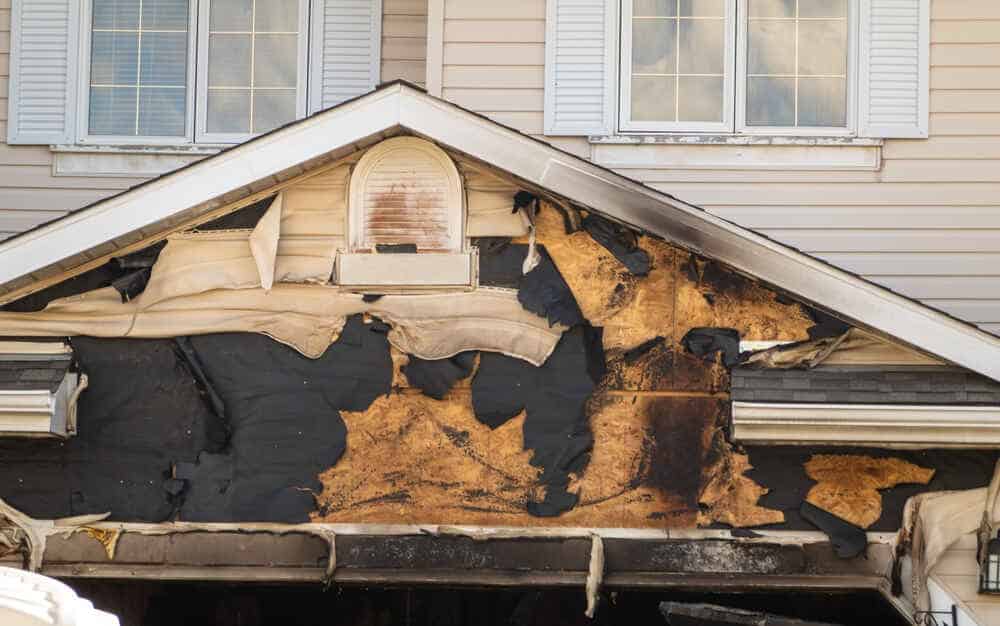
Fire and smoke damage extends far beyond charred surfaces and debris. Smoke, a complex mixture of heated gases and fine particles, is invasive. Driven by heat and air currents during a fire, it penetrates deep into porous materials like drywall, wood studs, insulation, and even concrete. These microscopic smoke particles can travel through ductwork, spreading contamination throughout the property, often settling in areas untouched by flames. Furthermore, the residues left behind, primarily soot, are not inert. Soot is often acidic and oily, depending on what burned. This acidic nature allows it to actively corrode metals, etch glass, stain plastics, and deteriorate fabrics and finishes over time if not properly addressed through prompt fire damage cleanup. This corrosive action can weaken structural components and damage appliances or electronics, leading to costly future repairs. Addressing these hidden pathways of damage is a core part of effective smoke damage repair.
Not all smoke odors are the same. Protein fires, such as those caused by burnt food, leave behind a strong, unpleasant smell that’s particularly tough to eliminate. Fires involving synthetic materials often produce harsh, chemical odors. These smells aren’t just on the surface—they’re in the structure. That’s why true odor removal requires more than air fresheners or surface cleaning. Professional smoke odor remediation targets and neutralizes the deep-set particles at their source, permanently eliminating the odor instead of just masking it.
One of the most stubborn and unpleasant reminders of a fire is the lingering smoke odor. These odors arise because minuscule smoke particles become deeply embedded within porous materials like carpets, upholstery, drywall, wood, and insulation. Simply airing out the property is rarely sufficient, especially in humid environments like Pinellas County where moisture can trap and periodically release odor molecules. Different types of fires produce different odors; protein fires (from burned food) create a particularly pungent and difficult-to-remove smell, while synthetic materials release acrid chemical odors. Effective odor removal requires specialized techniques that go beyond surface cleaning or masking agents. Professional smoke odor elimination targets the source particles lodged deep within materials, neutralizing them rather than just covering them up.
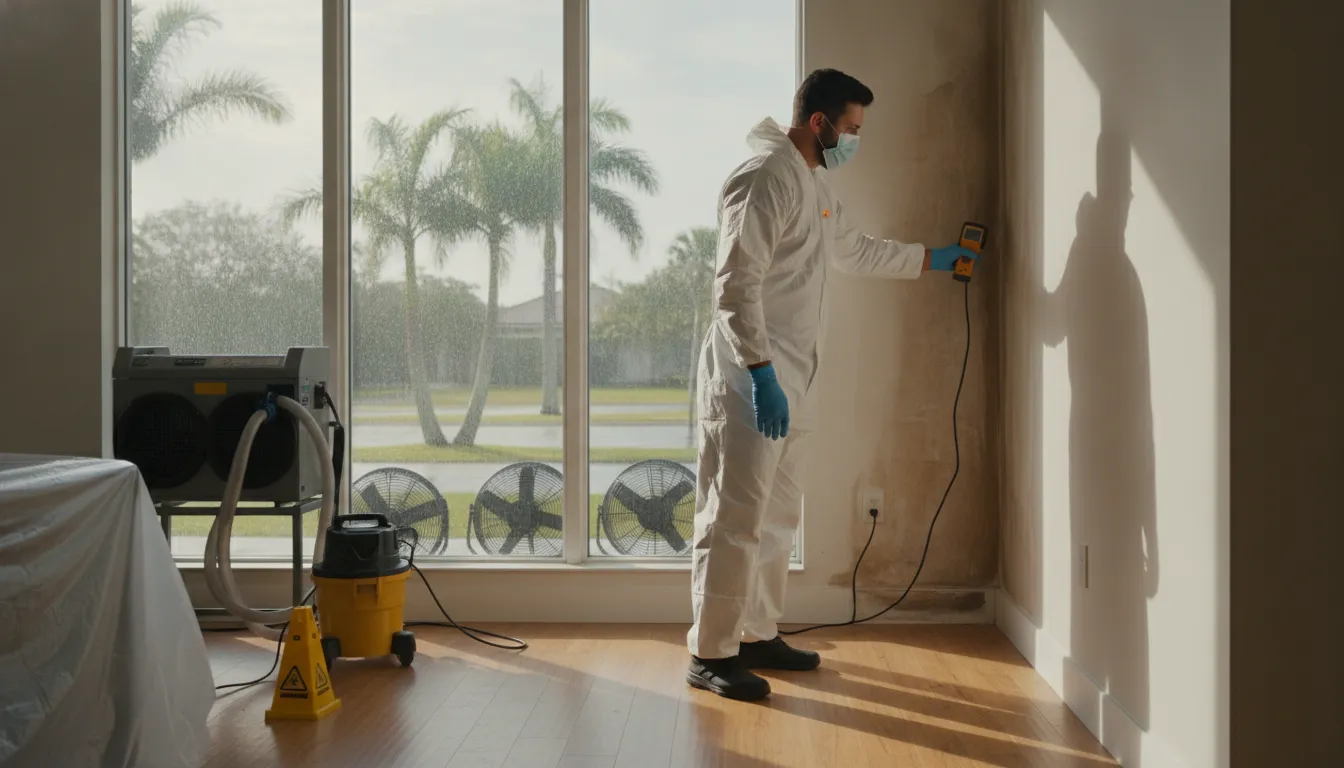
While the urge to start cleaning immediately is understandable, tackling fire aftermath without professional knowledge can lead to incomplete restoration and even further damage. Professional fire restoration encompasses a systematic approach to address the multifaceted nature of fire and smoke damage. Trained technicians possess the knowledge to assess the full extent of the damage, including hidden issues like moisture from firefighting efforts (using tools like moisture meters and thermal cameras), soot contamination within wall cavities, and compromised structural elements. They follow strict safety protocols to protect themselves and occupants during the cleanup. Go Time Roofing and Restoration in Pinellas County, FL, offers comprehensive fire restoration services, ensuring that processes like smoke damage repair and soot removal are performed correctly using appropriate techniques and equipment, leading to a properly restored and safe environment. They can also assist with inventorying damaged items and documentation often required for insurance claims.
Soot removal is a challenging aspect of fire restoration due to the fine, pervasive nature of the particles and their varying composition (dry, oily, or protein-based). Professionals first identify the type of soot to select the most effective cleaning method. For dry, powdery soot, initial cleanup often involves specialized HEPA vacuuming. HEPA filters capture particles down to 0.3 microns, preventing them from becoming airborne again during vacuuming. Chemical dry cleaning sponges (chem sponges) are then used; these sponges lift dry soot from surfaces like drywall or wallpaper without smearing or requiring liquids. For oily or wet soot, different techniques are needed. Degreasers and specialized wet cleaning solutions are carefully applied, considering the tolerance of the surface material being cleaned. On robust surfaces with heavy contamination, media blasting techniques like dry ice blasting (using frozen carbon dioxide pellets) or soda blasting might be employed to remove soot without significant abrasion. Each step of soot removal requires careful execution to prevent further damage.
Restoring indoor air quality after a fire is paramount for health and comfort. This involves multiple steps beyond surface cleaning. High-capacity air scrubbers equipped with HEPA filters and activated carbon filters are deployed throughout the property during the restoration process. The HEPA filters capture airborne particulates (soot, dust), while activated carbon works through adsorption, trapping odor molecules and volatile organic compounds (VOCs) released by the fire. Furthermore, effective smoke odor elimination often requires advanced deodorization techniques. Thermal fogging disperses a deodorizing agent in a heated fog that mimics smoke’s penetration, reaching deep into materials to neutralize odors. Ozone generators chemically oxidize odor molecules but require careful application and aeration periods due to health concerns. Hydroxyl generators offer a similar oxidizing effect but are generally considered safer for use in occupied areas during restoration. Cleaning the HVAC system, including ductwork, is also necessary to remove trapped soot and odor particles, preventing re-contamination when the system is turned back on. Controlling humidity with dehumidifiers, especially relevant in Pinellas County, aids the deodorization process and prevents secondary mold growth from firefighting water. This multi-faceted approach contributes significantly to successful smoke removal.
In conclusion, the impact of fire and smoke on a property extends far beneath the visible destruction. Hidden dangers like acidic soot corrosion, deeply embedded odors affecting air quality, potential structural weakening, and lingering health hazards require professional assessment and specialized intervention. Attempting cleanup without addressing these underlying issues can lead to long-term problems and incomplete recovery. Services like professional smoke damage repair, meticulous soot removal using appropriate techniques, and advanced smoke odor elimination are fundamental to truly restoring your property. For residents and property owners in Pinellas County, FL, facing the aftermath of a fire, Go Time Roofing and Restoration provides the necessary expertise and equipment. Contact Go Time Roofing and Restoration to begin the comprehensive fire restoration process and work towards returning your property to a safe, clean, and comfortable state.
Article details:
Share:
Continue learning: