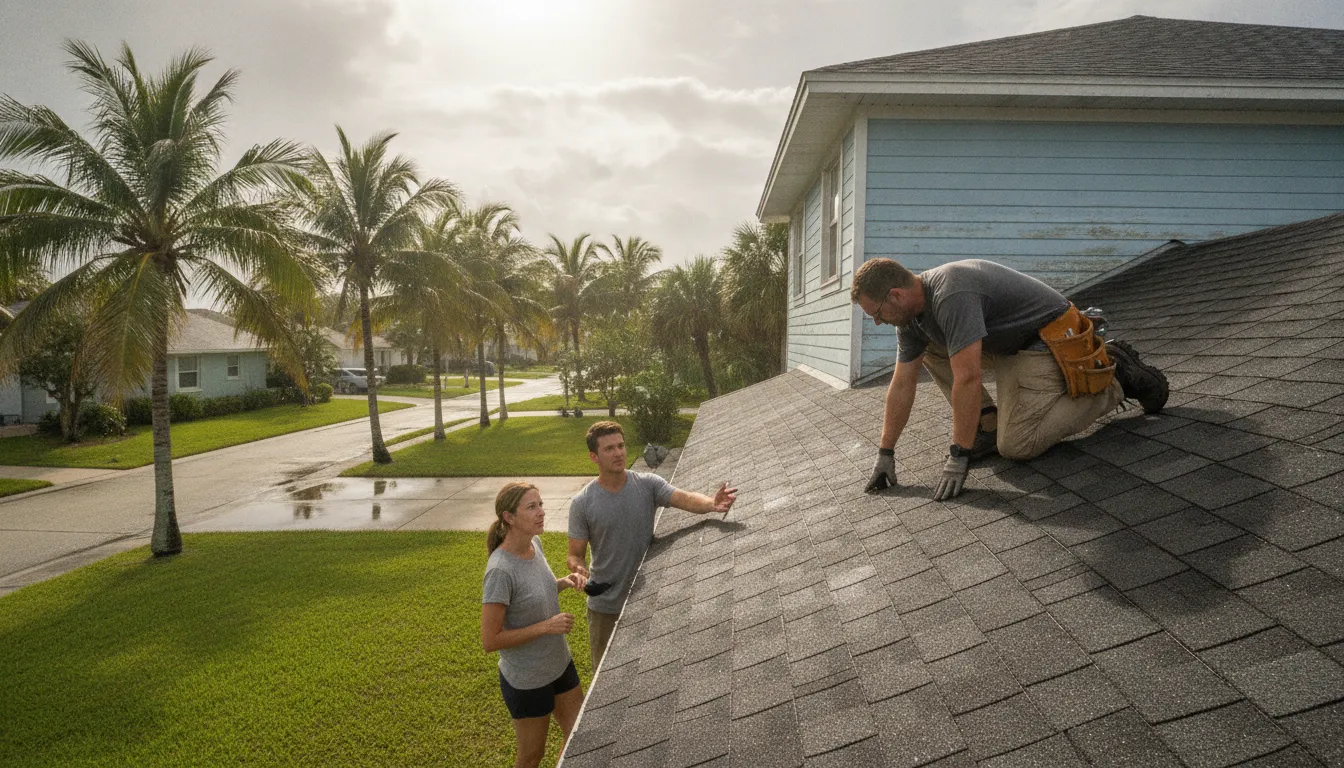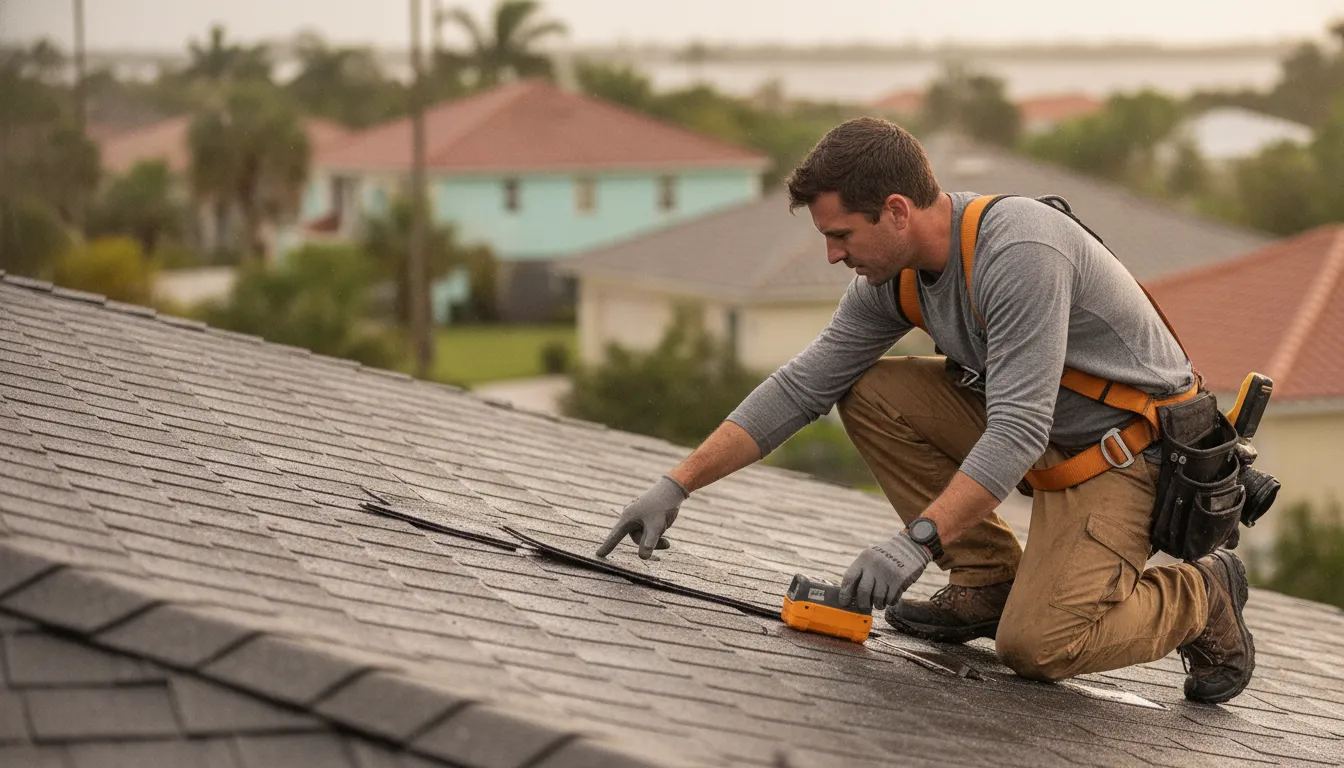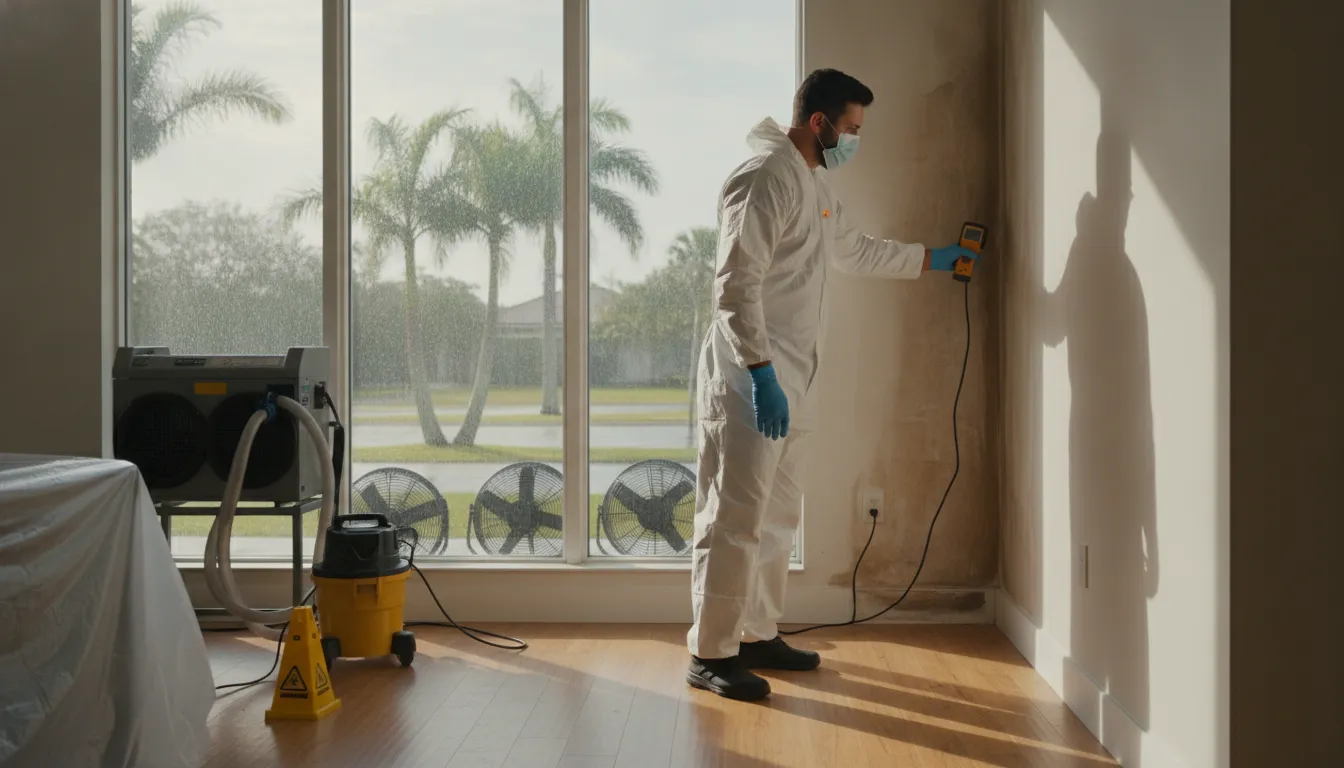
In Tampa Bay, a roof leak, plumbing failure, flood, or storm can leave more than a visible stain. Warm temperatures and persistent humidity can keep drywall, flooring, and framing damp. If you are searching for mold mitigation near me, the priority is controlling the moisture source and stabilizing the affected area before the problem spreads.
Contact Go Time Roofing & Restoration for guidance on a Tampa Bay moisture problem.
How Mold Mitigation Near Me Helps Tampa Bay Homeowners
For Tampa Bay homeowners, mold mitigation is the immediate process of controlling moisture, drying affected materials, and limiting spread. Remediation follows with the controlled cleaning or removal of affected materials after the source is addressed. The two terms describe related but different stages of recovery.
Mitigation is not simply wiping a surface. It may involve stopping a leak, removing standing water, isolating a damp room, drying materials, and protecting unaffected areas. The EPA identifies moisture control as the key to mold control. If moisture remains inside a wall, ceiling, floor, or cabinet, surface cleaning alone may not resolve the condition.
| Mitigation | Remediation |
|---|---|
| Stops or reduces moisture, dries the area, and limits spread. | Cleans or removes affected materials after the source is controlled. |
| Focuses on immediate stabilization and preventing additional damage. | Focuses on cleanup, drying, and restoring the affected space. |
What mitigation addresses first
The first question is where the moisture came from. The source could be a failed supply line, a roof penetration, or wind-driven rain. It could also be a leaking water heater, poor drainage, or condensation in a room that does not dry well. A visible patch may be only the part of the problem that is easy to see. Moisture can travel behind baseboards, beneath flooring, through insulation, or into framing.
Stabilization may include removing standing water, placing drying equipment, separating wet contents from dry contents, and limiting access to the affected space. The exact response depends on the material and the amount of water. It also depends on how long the material has been wet and whether the water was clean, contaminated, or associated with a flood. A professional plan should explain these decisions instead of treating every moisture event as the same.
When mitigation becomes remediation
Hard, non-porous surfaces such as glass and metal are generally easier to clean than porous drywall, insulation, carpet, or ceiling tile. Severely affected porous materials may need removal rather than surface treatment. Painting or caulking over a damp or moldy surface can hide an unresolved problem. The recovery is not complete until the source is corrected, affected materials are addressed, and the area is dry enough for repairs.
For a more detailed overview, read Go Time’s guide to the mold remediation process. Homeowners seeking a coordinated response can also review the company’s professional mold remediation services page.
What Should You Do After a Leak, Flood, or Storm?
After water enters a Tampa Bay home, protect people first, stop the source when safe, document the condition, and begin careful drying. Do not disturb extensive growth or enter standing water if electricity, sewage, or structural damage may be involved. A calm response can limit additional damage while you arrange the right help.
- Protect people and pets. Keep children and animals away from wet or visibly contaminated areas. Leave spaces with unstable ceilings, active electrical hazards, or sewage contamination until they are safe.
- Limit the moisture. Shut off a plumbing supply when safe and report roof or storm damage promptly. Do not take a risky shortcut onto a damaged roof.
- Document the condition. Take dated photos from a safe location. Record the apparent source, affected rooms, damaged belongings, and emergency steps.
- Start appropriate drying. Remove standing water only when safe. Fans and dehumidifiers may help in suitable conditions, but do not spread contaminated debris through the home.
- Arrange professional help. Recurring moisture, widespread growth, saturated porous materials, or water damage in multiple rooms calls for a qualified restoration response. Go Time’s water damage restoration services can help address drying and affected materials.
What to avoid during an emergency
Do not use household fans in a way that blows contaminated dust into clean rooms. Do not remove wet drywall or insulation if the work could release debris or expose you to an electrical, structural, or sewage hazard. Do not seal a damp surface behind plastic, paint, or caulk. These actions can make later cleanup harder and can conceal the moisture source.
Wet areas should be dried as soon as conditions allow. Keep air conditioning operating when it is functioning properly, use exhaust fans during bathing and cooking, and move unaffected belongings away from the damp area. Avoid cosmetic repairs until the source is corrected and materials are dry. If the event followed a storm, keep records of the apparent entry point and interior damage for your insurer. Do not delay urgent safety steps while gathering paperwork.
Why Is Moisture Control Important in Tampa Bay?
Moisture control is especially important in St. Petersburg, Pinellas County, and the wider Tampa Bay area because humidity, heavy rain, heat, and storm-driven water can keep building materials damp. Mold mitigation works best when it corrects the conditions that support growth, not only the visible surface.
Humid air can condense on cool surfaces or collect in poorly ventilated rooms. A plumbing leak behind a wall, a roof leak near flashing, or storm water around the foundation can create concealed dampness before a stain appears. Air conditioning and dehumidification can help manage indoor humidity, but they cannot correct a roof, plumbing, drainage, or building-envelope failure.
Common moisture pathways in local homes
Roof edges, flashing, vents, skylights, and penetrations can be vulnerable when wind-driven rain reaches a property. Plumbing connections under sinks, behind appliances, near water heaters, or inside wall cavities can leak without producing an immediate puddle. In lower areas, drainage problems can allow stormwater to collect near the foundation. Vacation homes and closed-up properties may also develop damp conditions when air circulation and HVAC operation are limited.
Look for musty odors, damp drywall, peeling finishes, recurring staining, or moisture in attics and crawl spaces. Use bathroom and kitchen exhaust fans, keep roof drainage paths clear, and address leaks promptly. The goal is not to eliminate every mold spore from a home. The goal is to limit the moisture mold needs to grow and return.
How homeowners can reduce repeat moisture
Maintain air conditioning and condensate drainage so the system can remove moisture as designed. A dehumidifier may help a particularly damp room, but it does not replace repair of a leak. Keep furniture slightly away from cold exterior walls when condensation is a recurring concern. Check under sinks and around water-using appliances periodically. After severe rain, look for new staining, damp insulation, or water collecting near the structure.
What Happens During Containment and Remediation?
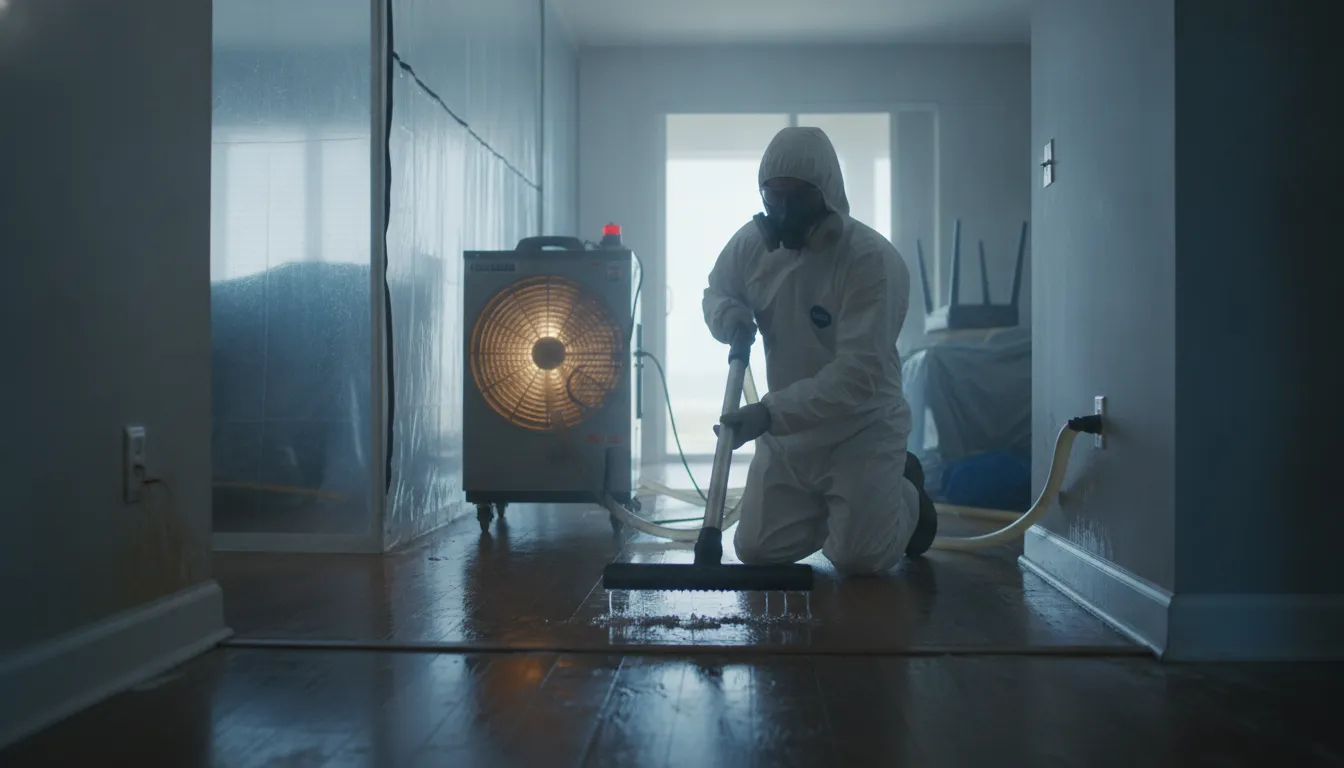
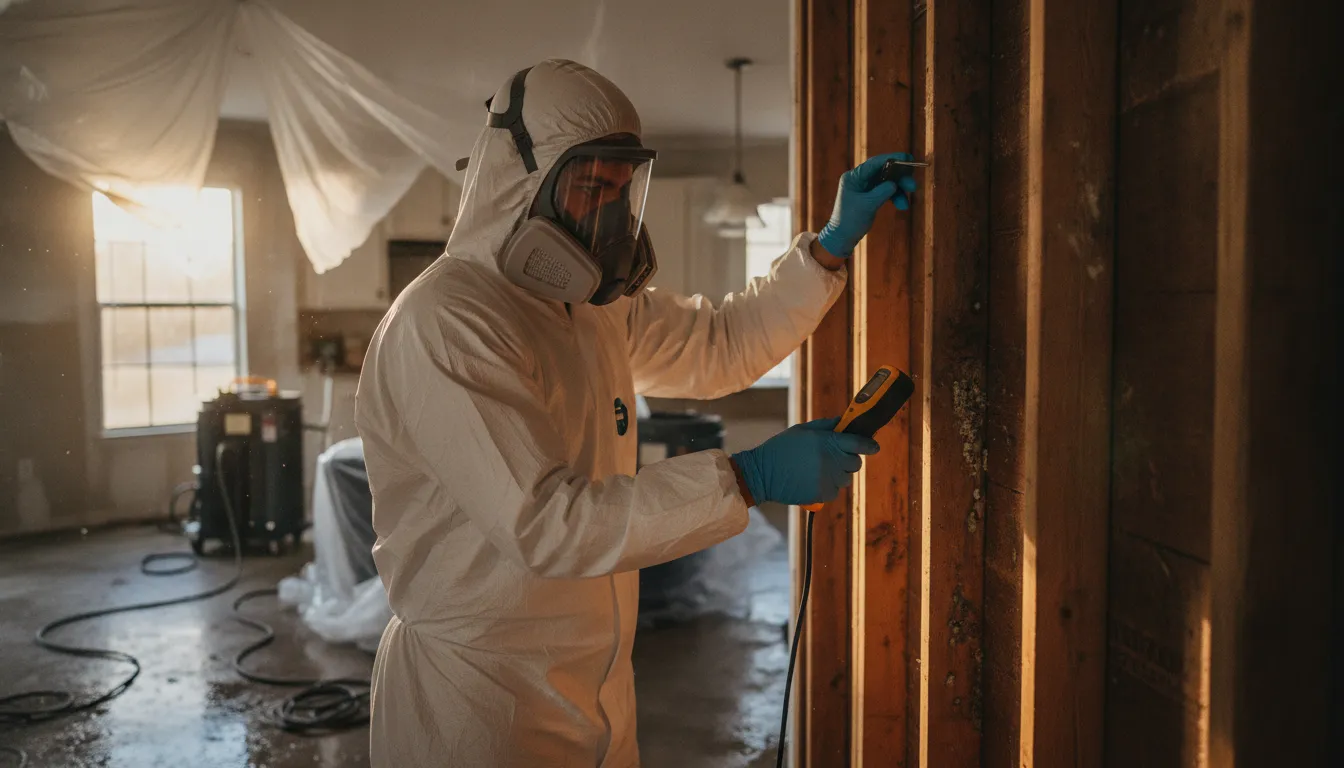
Professional remediation typically combines source correction, containment, controlled cleaning or removal, thorough drying, and restoration. Containment separates the work zone from clean areas so disturbed material is less likely to spread through bedrooms, living spaces, ductwork, or other parts of the property.
A remediation plan should account for the size and location of the affected area. It should also account for the materials involved and the route workers will use to enter and leave the work zone. Workers may use barriers, controlled access, and appropriate air filtration for more involved projects. Homeowners should follow site instructions and avoid moving contaminated belongings without guidance.
Teams determine which materials can be cleaned and which should be removed. Hard surfaces may be treatable, while affected drywall, insulation, carpet, or ceiling tile may not be restorable through surface cleaning alone. Removal should be controlled so debris does not move into clean areas. Drying equipment and moisture checks help confirm that the space is ready for reconstruction.
Source correction is part of the outcome. If a team cleans a wall but the roof, plumbing, drainage, or humidity problem continues, the condition may return. Go Time’s professional mold remediation services address restoration needs across the Tampa Bay area.
When Is DIY Cleanup Not Enough?
DIY cleanup is not a good fit when growth is widespread, keeps returning, involves porous building materials, follows significant water damage, or could expose occupants to unsafe conditions. A small isolated spot on a hard surface may be easier to manage after the moisture source is corrected, but scale and material matter.
The EPA generally recommends professional help when mold covers more than 10 square feet. A larger area, growth across multiple rooms, contamination near an air-handling system, or damage behind walls can exceed routine household cleaning. People with asthma, allergies, or compromised immune systems may also need a more cautious plan.
Do not scrub aggressively if it could spread debris. Do not paint or caulk over visible growth. If a leak, flood, condensation problem, or high humidity remains, cleaning cannot provide a lasting solution. Go Time’s guide to when remediation may be required explains why source control, safe cleanup, and drying belong in the same recovery plan.
Questions to ask before work begins
Ask what caused the moisture and how that source will be corrected. Ask which rooms and materials are included, how the work zone will be separated, and how contents will be protected. Ask what happens to porous materials that cannot be cleaned, how the area will be dried, and what restoration work follows the cleanup. Clear answers make it easier to compare proposals and avoid a plan that only treats visible staining.
Keep in mind that a dry-looking surface is not proof that a wall cavity or insulation is dry. Moisture can remain where it cannot be seen, especially after storm water or a slow plumbing leak. If stains, odors, or dampness continue after basic drying, pause cosmetic work and ask for a source-focused evaluation.
How Do You Choose Mold Mitigation Near Me in Pinellas County?
When comparing mold mitigation near me providers in Pinellas County, look for a clear plan covering moisture control, containment, drying, affected materials, and restoration. A qualified contractor should explain what is known, what needs attention first, and which work is included without promising a cosmetic quick fix.
Ask how the moisture source will be addressed and whether the work area will be contained. Ask how affected porous materials will be handled and what must be dry before repairs begin. Also ask how roof or storm damage will be coordinated with interior restoration when both are involved. A single accountable contractor can reduce the confusion that often follows a storm when the roof and interior have both been affected.
Go Time Roofing & Restoration is a licensed and insured, owner-operated contractor serving St. Petersburg, Tampa Bay, and Pinellas County. Its restoration approach is built around practical communication, dependable response, and helping property owners understand the next step. Homeowners can use the company’s contact page to start that conversation.
Request a safe next-step conversation about mold mitigation in Tampa Bay.
Frequently Asked Questions About Mold Mitigation
What is the difference between mold mitigation and mold remediation?
Mitigation controls moisture, limits spread, and stabilizes the affected area. Remediation is the later cleanup or removal of affected materials, followed by drying and restoration. Both stages should address the source of moisture.
What should I do after storm moisture enters my home?
Protect people, avoid electrical or structural hazards, stop the source when safe, document damage, and begin appropriate drying. Arrange professional help when water damage is extensive, recurring, or affecting porous materials.
When should I seek professional mold remediation help?
Seek professional help when growth is widespread, keeps returning, involves drywall or other porous materials, follows significant water damage, or may spread through an air-handling system. Prompt help is also appropriate when occupants may be especially sensitive.
Can mold mitigation solve the problem by itself?
Mitigation can stabilize a property and prevent additional damage, but it may not complete the recovery. If materials are affected, remediation and restoration may still be needed after the moisture source is corrected and the area is dry.
Get Help With Mold Mitigation in Tampa Bay
If a leak, flood, or storm has left your Tampa Bay property damp, focus on safety and source control first. Contact Go Time Roofing & Restoration to discuss the next step.