Hurricane flooding demands immediate action. Five emergency steps protect your St. Petersburg property from escalating water damage costs.
Share:

Summary:
Post-hurricane conditions create invisible dangers that injure unprepared homeowners. Turn off gas lines at the meter to prevent leaks from shifting pipes or damaged connections. Test each step before putting full weight on flooded floors, as waterlogged subflooring collapses without warning. Wear rubber boots rated for electrical hazards, thick gloves, and protective eyewear when entering contaminated areas. Floodwater in St. Petersburg often contains sewage overflow, pesticides from agricultural runoff, and petroleum products from vehicle leaks. Never enter rooms with standing water above electrical outlets, as energized circuits can electrocute through contaminated water up to 25 feet away. Use battery-powered flashlights instead of candles or gas-powered generators indoors, preventing carbon monoxide poisoning in enclosed spaces.
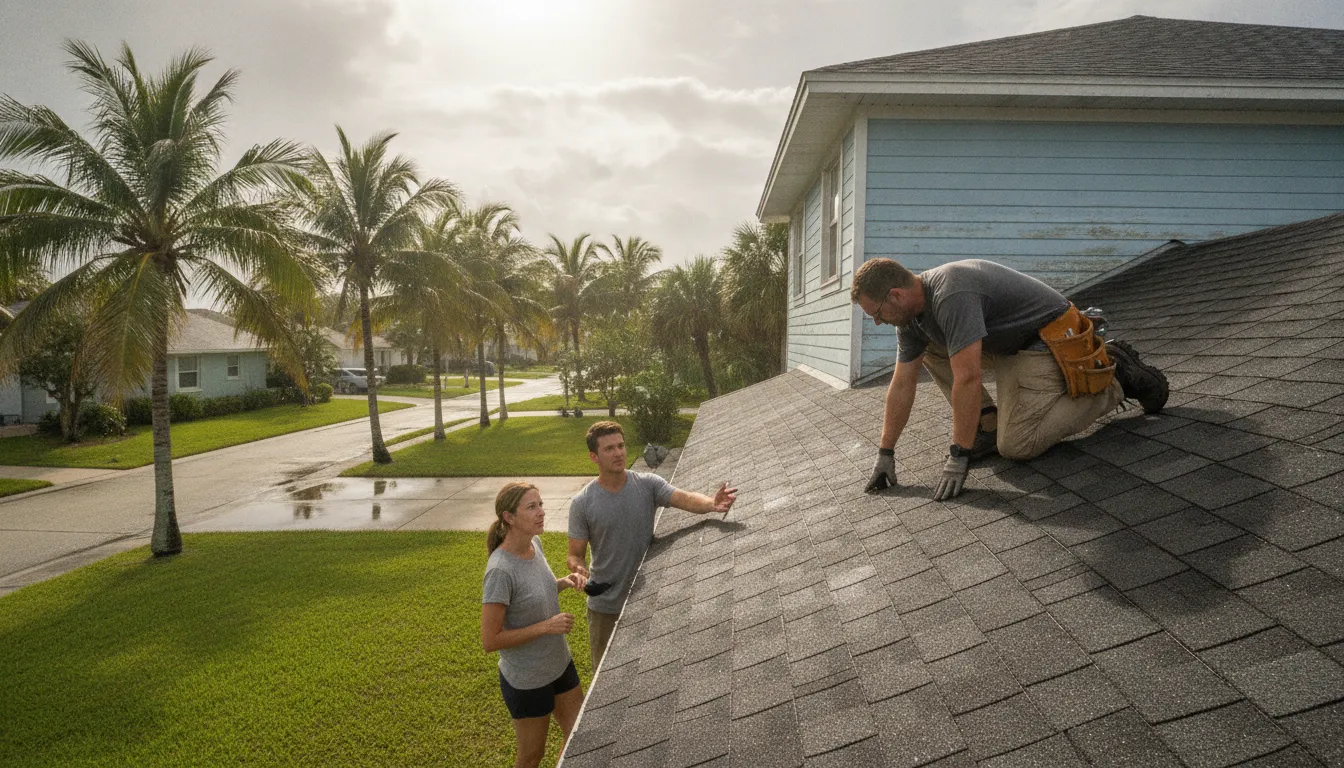
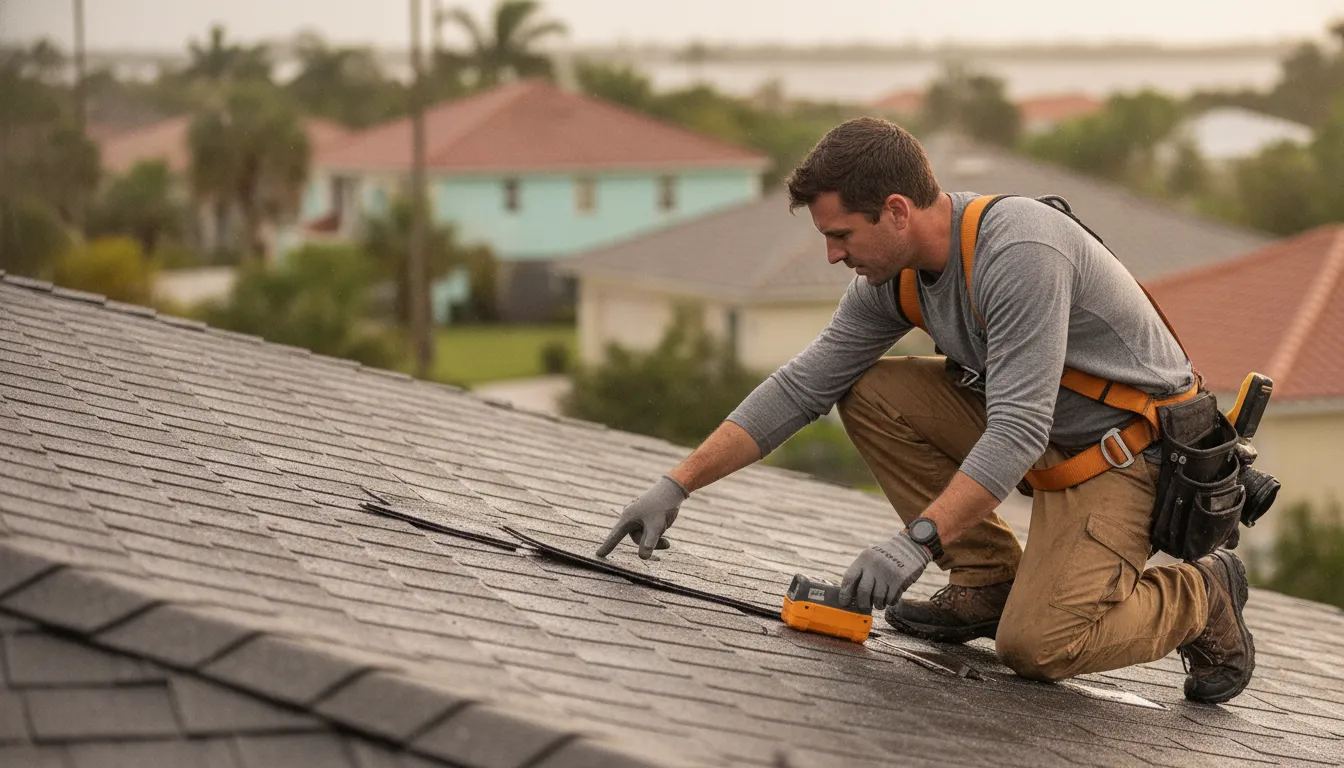
Walk your property’s exterior to identify structural shifts, foundation cracks, or roof damage that compromise interior safety. Photograph damage from multiple angles with timestamps for insurance documentation. Look for tilted utility poles, damaged power lines, or gas meter displacement that require immediate utility company notification. Check for new sinkholes or ground settling around your foundation, common in Florida’s limestone geology after heavy water saturation. If exterior roof damage is visible, get a free roofing quote before the next storm worsens the opening.
Walk your property’s exterior to identify structural shifts, foundation cracks, or roof damage that compromise interior safety. Photograph damage from multiple angles with timestamps for insurance documentation. Look for tilted utility poles, damaged power lines, or gas meter displacement that require immediate utility company notification. Check for new sinkholes or ground settling around your foundation, common in Florida’s limestone geology after heavy water saturation.
Water evacuation timing directly correlates with total damage costs—every hour of delay increases structural penetration exponentially. Start with gravity drainage by opening exterior doors and creating drainage paths away from your foundation. Deploy sump pumps or trash pumps capable of moving 2,000-5,000 gallons per hour for basement or ground-level flooding. Position pumps at the lowest elevation points, using garden hoses to direct water at least 20 feet from your foundation to prevent re-infiltration. Remove standing water from hardwood floors within 6 hours to prevent cupping, warping, and permanent damage requiring complete replacement. Extract water from carpeted areas using wet vacuums, focusing on high-traffic zones and areas near exterior walls where moisture penetration accelerates. Monitor pump operation continuously, as debris can clog intake screens and reduce efficiency by 60-80%.
Focus water removal efforts on areas containing valuable items, electrical systems, or HVAC equipment first. Remove water from around furnaces, water heaters, and electrical panels to prevent equipment damage and safety hazards. Target bedrooms and living areas next, as these spaces require the longest restoration timelines when severely damaged. Save utility areas and garages for final water removal phases unless they contain critical household systems.
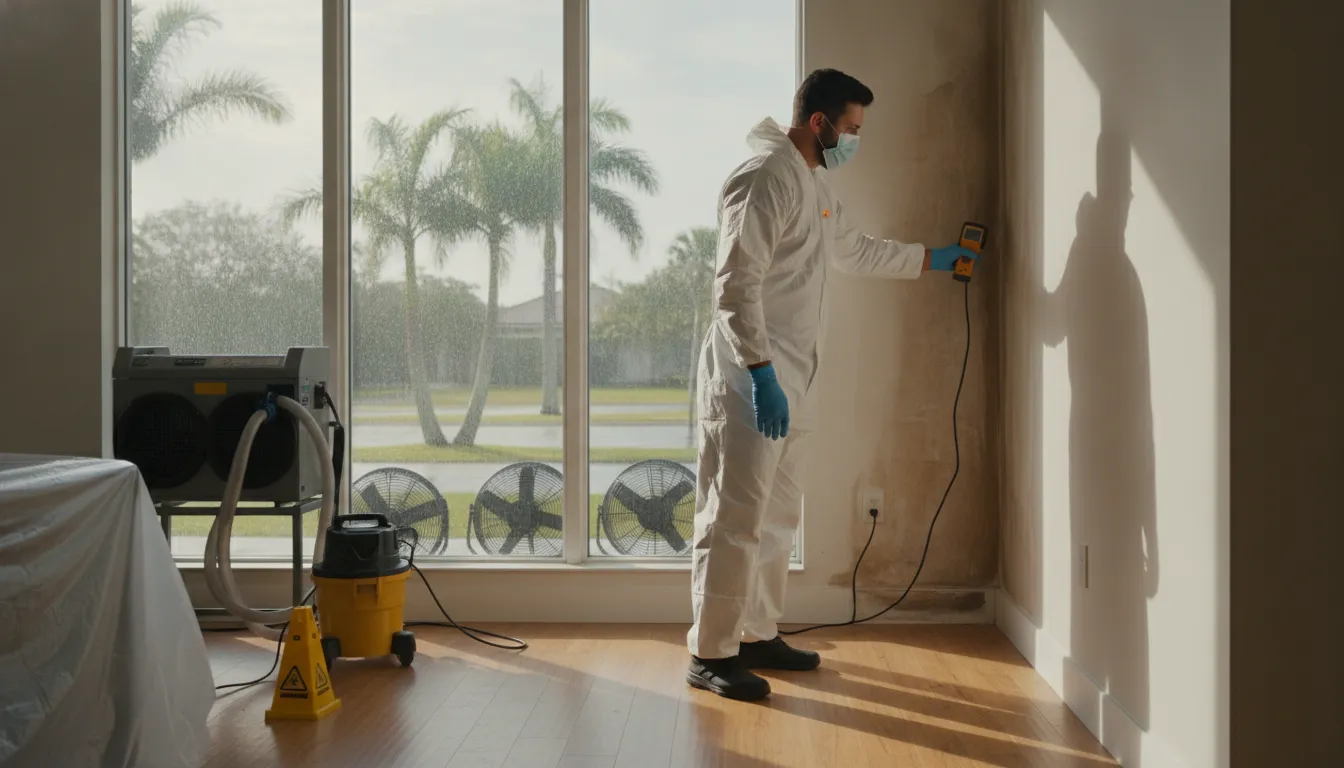
Use moisture meters to identify hidden water penetration behind walls, under flooring, and in ceiling cavities that visual inspection misses. Check baseboards, window sills, and door frames where water typically penetrates first. Test insulation in accessible areas, as waterlogged insulation loses R-value and promotes mold growth. Document moisture readings with photos and notes for insurance adjusters and restoration professionals.
Your emergency response during hurricane aftermath determines total recovery costs and timeline. Immediate safety assessment and water evacuation prevent the exponential damage escalation that transforms minor flooding into major reconstruction projects. While these emergency steps provide critical initial protection, professional water restoration requires specialized equipment and antimicrobial treatments beyond homeowner capabilities. Contact Go Time Restoration immediately after implementing these emergency measures for certified technicians trained in hurricane aftermath recovery, advanced moisture detection, and mold prevention protocols that protect your St. Petersburg home’s value and your family’s health long-term.
Article details:
Share:
Continue learning: