Prevent Mold After a Hurricane in Pinellas County
When hurricane rain pushes through a damaged roof, floodwater enters at ground level, or the power stays out long enough to trap humidity indoors, the clock starts quickly. To prevent mold after hurricane Pinellas County homeowners need a focused plan for the first 24 to 48 hours, because wet drywall, insulation, carpet, cabinets, and wood framing can become a mold risk before visible growth appears.
Need help drying storm damage before mold spreads? Request emergency water damage restoration in St. Petersburg from Go Time Roofing & Restoration.
This guide explains what to do first, what not to touch, how to document damage, and when a certified restoration or mold remediation team should take over. It is written for Pinellas County properties dealing with wind-driven rain, roof leaks, coastal flooding, storm surge, plumbing backups, and extended air conditioning outages after a hurricane.
Why Mold Risk Rises So Fast After a Hurricane
Mold needs moisture, organic material, and time. A Florida hurricane can provide all three in one afternoon. Drywall paper, baseboards, wood subfloors, cabinetry, ceiling tiles, insulation, and dust inside wall cavities can all support growth when they stay damp.
The biggest issue is hidden moisture. A room may look dry after towels, mops, or a shop vacuum remove surface water, but water can still be trapped behind baseboards, under vinyl plank flooring, inside wall cavities, or beneath cabinets. In Pinellas County, warm temperatures and high outdoor humidity make slow drying even more dangerous.
For many storm losses, the first goal is not full repair. The first goal is stabilization. That means stopping additional water entry, removing standing water when it is safe, lowering humidity, increasing airflow, and documenting everything before permanent repairs begin.
The First Safety Check Before Cleanup
Do not rush into cleanup before confirming the property is safe. Hurricane damage can create electrical, structural, and contamination hazards that are not obvious from the doorway.
- Stay out if floodwater is still rising. Wait until local officials say it is safe to return.
- Avoid standing water near outlets, appliances, electrical panels, or downed wiring. If water reached electrical systems, call a qualified professional before entering.
- Watch for ceiling sagging, soft floors, shifting walls, or roof damage. These can signal structural risk.
- Treat floodwater as contaminated. Storm surge, sewage, and canal or street flooding can carry bacteria, chemicals, and debris.
- Wear protection. Use gloves, eye protection, sturdy shoes, and an N95 or better respirator if disturbing wet materials.
If the water came from outside flooding, sewage, or an unknown source, do not treat it like a simple clean water spill. Contaminated water changes the cleanup plan and often requires professional mitigation. If the water source was a roof leak or wind-driven rain, the water may be cleaner at first, but wet building materials still need fast drying and monitoring.
What Should You Do in the First 24 Hours?
The first 24 hours are about reducing moisture without creating new risks. Move carefully, take photos before moving items, and do not remove materials that may affect an insurance claim until they are documented.
1. Stop the Water Source If You Can Do It Safely
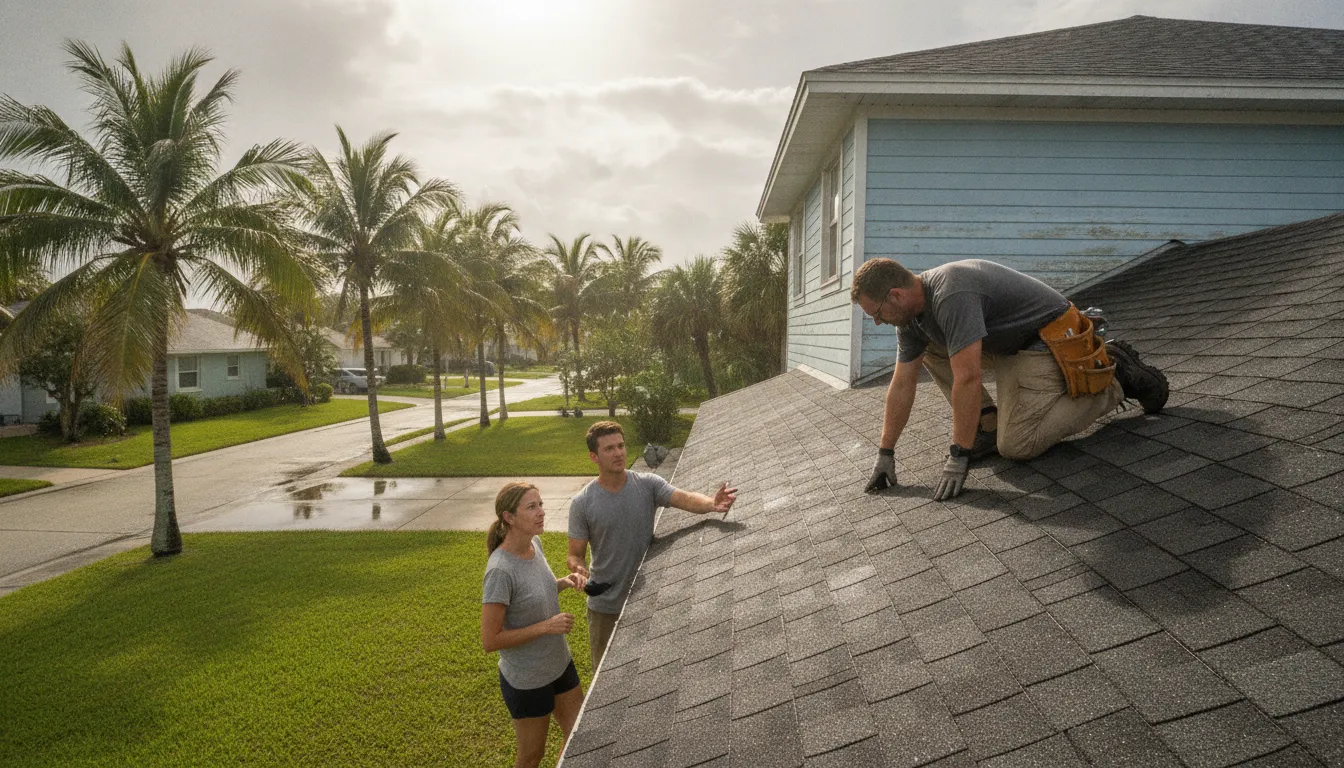
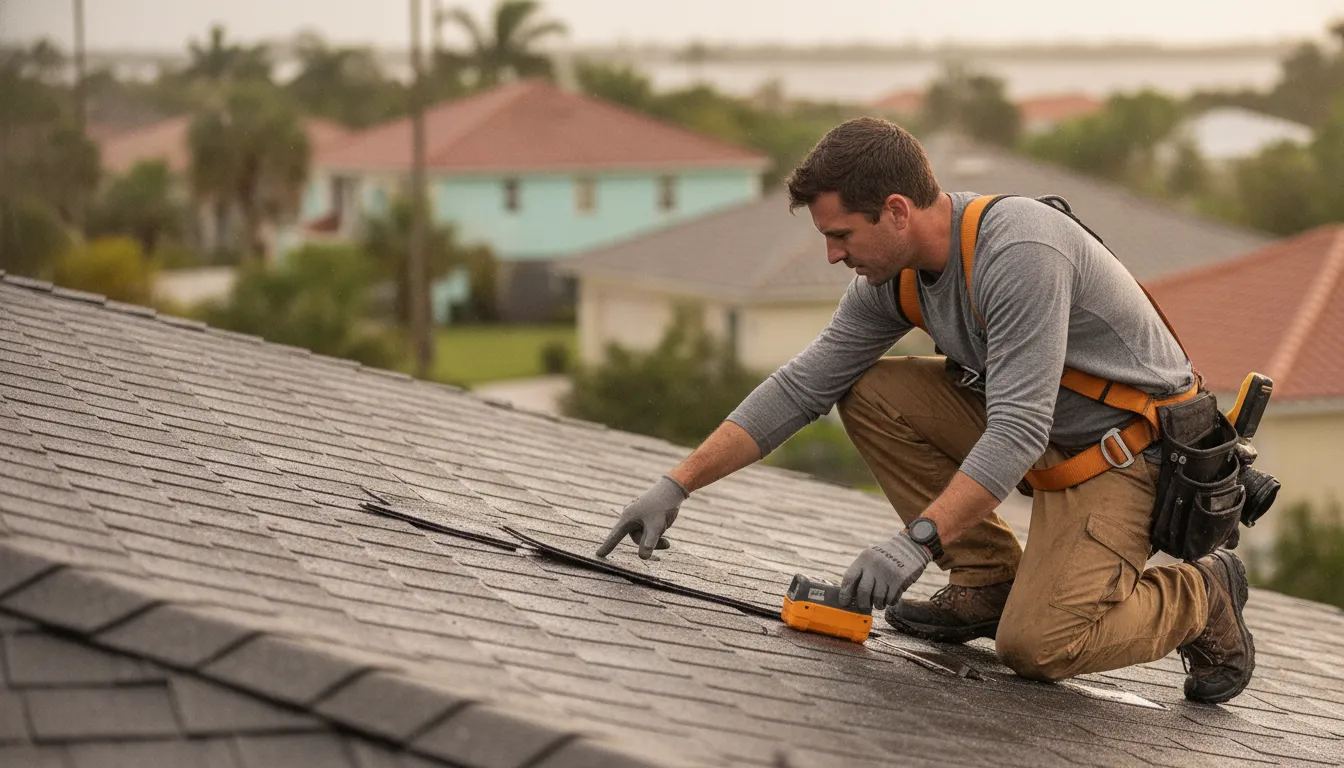
If the water is coming from an active plumbing leak, shut off the water supply. If rain is entering through a damaged roof, avoid climbing onto the roof during unsafe conditions. Temporary roof protection should be handled with extreme caution, especially after high winds. Go Time Roofing & Restoration can help connect the roof damage to the interior restoration plan, which matters when a roof opening caused water intrusion.
For roof-related storm damage, review the hurricane roof inspection checklist for St. Petersburg homes so the exterior source is not overlooked while interior drying is underway.
2. Document Every Affected Area
Before moving wet belongings, take wide photos, close-up photos, and video. Capture water lines on walls, wet flooring, ceiling stains, damaged roof areas, soaked furniture, warped cabinets, and standing water. Photograph the date if possible, save receipts, and keep a simple log of what happened and when.
Good documentation helps your insurance adjuster understand the timeline. It also helps a restoration team create a drying plan that matches the actual damage, not just the areas that still look wet later.
3. Remove Standing Water From Safe Areas
If the water is shallow, clean, and there are no electrical hazards, you may be able to remove small amounts with towels, buckets, a wet vacuum, or a mop. Do not use a household vacuum for water. Do not enter rooms where the floor feels unstable or where water may contact electricity.
Large areas of standing water need extraction equipment. The longer water sits, the more it moves into walls, trim, flooring layers, and structural materials. For a bigger loss, professional extraction is usually faster, safer, and easier to document.
4. Move Salvageable Items to a Dry Area
Move dry or lightly damp items out of the affected space if you can do so safely. Place foil, wood blocks, or plastic under furniture legs to reduce staining on wet floors. Do not stack wet items together. Spread them out so air can move around them.
Porous items that stayed wet for a long time, such as carpet padding, upholstered furniture, mattresses, cardboard boxes, and insulation, may not be salvageable. Keep a photo record before discarding anything.
How to Dry the Property During the 24 to 48 Hour Window
Drying is not just about making surfaces feel dry. The goal is to lower moisture inside the materials that mold can use. That is why airflow, humidity control, and moisture measurement matter.
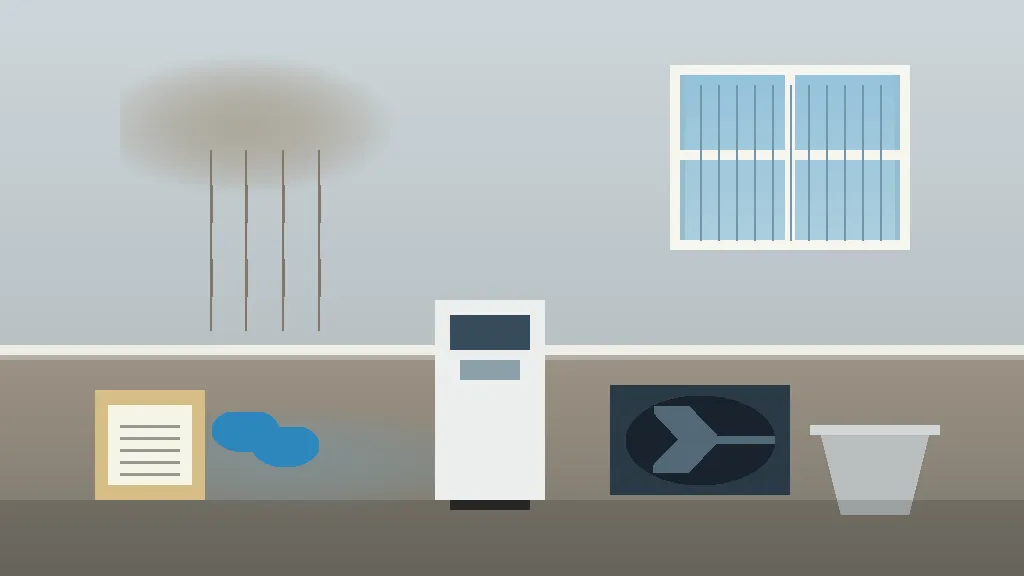
- Run air conditioning if power is restored and the system is safe. Air conditioning helps pull humidity out of indoor air.
- Use dehumidifiers in enclosed spaces. Dehumidifiers are often more useful than open windows when outdoor humidity is high.
- Use fans only when contamination is not suspected. Fans can help dry clean water damage, but they can also spread contaminated particles if sewage, floodwater, or mold is present.
- Open cabinets and closet doors. Moisture can hide inside enclosed spaces.
- Lift wet rugs if safe. Air needs to reach the floor below.
- Do not paint, caulk, or seal damp materials. Sealing moisture inside can make the mold problem worse.
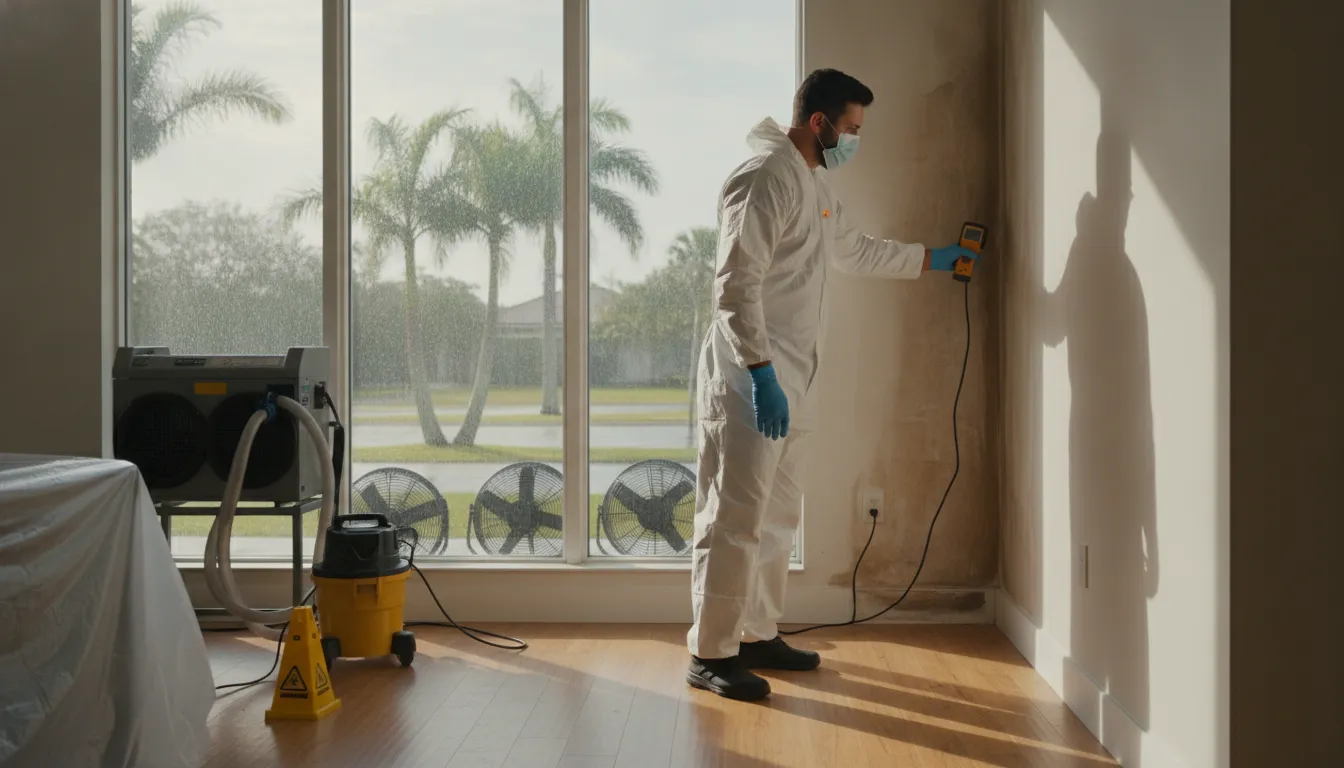
If drywall, baseboards, insulation, or flooring stayed wet, surface drying may not be enough. Professional restoration teams use moisture meters, thermal imaging, commercial air movers, and dehumidifiers to find and dry moisture that homeowners cannot see. To understand why hidden moisture changes the timeline, see Go Time’s guide on how long structural drying takes.
What Cleanup Tasks Can Homeowners Usually Handle?
Small, clean water incidents may be manageable if the affected area is limited, the source is stopped, and materials dry quickly. Examples include a small roof drip caught early or minor wind-driven rain near a window.
Homeowners can often handle these limited tasks:
- Removing small amounts of clean water from hard surfaces
- Drying nonporous items like plastic, metal, and sealed surfaces
- Washing washable fabrics that were not exposed to floodwater or sewage
- Running dehumidifiers and air conditioning after the electrical system is safe
- Cleaning hard surfaces with appropriate household cleaning products
The key phrase is limited and clean. If the affected area is growing, materials stayed wet overnight, the water source is unknown, or anyone in the home has asthma, allergies, immune concerns, or respiratory symptoms, it is safer to bring in a professional.
When Should You Stop DIY Cleanup and Call Certified Help?
Call a certified restoration or mold remediation company when the damage is beyond quick surface drying. Pinellas County hurricane losses often involve hidden water paths, contaminated water, and power outages that delay drying.
If you see or smell signs of mold after storm water damage, schedule mold remediation help in Pinellas County before tearing out materials on your own.
Professional help is recommended when:
- Water touched electrical systems, HVAC equipment, or major appliances
- Floodwater, sewage, or storm surge entered the home
- Drywall, insulation, carpet padding, or cabinets stayed wet for more than 24 hours
- You smell a musty odor even after surface cleanup
- You see discoloration, fuzzy growth, or staining that spreads
- Water came through the roof, attic, ceiling, or wall cavities
- The affected area is larger than a small, isolated spot
- Someone in the home is experiencing coughing, irritation, headaches, or allergy-like symptoms after the storm
Florida also has specific rules around mold assessment and remediation. A licensed mold remediator can perform controlled cleanup, containment, removal, and drying. In some cases, an independent mold assessor may be involved for testing or post-remediation verification. The important point for homeowners is simple: do not disturb suspected mold without a plan for containment, personal protection, and moisture correction.
Signs Mold May Already Be Starting
Mold after hurricane damage is not always obvious. It can begin behind materials before you see spots on the surface. Pay close attention to changes in smell, texture, and indoor comfort.
- Musty odor: A damp, earthy smell is one of the earliest warning signs.
- New stains: Brown, yellow, green, gray, or black staining on walls, ceilings, trim, or cabinets should be taken seriously.
- Warping or bubbling: Paint bubbles, swollen baseboards, cupped flooring, or soft drywall can mean moisture is trapped.
- Condensation: Persistent condensation on windows, vents, or walls can mean humidity remains too high.
- Symptoms indoors: Sneezing, coughing, eye irritation, or headaches that improve when leaving the property may indicate an indoor air issue.
For a deeper look at the timeline, read Go Time’s article on how fast mold grows after water damage. The short version is that waiting to see visible growth is not a safe strategy. The best time to act is while the problem is still moisture, not contamination.
What Not to Do After Hurricane Water Damage
Some cleanup mistakes make mold more likely or make a future insurance claim harder to support. Avoid these common errors after storm damage:
- Do not use bleach as a cure-all. Bleach may discolor some surfaces, but it does not solve moisture inside porous materials.
- Do not install new flooring over damp subfloors. Trapped moisture can continue feeding mold below the surface.
- Do not run fans across suspected mold or contaminated floodwater. Air movement can spread particles.
- Do not ignore roof leaks after the rain stops. The next storm can restart the same water path.
- Do not throw away damaged items before documenting them. Photograph first and keep a list.
- Do not assume a room is dry because it feels dry. Hidden moisture needs measurement.
Many storm recovery problems happen because the visible mess is cleaned but the moisture source remains. If roof damage caused the intrusion, drying the room without addressing the roof can lead to repeat damage. If flooding soaked walls, replacing flooring before wall cavities dry can trap moisture and create a larger remediation issue later.
A Practical 48 Hour Mold Prevention Checklist
Use this checklist as a quick reference after a hurricane, tropical storm, or major roof leak in Pinellas County.
| Timeframe | Priority | Why It Matters |
|---|---|---|
| 0 to 6 hours | Confirm safety, stop active water if possible, take photos and video | Prevents injury and preserves insurance documentation |
| 6 to 12 hours | Remove standing water from safe areas and move salvageable items | Reduces moisture load before it spreads into materials |
| 12 to 24 hours | Start dehumidification, controlled airflow, and professional extraction if needed | Speeds drying during the most important mold prevention window |
| 24 to 48 hours | Check hidden areas, monitor odors, document changes, and schedule restoration help for wet building materials | Finds moisture before visible growth becomes a larger problem |
If you are already past 48 hours, do not panic, but do not delay further. The next step is to identify what is still wet, what can be dried, what needs removal, and whether containment is needed.
Why Local Pinellas County Experience Matters
Storm recovery in Pinellas County is different from a routine household leak. Coastal flooding, older construction, slab foundations, flat roofs, tile roofs, high humidity, and hurricane-driven rain can create complicated moisture patterns. A local restoration team understands how quickly moisture can move through St. Petersburg homes, beach properties, condos, and commercial buildings.
Go Time Roofing & Restoration is built for both sides of the problem: the exterior damage that lets water in and the interior restoration needed after water enters. That single-source approach can be valuable after a hurricane because roof damage, water extraction, structural drying, mold prevention, documentation, and reconstruction often overlap.
The company serves St. Petersburg and the greater Pinellas County area with emergency restoration services, including water damage repair, structural drying, flood cleanup, disaster recovery, and mold remediation. For broader storm recovery planning, see the guide to hurricane damage restoration in Pinellas County.
Get Help Before Moisture Becomes Mold
Preventing mold after a hurricane is a race against hidden moisture. The right first steps are safety, documentation, water removal, humidity control, and fast professional help when building materials are wet or contamination is possible. The wrong move is waiting until the smell gets stronger or the stains spread.
If your Pinellas County home or business has hurricane water damage, contact Go Time Roofing & Restoration for a free damage assessment and a clear plan for drying, cleanup, and mold prevention.
Frequently Asked Questions
How fast can mold grow after hurricane water damage?
Mold can begin developing within 24 to 48 hours when materials stay wet, especially in Florida humidity. Visible growth may take longer to appear, but hidden moisture can create conditions for mold before you see it.
Can I use fans after a hurricane flood?
Use fans only when the water is clean and there is no suspected mold or contamination. If floodwater, sewage, storm surge, or visible mold is involved, fans can spread contaminated particles. In those cases, call a professional restoration team.
Does bleach prevent mold after a hurricane?
Bleach is not a complete mold prevention plan. The most important step is removing moisture. Porous materials like drywall, insulation, carpet padding, and wood may need professional drying, removal, or remediation if they stayed wet.
When should I call for mold remediation?
Call for mold remediation if you see growth, smell a persistent musty odor, have wet porous materials, or suspect water traveled behind walls, under flooring, or through the ceiling. A licensed mold remediator can contain the area, remove affected materials, and correct the moisture problem.