The first sign of mold isn’t always a visible spot on the wall. Often, it’s a faint, musty smell you can’t quite place or a sudden onset of allergy symptoms. Because mold thrives in dark, hidden places, it can grow for days behind drywall or under flooring before you see anything. This makes preventing mold growth after water damage a real challenge, especially when you can’t see it. The truth is, microscopic growth begins within 24 to 48 hours, long before it becomes visible. This guide will help you trust your senses, identify the subtle early warnings, and understand the timeline for both visible and hidden mold so you can act before a small issue becomes a widespread problem.
Key Takeaways
- The 48-hour window is your deadline: Mold begins to grow within one to two days of water damage, often before you can see it. Acting immediately to dry the affected area is the most important step you can take to prevent a serious problem.
- Create an anti-mold environment: After removing all standing water, use fans and dehumidifiers to dry everything thoroughly. Constant airflow and low humidity are your best tools for stopping mold before it can establish itself on surfaces.
- Trust your senses for hidden signs: A persistent musty smell or new discoloration often means mold is growing out of sight. If you notice these red flags, or if the initial water damage was extensive, it’s time to call a professional for a safe and complete restoration.
Water Damage? How Fast Does Mold Actually Grow?
After you’ve dealt with the initial shock of water damage, a new worry quickly sets in: mold. It’s a valid concern, and one that requires you to act fast. Mold isn’t just a cosmetic issue; it can affect your home’s structure and your family’s health. The key to preventing a major outbreak is understanding how quickly it can appear. When it comes to mold growth, you’re truly in a race against the clock. The timeline starts the moment the water damage occurs, and every hour that passes makes a difference. Knowing what happens in those first few days is your best defense.
Your 24-48 Hour Countdown to Stop Mold
Believe it or not, mold can begin to grow in as little as 24 to 48 hours after water exposure. This is the most critical window for action. During this time, microscopic mold spores, which are naturally present in the air, find a damp surface and start to colonize. You won’t see visible spots yet, but the growth process has already begun. If you can get the affected area completely dry within this timeframe, you have a great chance of preventing mold from taking hold. This is why a rapid response to any leak or flood is so important for protecting your property.
From Invisible Spores to Visible Colonies: The Full Timeline
So, what’s actually happening in those first two days? Think of it as the invisible phase of mold growth. Tiny mold spores are everywhere in the air, all the time, just waiting for the right conditions. When a surface in your home gets wet and stays wet, it’s like an open invitation. Within just 24 to 48 hours, these spores can land on the damp spot and begin to form colonies. You won’t see any fuzzy green or black spots at this point—it’s all happening on a microscopic level. This is your golden window to stop mold in its tracks by getting everything completely dry before the problem becomes visible. After that initial 48-hour window, the clock keeps ticking. While the spores have started their work, it takes time for them to multiply into a colony large enough for you to see. Generally, you can expect visible mold to appear in about one to three weeks, depending on the temperature, material, and moisture level. This is when you might notice discoloration on your drywall or a fuzzy texture on wood. The U.S. Environmental Protection Agency (EPA) confirms that controlling moisture is the key to controlling mold. By the time you can see it, the growth is already well-established, making it much more difficult to manage on your own. This is why experts agree on one simple rule: if an area in your home has been wet for more than 48 hours, you should assume mold is growing, whether you see it or not. At this point, the focus shifts from simple drying to active remediation. A musty smell is often the first clue that a hidden colony is thriving behind a wall or under the floor. If you’ve missed that critical drying window or you’re dealing with a persistent odor after a leak, it’s no longer a DIY situation. This is the moment to call for professional mold remediation to ensure the problem is handled safely and completely, protecting both your home and your health.
What Makes Mold Grow So Fast?
So, what’s actually happening behind your walls? Mold spores are opportunistic. They float harmlessly in the air until they land on a surface with moisture and a food source, like drywall, wood, or carpet. Once they have water, they begin to germinate and spread rapidly, especially in dark, humid areas with poor airflow. While you might not see visible mold for 72 hours or more, the microscopic growth starts within the first day. This hidden growth is what can lead to a much larger problem if the underlying moisture issue isn’t addressed by a professional mold remediation team.
Not All Water Damage Is Equal: Key Risk Factors
You might think a sudden pipe burst is the worst-case scenario, but sometimes the most dangerous water damage is the kind you don’t even notice at first. The source of the water and how long the moisture sticks around are the two biggest factors that determine your mold risk. A slow, hidden drip behind a cabinet or persistent high humidity can create a more favorable environment for mold than a one-time spill you clean up immediately. In places like St. Petersburg, our naturally humid climate already gives mold a head start. That’s why any unexpected water damage, big or small, needs to be taken seriously. Understanding these risk factors helps you know when to be extra vigilant.
Why Slow Leaks and Sewage Backups Are High-Risk
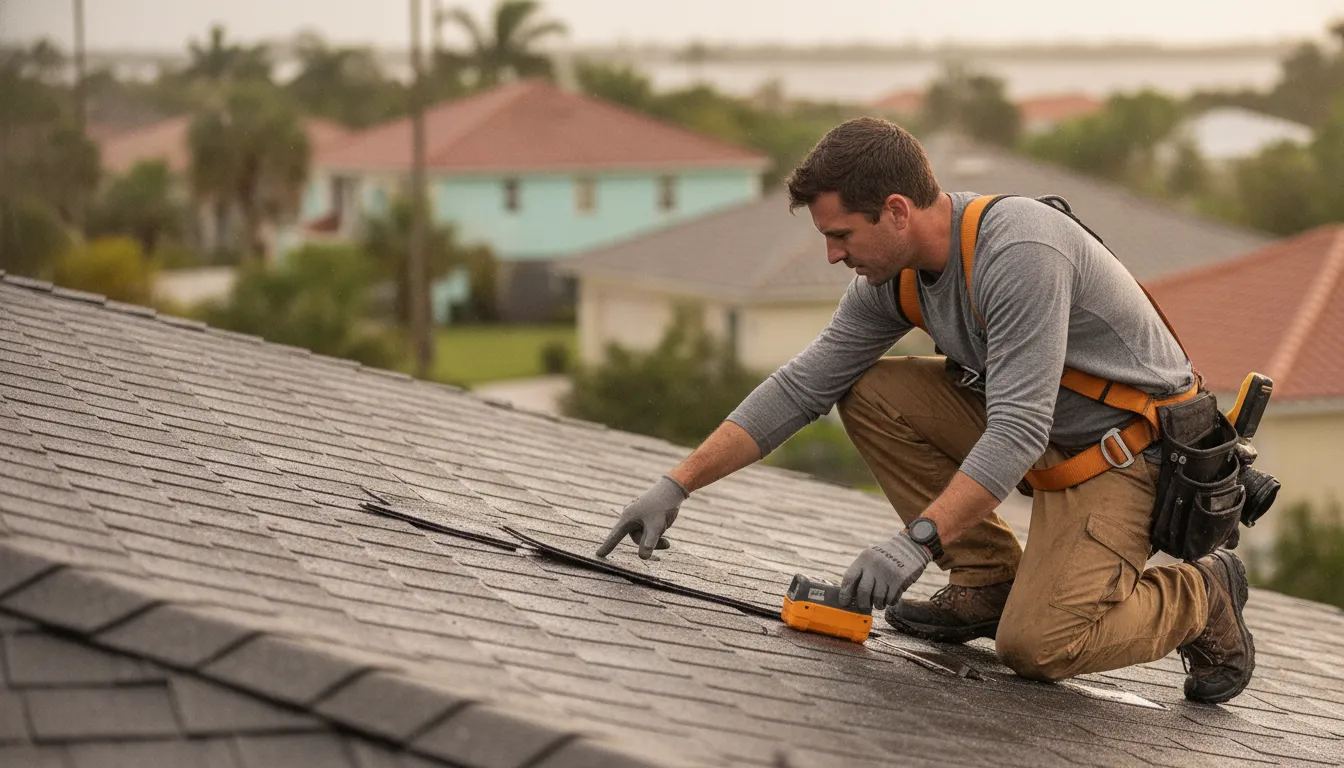
Slow leaks from plumbing or a roof are particularly risky because they provide a steady, uninterrupted supply of moisture, allowing mold to grow undetected for weeks. By the time you notice a musty smell or a small stain, a major colony could already be thriving behind your walls. Sewage backups are even more hazardous. This type of water, known as “black water,” is contaminated with bacteria and organic matter that act like a superfood for mold, accelerating its growth. Due to the serious health risks involved, a sewage backup is not a DIY situation. It requires professional protective gear and specialized cleaning protocols to handle safely and prevent widespread contamination in your home.
For St. Pete Homeowners, Every Hour Counts
For property owners in St. Petersburg, our local climate adds another layer of urgency. The high humidity in Florida means there’s already more moisture in the air, which can accelerate mold growth after a leak. Acting fast is your best strategy. The quicker you address the source of the water and begin the drying process, the better your chances are of avoiding a serious mold problem. If you can’t get everything completely dry within that initial 48-hour window, it’s safest to assume that mold has started to grow. That’s when calling for professional water damage restoration becomes essential. If you need a local crew after that window, our St. Petersburg mold removal team can help contain the problem before it spreads.
What’s Making Mold Grow Faster in Your Home?
After water damage, mold doesn’t just appear out of thin air. It needs the right environment to take hold and spread. Think of it like a recipe: moisture is the main ingredient, but a few other key conditions can turn a small damp spot into a serious problem. Understanding these factors is your first line of defense, especially here in Florida where the climate often gives mold a head start. When warmth, a food source, and stagnant air combine with moisture, you get the perfect storm for rapid mold growth. This combination of factors is why the 24-48 hour window after water damage is so critical. Within this timeframe, mold spores can transition from dormant particles in the air to active, growing colonies on your home’s surfaces. The speed at which this happens depends entirely on how ideal the conditions are. A dark, damp, and warm corner of your home provides a five-star resort for mold. Disrupting just one of these elements can significantly slow or stop its progress. For example, immediately drying out a wet area removes the essential moisture. Improving air circulation prevents spores from settling. By controlling the environment, you take back control from the mold. The following factors are the key players in this process, and knowing how they work together will help you protect your property.
How Humidity Fuels Mold Growth
Moisture is mold’s lifeblood. While a flood or a leak provides an obvious water source, high humidity alone can be enough to start a colony. Mold thrives when indoor humidity levels climb above 60%. In these damp conditions, microscopic spores that are always present in the air can settle onto surfaces and begin to grow. Given St. Petersburg’s naturally humid climate, keeping indoor moisture in check is a constant battle. After any water event, controlling the humidity is a critical step, which is why professional water damage restoration focuses on thoroughly drying and dehumidifying the affected area.
Why Mold Loves Warm, Damp Rooms
Mold loves a cozy environment. Its ideal temperature range for growth is between 60 and 80 degrees Fahrenheit. Unfortunately, that’s the same temperature range most of us keep our homes in for comfort. This means that a damp spot in your house is often at the perfect temperature to become a mold breeding ground. The warmth acts as an accelerator, speeding up the mold’s life cycle and helping it spread much faster than it would in a colder environment. This is why a water issue in a warm, indoor space can become a mold problem so quickly.
What Is Mold Actually Eating in Your House?
Like any living organism, mold needs food to survive. Your home is filled with organic materials that serve as a buffet for mold spores. Things like drywall, wood studs, carpeting, insulation, and even the paper backing on wallpaper are all excellent food sources. Dust and dirt also contain organic particles that can sustain mold growth. This is why you often find mold growing on walls or hidden behind baseboards after a leak. If you suspect mold is feeding on your home’s materials, it’s time to consider professional mold remediation to safely remove it.
The Danger of Stagnant, Still Air
Good airflow can be one of your best allies in the fight against mold. When air is stagnant, moisture-laden pockets can linger, preventing damp surfaces from drying out. This lack of circulation gives mold spores the uninterrupted time they need to settle and multiply. Areas with poor ventilation, like closets, basements, attics, or spaces behind bulky furniture, are often the first places mold appears. Promoting air circulation with fans or dehumidifiers after you’ve had a water leak helps evaporate moisture before mold has a chance to establish itself.
How to Spot the First Signs of Mold
After you’ve dealt with the initial shock of water damage, your next priority is watching for mold. Because mold can appear so quickly, knowing what to look for is your best defense. The earliest signs aren’t always obvious, but catching them can save you a lot of trouble down the road. Pay close attention to your property in the days following a leak or flood, and trust your senses. If something looks, smells, or feels off, it probably is.
Look for Strange Stains and Discoloration
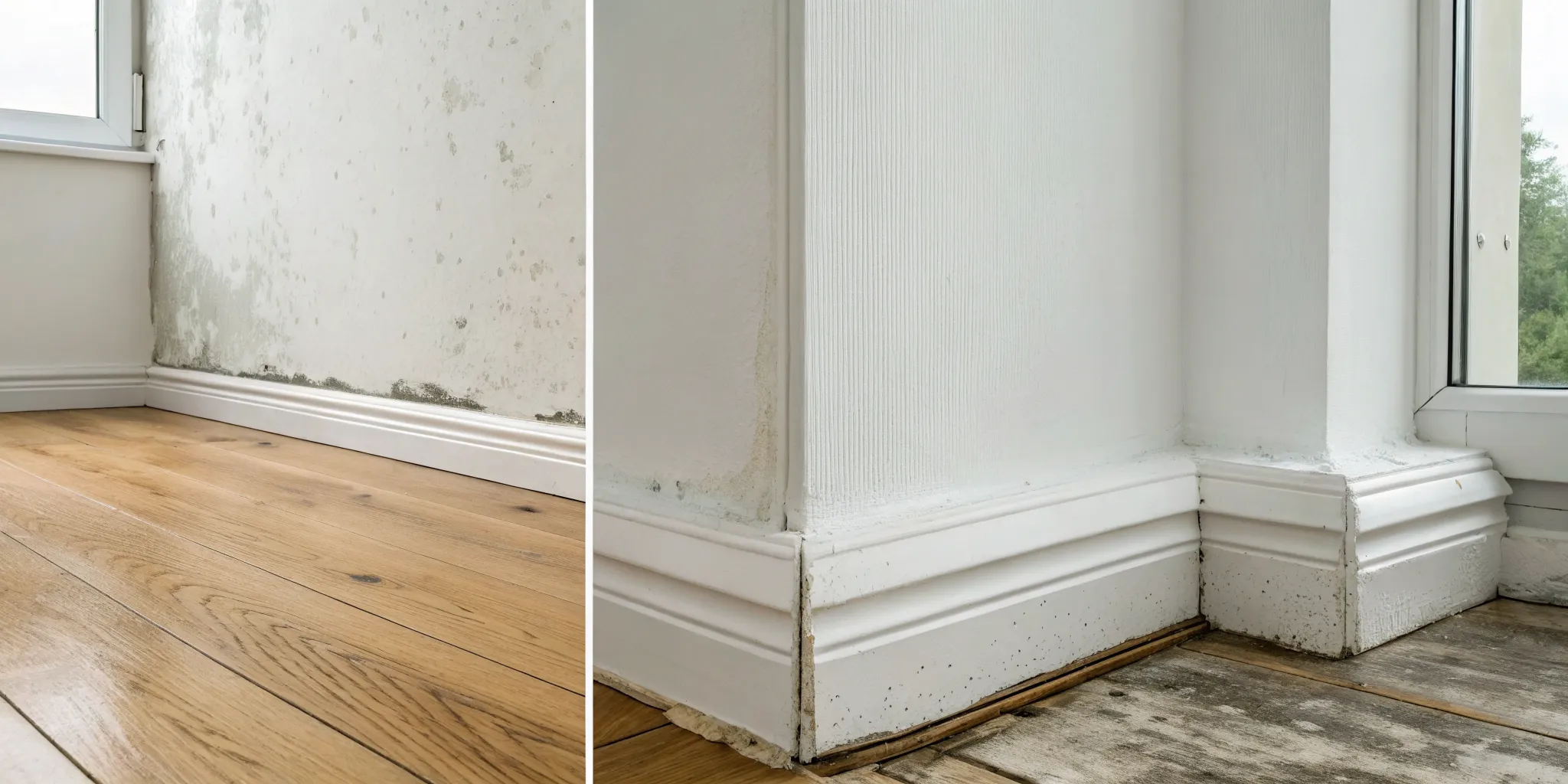
One of the first visual clues of mold is discoloration on walls, ceilings, or other surfaces. Don’t expect to see large, fuzzy black spots right away. Mold can begin to grow within 24 to 48 hours, often starting as small, subtle spots or stains. These can be white, gray, black, green, or even orange. The texture might look fuzzy, slimy, or just like a patch of soot. Be sure to inspect areas where water was present, especially corners, baseboards, and anywhere moisture might have settled. If you see any unusual staining that wasn’t there before the water damage, it’s a clear sign you need a professional mold remediation assessment.
Don’t Ignore That Musty, Earthy Smell
Sometimes, you’ll smell mold before you see it. Mold gives off a distinct, musty odor that’s often described as earthy or damp, like wet socks or rotting wood. This smell is caused by microbial volatile organic compounds (MVOCs), which are gases released by the mold as it grows and consumes organic material. If you walk into a room and are hit with a persistent musty smell that wasn’t there before, it’s a major red flag. This is especially true if the scent is stronger in a specific area, like near a wall or inside a cabinet. Trust your nose; it’s one of the best tools for detecting hidden mold.
Could Your Health Be a Warning Sign?
Mold doesn’t just damage your property; it can also affect your health. For many people, an allergic reaction is the first sign that mold is present. If you or your family members suddenly start experiencing persistent symptoms like a stuffy nose, sneezing, watery eyes, coughing, or skin irritation after a water incident, it could be a reaction to mold spores in the air. These symptoms can be especially pronounced in children, the elderly, or anyone with asthma or a compromised immune system. Paying attention to your body’s signals can help you identify a mold problem before it becomes more severe.
Where Does Mold Love to Hide?
Mold thrives in dark, damp places with poor airflow, which means it often grows out of sight. Even if a surface feels dry to the touch, moisture can be trapped behind it, creating the perfect environment for mold. Common hiding spots include the space behind drywall, under carpets and floorboards, inside wall cavities, and above ceiling tiles. Insulation is another prime location, as it can hold onto moisture for a long time. Because these areas are hidden, you might not discover the mold until the colony is well-established. This is why professional water and flood damage restoration is so important; we have the tools to find and dry hidden moisture.
Common Types of Mold to Look For After Water Damage
When you find mold, it’s easy to panic, especially with all the talk about “toxic black mold.” While it’s true that some types are more hazardous than others, the reality is that any mold growing in your home is a problem that needs to be addressed. It’s a sign of a moisture issue that can damage your property and affect your family’s health. Knowing a little about the common culprits you might find after water damage can help you understand the urgency of the situation. Here are a few of the most frequent types we see in St. Pete homes.
Stachybotrys (Black Mold)
You’ve probably heard of Stachybotrys, or as it’s more famously known, black mold. This is the one that rightfully gets a lot of attention. It’s a slimy, greenish-black mold that thrives in places that have been wet for a long time, like areas with serious leaks or flooding. What makes it so concerning is its ability to produce mycotoxins, which can lead to significant health problems, especially for people with asthma or weakened immune systems. If you see mold that looks like this, don’t try to clean it yourself. Disturbing it can release spores into the air. This is a job for professionals who have the right equipment for safe mold remediation.
Aspergillus
Aspergillus is one of the most common molds you can find, both indoors and out. It can show up in long chains, creating a fuzzy texture that comes in many different colors, from gray to yellow to green. You’ll often find it growing on walls, insulation, or even in household dust after a water event. While many species of Aspergillus are harmless, others can cause allergic reactions, especially for those with respiratory issues. It’s a frequent trigger for asthma attacks. Because it’s so widespread, seeing it after water damage is a strong signal that the environment is damp enough to support other, potentially more dangerous, mold types as well.
Cladosporium
Cladosporium is another very common mold that can grow in both cool and warm conditions. It typically has a suede-like texture and is olive-green or brown in color. You might find it on surfaces like wood, carpets, or fabrics that have gotten damp. While it’s not as notorious as black mold, it can still cause problems. For people with allergies or asthma, Cladosporium spores can trigger respiratory issues like coughing and sneezing. Its presence is a clear sign that a surface hasn’t dried properly after water and flood damage, and the underlying moisture needs to be professionally addressed to prevent further growth and protect your home’s air quality.
Ulocladium
If you find Ulocladium, you can be certain you have a significant water problem. This type of mold needs a lot of moisture to grow, so it’s often found in areas that have been heavily saturated with water, like basements and bathrooms after a flood or major leak. It’s typically black and can look similar to other molds, which is why professional identification is so important. Because it signals high levels of moisture, its presence often means there’s a bigger, hidden water issue that needs to be resolved. If you suspect you have this type of mold, it’s best to contact us for an assessment, as simply cleaning the surface won’t fix the root cause.
Your 48-Hour Action Plan to Stop Mold Growth
When you’re dealing with water damage, the clock starts ticking immediately. Mold can begin to grow in as little as 24 to 48 hours, which means your quick response is the best defense you have. Taking decisive action within this two-day window can make the difference between a minor cleanup and a major remediation project. The goal is to create an environment where mold simply can’t thrive. By focusing on removing water, drying everything out, and getting the air moving, you can stop mold before it has a chance to take hold. Here are the essential steps to protect your property.
Before You Start: Crucial Safety Measures
Turn Off the Electricity to the Affected Area
Before you even think about cleanup, your first and most important step is to prioritize safety. Head straight to your home’s circuit breaker and turn off the power to all affected rooms. Water and electricity are a dangerous mix, and since mold needs moisture to grow, any area at risk for mold is also a potential electrical hazard. Taking this precaution eliminates the risk of electrical shock, allowing you to focus on the next steps without worrying about your safety. This is a non-negotiable first move, especially when you’re racing against that 48-hour clock to prevent mold growth. It’s a critical part of any initial disaster recovery plan.
Shut Down Your HVAC System to Prevent Spreading Spores
Your next safety measure is to shut down your home’s HVAC system completely. Think of your air conditioning and heating ducts as a highway for air particles. If mold spores have started to grow in one area, running the system will pick them up and distribute them throughout your entire house. This can turn a contained issue in your bathroom into a widespread problem affecting bedrooms and living areas. By turning off the HVAC, you effectively quarantine the affected zone, preventing cross-contamination. This simple action helps contain the problem, making the eventual mold remediation process more straightforward and effective.
Step 1: Get the Water Out—Fast
The first and most critical step is to get rid of any standing water. Mold needs moisture to grow, so eliminating its water source is your top priority. Whether you’re dealing with a burst pipe, a roof leak, or flooding, you need to act fast. Use buckets, mops, towels, or a wet/dry vacuum to remove as much water as you can, as quickly as you can. The longer water sits, the more it soaks into porous materials like drywall, wood, and carpet, creating the perfect breeding ground for mold. Tackling water damage right away is non-negotiable.
Step 2: Dry Everything and Run a Dehumidifier
Once the standing water is gone, the drying process begins. Just because a surface looks dry doesn’t mean it is. Moisture can hide within walls, under flooring, and in insulation. Your goal is to dry everything completely within that 48-hour window. If you can’t, you should assume mold is already starting to grow. Use high-powered fans to blow air across wet surfaces and run dehumidifiers to pull moisture out of the air. Keep the dehumidifiers running continuously, emptying the collection tanks as they fill up, until the area is thoroughly dry.
Cleaning Hard Surfaces with Detergent and Water
After you’ve dried the area, it’s tempting to think the job is done. But remember, those microscopic mold spores are still hanging around, looking for any remaining moisture and a food source. Hard surfaces like wood, painted walls, and even tile can harbor these spores. To stop them in their tracks, you need to clean these surfaces thoroughly. A simple solution of non-ammonia detergent and warm water is all you need. Scrub down all affected hard surfaces to remove any lingering dirt, residue, and invisible spores that could feed new colonies. If you’re worried moisture has already penetrated deep into materials like drywall, that’s when you need to consider professional mold remediation to handle the hidden threat.
Step 3: Create Airflow with Fans
Stagnant, humid air is mold’s best friend. Proper ventilation is key to speeding up the drying process and preventing mold spores from settling. If the weather permits, open up windows and doors to create a cross-breeze. This helps exchange the damp, indoor air with drier, fresh air from outside. Combine this with fans placed strategically to keep the air moving across all affected surfaces, including floors, walls, and furniture. Good airflow helps moisture evaporate faster and makes it much harder for mold to establish a foothold in your home.
Step 4: Decide What to Keep and What to Throw Away
Unfortunately, not everything can be saved after water damage. Porous materials are like sponges, and once they’re saturated, it can be nearly impossible to dry them completely and remove all mold spores. Items like carpet and padding, insulation, mattresses, and upholstered furniture often need to be discarded if they’ve been soaked for an extended period. Non-porous materials like glass, metal, and hard plastics can usually be cleaned and salvaged. When in doubt, it’s safer to throw an item out than to risk a recurring mold problem. Professional mold remediation experts can help you make these tough decisions.
Common Mistakes That Can Make Mold Worse
In the rush to clean up, it’s easy to make a few common mistakes. The biggest one is waiting too long to start. Delaying cleanup beyond 48 hours dramatically increases the risk of widespread mold growth. Another error is only focusing on visible water. Moisture can seep into hidden areas, so a surface that looks dry might still be damp underneath. Finally, don’t try to handle a large-scale water issue on your own. If the damage is extensive or involves contaminated water, it’s best to contact us for professional help to ensure the job is done safely and thoroughly.
When Should You Call a Pro Like Go Time Restoration?
Tackling a small leak or spill on your own can feel empowering, but some situations are simply too big or too risky to handle without professional help. Water damage is deceptive; what you see on the surface is often just a fraction of the problem. Knowing when to put down the towels and pick up the phone is key to protecting your property and your peace of mind. If you’re facing widespread water intrusion, can’t find the source of the moisture, or are worried about contamination, it’s time to call in the experts. A professional team can assess the full scope of the damage and create a plan to restore your home safely and effectively.
The Job Is Too Big for DIY
You acted fast, mopped up the water, and set up fans. But what if it wasn’t enough? Mold can start growing within 24 to 48 hours after water damage occurs, and even if you don’t see it right away, it can still be there, hiding behind walls or under flooring. If you’ve done your best to dry the area but still notice a persistent musty odor or see new discoloration on your walls or ceilings, your DIY efforts may have fallen short. This is a clear sign that moisture is still trapped, creating the perfect environment for mold. A professional mold remediation team can find and eliminate the hidden mold that you can’t see.
Follow the EPA’s 10-Square-Foot Rule
The U.S. Environmental Protection Agency (EPA) offers a straightforward guideline to help you decide when to call for backup: the 10-square-foot rule. If you find a patch of mold that covers more than 10 square feet—roughly a 3-foot by 3-foot area—the EPA recommends hiring a professional. This isn’t just about the visible mold; a patch that large often indicates a more significant, hidden problem behind the wall or under the floor. Since mold can start growing within 24 to 48 hours, a small, unchecked damp spot can quickly exceed this limit. Attempting to clean a large area on your own can release a high concentration of spores into the air, potentially spreading the problem to other parts of your home. For safe and thorough mold removal, it’s best to leave jobs of this size to the experts.
You’re Dealing with Major Water Damage
Some water-related disasters are immediately overwhelming. Think of a burst pipe flooding your kitchen, a failed water heater soaking multiple rooms, or storm damage that leaves your home exposed to the elements. In severe cases of water damage like floods, preventing mold on your own is nearly impossible. These situations involve a volume of water that household tools simply can’t handle. Professional water damage restoration is essential for large-scale incidents. We have the industrial-grade pumps, vacuums, and drying equipment needed to remove massive amounts of water quickly and stop secondary damage in its tracks.
Your Health and Safety Are at Risk
Dealing with water damage isn’t just about protecting your property; it’s about protecting your health. Mold exposure can trigger allergic reactions and respiratory issues. According to the American Thoracic Society, if you have a chronic lung condition or a weakened immune system, you should avoid exposure to mold entirely. Furthermore, floodwater can be contaminated with sewage, chemicals, and bacteria, posing serious health risks. Our team at Go Time Restoration uses personal protective equipment (PPE) and follows strict safety protocols to handle contaminated materials and hazardous mold, ensuring your family isn’t put at risk.
You Need Professional Tools and Expertise
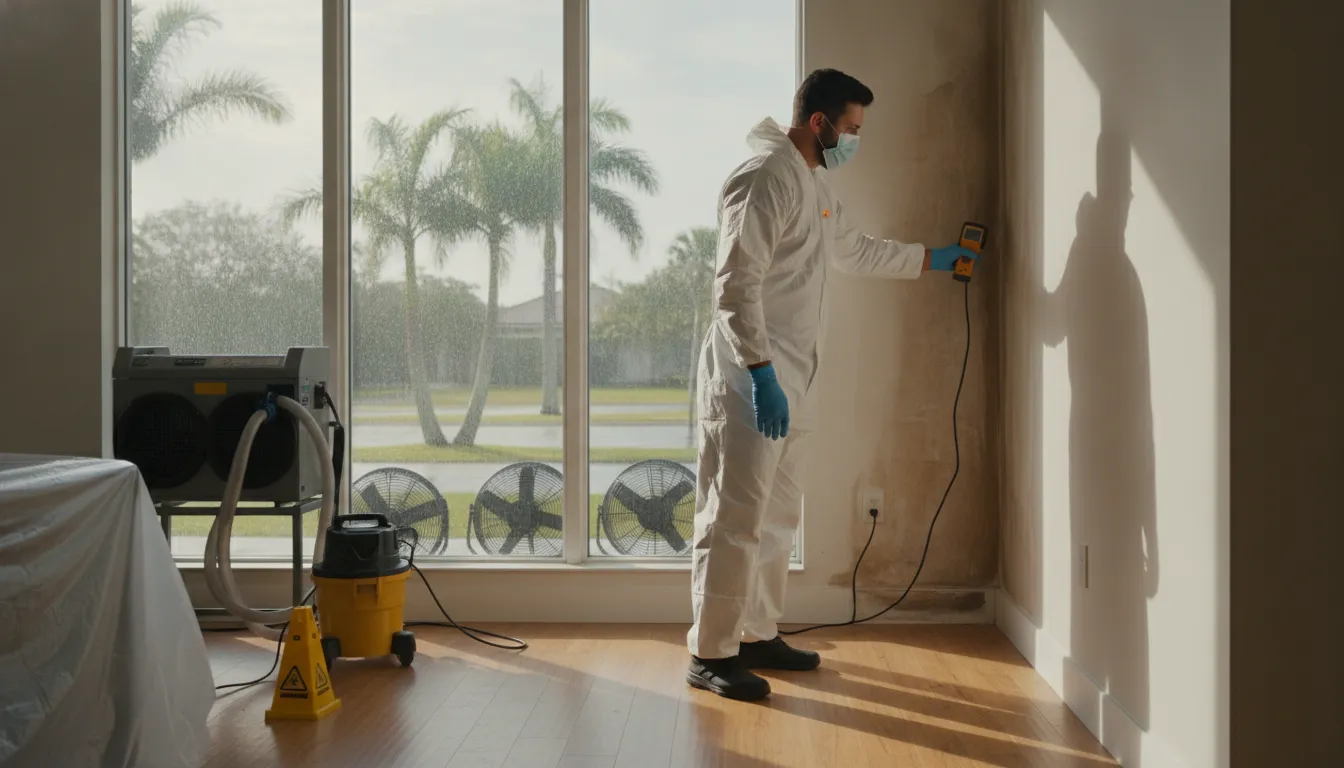
Hiring a professional water damage company can make a critical difference in minimizing mold risks after a flood or leak. While you might have a shop vac and some fans, we have a full arsenal of advanced technology. We use moisture meters and thermal imaging cameras to detect hidden water pockets inside walls and under floors. Our powerful air movers and dehumidifiers dry structures much faster than conventional fans. This expertise not only ensures your home is thoroughly dried but also saves you from costly future repairs. When you need certainty, contact us for a professional assessment.
Professional Assessment and Air Quality Testing
Even if you’ve dried the visible surfaces, the musty smell that lingers is a sign that moisture is still trapped somewhere. If you can’t get everything completely dry within that initial 48-hour window, it’s safest to assume that mold has started to grow. A professional assessment goes beyond what you can see. We can identify the hidden mold that you can’t, determining the full extent of the issue behind walls or under flooring. This step is crucial for creating an effective remediation plan. A thorough evaluation ensures that we address the problem at its source, preventing the mold from returning and giving you confidence that your home’s air is clean and safe again.
Specialized Equipment like HEPA Vacuums
Proper mold removal requires more than just household cleaners and fans. Our professional team uses specialized equipment to ensure the job is done safely and completely. We use tools like HEPA (High-Efficiency Particulate Air) vacuums, which are designed to capture tiny mold spores without releasing them back into the air. We also use commercial-grade air scrubbers to clean the air during the removal process and powerful dehumidifiers to dry out the structure thoroughly. This level of technology is essential for containing the contamination and restoring your home to a healthy condition, something that standard equipment simply cannot achieve. These tools are a core part of our disaster recovery services.
Related Articles
- Spotting Mold After Water Damage: Pinellas County Guide
- St. Pete’s Top 5 Water Damage Restoration Services
Frequently Asked Questions
Can I just use bleach to clean up a small amount of mold? That’s a common go-to, but bleach isn’t the magic solution many think it is. While it can kill surface mold on non-porous materials like tile or glass, it doesn’t work well on porous surfaces like drywall or wood. The mold’s roots can remain in the material, and the water in the bleach solution can actually feed the remaining spores, leading to regrowth. For a lasting solution, you need to address the moisture source and have the mold properly removed. I smell a musty odor but don’t see any mold. What should I do? Trust your nose. A persistent musty smell is one of the most reliable signs of hidden mold. It often means mold is growing in a place you can’t see, like behind a wall, under the floor, or in your ventilation system. Don’t ignore it, as the problem will only get worse. The best next step is to have a professional come in to find the source of the moisture and determine where the hidden mold is located. If I call a professional, what’s the difference between their drying process and just using fans? The difference is significant and comes down to speed and thoroughness. While fans help circulate air, professional restoration teams use specialized equipment like industrial-grade air movers and dehumidifiers that remove moisture from the air and materials much more quickly. We also use moisture meters to find hidden dampness inside walls and floors, ensuring every last bit of water is gone before mold has a chance to settle in. Is it safe to stay in my home if I suspect there’s mold after water damage? This really depends on the size of the affected area and your family’s health. Mold can cause allergic reactions and respiratory issues, especially for children, the elderly, or anyone with asthma or a compromised immune system. If the mold is widespread or if anyone in your home is experiencing new health symptoms, it’s wise to limit exposure to that area until it can be professionally assessed and remediated. Does drying the area completely guarantee mold won’t grow? Drying the area completely within the first 24 to 48 hours is your absolute best defense and dramatically reduces the likelihood of mold growth. However, if water sat for longer or soaked deep into materials like subflooring or wall studs, it can be very difficult to dry it fast enough to prevent mold entirely. If you weren’t able to get everything bone-dry within that critical window, it’s safest to assume some microscopic growth may have started.