Your immediate response to hurricane water intrusion determines recovery success. Five critical actions for St. Petersburg homeowners.
Share:

Summary:
Your safety outweighs any property concerns during post-hurricane conditions. Before entering water-affected areas, shut off electricity at the main breaker to eliminate electrocution risks from submerged outlets or appliances. Never wade through standing water deeper than ankle level, as it conceals sharp debris, unstable flooring, or electrical hazards. Check for structural damage including sagging ceilings, cracked walls, or shifted foundations that indicate compromised stability. In St. Petersburg’s post-storm environment, contaminated floodwater often contains sewage, chemicals, and bacteria requiring protective equipment. Wait for daylight assessment when possible, as adequate visibility prevents injuries from hidden obstacles. Document safety hazards with photos from a safe distance for insurance purposes while avoiding unnecessary exposure to contaminated water.
Insurance documentation starts immediately after establishing safety protocols. Photograph water damage from multiple angles, capturing water lines on walls, saturated flooring, and damaged personal property. Record video walkthroughs showing the extent of water intrusion throughout affected rooms. Note the time, date, and weather conditions during documentation for insurance adjusters. Create detailed written inventories of damaged items including purchase dates and estimated values. This documentation directly impacts your claim settlement, potentially affecting thousands of dollars in coverage.
Insurance documentation starts immediately after establishing safety protocols. Photograph water damage from multiple angles, capturing water lines on walls, saturated flooring, and damaged personal property. Record video walkthroughs showing the extent of water intrusion throughout affected rooms. Note the time, date, and weather conditions during documentation for insurance adjusters. Create detailed written inventories of damaged items including purchase dates and estimated values. This documentation directly impacts your claim settlement, potentially affecting thousands of dollars in coverage.
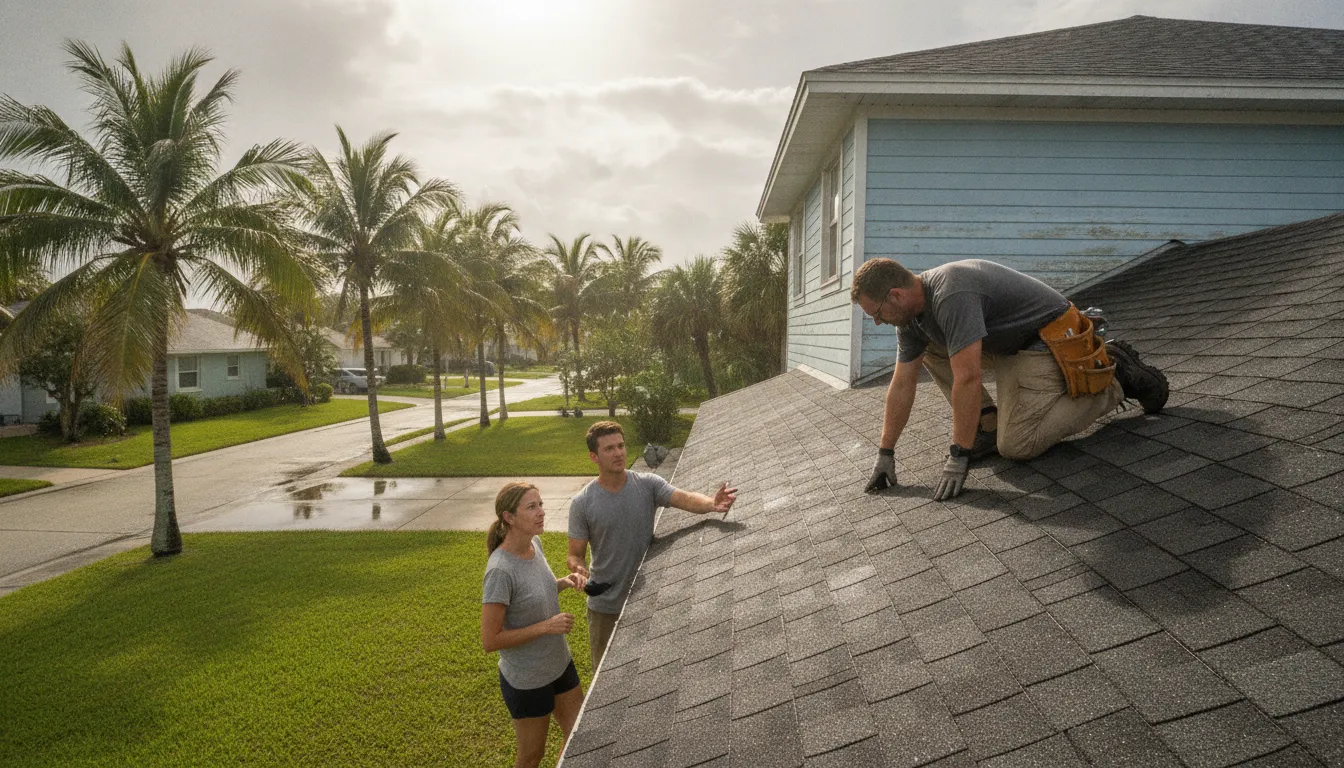
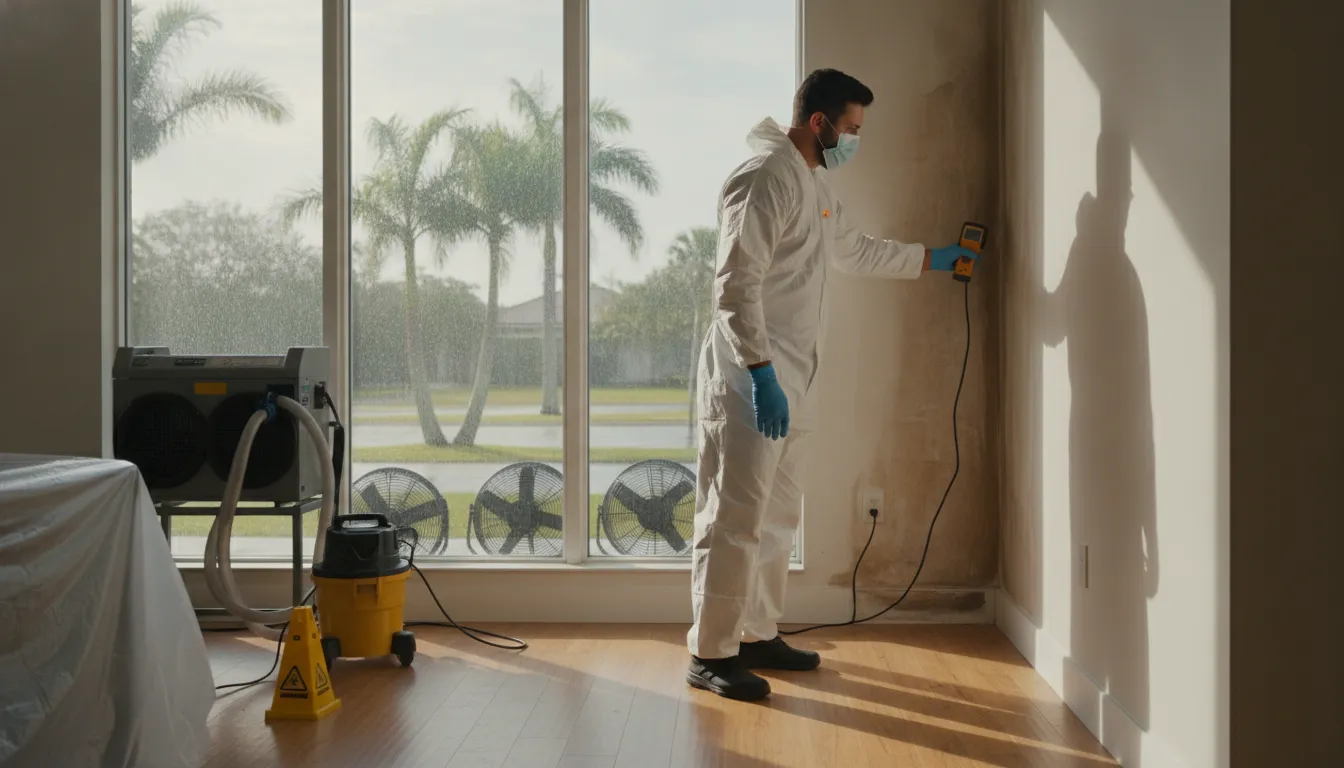
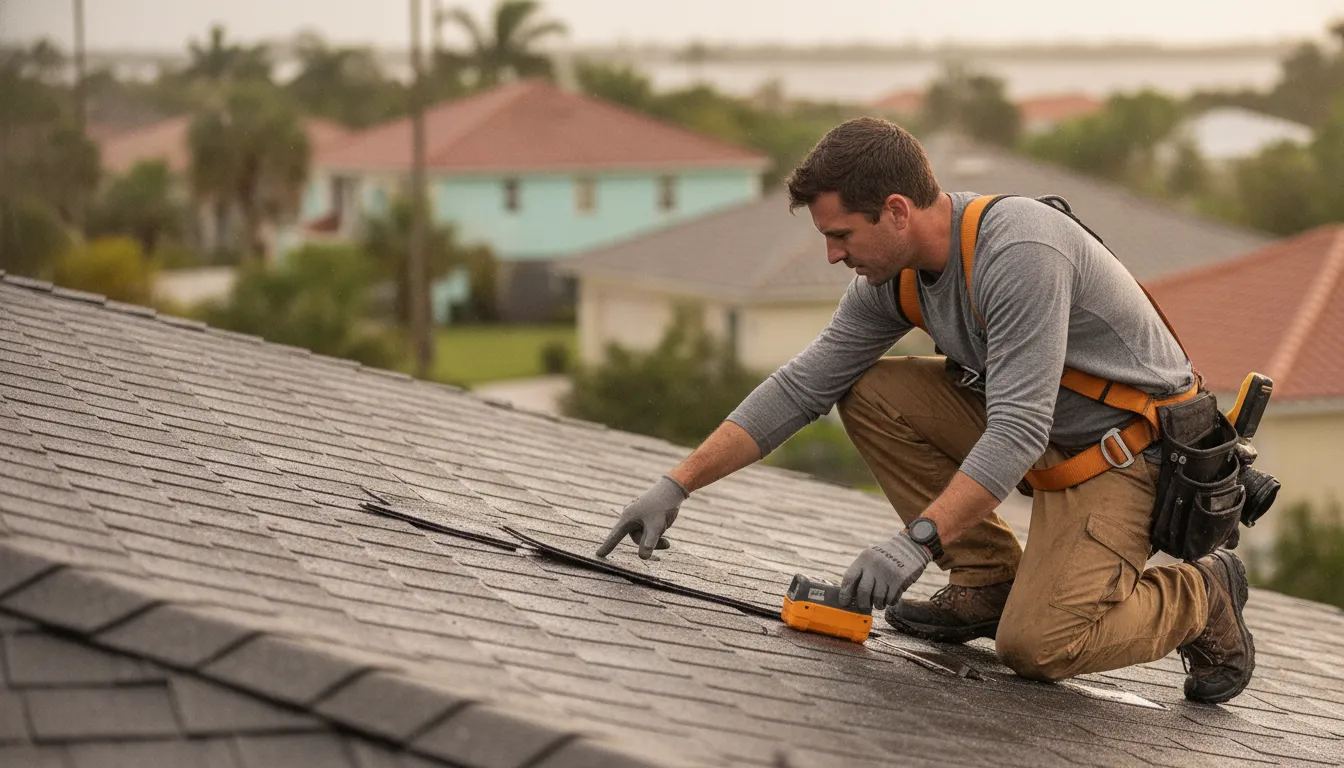
Air circulation becomes critical for preventing mold growth and accelerating structural drying in St. Petersburg’s humid climate. Open windows and doors when outdoor conditions permit, creating cross-ventilation that removes moisture-laden air. Position box fans and oscillating fans to direct airflow across wet surfaces, changing air patterns every few hours to prevent stagnant pockets. Deploy portable dehumidifiers rated for your square footage, targeting 30-50% relative humidity levels to inhibit mold development. Run air conditioning systems if undamaged, as they remove humidity while circulating air. Monitor temperature and humidity with digital meters, adjusting ventilation strategies based on readings. Remove wet insulation from walls and attics, as waterlogged insulation loses effectiveness and promotes mold growth behind drywall surfaces. If the hurricane also damaged your roof, Go Time’s roofing services can address the exterior source of water intrusion.
Rapid item assessment prevents cross-contamination and reduces total loss claims. Remove salvageable electronics, documents, and valuables to dry areas immediately. Discard porous materials like books, papers, and fabric items exposed to contaminated floodwater. Clean non-porous items with antimicrobial solutions, focusing on furniture with sealed surfaces. Separate items by contamination level—sewage-exposed materials require disposal regardless of value, while clean water damage allows more salvage opportunities.
Contact Go Time Restoration within 24 hours of water intrusion for professional assessment and advanced extraction equipment. Our certified technicians utilize thermal imaging cameras to identify hidden moisture in wall cavities and structural materials invisible to standard inspection. We deploy industrial dehumidifiers processing 1,000+ pints daily and air movers generating 2,400+ CFM airflow for rapid structural drying. Professional intervention within the first 48 hours typically reduces total restoration costs by 40-60% compared to delayed response.
Your immediate response during the first 24-48 hours after hurricane water intrusion determines recovery success and total costs. Following these five steps—safety assessment, documentation, water removal, air circulation, and item sorting—creates the foundation for successful restoration. However, professional water restoration services become essential for complete recovery and mold prevention. Contact Go Time Restoration immediately for certified technicians equipped with industrial-grade equipment and antimicrobial treatments that protect your St. Petersburg home’s long-term value and your family’s health.
Article details:
Share:
Continue learning: