Explore the unique aspects of fire damage restoration compared to general home repair, focusing on specialized techniques like smoke cleanup and soot removal in Pinellas County.
Share:

Summary:
A fire leaves behind a complex web of damage that extends well beyond burnt wood and melted plastic. Unlike a leaky pipe or a cracked tile, a fire impacts nearly every system and surface in your home. The heat itself can compromise structural elements, while the flames consume materials, creating charred debris. Furthermore, the smoke and soot produced travel far from the fire’s origin, settling on walls, seeping into porous materials, and contaminating HVAC systems. Consequently, fire cleanup involves much more than just tidying up; it requires a deep understanding of how fire behaves, how different materials react, and the potential health hazards left behind. It’s a process that demands specific protocols and equipment to handle everything from water damage caused by firefighting efforts to the pervasive smell of smoke.
Perhaps one of the most significant differences lies in dealing with smoke and soot. These aren’t just dirt; they are acidic, corrosive residues that can cause long-term damage if not addressed correctly. Smoke damage cleanup involves identifying the type of smoke (wet, dry, protein-based) as each requires a different cleaning method. Soot particles are incredibly fine and can penetrate deep into surfaces like drywall, upholstery, and even wood grain. Simply wiping them away often smudges and embeds them further. Soot removal requires specialized techniques such as chemical sponging, media blasting (like soda or dry ice), and ultrasonic cleaning for delicate items, ensuring that these harmful residues are completely lifted, not just spread around.
Perhaps one of the most significant differences lies in dealing with smoke and soot. These aren’t just dirt; they are acidic, corrosive residues that can cause long-term damage if not addressed correctly. Smoke damage cleanup involves identifying the type of smoke (wet, dry, protein-based) as each requires a different cleaning method. Soot particles are incredibly fine and can penetrate deep into surfaces like drywall, upholstery, and even wood grain. Simply wiping them away often smudges and embeds them further. Soot removal requires specialized techniques such as chemical sponging, media blasting (like soda or dry ice), and ultrasonic cleaning for delicate items, ensuring that these harmful residues are completely lifted, not just spread around.
A fire can severely compromise your home’s foundation and framework. The intense heat can weaken steel beams, warp wooden supports, and cause concrete to spall. Assessing this damage requires a trained eye. Structural repair after a fire isn’t just about rebuilding what was burned; it’s about determining what can be saved, what must be replaced, and how to do so safely and according to Pinellas County building codes. This involves inspecting load-bearing walls, roof trusses, and foundations. Repairs might involve shoring up weakened areas, replacing entire sections of framing with appropriately treated lumber, or even more extensive reconstruction. This level of assessment and intervention goes far beyond the scope of general repairs, which typically don’t involve evaluating the fundamental stability of the building after such a traumatic event.
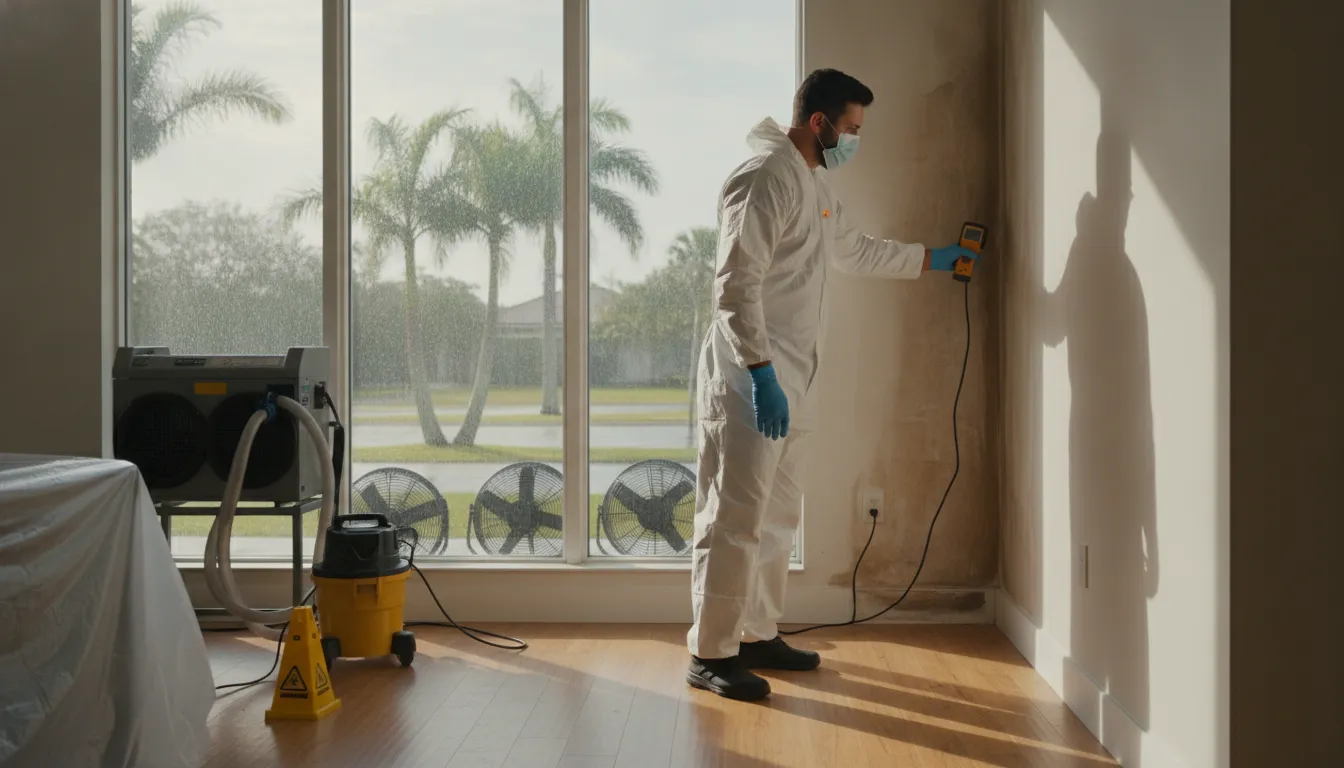
The process of charred material removal is a delicate but essential part of fire cleanup. These burned materials are not only unsightly but can also contain hazardous substances and contribute to lingering odors. Safely removing them requires specific procedures. Firstly, containment barriers (heavy-duty plastic sheeting) and negative air machines are often set up to prevent cross-contamination of unaffected areas. Workers use personal protective equipment (PPE) while carefully cutting away and bagging materials like burnt drywall, insulation, and framing. Techniques like HEPA (High-Efficiency Particulate Air) vacuuming are used during and after removal to capture fine particles. This careful, controlled demolition and disposal process protects both the home and its inhabitants from further harm.
Given the complexities involved—from understanding smoke types and cleaning agents to assessing structural loads and using advanced deodorization equipment—it’s clear that fire damage restoration is not a DIY project or a job for a general contractor. It requires specific training and certification (like those from the IICRC – Institute of Inspection, Cleaning and Restoration Certification). In Pinellas County, Go Time Roofing and Restoration brings this level of understanding to every project. Knowing how to navigate insurance claims, adhere to local regulations, and apply the correct scientific principles to cleaning and rebuilding is what sets a professional restoration service apart, making the recovery process smoother and more effective for you.
In summary, while general home repairs fix isolated problems, fire damage restoration is a comprehensive process addressing a wide range of interconnected issues caused by fire, smoke, and soot. It involves specialized techniques for smoke damage cleanup, soot removal, smoke odor removal, charred material removal, and often, significant structural repair. Recovering from a fire requires more than just rebuilding; it requires restoring a healthy and safe environment. For residents throughout Pinellas County, partnering with a knowledgeable company like Go Time Roofing and Restoration provides the guidance needed to navigate this difficult time. Contact us today to learn how your home can be brought back to its pre-fire condition.
Article details:
Share:
Continue learning: