When water invades your St Petersburg property, every minute counts in preventing permanent damage and costly mold growth.
Share:
Summary:
Living in St. Petersburg means accepting certain realities about water damage risk. Our location on the Atlantic Coast creates a perfect storm of conditions: humid subtropical climate, long wet summers, and frequent thunderstorms from colliding air masses. Add hurricane season to the mix, and you’re looking at some serious flood potential.
Here’s the uncomfortable truth: everyone in St. Pete lives in a flood zone. The minimal elevation across our area means your property has virtually no natural protection from flooding and storm-related water damage.
Recent hurricanes like Milton and Helene proved just how quickly things can go sideways, with 100-mph winds and torrential rain causing extensive flooding across the Tampa-St. Petersburg metro. Your property might have weathered previous storms, but each new weather event brings fresh risks.
The moment water enters your property, you’re in a race against time. Mold and mildew start growing within 24-48 hours after water damage occurs. This isn’t just about unsightly stains—we’re talking about health hazards and structural threats that can transform a manageable situation into a major reconstruction project.
Water doesn’t just sit on surfaces. It soaks into drywall, insulation, and subflooring, spreading through your property like a slow-motion disaster. What you see is often just the tip of the iceberg. Behind walls and under floors, moisture is creating conditions for long-term problems you won’t discover until it’s too late.
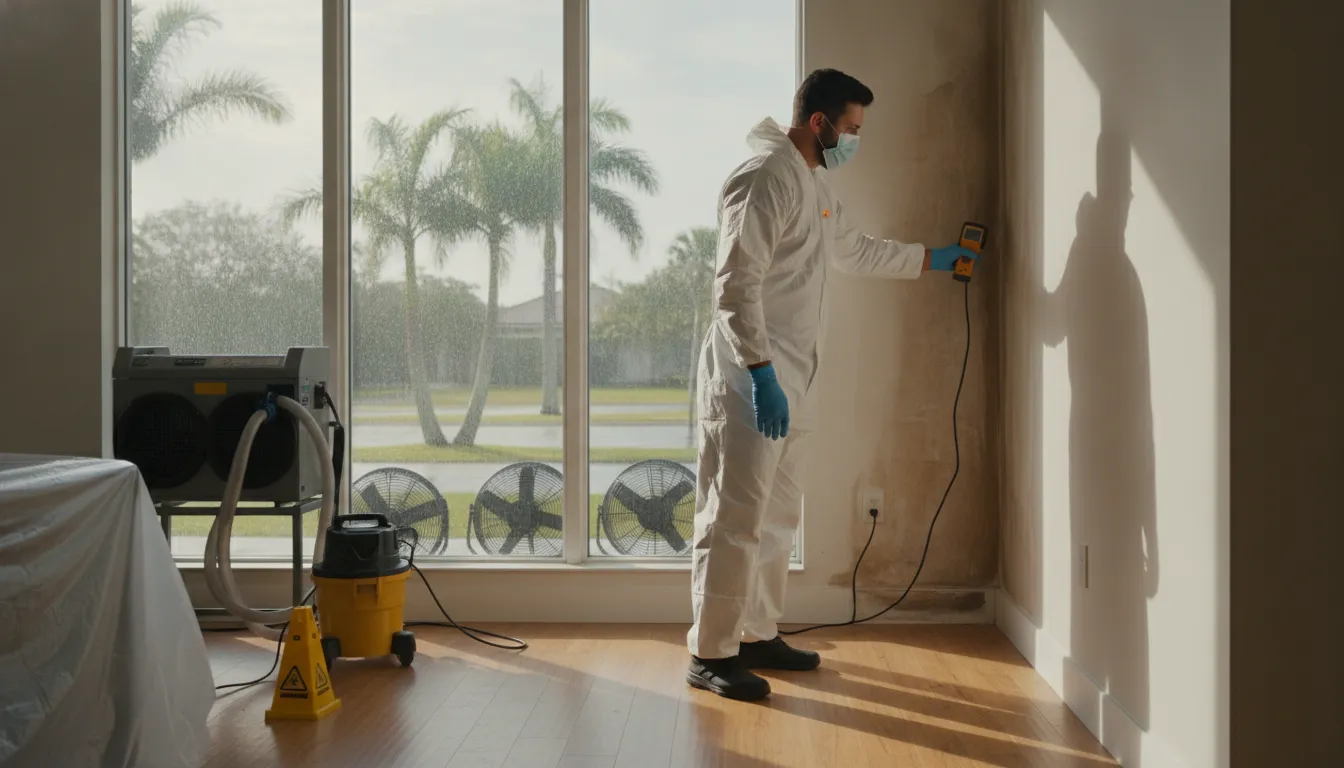
Professional flood water removal requires specialized equipment—pumps, industrial vacuums, and dehumidifiers that can actually extract water from building materials. This isn’t something you can handle with a household wet vacuum and some fans.
St. Petersburg’s warm, humid climate accelerates everything. Materials that might be salvageable in Arizona or Colorado often require replacement here because damage progresses so quickly. Let water damage persist for more than a week, and you’re almost guaranteed to face mold remediation, structural repairs, and contamination issues—driving up costs and timeline significantly.
The extraction process itself demands industrial-grade equipment. Those little shop vacuums might handle surface water, but they can’t pull moisture from inside wall cavities or subflooring. We arrive with truck-mounted extractors and commercial dehumidifiers that actually get the job done.
Temperature matters too. Heated air holds more moisture than cold air, so maintaining optimal temperatures speeds up drying while preventing condensation in cooler areas of your property.
Not all water damage is the same, and the differences affect everything from safety protocols to insurance coverage. Clean water comes from sources inside your home—sink overflows, washing machine malfunctions, water heater leaks. This water isn’t harmful to people.
Greywater contains some contamination and may cause illness. Think dishwater, laundry water, or clean toilet overflows. It’s not immediately dangerous, but it requires proper handling and disinfection.
Black water is the nasty stuff—sewage backups, ground surface water, seawater. This category contains pathogens and requires immediate professional intervention with specialized safety equipment.
In hurricane-prone St. Petersburg, storm water often falls into the black water category due to contamination from overwhelmed sewage systems, chemicals, and debris. You don’t want to mess around with this stuff.
We use IICRC standards to classify damage into four categories based on water volume and how quickly it evaporates—from limited damage in small areas to extensive saturation from overhead leaks.
These classifications determine safety protocols, restoration methods, and insurance coverage. Try to handle contaminated water without proper protection, and you’re risking your health. Handle the cleanup incorrectly, and your insurance claim might get denied.
Understanding these categories helps you communicate effectively with your insurance adjuster and restoration team. Everyone needs to be on the same page about what you’re dealing with and how serious the situation is.
Professional water damage restoration follows a systematic process: water removal, drying and dehumidification, cleaning damaged materials and contents, then making necessary repairs to bring your property back to pre-loss condition.
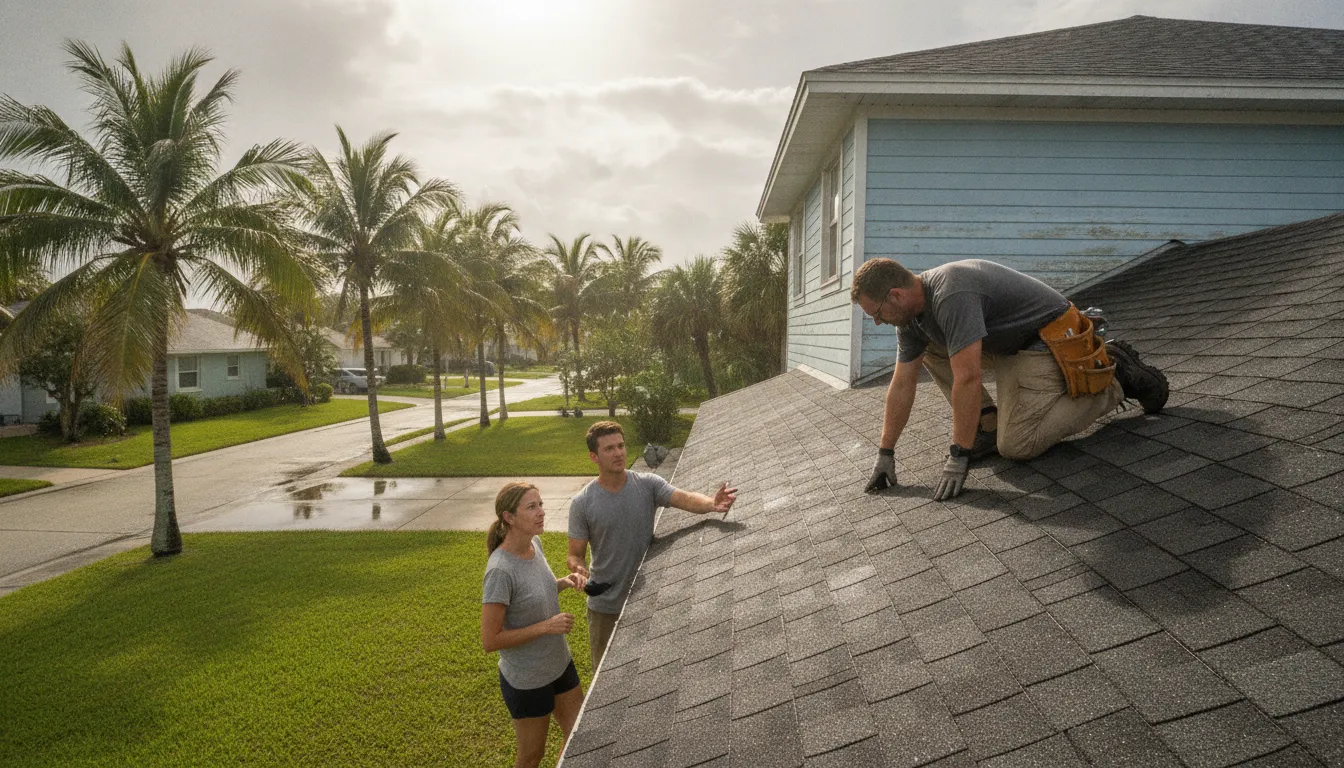
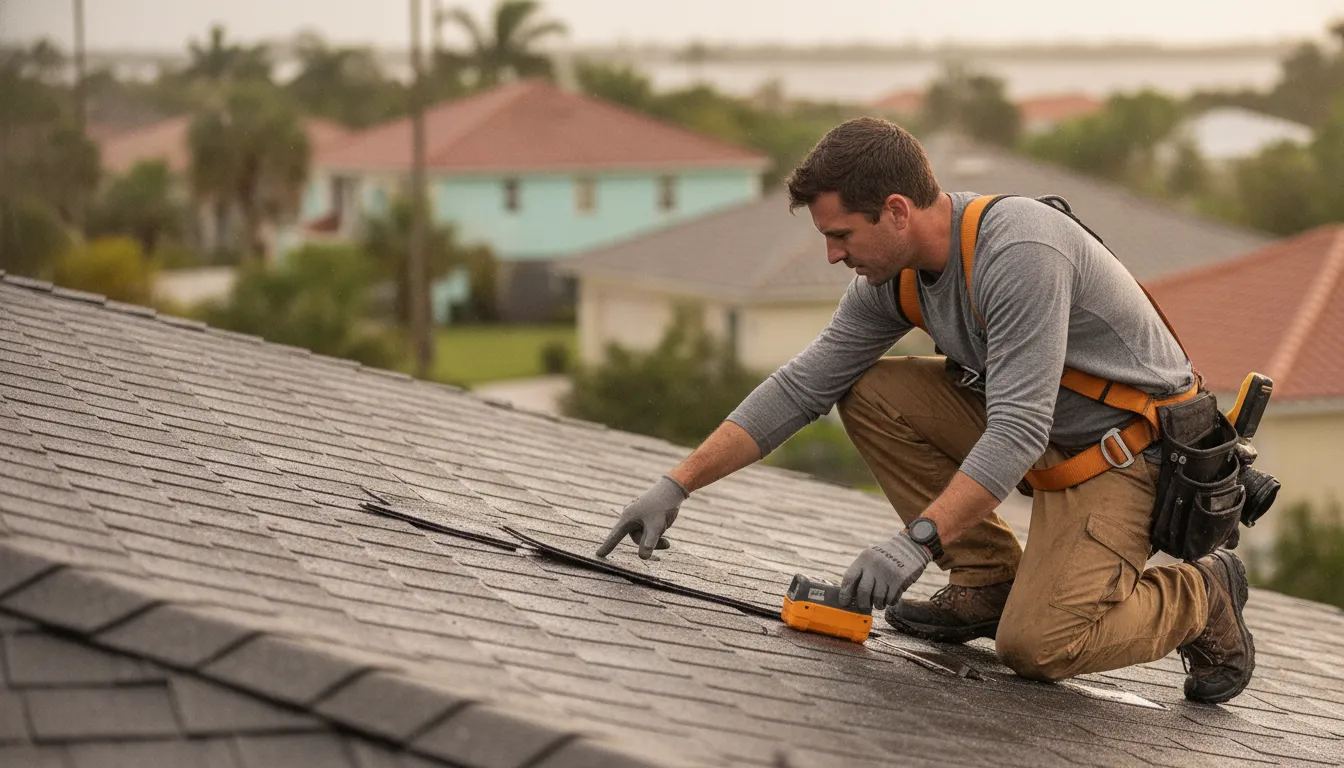
Step one is stopping the water source—tarping a damaged roof, shutting off the main water supply, whatever it takes to prevent more water from entering your property. This happens immediately, often within hours of your emergency call.
Next comes a thorough assessment using thermal imaging and moisture detection equipment to identify the water source, contamination category, and damage classification. This assessment drives every decision that follows.
Water extraction involves multiple techniques: powerful pumps for standing water, industrial vacuums for smaller amounts, and specialized equipment to pull moisture from building materials themselves. The goal isn’t just removing what you can see—it’s eliminating moisture that’s soaked deep into structural components.
We strategically place air movers and dehumidifiers to create optimal drying conditions. With the right setup, most properties dry completely within just a few days. Industrial dehumidifiers run 24/7 to pull moisture from the air while air movers create circulation that speeds evaporation from surfaces.
Daily monitoring ensures everything’s drying properly. Our technicians check equipment performance, take moisture readings, and make adjustments as needed. This monitoring process is absolutely critical for effective drying.
St. Petersburg’s high humidity makes this process more challenging than in drier climates. What works in Nevada might fail here without proper equipment and local expertise. We understand these conditions and adjust our approach accordingly.
Sometimes materials like drywall and carpeting have to be removed if they can’t be salvaged. This usually happens before drying begins to expose wall cavities and subflooring for more efficient moisture removal. Making this call requires professional judgment based on contamination levels, material types, and saturation extent.
The drying process relies heavily on temperature control. Warm air holds more moisture than cold air, so maintaining optimal temperatures throughout your property accelerates drying while preventing condensation problems in cooler areas.
Water damage creates perfect conditions for microbial and bacterial growth, requiring professional disinfectant treatment. Proper sanitization ensures your indoor air is safe to breathe and surfaces are safe to touch.
Content restoration has come a long way. We can often salvage items you’d assume are total losses—textiles, electronics, photos, furniture. We remove salvageable contents for off-site restoration while the property itself is being repaired.
The final phase involves moisture testing to verify complete dryness, then reconstruction to rebuild whatever was removed. This might include electrical work, plumbing, drywall, flooring—everything needed to restore your property to pre-loss condition.
Quality control runs through every step. We remove materials that can’t be saved—like drywall below flood lines and carpet padding—while determining what can be cleaned, repaired, or needs replacement based on damage severity and contamination.
Documentation protects everyone involved. We photograph each phase, maintain detailed equipment logs and moisture readings, and provide comprehensive reports for insurance claims. This documentation often makes the difference between a smooth claim process and a lengthy dispute.
The reconstruction phase brings everything full circle. Modern materials and techniques often improve your property’s resilience against future water damage while meeting current building codes. You might end up with a property that’s actually better than before the damage occurred.
Water damage in St. Petersburg doesn’t have to become a disaster that drags on for months. Yes, our challenging climate and flood-prone geography create serious risks. But professional response makes all the difference between a manageable restoration and a prolonged nightmare of mold, structural damage, and insurance headaches.
Even when water damage doesn’t look like an emergency, restoration should begin immediately. We use thermal imaging and specialized equipment to identify problems you can’t see and assess contamination levels accurately. The right response in those first critical hours often determines whether you’re looking at a quick restoration or major reconstruction.
When water invades your St. Petersburg property, you need local expertise that understands our unique challenges combined with the latest restoration technology. Go Time Roofing and Restoration brings exactly that combination to every emergency call, helping property owners throughout Pinellas County get back to normal as quickly and safely as possible.
Article details:
Share:
Continue learning: