Many property owners hesitate to call a professional for water damage because they’re worried about the cost. The impulse to save money by handling it yourself is strong, but it can be a costly mistake. An incomplete cleanup almost always leads to bigger, more expensive problems down the road, like widespread mold that requires extensive remediation or rotted wood that needs structural repair. In the long run, a DIY attempt can cost far more than getting it done right the first time. Think of professional water damage restoration as an investment in protecting your property’s value and preventing a manageable issue from turning into a financial nightmare.
Not only do most owners of homes and/or businesses in St. Petersburg attempt to clean up the water damage caused by an event, but they generally try to do it themselves by utilizing a mop, shop vac, fan, and/or household dehumidifier until the damage appears to be minor. However, most of the time, these methods alone fail to remove all of the hidden moisture as well as contamination from the property, which continues to inflict damage to the property well after the visible moisture has been removed. When searching for Water Damage Restoration St. Petersburg, a homeowner can save time, money, and avoid creating serious long-term problems. This blog will discuss the reasons why do-it-yourself cleanup fails and the risks created, as well as the benefits of utilizing a professionally trained technician instead.
Why Do-It-Yourself Water Cleanup Is Common
Doing a do-it-yourself cleanup appears to be the quickest and least expensive method during times of great stress and/or anxiety; therefore, many people reason that if they get the water removed quickly enough, the problem is resolved. However, due to the fact that St. Petersburg has a humid coastal climate, water does not act the same way here as it does in other areas of the country. Residual moisture remains inside walls, floors, and/or voids; therefore, the requirement for professional Water Damage Restoration St. Petersburg services is important.
Understanding the Scope of Water Damage
Water damage is often more complex than it appears on the surface. While a puddle on the floor is an obvious problem, the real trouble often lies where you can’t see it—soaking into drywall, seeping under floorboards, and getting trapped in your home’s structure. Understanding the potential sources and signs of water damage is the first step in protecting your property. In a place like St. Petersburg, with our high humidity and storm season, being vigilant is key. From a slow, hidden leak to the aftermath of a major storm, the extent of the damage can vary dramatically, which is why a professional assessment is so important for a true picture of the situation.
Common Causes of Water Damage in Florida Homes
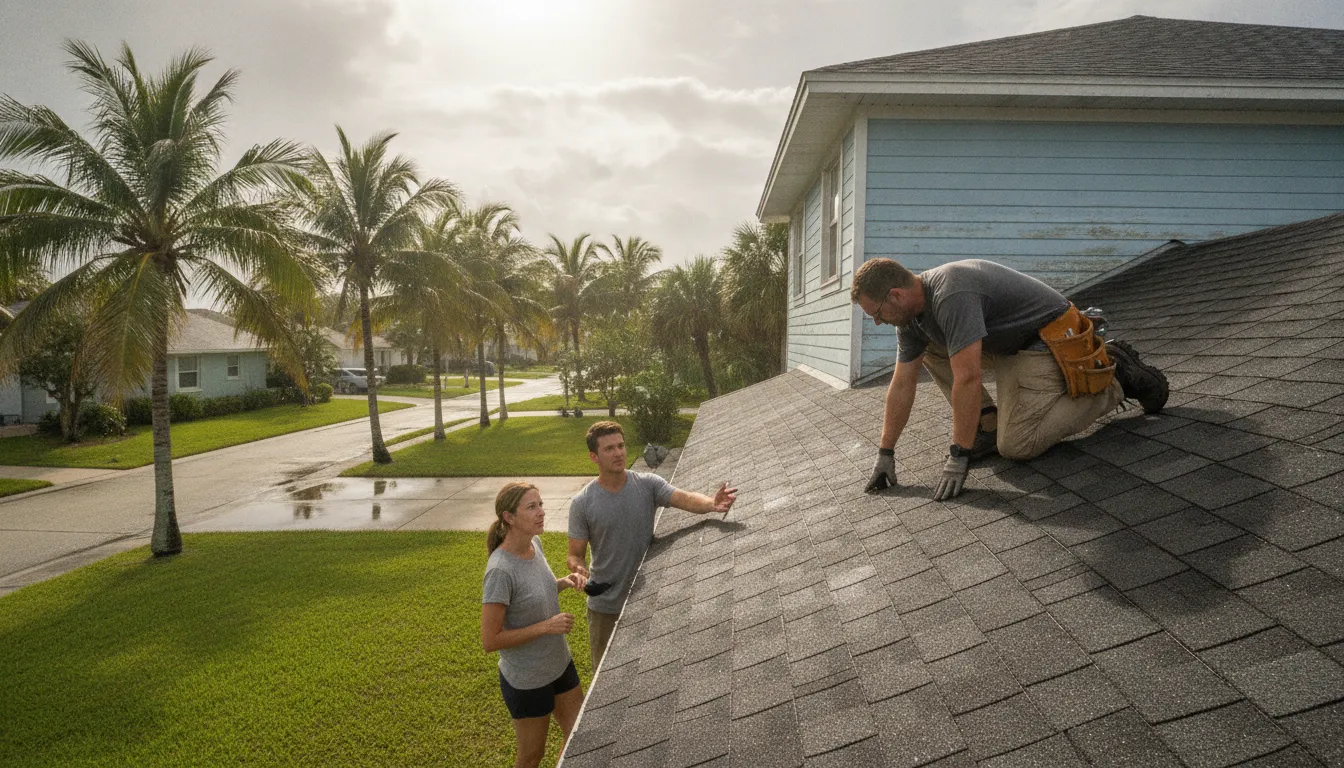
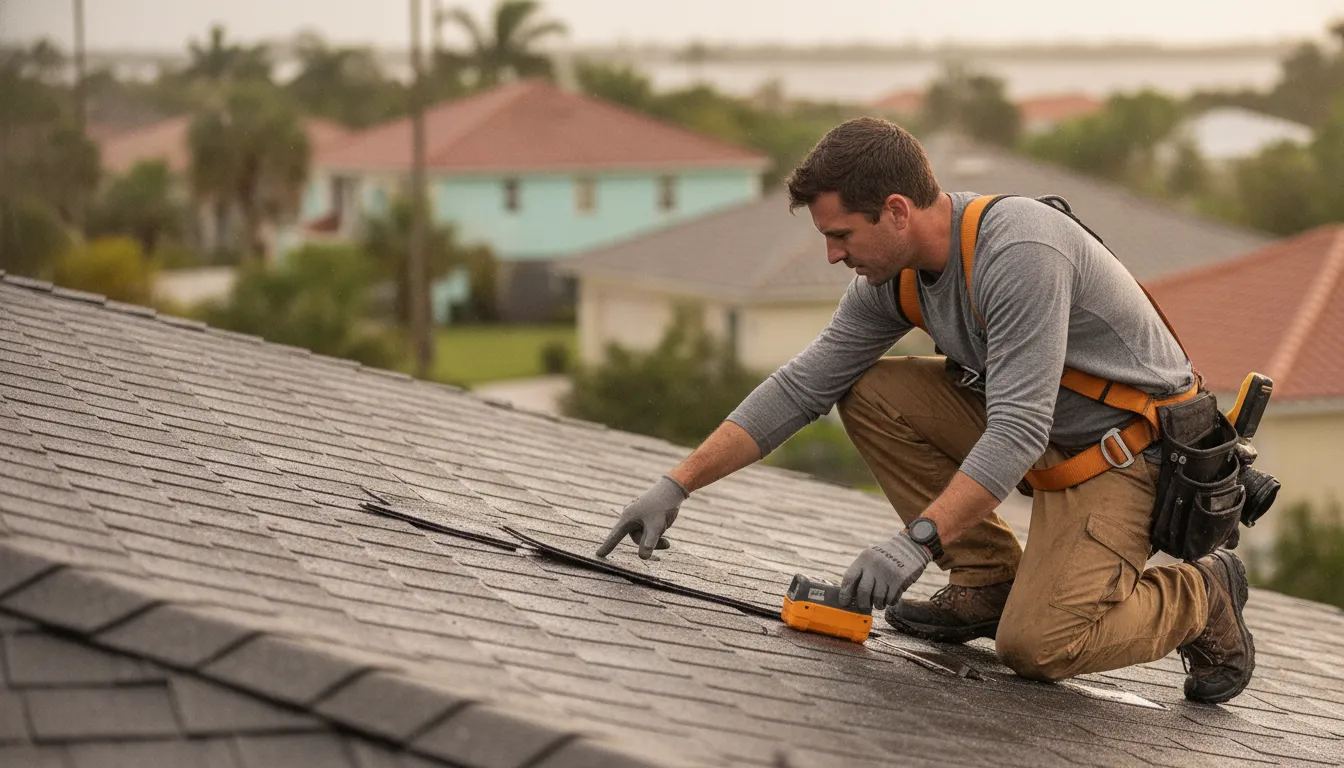
In Florida, we face a unique set of challenges when it comes to water intrusion. Of course, there are the usual suspects that can affect any home: leaky pipes, malfunctioning appliances like dishwashers or washing machines, and clogged drains. However, our climate adds extra layers of risk. Constant air conditioner use can lead to water buildup from HVAC systems. More significantly, our weather patterns mean that damaged roofs and clogged gutters are major culprits, allowing rainwater to find its way inside. During hurricane season, floods and storm surges present an even greater threat, potentially causing widespread and severe damage that requires an immediate and professional response.
Signs of Hidden Water Damage to Look For
Sometimes, the most serious water damage isn’t from a sudden flood but from a slow leak that goes unnoticed for weeks or even months. Beyond the obvious signs of standing water, you should keep an eye out for more subtle clues. Look for water stains or discoloration on your walls, ceilings, or floors. You might also notice peeling paint or wallpaper, or even cracked and sagging drywall. Pay attention to any persistent damp or musty smells, as this can be a clear indicator of moisture and potential mold growth. Other signs include warped wood flooring, soft spots in your walls, or the sound of dripping you can’t quite place. Catching these early can save you from much bigger problems down the road.
Classifying the Severity: Categories and Classes of Water Damage
When professionals arrive to handle a water issue, they don’t just start drying things out. They first assess and classify the damage to create a safe and effective restoration plan. This process involves identifying both the category of water contamination and the class of destruction. The category tells us about the water’s source and potential health risks, while the class describes the extent of the water’s spread and how much moisture has been absorbed by materials in your home. This system ensures the right equipment and procedures are used, protecting both your property and your family’s health from start to finish.
Category 1: Clean Water
Category 1 water is the least hazardous type of water damage. It comes from a sanitary source, like a broken water supply line, an overflowing sink, or a malfunctioning appliance connected to a clean water line. While this water itself doesn’t pose a substantial health risk if you come into contact with it, it’s important to act quickly. If left untreated, clean water can mix with building materials and soil, quickly degrading into a more contaminated category and creating the perfect environment for mold to grow.
Category 2: Gray Water
Gray water is significantly contaminated and can cause illness if you’re exposed to it. This category includes water from sources like an overflowing washing machine, a dishwasher leak, or a toilet overflow that contains only urine. It contains chemical or biological contaminants that make it unsafe. Handling a gray water situation requires more caution and specific cleaning protocols to ensure the area is properly sanitized. Attempting to clean this up without proper protective gear and cleaning agents can put your health at risk.
Category 3: Black Water
This is the most dangerous and unsanitary classification. Category 3, or “black water,” is grossly contaminated and contains harmful pathogens, toxins, and other hazardous agents. Common sources include sewage backflows, toilet overflows containing feces, and floodwaters from rivers or oceans, which pick up all sorts of contaminants. Any contact with black water poses a serious health risk. This type of water damage always requires professional intervention to ensure the property is safely decontaminated and restored.
The Four Classes of Water Damage
In addition to categories, professionals use four classes to describe the rate of evaporation and the extent of the damage. Class 1 is minor, with little water and minimal absorption into materials. Class 2 involves more water that has affected materials like carpeting and drywall. Class 3 is the most severe for a typical indoor environment, often coming from an overhead source and saturating the entire area. Finally, Class 4 involves deeply absorbed water in materials like hardwood or concrete, requiring specialized drying techniques and equipment to resolve.
Proactive Steps to Prevent Water Damage
While it’s impossible to prevent every potential disaster, taking proactive steps can significantly reduce your risk of water damage. Regular home maintenance is your first line of defense against the most common culprits, like burst pipes and slow leaks. A little bit of attention can go a long way in protecting your home and giving you peace of mind, especially when you know a big storm is on the horizon. By staying on top of a few key tasks, you can catch small issues before they turn into costly, stressful emergencies that disrupt your life.
Simple Home Maintenance Tips
You don’t have to be a professional to keep your home safe from water damage. Start by regularly inspecting for leaks under sinks, around toilets, and near major appliances like your water heater and washing machine. Check the hoses on your appliances for cracks or bulges and replace them every few years. It’s also a great idea to know where your main water shut-off valve is in case of an emergency. As recommended by the Association of British Insurers, simple checks can prevent major headaches. Here in Florida, keeping your gutters clean and ensuring your roof is in good repair are also critical steps to prevent rainwater from getting in.
What to Do Immediately if a Pipe Bursts
If you experience a burst pipe, acting fast can make a huge difference in minimizing the damage. The very first thing you should do is shut off the main water supply to your home to stop the flow of water. Next, turn off your central heating and any water heaters. To help drain the system, open all the cold taps. Once the immediate flow of water is stopped, your next call should be to a professional. It’s crucial not to turn your water or electricity back on until an expert has repaired the pipe and confirmed it’s safe. For immediate help, you can contact our team for a rapid emergency response.
What Are the Most Common Causes of an Inability to Do-It-Yourself Cleanup?
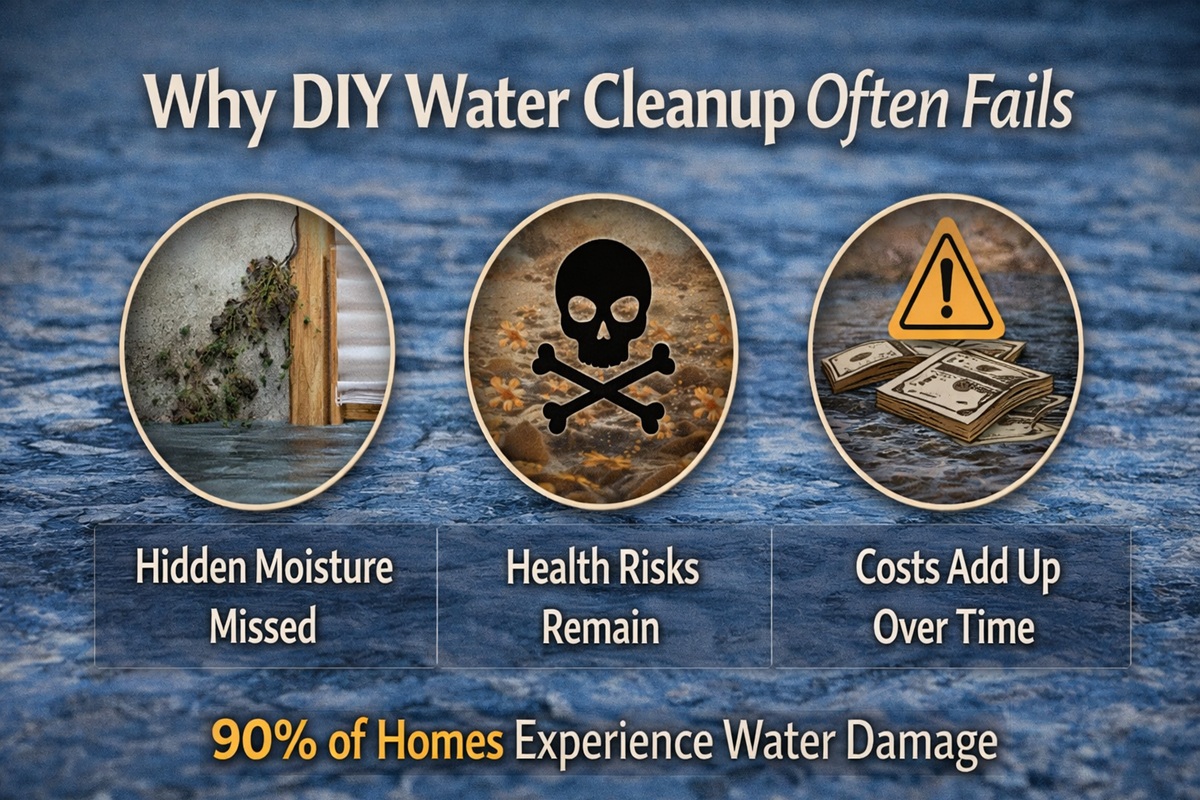
One of the most common reasons that do-it-yourself cleanup attempts fail is the fact that the person completing the cleanup has no way to check for residual moisture. Water can get into spaces that are unreachable with household items, such as behind walls and under carpet, as well as inside items such as insulation. Although these areas are damp, without the use of professional thermal imaging and moisture meters, they cannot be treated. Instead, they will continue to grow mold and eventually lead to structural damage.
Household Fans and Shop Vacuums Are Not Powerful Enough
Although fans and shop vacuums can help dry wet objects, they are not designed to dry structures. Industrial fans and dehumidifiers, such as those used by professional restoration services, can treat moisture at much greater depths than household fans and shop vacuums. Water Damage Restoration St. Petersburg uses professional drying equipment that prevents long-term recurring damage.
No Proper Cleanup and Disinfection Process
Many times, water damage in St. Petersburg is caused by contaminated water from plumbing systems, appliances, or outside sources. Most DIY cleanups do not include proper sanitation and antimicrobial treatment as part of the process. If the area is not sanitized, bacteria and pathogens can be left behind, placing the health of occupants at risk.
Undiscovered Dangers of Incomplete Cleanup
-
Mold Growth
Mold can start growing within 24–48 hours after a moisture source is present. Because St. Petersburg has a warm and humid environment, mold grows quickly, and if moisture has not been removed, mold will continue to thrive below the surface. Do-it-yourself cleanup methods often make an area appear dry when, in reality, mold is still growing beneath the surface.
-
Structural Damage
When wood, drywall, and subfloor materials experience long-term exposure to moisture, they can weaken structurally. Over time, this can cause floors to sag, drywall to crumble, and overall structural failure. Water Damage Companies St. Petersburg knows how to eliminate long-term structural damage.
-
Health Risks
Continued moisture and bacterial growth negatively affect indoor air quality. Allergic reactions, respiratory issues, and other illnesses may develop if the area is not properly cleaned. Such health risks are typically not considered when a home is cleaned by a homeowner. Due to St. Petersburg’s coastal climate, there are very high humidity levels, frequent storms, and typically high saltwater air exposure. Excess moisture in the environment leads to extensive water buildup, allowing water to penetrate buildings over extended periods of time. Because of these extreme conditions, Water Damage Restoration in St. Petersburg, Florida must use techniques that reach far deeper than surface drying.
The Advantages of Using Water Damage Restoration Professionals
-
Advanced Moisture Detection
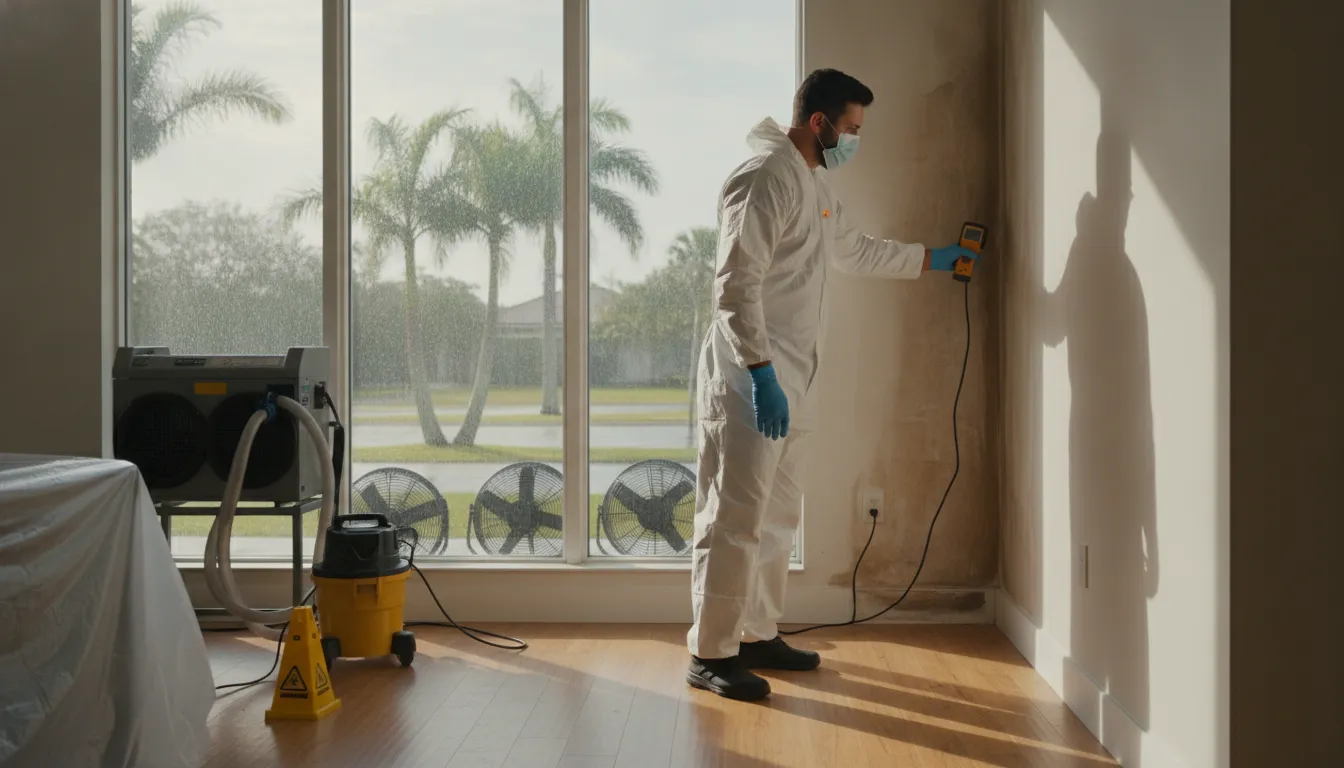
The most accurate method to locate hidden water involves a combination of tools: moisture meters, infrared cameras, and hygrometers. This combination ensures no hidden moisture remains before restoration. Finding and identifying moisture levels within a structure is critical to the success of any restoration project.
-
Industrial Drying Equipment
In addition to detection tools, commercial-grade air movers and commercial-grade dehumidifiers are used to remove moisture from walls, floors, and structural cavities. These machines generate far greater power than equipment designed for home use. The purpose of commercial equipment is to ensure proper drying and prevent future mold growth and structural degradation.
-
Monitored Drying Process
Daily monitoring of moisture content and repositioning of commercial equipment on an as-needed basis ensures all water is removed from the structure in a controlled manner that prevents warping or cracking of materials. An expert-controlled drying process safely stabilizes materials while completely removing all moisture.
What to Expect from a Professional Water Damage Restoration Service
When you call in a professional team for water damage, you’re not just getting a quick cleanup; you’re getting a comprehensive, step-by-step process designed to protect your property and your peace of mind. It’s a systematic approach that addresses not only the visible water but also the hidden moisture that can lead to bigger problems down the road. Understanding this process can help you feel more in control during a stressful time. From the initial assessment to the final repairs, every step is handled with specialized equipment and expertise. Let’s walk through what a professional water damage restoration service actually does to bring your home or business back to normal.
Step 1: Inspection and Damage Assessment
The first thing a professional team will do when they arrive is a thorough inspection. This isn’t just a quick look around; it’s a detailed assessment to understand the full extent of the damage. They use specialized tools like moisture meters, hygrometers, and even infrared cameras to find every last bit of hidden moisture. Water has a way of seeping into walls, under floors, and into structural cavities where you can’t see it. This initial step is critical because it creates a complete picture of the problem, ensuring that the restoration plan addresses all affected areas, not just the obvious ones. This prevents surprises later on and is the foundation for a successful restoration.
Step 2: Water Removal and Extraction
Once the scope of the damage is clear, the immediate priority is to get the standing water out as quickly as possible. Professionals use powerful, truck-mounted pumps and vacuums to extract large volumes of water from your property. This isn’t something a standard shop vac can handle. Swift water removal is essential because it significantly speeds up the drying process and is the first line of defense against mold growth, which can start in as little as 24 hours. Getting the bulk of the water out right away minimizes the damage to your structure and belongings and sets the stage for the next crucial steps in the process.
Step 3: Professional Drying and Dehumidifying
After the standing water is gone, the real drying begins. The remaining moisture absorbed by porous materials like drywall, wood, and carpet needs to be addressed. This is where industrial-grade equipment makes all the difference. Restoration experts bring in high-velocity air movers and powerful dehumidifiers that are far more effective than anything you could buy for home use. These machines work together to pull moisture out of the air and from deep within materials, creating an environment that promotes rapid and thorough drying. This step is what truly prevents long-term issues like warping, swelling, and the structural decay that can happen if moisture is left behind.
Step 4: Thorough Cleaning and Disinfecting
Water damage often involves more than just clean water. It can come from overflowing toilets, broken sewer lines, or floodwaters, all of which can carry harmful bacteria and contaminants. A professional restoration service includes a vital cleaning and sanitizing step that most DIY efforts miss. Technicians use antimicrobial treatments and specialized cleaning techniques to disinfect all affected surfaces. This eliminates odors and, more importantly, removes dangerous pathogens that could pose a health risk to you and your family. This ensures your home is not only dry but also safe and sanitary, which is especially important for preventing future mold problems.
Step 5: Complete Repair and Rebuilding
The final step in the process is restoring your property to its pre-damage condition. This can range from minor repairs to major reconstruction, depending on the severity of the damage. A full-service restoration company can handle everything from replacing sections of drywall and baseboards to rebuilding entire walls or installing new flooring. The goal is to make it look like the damage never happened. Having a team that can manage the entire project, from initial cleanup to final repairs, simplifies the process for you and ensures a seamless transition back to your normal life. This comprehensive approach is a key part of any professional disaster recovery plan.
How Long Does the Restoration Process Take?
One of the first questions on every property owner’s mind is, “How long will this take?” While every situation is unique, most residential water damage restoration projects are completed within two to five days. The exact timeline depends on factors like the amount of water, the types of materials affected, and the extent of the damage. A small leak in one room will naturally be quicker to resolve than a major flood affecting multiple levels of your home. A professional team can give you a more accurate estimate after their initial inspection. If you’re facing water damage, the best first step is to contact a professional for a fast assessment and a clear plan of action.
The Financial Burden of Undertaking Water Damage Restoration on Your Own
-
Continuous Damage from Improper Drying
Most DIY attempts result in either improper drying or failure to locate hidden moisture pockets. These attempts cause recurring damage, requiring repeated repairs after each failed drying effort. As a result, many DIY efforts ultimately exceed the cost of Professional Water Damage Restoration.
-
Problems with Insurance Claims
If a water damage restoration process is attempted using improper methods, insurance providers may deny coverage due to ongoing or worsening damage caused by inadequate mitigation. When a water emergency occurs, it is critical to bring in professional Water Damage Restoration Near Me services to properly document damage and support insurance claims.
Navigating Insurance and Protecting Your Investment
Beyond the immediate cleanup, dealing with water damage involves two major financial considerations: your insurance claim and your property’s long-term value. Handling these correctly can make a world of difference in your recovery. A professional restoration team doesn’t just dry out your home; they provide the expertise and documentation needed to help you manage the insurance process and safeguard your investment. This support is crucial for ensuring you get the coverage you’re entitled to and that your property remains a valuable asset for years to come.
The Surprising Frequency of Water Damage Claims
You might be surprised to learn just how often homeowners face water-related issues. Problems like a burst pipe under the sink, a leaking washing machine hose, or a faulty water heater are among the most common reasons people file home insurance claims. Because these incidents are so frequent, insurance companies have well-established procedures for them. Understanding that you’re not alone in this can be reassuring. The key is to act quickly and correctly when it happens to you, which starts with calling for professional damage restoration services to assess the situation and prevent further damage.
How Professionals Work with Your Insurance Company
Most standard homeowner’s insurance policies cover sudden and accidental water damage, but there’s a catch: you have to act fast. Any delay in addressing the problem can complicate your claim or even reduce your payout. This is where a professional team becomes your greatest ally. Experts in water damage restoration know exactly how to document the damage with photos, moisture readings, and detailed notes that your insurance provider needs. They can communicate directly with your insurance company, providing the necessary evidence to support your claim and taking a significant amount of stress off your shoulders.
Understanding the Role of a Loss Adjuster
After you file a claim, your insurance company will likely send a loss adjuster to your property. Their job is to independently assess the extent of the damage, determine the cause, and evaluate the cost of repairs. They are a neutral party, but they work for the insurer. The adjuster may also help arrange for temporary accommodations if your home is uninhabitable. Typically, they will contact you within 24 hours of filing the claim, though it can take longer during widespread events like a major storm. Having a professional restoration team on your side ensures all damage is properly identified for the adjuster’s report.
Why Proper Restoration Protects Your Property Value
Cutting corners on water damage cleanup can have serious long-term consequences for your home’s value. If the restoration isn’t handled correctly, hidden moisture can lead to mold growth and structural rot, issues that can scare off potential buyers and significantly lower your asking price. Professional restoration ensures every last bit of moisture is gone and that all repairs are done to code. You’ll also receive complete documentation of the work performed, which serves as proof to future buyers that the problem was resolved correctly. Protecting your investment means leaving nothing to chance, so don’t hesitate to contact an expert.
What Is the Difference Between DIY Cleanup and Professional Cleanup?
Domestic Spills
Small spills that are discovered immediately and completely dried, such as a tipped-over glass of water or minor sink overflow, may be handled by the property owner. However, caution should still be exercised in high-humidity areas such as St. Petersburg.
Major Water Damage
If water becomes trapped in carpets, drywall, ceiling tiles, insulation, or similar materials, DIY cleanup is insufficient. This situation requires professional Water Damage Restoration St. Petersburg to prevent future problems.
Reasons to Hire Professional Restorers
-
Restoration Done Faster and Completely
Professionals are trained to locate hidden water damage, allowing for quicker restoration and fewer days of interruption. Professional restoration services reduce the amount of time your home or business is out of use.
-
Health and Safety Protection
In addition to restoring the property, professionals protect occupants from harmful pathogens and contaminants, especially when dealing with grey or black water damage in St. Petersburg.
-
Long-Term Cost Savings
Although professional restoration requires upfront investment, it helps eliminate costly future repairs caused by mold, structural failure, and hidden damage. Hiring professionals is an investment in preserving long-term property value.
Look for Proper Credentials and Certifications
When you hire a professional, you’re paying for their expertise, not just their equipment. Look for companies whose technicians hold certifications from respected organizations like the Institute of Inspection, Cleaning and Restoration Certification (IICRC). This certification is the industry gold standard and ensures the team is trained in the latest techniques. A certified professional knows how to properly use advanced tools like thermal imaging cameras, moisture meters, and hygrometers to find every last bit of hidden moisture. This isn’t just about pointing a device; it’s about interpreting the data to create a precise drying plan that protects your property from secondary damage like mold and rot.
Confirm 24/7 Emergency Availability
Water damage doesn’t stick to a 9-to-5 schedule, and your restoration company shouldn’t either. A burst pipe or major leak requires immediate action to minimize the damage. The longer water sits, the more it soaks into drywall, subfloors, and structural beams, creating a much bigger and more expensive problem. In Florida’s humid climate, mold can begin to grow in as little as 24 hours. That’s why you need a team that offers true 24/7 emergency services. When you’re vetting companies, make sure they can dispatch a team to your St. Petersburg property day or night. A rapid response is your best defense against long-term issues, so don’t hesitate to contact a professional the moment you spot trouble.
Ensure Adherence to Safety Regulations
Proper water damage cleanup is about more than just drying things out; it’s about making your home safe again. Depending on the source, floodwater can contain harmful bacteria, chemicals, and other contaminants that pose serious health risks. A professional team will follow strict safety protocols to protect you and your family. This includes containing the affected area to prevent cross-contamination, using personal protective equipment (PPE), and applying antimicrobial treatments to sanitize the space thoroughly. This step is crucial for restoring healthy indoor air quality and preventing the development of respiratory issues or allergic reactions down the line. A reputable company prioritizes the health of your home’s occupants as much as the structure itself.
Frequently Asked Questions Regarding DIY vs. Professional Water Cleanup
Why does DIY drying fail to remove all moisture?
Household fans and carpet vacuums typically fail to remove moisture trapped beneath carpets and inside walls.
How quickly can mold begin to grow after water damage?
Mold can begin growing within 24–48 hours, especially in humid conditions like St. Petersburg.
Can I rely on a fan and a dehumidifier alone?
No. Proper drying requires moisture testing equipment and commercial-grade drying systems.
Are professional restoration services costly?
In many cases, professional restoration costs less long-term than repeated repairs caused by incomplete DIY cleanup.
When should I search for Water Damage Restoration Near Me?
As soon as water damage exceeds a minor spill.
Summary: Why DIY Cleanup Becomes a Major Problem
DIY water cleanup may seem convenient, but it often fails to address all affected areas and allows damage to worsen over time. Hiring professionals provides the expertise, equipment, and processes needed for safe and effective restoration after a water event. Go Time Roofing and Restoration has years of experience providing professional restoration services throughout St. Petersburg. Our specialized team utilizes modern equipment and proven techniques to prevent further water damage using industry-approved methods. If you are currently experiencing a water event or are searching for Water Damage Restoration Near Me, contact Go Time Roofing and Restorations. We will assist in restoring your home or business efficiently and confidently, helping you return to normal operations as quickly as possible. Contact us today to schedule a restoration service.
Key Takeaways
- Look beyond the surface: DIY cleanup methods often fail because they can’t address moisture trapped deep within walls, floors, and insulation, which frequently leads to costly mold and structural damage.
- Professionals provide a complete solution: A true restoration service involves more than just drying; it includes using advanced tools to find all moisture, sanitizing the area to remove health risks, and handling repairs to bring your property back to its original state.
- A fast response protects your finances: Calling an expert immediately not only minimizes the initial damage but also helps secure your insurance claim with proper documentation, protecting your property’s long-term value.