Most serious roof problems don’t happen overnight. They start small. Think of hail impacts as bruises on your shingles. At first, they might not look like much—just minor spots of granule loss or small cracks. But these seemingly harmless dings weaken your home’s primary defense against the elements. Over time, they can lead to serious water damage, rotting wood, and costly interior repairs. If you’re waiting for a stain to appear on your ceiling, you’ve waited too long. This guide will show you how to spot the early signs of a hail damage roof so you can fix the issue before it becomes a major headache.
Key Takeaways
- Damage isn’t always dramatic: Hail often leaves subtle signs like dark, bruised spots on shingles or an excess of shingle granules in your gutters, which can lead to major leaks if ignored.
- Prioritize safety and documentation: After a storm, inspect your property from the ground, take plenty of photos of any potential damage for your insurance claim, and then schedule a professional inspection.
- Strengthen your roof for the future: You can reduce the risk of future problems by choosing impact-resistant materials for your next roof and committing to regular maintenance to catch small issues early.
The Real Cost of Hailstorms
Hail Damage by the Numbers
It’s easy to underestimate a hailstorm, but the financial toll these storms take is anything but minor. Across the United States, hail is responsible for over $1 billion in property damage every single year. When you bring that number down to the individual homeowner level, the average insurance claim for hail damage to a roof hovers around $12,000. That’s a significant, unexpected expense that can disrupt anyone’s budget, especially when you consider that the U.S. sees thousands of severe hail events annually.
These numbers aren’t meant to be scary; they’re meant to be clarifying. A few small dings on your shingles might not seem urgent, but they can compromise your roof’s integrity and lead to much bigger problems. Being proactive after a storm is your best defense against turning a small repair into a major expense. A professional inspection can identify hidden issues before they escalate, saving you from the stress and high costs of extensive roofing repairs or interior water damage. Understanding the potential financial impact makes it clear why a quick response is so important.
What Does Hail Actually Do to a Roof?
When a hailstorm rolls through St. Petersburg, it’s easy to focus on the noise and the ice pellets bouncing off your windows. But what’s actually happening up on your roof? Hail doesn’t just tap on your shingles; it delivers a forceful impact that can compromise your home’s first line of defense against the elements. The damage isn’t always obvious from the ground, and even small impacts can set the stage for much bigger problems down the road. Understanding how hail affects your roof is the first step in knowing what to look for after a storm passes.
The Moment Hail Hits Your Shingles
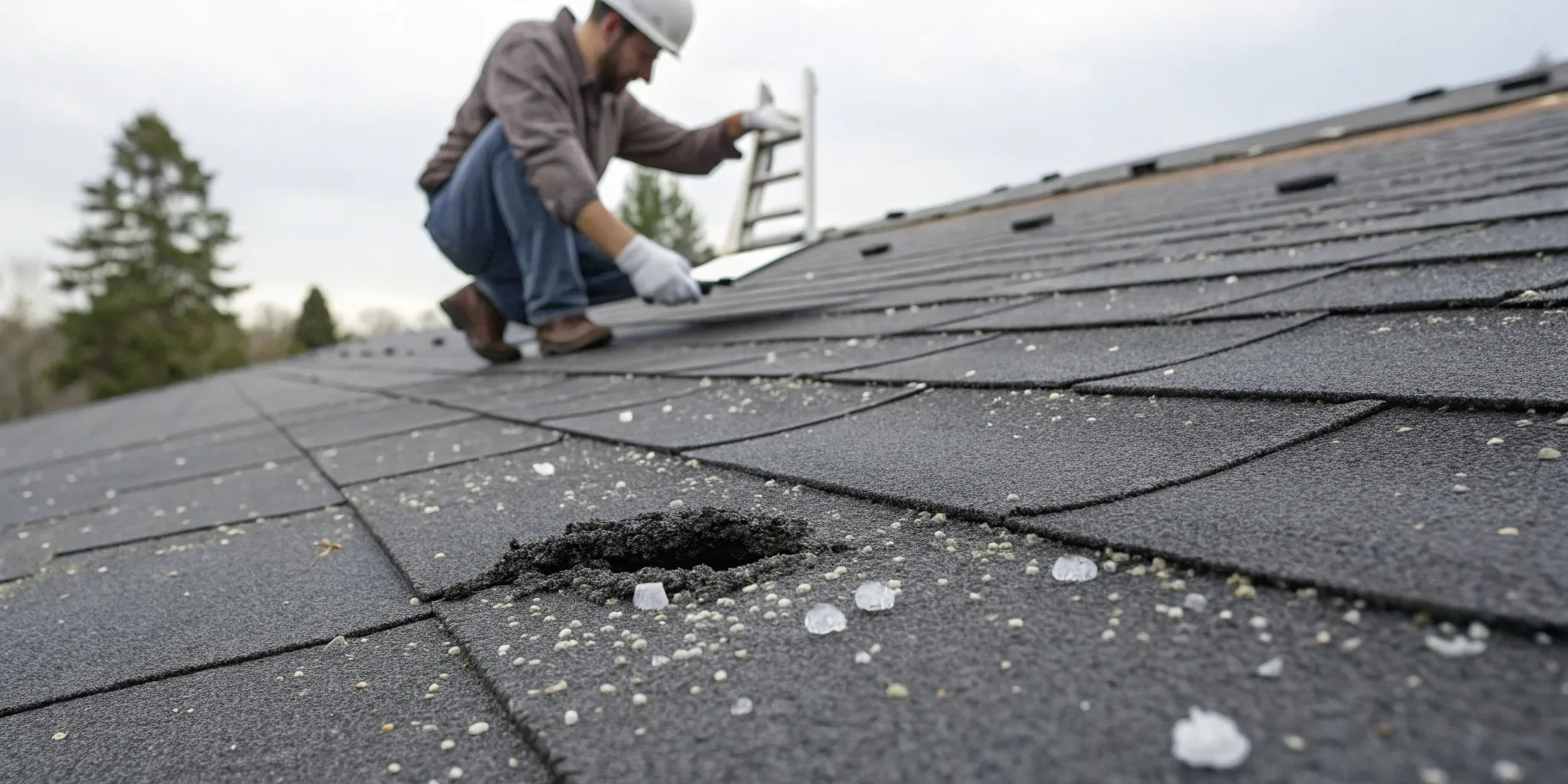
When a hailstone strikes your roof, it can cause immediate damage that often appears random, without a clear pattern. On asphalt shingles, which are common in Florida, this impact can knock off the protective granules that shield the shingle from UV rays and weather. You might see black or shiny spots where the underlying asphalt is exposed. The shingle itself can feel soft or bruised to the touch, much like a piece of fruit. Even if the damage seems minor, these small openings can allow water to seep underneath, leading to leaks, wood rot, and even mold growth inside your attic and walls.
What Makes Hail Damage Worse?
Not every hailstorm will cause the same level of destruction. The severity of the damage depends on a few key factors. The size and density of the hailstones are the most obvious culprits; a pea-sized stone is far less threatening than one the size of a golf ball. Wind also plays a huge role. High winds can drive hail into your roof at a greater speed and angle, increasing the force of impact. Finally, your roofing materials matter. Some materials are more resilient than others. This is why your roof might have significant damage while your neighbor’s seems perfectly fine.
The Size and Shape of Hailstones
The most straightforward factor is the size of the hail itself. Hail can range from the size of a small pea to a softball, and as you can imagine, the difference in impact is huge. Larger, denser hailstones carry more force, creating deeper dents and cracks. But it’s not just about size. The shape of the hailstone also plays a part. Many hailstones aren’t smooth spheres; they can have jagged, rough edges. These irregular shapes can scrape away granules and gouge your shingles more severely than a perfectly round piece of ice, accelerating the wear and tear on your roof.
Physical Barriers and Wind Direction
The surrounding environment and the storm’s specific characteristics also determine the extent of the damage. Strong winds are a major game-changer. Wind can drive hail sideways, causing it to strike your roof with much greater speed and at a steeper angle. This increased force can turn a moderate hailstorm into a seriously destructive one. Physical barriers like tall trees, nearby buildings, or even fences can also influence the damage pattern by shielding certain areas of your roof from the storm’s full force. This is often why one side of a roof might be heavily damaged while the other looks almost untouched.
How to Spot Hail Damage on Your Roof
After a hailstorm passes, it’s easy to assume everything is fine if you don’t see any obvious problems from the ground. However, hail damage can be subtle and often goes unnoticed. If left unaddressed, even small impacts can lead to significant issues like leaks, water damage, and mold inside your home. Knowing what to look for is the first step in protecting your property.
Your Visual Roof Inspection Checklist
Start by safely inspecting your roof from the ground. For asphalt shingles, which are common in Florida, look for any missing or loose shingles that may have been knocked off. You might also spot cracks, tears, or dents. A key indicator is discoloration; hail can knock off the protective granules, leaving behind black or dark spots where the underlying material is exposed. This damage often appears random, without a clear pattern, which helps distinguish it from normal wear and tear. If you notice any of these issues, it’s a good idea to schedule a professional roofing inspection to assess the full extent of the damage.
Checking Siding, Vents, and Skylights
Hail doesn’t just target your shingles; it can damage your home’s entire exterior. Once you’ve checked the roof from the ground, take a walk around your property. Look for dents, cracks, or chips in your siding, window frames, and gutters. Don’t forget to check your outdoor air conditioning unit, as it can also show tell-tale signs of impact. Since hail damage can be surprisingly random, you might find issues on one side of your house but not the other. Documenting this collateral damage is not only important for getting comprehensive restoration services but also provides strong evidence for your insurance claim.
After your ground-level check, turn your attention to the other features on your roof. Metal vents, flashing, and chimney caps are often dented by hail, which can break the watertight seals they rely on to keep your home dry. Skylights are another key spot to inspect, as even small cracks from an impact can create a direct path for rain to enter your home. A breach in any of these areas can lead to serious water damage and create the ideal conditions for mold growth. Taking care of these smaller issues promptly is just as crucial as addressing the damage to your shingles.
Spotting Leaks and Other Indoor Clues
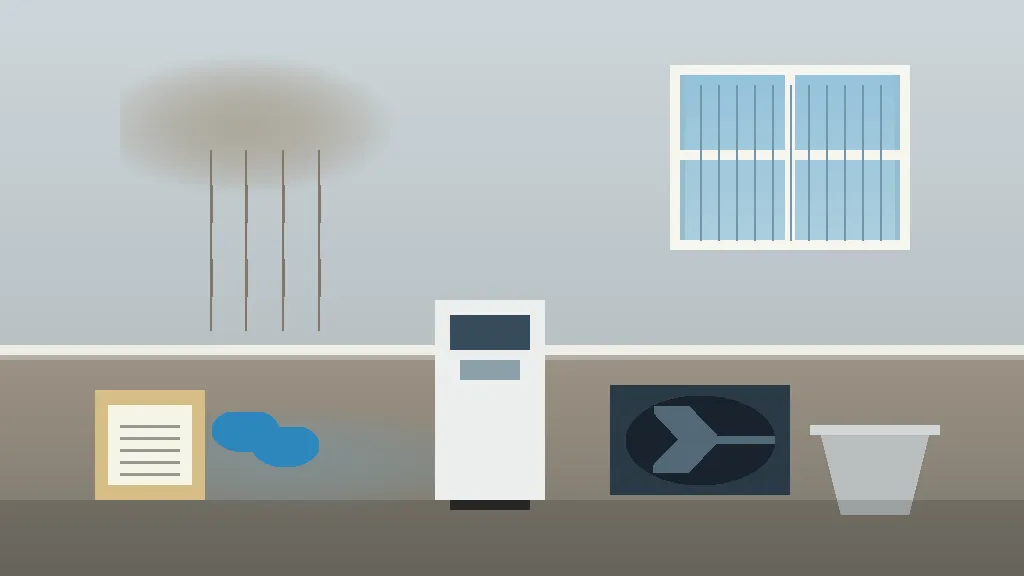
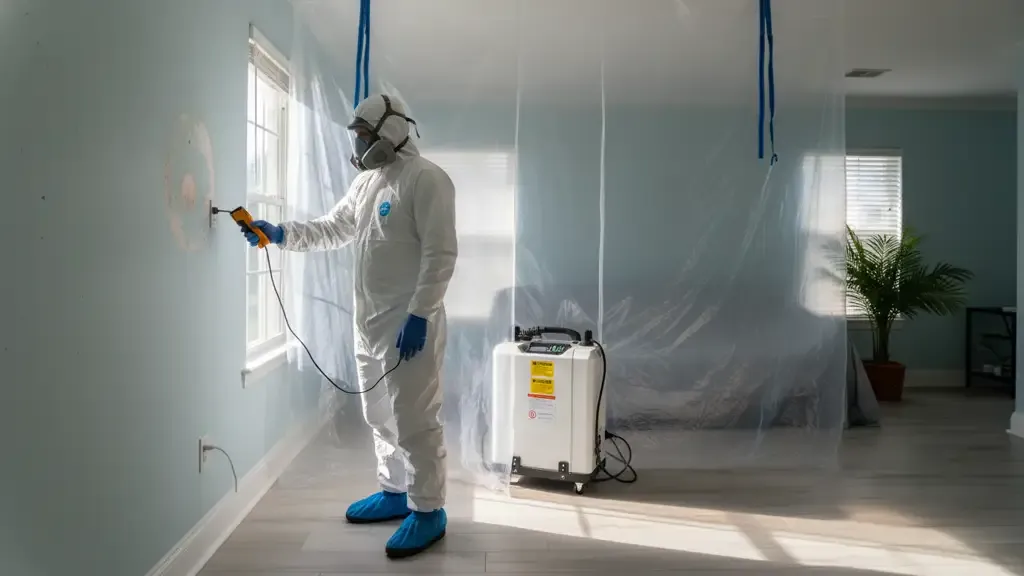
Sometimes, the first signs of a damaged roof appear inside your house. If you see new brown or yellow stains on your ceilings or walls, it’s a strong signal that water is getting through. Peeling paint near the ceiling is another red flag. These are direct results of hail bruising or cracking your shingles, creating pathways for water to leak into your home. If you spot these warning signs, especially after a storm, you may already be dealing with a leak. Addressing it quickly can prevent further problems, including the need for mold remediation.
Why You Should Check Your Gutters
Your gutters can tell you a lot about your roof’s condition. After a hailstorm, check your gutters and downspouts for an unusual amount of shingle granules. These look like coarse, dark sand. When hail hits your roof, it knocks these protective granules loose, and they wash down into the gutters. While some granule loss is normal over time, a sudden accumulation is a telltale sign of recent hail damage. These displaced granules not only weaken your shingles but can also clog your gutters, leading to water overflow and potential foundation issues. If you see a buildup of granules, it’s time to contact a professional for a closer look.
Differentiating Hail Damage from Normal Wear and Tear
It can be tough to tell if your roof is showing signs of a recent storm or just the effects of time and the Florida sun. The key difference often comes down to patterns. Hail damage typically looks random, appearing as scattered, circular bruises or dents on your shingles where granules have been knocked off. In contrast, normal aging usually appears more uniform. You might see widespread granule loss across the entire roof surface, straight-line cracks from shingles expanding and contracting over the years, or the dark streaks characteristic of algae growth. Knowing the difference helps you understand whether you’re dealing with an insurable event or just a roof that’s getting older.
Common Misconceptions About Roof Damage
Many homeowners mistake signs of an aging roof for storm damage. Things like blistering from sun exposure, flaking edges, or widespread, even granule loss are typically part of a shingle’s natural lifecycle. While these issues might mean your roof is nearing the end of its lifespan and may need replacement soon, they aren’t the direct result of a single storm event. It’s important to recognize these signs of normal wear and tear so you can accurately assess your roof’s condition after a hailstorm and know when it’s time to call for a professional opinion.
The Importance of Checking for Hidden Damage
What you can’t see can often cause the most harm. Hail can create tiny fractures or even split shingles from underneath, which is impossible to spot from the ground. Even if the surface damage seems minor, these small openings can allow water to seep in, leading to wood rot and serious water damage inside your attic and walls. This is why a hands-on, professional inspection is so important. A trained expert can identify these hidden issues before they turn into a major headache, saving you from costly repairs and potential mold problems down the line.
Does Your Roofing Material Make a Difference?
Yes, the type of material on your roof plays a huge role in how it stands up to hail. Some materials are naturally more resilient, while others are more prone to specific types of damage. Understanding how your roof might be affected can help you know what to look for after a storm. Whether you have common asphalt shingles, durable metal, or classic tile, each has its own vulnerabilities when hailstones start to fall. Let’s break down what you can expect from the most common roofing materials in Florida.
How Do Asphalt Shingles Handle Hail?
Asphalt shingles are the most popular roofing choice for a reason, but they are particularly susceptible to hail. When you inspect your roof, you’re looking for a few key signs. The most obvious is granule loss, which can look like black spots or “bruises” where the protective top layer has been knocked off by the impact. You might also see cracks in the shingles or, in severe cases, actual punctures and tears. This kind of damage compromises the shingle’s ability to protect your home from water, making a professional inspection for your shingle roof essential after a hailstorm.
Are Metal Roofs a Match for Hailstorms?
Metal roofs are known for their strength and can withstand hail much better than many other materials. Some metal roofing systems even carry the highest impact rating and can handle hail up to 2.5 inches in diameter without significant damage. This impressive durability means fewer repairs and a longer lifespan for your roof, which is a major plus in storm-prone areas. While a metal roof is a tough defender against hail, a severe storm can still cause cosmetic denting or damage to seams and coatings. It’s always a good idea to have it checked out to ensure its protective qualities are still intact.
How Tile and Slate Roofs Fare in a Storm
Tile and slate roofs are incredibly durable and long-lasting, but they aren’t invincible. Hail can cause these materials to chip, crack, or even shatter completely. After a storm, you might notice that tiles have shifted, slid out of place, or fallen off the roof entirely, which exposes the underlayment to moisture. This kind of damage can be surprisingly difficult to spot from the ground. Because even small cracks can lead to big problems down the road, getting a professional assessment of your tile roof is the safest way to confirm it’s still in good shape.
Specific Signs of Hail on Wood Shingles
Wood shingles have a unique, rustic charm, but they also show hail damage in a distinct way. Unlike the bruising you see on asphalt, hail impacts on wood often cause splintering, leaving sharp, fresh-looking splits in the shingle. You might also find deep cracks that run with the grain of the wood or notice that some shingles are missing entirely. This kind of damage is more than just cosmetic; it exposes the vulnerable wood underneath to moisture, which can accelerate rot and lead to leaks. Because hail can also cause splits on the underside of a shingle—damage that’s impossible to see from the ground—it’s always a good idea to have a professional perform an inspection to understand the full extent of the problem.
What to Do Right After a Hailstorm
When a hailstorm rolls through, the sound alone can be stressful. Once it passes, it’s easy to feel overwhelmed about what to do next. Don’t worry, you don’t have to figure it all out at once. Taking a few calm, methodical steps right after the storm can make a huge difference in protecting your home and simplifying the insurance process. The key is to prioritize your safety while gathering the information you’ll need to move forward. Think of it as a simple checklist: assess from a safe distance, document everything you see, and then call in a professional to handle the rest. This approach will help you get organized and feel back in control.
Start with a Safe, Ground-Level Check
Your first instinct might be to get a closer look, but please, stay off the roof. A storm can leave shingles loose or slick, making it a serious safety hazard. Instead, do your initial inspection from the ground. Walk around your property and look for obvious signs of damage. Check your gutters, downspouts, and siding for dents or dings. Look at your air conditioning unit or any metal flashing on the roof, as these often show hail impacts clearly. You can also scan the yard for fallen shingles or granules that have been knocked loose. This ground-level check is a safe, effective way to get a preliminary idea of the storm’s impact on your home.
How to Document Damage for Your Insurance Claim
Before you move or clean up anything, grab your phone and start taking pictures. Detailed documentation is your best friend when it comes to filing an insurance claim. Take clear, well-lit photos and videos of any damage you can see from the ground. Capture dents on your gutters, cracks in your siding, and any visible marks on your shingles. If there are still hailstones on the ground, place a common object like a coin or ruler next to them for scale and snap a photo. Make a note of the date and time the storm occurred. This collection of evidence will create a strong foundation for your disaster recovery services and make the claims process much smoother.
When Is It Time to Call a Pro?
Even if you don’t see much damage from the ground, it’s essential to call a professional. Hail can cause subtle bruising or cracking that isn’t visible to an untrained eye but can lead to serious leaks down the road. A trusted roofing contractor has the training and safety equipment to perform a thorough inspection. They can identify hidden issues and provide you with a detailed report of their findings, which is invaluable for your insurance claim. Getting a professional assessment ensures that all damage is accounted for, so you can get the full roofing services you need to properly restore your home and prevent future problems.
Filing Your Insurance Claim for Hail Damage
Once you’ve confirmed your roof has hail damage, the next step is to deal with your insurance company. This process can feel intimidating, but with the right preparation, you can handle it smoothly and get the coverage you need for repairs. It’s all about being organized, documenting everything, and having a professional on your side. Think of it as a project: you gather your materials, follow the steps, and work with your team to get it done right. Let’s walk through exactly what you need to do to file your claim effectively and work with the insurance adjuster.
What Does Your Homeowners Policy Actually Cover?
Before you even pick up the phone, it helps to have a basic grasp of your insurance policy. Most standard homeowners insurance policies cover damage from storms, including hail. This typically includes your roof, siding, and other structures on your property, like a shed or garage. The key thing to remember is your deductible. This is the amount you have to pay out of pocket before your insurance coverage kicks in. If the repair costs are less than your deductible, filing a claim might not make sense. Knowing this number ahead of time will help you make an informed decision.
Dwelling, Other Structures, and Loss of Use Coverage
Your homeowners insurance is designed for exactly this kind of situation. Most standard policies cover damage to your home’s main structure, which insurance calls your “dwelling”—this includes your roof and siding. The protection usually extends to “other structures” on your property, too, like a detached garage, shed, or fence. If the damage is severe enough that you can’t stay in your home, your policy might also include “Loss of Use” coverage. This helps pay for temporary living expenses, like a hotel, while repairs are underway. Knowing these terms helps you understand what to expect as you start the disaster recovery process.
Replacement Cost Value (RCV) vs. Actual Cash Value (ACV)
The type of policy you have makes a huge difference in your payout. An Actual Cash Value (ACV) policy pays for the current, depreciated value of your damaged roof, considering its age and condition. In contrast, a Replacement Cost Value (RCV) policy covers the full cost to replace your roof with new, similar materials. RCV is almost always the better option, as it provides the funds for a brand-new roof without you having to cover the depreciation gap yourself. Checking your policy to see if you have RCV or ACV is a critical first step in budgeting for your roofing services.
Understanding Pre-Existing Damage Exclusions
One key detail to remember is that insurance companies only cover new damage from the storm. If your roof had issues before the hail arrived, your insurer might reduce the payout, since they are only responsible for the damage from this specific event. For instance, if your shingles were already old and worn, an adjuster could argue the roof was in poor condition beforehand. This is exactly why regular roof maintenance is so valuable; it creates a clear distinction between normal aging and new storm damage. A professional can help document the recent impacts and separate them from any prior wear, which makes your claim much stronger.
Tips for a Smooth and Successful Claim
When you’re ready to file, timing and documentation are everything. Contact your insurance company as soon as you can after the storm. The sooner you start the process, the better. Your most powerful tool is the evidence you collected, so have your photos and videos ready to share. These images provide clear proof of the damage your property sustained. If you’re unsure whether the damage is significant enough to exceed your deductible, it’s a smart move to get a professional estimate. A trusted roofing expert can give you an accurate assessment of the repair costs, which will help guide your next steps.
Knowing Your Filing Deadline
It’s easy to put off dealing with insurance, but when it comes to hail damage, time is not on your side. Most insurance policies have a specific window for filing a claim, and if you miss it, you could be on the hook for the full cost of repairs. While it varies by policy, you generally have about one year to file a claim after a storm. Waiting too long can complicate things; minor damage can worsen, and it becomes harder to prove the issues were caused by that specific hailstorm. The best approach is to review your policy documents or call your insurance agent right away to confirm your exact deadline. Acting quickly ensures you stay within your policy’s guidelines and get the process started before small problems become big ones.
Getting Multiple Estimates Before the Adjuster Arrives
Before the insurance adjuster comes to inspect your property, it’s a smart move to have a few professional opinions of your own. Getting at least three written repair estimates from reputable local contractors gives you a solid understanding of what the repairs should cost. This information is incredibly valuable when you meet with the adjuster, as it provides a clear, expert-backed baseline for the scope of work and associated expenses. When you schedule an estimate, make sure the contractor provides a detailed breakdown of materials and labor. This preparation helps you have a more productive conversation with your insurance company and ensures you’re advocating for a fair and complete settlement.
How to File a Supplemental Claim for Additional Damage
Sometimes, the full extent of hail damage isn’t apparent until the repair work begins. Your roofer might remove shingles and discover hidden issues with the underlayment or decking that weren’t visible during the initial inspection. If this happens, don’t panic. If your roofer finds more damage or the initial insurance payout isn’t enough to cover the actual costs, you can file a supplemental claim for the additional funds. This is a standard part of the insurance process. An experienced disaster recovery team can document the newly discovered damage and communicate directly with your insurance company to make sure everything is covered, ensuring your home is restored correctly without cutting corners.
What to Expect When the Adjuster Visits
After you file a claim, your insurance company will send an adjuster to inspect the damage. Their job is to assess the extent of the loss and determine the payout. It is incredibly helpful to have your own roofing contractor present during this inspection. Your roofer can point out specific signs of damage the adjuster might overlook and ensure the assessment is fair and complete. Be prepared to share all your documentation with the adjuster. By coordinating a time for your roofer and the adjuster to meet at your home, you create a team that can work together to get your roof restored properly. If you need a professional to advocate for you, contact our team to schedule an inspection.
Understanding Hail-Specific Deductibles
It’s important to know that your standard deductible might not apply when it comes to hail. In areas like Florida that see frequent storms, many insurance policies include a separate, higher deductible specifically for hail or wind damage. Instead of a flat dollar amount, this could be a percentage of your home’s total insured value, often between 1% and 5%. For example, if your home is insured for $300,000 with a 2% hail deductible, you would be responsible for the first $6,000 of repairs. This can be a significant out-of-pocket expense, so it’s crucial to review your policy to understand exactly what your financial responsibility will be before you file a claim.
Will Filing a Claim Increase Your Insurance Rates?
This is a common concern for homeowners, and it’s a valid one. Filing a claim can sometimes lead to an increase in your insurance premiums. Insurance companies operate on risk assessment, and a claim can signal to them that your property is a higher risk to insure. However, this isn’t always the case, especially with widespread weather events like hailstorms that affect an entire neighborhood. The potential for a rate hike shouldn’t stop you from addressing necessary repairs. Leaving your roof damaged is far more costly in the long run, exposing your home to leaks, structural issues, and the need for extensive water damage restoration.
What to Do If You Disagree with Your Claim Settlement
If your insurance adjuster’s estimate comes back much lower than you expected, you don’t have to accept it. You have options. The first step is to present your own detailed estimate from a reputable contractor. This professional assessment can serve as a powerful negotiation tool. If you still can’t reach an agreement, you can hire a public adjuster who works on your behalf, or you can contact your state’s insurance commissioner for assistance. While hiring a lawyer is an option for very large or complex disputes, it’s usually a last resort. Having a thorough inspection and quote from a team you trust, like Go Time Restoration, provides the solid evidence you need to challenge an unfair settlement.
How to Protect Your Roof from Future Storms
After you’ve dealt with the stress and expense of a damaged roof, the thought of another storm rolling in can be nerve-wracking. Here in St. Petersburg, we know that intense weather is just a part of life, but that doesn’t mean you have to feel helpless. Taking control of your roof’s health is one of the most empowering things you can do as a homeowner. It’s about shifting from a reactive mindset, where you’re just waiting for the next problem, to a proactive one that keeps your home secure.
Think of it as building a defense system for your biggest investment. By making smart choices now, you can significantly reduce the risk of future damage and avoid costly, emergency repairs down the line. It’s not about trying to outsmart Mother Nature; it’s about being prepared for what she might send our way. A strong, well-maintained roof provides more than just shelter; it offers peace of mind. The following steps are your game plan for turning your roof into a resilient shield. We’ll cover how choosing the right materials, staying on top of maintenance, and acting quickly after a storm can make all the difference.
Are Impact-Resistant Shingles Worth It?
If you’re looking at a full roof replacement, it’s the perfect time to think about upgrading your materials. Choosing impact-resistant options is one of the smartest long-term investments you can make for your home. Look for shingles with a Class 4 rating, which are specifically designed to handle hail much better than standard asphalt shingles. For even greater protection, you might consider a metal roof. These systems often carry the highest safety ratings for hail impact and can withstand significant force, giving you a durable first line of defense. Our team can walk you through the best roofing services and materials for our local climate.
Potential Insurance Discounts for Class 4 Shingles
Here’s a benefit you might not have considered: upgrading your roof could actually save you money on your insurance. Many insurance companies offer discounts to homeowners who install Class 4 impact-resistant shingles because they know these materials are much tougher against hail. As roofing material manufacturer Owens Corning points out, this upgrade might qualify you for a premium discount. It makes sense when you think about it—a stronger roof means fewer claims for them to pay. Choosing impact-resistant options is one of the smartest long-term investments you can make for your home, protecting your property while potentially lowering your annual costs. It’s a proactive step that offers both enhanced security and financial prudence, especially in areas prone to storms.
Why a Little Maintenance Goes a Long Way
A great roof is only as good as its upkeep. Think of regular maintenance as a routine check-up for your home. We recommend inspecting your roof at least twice a year, ideally in the spring and fall, and always after a major storm passes through. This simple habit helps you spot potential trouble spots like loose shingles or minor damage before they turn into major leaks. Catching these issues early saves you from more extensive and expensive repairs down the road. A professional inspection can give you a clear picture of your roof’s health and what it needs to stay in top shape.
Don’t Wait: Why Quick Repairs Are Key
When you spot hail damage, time is of the essence. Even seemingly small dings and dents can compromise your roof’s integrity, creating entry points for water. Once moisture gets in, it can lead to serious issues like leaks, wood rot, and even mold growth inside your attic and walls. It’s important to remember that hail damage can be surprisingly localized; your roof might be affected even if your neighbors’ homes look fine. Addressing damage quickly prevents a minor issue from escalating into a major water damage restoration project, protecting both your home and your wallet.
Frequently Asked Questions
My neighbor’s roof looks fine after the storm, but mine has damage. Why did that happen? It’s very common for hail damage to be inconsistent from one house to the next. Several factors can cause this, including the specific direction of the wind during the storm, which can cause one side of a street to get hit harder than another. The age, condition, and material of your roof also play a significant role. An older roof or one made with less durable shingles may show damage while a newer, impact-resistant roof next door appears untouched.
How soon should I call for a roof inspection after a hailstorm? You should call for a professional inspection as soon as it is safe to do so. The longer you wait, the greater the risk of any hidden damage leading to bigger problems like water leaks, rot, or mold inside your home. Prompt action also helps with the insurance claims process, as most policies have a time limit for reporting storm-related damage.
The damage seems minor. Can I just repair the few damaged shingles myself? While it might be tempting to handle a few spots yourself, it’s best to leave it to a professional. What appears to be minor damage on the surface can be a sign of more widespread issues that aren’t visible to an untrained eye, like bruising that has weakened the shingle’s structure. A professional inspection ensures all damage is identified and properly documented, which is essential for your insurance claim and for preventing future leaks.
Will filing a hail damage claim make my insurance rates go up? This is a common concern, but typically, claims for storm damage do not affect your individual premium. Insurance companies usually classify hail as an “act of God,” meaning it was an event beyond your control. Unlike an at-fault claim, a storm damage claim generally won’t cause your rates to increase. However, it’s always a good idea to confirm the specifics of your policy with your insurance agent.
What if I don’t see any obvious damage from the ground? Even if your roof looks fine from your yard, you should still schedule a professional inspection. Much of the damage caused by hail is subtle and can’t be seen from a distance. Hail can create small cracks or “bruises” on shingles that compromise their ability to keep water out, even if they don’t look broken. A trained inspector can safely get on your roof and identify these hidden issues before they lead to costly leaks.