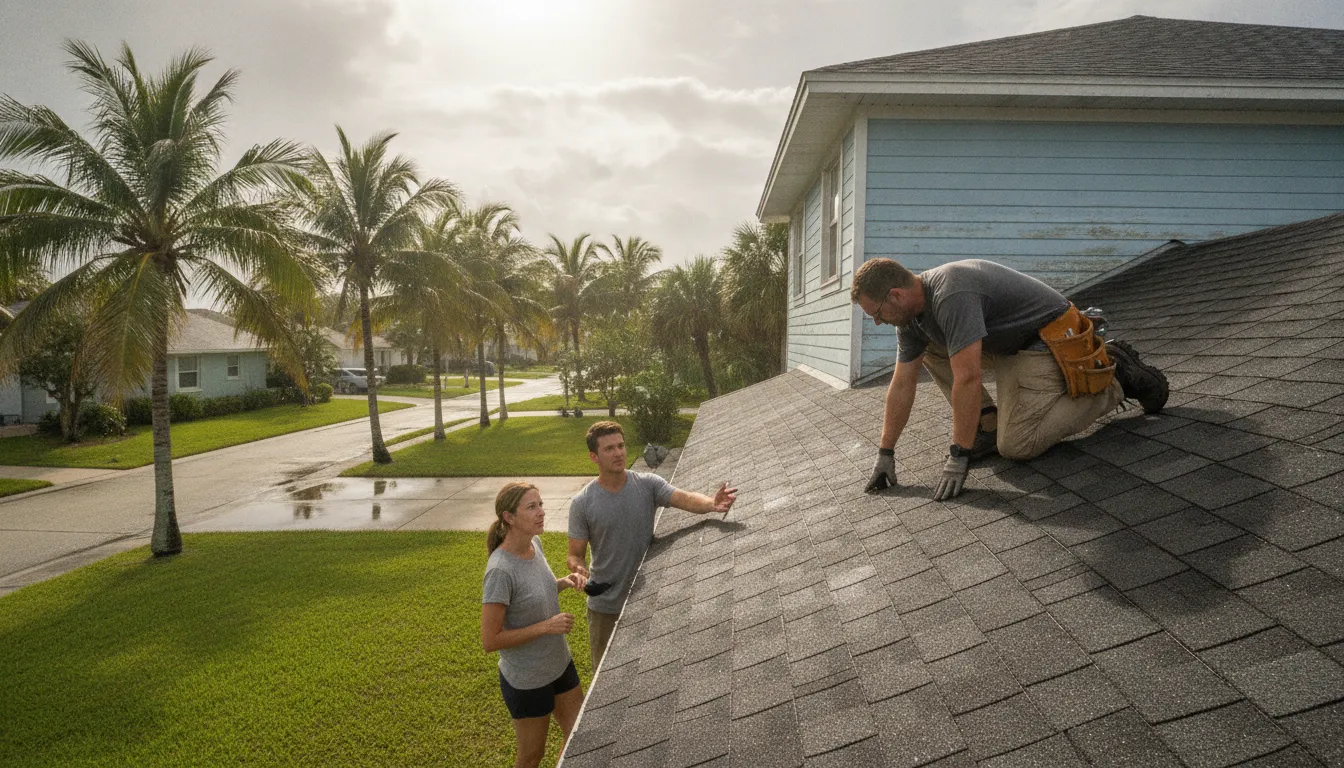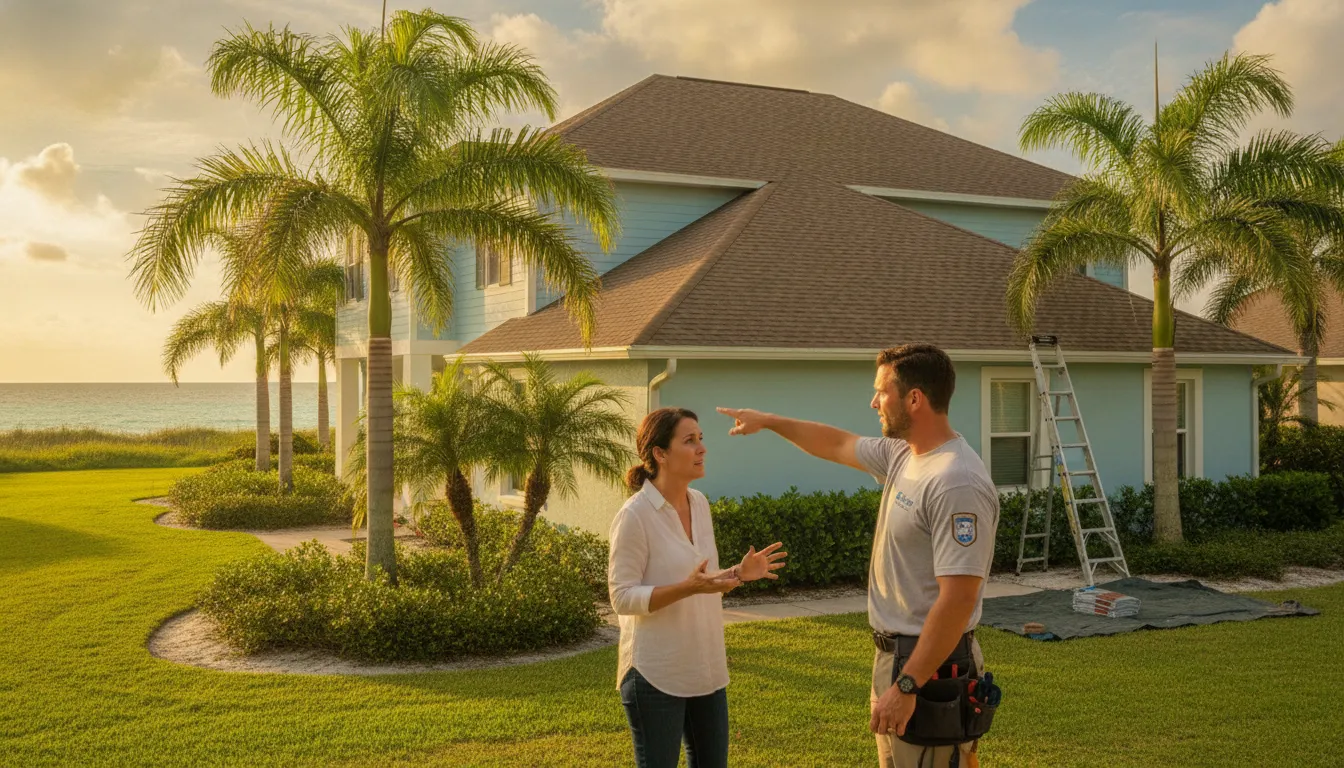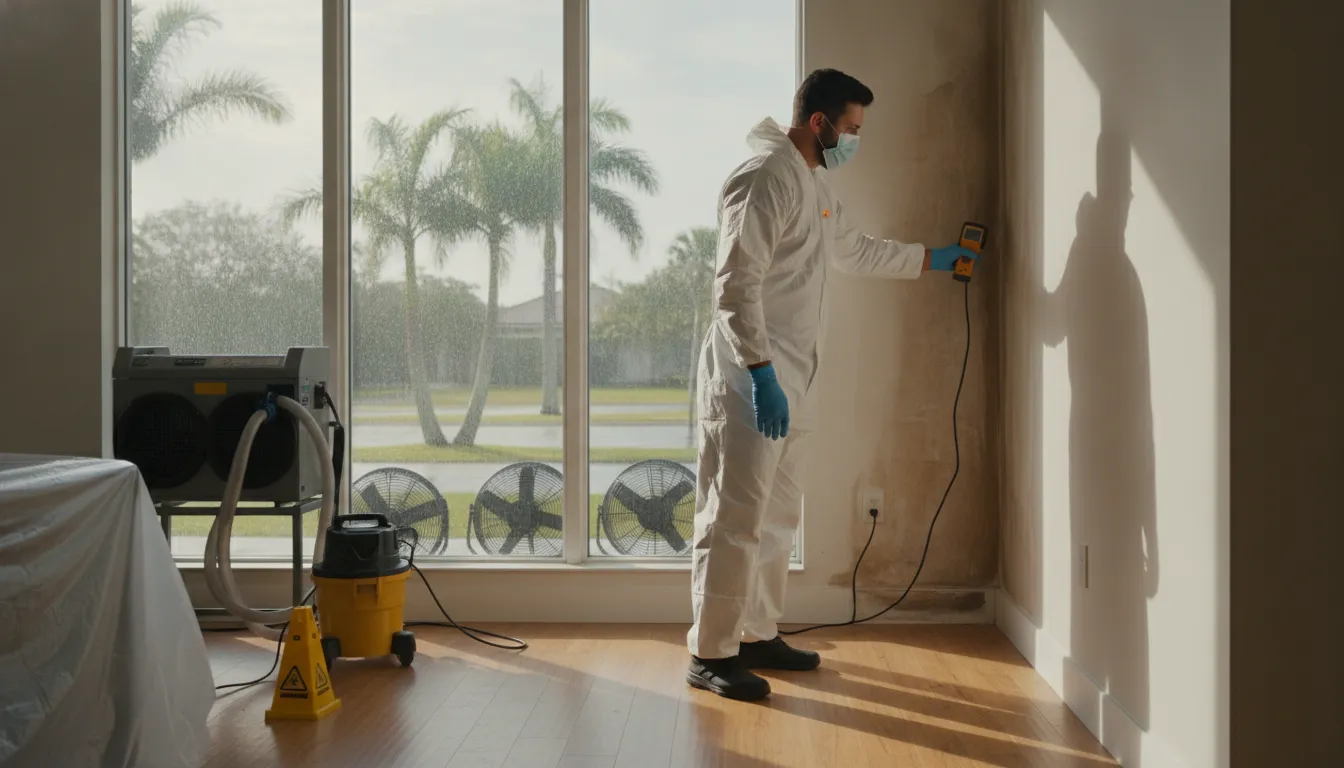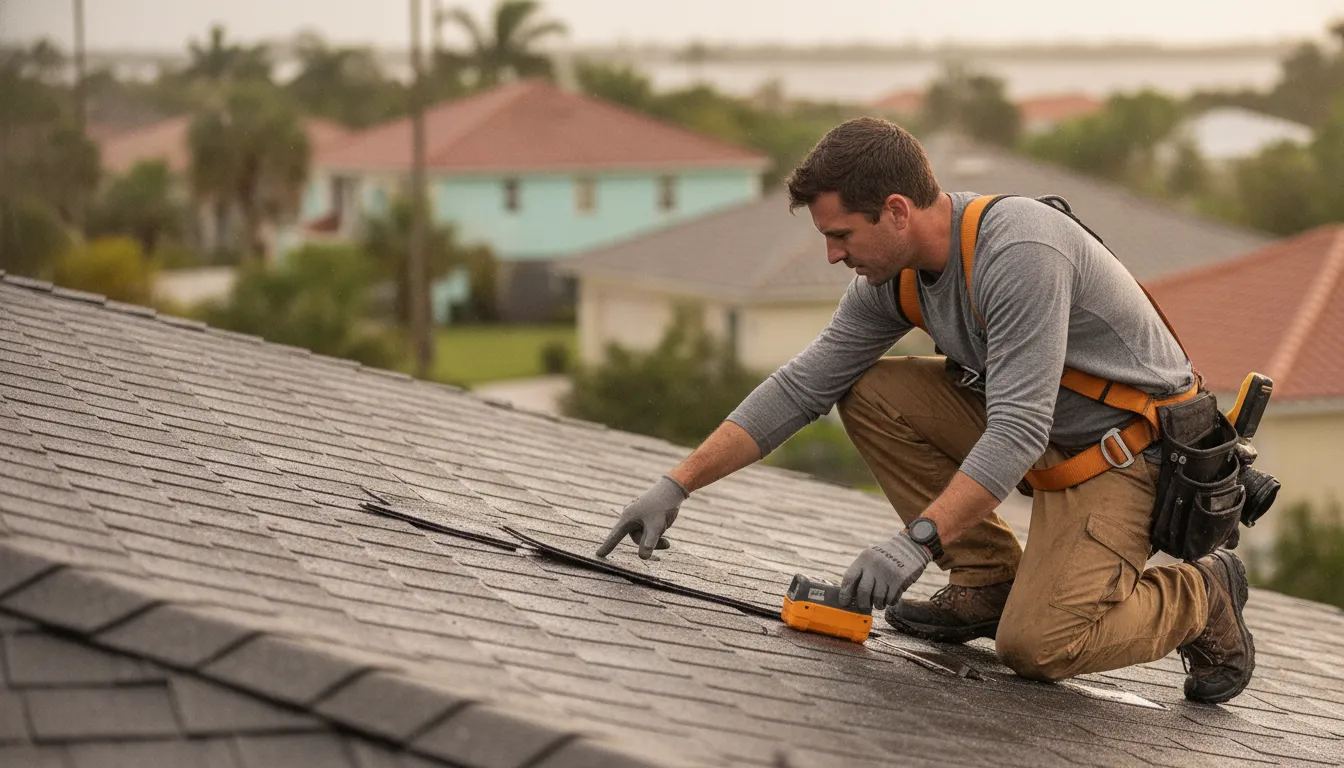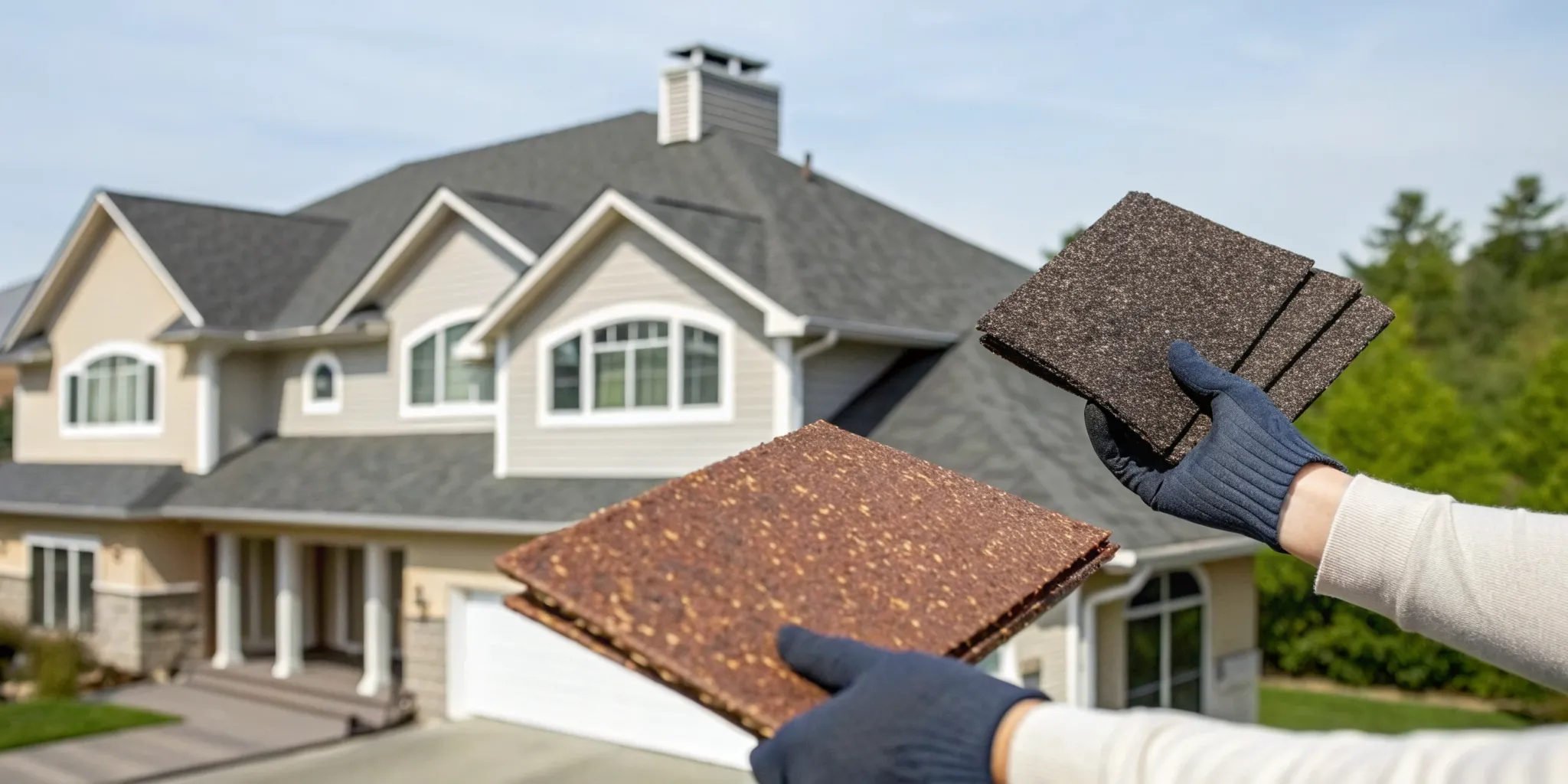
That number on your shingle warranty? Here in St. Petersburg, it’s more of a suggestion than a guarantee. Our roofs face a relentless combination of intense sun, salty air, and the constant threat of storms. This is why the typical shingle roof lifespan can be shorter in our climate. Understanding what really affects your roof’s durability is key to protecting your biggest investment. We’ll break down the different types of shingles and how our local environment impacts them, so you can choose the best protection for your home.
Key Takeaways
- Your shingle type sets the foundation for its lifespan: The material you select is the biggest factor in your roof’s potential longevity. Basic 3-tab shingles last around 15-20 years, popular architectural shingles last 20-30 years, and top-tier premium shingles can last up to 50 years.
- Florida’s climate and quality installation are critical: Even the best shingles won’t last without proper installation. Factors like intense sun, high humidity, and hurricane-force winds in Florida can shorten a roof’s life, making professional workmanship and regular upkeep essential.
- Proactive maintenance prevents major problems: You can extend your roof’s life by taking simple steps. Schedule annual inspections, keep your gutters clear of debris, and address small issues like cracked or missing shingles immediately to avoid costly water damage later on.
How Long Should Your Asphalt Shingle Roof Last?
When you’re thinking about a new roof, one of the first questions that comes to mind is, “How long will it last?” It’s a major investment, and you want to know you’re getting your money’s worth. For asphalt shingles, the most popular roofing material in the country, the answer isn’t one-size-fits-all. The lifespan of your roof depends heavily on the type of shingle you choose.
Think of it like buying tires for your car. You can get a basic set that will get you by, or you can invest in a premium set designed for high performance and longevity. Asphalt shingles come in a similar range of options, from budget-friendly basics to high-end luxury styles. Each type offers a different level of durability and a different expected lifespan. Understanding these differences is the first step in selecting the right roofing services for your home and your budget. Let’s break down the three main categories you’ll encounter.
How Asphalt Shingles Compare to Other Materials
While we’ve been focusing on asphalt, it’s helpful to see where it stands among other popular choices. Materials like metal, clay tile, and slate all have their own unique benefits. Metal roofs are known for their exceptional longevity, and tile roofs offer a classic Florida aesthetic that’s incredibly durable. However, these premium options come with a significantly higher price tag and often require specialized installation. Asphalt shingles hit a sweet spot for most homeowners, delivering reliable protection, a wide variety of styles and colors, and a much more approachable cost. They provide a fantastic balance of performance and value, which is why they remain the go-to choice for countless homes here in St. Petersburg.
Fiberglass vs. Organic Asphalt Shingles
When you dig a little deeper into asphalt shingles, you’ll find there are two main types: organic and fiberglass. Organic shingles, which were more common in the past, are made from a paper-based mat saturated in asphalt. They are heavier and can be more durable in cold weather. Fiberglass shingles, on the other hand, use a fiberglass mat coated in asphalt. For us here in Florida, fiberglass is almost always the better choice. It’s more lightweight, has a higher fire rating, and is far more resistant to moisture and heat. In our humid climate, organic shingles can absorb moisture over time, leading to curling and warping, while fiberglass shingles maintain their shape and integrity, making them the modern standard for most professional roof installations.
The Standard Choice: 3-Tab Shingles (15-20 Years)
If you’re looking for the most economical option, you’ll likely come across 3-tab shingles. These are the classic asphalt shingles you’ve probably seen on countless homes. They have a flat, single-layer design that creates a uniform, slate-like pattern. While they are a cost-effective choice for a roof replacement, their simpler construction means they have the shortest lifespan of the bunch, typically lasting between 15 and 20 years. Because they are lighter and less rigid than other options, they are also more susceptible to wind damage, which is an important consideration here in Florida.
The Popular Upgrade: Architectural Shingles (20-30 Years)
A step up in both quality and durability, architectural shingles are the most popular choice for homeowners today. Also known as dimensional shingles, they are made with multiple laminated layers of asphalt, which gives them a thicker, more substantial profile. This construction creates a beautiful, textured look that adds dimension and curb appeal to your home. More importantly, that multi-layer design makes them stronger and heavier, offering better resistance to wind and weather. According to manufacturers like Owens Corning, you can generally expect architectural shingles to last about 20 to 30 years, making them a fantastic middle-ground for performance and value.
The Long-Term Investment: Premium Shingles (Up to 50 Years)
For homeowners who want the absolute best in terms of appearance and longevity, premium shingles are the top-of-the-line choice. These are also sometimes called luxury shingles, and for good reason. They are designed to mimic the appearance of high-end roofing materials like natural slate or cedar shakes, but without the hefty price tag and maintenance demands. Premium shingles are the thickest and heaviest of the asphalt options, offering superior protection against impact and extreme weather. Their robust construction gives them an impressive lifespan that can reach up to 50 years, providing you with decades of peace of mind and a stunning aesthetic for your home.
Thinking Long-Term: Cost Per Year
When you’re comparing roofing estimates, it’s tempting to focus on the bottom-line price. A smarter way to look at it, however, is to consider the cost per year over the roof’s entire lifespan. A cheaper roof that only lasts 15 years might seem like a bargain upfront, but if you have to replace it twice in the same timeframe that a higher-quality roof would last, you haven’t really saved any money. A typical asphalt shingle roof that might last 20 to 25 years in a milder climate often has its life cut short to 15 or 20 years by Florida’s intense heat and sun. Calculating the long-term value helps you see beyond the initial sticker shock and choose a roof that provides the best protection for your investment over time.
Understanding Roof Warranties and Real-World Lifespan
One of the most confusing aspects of choosing a new roof is making sense of the warranty. You’ll see shingles advertised as “25-year” or “30-year,” and it’s easy to assume that’s a guarantee of how long they will last on your home. In reality, that number almost always refers to the manufacturer’s warranty period, not the roof’s actual service life. A warranty is the manufacturer’s promise to cover defects in the product itself. While it’s an important safety net, it doesn’t cover the issues that are far more common in our coastal climate, like damage from hurricane-force winds, normal wear from the sun and rain, or problems that stem from an improper installation.
It’s best to think of the warranty as a baseline for quality, not a countdown clock for your roof’s replacement date. The real-world durability of your roof is determined by a combination of factors: the quality of the materials, the skill of the installation team, and the specific environmental challenges it faces every single day. This is why it’s so important to look beyond the number on the shingle wrapper and understand the difference between a manufacturer’s promise and the practical realities of protecting your home. A trusted roofing professional can help you sort through these details and choose a system that’s truly built to withstand the St. Petersburg weather.
“30-Year Shingles” Don’t Always Last 30 Years
Architectural shingles are frequently marketed with a “30-year” lifespan, but it’s critical to see this as an estimate achieved under ideal conditions—which we definitely don’t have here in Florida. While these shingles are a durable and excellent choice, the relentless UV radiation, high humidity, and daily thermal stress from our climate can speed up their aging process. Most roofing experts agree that in a hot, sunny state, the realistic lifespan for a “30-year” architectural shingle is closer to 20 or 25 years. This isn’t a sign of a bad product; it’s simply the reality of putting any material to the test against our intense weather. Understanding this helps you set realistic expectations for your investment.
Material vs. Workmanship Warranties
When you get a new roof, you are typically protected by two distinct warranties. The first is the material warranty, which comes directly from the shingle manufacturer. This covers defects in the shingles themselves, but its value often decreases over time, and it can be voided if the roof isn’t installed or ventilated correctly. The second, and arguably more important, is the workmanship warranty. This is provided by your roofing contractor and covers the quality of the installation. Even the best shingles on the market will fail if they aren’t installed properly, making this warranty your primary protection against leaks and other installation-related problems. A strong workmanship warranty is a sign of a reputable company that stands behind its work, so be sure to ask your contractor about their specific coverage.
What Factors Affect Your Shingle Roof Lifespan?
Think of the lifespan estimates for shingles as a starting point, not a guarantee. Several factors play a huge role in determining whether your roof makes it to its 20th birthday or starts showing signs of trouble much sooner. How your roof was installed, the climate it endures, its ability to breathe, and how well you care for it are the four key ingredients to a long and healthy life. Understanding these elements helps you protect your investment and keep your home safe from the elements.
Your Local Weather and Climate
Here in Florida, our roofs are put to the test. The lifespan of shingle roofs can vary quite a bit depending on local weather conditions, and ours are pretty intense. The constant, blazing sun beats down on your roof, and its UV rays can break down the asphalt in the shingles over time, making them brittle. Then there’s the high humidity and frequent rain, which create the perfect environment for algae and mold to grow. And of course, we have hurricane season, which can bring high winds and torrential downpours that can lift, crack, or tear shingles right off. Choosing the right materials and a team experienced with our climate is the first line of defense for your home’s roofing system.
How Florida’s Climate Impacts Roof Longevity
Let’s break down exactly what our climate does to an asphalt roof. The most significant factor is the relentless sun. Day after day, intense UV radiation bakes the essential oils out of the asphalt, causing the shingles to become dry, brittle, and prone to cracking. This constant thermal shock—the expansion and contraction between a scorching hot day and a cooler night—further weakens the shingles. Add in our high humidity and frequent rain, and you have the perfect recipe for algae and mold growth. Those dark streaks you see on roofs aren’t just an eyesore; they can trap moisture against the shingles, speeding up their deterioration and potentially leading to bigger problems. All these factors combined mean a shingle’s lifespan is often shorter here than in a more temperate climate.
The Quality of the Installation
You can buy the most expensive, highest-quality shingles on the market, but they won’t perform well if they aren’t installed correctly. Proper installation is absolutely crucial to the lifespan of an asphalt shingle roof. This means every detail matters, from securing the underlayment to placing each nail correctly and ensuring the flashing around chimneys and vents is watertight. A shortcut on any of these steps can create weak spots, leaving your roof vulnerable to leaks and wind damage from day one. This is why working with a licensed, insured, and reputable roofing company is so important; their expertise ensures your roof is built to last.
Roof-Over vs. Tear-Off Installation
When it’s time for a new roof, you might hear about two different approaches: a roof-over or a complete tear-off. A roof-over involves layering new shingles directly on top of the old ones. While it can seem like a faster and cheaper option, it often shortens the lifespan of your new roof. The extra layer traps a significant amount of heat, which is a major issue in the Florida sun, and the added weight can strain your home’s structure. A complete tear-off, where the old shingles are removed, is the professional standard. This method allows your roofer to inspect the underlying wood deck for any hidden issues like rot or water damage, ensuring your new roof has a solid and secure foundation to last for decades.
Your Roof’s Color and Pitch
Believe it or not, the color of your shingles can influence how long they last. Darker colors, like black or deep brown, absorb more of the sun’s heat and UV rays. This constant thermal stress can cause the asphalt to degrade more quickly than it would on a lighter-colored roof that reflects more sunlight. The pitch, or steepness, of your roof also plays a role. A very steep roof sheds water efficiently but may have slopes that are more directly exposed to the sun. A low-slope or flat roof, on the other hand, may drain water more slowly, which can lead to moisture issues if not properly maintained. Both factors are key considerations when planning a durable roof installation in our sunny climate.
Sun Exposure on Different Roof Slopes
Have you ever noticed that one side of a roof looks more worn out than the other? This is usually due to sun exposure. In the Northern Hemisphere, the south-facing slope of a roof gets the most direct and intense sunlight throughout the day. This constant barrage of heat and UV radiation causes the shingles on that side to age and deteriorate faster than those on the north-facing slope, which spends more time in the shade. This uneven wear is a completely normal process, but it’s something a professional inspector will look for. It highlights why a thorough assessment of your entire roof is important, not just a glance from the street, to understand its true condition.
Why Attic Ventilation Matters
What happens inside your attic has a direct impact on the health of your roof. A well-ventilated attic allows air to circulate, preventing heat and moisture from getting trapped. Without good airflow, the summer heat can build up and essentially cook your shingles from the underside, causing them to warp and age prematurely. In the same way, moisture buildup can lead to mold and rot in your roof’s wooden structure. Proper attic ventilation and insulation work together to keep the attic temperature stable, protecting your shingles and the structure of your home.
The ROI of Good Ventilation
Investing in proper attic ventilation isn’t just about following building codes; it’s one of the smartest financial decisions you can make for your home. Think of it as a small upfront cost that prevents massive expenses down the road. By allowing your attic to breathe, you’re actively extending the life of your shingles and protecting the very structure of your roof. This simple system helps you avoid the high cost of a premature roof replacement and prevents moisture damage that can lead to rotted wood and the need for professional mold remediation. In a climate like ours, where heat and humidity are relentless, good ventilation is your roof’s best defense, ensuring you get the maximum value and lifespan from your investment.
The Importance of Regular Maintenance
Your roof needs regular attention to perform its best. Think of it like routine check-ups for your car; they help you catch small issues before they turn into big, expensive problems. Simple actions like keeping your gutters clean prevent water from backing up under your shingles. It’s also smart to do a visual inspection from the ground after a major storm. If you notice anything amiss, addressing it quickly can prevent further issues. Scheduling professional inspections can also extend your roof’s life, as a trained eye can spot subtle signs of wear and tear that need attention. This proactive approach is a key part of any disaster recovery plan.
Managing Overhanging Trees
The beautiful, mature trees we love in our St. Petersburg neighborhoods can be a double-edged sword for our roofs. While they provide welcome shade, overhanging branches pose a real threat. During a storm, or even just on a windy day, branches can scrape against your shingles, wearing away their protective granules and shortening their lifespan. Beyond direct contact, falling leaves and pine needles can clog your gutters, causing water to back up and seep underneath your roofing materials. This trapped moisture is a major problem in our humid climate, as it can lead to rot and even mold issues. Regularly trimming back any branches that hang over your roof is one of the most effective preventive steps you can take to protect your investment and avoid future damage.
5 Signs It’s Time to Replace Your Shingle Roof
Your roof does a great job of protecting you from the elements, but it can’t last forever. Over time, sun, rain, and wind take their toll. The good news is that your roof will usually give you clear signals when it’s nearing the end of its life. Paying attention to these signs can help you address issues before they turn into major, expensive problems like widespread leaks or structural damage. A quick visual inspection from the ground can tell you a lot.
Catching these problems early gives you time to plan for a replacement instead of dealing with an emergency later. Look for shingles that are curling, cracking, or missing altogether. Check your gutters for sandy granules, and keep an eye out for any dark streaks or water stains inside your home. These are all clues that your roof’s integrity might be compromised. If you spot any of these red flags, it’s a good idea to schedule a professional inspection to understand the full scope of the issue. A trusted roofer can give you a clear picture of your roof’s health and help you decide on the next steps for your roofing services.
Your Shingles Are Curling or Cracking
One of the most obvious signs of an aging roof is a change in the appearance of your shingles. Instead of lying flat and uniform, you might notice the edges starting to curl up or the centers beginning to buckle. This is often a result of long-term exposure to the sun’s heat, which can cause the shingles to dry out and shrink. You may also see visible cracks, which can range from small, hairline fractures to larger, more significant splits.
Both curling and cracking are serious issues because they break the watertight seal your roof is supposed to have. These openings create easy pathways for rain to seep underneath, leading to potential leaks and water damage. According to roofing experts at Owens Corning, these are clear indicators that your shingles are losing their flexibility and are at high risk of failing.
You’re Finding Granules in Your Gutters
Have you ever noticed tiny, sand-like particles in your gutters or on the ground near your downspouts? Those are asphalt granules, and they serve a critical purpose. This gritty top layer on your shingles acts as a shield, protecting the asphalt underneath from the sun’s damaging UV rays. When these granules start to fall off, it’s a sign that your shingles are getting old and brittle. You might even see “bald spots” on your roof where the granules have completely worn away.
Losing these protective granules accelerates the aging process of your roof, making the shingles more susceptible to cracking and deterioration. It’s a natural part of wear and tear, but a significant amount of granule loss means your roof is much less effective at doing its job. It’s a clear signal that your roof is nearing the end of its functional lifespan.
Shingles Are Damaged or Missing
After a strong Florida storm, it’s always a good idea to walk around your property and look up at your roof. Missing shingles are an urgent problem because they leave the underlying layers of your roof completely exposed to the elements. This is a direct invitation for water to get in and cause serious damage to your home’s structure. Even just one missing shingle can be the source of a significant leak.
Besides completely missing shingles, you should also look for any that are buckled, torn, or otherwise damaged. These issues compromise your roof’s ability to shed water effectively. If you see any shingles that are out of place or look worn down, it’s time to get a professional opinion. Don’t wait for a small problem to become a major headache; contact us for an inspection.
You’ve Spotted Leaks or Water Stains
Sometimes, the first sign of a roof problem doesn’t appear on the roof itself but inside your home. If you notice new water stains on your ceilings or walls, your roof is the most likely culprit. These stains often look like yellowish or brownish rings and can feel damp to the touch, especially after it rains. Be sure to check your attic as well, as leaks often show up there first, along with signs like musty odors or visible mold growth.
By the time a water stain is visible, the leak has likely been active for some time, allowing moisture to seep into your home’s insulation, drywall, and framing. This can lead to more extensive issues that require professional water damage restoration. If you see any signs of a leak, act quickly to find the source and prevent further damage.
Dark Streaks or Algae Have Appeared
If you see dark, discolored streaks running down your roof, you’re likely looking at algae growth. This is a common sight in humid climates like ours in St. Petersburg. While it might seem like a purely cosmetic issue at first, this algae, known as Gloeocapsa magma, can cause problems over time. The algae feeds on the limestone filler in asphalt shingles, and its presence can trap moisture against the roof’s surface.
This retained moisture can slowly degrade the protective granules on your shingles, shortening their lifespan. In some cases, algae can also lead to the growth of lichen or moss, which have roots that can lift and damage the shingles themselves. While a few dark streaks aren’t an emergency, widespread algae growth is a sign that your roof may need a professional cleaning or is nearing the end of its life.
Faded Color or Spongy Spots
The intense Florida sun doesn’t just fade your patio furniture; it does a number on your roof, too. If you notice your shingles have lost their original, vibrant color, it’s more than a cosmetic concern. This fading is a direct result of UV ray exposure breaking down the asphalt and protective granules. An even more urgent warning sign is feeling a soft or spongy spot when walking on your roof (which you should only do if you can safely). This often indicates that the underlying wood decking has absorbed moisture and is starting to rot. A spongy roof is a serious structural problem and a clear signal that your roof’s integrity is compromised, potentially leading to significant water damage inside your home.
Damage in Roof Valleys
Your roof’s valleys are the V-shaped channels where two different roof planes meet. They are critical because they handle a large volume of rainwater, directing it down into your gutters. Because so much water flows through them, valleys are one of the most common areas for leaks to develop. Take a look at these areas from the ground. If you see shingles that are missing, cracked, or seem to be deteriorating faster than the rest of the roof, it’s a major red flag. According to experts like Charleston Roofs & Windows, any damage here can quickly lead to water intrusion. A compromised valley essentially creates a direct path for water into your attic and home, making it a priority for professional inspection and repair.
How Can You Extend Your Roof’s Lifespan?
A new roof is a big investment, so you want to get the most out of it. While every roof has an expected lifespan, you have more control than you might think. A little proactive maintenance can go a long way in helping your asphalt shingles reach, and sometimes even exceed, their projected age. By taking a few key steps, you can protect your home, avoid costly repairs, and keep your roof in great shape for years to come. Here’s how you can give your roof the best chance at a long and healthy life.
Schedule Professional Roof Inspections
Think of a roof inspection like a yearly check-up for your home. Having a professional look at your roof at least once a year, and especially after a major storm, is the best way to catch small issues before they become big headaches. An expert can spot subtle signs of wear and tear, like loose flashing or minor granule loss, that you might not notice from the ground. Finding these problems early saves you money and stress down the road. A routine inspection is a simple, preventative step that plays a huge role in your roof’s longevity and gives you peace of mind. Our team offers thorough roofing services to keep your home safe.
Keep Your Gutters Clear of Debris
It might seem like a simple chore, but keeping your gutters clean is one of the most effective ways to protect your roof. When gutters get clogged with leaves, twigs, and other debris, rainwater has nowhere to go. Instead of flowing away from your house, it backs up and can seep under your shingles, leading to wood rot, leaks, and a weakened roof structure. Make it a habit to clean your gutters twice a year, once in the spring and again in the fall. Trimming any overhanging tree branches can also help reduce the amount of debris that collects, keeping your drainage system working as it should.
Address Minor Repairs Immediately
If you spot a problem with your roof, the worst thing you can do is wait. A single missing shingle or a small leak might not seem like a big deal, but it leaves your roof vulnerable to the elements. Here in Florida, a small opening can quickly lead to significant water damage during the next downpour. Addressing damage immediately prevents the issue from spreading and causing more extensive, expensive problems. Whether it’s a few cracked shingles after a storm or a mysterious water spot on your ceiling, getting it fixed right away is key to preserving the integrity of your entire roofing system and extending its lifespan.
Improve Your Attic’s Airflow
What happens in your attic has a direct impact on the health of your roof. Without proper ventilation, heat and moisture get trapped in the attic space. In the summer, this intense heat can essentially bake your shingles from the inside out, causing them to become brittle and age much faster. In the winter, moisture buildup can lead to mold, mildew, and rot in your roof’s decking. Good airflow helps regulate the temperature and humidity in your attic, protecting your shingles from premature failure. It also helps with your home’s energy efficiency, which is an added bonus for your utility bills.
Partner With a Reputable Roofer
You can choose the best shingles on the market, but they won’t perform well without a quality installation. The skill and attention to detail of your roofer are critical to your roof’s lifespan. A professional installation ensures that every component, from the underlayment to the flashing and shingles, is installed correctly to create a watertight seal. Poor workmanship can lead to leaks, wind damage, and a roof that fails years before it should. When it’s time for a repair or replacement, always partner with a licensed and insured team you can trust. If you have questions about your roof, don’t hesitate to contact us for an expert opinion.
The Florida Factor: Unique Challenges for Local Roofs
Living in Florida means enjoying beautiful weather, but that same climate can be tough on our homes, especially our roofs. While asphalt shingles come with a manufacturer’s estimated lifespan, the Sunshine State has a unique set of environmental challenges that can significantly shorten it. The combination of intense sun, powerful storms, constant humidity, and fluctuating temperatures creates a demanding environment that requires a proactive approach to roof care.
Understanding these local factors is key to protecting your investment and extending the life of your roof. It’s not just about choosing the right shingles; it’s about recognizing how our specific climate impacts them day in and day out. From the relentless UV rays to the threat of hurricane-force winds, your roof is your home’s first line of defense. Knowing what you’re up against helps you spot potential issues early and work with a professional to keep your home safe and dry. If you’re ever concerned about how the local weather has affected your roof, a professional roofing services team can provide a thorough inspection.
Battling Intense Sun and Heat
The same sunshine we love so much can be incredibly harsh on asphalt shingles. The constant exposure to intense UV rays accelerates the aging process, causing the protective oils in the asphalt to dry out. This makes the shingles brittle, prone to cracking, and less flexible. Over time, this solar damage can shorten the lifespan of shingle roofs, turning a 25-year shingle into one that needs replacing much sooner. Think of it like leaving a plastic toy out in the sun for a whole summer; it becomes faded and fragile. Your roof endures that same stress every single day.
Withstanding Hurricanes and Storms
Here in St. Petersburg, we know that storm season is no joke. Hurricanes and severe tropical storms bring high winds and heavy rain that pose a serious threat to any roof. Winds can easily lift and tear off shingles, leaving the underlying structure exposed to water damage. Flying debris can act like projectiles, causing impact damage that cracks or punctures the shingles. A single major storm can significantly reduce your roof’s lifespan, which is why post-storm inspections are so important. Having a plan for disaster recovery services can make all the difference when you need immediate help.
Fighting Off High Humidity and Moisture
Florida’s high humidity creates the perfect breeding ground for algae and mold on your roof. You’ve probably seen the dark streaks on neighboring roofs; that’s a type of algae called Gloeocapsa magma. While it might seem like a cosmetic issue, this growth can trap moisture against the shingles, preventing them from drying out properly. This constant dampness can speed up the deterioration of the granules and the shingle itself. If you notice signs of moisture or suspect growth, it’s wise to consult with a mold remediation expert to prevent further damage.
Surviving Rapid Temperature Swings
You might not think of Florida as having dramatic temperature swings, but the difference between the peak heat of the afternoon and the cooler temperatures at night is enough to affect your roof. This daily cycle causes the shingles to expand and contract. Over many years, this thermal stress can lead to tiny cracks and fissures forming in the shingles. These small openings are all it takes for water to seep underneath, leading to leaks and more significant problems down the road. Regular inspections can catch this type of wear and tear before it becomes a major issue.
Related Articles
- Shingle Roofing Services | Go Time Roofing and Restoration
- Shingle Roofing Services | Go Time Roofing and Restoration
- Flat Roofing Services | Expert Installation by Go Time Roofing
- Flat Roofing Services | Expert Installation by Go Time Roofing
Frequently Asked Questions
Which type of asphalt shingle is best for a home in Florida? While any shingle can be used, architectural shingles are often the sweet spot for Florida homeowners. They offer a significant upgrade in durability and wind resistance compared to basic 3-tab
My roof has some dark streaks. Does that mean I need a whole new roof? Not necessarily. Those dark streaks are typically a type of algae that thrives in our humid climate. While it’s not an emergency, you shouldn’t ignore it. Over time, this algae can eat away at the limestone in your shingles and trap moisture, which can shorten your roof’s lifespan. A professional can determine if the roof simply needs a cleaning or if the algae is a sign that the shingles are getting older and weaker.
How can I tell if my roof needs a simple repair or a full replacement? The answer usually comes down to the scale of the problem. If you have an isolated issue, like a few shingles that blew off in a storm, a repair might be all you need. However, if you’re seeing widespread signs of aging, such as curling or cracking shingles across your entire roof, significant granule loss in your gutters, or multiple leaks, it’s likely time for a replacement. An honest roofer can give you a clear assessment of your roof’s overall health.
Besides storms, what’s the biggest threat to my roof’s lifespan? Two of the biggest, and often hidden, threats are poor installation and improper attic ventilation. A roof that isn’t installed correctly can have problems from day one, leading to leaks and wind damage that should have been preventable. Similarly, an attic that can’t breathe properly traps intense heat, which essentially bakes your shingles from the underside and causes them to fail much faster than they should.
Is it really worth paying for regular roof inspections? Absolutely. Think of it as preventative care for one of your home’s most important assets. A professional inspection can catch small, easy-to-fix issues, like a loose piece of flashing or a cracked shingle, before they turn into a major leak that causes thousands in water damage. Spending a little on an inspection once a year can save you a lot of money and stress in the long run by helping your roof last as long as possible.