Deciding between a quick roof repair and a full replacement is a tough call. While a simple patch might fix the immediate leak, it often just covers up a bigger problem brewing underneath. Getting ahead of it is the best way to protect your home from serious, expensive damage down the road. This guide will help you spot the critical warning signs that mean it’s time for a complete residential flat roof replacement. We’ll cover the real benefits of starting fresh and give you the actionable steps to plan your project before a minor issue becomes a major crisis.
Key Takeaways
- Know when to replace, not just repair: A full replacement is often the smarter financial choice if your roof is old or has widespread damage (over 25%). This is also the perfect opportunity to upgrade to modern, energy-efficient materials that can lower your utility bills.
- Professional installation is non-negotiable: The success of your new roof depends entirely on the quality of the installation. Always hire a licensed and insured contractor with specific experience in flat roofing to prevent costly leaks and structural issues down the road.
- Plan for drainage and long-term care: Proper drainage is essential for a flat roof’s survival, so ensure it’s a key part of your replacement plan. After installation, a simple maintenance schedule with twice-yearly inspections will protect your investment and extend its lifespan.
Your Guide to Residential Flat Roof Replacement
A residential flat roof replacement is a complete overhaul of your home’s roofing system. It’s not just about patching a leak or covering up a worn spot. Instead, the process involves removing all the old, failing materials right down to the structural deck. Once the old roof is gone, we can inspect the underlying structure for any hidden damage before installing a brand-new, high-performance roofing system. This ensures every layer, from the insulation to the waterproof membrane, is working together to protect your home.
Think of it as a fresh start for your roof. Modern flat roofing materials like EPDM, TPO, and PVC offer incredible durability and energy efficiency that older systems simply can’t match. By choosing a full replacement, you’re not just fixing current problems; you’re investing in long-term peace of mind. A new roof provides superior protection against Florida’s intense sun and heavy rains, preventing costly water damage and improving your home’s overall structural integrity. It’s the most effective way to secure your home for years to come, and our team handles all types of roofing services to get the job done right.
The Pros and Cons of Flat Roofs
Before committing to a replacement, it’s helpful to understand why flat roofs are a popular choice for many Florida homes and what challenges they can present. While they offer a distinct, modern look, their performance heavily relies on the quality of materials and installation. Knowing both sides of the story will help you feel confident in your decision and ensure you’re prepared for long-term maintenance.
Advantages of a Flat Roof
One of the biggest draws of a flat roof is its clean, modern aesthetic that can give your home a unique look. Beyond style, this design creates extra usable space, opening up possibilities for a rooftop deck, a garden, or an ideal spot for solar panels. Flat roofs are also generally more affordable to install than pitched roofs because they require fewer materials and less labor. Accessing them for routine inspections or repairs is much simpler and safer, which can save you money on maintenance calls. When installed correctly with high-quality materials, a new flat roof can last anywhere from 15 to 30 years, providing a durable and cost-effective shield for your home.
Potential Challenges with Flat Roofs
The primary challenge for any flat roof is drainage. Unlike sloped roofs that use gravity to shed water easily, flat roofs must rely on a slight pitch and a carefully designed drainage system to prevent water from pooling. If water is left standing, it can lead to leaks and serious water damage over time. This makes them require more regular maintenance to keep drains clear of debris. Because of this vulnerability, the quality of the installation is everything. An improperly installed membrane or flashing can quickly fail, leading to costly repairs. That’s why working with experienced flat roofing professionals is essential to ensure your roof is built to withstand Florida’s heavy rains and protect your investment.
Is It Time to Replace Your Flat Roof?
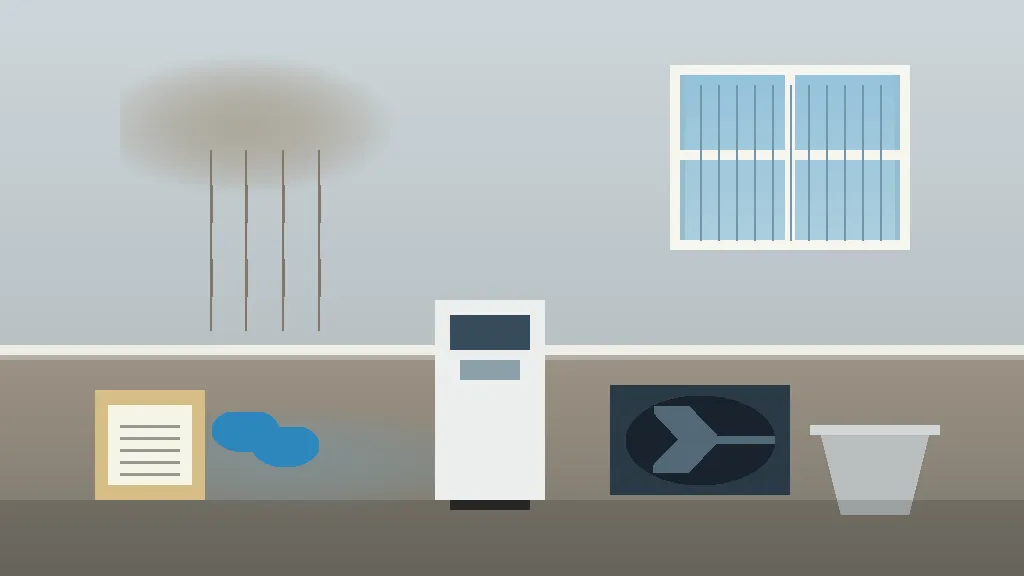
Knowing when to move from repairs to a full replacement can feel tricky, but your roof often gives clear signals. Persistent leaks that keep reappearing despite repairs are a major red flag. You should also look for visible sagging or low spots on the roof’s surface, as this indicates water is pooling instead of draining properly, which can lead to structural issues. Other obvious signs include widespread cracking, large blisters, or significant wear and tear on the roofing material.
A good guideline to follow is the 25% rule. If more than 25% of your roof is damaged, a full replacement is almost always the more sensible and cost-effective solution. Patching extensive damage can be a temporary fix at best and often leads to more problems down the road.
Should You Repair or Replace Your Flat Roof?
Deciding between repairing and replacing your flat roof comes down to three key factors: the extent of the damage, the age of your roof, and overall cost-effectiveness. A small, isolated issue on a relatively new roof is a perfect candidate for a simple repair. However, if the damage is widespread or your roof is approaching the end of its expected lifespan, investing more money in repairs may not be a wise financial move.
Think about the long-term costs. If you find yourself calling for repairs every time a storm rolls through, those expenses add up quickly. Constant repairs can become a frustrating cycle that never truly solves the underlying problem. A full replacement stops this cycle and prevents the risk of much costlier water damage affecting your home’s interior and structure. An honest, professional assessment can give you a clear picture of which option makes the most sense for your home and budget.
A Closer Look at the 25% Rule
The 25% rule is a straightforward industry guideline that helps you gauge when a replacement is the smarter choice. If a professional inspection reveals that more than a quarter of your roof’s surface is compromised—whether from cracks, blisters, or storm damage—it’s a strong indicator that the entire system is failing. At this point, trying to patch individual spots is often a losing battle. The existing materials are likely at the end of their lifespan, and new patches will put stress on the surrounding older areas, leading to a cycle of endless repairs. A full replacement addresses the root cause, ensuring every component of your roof is new, secure, and ready to protect your home.
Comparing Repair vs. Replacement Costs
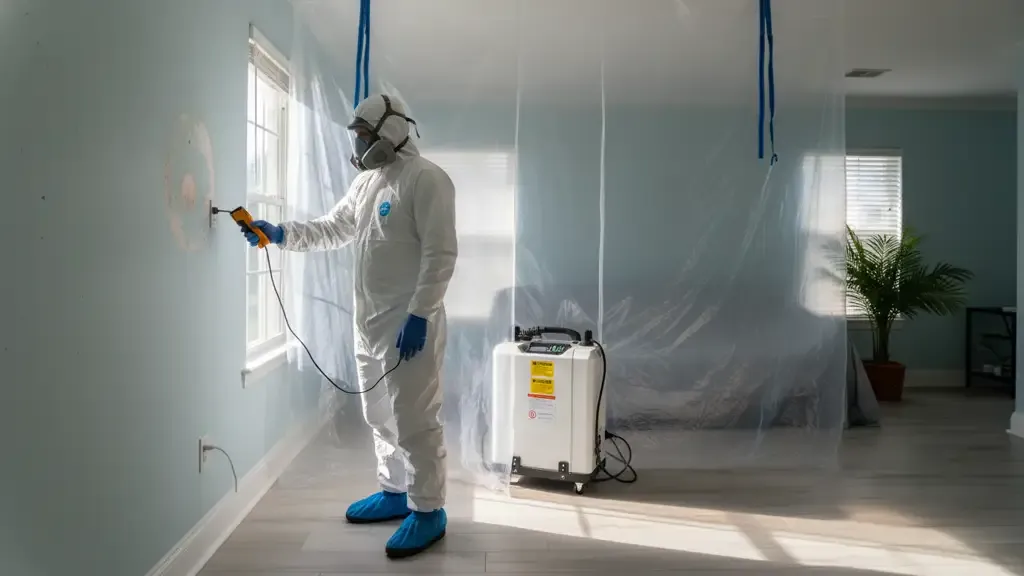
While a simple repair has a lower upfront cost, it’s crucial to consider the long-term financial picture. If your roof is older or you’re scheduling repairs every year, those expenses add up quickly. This cycle of patching can become a frustrating financial drain that never truly solves the underlying weakness of an aging roof. A full replacement is an investment that stops this cycle. It not only provides lasting peace of mind but also prevents the risk of much costlier interior issues, like structural water damage or mold growth. An honest assessment from a trusted professional can help you compare these costs and decide which path offers the best value for your home.
What Are the Best Materials for a Flat Roof?
Choosing the right material for your flat roof is one of the most important decisions you’ll make. The best option depends on your budget, your home’s specific needs, and your long-term goals for energy efficiency and durability. Each material has its own set of strengths, so understanding the basics will help you have a more productive conversation with your contractor. Let’s walk through the most common and reliable choices for residential flat roofing services in Florida.
EPDM: A Durable, Cost-Effective Choice
EPDM (Ethylene Propylene Diene Monomer) is a synthetic rubber roofing membrane that’s a popular choice for a reason. It’s incredibly durable, holding up well against harsh weather, and it’s one of the more cost-effective options available. With proper installation and maintenance, an EPDM roof can easily last up to 30 years. Its flexibility makes it resistant to damage from temperature fluctuations, which is a huge plus in the Florida climate. Think of it as a tough, reliable, and budget-friendly shield for your home.
Lifespan and Key Considerations
When you’re planning a flat roof replacement, understanding the expected lifespan of different materials is a great place to start. A typical flat roof can last anywhere from 15 to 30 years, depending heavily on the material choice and the quality of maintenance it receives. For instance, a durable option like EPDM can last up to 30 years when properly cared for. It’s also helpful to remember the 25% rule: if more than a quarter of your roof is damaged, a full replacement is almost always the smarter, more cost-effective choice. This approach helps you avoid the frustrating cycle of constant repairs. A new roof is also the perfect chance to upgrade to modern, energy-efficient materials, which can lower your utility bills and add significant long-term value to your home.
TPO: The Energy-Efficient Modern Roof
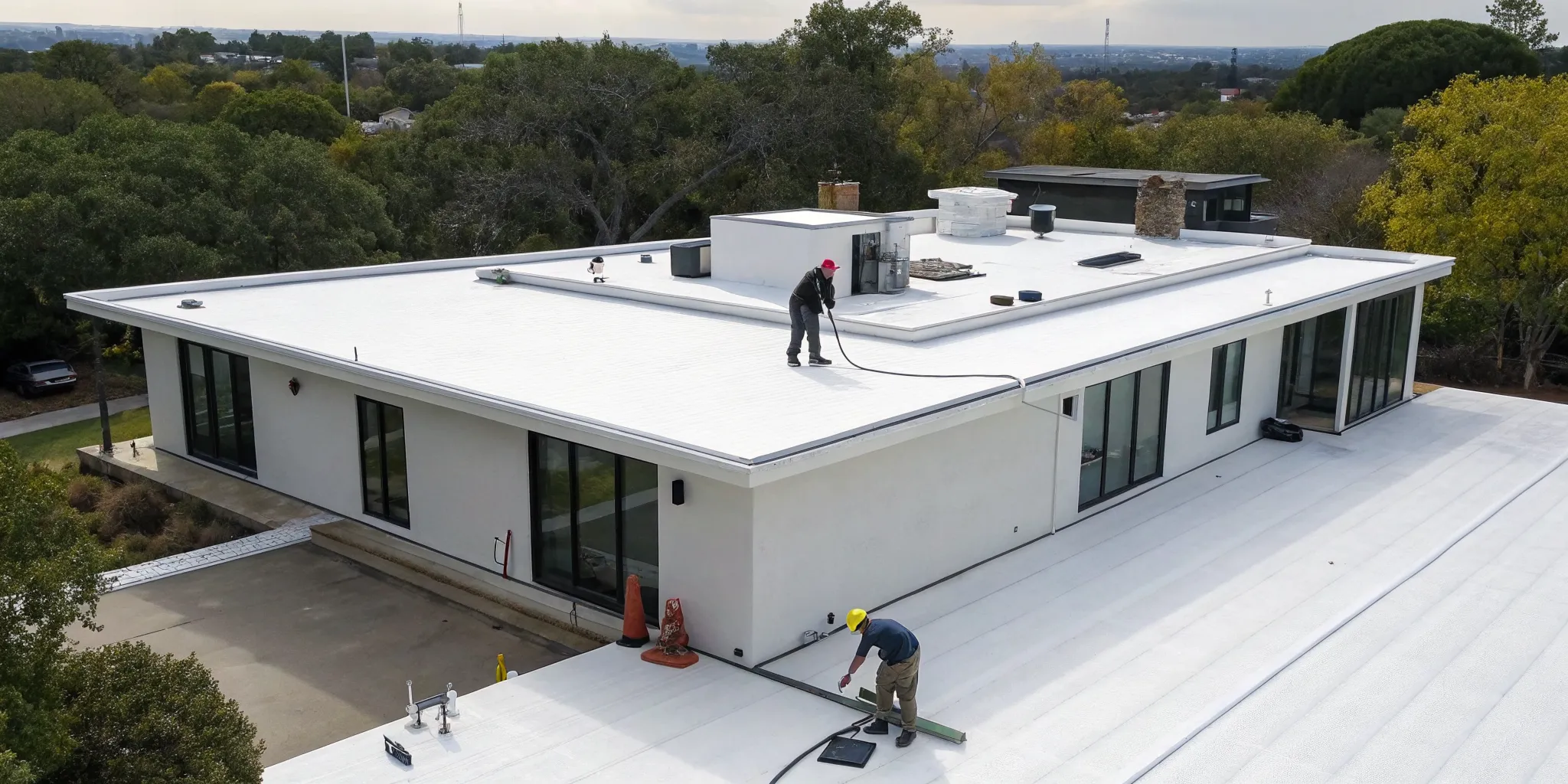
If energy efficiency is high on your priority list, TPO (Thermoplastic Olefin) is an excellent material to consider. TPO membranes are typically white or light-colored, which allows them to reflect sunlight and reduce the heat absorbed by your home. This can lead to lower cooling costs during our long, hot summers. TPO is also known for being relatively easy to install and has a lifespan of around 20 to 30 years, making it a smart, eco-conscious investment for many homeowners.
Lifespan and Key Considerations
When you’re planning a flat roof replacement, understanding the expected lifespan of different materials is a great place to start. A typical flat roof can last anywhere from 15 to 30 years, depending heavily on the material choice and the quality of maintenance it receives. For instance, a durable option like EPDM can last up to 30 years when properly cared for. It’s also helpful to remember the 25% rule: if more than a quarter of your roof is damaged, a full replacement is almost always the smarter, more cost-effective choice. This approach helps you avoid the frustrating cycle of constant repairs. A new roof is also the perfect chance to upgrade to modern, energy-efficient materials, which can lower your utility bills and add significant long-term value to your home.
PVC: Built for Extreme Weather
PVC (Polyvinyl Chloride) roofing is another strong contender, especially known for its exceptional durability. These systems are highly resistant to fire, chemicals, and moisture, which makes them a fantastic choice for homes that might have rooftop decks or heavy foot traffic. Like TPO, PVC is energy-efficient and can last between 20 and 30 years. While it can be a bit more of an upfront investment, its strength and longevity make it a worthwhile option for homeowners looking for maximum resilience.
Lifespan and Key Considerations
When you’re planning a flat roof replacement, understanding the expected lifespan of different materials is a great place to start. A typical flat roof can last anywhere from 15 to 30 years, depending heavily on the material choice and the quality of maintenance it receives. For instance, a durable option like EPDM can last up to 30 years when properly cared for. It’s also helpful to remember the 25% rule: if more than a quarter of your roof is damaged, a full replacement is almost always the smarter, more cost-effective choice. This approach helps you avoid the frustrating cycle of constant repairs. A new roof is also the perfect chance to upgrade to modern, energy-efficient materials, which can lower your utility bills and add significant long-term value to your home.
Modified Bitumen: A Classic, Reliable Option
Modified Bitumen is a modern take on the classic asphalt roof. It combines asphalt with rubber or plastic polymers to create a tough, multi-layered system that’s both flexible and durable. This material is great at resisting tears and punctures. While its typical lifespan is a bit shorter, around 15 to 20 years, it offers a great balance of performance and cost. It’s a proven, dependable material that has been protecting homes for decades.
Lifespan and Key Considerations
When you’re planning a flat roof replacement, understanding the expected lifespan of different materials is a great place to start. A typical flat roof can last anywhere from 15 to 30 years, depending heavily on the material choice and the quality of maintenance it receives. For instance, a durable option like EPDM can last up to 30 years when properly cared for. It’s also helpful to remember the 25% rule: if more than a quarter of your roof is damaged, a full replacement is almost always the smarter, more cost-effective choice. This approach helps you avoid the frustrating cycle of constant repairs. A new roof is also the perfect chance to upgrade to modern, energy-efficient materials, which can lower your utility bills and add significant long-term value to your home.
Flat Roof Materials: A Side-by-Side Comparison
So, how do you choose? If your primary concern is the initial budget, EPDM is often the most affordable. For the best energy savings, TPO and PVC are top performers due to their reflective properties. If you need something exceptionally tough to handle foot traffic or potential impacts, PVC or Modified Bitumen might be the right fit. Ultimately, the best material is one that balances your budget with long-term value. A professional can help you weigh these factors to find the perfect solution for your home.
How Much Does a Flat Roof Replacement Cost?
Thinking about replacing your flat roof is a big step, and one of the first questions on your mind is likely about the cost. While there isn’t a single price tag that fits every project, understanding the typical price range and the factors that influence it can help you plan your budget with confidence. A new roof is a major investment in your home’s safety and value, so it’s important to know what to expect before you begin.
The final cost of your flat roof replacement depends on a few key variables, including the size of your roof, the materials you choose, and the condition of the underlying structure. Let’s break down these costs so you can feel prepared.
A Look at Average Flat Roof Replacement Costs
On average, a residential flat roof replacement can cost around $7,400. Most homeowners find their final price falls somewhere between $3,300 and $11,500. Think of this as a starting point. A smaller roof on a garage or home addition will naturally be on the lower end of that spectrum, while a larger, more complex roof will be on the higher end. This range gives you a general idea of the investment required, but a detailed estimate from a professional is the only way to know the exact cost for your specific home.
What Factors Influence the Final Price?
Several key factors determine the final price of your roof replacement. The most significant is the material you select. Options like TPO, EPDM, and PVC each come with different price points and performance benefits. The size of your roof is another major driver; a larger surface area requires more materials and more labor hours. The condition of your existing roof deck also plays a role. If we find any rot or damage after removing the old roofing material, those repairs will add to the overall cost. Finally, labor costs in your area will impact the final quote.
A Detailed Cost Breakdown
To give you a clearer picture of the investment, let’s break down the costs piece by piece. Understanding where your money goes can make the entire process feel much more manageable. From the materials and labor to the necessary permits and removal of the old roof, each component plays a role in the final price. This breakdown will help you see the full scope of the project and plan your budget accordingly, so there are no surprises along the way.
Average Cost Per Square Foot
When you’re budgeting for a flat roof replacement, the cost per square foot is a great starting point. Homeowners can generally expect to pay between $4 and $35 or more per square foot. This wide range accounts for everything from the type of material you choose—like affordable EPDM or premium PVC—to the complexity of your roof’s design. This figure helps you establish a baseline for what your project might cost, giving you a foundational understanding of the financial commitment involved before you even start getting quotes.
Factoring in Labor, Removal, and Permits
Beyond materials, several other essential costs make up your final quote. Labor is the biggest piece, typically accounting for 40% to 60% of the total project expense, which translates to about $3 to $10 per square foot. If your old roof needs to be torn off, you should also budget for removal costs, which can add another $1 to $5 per square foot. Finally, don’t forget about the necessary paperwork. Securing permits can range from $250 to $750, and final inspections might add another $120 to $360 to ensure everything is up to code.
Estimating Total Cost by Roof Size
So, what does this all add up to? The total cost for a flat roof replacement varies significantly based on your roof’s size and the materials you select. On average, homeowners spend around $7,400, with most projects landing somewhere between $3,300 and $11,500. To put that into perspective, a 1,000-square-foot flat roof replacement could start around $11,000. While these numbers, supported by industry cost guides, serve as a helpful guideline, the only way to get a precise figure for your home is to get a detailed estimate from a trusted contractor who can assess your specific needs.
How to Budget for Your New Roof and Avoid Surprises
To avoid surprises, it’s smart to add a contingency fund to your budget. A good rule of thumb is to set aside an extra 10% to 15% of the estimated cost to cover any unexpected issues, like repairing the roof deck. The biggest hidden cost, however, often comes from improper installation. A poorly installed roof can lead to leaks, poor drainage, and the need for frequent repairs down the road. The best way to prevent this is to work with a licensed and insured contractor who provides a detailed, written estimate. This ensures you know exactly what you’re paying for and that the job is done right the first time. If you’re ready to get a clear picture of your project costs, you can contact us for a thorough inspection and quote.
Which Flat Roof Brands Can You Trust?
Choosing the right materials for your flat roof replacement is a big decision, but the brand behind those materials is just as important. A reputable manufacturer stands behind its products with solid research, quality control, and strong warranties. This ensures your new roof can handle Florida’s intense sun and heavy rains for years to come. At Go Time Restoration, we partner with industry-leading brands to provide reliable and long-lasting roofing services. Let’s walk through some of the top names you can trust for your home.
Brands We Recommend and Why
When you invest in a new roof, you’re investing in your home’s safety and value. That’s why we believe in using only the best. Selecting a brand with a proven track record means you get a product that has been tested for durability, weather resistance, and longevity. It also means you get a better warranty, giving you peace of mind. We often recommend systems from top-tier manufacturers like Firestone, GAF, and Sika because we know they deliver the performance our clients expect. Each offers unique benefits, so we can help you find the perfect fit for your home and budget.
Firestone: A Leader in Rubber Roofing
Firestone is a powerhouse in the roofing industry, especially known for its high-performance EPDM systems. EPDM is a synthetic rubber membrane that is incredibly durable and resistant to weathering, making it a fantastic choice for residential flat roofs. Originally popular in the commercial sector, Firestone’s solutions have become a go-to for homeowners who want a reliable, long-lasting roof. Their commitment to quality means you get a system designed to withstand the elements and protect your home effectively for decades.
GAF: A Trusted Name in Roofing
GAF is another one of the leading brands in the flat roofing market, and for good reason. They are known for their innovative materials, including TPO and modified bitumen, which are designed for excellent durability and energy efficiency. An energy-efficient roof can help reflect the sun’s rays, potentially lowering your cooling costs during those hot St. Petersburg summers. GAF also offers some of the most comprehensive warranties in the business, which shows just how much confidence they have in their products. This makes them a top choice for homeowners looking for a secure, long-term investment.
Sika: Innovative and Long-Lasting Solutions
If you’re looking for advanced and sustainable roofing technology, Sika is a brand to consider. They specialize in cutting-edge solutions like liquid-applied membranes and single-ply systems that create a seamless, waterproof barrier over your roof. These systems offer superior protection against leaks and UV damage, which is essential in our sunny climate. Sika’s focus on creating high-performance, environmentally conscious products makes them a strong contender for any modern flat roof replacement project.
What to Look for in a Roofing Warranty
A strong warranty is your safety net. It protects your investment from material defects and premature failure, but it’s important to understand what’s covered. Most manufacturer warranties require the roof to be installed by a certified contractor according to their exact specifications. This is why working with a qualified professional is so important. We can help you understand the details of different warranties and performance guarantees, ensuring your new roof is installed correctly so your coverage remains valid. If you have questions about what system is right for you, feel free to contact us for a consultation.
How to Choose the Right Flat Roof Contractor
Choosing the right materials for your flat roof is a great start, but the success of your project really comes down to the team you hire to install it. The best roofing system in the world won’t perform well if it’s installed incorrectly. Selecting the right roofing company isn’t just about getting the best price; it’s about finding a partner you can trust to protect your home. This is a significant investment, and taking the time to evaluate a contractor’s credentials, experience, and communication style will save you from major headaches down the road. A great contractor will be transparent, knowledgeable, and committed to quality workmanship. They should be able to walk you through the entire process, from selecting materials to the final inspection, ensuring you feel confident every step of the way. Look for a company with a solid local reputation, clear communication, and a genuine commitment to solving your specific roofing challenges. When you find a team that prioritizes both the quality of their work and your peace of mind, you know you’re in good hands. Our team at Go Time Restoration has built a reputation in St. Petersburg on exactly that foundation of trust and expertise in all our roofing services.
Always Check for a License and Insurance
Before you even start discussing project details, make sure any contractor you consider is properly licensed and insured. This is a non-negotiable first step that protects you. A state license proves the contractor has met specific requirements and is accountable for their work. You can easily verify a Florida contractor’s license online. Equally important is insurance. The contractor should carry both general liability insurance, which covers property damage, and worker’s compensation, which covers injuries to their crew on your property. Without this coverage, you could be held financially responsible for accidents. Don’t hesitate to ask for proof of both; a reputable company will provide it without question.
Why Experience with Flat Roofs Matters
Flat roofing isn’t the same as working on a traditional sloped roof. It requires specialized knowledge of drainage, sealing, and materials to prevent leaks and pooling water. That’s why you need a contractor with specific, proven experience in flat roof installations. Ask potential contractors for a portfolio of their previous flat roofing projects. Look for examples similar to your own home. Check online reviews and testimonials to see what past clients have said about their work. A contractor with deep roots in the St. Petersburg area will also understand local building codes and how our climate affects flat roofing systems. This specialized experience ensures your new roof is built to last.
How to Get a Clear, Written Estimate
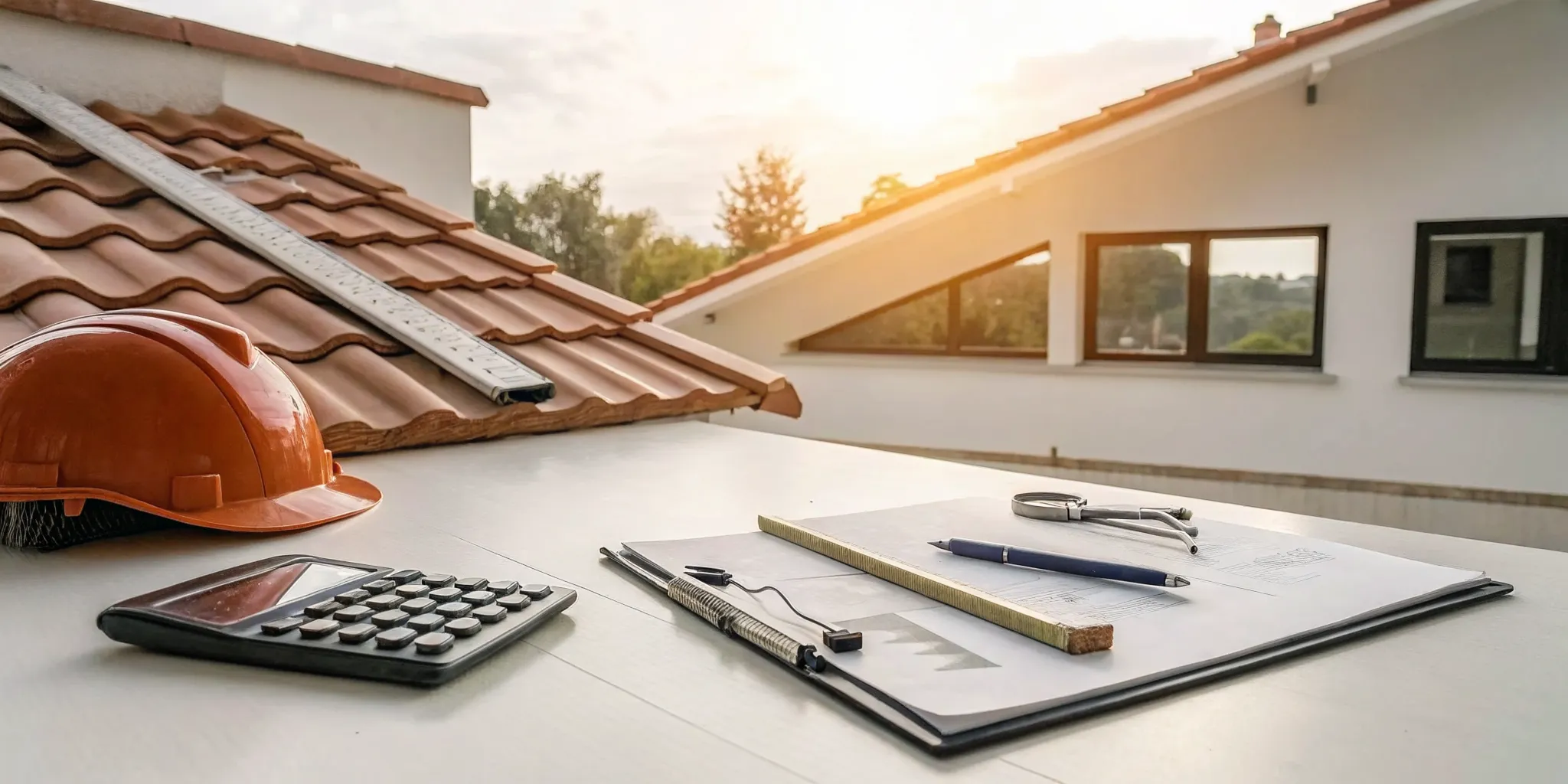
Once you’ve narrowed down your list to a few qualified contractors, ask each for a detailed, written estimate. A professional quote should be much more than just a final price. It needs to break down all the costs involved, including the specific materials being used, labor charges, permit fees, and costs for debris removal. The estimate should also outline the project timeline, payment schedule, and provide clear details about the warranties covering both materials and workmanship. Securing a thorough written estimate is essential for clear communication and financial planning. It allows you to compare offers accurately and helps prevent any surprise costs from appearing on your final bill.
Why You Should Get at Least Three Quotes
Getting multiple quotes is about more than just finding the lowest price; it’s about finding the best value and the right partner for your project. A suspiciously low bid can be a major red flag, often indicating subpar materials, rushed work, or an inexperienced crew. Instead, use this process to compare how different contractors approach your project. A detailed, itemized quote shows professionalism and transparency. It allows you to see exactly what you’re paying for, from the brand of roofing material to the cost of labor and debris removal. By comparing comprehensive estimates, you can gauge each contractor’s understanding of the job and their commitment to quality, ensuring the work is done right the first time. This is your best strategy for finding a fair price without sacrificing the long-term integrity of your new roof.
Check for Certifications and Industry Recognition
While a license and insurance are the bare minimum, top-tier contractors often have additional credentials that signal a higher level of expertise. Look for manufacturer certifications from brands like GAF or Firestone. These certifications mean the contractor has been specifically trained to install their products according to the highest standards, which often gives you access to better, more comprehensive warranties. Industry recognition or memberships in local trade associations are also great signs of a company’s commitment to their craft and community reputation. These credentials show that a contractor invests in ongoing training and is dedicated to staying on top of the latest materials and installation techniques, giving you extra confidence that your investment is in capable hands. You can often find certified installers directly on the manufacturer’s website.
Contractor Red Flags to Watch For
Trust your gut during the hiring process. If something feels off, it probably is. Be on the lookout for a few common red flags that might signal an unreliable or unprofessional contractor. Watch out for anyone who uses high-pressure sales tactics or offers a “today only” deal that seems too good to be true. Be wary of contractors who ask for a large cash deposit or the full payment upfront. A professional will have a clear payment schedule tied to project milestones. Other warning signs include a lack of a physical business address, vague answers about their experience, or an unwillingness to provide a detailed written contract.
What to Expect During Your Roof Replacement
A roof replacement project can feel like a big undertaking, but knowing what to expect makes the process much smoother. Once you’ve chosen your materials and contractor, the real work begins. Our team at Go Time Restoration prioritizes clear communication from start to finish, so you’re never left wondering what’s happening on your property. We’ll walk you through each step, from the initial tear-off to the final inspection. To help you prepare, let’s clear up some common questions and misconceptions about the replacement process.
The Replacement Process from Start to Finish
A full residential flat roof replacement is a methodical process designed to give your home a fresh start. It begins with the complete removal of all old roofing materials, stripping everything away right down to the structural deck. This step is crucial because it allows us to perform a thorough inspection of the wood underneath for any signs of rot, water damage, or weakness that might have been hidden. Once we confirm the deck is solid and sound, we install the new, high-performance roofing system layer by layer. This includes proper insulation and a seamless, waterproof membrane, ensuring every component works together perfectly to protect your home from the elements.
The Importance of a Full Tear-Off vs. Layering
You might hear about layering a new roof over an old one as a way to save money, but this is almost always a bad idea. Layering simply traps existing problems, like moisture and rot, underneath the new material, which can lead to much bigger issues later. It also prevents a proper inspection of the roof deck and adds extra weight that your home’s structure wasn’t designed to support. Most importantly, installing a new roof over an old one can void the manufacturer’s warranty on your new materials. A full tear-off is the only professional approach. It ensures a clean, stable foundation for your new roof, protects your investment, and gives you true peace of mind that the job was done right.
Debunking Common Flat Roof Myths
Let’s start by debunking a few myths. One of the biggest misconceptions is that you only need a replacement if you see an active leak. Unfortunately, by the time water is dripping into your home, significant damage may have already occurred within the roof structure. It’s better to address signs of aging, like cracking or blistering, before they become major issues.
Another common myth is that flat roofs are inherently problematic. When installed correctly with modern materials, a flat roof is a durable and cost-effective solution. The key is professional installation. Attempting a DIY replacement or hiring an inexperienced contractor can lead to poor workmanship and costly future repairs. A professional roofing service ensures your project is done right the first time.
What Happens if We Find Structural Damage?
Sometimes, when we remove the old roofing material, we uncover hidden issues with the underlying structure, like water damage or rotted decking. If this happens, we’ll stop and immediately discuss the situation with you. While patching small areas might seem like a quick fix, it often leads to bigger problems down the road, including uneven surfaces and further structural weakness.
Our priority is to provide a lasting solution. We will explain the extent of the damage and present clear options for repair or replacement of the affected sections. Addressing these structural problems is essential for the integrity and longevity of your new roof. We’ll provide a transparent breakdown of any additional costs before moving forward, ensuring your home is safe and secure.
Why Proper Drainage is Crucial
Proper drainage is everything for a flat roof. Unlike pitched roofs that use gravity to shed water, flat roofs need a well-designed system to prevent water from pooling. Ponding water is a major cause of leaks and can add significant weight to your roof, leading to structural stress over time.
During your replacement, we’ll assess your current drainage. This is the perfect opportunity to make improvements. We might recommend adding scuppers or ensuring existing drains are clear and effective. While upgrading your drainage system can add to the initial project cost, it’s a critical investment that prevents future water damage and extends the life of your new roof. We’ll help you understand the best drainage solution for your property’s specific needs.
Do You Need a Permit for Your New Roof?
Roofing projects in St. Petersburg must comply with local building regulations. These codes are in place to ensure your roof is safe, secure, and installed correctly. Most full replacements require a permit, and building codes may even require specific updates, such as adding insulation to improve energy efficiency.
Navigating permits and inspections can feel complicated, but you don’t have to handle it alone. As your licensed and insured contractor, we manage the entire permitting process for you. We make sure your new roof meets all local requirements and arrange for the necessary inspections. This ensures your project is completed without any legal holdups and gives you peace of mind knowing everything is up to code. If you have any questions, feel free to contact us.
How to Prepare for Your Roof Replacement Project
A roof replacement is a significant home improvement project, but a little preparation can make the entire process run smoothly. Knowing what to expect and how to get your home ready helps minimize disruptions and ensures the safety of your family and property. Taking a few simple steps before the crew arrives will set the stage for a successful installation and give you peace of mind from start to finish.
Your Simple Pre-Installation Checklist
Once you’ve chosen the right contractor, it’s time to prepare your home for installation day. First, clear the perimeter of your house. Move vehicles from the driveway, and relocate patio furniture, grills, potted plants, and any lawn ornaments to a safe distance. Inside, the vibrations from the work can shake things off your walls, so take down pictures, mirrors, and fragile decor. It’s also a good idea to cover items stored in your attic with tarps to protect them from dust and debris. Finally, plan for your pets and children to be away from the work area, as the noise can be loud and stressful.
How Long Will the Project Take?
Selecting the right roofing company isn’t just about price; it’s about trust, quality, and communication. Before work begins, we’ll walk you through the project timeline so you know exactly what to expect. Typically, materials are delivered a day or two before the project starts. The first day involves tearing off the old roof and inspecting the underlying structure for any damage. Next, our team begins installing your new flat roof system. Once the installation is complete, we conduct a thorough cleanup of your property, including using magnetic rollers to pick up stray nails. We believe clear communication is key to a stress-free experience.
How Weather Can Affect Your Installation
In Florida, weather can significantly impact a roofing project. It’s essential to schedule your replacement when the forecast is clear, as extreme heat, high humidity, or sudden rain can affect the installation. For example, many roofing adhesives and sealants require specific temperature ranges to cure correctly and form a watertight bond. Installing a roof during a downpour is out of the question. Our team at Go Time Restoration carefully monitors the weather to ensure we only work in conditions that are safe for our crew and optimal for the roofing materials. If bad weather is predicted, we will proactively communicate with you to reschedule.
Tips for Protecting Your Home and Yard
Keeping your home and landscaping safe is our top priority during a roof replacement. A professional contractor will take specific steps to protect your property from start to finish. We use heavy-duty tarps to cover your siding, windows, and landscaping to shield them from falling debris. All waste is contained in a designated dumpster, which helps keep your yard tidy and safe. After the job is done, we perform a detailed cleanup to ensure your property is left in the same condition we found it. By working with a reputable team, you can be confident that your home is in good hands throughout the entire roofing services process.
What Are Your Financing Options?
A flat roof replacement is a major home investment, and figuring out how to pay for it can feel just as overwhelming as choosing the right materials. The good news is you don’t have to pay for it all at once. Several financing routes can make the project much more manageable for your budget. Whether you prefer a straightforward payment plan, a traditional loan, or need help with an insurance claim, there’s likely an option that fits your situation. Understanding these choices ahead of time helps you move forward with confidence, knowing your home is protected without draining your savings. Let’s walk through the most common ways homeowners fund their new flat roof.
Financing Through Your Roofing Contractor
Many professional roofing companies understand that a new roof is a significant expense. Because of this, some offer in-house financing options to make the process smoother for their clients. This can come in the form of flexible payment plans, low-interest loans through a partner lender, or other promotional offers that let you pay for the project over time. The biggest advantage here is convenience. You can handle the installation and the financing all in one place, often with a team that can answer your questions about both. When you get your estimate, it’s always a great idea to ask your contractor directly about the financing solutions they provide.
Using a Home Improvement Loan
Another popular path is a home improvement loan. These are essentially personal loans you can get from a bank, credit union, or online lender specifically for funding projects like a roof replacement. They can be either secured (backed by collateral) or unsecured, and they typically offer more favorable interest rates than a credit card would. With a home improvement loan, you borrow a set amount to cover the full cost of the project and then pay it back in fixed monthly installments. This makes budgeting predictable and straightforward, allowing you to get the quality roof you need now and manage the cost over the next few years.
Will Insurance Cover Your Roof Replacement?
If your flat roof needs to be replaced because of damage from a storm, fire, or another covered event, your homeowner’s insurance policy may cover a significant portion of the cost. The first step is to carefully review your policy to understand what types of damage are included. Be sure to document the damage with clear photos before any work begins. From there, you’ll need to contact your insurance provider to file a claim. A professional restoration contractor can be a huge asset here, providing a detailed inspection and estimate to support your claim and ensure all related damages are accounted for in your disaster recovery services.
How a New Roof Affects Your Homeowners Insurance
A new roof is one of the best investments you can make for your home’s safety, and it can also have a positive impact on your homeowners insurance. Insurance companies determine your premiums based on risk, and an old, worn-out roof is seen as a significant liability. It’s more likely to fail during a storm, leading to expensive claims. By installing a brand-new, professionally installed roof, you are actively reducing that risk. Many insurers reward this by offering lower premiums. After your roof replacement is complete, it’s a great idea to call your insurance agent. Let them know about your upgrade and provide them with the documentation—they may be able to adjust your policy and save you money.
Replacement Cost vs. Actual Cash Value Coverage
Understanding your insurance coverage is crucial, especially when it comes to your roof. Most policies offer either Replacement Cost Value (RCV) or Actual Cash Value (ACV). RCV coverage pays the full cost to replace your roof with new materials of a similar quality. ACV, on the other hand, only pays what your roof was worth at the time it was damaged, factoring in depreciation for its age and wear. As a roof gets older, many insurance companies will switch your policy to ACV coverage, which could leave you with a payout that’s far too small to cover a full replacement. Investing in a new roof can help you qualify for full RCV coverage, giving you much better financial protection and peace of mind.
What Makes a Great Flat Roof Installation?
A new flat roof is a major investment, and getting it right from the start saves you headaches and money down the road. Beyond just picking a contractor, a successful replacement hinges on a few critical decisions that protect your property for years to come. Focusing on quality materials, proper drainage, and professional installation ensures your new roof is built to last, especially under the Florida sun. Let’s walk through the most important factors.
Start with High-Quality Materials
Choosing the right material for your flat roof is one of the most important first steps. Here in Florida, your roof has to stand up to intense sun, heavy rain, and high humidity. Materials like TPO and PVC are popular choices because they are durable and come in white or light colors that reflect sunlight, which can help lower your cooling costs. When you’re exploring options for shingle, flat, and tile roofs, think about both long-term performance and energy efficiency to get the best value from your investment.
Don’t Overlook Proper Drainage
One thing you can’t compromise on with a flat roof is drainage. Unlike sloped roofs that use gravity to shed water, flat roofs need a well-designed system to prevent water from pooling. Even a small amount of standing water can lead to leaks, material degradation, and eventually, serious structural damage. A professional installation should always include a solid drainage plan, using features like internal drains or scuppers to effectively channel water away from the roof’s surface. This is a critical detail that protects your entire home.
Why Professional Installation Matters
While a DIY project might seem tempting, flat roof installation is a job best left to the pros. The stakes are just too high; a small mistake can lead to widespread and expensive water damage. A licensed and insured contractor has the right tools, training, and experience to handle the complexities of flat roofing, from proper sealing to integrating drainage. Before hiring anyone, ask to see photos of their past projects and don’t hesitate to get a detailed estimate in writing. This ensures you know exactly what you’re paying for and can trust the job will be done right.
How an Energy-Efficient Roof Can Save You Money
An often-overlooked benefit of a roof replacement is the chance to improve your home’s energy efficiency. Modern roofing materials do a much better job of insulating your home and reflecting the sun’s rays than older systems. This “cool roof” technology means your air conditioner doesn’t have to work as hard to keep your home comfortable, especially during our hot St. Petersburg summers. Choosing an energy-efficient material can lead to noticeable savings on your utility bills each month, making it a smart investment that pays for itself over time.
How to Maintain Your New Flat Roof
Getting a new flat roof is a fantastic investment in your home. To get the most out of it for years to come, a little proactive care goes a long way. Especially here in Florida, where intense sun and heavy rains put our roofs to the test, staying on top of maintenance is crucial. By following a simple schedule, practicing some preventive care, and knowing when it’s time to call for backup, you can keep your roof in top condition and protect your home from costly headaches.
A Simple Maintenance Schedule to Follow
A routine goes a long way in extending your roof’s life. I recommend inspecting your flat roof twice a year, in the spring and fall, to prepare for storm season. During these checks, clear your gutters and drains so water can flow freely. A key part of long-term care is having the roof coated every five years. This protective layer acts as a shield against UV rays and water, which is essential for durability. Sticking to a schedule makes managing your roofing services a planned expense rather than a sudden emergency.
Easy Preventive Care Tips for Your Flat Roof
Beyond scheduled inspections, a few habits make a huge difference. After a heavy rain, check for pooling water. Puddles that remain for more than 48 hours can signal a drainage problem. Regularly sweep away leaves and twigs that trap moisture and degrade the roof material. Addressing small issues right away is always the best approach. Trying to patch large damaged areas can create more problems, like uneven surfaces that lead to more water damage. It’s always smart to get a professional opinion before a small crack becomes a major leak.
When to Call a Professional for Repairs
Even with great maintenance, you might spot trouble. Look for cracks, blisters, or bubbles on the roof’s surface. Check the seams and flashing around vents for any signs of pulling away. If you see water stains on your ceiling, that’s a clear signal to act fast. There’s also a general guideline: if more than 25% of your roof is damaged, a replacement is often more practical than extensive repairs. When you see these warning signs, it’s time to call in experts for a thorough inspection and reliable damage restoration.
Related Articles
Frequently Asked Questions
How long does a typical flat roof replacement take? Most residential flat roof replacements can be completed in just a few days. The exact timeline depends on the size of your roof, the weather, and whether we find any hidden structural damage that needs to be addressed. We always provide a clear project schedule before we begin so you know exactly what to expect from start to finish.
Are flat roofs a good option for homes in Florida? Absolutely. Modern flat roofing systems are designed to perform exceptionally well in our climate. Materials like TPO and PVC are highly resistant to UV damage and heavy rain. Plus, their reflective properties can help keep your home cooler, which is a huge advantage during our long, hot summers. With professional installation and proper drainage, a flat roof is a durable and energy-efficient choice for any Florida home.
How long can I expect my new flat roof to last? The lifespan of your new roof depends heavily on the material you choose and how well it’s maintained. Most modern flat roofing systems, such as TPO, PVC, and EPDM, are designed to last between 20 and 30 years. Regular inspections and routine care are the best ways to ensure you get the maximum life out of your investment.
Can I walk on my new flat roof? It’s best to limit foot traffic on your flat roof to prevent unnecessary wear and tear. While some materials like PVC are built to be more durable and can handle occasional walking for maintenance, no residential roof is designed to be a patio or deck unless it was specifically constructed for that purpose. If you plan to have regular foot traffic, let us know so we can recommend the most resilient material for your needs.
Will a new roof really help lower my energy bills? Yes, it certainly can. Many modern flat roofing materials are known as “cool roofs” because they are light-colored and designed to reflect sunlight instead of absorbing it. This reduces the amount of heat that transfers into your home, which means your air conditioning system doesn’t have to work as hard to keep you comfortable. Over time, this can lead to noticeable savings on your monthly energy costs.