That check from the insurance company can feel like the finish line, but it’s really just the starting gun. It’s tempting to see those funds as a financial cushion, especially if the damage seems minor from the ground. But that money has a specific job: restoring your home’s most critical shield. Pocketing the cash and delaying repairs on your hail damage roof can lead to denied claims, long-term structural issues, and even trouble with your mortgage lender. Before you make a decision, understanding these risks is key to protecting your home’s value and your financial future.
Key Takeaways
- Inspect and document damage immediately: After a storm, check your roof for dark spots on shingles, granules in gutters, and any new water stains on your ceilings. Taking clear photos of all damage provides crucial evidence for your insurance claim.
- Know your policy’s fine print: Before filing a claim, understand your deductible, which could be a percentage of your home’s value, and be aware of your policy’s deadline for reporting damage. This knowledge helps you manage expectations and avoid a denied claim.
- Complete the repairs to protect your home: Using your insurance payout for anything other than the intended repairs is a major risk. It can lead to denied future claims, long-term structural damage from leaks, and even put you in violation of your mortgage agreement.
What Is Hail Damage and Why Should You Care?
After a Florida storm passes, it’s easy to feel relieved and move on with your day. But even small hailstones can cause significant problems for your roof that aren’t always visible from the ground. Understanding what hail damage looks like and the risks of ignoring it is the first step in protecting your home. This isn’t just about a few cosmetic dings; it’s about preserving the structural integrity of your roof and ensuring your home stays safe and dry. Ignoring the signs can lead to bigger, more expensive problems down the road, turning a manageable repair into a major restoration project.
What Does Hail Damage Actually Look Like?
Hail damage is any physical harm caused to your property by falling hailstones. While we often think of dented cars, your roof is the most vulnerable part of your home during a hailstorm. The impact from hail can crack, bruise, or puncture roofing materials, compromising their ability to protect your home from the elements. According to Travelers Insurance, this type of damage is surprisingly common and can affect everything from your shingles to your gutters and siding. It’s important to recognize that even if the hail seems small, the cumulative effect of hundreds of impacts can seriously weaken your roof’s defenses.
From Dents to Cracks: How Hail Harms Your Roof
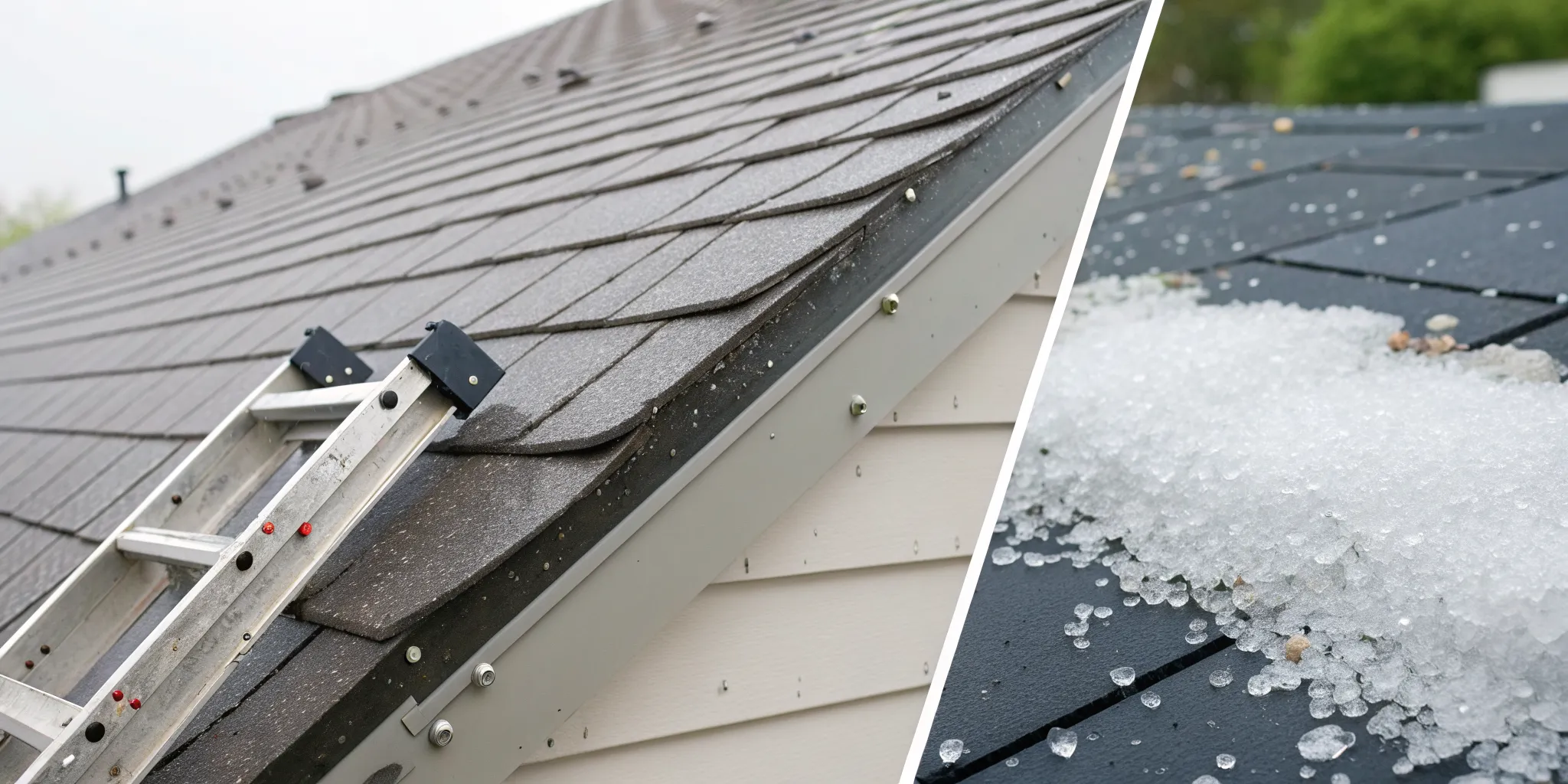
Hail’s impact on your roof varies depending on the material, but some signs are universal. On asphalt shingles, you might see dark spots or dents where the protective granules have been knocked off. These granules are essential for shielding the shingle from UV rays, and their loss can accelerate your roof’s aging process. You may also find cracks in shingles, which create direct paths for water to seep into your home. For tile roofs, hail can cause chipping or cracking, compromising the entire system. A professional roofing services team can identify these issues and prevent them from leading to leaks and water damage.
The Staggering Cost of Hailstorms
It might seem like a localized problem, but the financial impact of hail is massive. Across North America, hailstorms cause over $10 billion in damages each year, affecting countless homes and properties. This isn’t just a statistic; it’s a clear indicator of how seriously insurance providers and roofing professionals take hail events. When you file a claim, you’re tapping into a system designed to handle one of the most consistently destructive weather phenomena. The significant cost associated with these storms is why your insurance settlement is calculated so carefully and why using it for its intended purpose—restoring your roof—is critical for protecting your investment and ensuring you remain insurable in the future.
Factors That Influence Hail’s Impact
You might wonder why your home has significant damage while your neighbor’s seems untouched. The truth is, hail’s impact is influenced by several variables. Wind is a major one; high winds can drive hailstones at an angle, causing them to strike with greater force. The size and density of the hail also matter, with stones ranging from pea-sized to as large as a softball. Of course, your roofing material plays a huge role. Hail might dent asphalt shingles but could crack or shatter tile. Because this damage can be so specific and seemingly random, it’s always best to get a professional opinion. A thorough inspection from a disaster recovery team can uncover hidden issues that an untrained eye might miss, ensuring your home is truly secure.
What Happens If You Don’t Fix Your Roof?
Leaving hail damage unaddressed is a gamble you don’t want to take. What starts as a minor issue can quickly spiral into a major headache. A compromised roof is an open invitation for water to enter your attic, leading to wood rot, damaged insulation, and even mold growth. Beyond the physical damage, there are serious insurance implications. If you receive an insurance payout for hail damage but don’t complete the repairs, your provider may deny future claims for related issues, like a leak that develops later. In some cases, they could even decide to drop your coverage, making it difficult to find a new policy.
Will Insurance Cover Hail Damage to Your Roof?
After a hailstorm, one of the first questions that pops into your head is probably, “Am I covered for this?” For most homeowners, the answer is yes, but the details can get a little tricky. Your insurance policy is a contract, and understanding what it does and doesn’t cover is the first step toward a smooth claims process. While standard policies are designed to protect you from storm damage, things like deductibles, coverage limits, and specific exclusions can make a big difference in your final payout.
Think of it this way: your policy is your rulebook for getting your home repaired. Knowing the rules before you start the game gives you a major advantage. We’ll walk through what you can typically expect from your coverage, clear up some common confusion, and explain the fine print so you know exactly where you stand. This knowledge will help you work effectively with your insurance company and your roofing contractor to get your home back in top shape without any unwelcome surprises.
Decoding Your Policy: What’s Usually Covered
The good news is that most standard home insurance policies do cover hail damage. This protection usually falls under your dwelling coverage, which is the part of your policy that pays for repairs to your home’s physical structure. This means damage to your roof, siding, windows, and gutters is generally included. If a hailstone shatters a window or leaves a trail of dents across your siding, your policy is there to help. The goal of this coverage is to restore your home to the condition it was in before the storm hit, ensuring your property remains safe and secure.
Beyond the Roof: Other Policy Coverages
Hail damage isn’t always confined to your roof. A severe storm can batter your entire property, from the shed in your backyard to the fence lining your property. That’s why your homeowners insurance policy includes protections that extend beyond the four walls of your house. These additional coverages are designed to provide a comprehensive safety net, addressing the full scope of potential storm damage. Understanding these parts of your policy is just as important as knowing your dwelling coverage, as they can provide critical financial support for repairing other structures or even help you cover living expenses if the damage forces you out of your home temporarily.
Other Structures Coverage
This part of your policy, often called Coverage B, protects structures on your property that aren’t attached to your main house. Think of your detached garage, storage shed, or gazebo. Most policies automatically include this coverage, typically setting the limit at 10% of your total dwelling coverage. For example, if your home is insured for $400,000, you would have up to $40,000 to repair or replace these other structures. This is crucial after a hailstorm, which can easily dent a metal shed or damage the roof on a detached garage, ensuring your entire property gets the attention it needs.
Loss of Use Coverage
If a hailstorm causes such severe damage that your home becomes uninhabitable, Loss of Use coverage is a lifesaver. Also known as Additional Living Expenses (ALE), this coverage helps pay for the costs of living elsewhere while your home is being repaired. It can cover expenses like hotel bills, rent for a temporary apartment, and even the extra cost of restaurant meals if you don’t have access to a kitchen. This financial support allows you to maintain your family’s standard of living during a stressful time. When facing extensive disaster recovery, knowing you have this coverage provides peace of mind.
Don’t Fall for These Hail Coverage Myths
There’s a lot of misinformation out there about hail claims, so let’s clear a few things up. First, many people worry that filing a claim for hail damage will cause their premium to skyrocket. While policies can vary, claims for “acts of God” like weather events typically don’t impact your rates in the same way an at-fault claim would. Another common point of confusion is car damage. If hailstones dented your car in the driveway, that damage is covered by your auto insurance policy, not your home insurance, provided you have comprehensive coverage.
What Won’t Your Insurance Policy Cover?
While your policy covers hail damage, it isn’t a blank check. Your insurance will pay for repairs up to your coverage limit, which is the maximum amount your policy will pay out for a claim. Before you get that check, however, you’ll need to pay your deductible. It’s also important to read the fine print for any exclusions. Some policies might not cover “cosmetic” damage that doesn’t affect the roof’s function. In areas prone to hailstorms, some insurers add a separate, higher deductible specifically for hail or wind damage, so be sure to check your documents for those details.
Your Hail Claim Deductible, Explained
Your deductible is the amount of money you have to pay out of pocket before your insurance coverage kicks in. For example, if your roof repair costs $10,000 and your deductible is $1,000, you’ll pay the first $1,000, and your insurer will cover the remaining $9,000. Some policies have a flat-rate deductible, but for hail damage, it’s common to see a percentage-based deductible. This is usually 1% to 2% of your home’s insured value. For a $300,000 home, a 2% deductible would be $6,000, a much higher out-of-pocket cost than a flat $1,000.
How Insurance Companies Calculate Your Payout
Several factors influence the final amount your insurance company will pay. The adjuster’s assessment is a big one; they will inspect the damage to determine the scope of the necessary repairs. This is why your own documentation is so important. As experts note, making your documentation stand out requires attention to detail. Your policy type also plays a huge role. A Replacement Cost Value (RCV) policy pays to replace your roof with new materials, while an Actual Cash Value (ACV) policy only pays for the depreciated value of your old roof. Having a trusted contractor’s estimate provides a crucial comparison point to ensure you get a fair settlement.
How to Spot Hail Damage on Your Roof
After a hailstorm passes, it’s easy to assume everything is fine if you don’t see any obvious problems from the ground. But hail can cause significant issues that aren’t immediately apparent. Knowing what to look for is the first step in protecting your home from long-term damage. It’s important to check for signs both outside and inside your home, as even small impacts can compromise your roof’s integrity. This process helps you gather the information you need before filing an insurance claim and calling in a professional for repairs.
A Visual Guide to Spotting Damage Outside
Start by looking at your roof from a safe vantage point. On asphalt shingles, hail hits might look like dark spots or bruises where the granules have been knocked away. You might even notice the underlying asphalt mat looks shiny. These spots can feel soft to the touch, almost like a bruise on an apple. Also, check your gutters for an accumulation of shingle granules, as this is a clear sign of impact. For other materials, look for cracks, chips, or dents. If you have any questions about what you’re seeing, a professional inspection of your roofing services can give you a definitive answer.
On Asphalt Shingles
Asphalt shingles are one of the most common roofing materials, and they have a very specific way of showing hail damage. Look for dark, circular spots where the hail has impacted the surface. These hits often knock off the protective granules, exposing the underlying asphalt mat, which might look shiny or black. You may also find a collection of these granules in your gutters or at the bottom of your downspouts. According to Travelers Insurance, these impact marks can feel soft and spongy, much like a bruise on an apple. This loss of granules is more than just a cosmetic issue; it weakens the shingle’s ability to protect your home from UV rays and moisture, which can shorten your roof’s lifespan.
On Wood Shingles
If you have a wood shingle or shake roof, hail damage can look a bit different. Instead of bruises, you’re more likely to see splits in the wood. These splits often appear random and can be distinguished from natural weathering by their fresh, brown or orange color. The edges of a hail-induced split will typically be sharp and crisp, unlike the worn, graying edges of an old crack. You might also spot dents or impact marks along the splits, which is a clear giveaway that the damage came from hail. Because wood can be tricky to assess, having a professional take a look is always a good idea to confirm the cause of the damage.
On Clay or Concrete Tiles
Tile roofs are incredibly durable, but they aren’t immune to the force of a severe hailstorm. When inspecting a tile roof, look for any tiles that are chipped, cracked, or completely shattered. The impact from large hailstones can easily break these materials. You should also check for tiles that have been shifted out of place or have slid down, exposing the underlayment beneath. Even a single cracked tile can create a direct path for water to enter your home, leading to leaks and potential structural issues. If you notice any of these signs, it’s important to contact a professional, as walking on a damaged tile roof can be dangerous and cause further problems.
On Other Roof Components
Hail damage isn’t limited to just the shingles or tiles. It’s crucial to inspect the entire roofing system for signs of impact. Check metal components like flashing, roof vents, skylight frames, and chimney caps for dents or dings. Gutters and downspouts are also highly susceptible to denting from hail. As noted by roofing experts at Owens Corning, damage to these elements can be just as problematic as damage to the main roof surface. For example, dented flashing can break its seal, creating an easy entry point for water. A thorough inspection should always include these often-overlooked but critical parts of your roof.
On Siding and Around Your Property
Sometimes, the most obvious signs of a hailstorm aren’t on your roof at all. Take a walk around your property and look for collateral damage. Check your siding for cracks, chips, or dents, especially on the side of your home that faced the storm. Look at your air conditioning unit for dented fins, and inspect any painted wood surfaces, like a deck or window trim, for chipped paint. Even your landscaping can offer clues—hail can shred leaves on trees and plants. Documenting this widespread damage can strengthen your insurance claim by providing clear evidence of the storm’s intensity and its impact on your entire property.
Indoor Clues That Point to a Damaged Roof
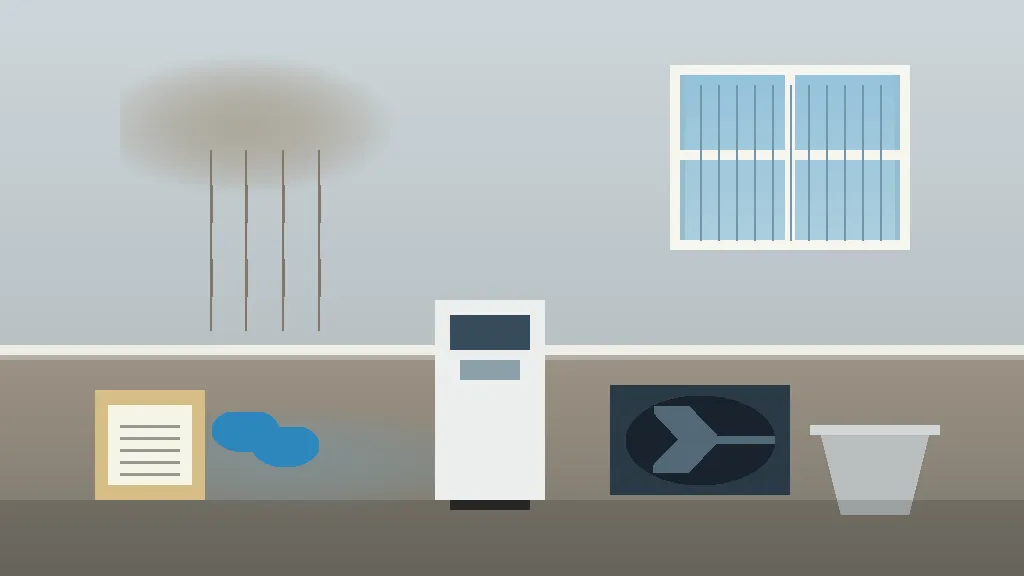
Hail damage isn’t just an exterior problem. Once the protective outer layer of your roof is compromised, water can find its way inside. Head up to your attic or check the ceilings on your top floor for any signs of moisture. Look for water stains, discoloration, or peeling paint on your ceilings and walls. A new leak after a storm is a major red flag that your roof has been damaged. Catching these interior signs early can help you address the need for water damage restoration before it leads to more serious issues like mold or structural problems.
DIY Inspection vs. Calling a Pro: What’s Best?
While you can spot some signs from the ground or inside your home, getting on your roof can be dangerous, especially if it’s wet or has loose shingles. If you aren’t comfortable or don’t have the right safety gear, it’s always best to call a professional. A trained roofer can safely assess the extent of the damage and identify issues you might miss. Consider hiring a professional to inspect your home’s exterior if you suspect damage but can’t check it yourself. Our team offers comprehensive damage restoration services and can give you an accurate assessment to include with your insurance claim.
Is It Hail or Something Else?
After a storm, it’s easy to attribute every new mark on your roof to hail. But insurance adjusters are trained to distinguish between storm damage and other common roof issues. Understanding these differences yourself can save you a lot of time and frustration during the claims process. Sometimes, what looks like hail damage is actually just the natural aging of your roof or even a flaw from when the shingles were made. Knowing how to tell them apart is key to building a successful claim and ensuring you get the right kind of help for your home.
Normal Wear and Tear
Just like anything else exposed to the Florida sun and rain, your roof has a lifespan. Over the years, shingles naturally get old and brittle. This normal wear and tear can show up as blistering, cracking, flaking, or a gradual loss of the protective granules. You might also see algae growth, which often appears as dark streaks. Unlike the random, dent-like patterns of hail, these signs of aging are usually more uniform across the roof. Insurance is designed to cover sudden and accidental damage, not the expected decline of your roof over time.
Manufacturing Defects
Occasionally, the problem isn’t with the weather or the age of your roof, but with the shingles themselves. Shingles can have flaws from when they were made that look surprisingly similar to hail damage. These manufacturing defects might include widespread blistering or cracking that doesn’t align with a storm’s path. If your roof’s issues stem from a product flaw, the responsibility typically falls on the manufacturer, not your insurance company. A professional can help you identify these problems and determine if a warranty claim is the more appropriate route for getting your roofing services covered.
Get Your Camera Ready: How to Document Everything
Proper documentation is your best friend when filing an insurance claim. As soon as it’s safe, take clear, detailed photos of any damage you find. Capture wide shots of the roof and close-ups of specific impacts on shingles, gutters, vents, and siding. More evidence helps your insurance adjuster understand the full scope of the damage. It’s also a good idea to write down the date and time the storm occurred. Keeping a simple log of events, including when you first noticed the damage and when you called for an inspection, creates a helpful timeline for your claim and any necessary disaster recovery services.
Your Action Plan for Filing a Hail Damage Claim
Dealing with roof damage is stressful enough without adding a complicated insurance claim to the mix. But don’t worry, the process is much more manageable when you break it down into clear, simple steps. Think of this as your roadmap to getting your claim filed correctly and efficiently, so you can get back to feeling safe and secure in your home. Following these steps will help you stay organized and ensure you provide your insurance company with everything they need.
First, Prioritize Safety and Temporary Fixes
After a hailstorm, your first priority is to make sure everyone is safe. Check for immediate dangers like fallen power lines, broken glass, or unstable structures before you do anything else. If you notice active leaks, it’s important to make temporary repairs to prevent further water damage inside your home. This could mean placing a tarp over the damaged section of your roof or moving furniture and valuables out of the way. Taking these small, preventative steps shows your insurance company that you’re doing your part to mitigate the damage, which can be a big help for your claim.
Next, Call Your Insurance Company ASAP
Once the area is safe, your next call should be to your insurance company. The sooner you report the damage, the sooner you can start the claims process. When you call, have your policy number handy and be ready to give a clear, honest description of what happened. Your insurance agent will walk you through the next steps, explain your coverage, and let you know about any deductibles you’ll need to pay. This initial call gets the ball rolling and assigns a claims adjuster to your case, so don’t put it off. Promptly filing a claim is one of the most important things you can do.
Then, Take Photos of All the Damage
Before any repairs begin, document the damage thoroughly. Your smartphone is your best tool here. Take clear photos and videos of everything, not just the obvious spots. Get pictures of dented shingles, cracked tiles, damaged gutters, and any harm to your siding or windows. If it’s safe, take photos of hailstones next to a ruler or coin for scale. These visuals serve as powerful proof for your insurance adjuster and create a detailed record of the storm’s impact. Also, be sure to keep a folder with all your photos, repair receipts, and any communication you have with your insurance company.
Meet With Your Adjuster and a Trusted Roofer
Your insurance company will send an adjuster to inspect the damage and estimate the repair costs. It’s a great idea to have a professional roofer meet them at your property. A trusted expert from a company like Go Time Restoration can point out damage the adjuster might overlook and ensure the assessment is fair and complete. Our team knows exactly what to look for and can provide a detailed estimate that reflects the true cost of a quality repair. Having a professional advocate for you during the inspection can make a significant difference in your claim’s outcome and ensures your roofing services are covered properly.
Don’t Miss Your Filing Deadline
Every insurance policy has a time limit for filing a claim after a damaging event occurs. This is often referred to as a statute of limitations, and it can vary depending on your policy and state regulations. It’s crucial to read your policy documents or speak with your agent to understand your specific deadline. Waiting too long to file can result in your claim being denied, leaving you to cover the full cost of repairs yourself. Don’t assume you have unlimited time; find out your deadline and make sure you submit everything well before it passes.
Avoid These Common Claim-Filing Mistakes
A few common missteps can unfortunately complicate the claims process. One of the biggest is not documenting the damage well enough, so be sure to take plenty of photos. Another is waiting too long to report the damage, which can lead to a denial. Some homeowners also accept the first settlement offer without getting a second opinion from a trusted contractor. If you feel overwhelmed or unsure about any part of the process, don’t hesitate to ask for help. A professional team can guide you, answer your questions, and help you avoid these pitfalls. If you need assistance, please contact us for support.
After the Claim: Choosing Your Repair Strategy
Once you have the settlement check, the real work begins. This is your opportunity to not just fix the damage but to make smart choices that protect your home for years to come. The decisions you make now—from whether to repair or replace your roof to the contractor you hire—will determine the long-term health of your property. Let’s walk through how to develop a solid repair strategy that makes the most of your insurance payout and secures your home against future storms.
Repair or Replace? Making the Right Call for Your Roof
Hail damage can be tricky; it doesn’t always hit your roof evenly. Your neighbor’s home might be fine while yours has significant issues. The key is understanding that even seemingly minor damage can create pathways for water to get in. If you’re already seeing yellow or brown stains on your ceiling, peeling paint, or smelling musty odors, your roof is telling you it needs more than a simple patch job. A full replacement might seem like a big step, but it’s often the most cost-effective solution in the long run, preventing the need for future water damage restoration. A professional inspection is the only way to know for sure.
Preventing Future Damage with Impact-Resistant Materials
Living in Florida means preparing for the next storm is always a good idea. When you’re repairing or replacing your roof, consider it an opportunity to upgrade your home’s defenses. Investing in impact-resistant materials can save you a lot of stress and money down the line. For example, installing “Class 4” impact-resistant shingles can significantly reduce damage from future hailstorms. For even greater protection, materials like DECRA metal roofs are engineered to withstand major impacts and often come with warranties against hail damage. Discussing these options with your contractor can help you choose the best long-term solution for your home and budget.
How to Choose a Trustworthy Roofing Contractor
The single most important decision you’ll make in this process is choosing the right contractor. The quality of their work will determine whether your roof stands strong for decades or fails during the next storm. A great contractor will not only perform a high-quality installation but also act as your advocate, ensuring the job is done right and meets all local building codes. Taking the time to find a trustworthy professional is an investment in your home’s safety and your peace of mind.
Vetting Your Options
When you start looking for a contractor, do your homework. Don’t just go with the first name you find. Ask for references from past clients and take the time to read online reviews. It’s also smart to get detailed, written quotes from at least three different companies to compare costs and the scope of work. Most importantly, verify that any contractor you consider is fully licensed and insured. A reputable company will gladly provide this documentation. This step protects you from liability and ensures you’re working with a legitimate professional who stands behind their roofing services.
Avoiding “Storm Chasers”
After a major storm, you might notice an influx of contractors knocking on doors and offering quick, cheap repairs. Be cautious of these “storm chasers.” They often travel from out of state, perform subpar work using low-quality materials, and are gone before any problems with their installation become apparent. A major red flag is a contractor who pressures you to sign a contract on the spot. It’s always better to hire a local, established professional. A local company has a reputation to uphold in the community and will be there to honor their warranty if you need them in the future.
Got the Check? Why You Still Need to Fix Your Roof
Receiving a check from your insurance company after a hail storm can feel like a huge relief. It might even be tempting to see that money as a bonus and put off the repairs, especially if the damage doesn’t look too bad from the ground. But here’s the thing: that check isn’t a windfall. It’s a dedicated fund to restore your home’s most important line of defense.
Using that money for anything other than its intended purpose can lead to serious problems down the road. From denied insurance claims to major structural issues, the consequences of delaying your roof repair far outweigh the short-term financial gain. Think of it as an investment in your home’s safety, value, and your own peace of mind. Before you decide to pocket the cash, let’s walk through the five biggest risks you’d be taking.
Risk #1: Your Next Claim Might Be Denied
Your insurance provider approved your claim and paid you to fix specific hail damage. If you don’t complete the repairs and another storm hits, they have every right to deny your next claim. Why? Because they already paid to fix the problem. They won’t cover new damage if the old, documented damage was never addressed. This also applies to issues that stem from the original problem, like a roof leak that develops months later. By not using the funds for professional roofing services, you’re essentially telling your insurer that you accept the current risk, and they are no longer obligated to cover it.
Risk #2: You Could Face Structural Damage
A hail-damaged roof is a compromised roof. Even small dings and cracks can allow water to seep into your home’s structure over time. This moisture can lead to wood rot, saturated insulation, and widespread mold growth, creating much bigger and more expensive problems than the initial hail damage. What starts as a simple roof repair can quickly turn into a need for extensive water damage restoration. In some cases, your insurer may even choose to drop your coverage altogether if they discover you neglected essential repairs, making it difficult to find a new policy.
Risk #3: It Can Create Mortgage Problems
Pocketing the insurance money without making repairs can land you in hot water. Attempting to file a second claim for the same damage you were already paid for is a form of insurance fraud. Beyond that, your mortgage lender has a vested interest in your property. Most mortgage agreements require you to maintain the home in good condition. Failing to repair significant roof damage could be seen as a violation of your loan terms. Your lender can even demand that the repairs be made and may take action if you don’t comply.
Risk #4: You’re Hurting Your Home’s Value
Your roof is one of the first things potential buyers and home inspectors notice. A visibly damaged or deteriorating roof can drastically reduce your property’s curb appeal and overall market value. Buyers are often unwilling to take on a home that needs immediate, costly repairs. Even if you’re not planning to sell anytime soon, neglecting your roof allows the damage to worsen, which will only make the eventual replacement more expensive. A well-maintained roof is a key selling point, while a damaged one is a major liability.
Risk #5: You Could Lose Your Insurance Policy
Many homeowners don’t realize that the first check they receive from their insurer might not be the full amount. Insurance payouts are often split into two parts: the Actual Cash Value (ACV) and the Recoverable Depreciation. You get the ACV upfront, but to receive the depreciation funds, you must submit proof that the repairs have been completed. By not fixing your roof, you’re leaving that second check on the table. It’s a direct financial loss, and it shows your insurer you’re not holding up your end of the policy agreement.
Related Articles
Frequently Asked Questions
How long do I have to file a hail damage claim? This is a great question, and the answer depends on your specific insurance policy and Florida state regulations. Generally, you have a limited window of time, often up to a year, but you should never wait that long. The sooner you file, the easier it is to link the damage directly to a specific storm. Acting quickly helps streamline the process and prevents any issues with filing deadlines.
Will my insurance premium go up if I file a hail claim? Most of the time, no. Insurance companies typically classify hail damage as an “act of God,” meaning it was caused by a natural event beyond your control. Unlike an at-fault accident, a weather-related claim on your homeowner’s policy usually doesn’t cause your individual rate to increase. However, if a major storm causes widespread damage in your area, it could lead to a general rate adjustment for the entire region.
What should I do if my contractor’s estimate is higher than what my insurance adjuster offered? This happens more often than you’d think, so don’t panic. A trusted contractor can provide a detailed, line-item estimate that justifies the cost of materials and labor for a quality repair. They can also communicate directly with your adjuster to discuss any discrepancies, point out damage that may have been overlooked, and ensure the settlement is fair and covers the full scope of work.
Do I really need to fix small dings that just look cosmetic? Yes, it’s very important. What might look like a minor cosmetic issue, such as granules knocked off an asphalt shingle, is actually a big deal. Those granules are your roof’s primary shield against UV rays and water. Once they’re gone, the shingle deteriorates much faster, which can lead to leaks and shorten your roof’s lifespan. Addressing these small spots now prevents much larger, more expensive problems later.
What happens if I already spent the insurance money on something else? Using the insurance funds for other purposes puts your home at significant risk. First, you won’t be able to claim the recoverable depreciation, which is often a large portion of the total payout that you only get after showing proof of repairs. More importantly, you are now responsible for any future issues that arise from the unrepaired damage. If a leak develops or another storm hits, your insurer can deny the new claim because they already paid you to fix the problem.