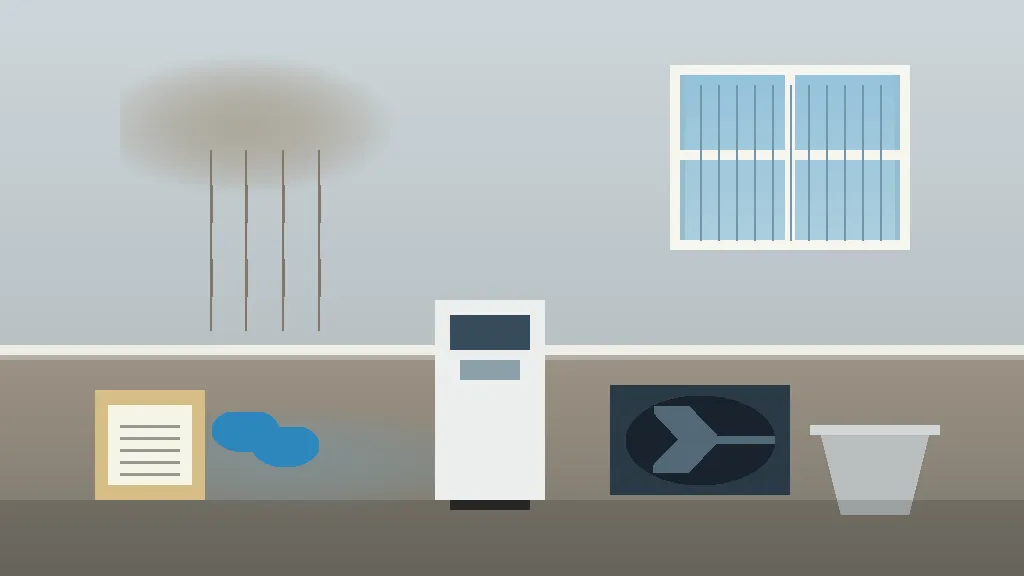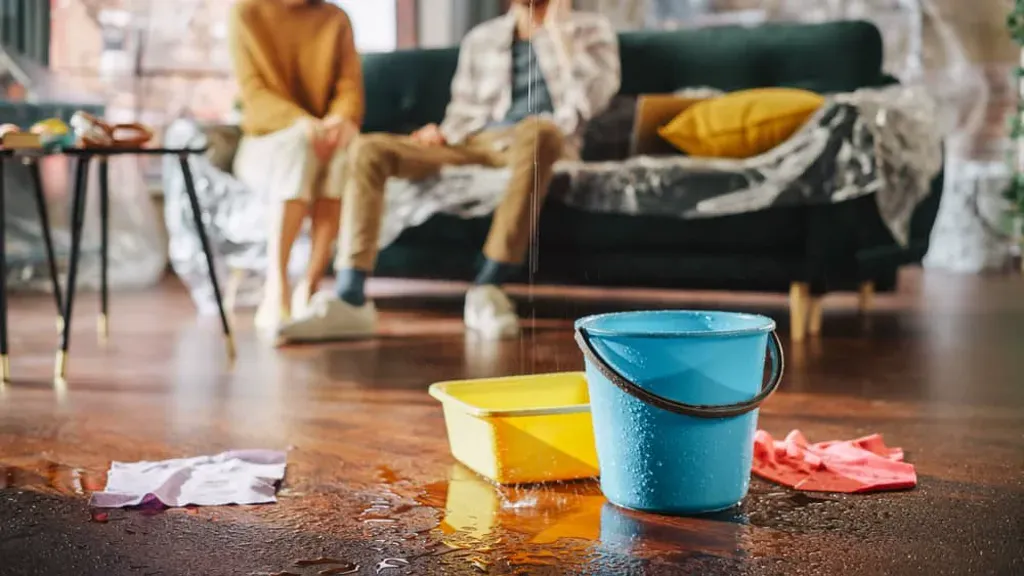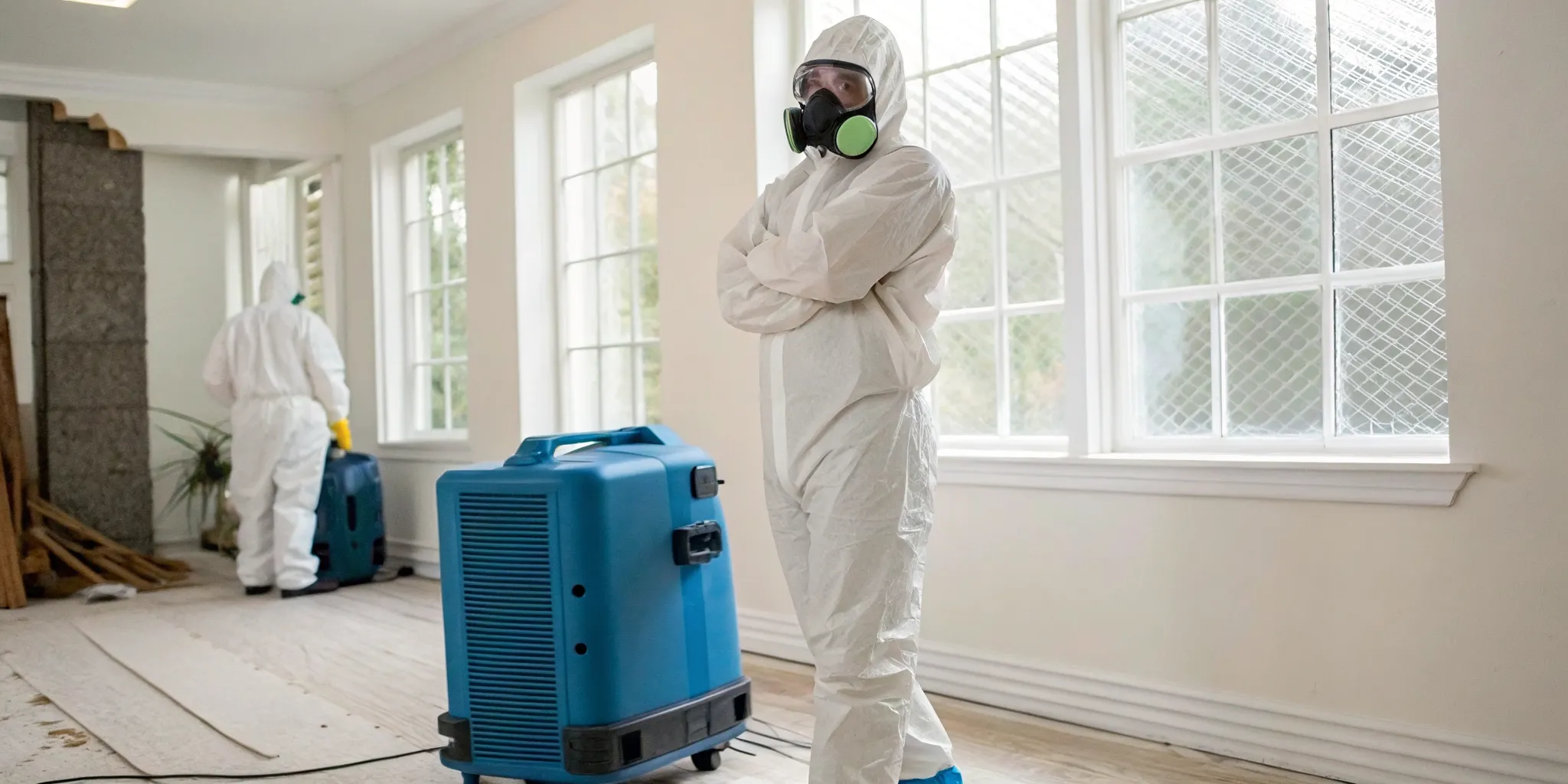
That dark spot on the wall is more than just an ugly stain—it’s a warning sign. What you see is often just the tip of the iceberg, with a much larger colony thriving behind drywall or under your floors. Simply scrubbing the surface won’t solve the underlying problem. In fact, it can release millions of harmful spores into the air you breathe. This is why professional, certified mold removal is so critical. It’s a comprehensive process that addresses the root cause, ensuring the entire problem is eliminated for good and restoring your home to a safe, healthy space.
Key Takeaways
- Prioritize Certified Professionals for Safe Removal: Hiring a company with credentials from organizations like NORMI ensures they follow strict safety protocols. This protects your family’s health from airborne spores and provides the proper documentation needed for insurance claims.
- A Professional Plan Addresses the Entire Problem: Proper mold remediation is more than just cleaning. It involves containing the area to prevent cross-contamination, using HEPA filters to purify the air, and fixing the original moisture source for a permanent solution.
- View Professional Service as a Necessary Investment: While DIY methods may seem cheaper initially, they often spread contamination and fail to solve the root cause. Investing in a certified team saves you from future health risks, recurring mold growth, and more expensive repairs down the road.
Understanding Mold: What Every Homeowner Should Know
Mold is more than just a household nuisance; it’s a type of fungus that thrives in damp, warm, and humid conditions—making Florida homes a perfect breeding ground. Its main purpose in nature is to break down dead organic material, but when it starts growing inside your house, it can cause serious problems for both your property and your health. Mold reproduces by releasing tiny spores into the air, which can then land on wet surfaces and begin to grow. Because these spores are microscopic and ever-present, the key to preventing mold is controlling moisture. Once it finds a water source, like a leaky pipe or condensation, it can establish a colony and spread quickly through your home.
How Quickly Can Mold Grow?
It’s shocking how fast a small moisture problem can turn into a full-blown mold infestation. Under the right conditions, mold can begin to grow in as little as 24 to 48 hours. Think about that—a minor leak from your dishwasher or a bit of water intrusion after a heavy rainstorm can create a thriving mold colony in just two days. This rapid growth is why it’s so important to address any source of water damage immediately. What seems like a small, manageable issue can quickly spread behind walls and under floors, becoming a much larger and more complex problem to solve if left unchecked.
The Myth of Mold and Cleanliness
Many people believe that mold only grows in dirty or neglected homes, but that’s simply not true. Mold is an equal-opportunity invader; it doesn’t care how often you scrub your floors or dust your shelves. All it needs to thrive is moisture, oxygen, and an organic food source like wood, drywall, or even dust. A brand-new, spotless home can develop a mold problem just as easily as an older one if there’s a hidden leak behind a wall, poor ventilation in a bathroom, or high humidity in the basement. Cleanliness is important for a healthy home, but it won’t stop mold if a moisture issue is present.
The Health Risks of Mold in Your Home
While the damage mold does to your property is a major concern, the impact it can have on your health is even more serious. When mold grows, it releases spores into the air that you and your family can easily inhale. According to the Centers for Disease Control and Prevention (CDC), exposure to damp and moldy environments can cause a variety of health effects, and some people are more sensitive than others. For individuals with allergies, asthma, or compromised immune systems, the presence of mold can turn their home from a safe haven into a source of chronic illness. Ignoring a mold problem means continuously exposing your loved ones to these potential health hazards.
Allergic Reactions and Respiratory Issues
For many people, the first sign of a mold problem isn’t seeing it—it’s feeling it. Inhaling mold spores can trigger allergy-like symptoms that seem to linger indefinitely. If you find yourself constantly dealing with a runny or stuffy nose, sneezing, watery eyes, or skin rashes inside your home, it could be a reaction to mold. For those with asthma, mold spores are a known trigger that can lead to more frequent and severe attacks, causing wheezing, chest tightness, and shortness of breath. These persistent symptoms are your body’s way of telling you that the air quality in your home is compromised.
Serious Health Complications
While allergy-like symptoms are common, prolonged or heavy exposure to certain types of mold can lead to more severe health issues. One serious condition is hypersensitivity pneumonitis, an immune system response that causes inflammation in the lungs after inhaling mold spores. If not addressed, repeated exposure can lead to permanent lung damage. This is why professional mold remediation is so critical. It’s not just about cleaning up a stain; it’s about removing a significant health threat from your home and ensuring your family can breathe clean, safe air for years to come.
Why You Should Only Hire a Certified Mold Removal Pro
Discovering mold in your home is unsettling. Your first instinct might be to grab a bottle of bleach or call the first handyman you find, but taking shortcuts with mold can create much bigger problems for your property and your health. Certified mold removal isn’t just a fancy industry term; it’s your guarantee that the problem will be handled correctly and safely from start to finish. A certified team has the specific training, professional-grade equipment, and deep knowledge required to eliminate mold at its source and keep it from coming back. This professional approach protects your family from breathing in harmful spores and ensures the job is done right the first time, saving you from future headaches and expenses.
What Does ‘Certified’ Even Mean in Mold Removal?
Think of a mold remediation certification as a professional’s diploma in mold. Certifications show that a company has properly trained its team and follows high industry standards for safe and effective mold removal. To earn these credentials, technicians learn the science behind mold growth, how to identify different species, and the correct procedures for containment and removal. They understand how to get rid of the mold without accidentally spreading spores to other areas of your home. When you hire a certified team for mold remediation, you’re not just paying for a cleaning service; you’re investing in a proven, scientific process that prioritizes your home’s safety and air quality.
What Happens When Mold Removal Goes Wrong?
Trying to remove mold yourself might seem like a good way to save money, but it can seriously jeopardize your family’s health. High levels of mold can be dangerous, and breathing in spores can cause significant health problems, especially for children, older adults, and anyone with respiratory issues. DIY methods and general cleaners often just address the surface stain without fixing the underlying moisture problem. Scrubbing visible mold can release millions of invisible spores into the air, spreading the contamination and making the problem much worse. A professional team uses specialized containment and air filtration equipment to protect your home’s environment and ensure the mold is removed safely.
How Certification Can Help Your Insurance Claim
Dealing with property damage is stressful enough without adding a complicated insurance claim to the mix. Hiring a certified mold removal company can make this process much smoother. Insurance providers prefer to work with certified professionals because they trust that the job will be done correctly and according to established industry standards. A certified company provides the detailed documentation, photos, and moisture readings that insurers require to process your claim. They understand how to work with insurance adjusters and can help ensure all necessary restoration services are properly accounted for. This professional approach not only gives you peace of mind but also strengthens your claim.
How to Choose the Right Certified Mold Removal Company
Once you’ve decided to hire a professional, the next step is finding the right one. Not all mold removal companies are created equal, and you want a team that is not only effective but also safe and trustworthy. Knowing what to look for can make all the difference in protecting your property and your family. It’s about finding a partner who will solve the problem correctly the first time.
When you start your search, focus on a few key areas: their credentials, their process, and their reputation. These pillars will help you identify a reliable company that stands behind its work and prioritizes your home’s long-term health. Let’s walk through what you should be asking and looking for.
What Certifications Actually Matter?
Since Florida doesn’t have state-specific rules for mold remediation, certifications from national organizations are a big deal. They show that a company invests in proper training and adheres to high industry standards for safe and effective mold removal. Think of it as a seal of approval. Look for credentials from groups like NORMI (National Organization of Remediators and Microbial Inspectors). A NORMI certification means the team is trained to follow science-backed methods for finding and removing mold. This ensures they’re focused on providing a lasting solution, not just a temporary fix, for a safer indoor environment. A professional mold remediation company will always be transparent about its qualifications.
Key Certifications to Look For (IICRC, MICRO, NORMI)
When you start vetting different companies, you’ll likely see a few acronyms pop up again and again. These certifications are your best guide to finding a qualified and trustworthy team. Here are the main ones to keep an eye out for:
- IICRC (Institute of Inspection, Cleaning and Restoration Certification): Think of the IICRC as the gold standard for the entire restoration industry. When a company’s technicians are IICRC-certified, it means they’ve gone through serious training on the best and safest ways to handle remediation. This certification isn’t just about mold—it covers the whole spectrum of restoration. This is important because it shows the team understands how issues like water damage and mold growth are connected. Seeing this credential is a clear sign that the company is committed to high professional standards, which should give you confidence that your home is in good hands.
- MICRO (Mold Inspection Consulting and Remediation Organization): While the IICRC covers the big picture, MICRO certification is laser-focused on mold. A technician with this credential has specialized knowledge about microbial growth. They’ve been trained on the science behind how mold develops, how to spot different types, and the right way to contain and remove it without spreading spores to other parts of your house. This is so important because it means they’re not just wiping away a stain. They have the skills to tackle the entire contamination at its source, which is the only way to keep mold from coming back.
- NORMI (National Organization of Remediators and Microbial Inspectors): A NORMI certification is a huge green flag, especially here in Florida where state-specific licensing for mold removal isn’t required. This credential shows that a company chooses to hold itself to a higher, nationally recognized standard. Professionals with NORMI training follow strict, science-based protocols for finding and fixing mold issues. When you hire a NORMI-certified team for your mold remediation, you’re picking a company that is dedicated to a thorough and lasting solution. It’s an investment in protecting your home’s air quality and your family’s health for the long term.
Check Their Experience and Safety Protocols
An experienced company does more than just remove the visible mold. They understand how to prevent it from returning. Ask potential companies about their safety protocols and their long-term prevention strategies. They should be able to explain exactly how they’ll contain the area to stop spores from spreading to other parts of your home. This includes using the right containment methods and professional-grade air filtration. Also, their technicians must wear appropriate personal protective equipment (PPE). A team that prioritizes safety is a team you can trust with your home and family’s well-being. These are standard practices for all professional damage restoration services.
Read Online Reviews and Ask for References
Before you hire anyone, see what past customers have to say. Online reviews on sites like Google and Yelp can give you a clear picture of a company’s professionalism and results. Look for comments that mention timeliness, thoroughness, and clear communication. Happy customers often point out when a company provides fair, transparent pricing and makes the process feel less stressful. Don’t hesitate to ask a company for references, either. A reputable business will be happy to connect you with previous clients. When you’re ready to take the next step, you can always contact us to discuss our process and credentials.
Ask for a Free Estimate and Watch for Scare Tactics
A trustworthy mold removal company will always offer a free, detailed estimate without any pressure. This isn’t just a price quote; it’s a professional assessment of the situation, outlining the extent of the mold growth, the underlying moisture source, and a clear plan of action. Be cautious of any company that uses scare tactics to rush you into a decision. While it’s true that mold can grow quickly and should be addressed promptly, high-pressure sales pitches that overstate the immediate danger are a major red flag. A true professional will educate you on the process and provide a transparent, written estimate, giving you the space to make an informed choice. If you’re concerned about mold, the first step is to request a free estimate from a team that prioritizes clear communication over fear.
Pro vs. DIY: The Real Deal on Mold Removal
When you spot mold in your home, your first instinct might be to grab a spray bottle and scrub it away yourself. It seems like a quick, cost-effective fix, and who doesn’t love a good DIY project? But when it comes to mold, what you see on the surface is often just the tip of the iceberg. Attempting to remove it yourself can not only be ineffective but can also spread harmful spores throughout your home, making the problem much worse. This is where the real value of a professional comes in.
Hiring a certified team for mold remediation isn’t just about paying for a cleaning service; it’s an investment in your home’s health and your family’s safety. Professionals have the training to accurately assess the full extent of the issue, the right equipment to remove it safely, and the expertise to address the underlying cause. They can find and eliminate hidden mold that you might miss, preventing it from returning. While the upfront cost might be higher than a bottle of cleaner, it saves you from future headaches, repeated cleanups, and potentially expensive structural repairs down the road.
When is DIY Mold Removal an Option?
While my professional advice is always to err on the side of caution, there are specific, limited situations where you might be able to handle a small mold issue yourself. The key is understanding the scope of the problem and knowing when a situation is truly minor versus when it’s a sign of a much larger, hidden issue. Before you even think about tackling it, you need to be honest about the size of the affected area and be fully prepared to use the proper safety gear and procedures. This isn’t just about cleaning a stain; it’s about safely removing a potential health hazard without making it worse.
The 10 Square Foot Rule
Most health and safety organizations, including the Environmental Protection Agency (EPA), suggest a simple guideline: if the moldy area is less than 10 square feet (roughly a 3-foot by 3-foot patch), you can likely handle it on your own. This rule applies to small spots you might find on a windowsill, in a shower corner, or on a patch of tile. However, this guideline comes with a major caveat. If the mold has penetrated porous materials like drywall, insulation, or carpet, or if it’s the result of a major water event like a flood or burst pipe, that 10-square-foot rule no longer applies. In those cases, the contamination is almost certainly more widespread than what you can see, and professional mold remediation is necessary.
Essential Safety Gear and Procedures
If you’ve determined your mold issue fits the DIY criteria, safety is your top priority. This is non-negotiable. You must protect yourself with the right personal protective equipment (PPE), including an N-95 respirator mask, non-vented safety goggles, and long rubber gloves. This gear prevents you from inhaling dangerous spores and protects your skin and eyes from irritation. When cleaning, never dry-scrape the mold, as this will send spores flying into the air. Instead, gently mist the area with water to contain the spores before cleaning with a detergent solution. Remember, this level of precaution is for a tiny area; our professional teams use full containment and advanced air filtration for all our restoration services to ensure nothing spreads.
Do You Really Need to Test for Mold?
It’s a common question we hear: “Should I buy a mold testing kit to see what kind of mold I have?” In most cases, the answer is no. Public health experts generally agree that if you can see or smell mold, you already know you have a problem that needs to be removed. Testing often just confirms the obvious and can be an unnecessary expense. Furthermore, there are no official federal standards for what constitutes a “safe” or “unsafe” level of mold in a home. All types of mold have the potential to cause health issues and should be removed with the same level of care. Instead of spending money on a test, your resources are better invested in a thorough and safe removal process.
Getting the Full Picture with a Professional Inspection
The first step in solving any problem is understanding its scope, and mold is no exception. A professional inspection goes far beyond what you can see. Certified technicians know how to identify the source of the moisture that’s feeding the mold, determine how far it has spread, and assess the extent of the contamination, even behind walls and under floors. The main goal is to get a complete picture of the situation.
This thorough assessment is something a DIY approach simply can’t replicate. Wiping away visible mold doesn’t address the hidden growth or the root cause. Without a proper evaluation, you’re likely just treating a symptom, and the mold will almost certainly return. A professional plan ensures the entire problem is handled correctly from the start.
Using the Right Tools and Techniques for the Job
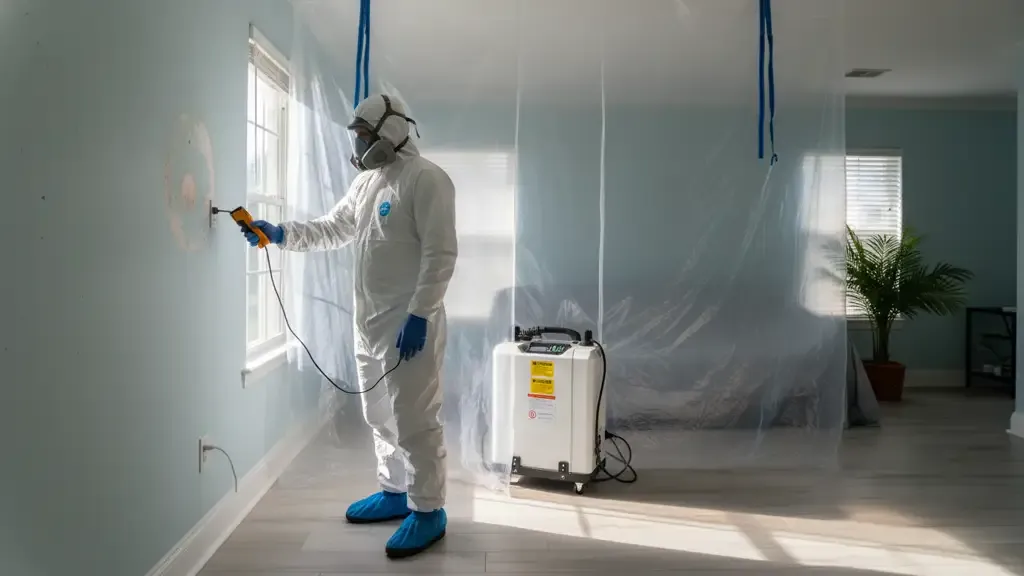
Getting rid of mold for good requires more than just household cleaners. Certified professionals use specialized equipment and proven techniques to ensure the mold is removed safely and completely. This includes setting up containment barriers with plastic sheeting and using negative air pressure machines to keep mold spores from spreading to other areas of your home during the removal process.
They also use high-efficiency particulate air (HEPA) vacuums and air scrubbers to capture microscopic spores from the air. These tools are far more powerful than anything available at a local hardware store. Trying to remove mold without this equipment can release a cloud of spores, creating new mold colonies and putting your family’s health at risk. A professional service ensures the job is done right, protecting your home and your health.
Making Sure the Mold Doesn’t Come Back
Simply cleaning up existing mold isn’t enough. If you don’t fix the underlying moisture issue, the mold will just grow back. A key benefit of hiring a professional is that they focus on long-term solutions. After removing the mold, a certified team will identify and help you address the source of the problem, whether it’s a leaky pipe, a foundation crack, or poor ventilation.
This preventative approach is crucial. It’s not just about cleaning what’s visible; it’s about stopping future growth and avoiding costly repairs. A good company will also give you practical advice on how to keep your home dry and mold-free. By addressing the cause of the water and flood damage, you get a lasting solution, not just a temporary fix.
Your Professional Mold Removal: A Step-by-Step Guide
When you bring in a certified team for mold removal, you’re not just getting a cleaning service. You’re getting a strategic partner who follows a proven process to make your home safe again. Understanding this process can take a lot of the anxiety out of the situation. A professional company won’t just treat the visible spots; they’ll address the entire problem, from the hidden source to the airborne spores. The entire project is handled in distinct phases to ensure thoroughness and safety. Here’s what that looks like, step by step.
Step 1: The Inspection and Game Plan
The process always starts with a detailed inspection. A certified specialist will assess the extent of the mold growth and pinpoint the moisture source that’s feeding the problem. This initial assessment is critical because it forms the basis for a customized mold remediation plan for your property. They’ll look beyond the visible signs to find hidden mold in walls or under floors. Based on these findings, the team will outline the specific steps and containment procedures needed to handle the job safely. This plan gives you a clear roadmap of the work ahead.
Using Advanced Tools to Find Hidden Moisture
You can’t see moisture trapped behind a wall, but a professional can. Certified technicians use advanced tools like moisture meters and thermal imaging cameras to detect hidden water without tearing your walls apart. These devices can pinpoint exactly where a hidden water source is located, showing the full extent of the problem that’s feeding the mold. This is a critical step that a simple visual check will always miss. By mapping out the moisture, a professional team can create a precise plan that addresses the root cause, not just the visible symptoms. This thorough, technology-driven assessment is what ensures the mold won’t just be cleaned up, but completely eliminated for good.
Step 2: Containing the Mold and Cleaning the Air
Once the plan is set, the team’s first priority is to prevent mold spores from spreading. This is where professional containment comes in. Using plastic sheeting and negative air pressure machines, they create an isolated work area. This ensures that as mold is disturbed during removal, the spores are trapped and can’t travel through your HVAC system. At the same time, they’ll use high-efficiency particulate air (HEPA) filters and air scrubbers to capture airborne spores within the contained space. This step is essential for protecting your home’s air quality and is a key reason why DIY methods often fail.
Step 3: Removing Mold and Restoring Your Space
With the area secured, the physical removal begins. Professionals use specialized tools and antimicrobial treatments to safely eliminate mold from affected surfaces. For porous materials like drywall or insulation that can’t be salvaged, they will carefully remove and dispose of them according to industry regulations. After the mold is gone, the team thoroughly cleans and sanitizes the area. The final part of the process is restoration, where any removed materials are replaced to return your property to its pre-mold condition. Many companies also perform clearance testing to verify that the space is officially mold-free.
The Goal: Bringing Spore Levels Back to Normal
It might be surprising to learn that mold spores are a natural part of our environment, both indoors and out. The goal of professional mold removal isn’t to create a sterile, spore-free bubble but to bring the spore levels in your home back to a normal, healthy balance. When a moisture problem allows mold to grow unchecked, the concentration of spores in the air becomes elevated, which can lead to health issues and property damage. A professional plan ensures the entire problem is handled correctly from the start. Certified professionals use specialized equipment like air scrubbers and proven techniques to remove the source colony and capture airborne spores, restoring your home’s air quality to a safe and comfortable level.
Protecting Your Belongings During Remediation
A major concern during mold removal is protecting your furniture, clothing, and other personal items from contamination. A certified team takes this very seriously. The first step is always containment, which isolates the affected area to prevent spores from spreading to other rooms. For items within the work zone, professionals will assess what can be salvaged. Non-porous items can often be cleaned and sanitized, while porous materials like upholstered furniture or mattresses may need to be carefully disposed of if they are heavily contaminated. This careful process is a core part of our restoration services, ensuring that we not only fix the structure but also protect the things that make your house a home.
How Certified Pros Keep Your Home Safe
When you discover mold, your first thought is likely about getting it out. But how it’s removed is just as important as the removal itself. Certified professionals don’t just eliminate mold; they do it safely, protecting your family and their own team from harmful exposure. A proper mold remediation process involves a strict set of safety protocols that prevent cross-contamination and ensure the air in your home is clean once the job is done. This commitment to safety is a core reason why hiring a certified company is so critical. They follow established industry standards that cover everything from personal protective gear to post-removal verification.
Why They Wear All That Safety Gear (PPE)
You can spot a professional team by what they wear. Certified technicians arrive equipped with personal protective equipment (PPE) to shield them from inhaling or touching mold spores. This isn’t just a pair of gloves; it includes N-95 respirators, safety goggles, and full-body suits. This gear is essential because disturbing a mold colony can release a cloud of spores into the air, creating a significant health hazard. As experts note, technicians “must use correct methods to stop mold from spreading and wear protective gear.” This level of precaution ensures the team stays safe while handling contaminated materials and prevents them from tracking spores into other areas of your home.
How They Stop Mold from Spreading
Simply scrubbing mold away can make the problem worse by spreading spores throughout your house. That’s why certified professionals establish a controlled work environment. They use thick plastic sheeting to seal off the affected area, creating a containment zone that isolates the mold. To further manage airflow, they use specialized equipment like negative air machines with HEPA filters. According to SERVPRO, professionals “use special methods like containment and air filters to stop mold spores from spreading during cleanup.” This careful approach traps airborne spores and keeps the rest of your home clean and protected during the entire process.
How Do You Know the Mold is Really Gone?
A certified team’s work isn’t finished when the visible mold is gone. The final, crucial step is to verify that the remediation was successful. This often involves a post-remediation assessment to ensure the area is truly clean and safe. Many reputable companies offer “clearance testing” to confirm that mold levels have returned to a normal, healthy state. This independent verification gives you documented proof that your home’s air quality is restored. It’s the ultimate peace of mind, confirming that the job was done right and your family can breathe easy again.
How Much Does Certified Mold Removal Cost?
When you discover mold, one of the first questions that comes to mind is, “How much will this cost to fix?” The truth is, there’s no flat rate for professional mold removal. The final price depends on several unique factors specific to your property. Think of it less like buying a product off the shelf and more like commissioning a custom service tailored to solve your specific problem. A certified professional needs to assess the situation firsthand to give you an accurate quote. Understanding what goes into that quote can help you see the value in a professional service and spot the difference between a quick fix and a permanent solution.
The cost isn’t just about scrubbing away visible spots; it’s about addressing the entire problem, from the source of the moisture to the final air quality test. Key variables include the total area affected, where the mold is growing, and what kind of repairs are needed to bring your home back to its pre-damage condition. Each of these elements plays a significant role in the scope of the work, the time it will take, and the materials required to do the job right. It’s an investment in the health of your family and the structural integrity of your home, ensuring the problem is handled completely and doesn’t return.
Factor 1: The Size and Scope of the Mold Growth
The extent of the mold growth is the biggest factor influencing the cost. A small, contained patch of surface mold on a bathroom wall will be far less expensive to address than a widespread infestation that has penetrated deep into your drywall and insulation. The longer mold is left untreated, the more it spreads, increasing the complexity and cost of the removal process. What starts as a minor issue can quickly grow, causing structural damage and requiring more intensive work. This is why early intervention is so important for effective mold remediation. A certified team can properly assess the full scope and stop the problem from getting worse.
Factor 2: How Hard the Mold Is to Reach
Where the mold is located in your home also plays a crucial role in the overall cost. Mold growing on an easily accessible wall in your living room is simpler to treat than mold hidden in a crawlspace, attic, or behind cabinets. Hard-to-reach areas often require more labor, specialized equipment, and complex containment setups to prevent spores from spreading to other parts of your home. For example, remediating mold within an HVAC system is a delicate process that requires different tools and expertise than cleaning a surface-level spot. The more difficult the access, the more time and resources are needed to ensure a safe and thorough removal.
Factor 3: The Cost of Any Needed Repairs
Professional mold removal isn’t complete once the mold is gone. A critical part of the process is addressing the damage left behind and fixing the original moisture problem that allowed the mold to grow. This often means tackling underlying issues that require water damage restoration, like repairing leaky pipes or fixing a roof leak. It also involves replacing contaminated materials like drywall, flooring, or insulation. While these repairs add to the total cost, they are absolutely essential. Simply cleaning the mold without fixing the source of the moisture is a temporary fix at best. A certified company ensures your home is not only mold-free but also restored and protected from future growth.
Related Articles
- Expert Mold Remediation St. Petersburg | Go Time Roofing and Restoration
- Mold Remediation Ranchero Village, FL – Go Time Roofing
Frequently Asked Questions
Can’t I just use bleach to clean up a small amount of mold? While it’s tempting to reach for bleach, it’s not an effective long-term solution. Bleach can clean mold stains from non-porous surfaces, but it doesn’t penetrate materials like drywall or wood to kill the mold’s roots. More importantly, scrubbing mold can release millions of spores into the air, spreading the contamination to other parts of your home. A professional service addresses the root cause, which is the moisture, and uses proper containment to keep the problem from getting worse.
How long does the professional mold removal process usually take? The timeline really depends on the size and complexity of the job. A small, contained issue might be resolved in one to three days. However, a more extensive problem that has spread into walls or requires significant restoration work could take a week or longer. The process includes a thorough inspection, setting up containment, removing the mold, cleaning the air, and making any necessary repairs, so the duration reflects the thoroughness of the work.
Will my homeowner’s insurance cover certified mold removal? Coverage for mold often depends on the source of the problem. Many standard policies will cover mold removal if it was caused by a sudden, covered event, like a burst pipe. However, they typically don’t cover mold that results from long-term leaks or poor maintenance. Hiring a certified company is a major advantage here, as they provide the detailed documentation and professional assessment that insurance providers require to process a claim efficiently.
What happens if I just ignore the mold? Ignoring mold allows it to spread, which can cause serious damage to your property over time. It can eat away at drywall, wood framing, and other building materials, leading to expensive structural repairs. Beyond the property damage, ongoing exposure to mold spores can create poor indoor air quality and may cause health issues, especially for children, the elderly, or anyone with respiratory conditions.
How do I know the mold is truly gone after the service is complete? A reputable, certified company doesn’t just stop once the visible mold is gone. They complete the job by verifying their work. This often involves post-remediation testing, sometimes called clearance testing, which is performed by an independent third party. This test confirms that the mold spore levels in your home have returned to a normal, healthy state, giving you documented proof and true peace of mind.
Mold Regulations in Florida and Renter’s Rights
Navigating mold issues as a renter in Florida can feel a bit confusing, mainly because there isn’t one single, straightforward law that covers mold. Instead, the rules are woven into various parts of state law, including the Florida Residential Landlord and Tenant Act, building codes, and property disclosure requirements. This patchwork of regulations means that the responsibilities of landlords and the rights of tenants aren’t always spelled out in black and white. It creates a gray area that can be tricky to handle without the right information.
Despite the lack of a specific “mold statute,” landlords do have a legal duty to maintain their properties in a safe and habitable condition. This general responsibility is the foundation of a renter’s rights. If a mold problem arises from a landlord’s failure to maintain the property—for example, by not fixing a leaky roof or pipe—they are typically responsible for addressing it. Your lease agreement is a critical document in this situation, as it often outlines the specific procedures for reporting maintenance issues and the timeline for repairs.
What Florida Renters Should Know
If you find mold in your rental property, the most important first step is to notify your landlord immediately and in writing. A written notice, like an email or a certified letter, creates a documented record of when you reported the problem. While Florida law doesn’t explicitly define a landlord’s liability for mold itself, it does require them to fix the underlying conditions that cause it, such as leaks. Your lease will likely require you to provide this notice and give your landlord a reasonable opportunity to correct the issue.
Once you’ve given notice, your landlord is expected to take action. This usually involves investigating the source of the moisture and hiring a professional company to handle the mold remediation. It’s important to remember that Florida does not have a specific mold disclosure law for rentals, which means you have to be proactive. By documenting the issue and communicating clearly, you can ensure the problem is addressed properly, protecting both your health and your home.