After a fire, it’s tempting to think you can scrub away the damage. But smoke isn’t just dirt. It’s a mix of fine, oily particles that get everywhere, trapping toxic chemicals and stubborn odors. On the flip side, don’t rush to the dumpster. Many people mistakenly toss valuable items that could have been professionally restored. Deciding what to save from smoke damage can feel overwhelming. This guide will cut through the confusion, showing you how to safely and confidently decide what to keep and what to let go.
Key Takeaways
- Assess materials before you clean: Your first step is to separate items into two groups: porous and non-porous. Hard surfaces like glass and metal have a high chance of being saved, while porous items like fabric and mattresses often trap toxic particles and may need to be discarded.
- Prioritize health over sentiment: Smoke residue contains toxic chemicals that can linger long after a fire. Always discard all exposed food, medicine, and cosmetics, as these items can absorb harmful substances and become unsafe to use or consume.
- Know when professional help is necessary: While you can clean some hard surfaces yourself, professional restoration is essential for widespread damage and stubborn odors. Experts use specialized techniques to safely remove corrosive soot and neutralize odors completely, ensuring your home is truly safe again.
What Can You Actually Save After Smoke Damage?
Walking through your home after a fire can feel completely overwhelming. It’s tough to know where to even begin, let alone figure out what’s a lost cause and what can be saved. The good news is that smoke damage doesn’t always mean a total loss. With the right approach and professional cleaning, many of your belongings can be restored. The key is to understand what materials hold onto soot and odor and which ones can be cleaned effectively. Porous items, like fabric and unfinished wood, soak up smoke particles and are harder to clean. Non-porous items, like glass and metal, are much easier to restore because the residue sits on the surface. A professional fire and smoke damage restoration team has the tools and expertise to assess the situation and salvage as much as possible. They can help you make informed decisions so you don’t throw away something valuable or keep something that could be a health hazard. Below, we’ll cover some of the most common categories of household items and their potential for recovery.
The First Step: Insurance and Documentation
After ensuring everyone is safe, your very next call should be to your insurance company. Getting the claims process started right away is essential, but before you begin cleaning or discarding items, you need to shift into documentation mode. This step is non-negotiable. Your insurance adjuster will need clear, indisputable proof of the damage to process your claim accurately and fairly. It might feel like one more thing on an already-full plate, but meticulously documenting everything now will save you immense stress and potential financial loss later. Think of yourself as a detective building a case—every piece of evidence matters.
Documenting Everything for Your Claim
Before you throw a single item away, grab your phone. Walk through every affected room and take extensive photos and videos of the damage. Capture wide shots of each space and then zoom in on specific items. Make sure you get pictures of the soot on walls, furniture, and personal belongings. According to restoration experts, it’s vital to photograph all damaged items before they are discarded. As you document, create a running list of everything that’s been damaged. If you have receipts or can find the approximate value of an item online, jot that down too. This detailed record serves as the primary evidence for your claim and helps ensure you receive the compensation you’re entitled to.
Creating a Home Inventory
Once you have your initial photos, the next step is to create a comprehensive home inventory for your insurance company. This is a detailed list of all personal property that was damaged or destroyed. This task can feel monumental, which is why partnering with a certified fire restoration company is a smart move. Professionals can help you go through your belongings, accurately document your losses, and even help you determine what can be restored versus what needs to be replaced. They understand what insurance providers look for and can help you compile a thorough inventory that meets their requirements. Most homeowners’ and renters’ insurance policies cover smoke-damaged items and the cost of cleanup, and a professional team can help you make sense of your policy to get the most out of your coverage.
Saving Your Non-Porous Items: Glass, Metal, and Ceramics
Let’s start with the easiest category: non-porous items. These are things with hard, sealed surfaces that don’t absorb moisture or odors easily. Think of your glass tabletops, metal fixtures, ceramic dishes, and kitchen utensils. Because soot and smoke residue sit on the surface instead of soaking in, these items have a very high chance of being saved. Restoration experts confirm that items that don’t soak up liquids easily, like glass and metal, can often be saved after a good cleaning. While you might be able to wipe them down yourself, a professional cleaning ensures all toxic residues are completely removed, making them safe to use again.
Restoring Hardwood Furniture and Floors
Solid wood items are surprisingly resilient. If your hardwood floors or furniture weren’t directly charred by the fire, they can often be restored. The main challenge is dealing with the soot that settles into the grain and the water used to put out the fire. Hardwood floors can usually be saved if they aren’t burned, but they need to be dried correctly if they got wet. This is why fire restoration often goes hand-in-hand with water damage restoration. Professionals use specialized techniques to sand, refinish, and reseal wood, which removes the smoke odor and restores its original appearance.
Can You Salvage Lightly Soiled Clothes and Textiles?
Fabrics are tricky because they are porous and absorb smoke odors deeply. However, not all your clothes, curtains, or bedding are a definite loss. The outcome really depends on the type of fabric and the severity of the smoke. Natural fibers like cotton can sometimes be cleaned using strong oxygen bleach or other specialized cleaning methods like ozone or hydroxyl treatments, which professionals use to break down odor molecules. If a strong smoke smell remains after a thorough, professional cleaning, it’s safer to let the item go and avoid bringing lingering contaminants back into your home.
What to Do with Smoke-Damaged Electronics
What about your TV, computer, or kitchen appliances? This is another area where a professional assessment is crucial. Electronics might be saved if they weren’t directly damaged by heat or water. The biggest threat is the fine, acidic soot that can get inside the casings and coat sensitive components, causing corrosion and failure over time. Never turn on an electronic device that has been exposed to smoke or fire-suppressing chemicals. A specialist can safely clean the internal parts, but it’s important to weigh the cost of restoration against the cost of replacement as part of your overall disaster recovery services.
What You Must Throw Away After Smoke Damage
After a fire, deciding what to keep and what to toss can feel overwhelming. It’s tough to part with personal items, but your health and safety come first. Smoke doesn’t just stain things; it carries toxic particles that can linger long after the fire is out. Knowing what is unsafe to keep is a critical step in making your home a healthy space again. Let’s walk through the items that you should plan on discarding to ensure a safe and clean environment for you and your family.
Why Porous Items Are Often a Lost Cause
Think of porous materials as sponges. Items like clothing, curtains, upholstered furniture, mattresses, and carpets absorb smoke and soot deep into their fibers. Unfortunately, once these microscopic particles get in, they are nearly impossible to get out with standard cleaning methods. Even if an item looks clean on the surface, it can continue to release odors and harmful chemicals into the air. Letting go of these items is essential for restoring your home’s air quality and removing lingering reminders of the fire. Professional fire and smoke damage restoration can help you identify which textiles are beyond saving.
Don’t Risk It: Exposed Food, Medicine, and Cosmetics
When it comes to consumables, the rule is simple: when in doubt, throw it out. You should discard all food and drinks that were exposed to the fire, including items in cans, jars, or sealed containers. The intense heat can compromise seals and spoil the contents, while toxic smoke can easily penetrate packaging like cardboard or plastic. The same goes for medications and cosmetics. These products can absorb harmful chemicals, making them unsafe to ingest or apply to your skin. It’s not worth risking your health, so clear out your pantry, refrigerator, and medicine cabinet of anything that was in the affected area.
Discarding All Exposed Food Items
It’s tough to see a full pantry go to waste, but when it comes to food exposed to a fire, there’s no room for compromise. You must discard everything, even items that appear to be sealed. This includes all food in your pantry, refrigerator, and freezer. The intense heat from a fire can compromise the seals on cans and jars, causing the food inside to spoil and become a breeding ground for bacteria. Furthermore, toxic smoke and soot can easily penetrate packaging like cardboard, paper, and plastic, contaminating the contents. The USDA advises that even food stored in a refrigerator can become unsafe, as the seals are not airtight and can allow smoke to seep in. It’s a difficult but necessary step to protect your health.
Tossing Medications and Cosmetics
Just like food, all medications and cosmetics that were in the affected area need to be thrown away. This applies to prescription and over-the-counter medicines, vitamins, makeup, lotions, and any other personal care products. These items are highly susceptible to contamination from airborne soot and chemicals, which they can absorb directly. Using a contaminated product could lead to skin irritation, illness, or other adverse health reactions. The risk is simply too high. Clearing out your medicine cabinet and vanity is a critical part of the fire and smoke damage cleanup process and ensures you aren’t accidentally ingesting or applying harmful substances to your body long after the fire is out.
Letting Go of Melted or Charred Belongings
This may seem obvious, but anything that has been visibly burned, charred, or melted is a lost cause. The structural integrity of these items is completely compromised, and they are often saturated with soot and other toxic byproducts from the fire. This includes everything from clothing and linens to plastic containers and even some electronics. These items cannot be cleaned or repaired safely, and trying to do so can be hazardous. Discarding them is a necessary step to remove dangerous materials from your home and begin the process of rebuilding and replacing what was lost.
Personal and Disposable Items to Discard
This part is about the smaller, everyday things that often get overlooked. While you might focus on big-ticket items like furniture, it’s the personal and disposable goods that can pose a hidden risk. These items are often porous, inexpensive to replace, or come in direct contact with your body, making them unsafe after smoke exposure. It’s hard to let go of personal belongings, but when it comes to your health, you can’t take any chances. Making a clean sweep of these specific categories is a straightforward way to remove potential contaminants from your home and ensure a truly fresh start.
Paper Products and Important Documents
Paper acts like a sponge for smoke, soaking up soot and odors. Because of this, you should plan to discard most paper goods, including books, magazines, photo albums, and files. The fine particles get trapped between the pages and within the paper fibers, making them impossible to clean completely. However, there’s an exception for irreplaceable documents like birth certificates, passports, or property deeds. While you can’t clean them yourself, specialized fire damage restoration services sometimes use advanced techniques, like freeze-drying, to salvage them. For everything else, the safest choice is to let it go.
Baby Items and Children’s Toys
When it comes to your kids, there is zero room for risk. Any item that could end up in a child’s mouth must be thrown away, no questions asked. This includes baby bottles, pacifiers, teething rings, and sippy cups. The same rule applies to most toys. Porous stuffed animals will hold onto toxic particles, and even hard plastic or rubber toys can absorb chemicals and release harmful fumes, especially if they appear warped or discolored. The toxins in soot and smoke are particularly dangerous for children, so replacing these items is the only way to guarantee their safety.
Underwear, Socks, and Other Close-Worn Clothing
While some outerwear might be salvageable with professional cleaning, any clothing worn directly against your skin should be discarded. Items like underwear, socks, and undershirts are highly porous and can trap soot particles that cause skin irritation and other health issues. If these items have any visible soot stains or were in the direct path of smoke, they are not safe to wear again, even after washing. Given that these items are relatively inexpensive to replace, it’s a simple decision that prioritizes your well-being. Don’t risk prolonged contact with lingering contaminants; start fresh with new basics.
Myths About Saving Smoke-Damaged Items
It’s tempting to believe you can salvage sentimental items like a favorite armchair or your child’s stuffed animals with a deep clean. However, many people underestimate how deeply smoke penetrates porous materials. While the surface might appear clean, harmful particles remain trapped within, posing a long-term health risk. Restoration professionals often advise against trying to save items like mattresses, upholstered furniture, and soft plastics because they can’t be fully decontaminated. A professional disaster recovery service can provide an expert assessment to help you make safe and informed decisions about what can truly be restored.
Your Checklist for Deciding What’s Safe to Keep
After a fire, figuring out what to keep and what to toss can feel overwhelming. The key is to assess each item methodically, looking for specific signs of damage. Your safety is the top priority, so it’s important to understand that some items, even if they look clean, can hold onto harmful residues. This process helps you sort through the aftermath with confidence and make informed decisions about your belongings.
How to Tell if an Item Is Porous
One of the first things to consider is an item’s material. Porous materials, like wood, drywall, fabric, and paper, have tiny holes that absorb smoke and soot like a sponge. These trapped particles can contain toxic chemicals that are nearly impossible to remove completely. When restoration experts recommend discarding porous items, it’s because they understand the health risks involved. Non-porous items, such as glass, metal, and hard plastics, are much easier to clean because the soot sits on the surface. This simple test is your starting point for sorting items into “salvageable” and “unsalvageable” piles.
Inspecting for Soot, Odor, and Heat Damage
Use your senses to evaluate your belongings. Look for visible soot, which can range from a light, dusty film to a thick, greasy coating. If an item has a strong, persistent smoky smell even after being aired out, it’s a sign that smoke has penetrated it deeply. Also, check for physical damage from the fire’s heat. Look for melted plastic, warped wood, or charred spots on any material. Items that show signs of heat damage are often structurally compromised and should be discarded. A thorough fire and smoke damage restoration process always begins with this kind of detailed inspection.
Does the Type of Smoke Residue Matter?
Not all smoke is created equal. The type of material that burned determines the kind of residue left behind, and each requires a different cleaning approach. For example, a fire involving synthetic materials like plastic creates a wet, greasy soot that smears easily and is difficult to clean. A wood fire, on the other hand, usually leaves a dry, powdery residue. While you may not be an expert, noting the characteristics of the soot can help you understand the scope of the damage. Professional disaster recovery services have the training to identify these residues and use the correct techniques for safe and effective removal.
Wet Smoke vs. Dry Smoke
Yes, the type of smoke residue absolutely matters. The cleaning process depends heavily on whether you’re dealing with wet or dry smoke. Wet smoke is produced by slow-burning, low-heat fires, often involving plastics and rubber. It leaves behind a sticky, greasy residue with a powerful, unpleasant odor that smears when you try to wipe it. Dry smoke, on the other hand, comes from fast-burning, high-heat fires, like those involving paper and wood. This type of smoke leaves a fine, powdery soot that is easier to clean from hard surfaces but spreads quickly and can get into every nook and cranny. Understanding this difference is key, as using the wrong cleaning agent can make the damage worse. This is why professional fire and smoke damage experts first identify the type of residue before beginning any restoration work.
Identifying Soot Tags
If you see what looks like black spiderwebs hanging from your ceilings or in corners, you’re looking at soot tags. These are not actual webs but chains of soot particles that have clumped together due to static electricity in the air after a fire. While they might look delicate, they are a clear indicator of significant smoke contamination. Their presence means that fine soot particles have traveled throughout your home, likely circulating through your HVAC system. According to restoration industry leaders, this airborne soot is not only messy but can also be hazardous to your health if inhaled. Seeing soot tags is a definite sign that you need a professional assessment to determine the full extent of the contamination and ensure your home is cleaned safely and thoroughly.
Red Flags: When an Item Can’t Be Saved
Some items are almost always a loss after a fire due to the health risks they pose. Mattresses, pillows, and upholstered furniture are at the top of this list because they absorb toxic particles and can release them back into the air over time. You should also immediately discard any exposed food (including canned goods, which can be damaged by heat), medicines, and cosmetics. Soft toys and particleboard furniture that has swollen or started to fall apart are also generally unsalvageable. When you’re unsure about a specific item, it’s always best to contact us for a professional opinion.
Why Are Smoke-Damaged Items a Health Risk?
After a fire, it’s natural to want to save as much as you can. But the lingering smell is more than just an annoyance; it’s a sign of a deeper problem. Smoke doesn’t just stain surfaces, it saturates them with harmful compounds that can pose serious risks to your health long after the flames are out. Understanding these hidden dangers is the first step in making safe, informed decisions about what to keep and what to let go of. The real threat lies in the invisible particles and chemicals left behind on your belongings.
The Invisible Danger of Toxic Particles
The smoke from a house fire isn’t like smoke from a campfire. It’s a toxic mix created by burning modern materials like plastics, foams, and synthetic fabrics. This process releases a cocktail of harmful chemicals and tiny soot particles that are acidic and corrosive. These particles are so small they can embed themselves deep within porous materials and even settle on hard surfaces, creating a film of hazardous residue. Simply being in the environment or handling these items can expose you to these toxins, which is why professional fire and smoke damage restoration is so critical for ensuring your home is truly clean and safe.
Acidic and Carcinogenic Soot
The black residue left after a fire is far more dangerous than simple dust. Soot from a house fire is a toxic cocktail formed from the combustion of synthetic materials like plastics, foams, and textiles common in modern homes. These tiny particles are not only acidic, which means they can corrode and permanently damage surfaces over time, but they are also carcinogenic. Because they are so fine, these harmful particles can embed themselves deep into porous surfaces and settle as a hazardous film on everything you own. Handling these items without proper gear can transfer these chemicals to your skin, while disturbing them can send them airborne, which is why professional fire damage restoration is essential to safely remove this threat.
Respiratory and Skin Irritation
The health risks of smoke residue are both immediate and long-term. Simply breathing in the air in a smoke-damaged home can cause irritation to your eyes, nose, and throat. For anyone with existing respiratory conditions like asthma or allergies, these airborne particles can trigger severe reactions and make breathing difficult. Direct contact with soot-covered items can also lead to skin irritation. Beyond these initial discomforts, prolonged exposure to the carcinogenic compounds found in soot is a serious health concern. Protecting your family means ensuring these contaminants are completely and safely removed, a task best left to trained professionals who understand how to restore a safe environment.
Understanding the Long-Term Health Effects
Keeping items that have been heavily exposed to smoke can introduce ongoing health risks into your home. Even after a surface cleaning, contaminated belongings can continue to release trapped toxic gases, a process known as off-gassing. This can pollute your indoor air quality for months or even years, potentially leading to chronic respiratory issues, eye irritation, and other long-term health complications. Reintroducing these items into a professionally cleaned space can undo all the hard work, re-contaminating your home. A thorough disaster recovery plan should always prioritize your family’s long-term health by properly addressing or removing these sources of pollution.
Why “Looking Clean” Isn’t Good Enough
One of the trickiest things about smoke damage is that it isn’t always visible. Smoke is invasive; it travels through your HVAC system, inside walls, and into closets and drawers far from the actual fire. Porous items like clothing, upholstery, mattresses, and even wooden furniture act like sponges, soaking up smoke and soot deep within their fibers. An item might look perfectly fine on the outside, but it can still hold onto harmful particles and a persistent odor. This hidden contamination makes it difficult for homeowners to judge what is truly safe, highlighting the need for expert assessment and specialized restoration services.
Essential Safety Precautions for Handling Damaged Items
Before you touch a single item, it’s crucial to protect yourself. The soot and residue left after a fire are not just messy; they are toxic. Handling these materials without the right precautions can lead to skin irritation and respiratory problems. Your safety is the absolute priority during this process. Taking a few moments to gear up properly and control the environment will protect your health as you begin the difficult task of sorting through your belongings. These steps are non-negotiable for anyone entering a fire-damaged property.
Protective Gear You Should Always Wear
Think of this as your uniform for cleanup. First and foremost, you need an N95 respirator mask. The CDC advises you to wear a respirator to protect your lungs from inhaling the microscopic, toxic particles floating in the air. Next, get a pair of heavy-duty gloves to prevent acidic soot from coming into contact with your skin. Finally, wear safety goggles to shield your eyes from falling debris and airborne particles. Dressing in long sleeves and pants will provide an extra layer of protection. This gear is your first line of defense against the invisible dangers left behind by smoke.
The Importance of Ventilation and Containment
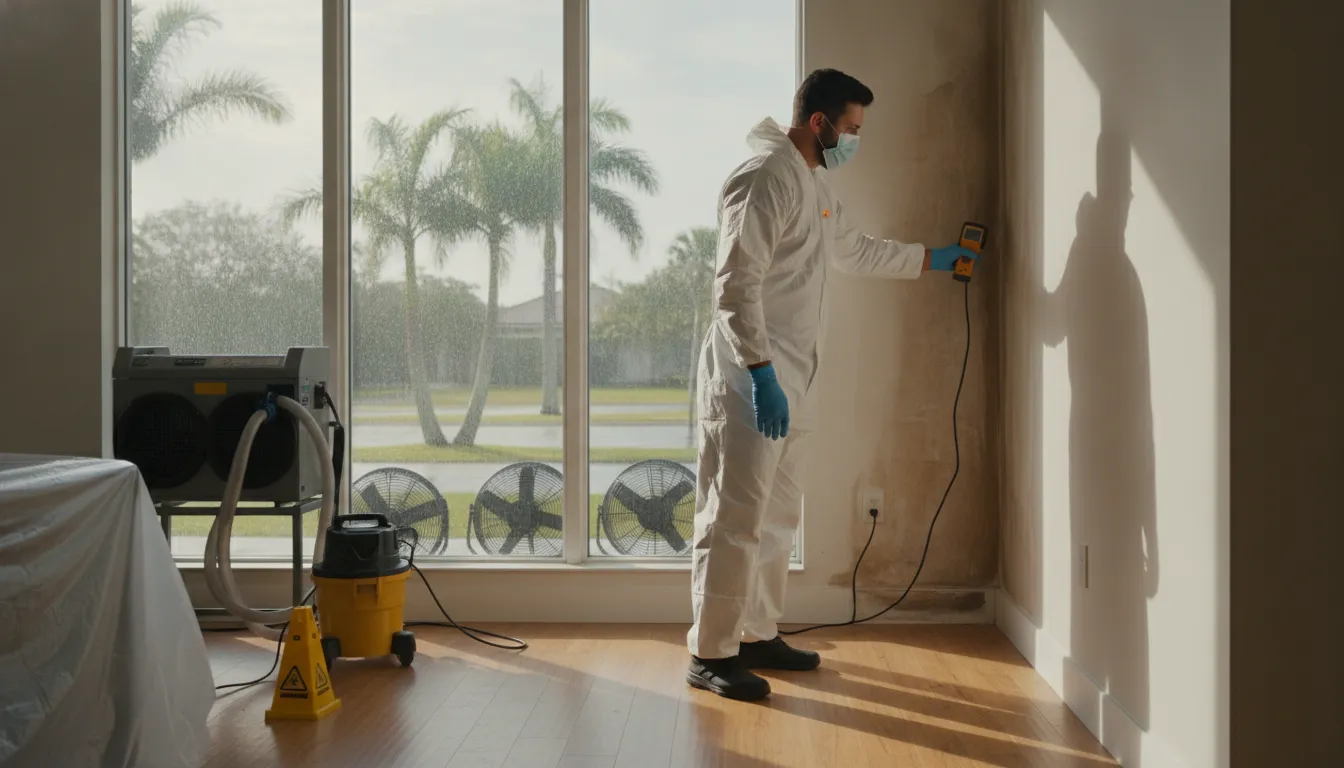
Controlling the environment is just as important as protecting your body. Start by creating as much ventilation as possible. Open windows and use fans to push the contaminated air outside—don’t just circulate it around the room. It’s also critical to shut off your HVAC system to prevent soot and smoke from spreading through the ductwork to clean areas of your home. To further prevent cross-contamination, use plastic sheeting to seal off doorways to unaffected rooms. These containment measures are essential, but for a truly safe environment, a professional fire damage restoration team uses specialized equipment like air scrubbers to purify the air completely.
How the Pros Restore Smoke-Damaged Items
When you’re dealing with the aftermath of a fire, figuring out how to clean everything can feel overwhelming. Professionals use a systematic approach to fire and smoke damage restoration that goes far beyond what standard cleaning can achieve. They have the right tools and expertise to assess the damage, identify the type of smoke residue, and apply the correct methods to safely restore your belongings. This process ensures your items aren’t just visibly clean but are also free from harmful residues and lingering odors. By following a proven plan, restoration experts can salvage more of your cherished possessions and help you get your home back to normal safely and efficiently.
A Look at Professional Cleaning Techniques
The first thing a professional team does is examine the affected areas to determine the best restoration methods. Not all smoke is the same, and the cleaning technique needs to match the type of residue left behind. For hard surfaces like glass and metal, technicians use specialized cleaning agents that break down soot without damaging the material. For more delicate items like textiles, carpets, and upholstery, they might use professional-grade steam cleaning or dry cleaning to gently but effectively remove all traces of smoke. This careful, tailored approach is key to successfully restoring your belongings without causing further harm.
Getting Rid of Smoke Odor for Good
One of the most stubborn reminders of a fire is the smell of smoke, which can seep into everything. Simply cleaning surfaces isn’t enough to get rid of it. Professionals use a multi-step deodorization process to completely eliminate the odor. First, they focus on removing the source: the tiny smoke particles clinging to surfaces. After a thorough cleaning, they use advanced equipment like thermal foggers or ozone generators. These tools neutralize any remaining odor molecules in the air and within porous materials, ensuring the smoke smell is gone for good, not just covered up.
What Are Pack-Out Services and How Long Do They Take?
Sometimes, it’s more effective to treat damaged items away from the property. In these cases, a professional team may recommend a “pack-out service.” This involves carefully inventorying, packing, and moving your salvageable belongings to a secure, climate-controlled facility. There, specialists can perform detailed cleaning and restoration work without being hindered by the on-site repairs. This service not only protects your items from further damage but also speeds up the overall restoration of your home. A professional team can guide you through all the disaster recovery services you need to get your life back on track as quickly as possible.
Don’t Forget Your HVAC System
It’s easy to focus on the visible damage after a fire, but one of the most critical areas to address is one you can’t see: your HVAC system. Smoke and soot are pulled into your heating and air conditioning units, settling throughout the ductwork. If left untouched, turning on your system will recirculate these harmful particles, re-contaminating clean spaces. Remember, the smoke from a house fire is a toxic mix from burning plastics and foams, creating fine, acidic soot particles that embed deep within your system’s components. This is why professional fire and smoke damage restoration is non-negotiable. Experts use specialized equipment to safely remove hazardous residue and ensure your home’s air is truly safe to breathe again. You should also change the air filter immediately and replace it monthly for the first year.
Can You Clean Salvageable Items Yourself?
After a fire, the urge to start cleaning and get things back to normal is completely understandable. While you can tackle some of the cleanup yourself, it’s important to know what you’re getting into. Cleaning smoke and soot residue isn’t like regular house cleaning. The particles can be toxic and spread easily, causing more damage if not handled correctly. Deciding to clean items yourself depends on the extent of the damage and the type of materials you’re dealing with.
For light smoke damage, you might have success with some DIY methods. However, for anything more significant, or if you have items that are valuable or sentimental, calling in a professional is often the safest and most effective route. Professionals have the right equipment and cleaning agents to remove soot and odors without causing further harm. Before you start, assess the situation honestly. If you feel overwhelmed or unsure, it’s always better to pause and get an expert opinion. Your health and the proper restoration of your belongings are the top priorities.
Essential Tools for DIY Soot Removal
If you’ve decided to tackle some light cleaning on your own, it’s crucial to have the right gear. Regular household sponges and cleaners just won’t cut it for soot; in fact, using water-based methods on certain types of soot can create a bigger, smeared mess. To effectively lift fine soot particles without spreading them, you’ll need a few specialized items. The two most important tools in your DIY arsenal will be dry cleaning sponges, often called soot sponges, and a vacuum equipped with a HEPA filter. These tools are designed specifically to trap and remove the tiny, oily particles left behind by smoke, ensuring you’re actually cleaning the surface instead of just moving the problem around.
Using Soot Sponges Correctly
A soot sponge is a game-changer for cleaning walls, ceilings, and other hard surfaces affected by dry soot. Unlike a regular sponge, you use it completely dry. These sponges are made of a special vulcanized rubber that picks up loose soot and dust without smearing it into the surface. To use one, simply wipe the affected area in a single, straight line. You’ll see the sponge lift the soot right off. As the sponge gets dirty, don’t rinse it with water—that will ruin it. Instead, carefully slice off the soiled layer with a utility knife to reveal a fresh, clean surface underneath, and keep going. This method is incredibly effective for removing the top layer of residue before a deeper clean.
Why a HEPA Vacuum Is a Must-Have
For soft surfaces like carpets, drapes, and upholstery, a standard vacuum cleaner can do more harm than good. Regular vacuums often just blow the tiny, hazardous soot particles back into the air, spreading contamination throughout your home. This is where a vacuum with a HEPA (High-Efficiency Particulate Air) filter becomes essential. A HEPA filter is designed to capture at least 99.97% of airborne particles as small as 0.3 microns, which includes fine soot. When vacuuming, use the brush attachment and move slowly and methodically to lift the particles from the fibers. This is the same type of equipment professionals use to ensure a space is truly free of contaminants after a fire.
Your DIY Guide to Cleaning Hard Surfaces
Items that don’t soak up liquids easily, like glass, metal, and ceramics, are often the best candidates for DIY cleaning. Because they are non-porous, soot and smoke residue tend to sit on the surface instead of seeping deep inside. You can start by gently wiping them with a dry cleaning sponge to lift away loose soot without smearing it.
After the initial wipe-down, use a mild soap or detergent mixed with warm water to wash the items thoroughly. For tougher residue, a solution of vinegar and water can also be effective. Always wear gloves and work in a well-ventilated area to protect yourself from harmful particles. Remember to rinse everything completely and dry it right away to prevent water spots or rust.
Cleaning Metal, Brick, and Concrete
Hard surfaces like metal, brick, and concrete can often stand up to a thorough cleaning. For metal items, while professionals use specialized agents to break down soot, you can try a non-abrasive cleaner and a soft cloth for light residue. If you’re dealing with an exterior brick wall, power washing on a low setting can be an effective way to remove surface soot. When cleaning concrete floors or patios, start by vacuuming loose soot with a HEPA vacuum to avoid spreading it around. You can then tackle stains with a dedicated concrete cleaner—just be sure to test it on a small, hidden spot first. A good scrub with a stiff brush followed by a thorough rinse will lift the remaining residue. If the soot is greasy or widespread, professional fire damage restoration is the safest path forward.
Tips for Cleaning Wood Surfaces
Solid wood furniture and floors are surprisingly resilient and can often be restored if they weren’t directly charred. For a gentle DIY cleaning, use a mild soap and warm water solution with a soft cloth. The key is to make the cloth damp, not soaking wet, to avoid causing secondary issues like swelling or warping, which would require water damage restoration. Wipe the surface, rinse with a clean damp cloth, and dry it immediately to prevent moisture from seeping into the grain. While this method can handle light soot, deep-seated smoke odors often require more. Professionals use advanced techniques like sanding, refinishing, and resealing to completely remove the smell and restore the wood’s original beauty.
How to Safely Wash Smoke-Damaged Clothes
Tackling smoke-damaged fabrics can be tricky. The smell of smoke can cling stubbornly to clothes, curtains, and other textiles. For lightly affected items, you might be able to wash them at home. Start by shaking out any loose soot outdoors. You can then soak them in a solution with vinegar or a specialized smoke-odor remover before running them through a wash cycle.
Some cotton clothing can be cleaned using a strong oxygen bleach, but always test a small, hidden spot first. It may take several washes to get the smell out. If a smoky odor remains after washing, the item is likely unsalvageable and should be discarded. For delicate fabrics or persistent smells, professional cleaning services that use industrial methods are a much better option.
Properly Handling and Storing Salvaged Items
Before you even think about cleaning, it’s crucial to handle and store your belongings correctly to prevent more damage. Soot is acidic and can cause items to corrode or stain if left to sit. Wear gloves and a mask to protect yourself while you work. Carefully sort through your belongings, separating them into salvageable, unsalvageable, and questionable piles.
According to FEMA, you should place items in supportive boxes or plastic containers to keep them safe until you can begin cleaning. Move these boxes to a clean, dry, and secure location away from the damaged area. This step not only protects your things but also gives you a clear space to work when the restoration process begins.
DIY vs. Pro: When to Make the Call
While it’s tempting to handle everything yourself, some jobs are best left to the experts. If you’re dealing with heavy soot, widespread odor, or damage to valuable electronics or furniture, DIY methods may not be enough. In fact, you could end up causing more harm. Professional restoration companies have specialized training and equipment to safely and effectively clean your property and belongings.
They can also help you with the difficult task of sorting through items and deciding what to keep. Getting expert help for fire and smoke damage restoration ensures the job is done right, protecting your family’s health from lingering toxic particles. If you feel overwhelmed or the damage seems extensive, don’t hesitate to make the call. It’s the surest way to get your home back to a safe, clean condition.
Common DIY Cleaning Mistakes to Avoid
When you’re eager to get your home back in order, it’s easy to grab a sponge and start scrubbing. While that proactive spirit is admirable, some common cleaning methods can actually make smoke damage worse. Soot isn’t like regular dust; it’s greasy, acidic, and invasive. Using the wrong techniques can spread the residue, push it deeper into surfaces, and create new problems that are even harder to fix. Before you begin, it’s helpful to know what not to do. Avoiding these common mistakes will protect your belongings from further harm and make the overall restoration process smoother, whether you do it yourself or bring in a professional.
Using Too Much Water
Your first instinct for cleaning might be to use plenty of water, but this is one of the biggest mistakes you can make when dealing with soot. Adding water to dry soot creates a messy, sludge-like substance that is much harder to clean and can stain surfaces permanently. More importantly, using too much water can push the fine soot particles deeper into porous materials like wood, drywall, and upholstery. This not only makes the item harder to salvage but also introduces moisture that can lead to warping, swelling, and a perfect environment for mold growth. Effective mold remediation is a separate, complex process you don’t want to add to your plate.
Scrubbing Too Hard
Putting in some elbow grease seems like the right way to tackle tough grime, but it’s the wrong approach for soot. Soot particles are abrasive, and scrubbing them against a surface is like using fine-grit sandpaper. You can easily scratch and dull finishes on furniture, countertops, and fixtures, causing permanent damage. For porous materials, scrubbing can embed the oily residue even deeper into the fibers, making the stain and odor impossible to remove. Professionals often start by using special dry-cleaning sponges or HEPA-filtered vacuums to lift loose soot off surfaces before any wet cleaning begins. This gentle first step is crucial for preventing further damage.
Using the Wrong Cleaning Products
Not all cleaning solutions are suitable for smoke damage. The household cleaners under your sink are likely not formulated to handle the specific chemical composition of soot. Harsh products like bleach can react with the chemicals in soot to create toxic fumes or cause discoloration on certain materials. On the other hand, a cleaner that is too mild will just smear the greasy residue around without actually removing it. Professionals use specialized, pH-balanced cleaning agents designed for different types of soot and surfaces. Knowing which product to use is a key part of a successful fire and smoke damage restoration, ensuring items are cleaned safely and effectively.
How to Prevent Future Smoke Damage
After you’ve gone through the stress of a fire, taking steps to protect your home from future incidents is a top priority. While you can’t prevent every accident, you can make your home more resilient and reduce the potential for widespread smoke damage. These proactive measures not only safeguard your property but also protect your family’s health by creating a cleaner, safer living environment. Focusing on your home’s air quality and structure can make a significant difference if you ever face another smoke event, whether from a kitchen fire or an external source. Here are a few key areas to focus on to better prepare your home.
Common Household Fire Hazards
It’s easy to think a fire won’t happen to you, but many start from simple, everyday activities. The most common culprit is cooking. In fact, fire safety experts confirm that unattended cooking is the number one cause of house fires. Other major risks include heating equipment like space heaters placed too close to flammable items, and faulty electrical wiring or overloaded outlets that can spark a fire. Even outdoor activities like grilling can pose a threat if not managed carefully. Being mindful of these common hazards is the first step in prevention. But if an accident does occur, knowing that professional fire and smoke damage restoration is available can provide some peace of mind during a stressful time.
Essential Fire Safety Equipment
Having the right safety gear is just as important as being aware of hazards. Start with the basics: install smoke alarms on every level of your home, especially near bedrooms, and test them monthly. A fire extinguisher is another must-have; keep one in the kitchen and garage where small fires are more likely to start. For multi-story homes, an escape ladder stored in an upstairs bedroom can be a literal lifesaver. It’s also wise to have carbon monoxide detectors, as they can alert you to dangerous fumes from malfunctioning heating systems. These simple tools are your first line of defense and are essential parts of a comprehensive home safety plan.
Simple Steps to Improve Your Indoor Air Quality
One of the best ways to protect your home is to maintain excellent indoor air quality year-round. When your home’s air is already clean, it’s better prepared to handle a sudden influx of smoke particles. Start with the basics: regularly replace your HVAC filters with high-quality versions, keep your home dusted and vacuumed, and ensure your kitchen has proper ventilation. Reducing everyday pollutants makes it easier for your systems to filter out harmful smoke particles during an emergency. While these steps are great for daily life, they become critical in a crisis. If you’ve already dealt with a fire, you know how important professional fire and smoke damage restoration is for returning your air quality to a safe level.
How Sealing Your Home Can Help
Smoke can seep into your home through the tiniest cracks and gaps. Making your home more airtight is a practical way to limit how much smoke gets inside. Take a walk around your property and inspect the seals on your windows and doors. Old, cracked weatherstripping is a common culprit for air leaks. You can easily replace it yourself or hire a professional. Also, check for gaps around pipes, vents, and electrical wiring that enter your home and seal them with caulk or spray foam. A more airtight home not only keeps smoke out but also improves your energy efficiency, which can help lower your utility bills.
Is an Air Filtration System Right for You?
For an even higher level of protection, consider installing an air filtration system. You have a couple of options here. Portable air purifiers with high-efficiency particulate air (HEPA) filters are fantastic for individual rooms, especially bedrooms, as they are very effective at capturing tiny smoke particles. For a whole-home solution, you can have a high-efficiency filter professionally installed within your HVAC system. This ensures that all the air circulating through your home is cleaned. Adding an air filtration system is a smart part of any disaster recovery plan, giving you peace of mind that you’re prepared for the unexpected.
Related Articles
Frequently Asked Questions
Why is the smoky smell a health concern even after the fire is out? That lingering smell is more than just an unpleasant reminder of the fire; it’s a signal that harmful particles are still present. Smoke from a house fire contains toxic chemicals from burned plastics, fabrics, and other materials. These tiny particles can get into your lungs and cause ongoing respiratory problems, especially for children and the elderly. Treating the odor is really about removing the underlying health hazard from your home.
Can I really save my hardwood floors if they got wet from the firefighters’ hoses? Yes, in many cases, you can. Solid hardwood is quite resilient, but the key is acting fast. The restoration process involves two steps: first, professionals must properly dry the wood to prevent warping, buckling, and mold growth. After the water damage is handled, they can then address the smoke damage by sanding, refinishing, and resealing the floors to remove soot and restore their appearance.
What’s the difference between cleaning soot myself and having a professional do it? While you can wipe down some hard, non-porous surfaces yourself, professional restoration is much more thorough. Professionals can identify the specific type of soot (which can be dry, greasy, or oily) and use the correct cleaning agents that won’t cause more damage. They also use advanced equipment, like thermal foggers, to neutralize odor molecules that have soaked deep into materials, ensuring the smell is gone for good.
My clothes don’t look burned, just smoky. Are they a total loss? It really depends on the fabric and the intensity of the smoke. Because textiles are porous, they trap smoke particles and odors deep within their fibers. Some durable items might be salvageable with specialized cleaning techniques that professionals use. However, if a strong smoky smell remains even after a professional cleaning, it’s a sign that harmful residues are still trapped, and it’s safer to discard the item.
What should I do with my electronics after a fire? The most important thing is to not turn them on. Even if they look fine, fine soot particles can get inside the casing and coat sensitive internal components. This acidic residue can cause corrosion and short circuits over time. Electronics require a specialist to safely open and clean them. You’ll want to get a professional assessment to weigh the cost of restoration against the cost of replacement.