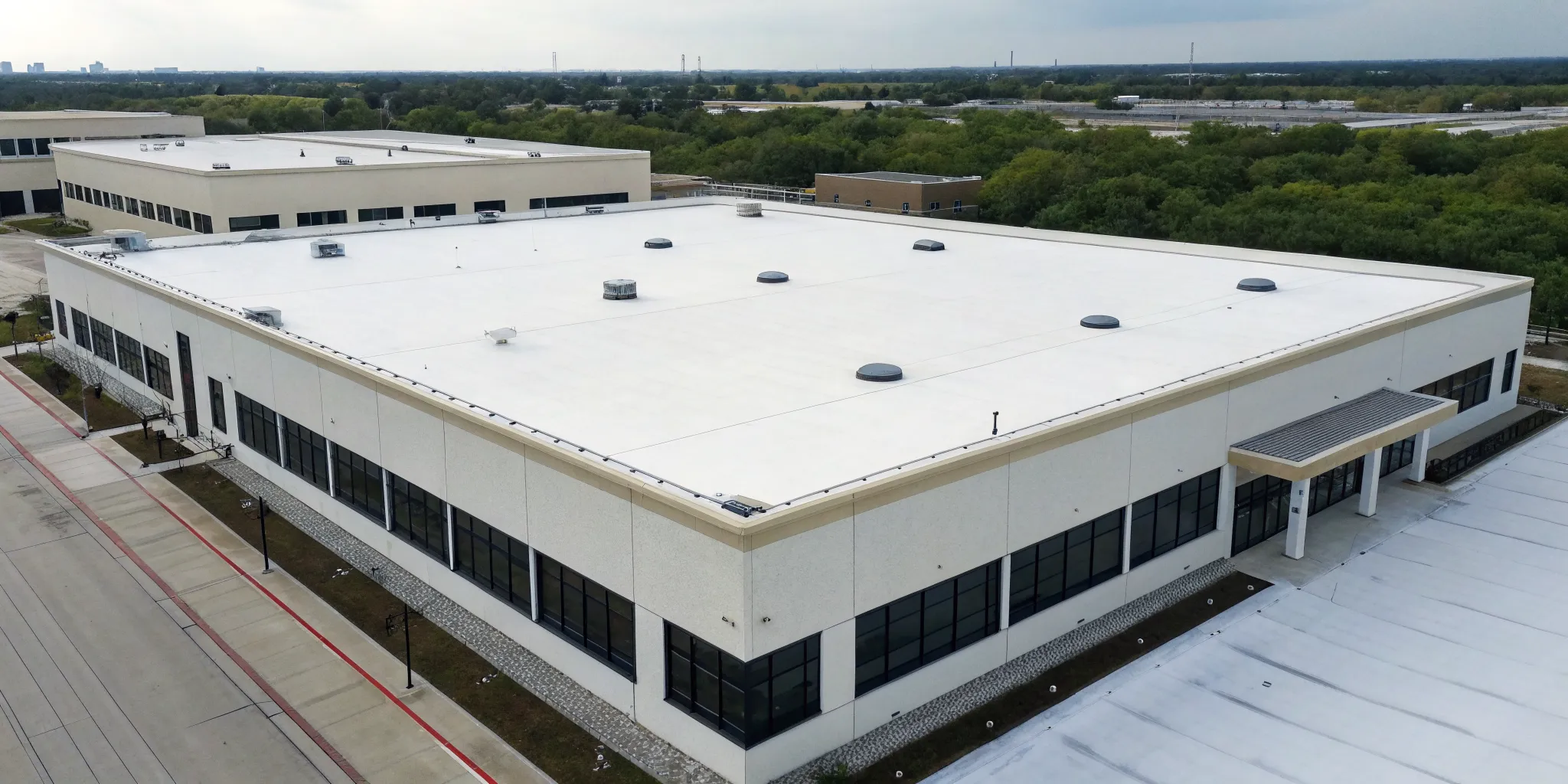
When your roof starts showing its age, it can feel like you’re stuck between two bad options: paying for a constant cycle of small repairs or draining your savings for a full replacement. This leaves many homeowners feeling stressed and unsure of the right path forward. The good news is there’s a third solution that provides a fantastic middle ground: roof recovery. This process gives your home a brand-new, watertight layer of protection without the cost and mess of a complete tear-off. It’s a smart, practical way to extend your roof’s life, but it’s crucial to know if your property is a good candidate.
Key Takeaways
- Recovery is a cost-effective shortcut, not a universal fix: It saves you time and money by applying a new roof system over the old one, but this is only a viable option if your roof’s current structure is sound.
- Know when a full replacement is non-negotiable: If your roof has major structural damage, widespread moisture, or already has two layers, a full tear-off is necessary. Covering these issues will only lead to bigger, more expensive problems.
- An expert inspection is your most important step: Before making a decision, have a licensed and insured professional perform a thorough, on-the-roof assessment to get an honest diagnosis and avoid costly mistakes.
Recognizing the Urgent Signs of a Failing Roof
Sometimes, the most obvious signs of a failing roof aren’t on the roof itself—they’re inside your home. Long before you spot a single damaged shingle, your ceilings and walls might be sending out distress signals. Ignoring these early warnings can turn a manageable repair into a major restoration project. It’s so important to know what to look for so you can act quickly. Catching these issues early not only protects your home’s structure but also safeguards your family’s health from hidden dangers like mold. Let’s walk through the key indicators that your roof needs immediate attention, starting with the clues that appear right over your head.
Warning Signs Inside Your Home
Peeling Paint and Sagging Drywall
If you spot water stains on your ceiling, paint that is bubbling or peeling, or drywall that seems to be sagging, your first instinct might be to grab a paintbrush. Please don’t. These are classic signs that water has breached your roof and is soaking into your home’s structural materials. The moisture saturates the drywall, causing it to lose integrity and droop, while also breaking the bond between the paint and the surface. These aren’t just cosmetic flaws; they are direct evidence of an active leak. Addressing the source promptly is essential to prevent further water damage and avoid more extensive, costly repairs to your ceiling and walls.
Persistent Musty Odors
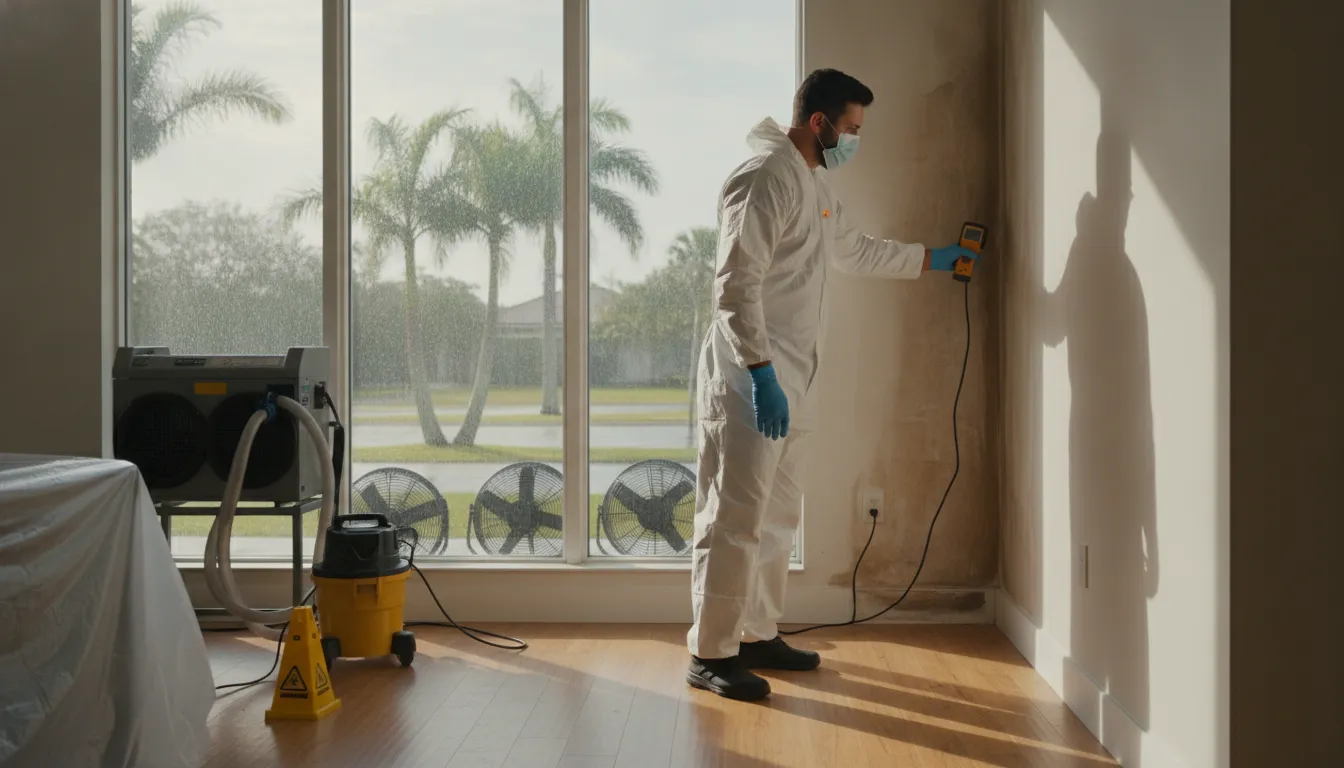
A persistent musty or earthy smell inside your home, especially in upper-level rooms or closets, is a major red flag. This odor is almost always caused by hidden mold or mildew, which thrives in the damp, dark environments created by a slow roof leak. Even if you can’t see any water, that distinct smell tells you that moisture is trapped somewhere—likely in your attic, insulation, or behind your walls. Since mold can begin to grow within just 48 hours of water intrusion, that odor is a clear signal to investigate the source immediately. Professional mold remediation is often necessary to fully resolve the issue and protect your family’s respiratory health.
The Hidden Dangers: Mold and Fire Risks
How Quickly Mold Can Grow
It’s easy to underestimate a small roof leak, but the timeline for secondary damage is alarmingly short. Mold can begin to grow on damp materials in as little as 24 to 48 hours. This means that a minor drip you noticed after a storm can quickly escalate into a widespread contamination problem inside your attic or walls. Waiting to see if the leak stops on its own is a gamble you don’t want to take. The longer materials stay wet, the more extensive the mold growth becomes, leading to poor indoor air quality and potential health issues. A rapid response is the only way to get ahead of the problem and ensure your home remains a safe environment.
Water Damage and Electrical Fire Hazards
Beyond the threat of mold, a leaking roof introduces another serious, often-overlooked danger: the risk of an electrical fire. When water seeps into your attic, it can saturate the insulation and come into contact with electrical wiring, junction boxes, and light fixtures. This dangerous combination can cause short circuits, which can spark a fire inside your walls or attic. On top of that, wet insulation loses its thermal resistance, making your home less energy-efficient and driving up your utility bills. Protecting your property means addressing the leak before it can compromise your home’s electrical system and create a life-threatening fire hazard.
Immediate Steps to Take During an Active Leak
Emergency Tarping and Water Extraction
If you have water actively dripping into your home, the top priority is to stop more from coming in. A professional restoration team can perform emergency tarping on your roof, creating a temporary but effective barrier against the elements while a permanent fix is planned. Once the source is controlled, the focus shifts to drying out the interior. Professionals use powerful equipment like industrial-grade air movers and dehumidifiers to extract moisture from carpets, drywall, and structural wood. This rapid drying process is critical for halting further damage and preventing mold growth. If you’re facing a crisis, calling for disaster recovery services ensures these steps are taken quickly and correctly.
So, What Exactly Is Roof Recovery?
Think of roof recovery as a strategic refresh for your roof, not a complete overhaul. It’s a process where a new roofing system is installed directly over your existing one. This is a fantastic option when your roof’s underlying structure is still in good shape, but the surface is starting to show its age from years of sun and storms. Instead of tearing everything off down to the deck and starting from scratch, roof recovery adds a new, durable layer of protection.
This approach can extend the life of your roof for many years, pushing a full replacement further down the road. It’s a practical, stopgap solution that saves time, money, and the hassle of a major construction project. Of course, not every roof is a candidate for recovery. A thorough inspection is needed to ensure there isn’t extensive damage hiding underneath. But for a roof that’s a bit worn but not worn out, recovery is one of the smartest roofing services you can choose. It reinforces your home’s first line of defense against the elements without the disruption of a total tear-off.
How Does the Roof Recovery Process Work?
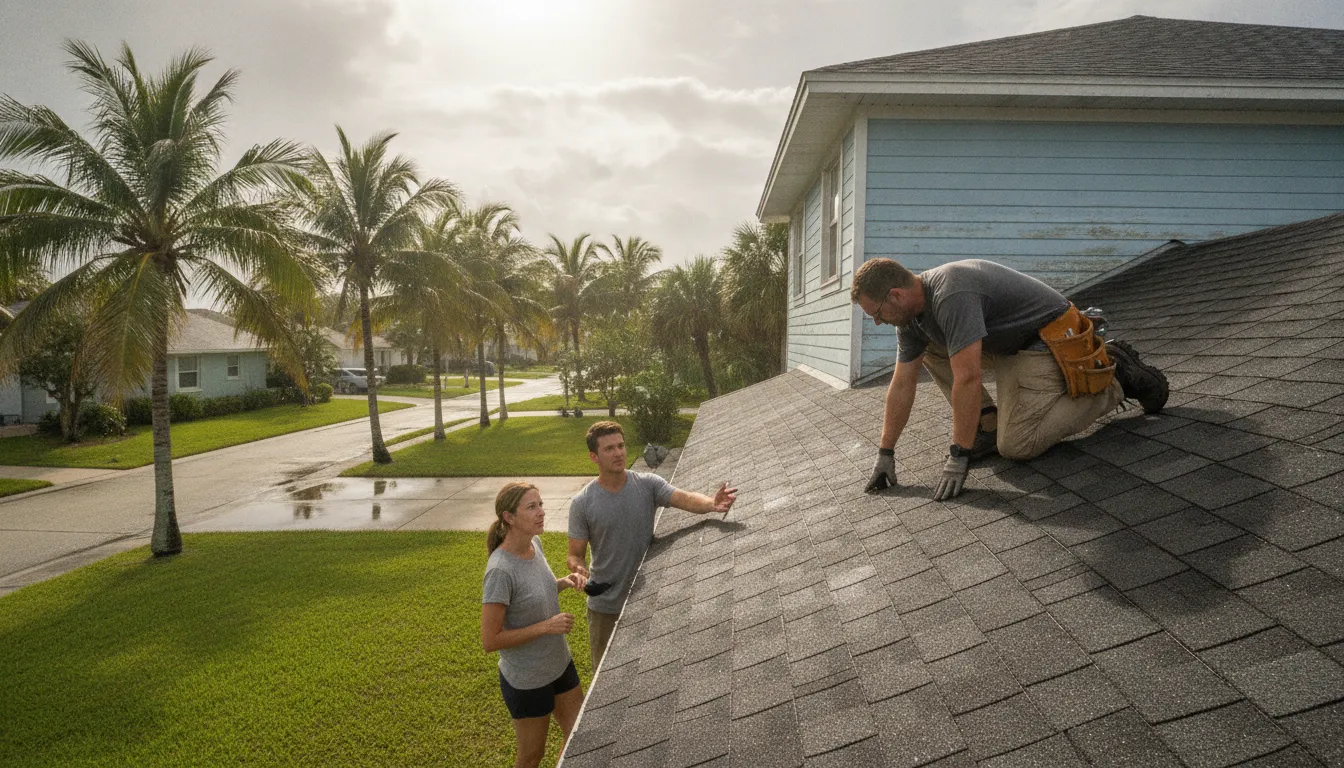
The roof recovery process is refreshingly straightforward. It begins with a professional roofer conducting a detailed inspection of your current roof to confirm it’s structurally sound and a good candidate for the procedure. Next, the team will thoroughly clean the existing roof surface, removing any dirt, debris, or loose materials. They’ll also make minor repairs, like sealing small cracks or securing flashing, to create a smooth and stable base.
Once the prep work is done, the new roofing material is applied directly over the old layer. This creates a seamless, waterproof membrane that revitalizes your roof’s performance and appearance. The whole process is much faster and less invasive than a full replacement, meaning less noise and disruption for you and your family.
Common Materials Used for Roof Recovery
The materials used for roof recovery are chosen for their durability, flexibility, and superior water resistance. For homes with low-slope or flat roofs, which are common in Florida, options often include single-ply membranes like TPO and PVC. These are rolled out over the existing roof to create a tough, watertight seal.
Another popular choice is a liquid-applied coating, such as silicone or acrylic, which is sprayed or rolled on to form a seamless, reflective layer. This not only protects your roof from leaks but can also improve your home’s energy efficiency by reflecting the sun’s rays. For certain applications, spray polyurethane foam (SPF) is used to add both insulation and a durable roofing layer in one step, making it a cost-effective and high-performance solution.
The Benefits of Roof Recovery vs. Replacement
When your roof starts showing signs of wear, it’s easy to assume a full, tear-off replacement is the only solution. But that’s not always the case. Roof recovery is a practical and efficient alternative that can save you time, money, and a whole lot of hassle. In simple terms, it involves installing a new roofing system directly over your existing one. As long as your roof’s underlying structure is sound, this method can add years to its life without the major disruption of a complete replacement. Let’s break down the key benefits of going this route.
Enjoy Significant Cost Savings
Let’s start with the biggest perk: the cost savings. A full roof replacement is a labor-intensive job that includes tearing off old materials, disposing of them, and then installing a completely new system. Roof recovery skips the demolition step, which means the project requires less labor and fewer materials. This makes it a much more affordable option for homeowners whose roofs are structurally sound but could use a new protective layer. If you’re curious about what this could mean for your budget, we can provide a clear estimate for our roofing services.
Experience a Faster, Less Disruptive Project
A full roof replacement can seriously interrupt your daily routine with constant noise, debris, and activity. The process can take days, turning your property into a construction zone. Roof recovery is a much faster and cleaner alternative. Because we’re adding a new layer on top of the old one, there’s significantly less mess and commotion. The project is usually finished much quicker, allowing your home and your life to get back to normal sooner. This streamlined approach keeps your property protected without the prolonged inconvenience of a tear-off.
Maintain Protection From the Elements
Your roof is your home’s primary shield against Florida’s unpredictable weather, and roof recovery is a fantastic way to fortify that shield without a full tear-off. This method adds a brand-new, waterproof layer directly over your current roof, significantly improving its ability to stand up to heavy rain and intense sun. By creating this seamless membrane, we effectively guard against leaks and the costly water damage that can follow. This approach revitalizes your roof’s performance and can extend its life for many years, keeping your home protected and delaying the need for a more disruptive replacement.
The materials used in roof recovery are specifically chosen for their resilience and superior water resistance. Options like single-ply membranes or advanced liquid-applied coatings are designed to handle the elements with ease, creating a seamless, durable barrier. So, not only does your roof get a functional upgrade, but it also gains enhanced, long-lasting protection. This ensures your home stays safe and dry through storm season and beyond, giving you incredible peace of mind when the weather takes a turn.
Make a More Sustainable, Eco-Friendly Choice
If you’re looking for a greener option, roof recovery is the clear winner. Tearing off an old roof creates a massive amount of waste, as old shingles and materials are hauled off to a landfill. By keeping the existing roof layer in place, you prevent all that debris from being discarded. This approach not only reduces landfill waste but also conserves the resources needed for a full replacement. Choosing recovery is a responsible way to make your roof last longer while minimizing your home’s environmental impact.
Is Roof Recovery a Good Fit for Your Home?
Deciding between roof recovery and a full replacement isn’t always straightforward. While recovery can be a fantastic, cost-effective solution, it’s only suitable for certain situations. The key is to understand your roof’s current state and what local regulations allow. A thorough professional inspection is the best way to get a clear answer, but you can start by considering a few key factors yourself.
First, Assess Your Roof’s Condition
A roof recovery is a great option if your roof’s underlying structure is still in good shape. Think of it as giving a solid foundation a fresh new surface. A recovery might be a good idea if the current roof structure is strong and sound, and there’s only a little bit of water inside the roof’s insulation or deck. If you’re dealing with minor leaks or surface wear but the core of your roof is holding up well, you could be a perfect candidate. Our team can perform a detailed assessment of your roofing system to confirm its structural integrity and help you make an informed choice.
Understand Your Local Building Codes
Before you get too far into planning, it’s crucial to check local building codes. Here in Florida, regulations are in place to ensure every roof can withstand our unique weather, including hurricanes. Many municipalities, including those in Pinellas County, only permit a maximum of two layers of roofing material. This means if your roof has already been recovered once, you’ll likely need a full replacement this time around. A licensed contractor will be up-to-date on all local requirements and can ensure your project is fully compliant, saving you from potential headaches down the road.
The 25% Rule: What Florida Homeowners Need to Know
Another critical factor, especially for us here in Florida, is the 25% Rule. This is a specific guideline within the Florida Building Code that can make the decision for you. It states that if more than 25% of your total roof area is damaged, you may be required to replace the entire roof section rather than just repairing or recovering it. This rule is designed to ensure roofs are structurally sound and can handle our intense weather. Determining that exact percentage of damage isn’t something you can eyeball from the ground; it requires a meticulous inspection by a professional. A licensed roofer can accurately assess the damage and tell you whether your project falls under this rule, preventing you from investing in a recovery only to find out a full replacement is mandatory.
Red Flags: When Roof Recovery Isn’t an Option
Sometimes, a roof has issues that go beyond what a simple recovery can fix. A roof replacement is likely needed if the roof deck, which is the main support layer, is broken or badly damaged. Widespread moisture is another major red flag. If a lot of water has gotten into the roof system, covering it up will only trap the moisture and could lead to serious problems like rot and mold. Significant water damage needs to be addressed at its source, which usually means a full tear-off and replacement is the only safe path forward.
When Is a Full Replacement the Smarter Choice?
While roof recovery sounds appealing, it’s not a one-size-fits-all solution. Sometimes, a full roof replacement is the only way to ensure your home is safe, secure, and protected from the elements. Think of it as a necessary investment in your property’s long-term health. Covering up deep-seated issues with a new layer will only lead to bigger, more expensive problems down the road. Certain red flags indicate that starting fresh with a new roof is the smarter, safer option. If your roof’s problems go beyond surface-level wear and tear, a complete replacement is the responsible choice.
For Roofs with Major Structural Damage
The structural integrity of your roof is non-negotiable. If the underlying framework is compromised, a simple recovery won’t fix it. The most critical component is the roof deck, which is the main support layer that everything else sits on. A professional assessment might find that the roof deck is broken or badly damaged, which automatically points to a full replacement. Other signs of serious structural issues include a sagging roofline, widespread water damage that has led to rot, or soft spots you can feel when walking on the roof. Our expert roofing services can identify these problems and determine the best course of action to restore your home’s safety.
When Your Roof Is Past Its Prime
Every roof has a lifespan. While factors like weather damage are a common reason for replacement, nearly half of all homeowners replace their roofs simply because they’re old. If your asphalt shingle roof is over 20 years old, it’s likely time to start planning for a replacement, even if it looks okay from the ground. Older roofs are far more vulnerable to leaks, wind damage, and other failures, especially with Florida’s intense storms. Trying to put a new layer on top of aging, brittle materials is a recipe for disaster. A full replacement gives you a fresh start with modern, durable materials, providing peace of mind for decades to come.
An Opportunity for Major Upgrades
A full roof replacement might feel like a huge undertaking, but it’s also a rare opportunity to make significant upgrades to your home. When you tear off the old layers, you get a clean slate to work with, allowing you to address issues that a simple recovery can’t fix. This is your chance to improve your home’s energy efficiency, enhance its drainage systems, and integrate modern materials that offer better long-term performance. Instead of just putting a patch on an old problem, you’re investing in a comprehensive solution that can lower your utility bills, prevent future damage, and increase your property’s value.
Improving Insulation and Energy Efficiency
With the old roof gone, you have direct access to the roof deck, making it the perfect time to upgrade your insulation. Proper insulation is a game-changer for your home’s energy consumption, especially with the Florida heat. By adding modern, high-performance insulation, you can significantly reduce heat transfer, keeping your home cooler in the summer and lowering your air conditioning costs. Many new roofing materials also come with energy-efficient properties. For example, some systems use reflective surfaces that bounce sunlight away from your home, further reducing heat absorption and making your home more comfortable year-round.
Enhancing Your Roof’s Drainage System
A full replacement also lets you correct any underlying issues with your roof’s drainage. Over time, you may have noticed water pooling in certain areas or overflowing gutters during heavy rain. A tear-off allows a professional roofer to re-evaluate and improve the entire system. This could mean adjusting the slope in certain sections to ensure proper water runoff, installing crickets behind chimneys to divert water, or upgrading to a more effective gutter system. By proactively managing water flow, you can prevent the chronic leaks and moisture issues that lead to costly water damage and protect your home’s structural integrity for years to come.
Cost Comparison: Roof Recovery vs. Replacement
When you’re facing a roofing issue, one of the first questions that comes to mind is, “How much is this going to cost?” It’s a valid concern, and the answer depends heavily on whether you need a roof recovery or a full replacement. While many homeowners assume replacement is always the more expensive route, that’s not always the full picture.
Roof recovery is often less expensive upfront because it requires fewer materials and less labor. You’re essentially adding a new layer over the existing one, which saves on the time and cost of a complete tear-off. However, the final price tag for any roofing project, whether it’s a recovery or a replacement, isn’t set in stone. Several factors come into play, from the size of your roof to the materials you choose. Understanding these variables will help you set a realistic budget and make an informed decision for your home.
What Factors Determine the Final Price?
The price of any roofing project depends on a few key factors. The size of your roof, the type of material used, the extent of the damage, and local labor costs all influence the final bill. For example, a simple patch job will cost less than a larger recovery project. Emergency repairs after a storm also tend to cost more due to the urgency.
A good rule of thumb many professionals use is the 25% rule. If more than a quarter of your roof is damaged, it’s usually more cost-effective in the long run to opt for a full replacement instead of trying to patch it up. A recovery might seem cheaper now, but it could lead to more expensive problems down the road if the underlying issues aren’t addressed.
Will Your Insurance Cover Roof Recovery?
Your homeowner’s insurance can be a huge help, but coverage depends on the cause of the damage. Most policies cover damage from sudden events like a fire, hail, or high winds. However, they typically don’t cover issues that arise from normal wear and tear or a lack of maintenance. It’s important to read your policy carefully to understand what is and isn’t included.
Navigating insurance claims can be tricky, which is why getting a professional opinion is so important. A trusted roofing contractor can assess the damage, determine its cause, and provide the documentation you need for your claim. If you’re unsure about the extent of your roof damage or how to proceed, it’s always best to contact us for a thorough inspection.
Financial Assistance Programs for Roof Repairs
Finding out you need a major roof repair or a full replacement can feel overwhelming, especially when you start thinking about the cost. But please don’t let the price tag force you to put off essential work that keeps your home and family safe. The good news is you might not have to cover the entire expense on your own. There are several financial assistance programs designed to help homeowners afford necessary roof repairs. From government grants to community support and alternative financing, you have options. Taking the time to explore these resources can make a critical home project much more manageable.
Government Grants and Loans
You might be surprised to learn that federal and state governments offer programs to help homeowners with critical repairs. The USDA Section 504 Home Repair Program is a great example. It provides grants of up to $10,000 to address health and safety hazards, like a leaky roof, for eligible homeowners. These grants don’t have to be repaid. The program also offers loans of up to $40,000 at a very low interest rate for larger projects. Another option is the HUD Title I Property Improvement Loan, which can provide up to $25,000 for single-family homes without requiring you to have a lot of equity built up. These programs are specifically designed to make homes safer.
Non-Profit and Community Support
Beyond government aid, many non-profit and community organizations are dedicated to helping homeowners maintain safe living conditions. Groups like Rebuilding Together offer free home repairs, including roofing, for low-income families, the elderly, veterans, and individuals with disabilities. Similarly, Habitat for Humanity’s home preservation programs, like “A Brush with Kindness,” provide low-cost repair services to families who meet their income guidelines. These organizations are powered by volunteers and community donations, and their goal is to help neighbors stay in their homes safely. Exploring these local resources can be a wonderful way to get the help you need.
Alternative Financing Options
If you don’t qualify for grants or non-profit assistance, don’t lose hope. There are still several other ways to finance your roofing project. Many homeowners turn to personal loans from a credit union, which often have better interest rates than credit cards. A Home Equity Loan or Home Equity Line of Credit (HELOC) is another common choice, allowing you to borrow against the value of your home. Some contractors also offer their own financing plans to help spread out the cost over time. It’s worth exploring all these avenues to find a payment solution that fits your budget for any necessary roofing services.
Understanding the Application Process and Timelines
It’s important to know that securing financial assistance takes time and preparation. The application process isn’t instant, so it’s best to start early. You’ll need to gather several documents, including proof of homeownership, income verification like tax returns or pay stubs, and details about your property. Processing times can vary widely—some programs may take a few months to approve funding. The first step is always to get a clear diagnosis of your roof’s condition and a detailed estimate for the work. A professional inspection from a trusted team can provide the essential documentation you’ll need for any application. If you’re ready to get started, you can contact us to schedule an assessment.
Don’t Believe These Roof Recovery Myths
Making a major decision about your home can feel overwhelming, especially when you’re sorting through conflicting advice. When it comes to your roof, understanding the difference between fact and fiction is the best way to protect your property and your wallet. Let’s clear up a couple of common myths about roof recovery so you can make a confident, informed choice for your home.
Myth: It’s Always the Cheapest Option
It’s easy to see why this myth is so popular. Since roof recovery involves fewer materials and less labor than a full tear-off, it often comes with a lower initial price tag. However, it’s not always the most cost-effective solution. If your current roof has underlying issues that need to be fixed first, those repair costs can add up quickly. In some cases, a straightforward replacement might be a better long-term investment. The final price depends entirely on your roof’s condition and the materials you choose. A professional assessment is the only way to get a clear picture of what your specific roofing services will cost.
Myth: Any Roof Is a Good Candidate
This is a critical misunderstanding that can lead to serious problems down the road. A roof recovery is only an option if the existing structure is in good shape. Most building codes only permit a maximum of two layers of roofing material, so if you already have a second layer, recovery is off the table. Furthermore, you can’t simply cover up significant problems like soft spots, widespread leaks, or saturated insulation. Trapping moisture and decay under a new layer of shingles will only cause more extensive damage over time. Before you move forward, it’s essential to schedule a thorough inspection to confirm your roof is a suitable candidate.
What Are the Risks of Roof Recovery?
Roof recovery can be a fantastic, budget-friendly option, but it’s not always the right call. Moving forward without a clear picture of your roof’s health can lead to bigger, more expensive headaches later on. The main risks involve trapping hidden damage beneath the new layer and overburdening your home’s structure with extra weight. Understanding these potential issues is the first step to making a smart decision for your home. A professional inspection is key to avoiding these pitfalls and ensuring your roof is a good candidate for recovery.
The Risk of Trapping Moisture and Damage
The most significant risk of roof recovery is essentially putting a bandage on a much deeper problem. If your current roof has trapped moisture, soft spots, or a damaged underlying deck, simply covering it up won’t fix anything. In fact, it can make things worse. Sealing in moisture can accelerate rot and lead to serious mold growth within your roofing system and attic. This hidden damage compromises your home’s structural integrity and can result in costly repairs that go far beyond the roof itself. That’s why a detailed inspection is non-negotiable before considering a recovery.
Considering the Impact of Added Weight
Every new layer of roofing material adds significant weight to your home’s structure. While your house was built to support its original roof, it may not be designed to handle the load of two or even three layers. This extra weight can strain your home’s foundation and structural supports over time, leading to potential safety issues. Local building codes often limit how many layers a roof can have for this exact reason. A qualified professional will assess your home’s structure to determine if it can safely bear the additional load, ensuring your roofing project is both effective and secure for the long term.
How to Find a Trustworthy Roofing Pro
Making a decision about your roof is a big deal, and finding the right person for the job can feel like the hardest part. The right professional will act as your partner, guiding you through the process with clear explanations and honest advice, not a high-pressure sales pitch. They’ll help you understand the specific issues your roof is facing and lay out the best options for your home and budget. Taking the time to find a qualified, trustworthy contractor is the single most important step you can take to protect your investment and ensure you get a roof that lasts. A great roofer doesn’t just install shingles; they provide peace of mind. When you’re facing a potential roof recovery or a full replacement, you need an expert who will look out for your best interests. This means someone who is transparent about costs, realistic about timelines, and committed to quality workmanship. The relationship you build with your roofer is crucial, as you’re entrusting them with the safety and integrity of your home. Don’t rush the selection process; your patience will pay off with a job done right the first time.
Always Choose a Licensed and Insured Contractor
Before you even start talking about materials or timelines, make sure any contractor you consider is fully licensed and insured. This is your first line of defense. A license confirms they meet Florida’s standards for professional work, while insurance protects you from liability in case of accidents on your property. Any reputable company will readily provide proof of their credentials. This simple verification step ensures you’re working with a legitimate business that stands by its work. Partnering with a trusted, insured team is the foundation for a successful and stress-free roofing project.
Look Beyond Price for Long-Term Value
It’s completely understandable to want the best deal, especially with a big-ticket item like a roof. But when you’re comparing quotes, the lowest number isn’t always the winning one. A significantly lower bid can sometimes be a red flag for corner-cutting, whether it’s through cheaper materials or less experienced labor. While a roof recovery can be a more affordable option than a full replacement because it requires less labor, the quality of that labor and the materials used still matters immensely. Think of your roof as a long-term investment in your home’s safety. A well-installed, high-quality roof will protect your property for years, while a poorly done job could lead to leaks, water damage, and even more expensive repairs down the line. A reputable contractor’s price reflects quality materials, proper insurance, and the expertise to do the job right the first time.
Gauge Reputation Within the Industry
A contractor’s reputation is their resume, and it’s one you should definitely check. Look for recent online reviews on sites like Google and read through both the glowing praise and any criticisms. How a company handles negative feedback can tell you a lot about their professionalism and commitment to customer satisfaction. Don’t hesitate to ask for a list of local references you can call—speaking to past clients is a great way to get an unfiltered opinion. A trustworthy roofer will be proud of their work and happy to connect you with satisfied customers. Their job is to give you an honest, professional assessment of your roof’s condition, not just push the most expensive option. When you find a company with a solid track record, you can feel more confident that you’re getting a reliable partner for your project.
Require a Detailed Roof Inspection
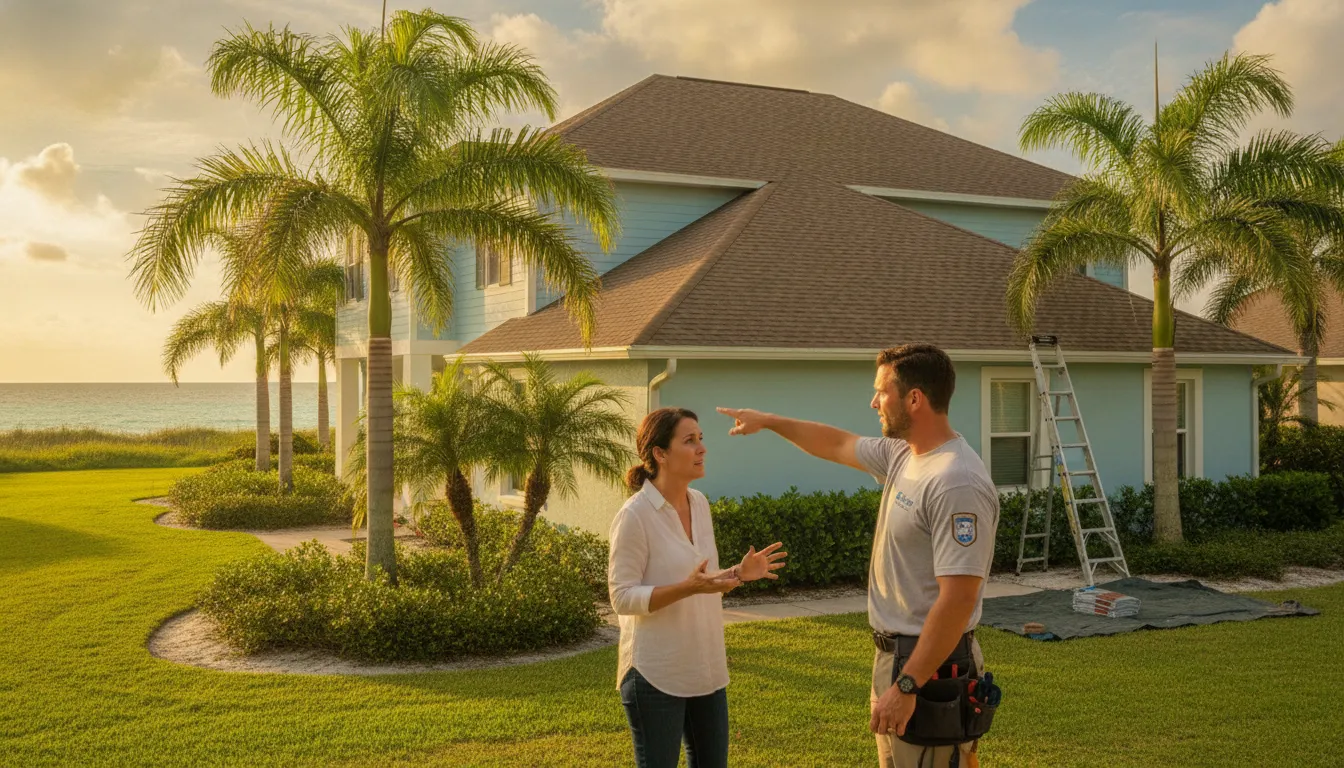
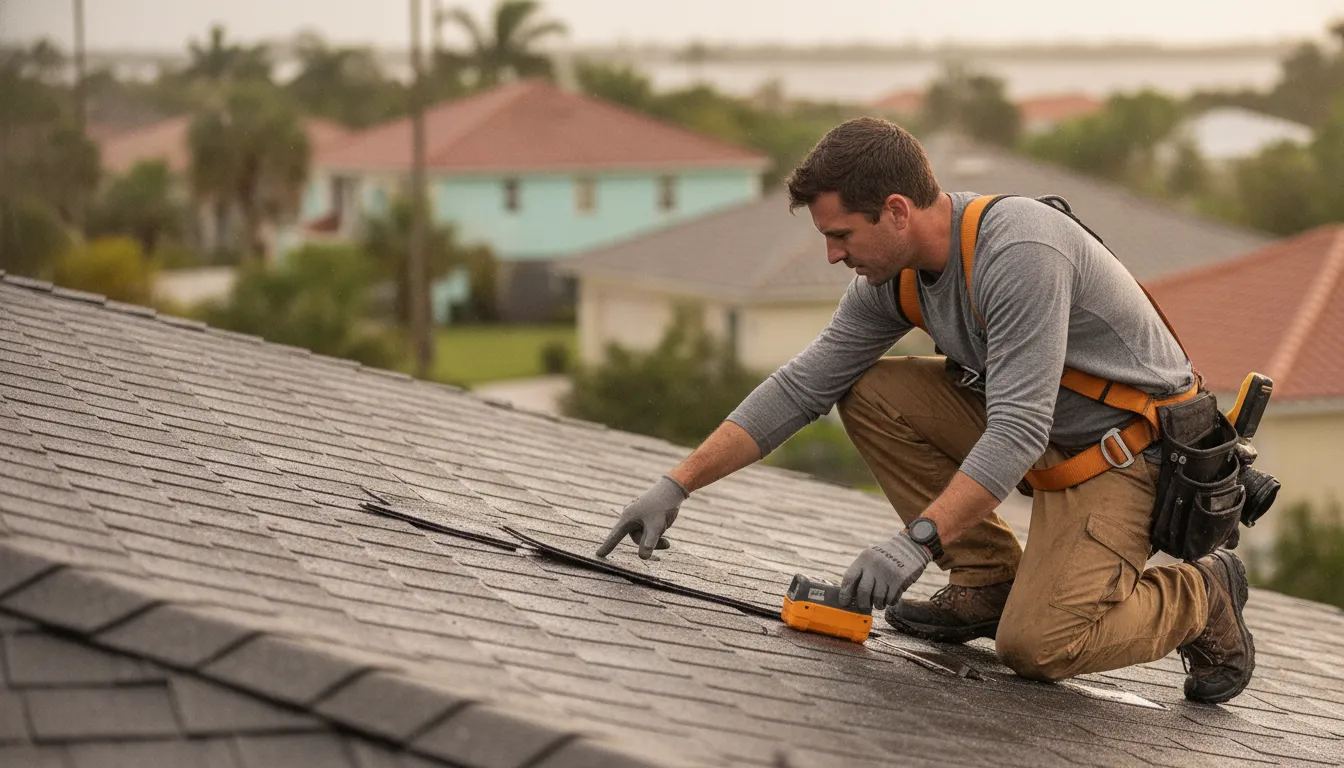
A quote given from the ground or after a quick glance is a major red flag. A true professional will get on your roof for a detailed inspection before recommending a solution. They need to check the condition of your shingles, look for signs of water damage on the underlayment, and inspect the flashing around chimneys and vents. Be cautious of any contractor who immediately suggests a full replacement. Often, “small leaks, missing shingles, or localized flashing issues can often be fixed with targeted repairs.” A comprehensive assessment from a provider of expert roofing services ensures you get an accurate diagnosis and a fair price for the work that actually needs to be done.
Related Articles
Frequently Asked Questions
How can I tell if my roof is a good candidate for recovery? The best way to know for sure is with a professional inspection, but you can look for a few key signs. A good candidate for recovery is a roof that is structurally sound but has surface-level wear. If your main issues are things like aging shingles or minor leaks, and you only have one layer of roofing material currently, recovery could be a great fit. However, if you see signs of a sagging roofline, widespread water stains in your attic, or soft spots on the roof deck, a full replacement is likely the necessary path.
Is a roof recovery a permanent solution? Think of roof recovery as a long-term life extension for your roof, not a permanent fix. It’s a strategic way to add another 10 to 20 years of solid performance to a roof that still has a strong foundation. It effectively pushes the need for a more disruptive and expensive full replacement further down the road. Eventually, every roof will need to be fully replaced, but a well-executed recovery is an excellent and durable solution for the right situation.
What are the biggest risks if I choose recovery for the wrong roof? Choosing recovery for an unsuitable roof can create serious problems. The main danger is trapping existing moisture under the new layer, which can cause the underlying roof deck to rot and lead to significant mold issues. It also adds a great deal of weight to your home’s structure, which could cause strain if it wasn’t designed to support it. This is why a thorough, professional assessment is so important before making a decision.
How many times can a roof be recovered? Generally, a roof can only be recovered once. Most local building codes, including those in our area of Florida, permit a maximum of two layers of roofing material on a structure. This rule is in place for safety reasons, primarily to prevent the roof from becoming too heavy for the home’s frame to support. If your roof already has two layers, a full tear-off and replacement is your only option.
Will a recovered roof look as good as a brand new one? Yes, a professionally installed roof recovery will give your home a fresh, updated appearance that is virtually indistinguishable from a new roof. The process involves applying a brand new, seamless layer of modern roofing material over your old one. This new surface completely covers any old, worn shingles, resulting in a clean and uniform look that improves your home’s curb appeal.