Think emergency water damage repair is just about giant vacuums sucking up water? That’s a common misconception. In reality, it’s a precise, rapid-response science. A professional team does more than just dry a wet floor; they stop damage immediately to prevent serious long-term problems like hidden mold and structural rot. Knowing what the pros actually do is key to making smart decisions under pressure. We’ll walk you through the entire process—from the initial safety assessment and water extraction to the final drying and restoration—so you feel confident and know exactly what to expect.
Key Takeaways
- Act quickly and safely to minimize damage: Your first steps in a water emergency should be shutting off the power and water source, moving belongings to a dry area, and taking plenty of photos to document everything for your insurance claim.
- Professional restoration is a comprehensive process: A certified team does more than just clean up. They use industrial-grade equipment for complete water extraction, structural drying, and mold prevention, which is essential for avoiding long-term issues.
- Prevention is your best defense against future issues: You can avoid many water-related disasters with routine home maintenance, like checking for leaks around appliances and keeping your gutters clear. Understanding your insurance policy ahead of time also ensures you’re prepared.
What Happens During an Emergency Water Damage Repair?
Emergency water damage repair is the immediate response needed when your home or business is hit by unexpected water. Think of it as first aid for your property. It’s not just about cleaning up a puddle; it’s a comprehensive process that involves professional teams stepping in to stop the water, remove it, and dry everything out to prevent long-term issues. This service is designed to handle urgent situations where water has entered your property unexpectedly, whether from a burst pipe, a severe storm, or a malfunctioning appliance. The main goal is to mitigate the effects of the water intrusion, protecting your property from structural decay, ruined belongings, and the health risks that come with mold growth. A professional team uses specialized equipment to extract standing water, dehumidify the air, and ensure every affected surface is thoroughly dried. This isn’t a DIY job; it requires industrial-grade fans, moisture meters, and expertise to find hidden moisture that could cause problems later. Essentially, it’s a critical service designed to handle everything from a burst pipe to storm flooding, getting your space back to normal as quickly and safely as possible.
What Causes Sudden Water Damage?
Water emergencies can spring from many sources, and they often happen without warning. You might be dealing with a burst pipe under the kitchen sink, a washing machine that overflowed, or a leaky roof during a classic Florida downpour. Other common culprits include backed-up sewer lines, failing water heaters, and flooding from severe storms. While you can’t control the weather, it’s worth noting that many water-related issues can be avoided with regular property maintenance. A quick inspection of your appliances and plumbing can save you a major headache down the road, but when disaster strikes, professional water damage restoration is your best bet.
Why Every Second Counts After Water Damage
When it comes to water damage, time is not on your side. Water spreads incredibly fast, seeping into floors, soaking into drywall, and saturating furniture within minutes. Even just a few inches of water can cause serious structural damage to your property. The longer you wait, the more extensive and expensive the repairs become. Beyond the immediate destruction, moisture creates the perfect breeding ground for mold, which can begin to grow in as little as 24 to 48 hours. Acting quickly is the single most important thing you can do to minimize the damage, lower restoration costs, and protect your health by preventing mold growth.
What to Do Immediately After Finding Water Damage
When you discover water pooling in your home, it’s easy to feel overwhelmed. The key is to act quickly but safely. Taking the right steps in the first few minutes can make a huge difference in the extent of the damage and the complexity of the cleanup. Before you even think about repairs, your focus should be on stopping the problem from getting worse and ensuring everyone is safe. Think of this as your immediate action plan to manage the situation until professional help arrives. These initial actions set the stage for a smoother and more effective water damage restoration process.
Safety First: Turn Off Power and Utilities
Before you do anything else, think about safety. Water and electricity are a dangerous combination. If you can safely get to your home’s breaker box, turn off the power to all affected areas. This simple step can prevent electrical shocks and potential fires. If the water is deep or near electrical outlets, don’t risk it. Next, if you know where the main water shut-off valve is and can access it without walking through standing water, turn it off. This will stop more water from entering your home. Your safety and the safety of your family should always be your number one priority in any emergency situation.
How to Stop the Water at Its Source
Once the immediate electrical hazards are managed, your next goal is to stop the flow of water. If a pipe has burst or an appliance is leaking, shutting off the main water valve should handle it. Sometimes the source is obvious, like an overflowing toilet, but other times it might be hidden behind a wall or in the ceiling. Do your best to identify where the water is coming from. If you can’t find the source or are unable to stop it on your own, it’s time to call for professional help. The sooner the water is stopped, the less damage your property will sustain.
Move Valuables and Remove Excess Water
With the water source controlled, you can start protecting your belongings. Move any furniture, rugs, and personal items out of the affected area or lift them onto blocks to get them away from the water. If you have standing water, you can begin removing it. Use mops, towels, or a wet/dry vacuum to soak up as much as you can. This initial cleanup helps prevent water from seeping deeper into floors and walls, which can lead to more serious structural issues and mold growth. Remember, this is just a first pass to mitigate damage while you wait for a disaster recovery team.
Document the Damage for Your Insurance Claim
Before you move too much or start any major cleanup, pull out your phone and document everything. Take clear photos and videos of the source of the water, the standing water, and all the damaged areas and items. This visual evidence is incredibly important for your insurance claim. Make a list of everything that has been damaged, from flooring and drywall to furniture and electronics. Detailed documentation will make the claims process much smoother and help ensure you get the coverage you need for repairs. Once you have your evidence, it’s time to contact a professional to handle the rest.
The Professional Water Damage Repair Process
When you call a professional restoration team, you’re getting much more than a simple cleanup crew. A certified company follows a detailed, systematic process to handle everything from initial water removal to final repairs. They use specialized equipment and proven techniques to ensure your property is returned to its pre-damage condition safely and efficiently. This comprehensive approach addresses not only the visible water but also the hidden moisture that can lead to long-term problems like structural damage and mold growth. Think of it as a complete recovery plan for your home, managed by experts who know exactly what to look for and how to handle it. The goal is to make your space safe, clean, and fully restored. A professional disaster recovery service will manage every step, from assessing the extent of the damage to coordinating with your insurance company. They bring an organized approach to a chaotic situation, giving you peace of mind and helping you get back to normal faster. Instead of you having to figure out what to do next, they arrive with a clear plan of action. Let’s walk through what you can expect from a professional restoration service.
Step 1: Complete Water Extraction
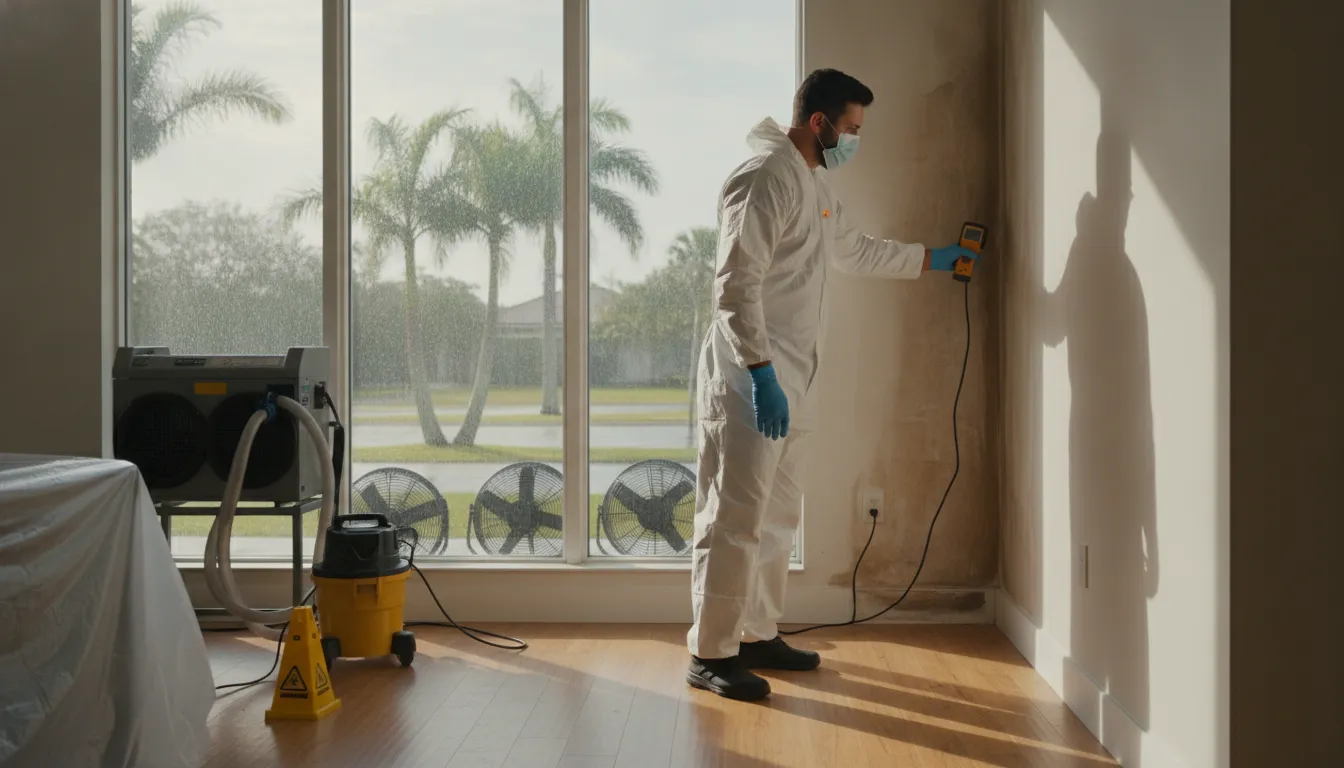
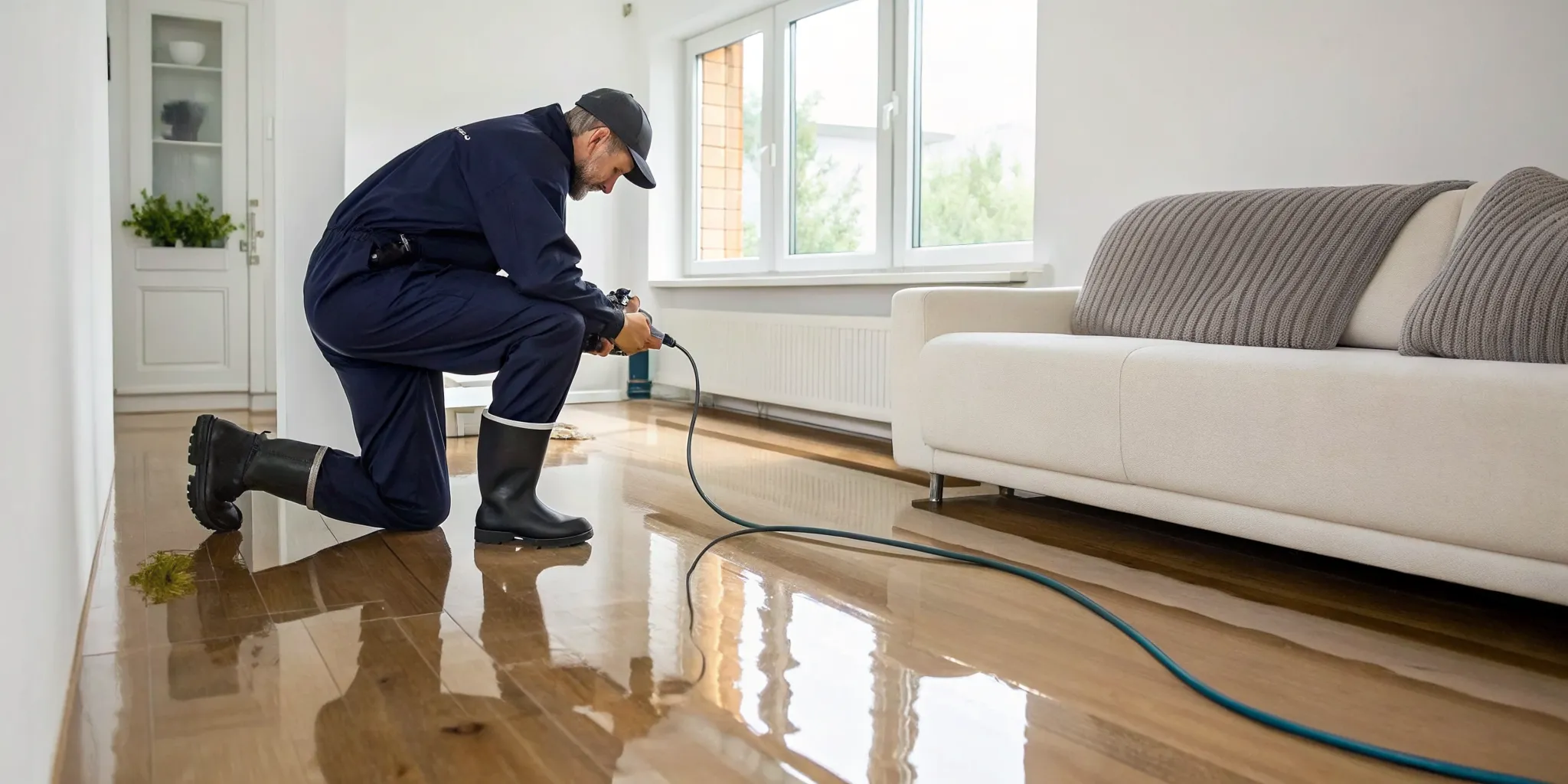
The first and most urgent step is to get the water out. Professional teams use powerful, truck-mounted vacuums and submersible pumps for emergency water cleanup, removing hundreds or even thousands of gallons of water from your property. This isn’t just about mopping up puddles; it’s a rapid extraction process designed to stop the water from spreading further and seeping deeper into your floors, walls, and furniture. Once the standing water is gone, they use advanced tools like moisture detectors and hygrometers to find any hidden pockets of water, ensuring no moisture is left behind. This initial phase is critical for minimizing the overall damage.
Step 2: Drying and Dehumidifying Everything
After the water is extracted, the real drying begins. Your home might look dry, but moisture can remain trapped in porous materials like wood, drywall, and insulation. To handle this, restoration experts bring in industrial-grade air movers and dehumidifiers. These powerful machines create airflow across walls, carpets, and furniture to accelerate evaporation, while the dehumidifiers pull that moisture out of the air. This part of the process typically takes three to five days and is essential for preventing the warping, swelling, and breaking down of structural materials. It’s a science-backed method to thoroughly dry your home.
Step 3: Preventing and Treating Mold Growth
Where there’s water, there’s a risk of mold. Mold can begin to grow within 24 to 48 hours of water exposure, which is why a professional response is so important. As part of the drying process, restoration specialists will apply antimicrobial treatments to affected surfaces to prevent mold from taking hold. If mold is already present, they will shift to a full mold remediation process. This involves containing the area to prevent cross-contamination, removing the mold-infested materials, and filtering the air to remove spores, ensuring your home is safe and healthy.
When to Call a Mold Remediation Professional
After a water incident, your senses are your best first line of defense against mold. If you notice a persistent musty or earthy smell, even if you can’t see any growth, it’s a strong indicator that mold is hiding somewhere. Of course, any visible discoloration—black, green, or white patches—on walls, ceilings, or other surfaces is a clear signal to take action. It’s also important to pay attention to your health. If you or your family start experiencing unexplained allergies, respiratory issues, or headaches, it could be linked to mold exposure, as noted by the CDC. While it might be tempting to try a DIY cleanup, calling a professional is essential because they don’t just scrub away the visible spots; they identify and fix the underlying moisture problem to ensure the mold doesn’t come back.
The Role of Mold Testing
You might wonder if mold testing is really necessary, especially if you can already see the mold. While visual confirmation is a start, professional mold testing plays a crucial role in the remediation process. It’s not just about confirming mold’s presence; it’s about identifying the specific type and concentration of mold spores in your home. This information is vital for a remediation team to develop the most effective and safest removal strategy. According to the EPA, understanding the scope of the contamination helps ensure the right containment and cleanup methods are used. This is particularly important if anyone in your household has asthma, allergies, or other respiratory conditions, as testing helps confirm that the air quality has been returned to a safe level after the remediation is complete.
Step 4: Cleaning and Restoring Your Space
The final step is to clean, sanitize, and restore your home and belongings. This includes everything from deep cleaning carpets and furniture to sanitizing surfaces to remove bacteria and other contaminants. Professionals use specialized techniques to clean and restore items you might have thought were lost, including documents, photographs, and electronics. They also use deodorizers to eliminate any lingering musty odors from the water damage. For items that are too damaged to be saved, they will help you document them for your insurance claim and dispose of them properly, leaving you with a clean, fresh space.
How Much Does Emergency Water Damage Repair Cost?
When you’re dealing with a water emergency, one of the first questions that comes to mind is, “How much will this cost?” The answer isn’t straightforward because every situation is unique. The final price depends on several key variables, from the type of water involved to how much of your home is affected. Understanding these factors can help you get a clearer picture of what to expect. While it’s impossible to give a flat rate, a professional restoration company can provide a detailed estimate after assessing the damage. Remember, investing in professional water damage restoration is an investment in protecting your property’s value and ensuring your home is safe and healthy for your family.
What Factors Influence the Cost?
The cost of repairs is determined by the specific details of your situation. Key factors include the size of the affected area, the length of time the water has been present, and the type of water involved. For example, cleanup for clean water from a burst supply line is less complex than for black water from a sewage backup, which requires extensive disinfection. The materials that need to be restored, like hardwood floors versus drywall, also play a significant role in the final bill. A professional team will evaluate all these elements to create an accurate and transparent quote for you.
Type of Water Contamination (Clean vs. Black Water)
It’s important to understand that not all water damage is the same, and the source of the water plays a huge role in the cleanup process and cost. The least severe category is “clean water,” which comes from sources like a burst pipe or an overflowing sink. While it doesn’t contain contaminants, it can still cause significant structural damage and lead to mold if not addressed quickly. On the other hand, “black water” is highly contaminated and poses serious health risks. This type of water comes from sewage backups or floodwaters and contains harmful bacteria and pathogens. Handling it is not a DIY job; it requires a professional water damage restoration team with specialized safety gear to properly disinfect the area, which naturally makes the process more intensive and costly.
A Look at Average Repair Costs
Because costs can vary so widely, it’s difficult to pinpoint an “average” price. A small leak confined to one room will cost significantly less than a multi-level flood. The best way to understand your potential costs is to get a professional assessment as soon as possible. An experienced technician can inspect the damage, identify all affected areas (including hidden moisture), and outline the necessary steps for restoration. Acting quickly not only prevents further damage, like mold growth, but can also help manage the overall repair costs.
Understanding Mold Remediation Costs
If water damage isn’t handled right away, mold is often the next problem you’ll have to deal with, adding another layer of cost to your repairs. The price for mold removal isn’t fixed; it depends on how large the affected area is, where the mold is growing, and the type of materials that are damaged. While national averages range from about $1,200 to $3,800, a small, contained patch will be far less expensive to treat than a large infestation hidden inside your walls. Because mold can start to grow in as little as 24 to 48 hours after water exposure, acting quickly is your best defense against higher costs. If the mold covers more than 10 square feet or you suspect it’s in a hidden area, it’s time to call for professional mold remediation to make sure it’s handled safely and effectively.
How Insurance Can Lower Your Out-of-Pocket Costs
Your homeowner’s insurance policy can significantly reduce your out-of-pocket expenses, but coverage depends on the source of the damage. Most standard policies cover sudden and accidental events, like a burst pipe or a washing machine overflow. However, they typically don’t cover damage from gradual leaks or flooding from natural disasters. For that, you’ll need a separate flood insurance policy. To ensure your claim is successful, it’s critical to report the damage to your provider immediately and document everything with photos and videos. We can work directly with your insurance company to make the process smoother.
Budgeting for Associated Repairs
Once the water is gone and your home is completely dry, the restoration process moves into its next phase: the repairs. This is where your house starts to feel like home again. The initial water mitigation work is focused on preventing further damage, but the associated repairs are what restore your property’s appearance and function. This can involve anything from replacing sections of drywall and repainting to installing new flooring and cabinetry. A professional disaster recovery team will provide a clear and detailed scope of the necessary repairs, so you aren’t left with any surprises. Budgeting for this step is crucial, as it’s what truly brings your space back to its pre-damage condition.
Drywall and Carpet Replacement Costs
Two of the most common materials that need replacing after water damage are drywall and carpeting. Drywall acts like a sponge, and once it becomes saturated, it can lose its structural integrity, crumble, and become a breeding ground for mold. Similarly, while the surface of a carpet might dry, the padding underneath can hold moisture for a long time, leading to mold and unpleasant odors. The cost to replace these materials depends on the size of the affected area and the quality of the new materials you choose. While it’s an added expense, replacing compromised drywall and carpet is a non-negotiable part of a proper water damage restoration to ensure your home is safe and structurally sound.
Managing Out-of-Pocket Expenses
Even with a great insurance policy, you’ll likely have some out-of-pocket costs, such as your deductible or expenses for damages that aren’t covered. Facing these unexpected bills can feel stressful, but you don’t have to handle it alone. The key is to be proactive and communicate openly with your restoration company. A reputable team understands that this is a difficult time and will work with you to find a manageable solution. Before you even get to that point, make sure you have a clear understanding of what your insurance policy covers and what it doesn’t. This knowledge empowers you to plan for any financial gaps and explore your options without feeling caught off guard.
Ask About Payment Plans
Don’t hesitate to ask about payment options. Many professional restoration companies recognize that emergency repairs are an unplanned financial burden and may offer flexible payment plans or financing to help ease the pressure. This is a perfectly normal and reasonable request. A company that is truly there to help you will be transparent about costs and willing to discuss how to make the payments manageable for your budget. When you contact our team, we can walk you through all the available options. Our goal is to get your home restored, and that includes helping you find a financial path forward that works for you.
How to Choose the Right Emergency Water Damage Company
When your property is flooded, the last thing you want to do is spend hours vetting companies. But making a quick, informed decision is key to minimizing damage and getting your life back to normal. The right team will not only handle the cleanup but also guide you through the entire process, from the initial assessment to dealing with insurance. Choosing a reliable partner means looking for a few specific qualities that separate the experts from the rest. A professional water damage restoration service will have the experience, equipment, and availability to tackle the problem head-on, ensuring no moisture is left behind to cause future issues like mold or structural weakness. Taking a few moments to check for these credentials will save you a lot of stress and money down the road.
Confirm They Are Licensed and Certified
Before you let anyone start working on your home, make sure they are properly licensed and insured. This is your first line of defense against shoddy work and protects you from liability if a worker gets injured on your property. Look for technicians certified by the Institute of Inspection, Cleaning and Restoration Certification (IICRC), which is the industry standard for restoration services. A certified company has proven that its team is trained in the best practices for water removal, drying, and restoration. This ensures they not only clean up the mess but also understand the science behind it, preventing long-term problems like hidden mold growth or compromised structural integrity.
Look for 24/7 Availability and a Fast Response
Water damage doesn’t stick to a 9-to-5 schedule, and neither should your restoration company. A true emergency service is available 24/7, ready to respond the moment you call. When water is involved, every hour counts. The longer water sits, the more it soaks into your floors, walls, and furniture, leading to more extensive damage and creating a perfect environment for mold to grow. A company that can promise a fast response time shows they understand the urgency of the situation. When you contact a team, ask them what their estimated arrival time is so you know exactly when to expect help.
Ask About Their Restoration Equipment
Effective water damage restoration requires more than just a few fans and a wet vac. A professional company will use advanced, industrial-grade equipment to get the job done right. Ask potential companies about the tools they use. You should hear them mention things like high-powered water extractors, commercial-grade dehumidifiers, air movers, and moisture meters. This state-of-the-art equipment ensures that they can find and eliminate all hidden moisture, even in hard-to-reach areas like wall cavities and subflooring. Using the right restoration technology is the difference between a temporarily dry surface and a thoroughly restored property that is safe for you and your family.
See What Past Customers Are Saying
One of the best ways to gauge a company’s reliability is by hearing from past customers. Take a few minutes to read online reviews on sites like Google or Yelp. Look for comments that mention the company’s professionalism, communication, and the quality of their work. While a single negative review isn’t necessarily a deal-breaker, a pattern of complaints about missed appointments, hidden fees, or incomplete work is a major red flag. Positive testimonials often highlight the exact qualities you’re looking for: a team that is fast, courteous, and effective. Understanding the experiences of other homeowners can give you the confidence you need to make the right choice during a stressful time.
Consider Their Experience and Company History
A company’s history can tell you a lot about its reliability. A team that has been around for years has a proven track record of handling all kinds of situations, from minor leaks to major storm damage. This experience translates into a more efficient and effective restoration process. They’ve refined their methods over time and understand the specific challenges that properties in our area face, like high humidity that can accelerate mold growth. An established company has also had the time to invest in its team, ensuring they are properly trained and certified in the latest restoration techniques. When you choose a company with a solid history, you’re not just hiring a cleanup crew; you’re partnering with experts who have seen it all and have a systematic plan to get your property back to normal. This level of expertise is what ensures the job is done right the first time, giving you confidence and peace of mind.
Water Damage Mistakes to Avoid at All Costs
When your home is flooding, it’s easy to feel overwhelmed and make decisions in a panic. Knowing what not to do is just as important as knowing what to do. By avoiding a few common missteps, you can protect your home from further harm and keep your family safe while you wait for professional help to arrive. Think of this as your guide to making smart, safe choices under pressure.
Mistake #1: Delaying the Call for Help
The absolute biggest mistake you can make is waiting to call for help. Water damage is a problem that gets worse with every passing minute. What starts as a small leak can quickly saturate drywall, warp flooring, and seep into your home’s structure. The longer materials stay wet, the higher the chance of mold growth, which introduces a whole new set of problems. A fast response can reduce the extent of the damage and save you a significant amount of money and stress in the long run. As soon as you’ve ensured your family is safe, your first call should be to a professional restoration team.
Mistake #2: Trying to DIY with the Wrong Equipment
In an effort to get a head start, you might be tempted to grab your household vacuum to suck up the water. Please don’t do this. A standard vacuum cleaner is not designed to handle water and can create a serious risk of electric shock or permanently damage the machine. Professional teams use specialized water extraction equipment designed for this exact situation. These powerful tools safely and effectively remove large volumes of water from carpets, floors, and other surfaces. It’s best to leave the heavy-duty water removal to the experts who have the right gear for the job.
Mistake #3: Ignoring Your Safety
Your safety is the number one priority. Before you do anything else, you need to address potential electrical dangers. If you can safely reach your home’s breaker box, turn off the power to all affected areas. Never enter a room with standing water if you suspect the power is still on, and be extremely cautious around any submerged electronics or appliances. Taking a moment to address these safety issues is a critical step that protects you and your family from serious injury. When in doubt, wait for a professional to assess the situation and declare the area safe.
Will Insurance Cover Emergency Water Damage Repair?
One of the first questions that races through your mind during a water emergency is, “Am I covered for this?” The answer, frustratingly, is often “it depends.” Most standard homeowner’s insurance policies cover damage that is sudden and accidental, like a burst pipe or a washing machine overflow. However, they typically exclude damage from gradual leaks, poor maintenance, or natural floods, which usually require a separate policy. Navigating your insurance policy can feel overwhelming, especially when you’re already dealing with a stressful situation. The key is to understand what your specific policy includes, work effectively with your insurance company, and document everything meticulously. Taking these steps can make a significant difference in the outcome of your claim and help you get the financial support you need for professional water damage restoration.
How to Figure Out What Your Policy Covers
Your homeowner’s insurance policy is a detailed contract, and the best time to read it is before you actually need it. Pull out your documents and look for the section on “covered perils.” This will list the specific events your policy covers. Pay close attention to the “exclusions” section, which details what is not covered. For water damage, policies often distinguish between different sources. A sudden pipe burst is usually covered, but slow, long-term leaks that could have been prevented with maintenance might be denied. It’s also important to know that standard policies almost never cover flood damage from natural disasters; this requires separate flood insurance. If any of the language is unclear, call your insurance agent for clarification.
Tips for Working with Your Insurance Adjuster
After you file a claim, your insurance company will send an adjuster to assess the damage. Their job is to determine the cause and estimate the cost of repairs. It’s helpful to be present during their inspection so you can point out all the affected areas and answer their questions directly. Be honest and provide as much detail as possible. A professional restoration team can be your best advocate here. We can provide the adjuster with a detailed scope of work, moisture readings, and a professional assessment, ensuring nothing is overlooked. Remember, you don’t have to accept the first settlement offer if you believe it’s too low.
Your Documentation Checklist for a Successful Claim
From the moment you discover water damage, documentation is your best friend. A strong visual record is crucial for a successful insurance claim. Before you move or clean anything (after ensuring the area is safe), take extensive photos and videos of the standing water, the source of the leak, and all damaged property. Make a detailed list of every item that was damaged, including its age and estimated replacement cost. Keep a log of every conversation you have with your insurance company, noting the date, time, and person you spoke with. Hold onto all receipts for any immediate expenses, like hiring a plumber to stop the leak. This thorough record-keeping will provide the proof you need to support your claim. If you need help right away, contact us to start the restoration and documentation process.
How You Can Prevent Future Water Damage
After dealing with a water emergency, the last thing you want is a repeat performance. Taking proactive steps to protect your home can give you incredible peace of mind and help you avoid future headaches. The good news is that many preventative measures are straightforward and just require a little bit of routine attention. Think of it as a simple health checkup for your home. By identifying and addressing small issues before they become big problems, you can safeguard your property and your wallet. These habits can make all the difference in keeping your home safe and dry, especially with Florida’s unpredictable weather.
Schedule Regular Home Maintenance Checks
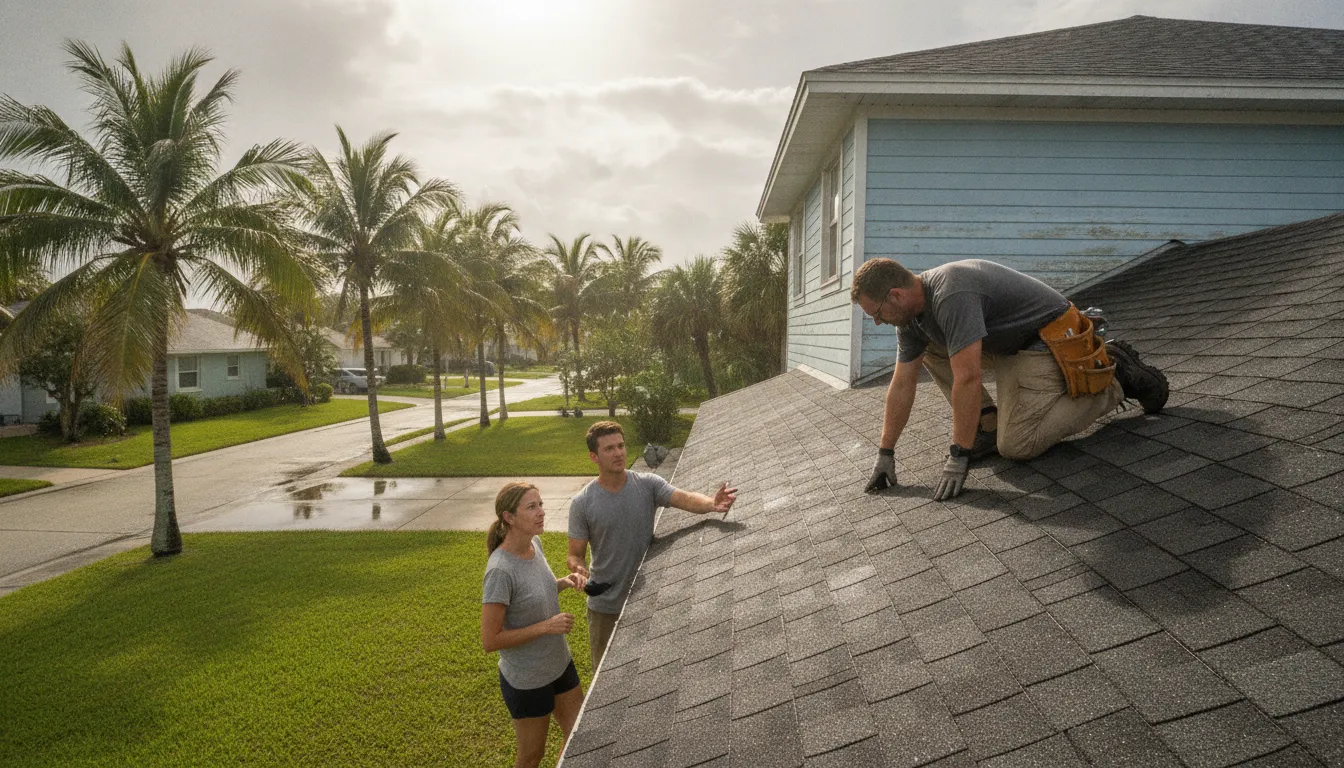
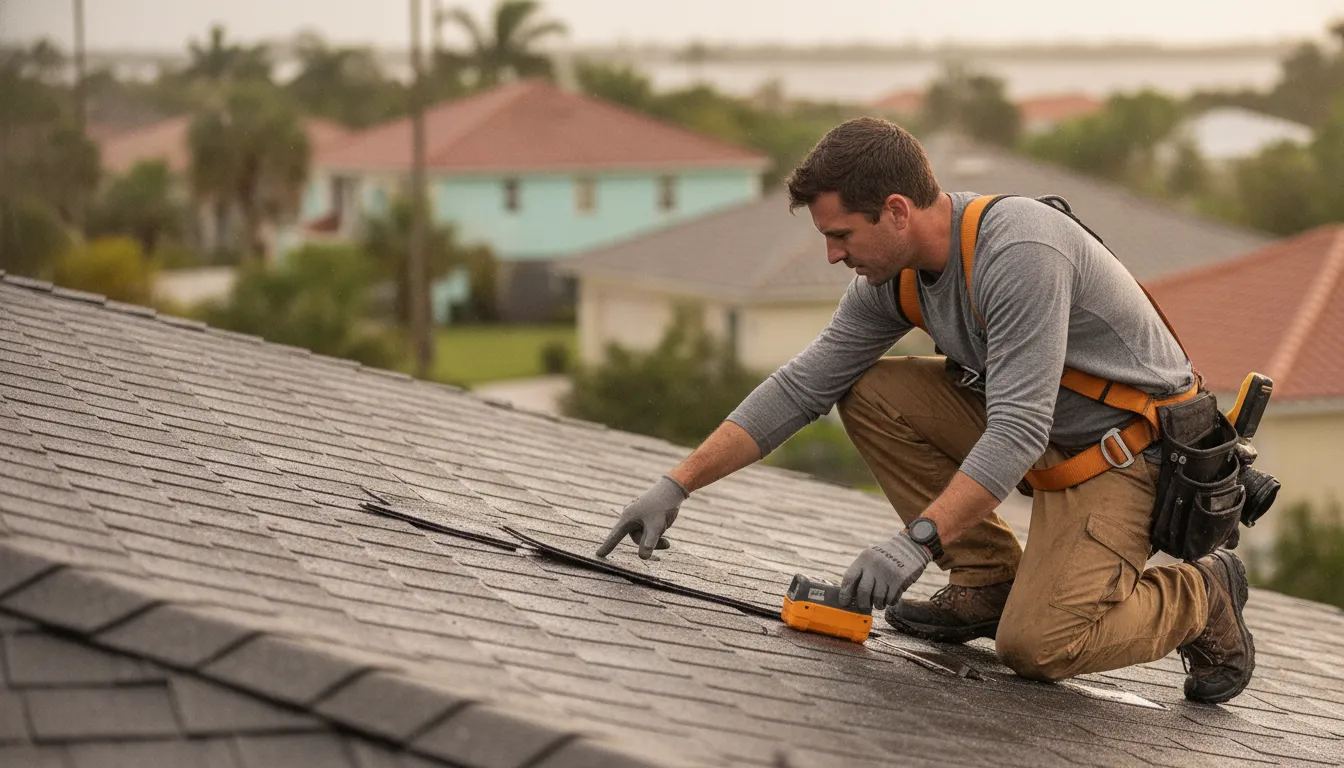
A little bit of prevention goes a long way. So much of the destruction from water-related claims can be avoided with the right maintenance. Making a habit of regularly inspecting your property helps you catch potential issues early. Walk through your home once every few months and check for leaks under sinks, behind toilets, and around appliances like your water heater and washing machine. It’s also smart to periodically inspect your roof for any loose or damaged shingles that could let rain in. If you spot any trouble, getting professional roofing services can stop a small problem from turning into a major disaster.
Install Water Leak Detectors for Peace of Mind
Technology can be your best friend when it comes to early water warnings. Water detection systems are small, affordable devices you can place in high-risk areas like the basement, laundry room, or near major appliances. If they sense moisture, they’ll sound an alarm, giving you a critical heads-up to act fast. For homes with basements, a working sump pump is essential for preventing flooding during heavy rains. As the National Flood Insurance Program points out, a sump pump paired with a water alarm can significantly minimize flood damage, making it a smart investment for any homeowner.
Routinely Clear Your Gutters and Drains
Your gutters have one important job: to direct rainwater away from your home’s foundation. When they get clogged with leaves, twigs, and other debris, they can’t do their job properly. Water can overflow, pool around your foundation, and seep into your home, causing serious structural issues. To prevent this, make sure to clean your gutters at least twice a year, especially after the fall. While you’re up there, check for any signs of sagging or damage. Also, ensure your downspouts extend at least three feet away from your house to guide water to a safe distance.
Inspect Appliance Hoses and High-Risk Areas
Many of the most destructive water damage incidents start with a simple appliance failure. Your washing machine, dishwasher, and even your refrigerator’s ice maker all rely on hoses that can wear out over time. Make it a point to check these connections every few months. Look for any signs of trouble, like cracks, brittleness, or bulging, and consider replacing standard rubber hoses with braided stainless steel ones for extra durability. These small checks can be the difference between a minor fix and a full-blown water damage emergency. Don’t forget other high-risk spots, either. Regularly peek under your kitchen and bathroom sinks and behind toilets to catch slow drips before they cause rot, decay, or lead to a bigger problem.
Related Articles
- How to Find the Best Water Damage Restoration Company
- Water & Flood Damage Restoration in Ranchero Village, FL
- 5 Dangers of DIY Water Damage Restoration
Frequently Asked Questions
How long does the water damage restoration process usually take? The timeline really depends on the extent of the damage. The initial water extraction happens very quickly, usually within the first day. The structural drying phase, which involves industrial air movers and dehumidifiers, typically takes about three to five days. After that, any necessary repairs to drywall, flooring, or other materials will determine the final timeline. A small, contained leak might be resolved in under a week, while a more significant event could take longer. Can I just clean up a small water leak myself? While it might be tempting to grab some towels and a fan for a minor spill, it’s generally not a good idea. Water is incredibly sneaky and can seep into subflooring, wall cavities, and insulation where you can’t see it. Household fans simply don’t have the power to pull that hidden moisture out, which can lead to mold growth and structural rot down the line. A professional assessment ensures every bit of moisture is found and properly dried. What should I do if I see or smell mold after water damage? If you notice visible mold or a persistent musty smell, the most important thing to do is to avoid touching or disturbing the area. Agitating mold can release spores into the air, spreading the problem to other parts of your home. Instead, call a professional mold remediation team right away. They have the proper training and equipment to contain the area, safely remove the mold, and address the moisture source that caused it. Will filing a water damage claim make my insurance premium go up? It’s a valid concern, and it is possible that filing a claim could impact your future insurance rates. However, the cost of not filing a claim and paying for extensive repairs out of pocket is almost always far greater. Unaddressed water damage can lead to catastrophic structural issues and mold problems that are incredibly expensive to fix. Think of it as a necessary step to protect the long-term value and safety of your home. Is it normal for my house to smell musty after water damage? A lingering musty odor is a definite red flag. That smell is often a sign that moisture is still trapped somewhere or that microbial growth has already begun. A complete and professional restoration process should not leave any unpleasant odors behind. The service includes using specialized cleaning agents and deodorizers to completely eliminate those smells, leaving your home clean and fresh. If you notice a musty scent, it means the job isn’t truly finished.