Found mold? Before you reach for the bleach, stop. This is one of the biggest mistakes homeowners make. While bleach might look like it’s working, it only removes the surface stain. It leaves the mold’s root system intact, meaning it will grow back—often stronger. Worse, scrubbing can send millions of spores into the air, spreading the problem. The only way to ensure mold is gone for good is with professional 24/7 mold remediation. This guide will walk you through the right way to handle a mold problem from start to finish.
Key Takeaways
- Treat mold as an urgent issue: Don’t wait to call for help if you see visible growth, smell a persistent musty odor, or have had recent water damage. Immediate action is the best way to limit damage to your property and protect your family’s health.
- Professional remediation solves the root cause: A proper remediation process is more than just cleaning. It involves containing the area to prevent spread, safely removing contaminated materials, and fixing the moisture source to ensure the mold doesn’t return.
- Verify your team’s qualifications before hiring: Protect your home by choosing a company with proper certifications, like from the IICRC, and clear safety protocols. Always ask about their equipment, containment process, and insurance before work begins.
What Does 24/7 Mold Remediation Really Mean?
When you discover mold in your home, waiting isn’t an option. Mold can spread quickly, posing risks to your property and your health. That’s where 24/7 mold remediation comes in. It’s an emergency service designed to tackle mold problems immediately, any time of day or night. Think of it as an on-call expert for one of your home’s worst enemies. This service isn’t just about cleaning up what you can see; it’s a comprehensive process that addresses the root cause, removes the contamination safely, and helps protect your home from future growth.
Getting Help, Day or Night
Mold doesn’t stick to a 9-to-5 schedule, and neither should your restoration team. An around-the-clock emergency response means that professionals are available to help you the moment you discover a problem. Whether it’s a weekend, a holiday, or the middle of the night, a rapid response team can get to your property quickly to start the remediation process. This immediate action is crucial because it helps contain the mold and minimize damage to your home’s structure and your family’s health. Getting a disaster recovery team on-site fast is the first step in taking back control of your environment.
Our Rapid Response Commitment
When you’re dealing with mold, every second counts. Mold can begin to grow in as little as 24 hours after a water event, which is why our commitment to a rapid response is at the heart of what we do. We know that a burst pipe or a hidden leak doesn’t wait for business hours, so our team is always on call. We’re ready to be at your St. Petersburg property immediately to contain the area and stop the mold from spreading. This quick action is the first step in our comprehensive mold remediation process, allowing us to address the problem at its source instead of just cleaning what’s on the surface. It’s about providing a complete solution that protects your home and restores your peace of mind.
How We Find and Eliminate Mold
Professional mold remediation is much more than just scrubbing a surface with bleach. It’s a detailed process that starts with identifying the source and extent of the mold problem. Experts use specialized equipment to detect hidden moisture and contain the affected area to prevent spores from spreading. From there, they focus on safely removing the mold-infested materials and thoroughly cleaning and drying the space. The goal is to not only get rid of the existing mold but also to restore a healthy, safe environment in your home, addressing the underlying issues that allowed mold to grow in the first place.
Keeping Mold from Coming Back
Effective mold remediation isn’t complete until steps are taken to prevent the problem from returning. The key to stopping mold is controlling moisture. A professional team will identify and help you address the source of the water issue, whether it’s a leaky pipe, poor ventilation, or recent flooding. Fixing water leaks promptly is one of the most important things you can do. Even small, damp spots can become a breeding ground for mold if left unattended. By addressing the root cause with water damage restoration, you can feel confident that your home will remain a safe, mold-free space long after the remediation is done.
Proactive Prevention Tips for Florida Homeowners
Living in Florida means dealing with humidity, which makes our homes prime real estate for mold. The best defense is a good offense, and that means controlling moisture at all costs. Regularly inspect your home for any signs of water intrusion—think leaky pipes under the sink, a small stain on the ceiling from a potential roof issue, or condensation around your windows. Use exhaust fans in bathrooms and kitchens to vent steam, and consider running a dehumidifier in damp areas like basements or laundry rooms. If you experience any flooding or leaks, it’s critical to address the water damage immediately. Even a small, damp spot can turn into a significant mold problem if it isn’t dried out completely and quickly.
What Kills Mold Permanently?
The only way to kill mold permanently is to remove it completely and eliminate its moisture source. Forget what you’ve heard about bleach—it might clean the surface stain, but it won’t penetrate porous materials like drywall or wood to kill the roots. This is why the mold often comes right back. A permanent solution requires a professional process that involves containment to stop spores from spreading, air filtration to clean the air, removal of all contaminated materials, and a thorough cleaning of the affected area. Most importantly, a true mold remediation service addresses the “why” behind the mold, fixing the leak or ventilation issue that allowed it to grow in the first place. Without that final step, you’re just resetting the clock until it returns.
Do You Need Emergency Mold Remediation?
Knowing when to call for professional help can feel tricky, but some signs are too serious to ignore. Mold isn’t just an unsightly nuisance; it can compromise your home’s structure and your family’s health. If you notice any of the following red flags, it’s a clear signal that you need to bring in an emergency mold remediation team right away. Acting quickly is the best way to contain the problem and prevent it from spreading, saving you time, money, and stress down the road. Let’s walk through the key indicators that mean it’s time to pick up the phone.
When to Call a Professional: The 10 Square Foot Rule
A common guideline you’ll hear about is the “10 square foot rule.” In short, it suggests that if a mold problem is smaller than a 3-foot by 3-foot area, you might be able to handle it yourself. However, this rule comes with major exceptions. It primarily applies to mold on hard, non-porous surfaces that are easy to clean. If you see mold on porous materials like drywall, carpet, or insulation, the problem is almost always deeper than it appears. The same goes for mold caused by a significant leak or flood; even a small visible patch could signal widespread hidden moisture. When the issue stems from serious water damage, it’s time to disregard the DIY approach and call for professional help.
Beyond the size and location, your family’s health is the most important factor. If anyone in your household suffers from asthma, allergies, or has a compromised immune system, you should never try to remove mold yourself. Disturbing a mold colony can release a flood of spores into the air, which can cause serious health issues. A professional mold remediation service uses specialized containment and air filtration equipment to remove mold safely without cross-contaminating your home. When you’re standing in front of a moldy wall and feeling unsure, remember this: a professional assessment is the safest and most effective way to protect both your property and your family.
You’ve Spotted Visible Mold Growth
This one might seem obvious, but it’s the most definite sign you have a problem. If you can see fuzzy, slimy, or discolored patches on your walls, ceilings, or floors, you need professional help. Mold can appear in various colors, including black, green, white, or even orange. Don’t make the mistake of simply wiping it away with bleach. Visible mold is often just the tip of the iceberg, with a much larger colony potentially growing out of sight. A professional team can safely remove the mold you see and find its source to stop it from coming back.
Unexplained Health Issues or Musty Odors
Have you or your family members been dealing with persistent allergy-like symptoms, such as sneezing, coughing, or itchy eyes, that seem to get worse indoors? Mold releases spores into the air that can cause a range of health effects, from respiratory irritation to headaches and fatigue. If you notice a musty, earthy smell or a general decline in your home’s air quality, it could be due to hidden mold growth. Your health is the top priority, so if unexplained symptoms are pointing to an issue at home, it’s worth investigating.
Protecting Vulnerable Family Members
The health risks associated with mold are especially serious for children, the elderly, and anyone with a weakened immune system or pre-existing respiratory conditions like asthma. For these vulnerable family members, mold spores can trigger more severe reactions, turning minor allergy-like symptoms into significant health problems. Their well-being should be your top priority, which makes taking immediate action absolutely critical. Attempting to clean mold yourself can release more spores into the air, making the environment even more hazardous for them. This is why relying on professional mold remediation is so important; it ensures the problem is handled safely and effectively, protecting those you care about most from unnecessary exposure and health complications.
After a Flood or Leak: The Mold Risk
Water is mold’s best friend. Mold spores can begin to grow into colonies in as little as 24 to 48 hours after a water event. If your property has recently experienced a flood, a burst pipe, a roof leak, or even a minor appliance leak, your risk for mold growth is significantly higher. Even if you’ve cleaned up the visible water, moisture can get trapped in drywall, insulation, and subflooring, creating the perfect breeding ground. Calling for water and flood damage restoration immediately after a leak is the best way to prevent mold from taking hold.
The 48-72 Hour Mold Growth Window
When your home has water damage, the clock starts ticking almost immediately. Those ever-present mold spores can begin forming colonies on a damp surface in as little as 24 to 48 hours. This is a critical window because what starts as a small, unseen spot can spread throughout your property in 72 hours or less. Ignoring a leak or putting off the cleanup gives mold the perfect opportunity to take hold, leading to more extensive property damage and potential health risks. This rapid growth is exactly why immediate, professional mold remediation is so essential—it stops the problem before it gets out of control, protecting both your home and your family.
That Musty Smell? You Might Have Hidden Mold
Sometimes, the most dangerous mold is the kind you can’t see. It often thrives in dark, damp, and hidden places like behind wallpaper, underneath carpets, inside wall cavities, or above ceiling tiles. You might suspect hidden mold if you smell a persistent musty odor but can’t find the source, or if you notice peeling paint, warped walls, or buckled flooring. Instead of tearing things apart yourself, which can release a flood of spores into your home, it’s best to contact a professional. We have the right tools to detect hidden moisture and mold without causing unnecessary damage.
Is Black Mold an Emergency?
Let’s get straight to it: yes, finding what you suspect is black mold is an emergency. This type of mold, often called Stachybotrys chartarum, gets its scary reputation for a reason. It can release mycotoxins, which are particularly risky for anyone with allergies, asthma, or a compromised immune system. While “black mold” gets all the attention, the truth is that any type of significant mold growth warrants an immediate response. Instead of trying to play detective and identify the specific strain, your safest and most effective move is to call a professional mold remediation team. We can properly assess the situation and handle it safely, giving you peace of mind.
What to Expect from the Remediation Process
Finding mold in your home can feel overwhelming, but knowing what happens next can make the situation much more manageable. A professional mold remediation process is systematic and thorough, designed not only to remove the existing mold but also to prevent it from coming back. It’s all about restoring your home to a safe, healthy environment where you can feel comfortable again.
From the moment you call us, our team follows a clear, multi-step plan. This process ensures every trace of mold is handled safely and effectively, protecting both your property and your family’s health. Let’s walk through what you can expect when our experts arrive at your door.
Is Mold Testing Always Necessary?
It’s a question we hear all the time: “Do I need to pay for mold testing?” The straightforward answer is, usually not. If you can see visible mold or smell that distinct, musty odor, you already have confirmation of a problem. The Environmental Protection Agency (EPA) agrees that if you see or smell mold, the priority should be to remove it and fix the moisture source, not necessarily to test it. Spending money on a test to tell you what you already know often just delays the solution. That budget is better put toward professional mold remediation to safely and completely eliminate the colony. In some cases, like for a real estate transaction or if a family member has severe health sensitivities, testing can be valuable. We can help you figure out if it’s the right step for your situation.
Step 1: Assess the Damage and Contain the Area
The first thing we do is a detailed assessment. Our professionals will identify the type of mold and the extent of its growth. More importantly, we locate the moisture source that’s allowing the mold to thrive, since fixing the source is key to a long-term solution. Once we understand the scope of the problem, we immediately work to contain it. We use physical barriers, like plastic sheeting, and negative air pressure to isolate the contaminated area. This crucial step prevents mold spores from spreading to other parts of your house during the cleanup process.
Step 2: Safely Remove All Traces of Mold
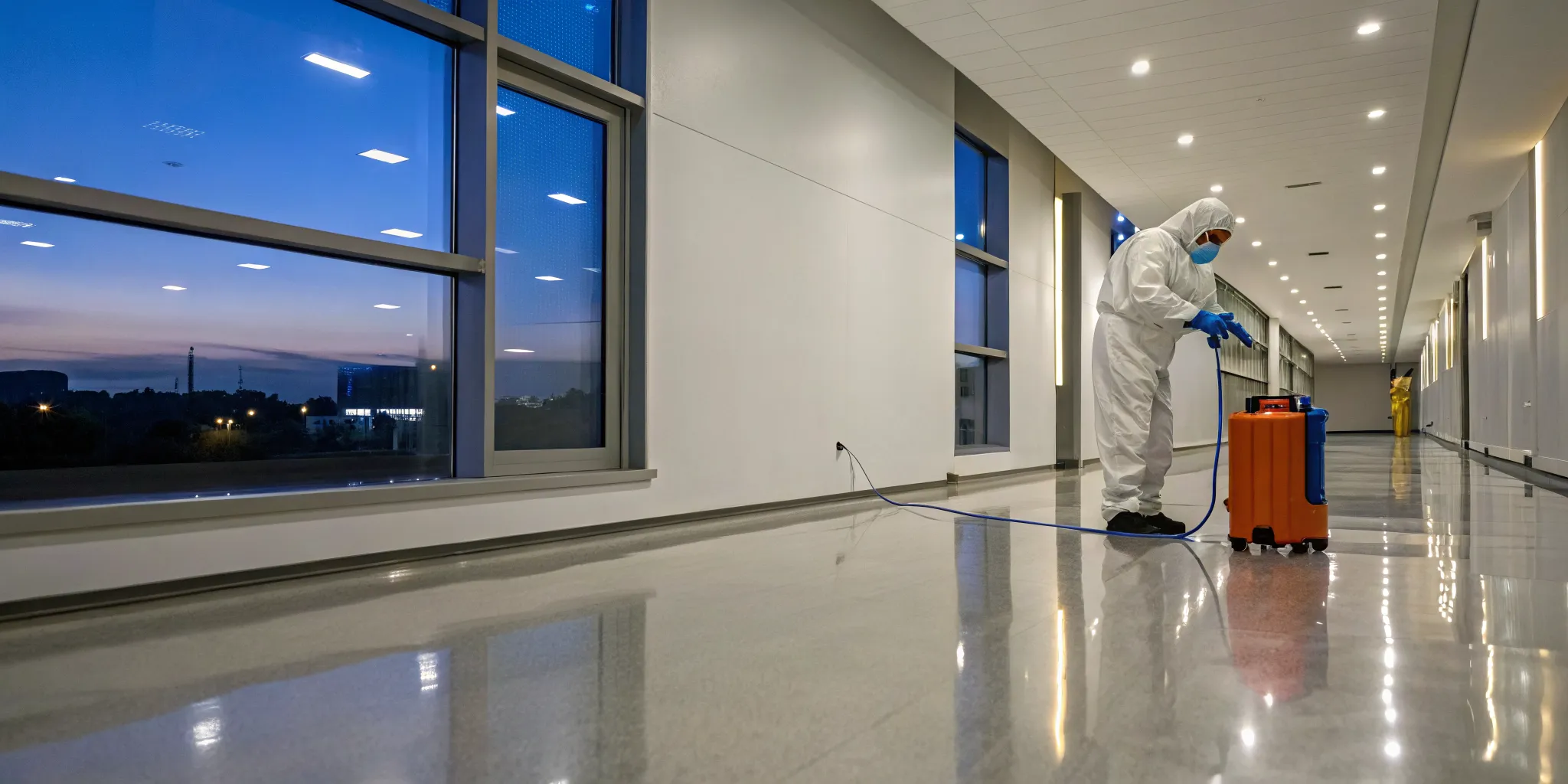
With the area secured, we begin the removal process. Our team uses specialized equipment, including HEPA (High-Efficiency Particulate Air) vacuums and air scrubbers, to capture microscopic mold spores from the air and on surfaces. Depending on the severity, this may involve carefully removing and disposing of contaminated materials like drywall, insulation, or carpeting. We follow strict industry standards to ensure all mold is safely and completely removed from your property, leaving you with a clean slate and peace of mind.
Specialized Equipment We Use
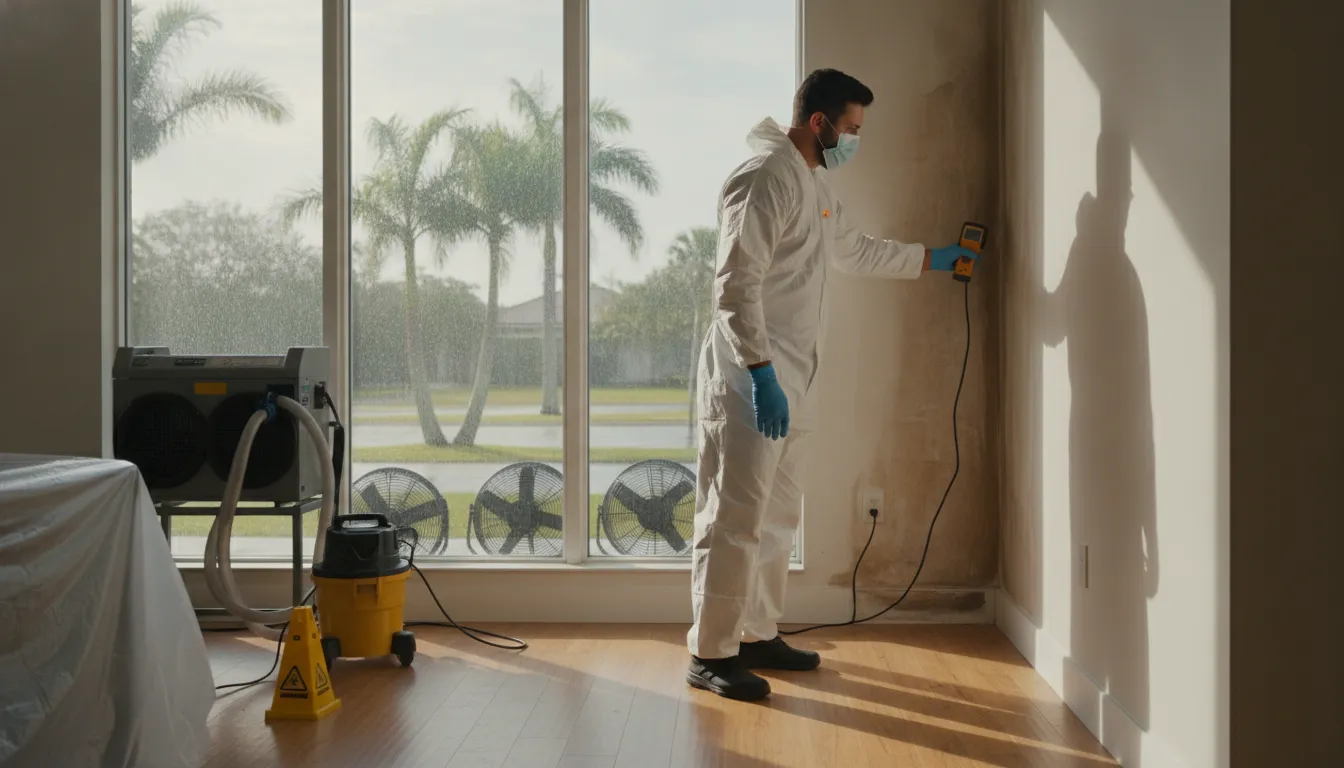
Properly removing mold requires more than just cleaning supplies; it demands specialized technology. Our team arrives with professional-grade equipment designed to handle the job safely and thoroughly. We use moisture meters to pinpoint hidden water sources that feed mold growth, ensuring we address the root of the problem. To clean the air, powerful air scrubbers and HEPA vacuums work together to capture microscopic spores, preventing them from spreading. We also establish containment zones with negative air machines, which act like a vacuum to stop any contaminants from escaping the work area. This professional toolkit is a non-negotiable part of a successful mold remediation, guaranteeing your home is left clean, safe, and restored.
Step 3: Clean, Sanitize, and Give the All-Clear
After removing all mold-infested materials, we thoroughly clean, sanitize, and deodorize the affected area. We use professional-grade antimicrobial treatments to kill any remaining mold spores and help prevent future growth. But our job isn’t done yet. We conduct a final inspection to ensure the area is truly clean. This often includes testing air quality and moisture levels to confirm that the environment is no longer suitable for mold, giving you complete confidence that your home is safe again.
How Long Does Mold Remediation Take?
Many homeowners ask how long the remediation process will take. The timeline can vary significantly, ranging from a single day to several weeks. The duration depends on factors like the amount of mold, its location, and the type of materials affected. A small patch of surface mold in a bathroom is a much quicker fix than a widespread issue inside your walls caused by a hidden leak. After our initial assessment, we will provide you with a clear and realistic timeline so you know exactly what to expect from start to finish.
How to Choose the Right Mold Remediation Team
Finding mold in your home is stressful enough without the added pressure of picking the right team to handle it. The company you choose will have a direct impact on your home’s safety and your family’s health, so it’s important to make an informed decision. A great team will not only remove the existing mold but also help you understand how to prevent it from returning. When you’re vetting potential companies, focus on their qualifications, responsiveness, and safety protocols. Asking a few key questions upfront can save you a lot of headaches down the road and ensure your home is in capable hands.
Choosing a mold remediation team is a significant investment in your property and your well-being. You’re not just hiring someone to clean a surface; you’re trusting them to eliminate a potential health hazard and protect your home from further damage. The right professionals will approach the job with a scientific mindset, first identifying the source of the moisture that allowed the mold to grow. Without addressing the root cause, any cleanup effort is just a temporary fix. A reputable company will provide a comprehensive plan that includes containment, removal, and prevention strategies. They should be able to walk you through their process, explain the equipment they use, and detail the safety measures they take to protect your family and the rest of your home during the remediation. This transparency is a hallmark of a trustworthy partner.
Always Verify Their Licenses and Certifications
Before you hire anyone, confirm they have the right credentials. Look for certifications from respected organizations like the Institute of Inspection, Cleaning and Restoration Certification (IICRC). This certification means the technicians are trained in the industry’s best practices for safe and effective mold removal. A professional company will be transparent about their qualifications and happy to show you proof of their licenses and insurance. This isn’t just about paperwork; it’s about ensuring the team you hire has the expertise to handle the job correctly and protect your property. A certified team provides professional mold remediation that you can trust.
Looking Beyond IICRC: The ACAC Certification
While the IICRC sets a strong foundation for remediation techniques, another credential to look for is from the American Council for Accredited Certification (ACAC). Unlike some other certifications, the ACAC is an independent, third-party board that awards credentials based on experience and a rigorous exam. This means an ACAC-certified professional has proven their knowledge in the field, not just completed a course. When a company has team members with this level of certification, it shows a deep commitment to understanding the science behind indoor air quality and effective mold removal. It’s another layer of assurance that you’re hiring true experts who can handle complex issues and protect your home’s environment.
Do They Offer a True 24/7 Response?
When you’re dealing with mold, time is of the essence. Mold can spread quickly, especially after water damage, so you need a team that can act fast. Ask companies about their availability and typical response time for emergencies. Do they offer 24/7 services? A company that can be on-site quickly can assess the situation, contain the mold, and prevent it from affecting other areas of your home. A prompt response is a key indicator of a company’s professionalism and commitment to customer care. When you need help, you should be able to contact a team that’s ready to go.
What to Ask About Their Tools and Safety Protocols
Proper mold remediation requires specialized equipment and strict safety protocols. Ask potential companies what tools they use, such as HEPA (High-Efficiency Particulate Air) vacuums and air scrubbers, which are designed to capture microscopic mold spores. You should also ask about their containment process. A professional team will seal off the affected area to prevent cross-contamination to the rest of your home. Their commitment to safety measures protects not only their workers but also your family from exposure to harmful spores during the removal process. This attention to detail is what separates a true professional from a general contractor.
Why Getting Multiple Quotes is a Smart Move
When you find mold, the urgency can make you want to hire the first company you call. However, taking a moment to get multiple quotes is one of the smartest things you can do. Aim to get estimates from at least three different certified companies. This isn’t just about finding the lowest price; it’s about comparing the value and thoroughness of the services offered. A cheap quote might mean a company is cutting corners, which could leave you with a recurring mold problem. By comparing proposals, you can see who offers the most complete plan for removal and prevention. While acting fast helps keep costs down, a little due diligence ensures you’re making a wise investment in your home’s long-term health and safety. You can request an estimate to see what a comprehensive plan looks like.
Look for Comprehensive Restoration Services
A quality mold remediation quote will outline a plan that goes far beyond just cleaning. Professional mold removal is a detailed process that starts with identifying the source of the problem. A proper remediation involves containing the area to prevent spores from spreading, safely removing contaminated materials, and addressing the moisture issue to ensure the mold doesn’t return. This is why it’s beneficial to work with a company that offers comprehensive restoration services. If your mold was caused by a leak, for example, you need a team that can handle both the mold and the water damage. Look for a provider who can offer a complete solution, restoring your home to a safe, dry, and healthy state.
Don’t Believe These Common Mold Myths
There’s a lot of misinformation out there about mold. One common myth is that you can kill it with bleach. While bleach might remove the surface stain, it doesn’t address the underlying root system, and the mold often grows back. Another misconception is that a small patch of mold isn’t a big deal. The truth is, even a small amount can release spores and affect your home’s air quality. Relying on DIY methods or ignoring the problem can lead to bigger issues later. A professional team understands the science behind mold growth and uses proven techniques to eliminate it completely.
How Much Does Emergency Remediation Cost?
When you’re dealing with a mold emergency, the last thing you want to worry about is a surprise bill. Understanding the potential costs upfront can help you make clear-headed decisions. While every situation is unique, several key factors determine the final price of remediation. The goal is to find a professional team that provides transparent pricing and high-quality work, ensuring your home is safe without breaking the bank.
What Factors Influence the Final Price?
The cost of mold remediation isn’t a one-size-fits-all number. The final price depends heavily on the specifics of your situation. The most significant factor is the extent of the mold growth. A small, contained patch in a bathroom will cost much less to handle than a widespread issue affecting multiple rooms or your HVAC system.
The location of the mold also plays a big role. If it’s easily accessible on a surface, the job is simpler. However, if mold is hiding behind walls, under flooring, or in crawl spaces, it requires more labor and materials to access and remove safely. The type of material affected (like drywall versus wood) and the specific mold remediation treatment required will also influence the final estimate.
The Impact of Mold Type on Cost
Not all mold is created equal, and the type of mold in your home can have a big impact on the remediation cost. Some varieties, like the infamous black mold (Stachybotrys chartarum), are more hazardous to your health and require a more intensive removal process. When dealing with toxic molds, professionals must use advanced containment methods and personal protective equipment to ensure safety. This extra level of precaution and specialized handling naturally increases the labor and material costs. Less harmful, common household molds might not require the same level of extreme containment, which can result in a lower final price. A professional assessment is the only way to know for sure what you’re dealing with.
Understanding the Numbers: National Averages
It’s helpful to have a ballpark idea of what to expect. Nationally, mold remediation costs can range anywhere from $500 for a small, simple job to over $6,000 for a more complex one. For minor issues, like a small patch of mold on a bathroom wall that hasn’t spread, you might expect to pay between $500 and $1,500. However, if the mold is widespread, has penetrated deep into walls, or is in a hard-to-reach area, the cost can easily climb to $3,000 or more. These figures are just averages, and the final cost of your mold remediation will always depend on the unique factors of your situation.
Cost Per Square Foot
To make pricing easier to understand, many remediation companies calculate their estimates based on the size of the affected area. On average, you can expect to pay between $10 and $25 per square foot for professional mold removal. This pricing model helps account for the amount of labor and materials needed for the job. Keep in mind that this rate can fluctuate. A simple surface cleaning will be on the lower end of that scale, while a job that requires removing and replacing contaminated drywall or insulation will be on the higher end. The type of mold and the complexity of the containment will also influence this per-square-foot cost.
Breaking Down Costs by Location
Where the mold is growing in your home is one of the biggest factors that will determine the final cost of remediation. A small patch of mold on an easily accessible wall is a straightforward fix. But when mold is hiding in an attic, a damp crawl space, or has infiltrated your HVAC system, the job becomes much more complex. Accessibility is a major issue; technicians need to be able to safely get to the mold and have enough space to work. These hard-to-reach areas often require more time, specialized equipment, and additional safety precautions, all of which can add to the overall price.
Attic or Basement Remediation Costs
Attics and basements are common hotspots for mold, but they can be tricky and expensive to remediate, often costing between $1,000 and $4,000. These spaces are often poorly ventilated and prone to moisture from roof leaks or groundwater seepage, creating a perfect environment for mold to thrive. Accessibility can be a challenge, especially in tight attics with lots of insulation. Furthermore, if mold has been growing for a while, it may have caused structural damage to wooden beams or subflooring, which will require repairs on top of the remediation itself. The combination of difficult access and potential for extensive damage makes these areas more costly to treat.
Crawl Space and HVAC System Costs
Crawl space remediation can be particularly challenging, with costs often ranging from $1,500 to $3,000. The confined, dark, and damp environment makes it difficult for technicians to work safely and effectively. If your HVAC system becomes contaminated, it’s a serious problem. The system can circulate mold spores throughout your entire home, turning a localized issue into a whole-house contamination. Cleaning an HVAC system is a highly specialized task that requires professional equipment to avoid spreading the problem further. Due to this complexity, remediating a contaminated HVAC system can significantly increase the total cost of the project.
Whole-House Remediation Estimates
In worst-case scenarios, such as after a major flood or when a hidden mold problem has been left unchecked for years, you might be looking at whole-house remediation. This is the most extensive and expensive type of mold removal, with costs easily reaching $10,000 or more. A whole-house project involves a comprehensive approach where multiple rooms and potentially the HVAC system are contaminated. It often requires the removal of large sections of drywall, flooring, and insulation. This level of work is a significant undertaking and is why it’s so important to call for disaster recovery services immediately after a major water event to prevent mold from taking over.
Factoring in Repair and Replacement Costs
One important thing to remember is that mold remediation is about removing the mold and sanitizing the area, but it doesn’t always include the cost of putting your house back together. After the contaminated materials like drywall, insulation, and flooring are removed, you’ll be left with a clean but unfinished space. You need to budget for the reconstruction phase, which includes replacing materials, painting, and any other repairs needed to restore your home to its original condition. When getting quotes, ask if the estimate includes these repairs or if you’ll need to budget for them separately. A full-service company can often handle all restoration and reconstruction, from start to finish.
Drywall and Carpet Repair Estimates
After the mold is gone, you’ll need to address the damage left behind. Repairing or replacing drywall is a common post-remediation task, which can cost anywhere from $300 to $1,000, depending on the size of the area that was removed. If carpeting was affected, it almost always needs to be replaced, as it’s nearly impossible to fully remove mold from carpet fibers and padding. The cost for new carpet can range from $1,000 to $3,000 or more, based on the square footage and the quality of the carpet you choose. These repair costs are a necessary final step in recovering from a water damage event and ensuring your home is whole again.
Will Your Insurance Cover Mold Removal?
Many homeowners are surprised to learn that their insurance policy might cover mold removal, especially if the mold is a direct result of a covered event like a burst pipe or storm damage. The first step is to review your policy or call your insurance agent to understand your coverage. Don’t worry if the process seems confusing; an experienced remediation company can help.
At Go Time Restoration, we frequently work with insurance companies to streamline the claims process for our clients. We can provide the necessary documentation and detailed reports your insurer needs to process your claim efficiently. Our goal is to handle the stress of water and flood damage restoration so you can focus on getting your home back to normal.
Understanding Your Payment Options
We know that emergency mold removal is often an unexpected expense. A trustworthy company will be transparent about costs and provide a detailed, written estimate before any work begins. This ensures you know exactly what to expect. Be sure to ask about available payment options, as some companies may offer payment plans to help manage the cost if your insurance doesn’t cover the full amount.
A reputable company should also stand behind their work with a warranty. This isn’t just a piece of paper; it’s a guarantee that the job was done right and an assurance of quality for the payment you make. Feel free to contact us to discuss your situation and get a clear, upfront estimate.
Why It’s an Investment in Your Home’s Health
It’s easy to see mold remediation as just another bill, but it’s truly an investment in your property’s health and value. Ignoring a mold problem doesn’t make it go away. Instead, it allows the mold to cause further structural damage to your home, which can lead to far more expensive repairs down the road.
More importantly, professional remediation is an investment in your family’s well-being. Certified mold removal ensures that harmful spores are safely and completely eliminated, protecting everyone in the household from potential health risks associated with poor air quality. Taking care of mold quickly and correctly protects your property and the people you care about most.
Related Articles
- Mold Remediation Ranchero Village, FL – Go Time Roofing
- Mold Remediation Ranchero Village, FL – Go Time Roofing
- Mold Remediation Largo, FL – Go Time Roofing
Frequently Asked Questions
Can I just use bleach to clean up the mold myself? That’s a common question, but it’s not a good idea. While bleach might remove the surface stain, it doesn’t penetrate porous materials like drywall to kill the mold’s root system. This means the mold will likely grow back. More importantly, scrubbing mold without proper containment can release a huge amount of spores into the air, spreading the problem to other areas of your home.
How long does the mold remediation process usually take? The timeline really depends on the scope of the problem. A small, contained issue might be resolved in a day or two. However, if the mold is widespread, hidden inside walls, or linked to significant water damage, the process could take a week or more. After our initial assessment, we will always give you a clear and realistic timeline so you know what to expect.
Will my homeowner’s insurance help pay for mold removal? It’s possible, but coverage often depends on the source of the mold. Many policies cover mold damage if it’s the result of a sudden, covered event, like a burst pipe. They are less likely to cover mold that grew over time due to a slow leak or poor maintenance. The best first step is to review your policy. We can also provide detailed documentation to help you with your insurance claim.
What’s the first thing I should do if I find mold? First, try not to disturb the area. Avoid touching the mold or trying to clean it, as this can spread spores. If you can safely identify and stop the source of moisture, like turning off a leaky water valve, that’s a great step. The most important thing to do is call a professional remediation team right away so we can assess the situation and contain it properly.
How do I know if the mold is completely gone after the job is done? A professional remediation project is much more than just removing the visible mold. After the contaminated materials are removed, we thoroughly clean, sanitize, and dry the area. We then conduct a final inspection, which can include moisture readings and air quality tests, to confirm that the area has been restored to a safe, healthy condition.