When disaster strikes your home, the damage you can see is often just the beginning. Water is silently seeping into drywall, and smoke particles are embedding themselves deep in your ventilation system. In Florida’s humid climate, waiting even a day can invite mold, creating a serious health hazard. Delaying the cleanup doesn’t save you money; it costs you more. That’s why immediate, professional water damage restoration is so critical. Having a 24-hour disaster cleanup service in Pinellas County means you can act fast to mitigate damage, protect your family, and control repair costs.
Key Takeaways
- Act fast to control costs and damage: Waiting to call for help is the most expensive mistake you can make. Immediate professional intervention stops water, fire, or mold damage from spreading, which prevents bigger structural problems and higher repair bills.
- Hire a certified and insured professional: Your property’s safety depends on hiring a qualified team. Always confirm that a company is licensed, fully insured, and holds IICRC certifications to ensure they meet the highest industry standards for restoration work.
- Let your restoration team manage the insurance claim: A good restoration company does more than just cleanup; they assist with your insurance claim. They provide detailed documentation and communicate directly with your provider, simplifying the process and helping you get the coverage you deserve.
What Does 24-Hour Disaster Cleanup Cover?
When a disaster strikes your property, the term “cleanup” feels like a massive understatement. It’s not just about tidying up; it’s about restoring your home or business to a safe, livable condition. A 24-hour disaster cleanup service is an all-encompassing response designed to handle the immediate aftermath of an emergency. Whether you’re dealing with a burst pipe in the middle of the night or the effects of a major storm, these teams are equipped to manage a wide range of situations. Their goal is to stabilize your property, prevent further damage, and begin the restoration process as quickly as possible. From water extraction to removing hazardous materials, professional disaster recovery services cover every critical step.
Emergency Water Damage Restoration and Drying
Florida’s storms and plumbing mishaps can leave you with serious water issues. Emergency water damage restoration is a core part of any 24-hour service. When a crew arrives, their first priority is to stop the source of the water and begin extracting any standing water from your property. They use powerful pumps and vacuums to remove the bulk of it quickly. After that, the focus shifts to drying and dehumidifying. Using industrial-grade air movers and dehumidifiers, they dry out everything from carpets and drywall to structural wood. This rapid drying process is crucial for preventing secondary damage, especially the growth of mold.
Common Causes of Household Water Damage
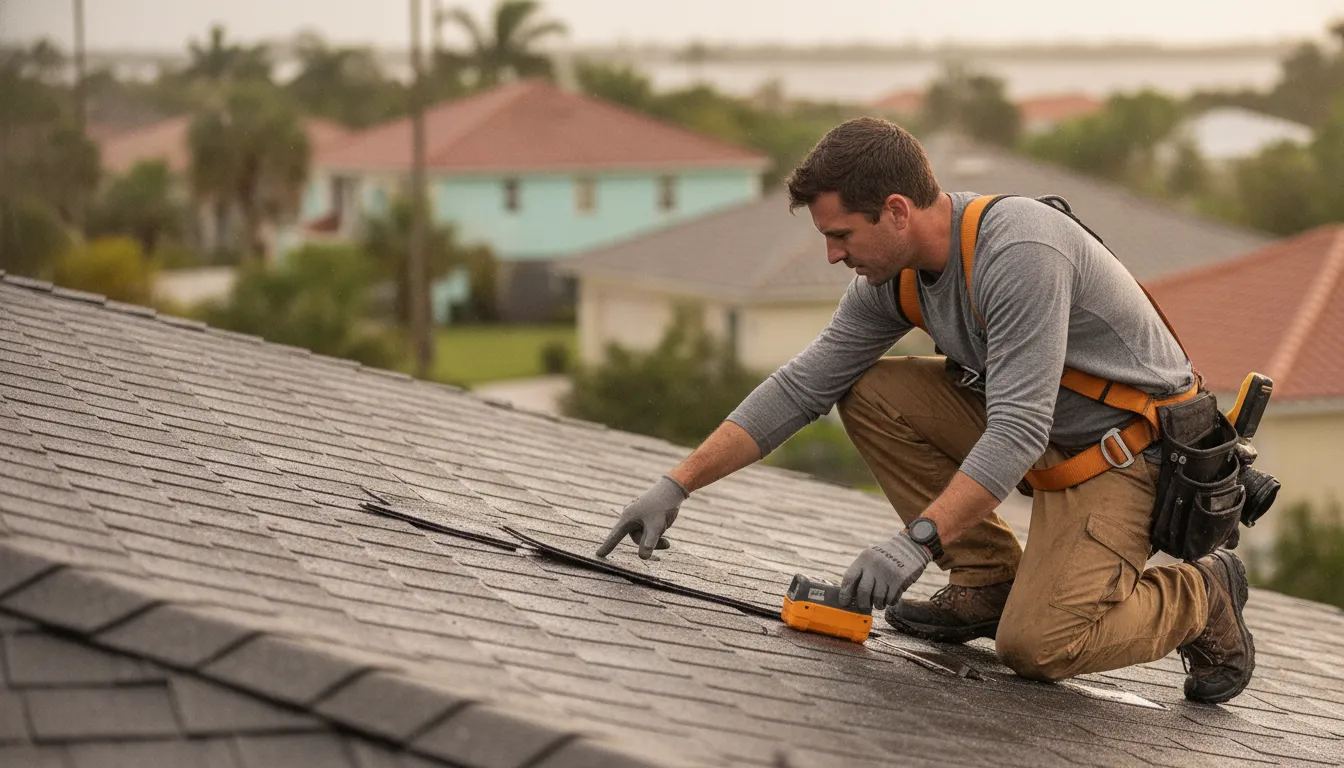
Water damage can sneak up on you, and it often comes from sources you might not expect. While we all worry about major weather events like hurricanes here in Florida, many issues start much smaller. In fact, research shows that common plumbing failures are a leading culprit. This includes everything from a burst pipe under the sink to a malfunctioning washing machine or water heater. Another major source of trouble is a leaky roof. Even a few missing shingles can allow rainwater to seep in, causing damage that might go unnoticed for a while. Regular maintenance is key, but when the unexpected happens, knowing the potential cause helps you act quickly to prevent further problems.
Cleaning Up Fire and Smoke Damage
After a fire, the damage left behind is complex. It’s not just the burned materials you have to worry about, but also the pervasive smoke and soot that can coat every surface and get into your ventilation system. Professional fire and smoke damage restoration tackles all of it. Cleanup crews are trained to carefully clean soot from walls, ceilings, and personal belongings without causing more harm. They also use specialized equipment like thermal foggers and ozone generators to neutralize and remove stubborn smoke odors. The process often includes cleaning air ducts and HVAC systems to ensure your property’s air quality is safe again.
Safe and Effective Mold Remediation
Where there’s water damage, mold is often not far behind, especially in our humid Pinellas County climate. Emergency services often include professional mold remediation, which is much more involved than simply scrubbing a wall with bleach. Certified technicians follow strict protocols to contain the affected area, preventing spores from spreading to other parts of your home. They use HEPA filtration to clean the air while removing mold-infested materials like drywall or insulation. The final step involves cleaning and treating the remaining surfaces to stop the mold from returning, ensuring your home is healthy and safe.
Quickly Removing Storm Debris
After a hurricane or severe storm, your property can be littered with everything from fallen trees and broken branches to shingles and siding. A key part of 24-hour disaster cleanup is storm debris removal. This isn’t just about clearing your yard; it’s about making your property safe again. Crews will handle the heavy lifting, cutting up and hauling away large debris like fallen trees that could be a hazard. They also clear pathways to ensure your home is accessible for other repairs. Getting this debris removed quickly is an important first step in assessing the full extent of the storm’s impact on your property.
Handling Biohazard and Sewage Cleanup
Some emergencies involve hazardous materials that require specialized handling. Biohazard and sewage cleanup is a critical service that should only be performed by trained professionals. This includes situations like sewage backups or cleaning up after a trauma, which can expose you to dangerous pathogens. Teams providing these emergency services arrive with personal protective equipment (PPE) and the right tools to safely remove contaminants. They thoroughly clean, disinfect, and deodorize the affected areas to restore them to a sanitary condition, following strict industry and health regulations to ensure the job is done right.
How Fast Should an Emergency Crew Respond?
When your property is hit by a disaster, every second counts. Whether it’s a burst pipe in the middle of the night or the aftermath of a kitchen fire, you need help, and you need it fast. The speed of an emergency cleanup crew can be the difference between a minor inconvenience and a major, costly restoration project. Knowing what to expect and why a quick response is so critical will help you make the right call when you need it most. A professional team understands this urgency and is structured to respond immediately to mitigate the damage and start the recovery process.
What Is a Good Emergency Response Time?
In a true emergency, you shouldn’t have to wait long. For urgent situations like significant water intrusion or fire damage, a reputable 24-hour cleanup company should be able to arrive at your property within one to two hours. Some top-tier services even promise to respond within 30 to 60 minutes of your call. This rapid response is key to preventing secondary damage, like mold growth or structural issues.
At Go Time Restoration, we prioritize getting to you quickly because we know the clock is ticking. Our disaster recovery services are built around a fast, effective response to secure your property and begin restoration as soon as possible.
What Affects a Crew’s Arrival Time?
While the goal is always a swift arrival, a few factors can influence how quickly a crew can get to your door. The time of your call can play a role; a request during rush hour might take slightly longer than one made at 3 a.m. Widespread weather events, like a hurricane affecting all of Pinellas County, can also increase demand and stretch resources.
However, a professional company will always give you a clear and honest estimated time of arrival. They should also provide instructions on what you can do to stay safe while you wait. If you’re facing an emergency, the best first step is to contact a professional immediately to get the process started.
Why a Fast Response Is Crucial for Your Property
Delaying emergency restoration services is a costly mistake. Water, fire, and mold damage don’t stop when the initial event is over; they continue to worsen over time. With water damage, moisture seeps into drywall, flooring, and structural beams, creating the perfect environment for mold to grow in as little as 24 to 48 hours.
Similarly, after a fire, soot and smoke residue are acidic and can cause permanent staining and corrosion if left untreated. Professional restoration services go beyond addressing visible damage. An expert team has the tools and experience to find and fix hidden issues before they become long-term problems. Acting fast not only saves your property but also protects your health and your wallet.
Finding a Trustworthy Disaster Cleanup Company
When your property is damaged, the last thing you want is the added stress of finding a reliable cleanup crew. Choosing the right company is the most important step you can take toward getting your life back to normal. A great team will not only restore your property but also give you peace of mind during a difficult time. To make sure you’re hiring qualified professionals, focus on a few key areas: their certifications, their legal standing, and their local experience. These factors separate the experts from the rest and ensure the job gets done right.
Confirm They Have the Right Certifications
Think of certifications as a company’s report card. They show that a team has been professionally trained and tested on the best practices in the restoration industry. The most respected certification comes from the Institute of Inspection, Cleaning and Restoration Certification (IICRC). An IICRC-certified firm follows the highest standards for services like water damage restoration and mold remediation. This means their technicians use proven techniques and up-to-date equipment to handle your property with care. When a company invests in certifications, it shows a serious commitment to quality and to protecting your home.
Always Check for Proper Licensing and Insurance
Never hire a company that can’t prove it is fully licensed and insured. It’s a major red flag. A proper license means the company is legally allowed to operate in Florida and meets state requirements. More importantly, comprehensive insurance protects you from liability. If a worker is injured on your property, the company’s insurance should cover it, not yours. A professional and licensed and insured team will gladly provide you with their credentials. This simple check ensures you’re working with a legitimate business that takes responsibility for its work and its people.
Why Local Climate Experience Is a Must
Florida’s climate presents unique challenges, and you need a team that gets it. Our high humidity, salt air, and frequent storms can complicate the restoration process. A company with deep roots in Pinellas County understands how these local conditions affect properties. They know that after a flood, the humid air can quickly lead to a serious mold problem if not addressed immediately. Local experts have hands-on experience with the types of damage common to our area and are prepared with the right tools and strategies. Choosing a company familiar with the community ensures your disaster recovery services are tailored to our specific environment.
How Pros Can Help with Your Insurance Claim
After a disaster strikes your home, the last thing you want to deal with is a complicated insurance claim. The paperwork, the phone calls, and the back-and-forth with adjusters can feel overwhelming when you’re already stressed. This is where a professional cleanup company becomes more than just a restoration crew; they become your advocate. An experienced team understands the insurance process inside and out. They know what documentation is required, how to communicate effectively with providers, and how to ensure your claim accurately reflects the extent of the damage. They act as a crucial link between the on-the-ground reality of your property’s condition and the requirements of your insurance policy.
Partnering with a company like Go Time Restoration can make a significant difference in your experience. Instead of trying to manage everything on your own, you have a team of experts on your side. They handle the technical details of the assessment and restoration, providing your insurance company with the professional reports they need to process your claim efficiently. This support not only helps you get the compensation you deserve but also frees you up to focus on what truly matters: getting your life and your home back to normal. Their involvement streamlines the entire process, turning a potential headache into a managed recovery and helping you feel in control again.
Should You Call Your Insurance Company First?
In the chaotic moments after discovering damage to your home, it’s tough to know who to call first. Many people think of their insurance company, and while you’ll need to contact them, your first call should actually be to a professional restoration team. Why? Because stopping the damage is the most time-sensitive task. A reputable restoration company can get to your property right away to start mitigation, which prevents the problem from spreading and keeps repair costs down. They are also experts at documenting every detail from the start, providing your insurance adjuster with the precise, professional evidence needed to process your claim smoothly and ensure you get the coverage you’re entitled to.
Properly Documenting Damage for Your Claim
One of the most critical steps in any insurance claim is documenting the damage, and it needs to be done right. Before any cleanup begins, a professional team will meticulously record the initial state of your property. This isn’t just about snapping a few photos on your phone. They use specialized equipment to detect hidden moisture, identify smoke penetration, and assess structural issues that aren’t visible to the naked eye. They create a detailed inventory of affected items and structures, complete with photos, videos, and written reports. This thorough documentation provides undeniable proof to your insurance adjuster, strengthening your claim and preventing disputes over the scope of the water damage restoration.
Liaising Directly with Your Insurance Provider
Communicating with your insurance company can be confusing, as adjusters use industry-specific language and follow strict protocols. A professional restoration company speaks their language. They can work directly with your insurance provider, submitting all necessary documentation, estimates, and progress reports on your behalf. This direct line of communication prevents misunderstandings and keeps the process moving forward without delays. By managing this relationship, the cleanup company ensures that all covered repairs are approved quickly, allowing the restoration work to begin as soon as possible. This coordination is a core part of our disaster recovery services and is designed to reduce your stress.
Setting the Record Straight on Insurance Claims
A common myth is that you should wait for your insurance adjuster to visit before calling a cleanup crew. This is a costly mistake. Most insurance policies require you to take reasonable steps to mitigate further damage. Waiting can lead to secondary issues like mold growth or structural rot, which your provider might refuse to cover. A professional team can perform emergency stabilization to prevent the damage from worsening while thoroughly documenting the initial scene for your claim. Another misconception is that minor damage doesn’t require professional help. Even small leaks can lead to serious mold remediation needs if not addressed correctly from the start.
When Should You Call for Emergency Cleanup?
After a storm, flood, or fire, it’s tough to know what to do first. You might wonder if the situation is serious enough to call for professional help right away. While some minor issues can wait, many situations require an immediate response to protect your property and your family’s health. Knowing the difference can save you time, money, and a lot of stress down the road. The key is to recognize when a problem poses an immediate threat or has the potential to spiral into a much larger issue if left unaddressed.
Call Immediately for These Safety Threats
Some situations are clear-cut emergencies that demand an immediate call to a professional. If you’re facing significant structural damage after a storm, widespread flooding from a burst pipe, or a sewage backup, don’t wait. These issues pose direct safety risks, from electrical hazards in standing water to exposure to harmful bacteria. The same goes for the aftermath of a fire, where soot and smoke residue can be toxic. A professional disaster recovery team is available 24/7 because these threats don’t stick to a 9-to-5 schedule. Your safety is the top priority, and getting expert help on-site quickly is the first step to securing your home.
When Waiting Only Makes the Damage Worse
Delaying emergency restoration services is a costly mistake. Even if a situation doesn’t seem like a five-alarm fire, waiting can allow hidden problems to fester. For example, a small leak can quickly lead to widespread water damage, weakening drywall, warping floors, and creating the perfect environment for mold to grow. Smoke from a minor kitchen fire can penetrate deep into walls and upholstery, leaving behind odors that are nearly impossible to remove later. Professional restoration goes beyond addressing what you can see, tackling the hidden issues before they become permanent. Acting fast minimizes the overall damage and often reduces the final repair bill.
The Risks of a DIY Cleanup Attempt
When you see damage, your first instinct might be to grab a mop or shop vac and handle it yourself. While the initiative is admirable, one of the biggest misconceptions is that DIY cleanup is as effective as professional services. Without specialized equipment and training, it’s easy to miss things. You might clean up visible water but fail to find the hidden source, leading to recurring problems. Attempting mold remediation without proper containment can spread spores throughout your home, making the issue worse. Professionals have the tools to detect moisture in walls and the expertise to safely remove contaminants, ensuring the job is done right the first time.
The Emergency Cleanup Process: A Step-by-Step Guide
When you’re facing a property disaster, the uncertainty can be overwhelming. Knowing what a professional restoration team does when they arrive can bring a sense of order to the chaos. A reputable company follows a structured, multi-step process designed to secure your property, mitigate damage, and restore your home or business efficiently. From the moment you make the call, the goal is to get your property back to its pre-disaster condition as safely and quickly as possible. This process isn’t just about cleanup; it’s a comprehensive approach that covers everything from initial safety measures to final quality checks. Understanding these steps will help you feel more in control during a stressful time.
Step 1: The Initial Assessment and Safety Measures
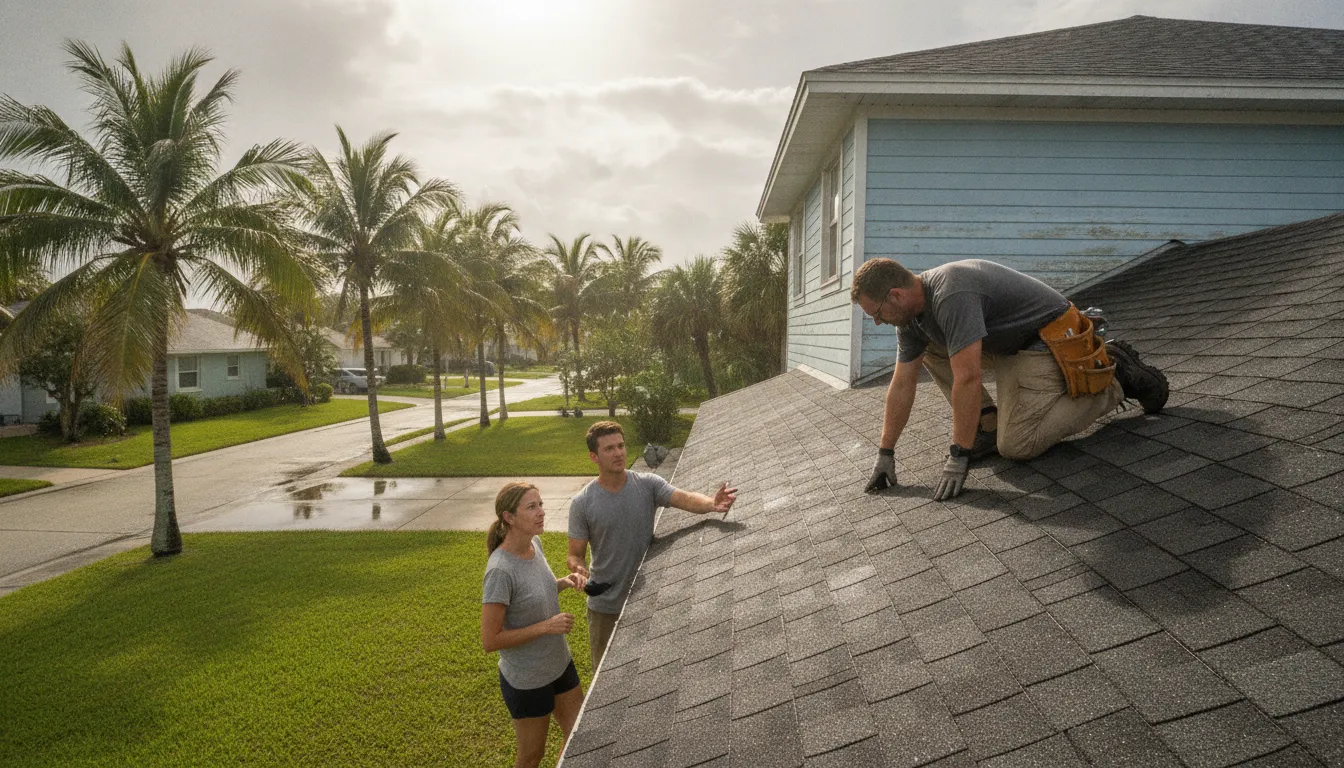
The first priority for an emergency response team is to arrive quickly, assess the damage, and stabilize the situation. This initial inspection is critical for creating an effective plan of action. A trained professional will evaluate the extent of the damage, identify safety hazards, and determine what needs to be done immediately to prevent things from getting worse. For example, in a water damage scenario, this means finding the source of the water and starting the drying process. For fire damage, it might involve boarding up windows and doors to secure the property. This rapid response is a key part of our disaster recovery services and is essential for protecting your property from further harm.
Using Specialized Equipment to Find Hidden Water
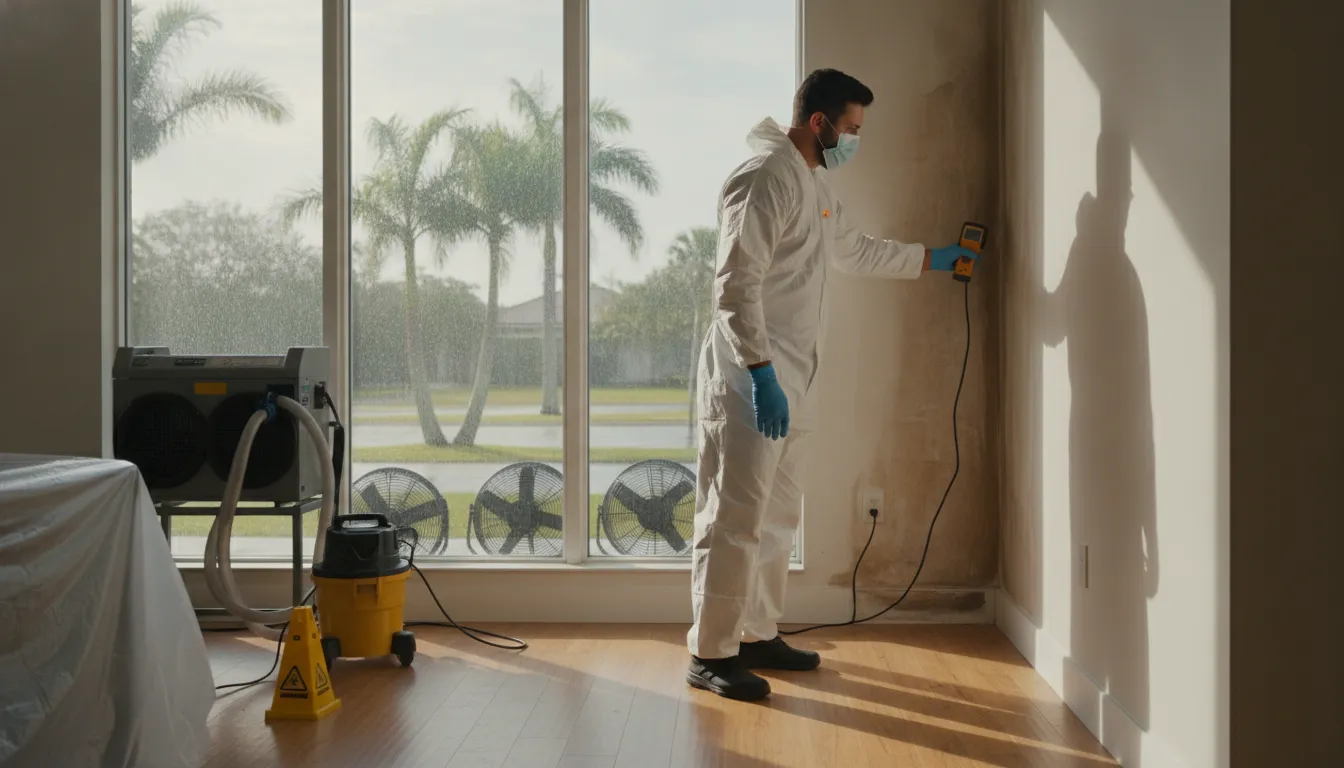
What you see after a flood or leak is often just the start. Water is sneaky—it gets behind drywall, under floorboards, and into insulation, creating a perfect, hidden breeding ground for mold. This is why professional water damage restoration goes beyond what the eye can see. We use specialized tools to find every last drop of moisture. Infrared cameras, for example, let us see temperature differences in your walls, which is a dead giveaway for hidden dampness. We also use moisture meters to get precise readings in materials like wood and drywall, confirming exactly where the problem areas are and how saturated they are.
This advanced technology isn’t just for show; it’s crucial for a thorough job. Using tools like powerful extractors, dehumidifiers, and air movers ensures we not only remove the standing water but also accurately detect hidden moisture that could lead to long-term issues. By finding and drying these hidden wet spots, we prevent future mold growth and protect the structural integrity of your home. This comprehensive approach ensures the problem is solved correctly the first time, saving you from bigger headaches and more expensive repairs down the road.
Step 2: The Cleanup and Restoration Phase
Once the property is secure, the real work of cleanup and restoration begins. This phase is all about removing damaged materials, cleaning, and sanitizing the affected areas. Depending on the situation, this could involve extracting water, removing soot and smoke residue, or getting rid of mold. The restoration team will handle everything from structural repairs to cleaning and restoring your personal belongings. The goal of professional water and flood damage restoration is to return your property to the way it was before the incident. This is often the longest phase of the process, but it’s where you’ll see your space start to come back to life.
The Difference Between Cleanup and Reconstruction
It’s easy to think of “cleanup” and “reconstruction” as the same thing, but they are two distinct phases of the restoration process. Think of cleanup, or mitigation, as the emergency response. This is when the crew arrives to stop the ongoing damage—extracting water, removing soot, or containing mold. The goal is to stabilize your property and prevent the problem from getting worse. This first step is what our disaster recovery services focus on initially. Reconstruction, on the other hand, is the process of rebuilding and repairing what was damaged beyond saving. This phase begins after the property is clean, dry, and stable. It involves replacing drywall, installing new flooring, or even rebuilding entire sections of your home.
Daily Moisture Checks for Proper Drying
Properly drying your property after water damage is a science, not a guessing game. A professional team doesn’t just place a few fans and hope for the best. They use specialized tools like moisture meters and thermal imaging cameras to track the drying process every single day. These daily checks are essential because they allow technicians to find hidden pockets of moisture in walls, floors, and structural materials. Based on these readings, they can adjust the placement of air movers and dehumidifiers to target stubborn wet spots. This meticulous approach ensures every inch of your property is thoroughly dried, which is the most effective way to prevent mold growth and long-term structural issues after a water damage event.
Step 3: Final Inspection and Preventing Future Issues
After the major cleanup and repairs are done, the job isn’t quite finished. A final, detailed inspection is necessary to ensure every issue has been addressed. Professionals will check for any hidden moisture, lingering odors, or other potential problems that could cause trouble down the road. This step is crucial because delaying or improperly handling restoration can lead to costly secondary issues, like a widespread mold problem. Proper mold remediation requires specialized knowledge and equipment to be effective. This final walkthrough ensures the restoration was successful and provides you with the peace of mind that your property is safe, clean, and fully restored.
How to Double-Check Their Work with a Moisture Meter
Even after a professional team has finished their work, it’s natural to want some extra assurance that your home is truly dry. A great way to get that peace of mind is by using a moisture meter. You can pick up a simple one at most hardware stores for around $40. Use it to check spots where moisture loves to hide, like under baseboards, in corners, or behind cabinets. If the meter shows a moisture content above 15-20%, the area isn’t completely dry yet. This final check is especially important in our humid climate, as any leftover dampness can quickly lead to a new mold problem. A trustworthy restoration company will always aim for complete dryness, but this simple step empowers you to confirm the job is truly finished.
How to Choose the Right 24-Hour Cleanup Service
When you’re dealing with a property emergency, the last thing you want is the added stress of finding a reliable cleanup crew. The right team will respond quickly, work professionally, and help you get your property back to normal. Knowing what to look for can make all the difference in a crisis. A great company will be transparent, experienced, and ready to handle the specific challenges of our local climate.
Green Flags: Signs of a Reputable Company
A trustworthy company is always ready to help, no matter the time of day. Look for a team that offers true 24/7 emergency services, because disasters don’t stick to a 9-to-5 schedule. Reputable professionals also operate with the highest standards, holding certifications from industry organizations like the IICRC (Institute of Inspection, Cleaning and Restoration Certification). This shows they have the specialized training required for handling everything from water extraction to biohazards. They should be fully licensed and insured in Florida, giving you peace of mind that you’re protected. A great team will also have a strong local presence and positive reviews from others in Pinellas County.
They Assign a Dedicated Project Manager
In the middle of a crisis, the last thing you need is to juggle calls between contractors, adjusters, and your insurance agent. A reputable restoration company will assign a dedicated project manager to be your single point of contact. This professional is there to guide you through every step of the cleanup and rebuilding process, ensuring nothing gets overlooked. They handle the detailed documentation of the damage and communicate directly with your insurance provider, which simplifies the claims process and helps you secure the coverage you deserve. Think of them as the crucial link between the reality of your property’s condition and the requirements of your insurance policy. Having an expert to streamline the recovery allows you to focus on what matters most—getting your life back to normal.
Red Flags: Warning Signs to Avoid
Be cautious of any company that downplays the urgency of your situation. Delaying professional water damage restoration can lead to mold growth and structural issues, so a slow response time is a major red flag. Another warning sign is a company that encourages you to handle significant problems yourself. While minor cleanups might be manageable, professional-grade equipment and expertise are essential for thorough restoration. Avoid any service that isn’t transparent about its process, pricing, or qualifications. If they can’t provide a clear plan or proof of insurance, it’s best to look elsewhere.
Rushed Jobs That Leave Hidden Moisture
A major concern for homeowners is that a restoration company will rush through the job, leaving behind hidden moisture. This often happens when a company is trying to get to the next client as quickly as possible. They might use surface-level readings to declare an area dry but fail to check for moisture trapped inside walls, under baseboards, or beneath flooring. This leftover dampness is a ticking time bomb. Weeks or even months later, you could discover a serious mold problem, which creates a new health hazard and requires extensive repairs. A thorough company will use specialized tools to ensure every layer of your property is completely dry, preventing future issues with mold remediation.
Inconsistent Quality from Franchises
You might feel safer hiring a company with a familiar national name, but it’s important to understand that many of these are franchises. This means the quality of service can be a gamble. While the brand is well-known, the actual work is performed by a local operator whose standards may or may not align with the parent company’s promises. One franchise location might be excellent, while another in the next town over could cut corners. Instead of relying on a brand name, it’s often better to vet the specific local team you’ll be working with. A dedicated, locally-owned company has its reputation on the line with every job, ensuring consistent quality across all its emergency services.
Key Questions to Ask Before You Sign Anything
Before you commit to a service, make sure you have clear answers to a few key questions. Start by asking about their immediate response plan and estimated arrival time. You should also inquire about their experience with your specific type of damage, whether it’s from a fire, flood, or storm. Ask if they can help you with the insurance claims process, as a good company will document everything and even communicate with your provider. Finally, request a detailed estimate before work begins. While the full scope of damage may not be known initially, they should be able to explain their pricing and what the initial disaster recovery services will cover.
Understanding the Cost of Disaster Cleanup
Why Emergency Services Can Be Expensive
Let’s be honest, when you’re looking at a flooded room or a smoke-stained ceiling, one of your first thoughts is probably, “How much is this going to cost?” It’s true that professional cleanup can be a significant expense, and there are a few reasons why. These are emergency services, meaning crews and specialized equipment have to be ready to go 24/7. The cost reflects the immediate mobilization of certified technicians who have the training to handle hazardous situations safely. Furthermore, a reputable company does more than just clean; they manage the complex process of documenting damage for insurance claims. The initial investment in professional disaster recovery services is far less than the cost of delaying. Waiting allows water to cause structural rot and mold to grow, turning a manageable problem into a massive, expensive overhaul.
Using Online Tools to Estimate Costs
If you’re trying to get a handle on potential costs, you might come across online disaster cleanup calculators. These tools can be a decent starting point, helping you understand the different steps involved in a process like mold remediation and giving you a ballpark figure. This can arm you with better questions to ask when you speak with a professional. However, it’s important to remember that these are just estimates. An online tool can’t detect hidden moisture behind a wall or assess the full extent of smoke penetration in your attic. The only way to get an accurate and reliable quote is to have a certified technician inspect your property in person. To get a clear picture of your restoration needs, it’s best to contact a professional for a thorough assessment.
The Hidden Costs of Delaying Disaster Cleanup
When your property is hit by a disaster, it’s completely normal to feel overwhelmed and unsure of what to do first. The instinct might be to wait, assess the situation on your own, or hope it’s not as bad as it looks. However, when it comes to property damage, time is not on your side. Delaying a call for professional help is one of the most expensive mistakes a property owner can make. What starts as a manageable issue can quickly spiral into a much larger, more complex problem.
Whether you’re dealing with a burst pipe, a kitchen fire, or the aftermath of a severe storm, the clock starts ticking the moment the incident occurs. The longer you wait, the more the damage spreads and sets in, leading to hidden structural issues, serious health risks, and a much higher final repair bill. Acting quickly and bringing in a disaster recovery team isn’t just about cleanup; it’s about protecting your property’s value and your family’s well-being. Let’s break down exactly what’s at stake when you postpone professional restoration.
Unseen Damage That Spreads Over Time
The damage you can see is often just the tip of the iceberg. Water from a leak, for example, doesn’t just sit on the surface. It seeps into drywall, soaks into wooden subfloors, and gets trapped behind walls, creating a perfect environment for rot and decay. Similarly, after a fire, soot and smoke particles don’t just settle on furniture. They get into your HVAC system and coat surfaces with acidic residues that can corrode metal, etch glass, and stain materials permanently. Delaying professional fire and smoke damage restoration allows this corrosive process to continue, turning salvageable items into a total loss. The longer you wait, the more extensive the damage becomes.
How Lingering Moisture Leads to Mold
In Florida’s humid climate, moisture is mold’s best friend. After any water event, from a burst pipe to a roof leak, the clock starts ticking. It only takes 24 to 48 hours for mold to begin growing on damp surfaces like drywall, insulation, and wood. The real danger isn’t just the standing water you can see, but the hidden moisture that gets trapped behind walls and under floors. Even if a surface feels dry to the touch, lingering dampness can lead to a serious mold problem weeks or even months later. This is why a rapid and thorough drying process is so critical. Professional teams use specialized equipment to ensure every last bit of moisture is gone, preventing a small water issue from turning into a major health hazard that requires extensive mold remediation.
Protecting Your Long-Term Health and Safety
Postponing cleanup isn’t just a threat to your property; it’s a threat to your health. In Florida’s humid climate, mold can begin to grow within 24 to 48 hours of water exposure. Once it takes hold, it can spread rapidly, releasing spores into the air that can cause respiratory problems, allergic reactions, and other serious health issues. Professional mold remediation is essential to safely remove the contamination and prevent it from returning. Beyond mold, waterlogged or fire-damaged structures can become unstable, posing a serious safety hazard. Professionals are trained to identify and address these hidden dangers, ensuring your home is not only clean but also structurally sound.
How Waiting to Call Can Hurt Your Wallet
It’s a simple equation: the more damage there is, the more it costs to fix. A small water leak that could have been resolved with professional drying equipment might require a complete tear-out of walls and floors if left unaddressed for a week. Neglecting smaller issues will almost always lead to larger, more expensive problems down the line. Furthermore, many insurance policies require you to take reasonable steps to mitigate further damage after an incident. Waiting too long to call for help could be seen as negligence, potentially complicating your claim or even leading to a denial for secondary damages. Investing in immediate, professional restoration services is the most effective way to control costs and get your property back to normal faster.
Related Articles
- Disaster Recovery St. Petersburg, FL | Go Time Restoration
- Pinellas County Water Damage Restoration: What’s the Timeline?
Frequently Asked Questions
Should I really call for a small leak? It doesn’t seem like an emergency. It’s a great question, and it’s smart to think before you act. However, even a seemingly minor leak can cause serious problems that you can’t see. Water can seep behind walls, under floors, and into your home’s structure, creating the perfect environment for mold to grow in as little as a day or two. Calling a professional for an assessment is the safest way to ensure a small issue doesn’t turn into a major, expensive repair project down the road.
My insurance agent said I need to wait for an adjuster before starting any cleanup. Is that correct? This is a common and very costly piece of misinformation. Most insurance policies actually require you, the property owner, to take reasonable steps to prevent further damage. Waiting for an adjuster can allow water to cause more harm or mold to grow, which your provider might not cover. A professional restoration company will thoroughly document the initial damage before they begin any work, ensuring your claim is supported while also protecting your property immediately.
How long does the disaster restoration process usually take? The timeline for restoration can vary quite a bit because every situation is unique. The total time depends on the type and extent of the damage, the materials involved, and how quickly insurance approvals come through. The initial emergency phase, like water extraction and drying, might take a few days. The full reconstruction and repair phase could take anywhere from a few weeks to several months for more extensive damage. A good company will give you a clear, updated timeline as the project progresses.
Can my personal belongings be saved after water or fire damage? Yes, many personal items can often be restored. Professional restoration isn’t just about the structure of your home; it also includes salvaging your belongings. We use specialized techniques to clean and restore everything from furniture and clothing to important documents and electronics. While some items may be too damaged to save, our goal is always to recover as much as we possibly can for you.
What should I do to stay safe while I wait for your team to arrive? Your safety is the number one priority. If you’re dealing with flooding, turn off the electricity to the affected area if you can do so safely, and avoid walking through standing water. After a fire, it’s best to stay out of the property until professionals have confirmed it’s safe, as structural integrity could be compromised. The most important thing is to avoid starting any major cleanup yourself, which can be hazardous without the right equipment and training.