Is your family suddenly dealing with nagging coughs, constant sneezing, or allergy symptoms that just won’t quit? Before you blame the season, consider a hidden culprit. If those symptoms get worse at home, the problem could be mold lurking behind your walls or under your floors. That faint musty smell or a small water stain is a serious red flag. Don’t wait for the issue to get worse, especially with children or elderly family members in the house. When your family’s health is on the line, our emergency mold remediation services provide the urgent, thorough solution you need.
Key Takeaways
- Act Immediately at the First Sign of Mold: Since mold can appear within 24 to 48 hours of water damage, your response time is critical. Call for professional help as soon as you see or smell mold to protect your home and health from further damage.
- Leave Remediation to the Professionals: DIY methods like using bleach often fail to kill mold at its source and can spread spores throughout your home. A certified team has the right tools and process for safe containment and complete removal.
- Choose the Right Team and Prevent Future Growth: Always hire a licensed and insured company that can explain their safety protocols. After the job is done, focus on long-term prevention by controlling humidity, improving ventilation, and fixing leaks promptly.
What Is Emergency Mold Remediation?
When you discover a serious mold problem, especially after a flood or a major leak, you don’t have time to waste. That’s where emergency mold remediation comes in. Think of it as a rapid-response solution designed to address mold problems quickly and effectively. The goal is to get professionals on-site, often within 24 to 48 hours of water exposure, to stop the mold from spreading. This immediate action helps prevent further property damage and protects your family’s health from the moment the problem is identified.
Unlike a routine inspection that might be scheduled weeks out, an emergency service is all about immediate intervention. It’s for those urgent situations where water has invaded your home and you know mold is either already present or just a matter of time. A professional team will arrive ready to assess the situation, contain the affected area, and begin the removal process right away. This fast approach is crucial because it addresses the source of the moisture and removes the existing mold before it can become a much larger, more expensive problem. Our mold remediation services are built to handle these urgent scenarios, giving you a clear path forward when you need it most.
The Goal of Mold Remediation
The main goal of mold remediation isn’t just to scrub away the visible spots you see on a wall. It’s about restoring your home to a safe, healthy state by bringing mold levels back to what’s considered normal and natural. Since mold can cause a range of health issues and compromise your home’s structure, the process is incredibly thorough. A professional team focuses on two key things: completely removing the existing mold contamination and, just as importantly, fixing the underlying water damage that allowed it to grow in the first place. This comprehensive approach ensures the mold doesn’t just come right back, giving you lasting peace of mind and a safe environment for your family.
Why You Need to Act Fast with Mold
The biggest reason for urgency is the speed at which mold grows. After water gets into your home, mold can begin to develop in as little as 24 to 48 hours. What starts as a small, hidden patch can quickly spread through walls, flooring, and your HVAC system. If you don’t act fast, you could be looking at extensive structural damage and much higher repair costs down the line.
So, how do you know it’s an emergency? If you see visible mold after a recent water event, suddenly notice a strong musty odor, or find your family experiencing new allergy-like symptoms, it’s time to call for help immediately. These are clear signs that mold has taken hold, and waiting will only make the situation worse. Addressing the initial water and flood damage is the first step to preventing a widespread mold issue.
How Does Mold Exposure Affect Your Health?
It’s easy to think of mold as just an ugly stain on the wall, but it’s a serious health concern. A common misconception is that mold is harmless, but in reality, it can release spores into the air that trigger allergies and respiratory problems. For many people, exposure can lead to coughing, sneezing, itchy eyes, and skin irritation that disrupt daily life.
These health risks are especially serious for vulnerable individuals. Children, the elderly, and anyone with a weakened immune system or existing conditions like asthma are more likely to experience severe reactions. Exposure can cause significant breathing problems and worsen existing conditions, making it critical to create a safe living environment. Prioritizing professional remediation is about protecting not just your property, but the well-being of everyone inside it. Our comprehensive disaster recovery services are designed to restore your home to a safe and healthy state.
Do You Have a Mold Emergency? Key Signs to Look For
Knowing when a mold problem crosses the line from a minor nuisance into a full-blown emergency can be tricky. It’s not always about finding a massive, visible colony spreading across your wall. Sometimes, the signs are much more subtle, like a persistent smell you can’t place or health symptoms that just won’t go away. If you notice any of the following red flags in your St. Petersburg property, it’s a clear signal that you need to act quickly and call in a professional for help.
Visible Growth or a Musty Odor
The most straightforward sign of mold is, of course, seeing or smelling it. You might notice fuzzy black, green, or white patches growing on walls, ceilings, or in the damp corners of your bathroom or basement. You may also detect a persistent musty, earthy odor that lingers no matter how much you clean. While it’s tempting to think you can just scrub away visible spots, this often doesn’t solve the underlying issue. A common myth is that visible mold is a simple DIY fix, but the growth you see is often just the tip of the iceberg. A professional mold remediation service can identify the full extent of the growth and address the hidden moisture source to ensure it’s gone for good.
Common Places to Find Mold
Mold is predictable—it loves moisture and can pop up in some very common household spots. Since it thrives in damp, dark, and poorly ventilated areas, knowing where to look is the first step in catching a problem early. Keep an eye on these key areas in your home, especially in Florida’s humid climate:
- Bathrooms and Kitchens: High humidity from showers and potential leaks under sinks or behind dishwashers make these rooms prime targets.
- Basements and Attics: These out-of-sight areas often have poor airflow. A small, undetected leak in your roofing can quickly lead to a major mold issue in the attic.
- Laundry Rooms: Check behind your washing machine for slow leaks and ensure your dryer vent is properly connected and clean.
- HVAC Systems: Your air conditioning unit can harbor mold if condensation builds up, circulating spores throughout your home.
- Around Windows: Condensation can collect on windowsills, creating a perfect environment for mold to grow, especially if you’ve had past water damage.
Recent Water Damage or High Humidity
Water is mold’s best friend. After any kind of water intrusion, your property is at high risk for mold growth. In Florida’s humid climate, mold can begin to grow within just 24 to 48 hours, turning a simple water issue into a much bigger problem. This could be the result of a storm surge, a burst pipe, a leaky roof, or even just prolonged periods of high humidity. If your home has recently experienced any of these events, don’t wait for visible signs to appear. Being proactive after you’ve had water and flood damage is the best way to prevent a major mold infestation from taking hold and causing serious structural damage to your property.
New or Worsening Health Symptoms
Sometimes, the first sign of a mold problem has nothing to do with your house and everything to do with your health. If you or your family members are suddenly experiencing persistent allergy-like symptoms, such as sneezing, coughing, itchy eyes, or skin irritation, hidden mold could be the culprit. According to health experts, mold exposure can trigger respiratory issues, especially in vulnerable individuals like children, the elderly, or anyone with a weakened immune system. If these health issues seem to flare up at home and you can’t pinpoint another reason, it’s a strong signal that you should have your property inspected. Getting professional help can protect your family’s well-being and restore your home’s healthy air quality.
When to Call a Professional
While it might be tempting to grab a bottle of bleach and tackle a small mold spot yourself, this approach often does more harm than good. DIY methods can spread mold spores to other areas of your home and rarely address the underlying moisture problem. A good rule of thumb is if the affected area is larger than 10 square feet, it’s time to call in the experts. Professionals have the specialized training and equipment to safely contain the mold, remove it completely, and ensure it doesn’t come back. When you’re dealing with a significant issue, especially after water damage, trusting a certified team is the safest bet for your home and your family’s health. Our licensed and insured team is ready to provide expert mold remediation to restore your home safely and effectively.
What to Expect from Emergency Mold Remediation Services
When you find mold, your first instinct might be to grab a bottle of bleach and start scrubbing. But a true mold problem requires a much more thorough approach. An emergency mold service does more than just clean what you can see; they follow a detailed process to identify, remove, and prevent mold from returning, ensuring your home is safe and healthy. Think of them as detectives and restoration experts rolled into one. Their job starts with a full investigation to understand the scope of the problem and ends with a solution that addresses the root cause, not just the visible symptoms.
This professional process is what makes all the difference. A certified team doesn’t just show up and start spraying chemicals. They first work to assess the situation and contain the mold to stop it from spreading throughout your property. Next, they use specialized techniques and equipment to safely remove the mold and clean the affected areas, protecting your home’s air quality. Finally, and most importantly, they help you identify and fix the moisture issue that allowed the mold to grow in the first place. This comprehensive strategy ensures the problem is handled correctly from start to finish, giving you peace of mind that your property is truly clean. Our mold remediation team is trained to handle this entire process efficiently and safely.
Immediate Safety Steps to Take
Finding mold is stressful, but what you do in the first few minutes and hours can make a big difference. While you wait for a professional team to arrive, there are a few crucial steps you can take to protect your property and your family. Just as important, there are common mistakes you should absolutely avoid. Following these guidelines will help contain the problem and ensure the remediation process starts off on the right foot.
What to Do While You Wait for Help
Since mold can start growing within 24 to 48 hours of a water event, your immediate response is critical. The very first thing you should do is call for professional help. If you see visible growth, notice a persistent musty smell, or your family is experiencing new allergy-like symptoms, don’t hesitate. While you wait for a team to arrive, try to identify and stop the source of moisture if it’s safe to do so—like turning off the water supply to a leaking pipe. You should also stay out of the affected area and keep children and pets away. Taking these simple actions helps minimize further damage and prepares the space for a thorough and effective mold remediation.
What Not to Do
Your first impulse might be to grab a scrub brush and a bottle of bleach, but please don’t. Trying to clean mold yourself is one of the biggest mistakes you can make. A common myth is that visible mold is a simple DIY fix, but the growth you see is often just the tip of the iceberg, with a much larger colony hidden from view. Spraying bleach on mold doesn’t kill it; it only whitens the surface, leaving the roots and spores behind to continue growing. Also, avoid running your HVAC system or placing fans in the area, as this can circulate spores throughout your entire home, turning a contained issue into a widespread problem. The safest and most effective approach is to contact a professional and let them handle the containment and removal safely.
Damage Assessment and Mold Containment
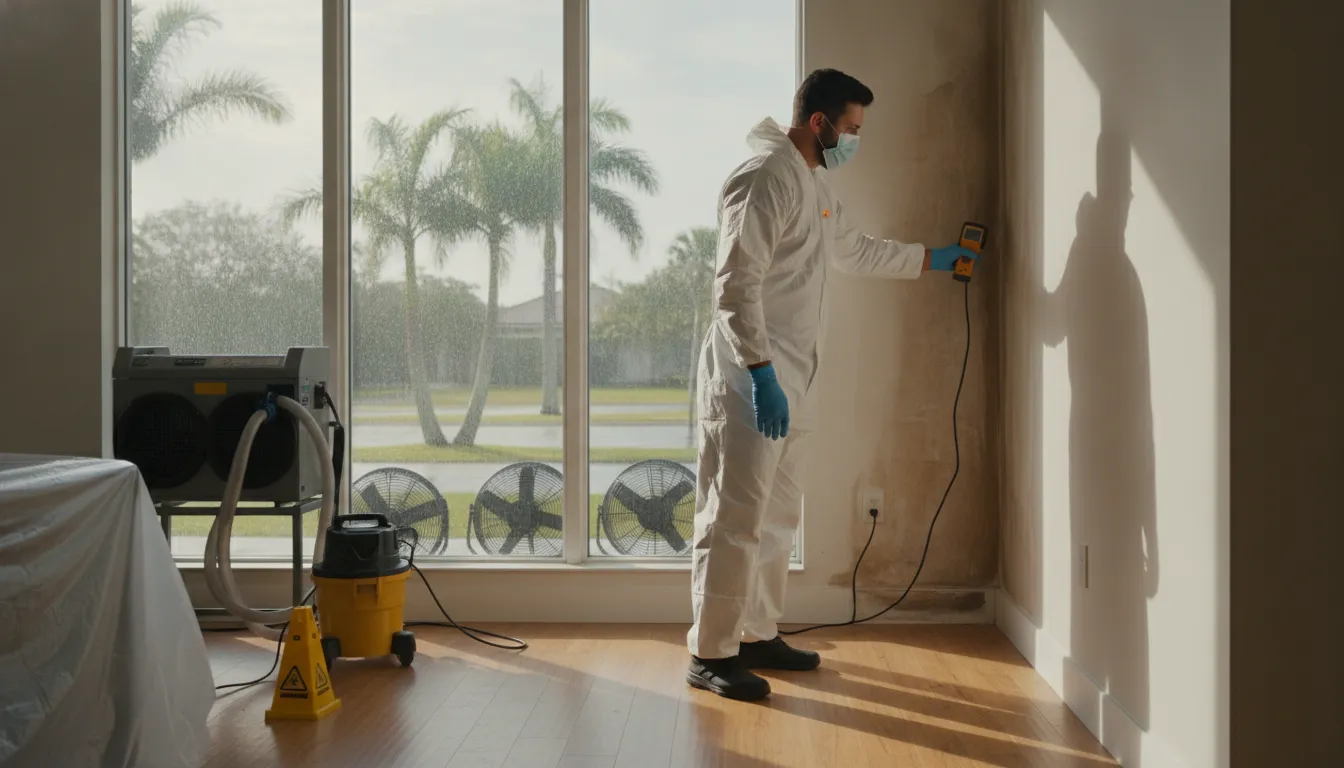
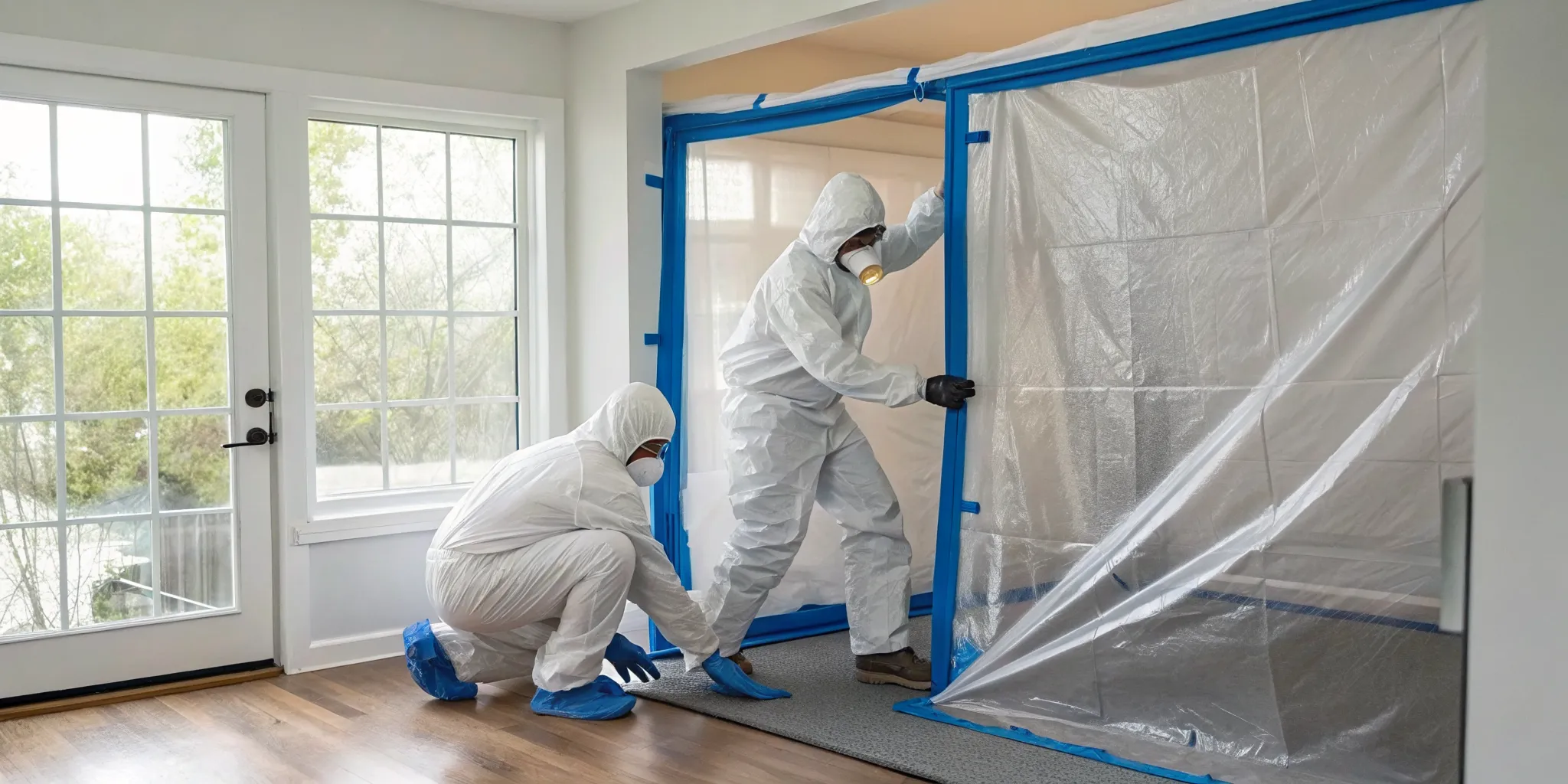
The moment a mold remediation team arrives, their first priority is to understand the situation and stop it from getting worse. Mold can begin growing within 24 to 48 hours of water exposure, so speed is essential. Professionals start by thoroughly inspecting your property to determine the extent of the mold growth and identify all affected areas, even hidden ones. They use moisture meters and other tools to map out exactly where the water damage is. Once they know the scope, they immediately set up containment barriers, often using plastic sheeting and negative air pressure machines to isolate the area and prevent mold spores from spreading to unaffected parts of your home.
Professional Mold Removal and Cleaning
Simply scrubbing at mold isn’t enough, and it can actually make the problem worse by releasing spores into the air. Professional mold removal is a systematic process that requires training and the right equipment. Technicians wear personal protective equipment (PPE) to keep themselves safe while they work. They use specialized tools and antimicrobial treatments to physically remove mold from surfaces like drywall, wood, and carpeting. In some cases, heavily contaminated materials may need to be carefully removed and discarded. The goal is to eliminate the mold colonies completely without compromising your home’s air quality, leaving the space clean and safe for you and your family.
Finding and Fixing the Moisture Source
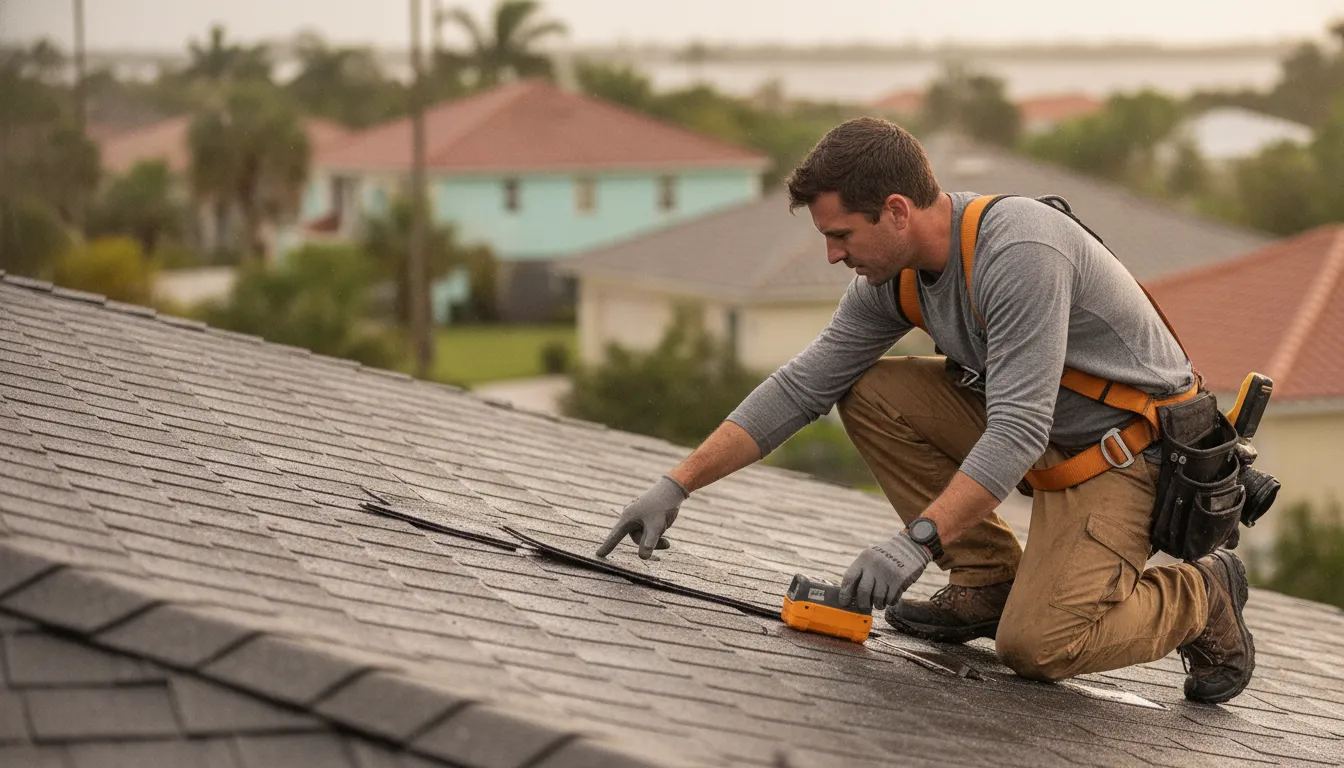
Removing the existing mold is only one part of the solution. If you don’t fix the underlying moisture issue, the mold will inevitably return. A reputable emergency service will always focus on identifying the source of the water that allowed mold to grow. This could be anything from a leaky pipe or a damaged roof to high indoor humidity. After a water damage event, finding and repairing the source is critical. Whether it requires a simple plumbing fix or more significant repairs like fixing your roof, addressing the moisture problem is the key to long-term prevention and ensuring your home stays mold-free.
How to Hire a Mold Remediation Company You Can Trust
When you’re dealing with a mold emergency, the last thing you want is the added stress of hiring the wrong company. Finding a reliable and professional team is key to getting your home back to normal safely and efficiently. A little bit of vetting upfront can save you from bigger headaches, like incomplete work or recurring mold problems. You need a partner you can trust to handle the job correctly from start to finish. Here are the essential things to look for when choosing a mold remediation company.
Verify Their Licensing and Certifications
First things first, make sure any company you consider is properly licensed and certified. Think of it as their report card. Certifications from recognized organizations, like the IICRC (Institute of Inspection, Cleaning and Restoration Certification), show that the team has been professionally trained. It proves they understand the science behind mold and follow strict industry standards for safe and effective removal. A reputable company will be proud of their credentials and have them readily available. Don’t be shy about asking for proof; it’s a basic and crucial step in ensuring you’re hiring true professionals who won’t cut corners with your family’s health.
Inquire About Their Process and Equipment
When mold appears after a leak or flood, time is not on your side. You need a team that can act fast. When you call for a quote, ask about their emergency response time. A company that offers 24/7 disaster recovery services is usually a good sign they’re equipped to handle urgent situations. Also, inquire about the tools and techniques they use. Do they just spray some chemicals, or do they use professional-grade equipment like HEPA air scrubbers and containment barriers? The right tools are essential for preventing spores from spreading to other parts of your home during the removal process. Their answers will tell you a lot about their level of expertise.
Confirm They Have Insurance and Follow Safety Protocols
This one is a non-negotiable. The company you hire must be fully insured, including liability and workers’ compensation. This protects you from any financial responsibility if an accident happens on your property. Beyond insurance, ask about their safety protocols. A professional team will take clear steps to contain the work area, use personal protective equipment (PPE), and ensure your family is kept safe from exposure. While a highly professional and insured company might not be the cheapest quote you get, their expertise can save you money in the long run by doing the job right the first time. Feel free to contact us to ask these questions directly; any trustworthy company will be happy to provide answers.
Your Mold Remediation Process: A Step-by-Step Guide
When you call in professionals for a mold emergency, you’re getting a team that follows a proven, systematic process. This isn’t just about scrubbing away visible spots; it’s a comprehensive approach to ensure the mold is gone for good and your property is safe. Knowing what to expect can bring some peace of mind during a stressful time. A professional mold remediation service follows precise steps to assess, contain, and eliminate the problem, making sure no detail is overlooked. From the initial inspection to the final air quality check, every action is designed to restore your home or business to a healthy state. Here’s a look at what that process typically involves.
Step 1: The Initial Inspection and Assessment
The first thing our team will do is a detailed inspection to understand the full scope of the mold issue. This goes beyond what you can see with the naked eye. We use specialized tools like moisture meters to find hidden water sources fueling the mold, and thermal cameras to detect temperature differences that indicate moisture behind walls. This initial assessment is critical because it helps us identify the type of mold and the extent of its spread. Based on these findings, we can create a targeted plan for removal and help you with the necessary documentation for any insurance claims.
Step 2: Containment, Removal, and Cleaning
Once we know the extent of the problem, our immediate priority is to prevent it from getting worse. We set up containment barriers, often using plastic sheeting and negative air pressure, to completely isolate the affected area. This step is crucial because it stops mold spores from traveling to other parts of your property during the removal process. Since mold can begin to grow within 24 to 48 hours of a water damage event, acting quickly to contain it is key. After containment, our technicians will carefully remove all mold-infested materials, following strict safety protocols.
Contents Packout and Storage
During the remediation process, protecting your personal belongings is just as important as treating your home. This is where a contents packout service becomes essential. It involves carefully inventorying and moving your items—from furniture to irreplaceable photos—out of the affected area to prevent cross-contamination from airborne mold spores. Our team assesses each item to determine what can be saved, then transports salvageable belongings to a secure, climate-controlled facility. Here, they are not just stored, but professionally cleaned and restored. Once the mold remediation in your home is finished and the air is clean, we carefully return your belongings, ensuring your entire living environment is safe and healthy from top to bottom.
Step 3: Air Purification and Final Testing
Removing the visible mold is only half the battle. Microscopic mold spores can linger in the air, ready to start a new colony. To address this, we use high-efficiency particulate air (HEPA) filters and “air scrubbers” to capture these airborne contaminants and purify the air. After the physical mold is gone and the air is clean, we conduct a final cleaning of the work area, including walls, floors, and any other surfaces. We then perform a final check to ensure the area is clean, dry, and ready for you to safely occupy again, completing our comprehensive restoration services.
Step 4: The Restoration and Rebuilding Phase
Once the mold is gone and the area is officially clean and dry, the final step is to rebuild and restore your home to its original condition. This is where your space starts to feel like yours again. Depending on the extent of the damage, this phase can involve replacing drywall, installing new flooring, repainting walls, and repairing any structural elements that were removed. The goal is to make it look as if the damage never happened. Choosing a company that handles both remediation and restoration saves you the headache of coordinating with multiple contractors. Our team manages the entire process, ensuring all repairs, from minor fixes to major reconstructions like addressing a leaky roof, are handled seamlessly as part of our complete restoration services.
How Much Does Emergency Mold Remediation Cost?
When you’re facing a mold emergency, one of the first questions that comes to mind is, “How much will this cost?” It’s a practical concern, and the answer can vary quite a bit. While the average cost for mold remediation can range from $500 for a small, contained area to over $6,000 for more extensive problems, this is just a ballpark figure. The final price tag depends on the unique details of your situation. Understanding what goes into the cost can help you prepare and know what to expect when you get a quote from a professional.
Average Mold Remediation Costs
Let’s get straight to the numbers, because I know that’s what’s on your mind. Industry data shows the average cost for professional mold removal is around $2,361, with most homeowners paying somewhere between $373 and $7,000. This wide range comes down to a few key factors: the size of the affected area, how difficult it is to access, and the type of materials that are contaminated. While it can be tempting to try a DIY approach to save money, this often fails to address the root moisture problem and can accidentally spread spores throughout your home, making the issue worse. Investing in professional mold remediation ensures the problem is handled safely and completely, protecting your family’s health and your property’s integrity. It’s the best way to get peace of mind and a lasting solution.
What Factors Influence the Price?
No two mold situations are identical, so the cost to fix them won’t be either. The biggest factor is the sheer size of the problem. A small patch of mold on a bathroom wall will be far less expensive to handle than a widespread infestation that has crept into your drywall and subflooring. The location also matters. Mold that’s easy to access is simpler to remove than mold hiding inside walls, attics, or HVAC systems, which requires more labor. Finally, the type of mold can affect the price, as certain toxic species demand more rigorous safety measures and specialized mold remediation techniques to ensure your home is safe.
Location of the Mold
Where the mold decides to set up camp plays a huge role in the final cost. If you have a patch of mold on an easily accessible surface, like a bathroom wall, the removal process is relatively straightforward. However, the price goes up when mold is hiding. If it has crept into the spaces inside your walls, spread through your attic, or infiltrated your HVAC system, the job becomes much more complex. Our team has to do more than just clean; we may need to carefully remove sections of drywall or access crawlspaces. This extra labor and the subsequent repairs needed to put everything back together will naturally increase the cost of the restoration services.
Type of Mold
You might be surprised to learn that the specific type of mold found in your home can also influence the price of removal. While many common indoor molds are allergenic, some species are considered toxigenic, meaning they can produce mycotoxins that pose more significant health risks. When we identify these more hazardous types of mold, we have to implement stricter safety protocols. This involves more advanced personal protective equipment (PPE) for our crew and more robust containment measures to ensure the spores don’t spread. These specialized mold remediation techniques are necessary to guarantee your home is safe, but they do require more resources, which can affect the overall cost.
Other Cost Factors
Beyond location and type, the sheer size of the infestation is often the biggest driver of cost. A small, contained spot is a much simpler fix than a widespread problem that has taken over entire rooms or seeped into your subflooring. The cost also includes addressing the original water problem. After all, there’s no point in removing mold if the leak that caused it isn’t fixed. This could involve anything from a simple plumbing repair to more extensive work on your property. Finally, the estimate will account for any necessary reconstruction, like replacing drywall, insulation, or flooring that had to be removed during the water damage cleanup.
Will Your Insurance Cover It?
This is the million-dollar question for many homeowners, and the answer is: maybe. Homeowners insurance policies can be tricky when it comes to mold. Coverage often depends on what caused the mold in the first place. If the mold grew because of a sudden, covered event, like a burst pipe or a storm-damaged roof, your policy is more likely to cover the remediation costs. However, if the mold is due to a slow leak you didn’t fix or general high humidity, it’s often considered a maintenance issue and won’t be covered. The best first step is to pull out your policy and call your insurance agent. We can also help you document the damage for your claim when you contact us for an assessment.
Common Mold Removal Mistakes (and How to Avoid Them)
When you discover mold, your first instinct is probably to get rid of it as fast as possible. It’s a completely understandable reaction. But before you grab a pair of gloves and a spray bottle, it’s important to know that some of the most common reactions can actually make the problem worse. Handling a mold issue incorrectly can spread spores to other parts of your home and fail to address the underlying cause, meaning the mold will just keep coming back. This can turn a manageable issue into a much larger, more expensive problem.
The good news is that these mistakes are easy to avoid once you know what to look out for. Let’s walk through two of the biggest missteps homeowners make when faced with a mold emergency: trying to remove it themselves and reaching for a bottle of bleach. These DIY approaches seem like quick fixes, but they often mask the true extent of the damage and can even pose health risks if not done with professional-grade protection and containment. Understanding why these methods fall short is the first step toward getting your home back to a safe, healthy state for good, without the frustrating cycle of cleaning and regrowth.
Why DIY Mold Removal Is a Risky Idea
Tackling a small spot of mold on your shower tile might seem simple enough, but a larger infestation is a different story. What you can see on the surface is often just a fraction of the actual problem. Mold is excellent at hiding, growing deep within porous materials like drywall, insulation, and wood. Simply scrubbing the visible part away leaves the hidden root system intact, which is why many homeowners find that mold comes back again and again.
Without proper containment, attempting to remove mold can also release millions of spores into the air, contaminating other areas of your home. Professionals use specialized equipment and techniques to isolate the work area and prevent cross-contamination. For a complete and safe solution, a professional mold remediation service is your best bet.
Why Bleach Doesn’t Kill Mold
It’s one of the most common cleaning myths out there: just pour bleach on it. While bleach can kill surface mold on non-porous materials like glass or tile, it’s ineffective on porous surfaces where mold thrives. The chemical structure of bleach prevents it from soaking into materials like drywall or wood to kill the mold’s roots.
Even worse, bleach is mostly water. When you apply it to a porous surface, the chlorine quickly evaporates, leaving the water behind. This water can then feed the remaining mold, potentially making your problem more severe over time. Instead of relying on household cleaners, our professional restoration services use EPA-approved antimicrobial agents designed to penetrate materials and eliminate mold at its source, ensuring it’s gone for good.
Painting Over Mold Is Not a Solution
When you see an ugly mold stain on your wall, your first thought might be to grab a paintbrush and cover it up. It seems like a fast and easy cosmetic fix, but this is a huge mistake. Painting over mold won’t kill it; it just hides the problem temporarily. The mold will continue to thrive underneath, feeding on the trapped moisture and the drywall itself, which can cause much bigger problems down the road. The visible growth you see is often just the tip of the iceberg. To truly solve the issue, you need to address the hidden moisture source and the full extent of the growth, which is why professional mold remediation is so important. It ensures the problem is handled completely, not just covered up.
Keeping Your Home Mold-Free After Remediation
After you’ve gone through the process of professional mold removal, the last thing you want is a repeat performance. The good news is that preventing mold from returning is entirely possible with a little diligence. It all comes down to staying vigilant and, most importantly, controlling moisture in your home. Think of it as creating an environment where mold simply can’t thrive. By adopting a few key habits, you can protect your property and your peace of mind for the long haul. These strategies are straightforward and focus on two main areas: keeping a watchful eye on your home and managing moisture levels consistently.
How to Monitor Your Home Post-Remediation
Once our team has completed a mold remediation project, your active role in prevention begins. The most effective step you can take is to regularly inspect areas in your home that are prone to moisture. This includes checking under sinks, around tubs and toilets, near windows, and in your basement or attic. A quick look once a month can help you spot a small leak or condensation before it becomes a big problem.
It’s also helpful to get everyone in your household on the same page. Teach family members what to look for, like water stains, musty smells, or peeling paint, and encourage them to speak up if they notice anything unusual. When everyone acts as an extra set of eyes, you create a strong first line of defense against new mold growth.
Simple Tips for Long-Term Moisture Control
At its core, mold needs one thing to grow: moisture. If you can control the moisture, you can control the mold. One of the best tools for this is managing your home’s humidity. In Florida’s climate, it’s a good idea to use a dehumidifier or run your air conditioner to keep indoor humidity levels below 60%. This simple step makes your home far less hospitable to mold spores.
Good airflow is also essential for preventing moisture from settling. Use exhaust fans in your kitchen when cooking and in your bathroom when showering, letting them run for about 30 minutes afterward. If you discover any plumbing issues, it’s critical to address them immediately. Even a minor drip can lead to significant water and flood damage and create the perfect breeding ground for mold.
Related Articles
- Mold Remediation Ranchero Village, FL – Go Time Roofing
- Mold Remediation Largo, FL – Go Time Roofing
- The Ultimate Guide to Certified Mold Removal
Frequently Asked Questions
How long does the whole process usually take? The timeline really depends on the size and location of the mold problem. A small, contained job might only take a day or two. However, for more widespread issues that require removing drywall or addressing a significant water source, it could take several days. The initial assessment will give you a much clearer idea of the schedule, as our first step is always to create a detailed plan.
Is it safe for my family to be in the house during the remediation? Your family’s safety is the top priority. For smaller jobs, it might be possible to stay in an unaffected part of the house. For larger projects, especially if the mold is in your HVAC system or main living areas, we generally recommend finding a temporary place to stay. We create a sealed containment zone to prevent spores from spreading, but it’s often best to avoid the area entirely until the air has been professionally cleaned and cleared.
I only see a small amount of mold. Can I just clean it myself? It’s tempting to try a quick fix, but what you see is often just the surface of a deeper issue. Mold can have extensive root systems inside porous materials like drywall. Scrubbing the surface can release spores into the air, spreading the problem to other areas of your home. A professional service addresses the entire problem, including the hidden growth and the moisture source, to make sure it’s gone for good.
Will my insurance company cover the cost of emergency mold remediation? Insurance coverage for mold can be complicated and varies by policy. Generally, if the mold was caused by a sudden and accidental event that your policy covers, like a burst pipe, then the remediation is more likely to be covered. If it resulted from a slow leak or poor maintenance, it’s often excluded. The best course of action is to review your policy and speak directly with your insurance agent. We can provide the detailed documentation they’ll need to process your claim.
What happens to the things that had mold on them, like furniture or drywall? This depends on the material and the extent of the damage. Porous materials like drywall, carpet, and insulation that are heavily infested usually need to be carefully removed and discarded because it’s impossible to fully clean them. For non-porous items like glass or metal, and some semi-porous items like certain wood furniture, we can often clean and restore them using specialized techniques. We’ll assess every item to determine what can be safely salvaged.
Maintain Proper Humidity Levels
At its core, mold needs one thing to grow: moisture. If you can control the moisture, you can control the mold. This is especially true here in Florida, where the air can feel thick with humidity year-round. One of the most powerful tools you have is managing your home’s indoor humidity. A great rule of thumb is to keep the humidity level below 60%, which you can easily do by running your air conditioner or using a dehumidifier. This simple step makes your home far less hospitable to mold spores, protecting your property long after a professional mold remediation is complete.
Proactive Home Maintenance Tips
Once a professional remediation is done, your active role in prevention begins. The most effective thing you can do is regularly inspect areas in your home that are prone to moisture. About once a month, take a quick look under sinks, around toilets and tubs, near windows, and in your attic. This helps you spot a small leak before it becomes a big problem. Good airflow is also key. Make it a habit to use exhaust fans in your kitchen when cooking and in your bathroom when showering, letting them run for about 30 minutes afterward. If you find any plumbing issues, it’s critical to fix them right away. Even a minor drip can lead to significant water and flood damage and create the perfect breeding ground for mold.