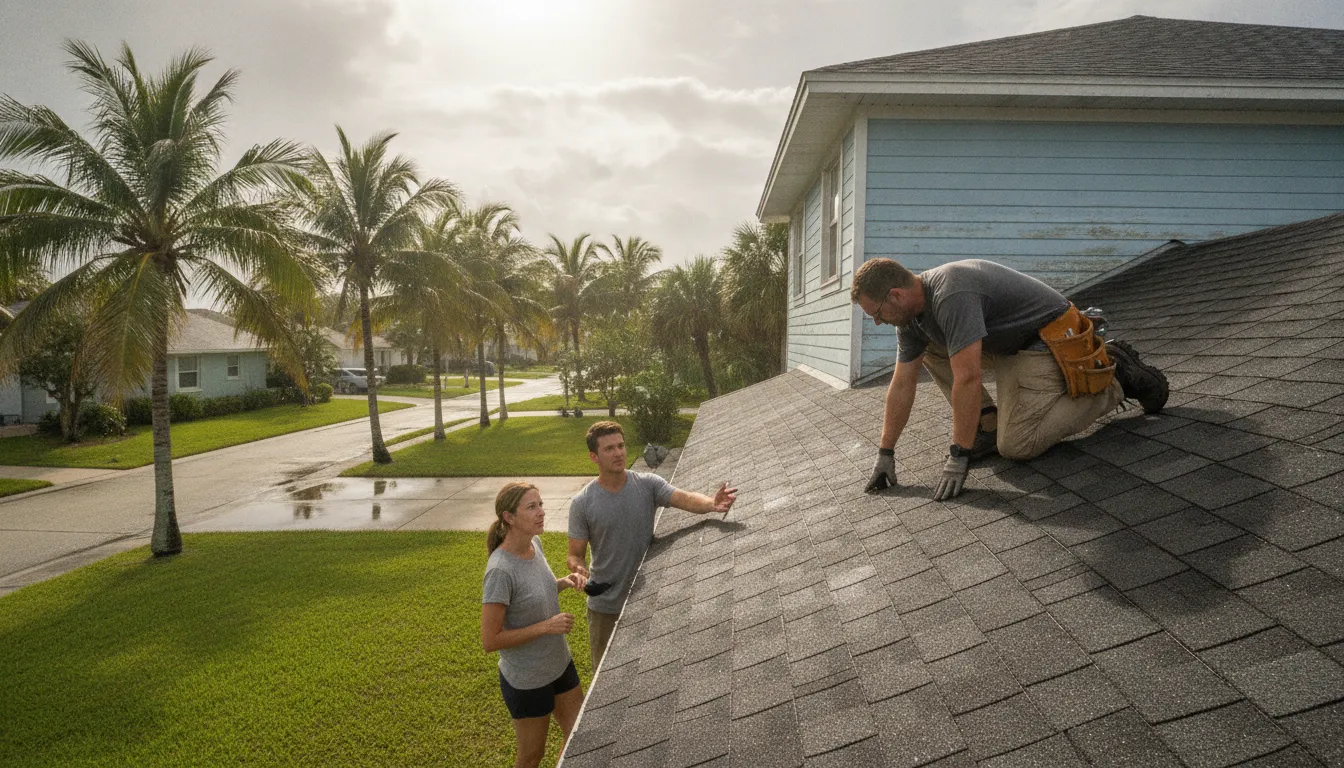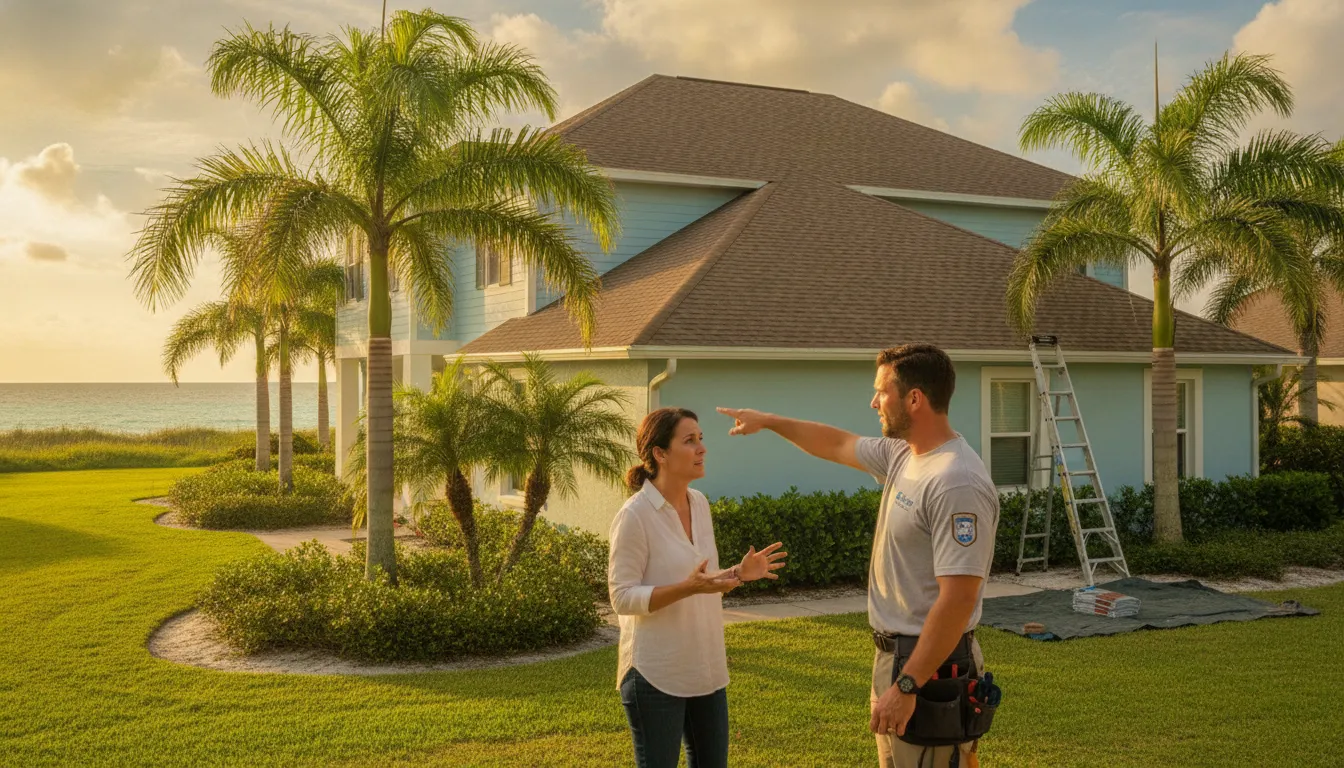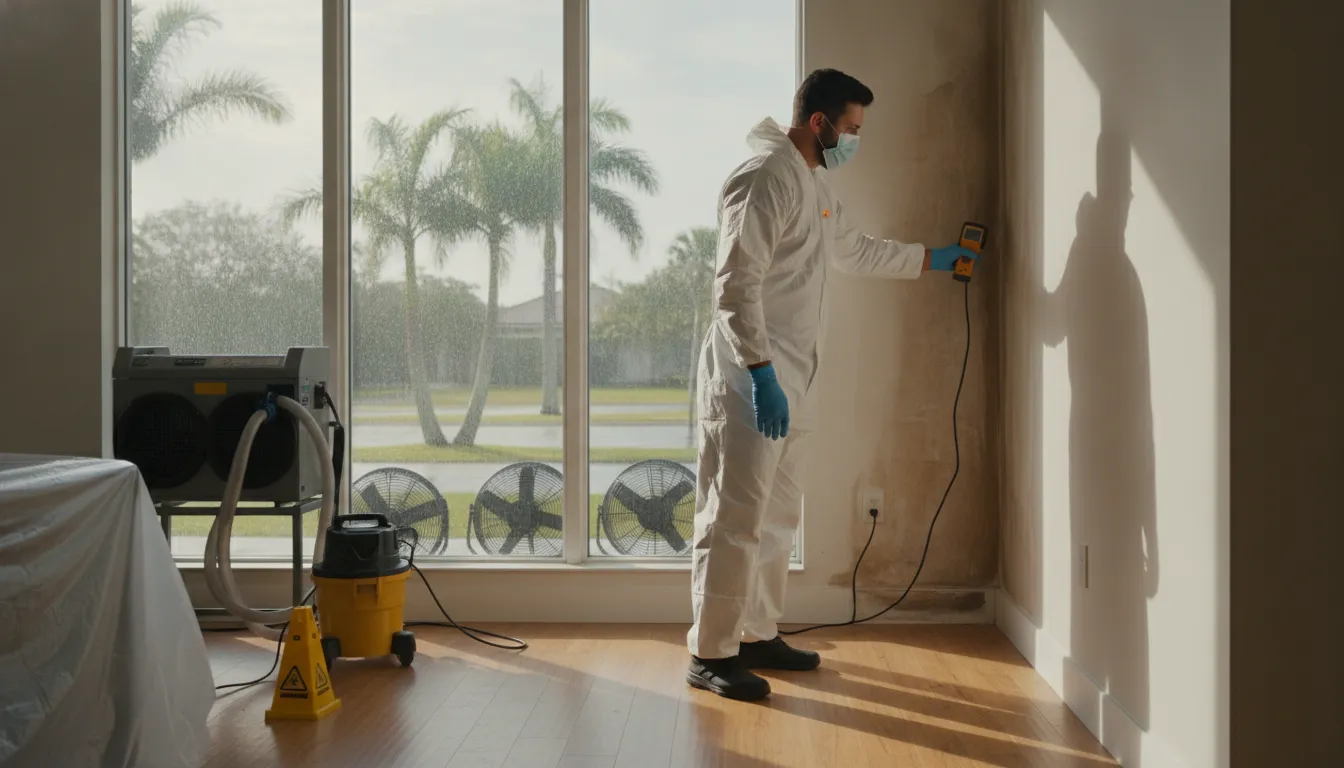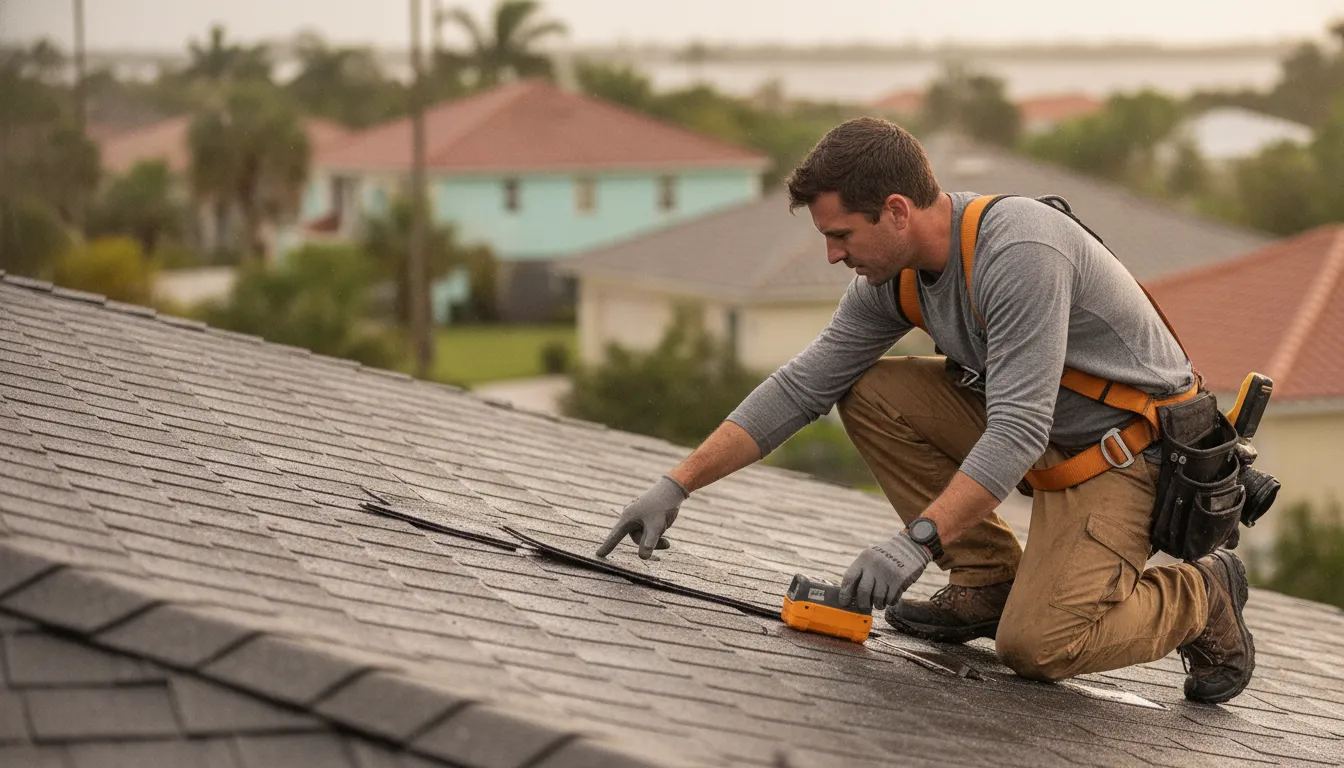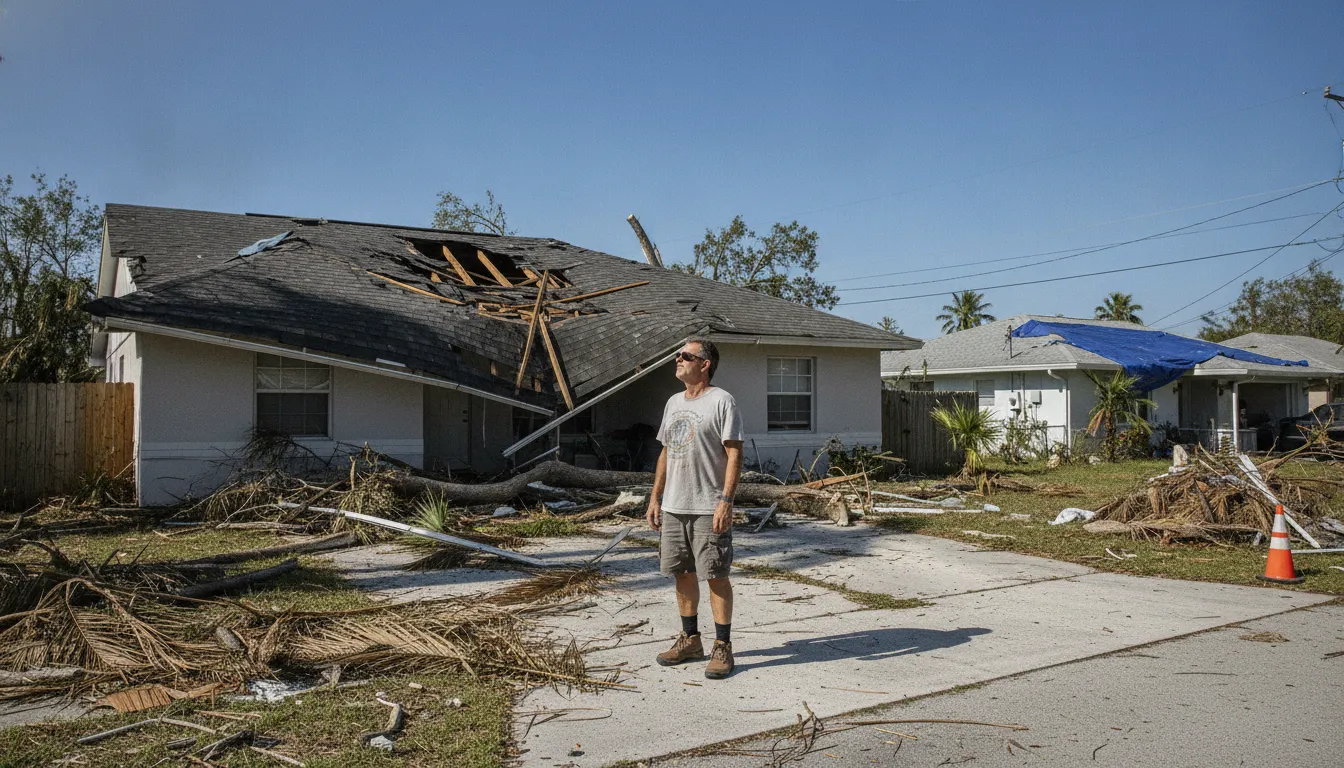
Filing storm damage insurance claims in Florida starts with taking photos before the rain stops. These images provide the proof your adjuster needs to verify the extent of your losses.
Schedule your free roof inspection in St. Petersburg today. Call (727) 361-6905.
Successful storm damage insurance claims Florida residents file depend on fast action and clear proof. When a storm hits, your first job is to stop more damage from happening to your home. You must take photos and videos of every damaged spot before you start cleaning up. Most Florida policies cover sudden leaks and roof damage, but they do not cover flood water from the street. You will need to talk to adjusters and keep a log of every call you make to the insurance company. Working with a local expert who knows the St. Petersburg area can make this hard process easier for you. Keeping all your records in one place ensures you get the help you need to fix your roof and the inside of your home quickly.
You may wonder how to start the process of getting your home back to normal after a big storm hits. Knowing How Storm Damage Insurance Claims Work in Florida is the best way to avoid common mistakes that lead to denied claims. This path begins with…
Storm Damage Insurance Claims Florida: How the Process Works
Florida homeowners deal with a complex path when they file for storm losses. The state now has the highest insurance costs in the nation, according to the Insurance Information Institute. When a hurricane or tropical storm hits, you must move fast to start your claim. This process has several key stages that move you from the initial loss to a final settlement and home repair.
At Go Time Roofing & Restoration, we use an integrated “Roof to Recovery” approach. We help you handle both the roofing needs and the interior fixes. This one-stop service makes your water and storm damage restoration simpler. You do not have to juggle many teams while you work with your insurance provider.
Report the loss and track your chats
You must notify your insurance company as soon as you find damage. Florida law sets strict rules for how fast you must act. Once you start the claim, keep a log of every call and email. Note the date, the time, and the name of each person you talk to. This clear record is vital for tracking your claim progress, as suggested by experts at University of Tennessee Extension.
The adjuster inspection and damage scope
The insurer will send a field adjuster to look at your property. This person checks the roof, the walls, and your personal items. You should walk with them to point out all leaks or broken parts. They will create a scope of work that lists what the company will pay to fix. Be sure to show them your own photos and videos of the damage taken right after the storm. If you have a separate policy, you should also check for flood damage coverage details before they arrive.
Settlement and the repair phase
After the inspection, the insurer will offer a settlement amount. This money should cover the cost to return your home to its prior state. In Florida, you may face a high hurricane deductible that comes out of this check. Once you agree on the payout, the repair phase begins. Using a team that handles the full restoration helps ensure that the work matches the insurance scope. This reduces the risk of extra costs that the insurer might not cover later.
What Does a Standard Florida Homeowners Policy Cover After a Storm?
A standard HO-3 policy in Florida covers most damage caused by wind, hail, and lightning. This includes structural damage to your roof, walls, and windows after a hurricane or severe storm. If a sudden roof breach leads to water leaks, your policy often pays for the fix. But it is vital to know that most plans do not cover rising floodwaters. For that, you need a separate policy through the National Flood Insurance Program (NFIP).
Wind and Water Damage Rules
Your policy covers wind-driven rain that enters your home through a new hole in the roof or a broken window. This is sudden and accidental damage. Homeowners in St. Petersburg often deal with these issues after tropical storms. If your home has a leak, you should call for professional roof repair to stop more damage from happening. Your insurer expects you to act fast to protect your property from further harm.
Keep in mind that long-term leaks or lack of care are not covered. Most plans only pay for storm events that happen without warning. If you live in coastal areas like Madeira Beach, your roof takes a lot of wear from salt and heat. This can make a storm loss more complex to prove. Working with a local expert helps ensure your claim shows the true cause of the damage.
Hurricane Deductibles and Costs
Florida policies have a specific hurricane deductible. This is not a flat fee like a normal claim. Instead, it is a percentage of your home’s total insured value. Most deductibles range from 2% to 10% of your dwelling coverage. For example, a 5% deductible on a home insured for $350,000 means you must pay $17,500 out of your own pocket. This high cost makes it vital to check your policy every year before storm season starts.
Additional Living Expenses
If a storm makes your home unsafe to live in, your policy may help with costs. This is called Additional Living Expenses (ALE) coverage. It can pay for hotel stays, food, and other needs while crews fix your house. You should save all receipts for these costs. Some plans only pay the extra cost of living away from home. Always ask your agent if your plan includes this help before you move out for repairs.
What Is the Time Limit for Storm Damage Roof Claims in Florida?
Florida law sets clear time limits for when you must report roof damage to your insurance company. For most wind and storm events, you have up to two years from the date of the loss to file a claim. Starting the process as soon as you find damage ensures you meet all legal deadlines and get the help you need.
Schedule your free roof inspection in St. Petersburg today. Call (727) 361-6905.
Standard Deadlines for Storm Claims
The standard window to file storm damage insurance claims Florida is two years for most plans. This two-year limit applies to damage caused by high winds, hail, and heavy rain. If you do not file within this time, your insurer may refuse to pay for any repairs. It is smart to get an expert roof check after every major storm. Local pros can find small leaks or loose shingles that lead to big problems later. Finding these issues early helps protect your home and your bank account.
Keep in mind that some plans may have shorter notice periods for the first report. While you have two years to finish the claim, you should tell your agent about the damage right away. Waiting months to report a known leak can make the claim much harder to prove. The insurer might argue that the damage came from old age instead of a specific storm. A quick report creates a paper trail that links the damage to the weather event.
Extra Time and Emergency Orders
In some cases, the state may grant more time to people after a large disaster. During repair periods, Florida insurance rules often extend the grace periods for filing claims. These orders are common after major hurricanes that cause loss of power and big damage. They give families and business owners more time to get their lives in order before they worry about paperwork. These rules can help a lot, but they are not always certain for every storm.
You should check for updates from the state or your agent if a major hurricane hits your area. Even if you get more time, try to follow the standard dates in your plan. Filing early usually leads to a faster visit from an insurance adjuster. It also helps you get on the list for a local pro before they get busy for months. Early filing is the best way to avoid the rush that follows a major Florida storm.
How Quickly Insurers Must Act
Florida law also protects you by making insurers follow a set timeline. Once you reach out about a new claim, your insurance company has seven days to tell you that they heard from you. After you submit all the needed proof, they must decide to pay or deny the claim within 60 days. These rules prevent companies from ignoring your needs for a long time. They ensure that you get an answer so you can start your repairs without delay.
Handling these dates can be tough while you deal with a damaged home. Working with full restoration services helps you manage the work and the paperwork. A local pro knows how to document the damage so the insurer has everything they need to make a fast choice. This help takes the weight off your shoulders. It lets you focus on your family while the experts handle the roof and walls.
How to Document Storm Damage for a Successful Insurance Claim
Winning a claim starts with great proof. After a storm hits your home in St. Petersburg, you must act fast. You need to show the insurance company exactly what happened.
If you have poor proof, you might get less money. Homeowners who navigate water and storm damage restoration well always start with a clear plan. Being thorough is the best way to protect your home and your bank account.
Capture Every Detail with Visual Proof
You must show the adjuster the full scope of the loss. Use your phone to record the scene. Do not just take a few photos. Walk through every room and describe what you see in a video.
This helps the adjuster see the damage as it was right after the event. In coastal areas like Pinellas County, flood waters can go away fast but leave hidden issues. Showing the peak water line or wet walls is vital for your claim.
Follow the Right Steps for Evidence
It is easy to overlook things when you are stressed after a storm. This list will guide you through the process to ensure your claim is as strong as it can be.
- Take photos and videos now. You must document all damage now. Capture wide shots and close-up views of every wet or broken item. This provides clear proof to the insurer before anything changes. This advice comes from experts at the University of Tennessee who study how to recover from disasters.
- Check every part of the property. Storms do not just hit roofs and walls. You must check small sheds, your garden, and your yard. Note any fallen trees or broken fences. Documenting these areas is just as important as the inside of your home.
- Keep your damaged items. Do not throw away wet carpet or broken wood yet. Keep these items until an insurance person sees them and says you can toss them. You can move them to a safe spot like a garage to stop more damage, but do not discard them.
- Save the serial numbers. If a storm ruins your fridge or washer, find the serial number. Write it down or take a photo of the tag. This proof helps the insurance company pay the right amount for your loss.
- Log every call and email. Record every chat you have with the insurance firm. Note the date, the time, and the name of the person you spoke with. This helps you track the work on your claim and solve any later fights.
Organize Your Files for Fast Results
Keeping your files in one spot will help you stay calm. Use a folder on your computer or the cloud to store all your media. Many local restoration experts suggest sharing this folder with your builder. This allows everyone to stay on the same page during the repair process.
Focus on being clear and honest in your records. Do not guess about the value of items. Use real receipts if you have them.
In St. Petersburg, heat and humidity can lead to more issues if you wait too long. Fast and clear proof helps you get help before mold or rot sets in. Your goal is to make the adjuster’s job easy so your claim moves forward without delay.
The Storm Damage Claims Process: Step by Step
Following a hurricane or storm, you must navigate water and storm damage restoration steps quickly to protect your home. The Florida insurance claim process follows strict legal timelines that require homeowners to act with speed and care.
How do insurance claims work for storm damage in Florida? The process involves six key steps from initial damage control to final work approval, all while meeting state rules for insurer replies and payment choices.
Secure and protect the property
Your first duty as a home owner is to stop more damage from happening. In Pinellas County, this often means tarping a leaking roof or boarding up windows broken by wind. You should save all receipts for these short term repairs, as most plans pay back these costs to prevent more loss.
File the claim and meet timelines
Call your insurance agent to start the claim as soon as you find damage. Under Florida law, firms must acknowledge your first claim within seven days. You must keep a log of every call, including the date, time, and name of the person you spoke with. To ensure the firm meets its duty to decide on your claim within 60 days.
- Stop further loss. Tarp your roof and dry out wet areas to prevent mold and wood rot.
- Report the damage. Call your firm at once to set up your claim file and get a claim number.
- Prepare for the adjuster. List all damaged items and take photos before the firm agent arrives at your home.
- Meet the agent with a pro. Have your local restoration experts present during the check to ensure no damage is missed.
- Check the scope of work. Check the insurance list against your quote to confirm all needed repairs are in the plan.
- Start the restoration. Sign the work order once the plan is set and track all project updates with care.
Verify the damage check
When the insurance agent visits, they will create a scope of work. This list tells you what the firm will pay to fix. It is helpful to have a person from our emergency response team there to point out hidden wet spots or structural issues. This path ensures the firm’s list matches the real cost of a full repair.
Temporary Repairs vs. Full Restoration: What Insurers Expect
After a Florida storm, you have two jobs to do. You must stop new damage right away, but you must also plan for a full fix. Florida law and most home policies say you must take steps to protect your property from more harm (F003). These quick fixes are not the final repair. Knowing the difference helps you get paid by your insurance company for both tasks.
Your duty to protect the property
Most home insurance rules say you must act fast to stop leaks or holes from getting worse. This is your duty to mitigate. This often means tarping a roof or boarding up a broken window. If you do not do these things, your insurer might deny the claim for any new damage that happens later. You should always save your receipts for any tools or wood you buy (F003). These costs are usually paid back to you as part of your claim.
Stay safe during cleanup
Storm damage in St. Pete often involves water and falling debris. You must put safety first when you start temporary repairs. The CDC warns that floodwater can hold harmful bacteria from sewers or waste (F011). Always wear heavy gloves, N95 masks, and eye protection (F010). If a task feels too risky, call our local restoration experts to help you secure your home safely.
Do not toss the evidence
It is tempting to throw away wet carpet or broken tiles right away. But you should wait. Homeowners should keep all damaged items until an adjuster sees them (F005). If you must move them to stop mold, take clear photos and video first. Moving items to the yard is fine, but do not let the trash truck take them before your claim is reviewed. Keeping these items proves your loss to the insurance company.
| Feature | Temporary Repairs | Full Restoration |
|---|---|---|
| Main Goal | Stop new damage fast. | Fix home to new state. |
| Timeframe | A few hours or days. | Weeks or months. |
| Skill Level | DIY or simple labor. | Certified contractor. |
| Cost Range | Hundreds of dollars. | Thousands of dollars. |
| Payment | Direct payback to you. | Direct pay to builder. |
Moving to full restoration
Once your home is safe, you can start the real work. Full restoration fixes your roof and walls so they are like new again. This stage needs a permit and a pro team to meet Florida building codes. Working with a company that can navigate water and storm damage restoration makes this process easier. We help you move from a temporary tarp to a permanent roof while managing the insurance paperwork.
Why a Full-Service Restoration Contractor Simplifies Your Claim
A full-service restoration contractor helps your claim by acting as a single point of contact for both roof and inside repairs. This joint approach ensures that all damage is noted and fixed under one plan. It also prevents talk gaps between teams and speeds up the insurance process.
Handling storm damage insurance claims Florida owners face can be a hard task. Often, you must work with two or more teams. This split creates delays and makes your repair plan harder. Choosing one partner gives you a smooth path from the start to the final coat of paint.
Schedule your free damage assessment in St. Petersburg today. Call (727) 361-6905.
Single Source Accountability
Using one contractor for the whole project gives you a single point of contact. This “Roof to Recovery” model means you do not have to be the go-between for other firms. Go Time handles the leak and the damage inside your home. Our emergency response team stops the water and starts drying right away.
This method saves you time and cuts the risk of missed damage. A roofing crew might not see a wet ceiling. A water team might not know how to fix the roof. We provide complete restoration from roof to interior so no detail is lost during the handoff.
Certified Expertise for Insurance Companies
Insurance adjusters want to see that the work meets industry rules. Go Time holds several IICRC badges that prove our skill:
- WRT for water damage restoration.
- ASD for structural drying.
- AMRT for mold removal.
- FSRT for fire and smoke damage.
We also have Florida state licenses like CBC059332 for building, BN4004 for mold check, and MRSR5100 for mold removal. These papers give insurance firms trust that our repair plans follow strict safety rules. A licensed contractor knows exactly what an insurance company needs to approve a claim.
We understand how to frame our facts in the language of the policy. This status helps avoid the fights that often happen when a bad crew does the work. When your contractor is an expert in both roofing and repairs, the agent gets a clear view of the full loss.
Better Records for Stronger Claims
The success of your claim depends on proof. You must document all storm damage with photos before cleanup starts. A full-service team takes these photos for you as part of our work. We track every step of the work to build a file that stands up to review.
In St. Petersburg and Pinellas County, damp air makes water damage worse very fast. Detailed logs of wetness levels and drying progress are vital for your claim file. Our team records these facts every day to show your insurer that we took the right steps to save your house. This level of detail helps you get a fair pay and ensures your home returns to the way it was before the storm.
Frequently Asked Questions
Does standard Florida homeowners insurance cover flood damage?
Most standard Florida policies cover sudden water damage but do not cover floods. You usually need a separate policy from the National Flood Insurance Program for flood protection. This is a common gap for many homeowners. Always check your specific policy terms to see which types of water loss are covered after a major storm hits your area.
How long do Florida insurers have to respond to a claim?
Florida law says insurance firms must respond to your claim within seven days. They then have 60 days to make a final choice on your pay out. Keeping a log of all calls and emails helps you track these times. According to expert guides, recording the names of each person you speak with is key for fixing problems later.
Can I make temporary repairs before the insurance adjuster arrives?
Yes, you must take steps to keep your home safe from more damage. This often means using tarps or boards. However, you should not throw away any broken items until the adjuster gives you the okay. Keep all receipts for these repairs, as you may get paid back for them. It is best to take clear photos and videos of the damage before you start any work.
What are the typical hurricane deductibles for Florida homes?
Most Florida policies have a special hurricane deductible that ranges from 2% to 10% of your home value. For example, a 5% deductible on a house worth $350,000 would mean you pay $17,500 out of pocket. These costs can be high, so it is key to know your policy limits before a storm hits. Your firm only uses this fee for damage caused by named storms or hurricanes.
Does insurance pay for a hotel if my home is unsafe?
Many Florida policies pay for extra living costs if a storm makes your home unsafe to live in. This can pay for the gap between your normal costs and the cost of a hotel stay. You should save every receipt for food and hotel stays during this time. These costs are key for families who need to move out while an expert team handles repairs and cleanup work.
Ready for your free roof damage assessment in St. Pete?
Leaving a damp spot or a missing shingle after a big storm may seem like a small risk you can safely handle at another time. But the high heat and wet air in Florida can cause mold to spread through your dark attic and wet walls very quickly. Starting the repair work now ensures you have the clear proof you need to show your insurance agent just how the storm hurt your roof.
Ready to schedule? Call (727) 361-6905 to schedule a free roof damage assessment with our local team of experts. Our local team is ready to help you get your home back to normal very quickly starting right now.
If your Pinellas Park property needs storm-related restoration, water damage restoration in Pinellas Park is available 24/7 from Go Time Roofing & Restoration.