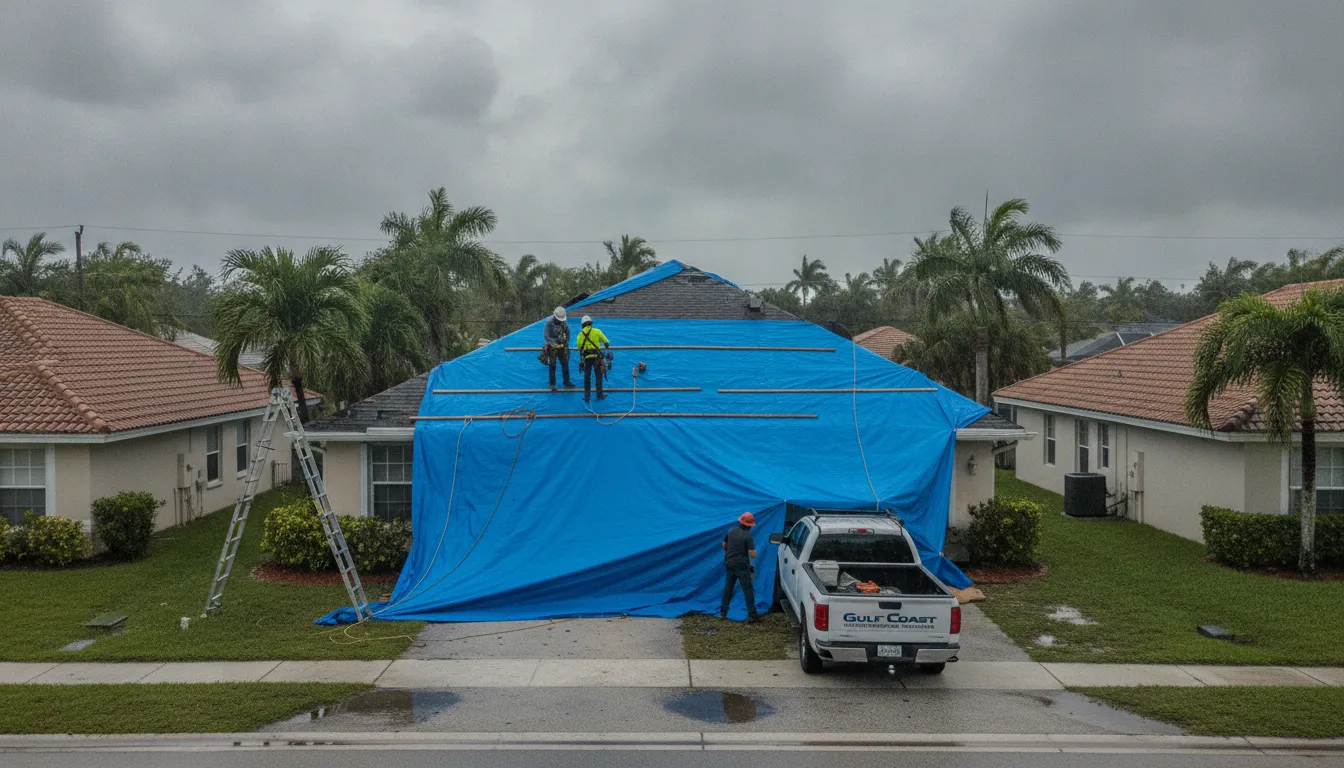
A single tropical storm in St. Petersburg can dump inches of rain through a damaged roof in minutes. This water causes rot and mold that costs more than the initial storm damage. Act fast to protect your property.
Schedule your free roof inspection in St. Petersburg today. Call (727) 361-6905.
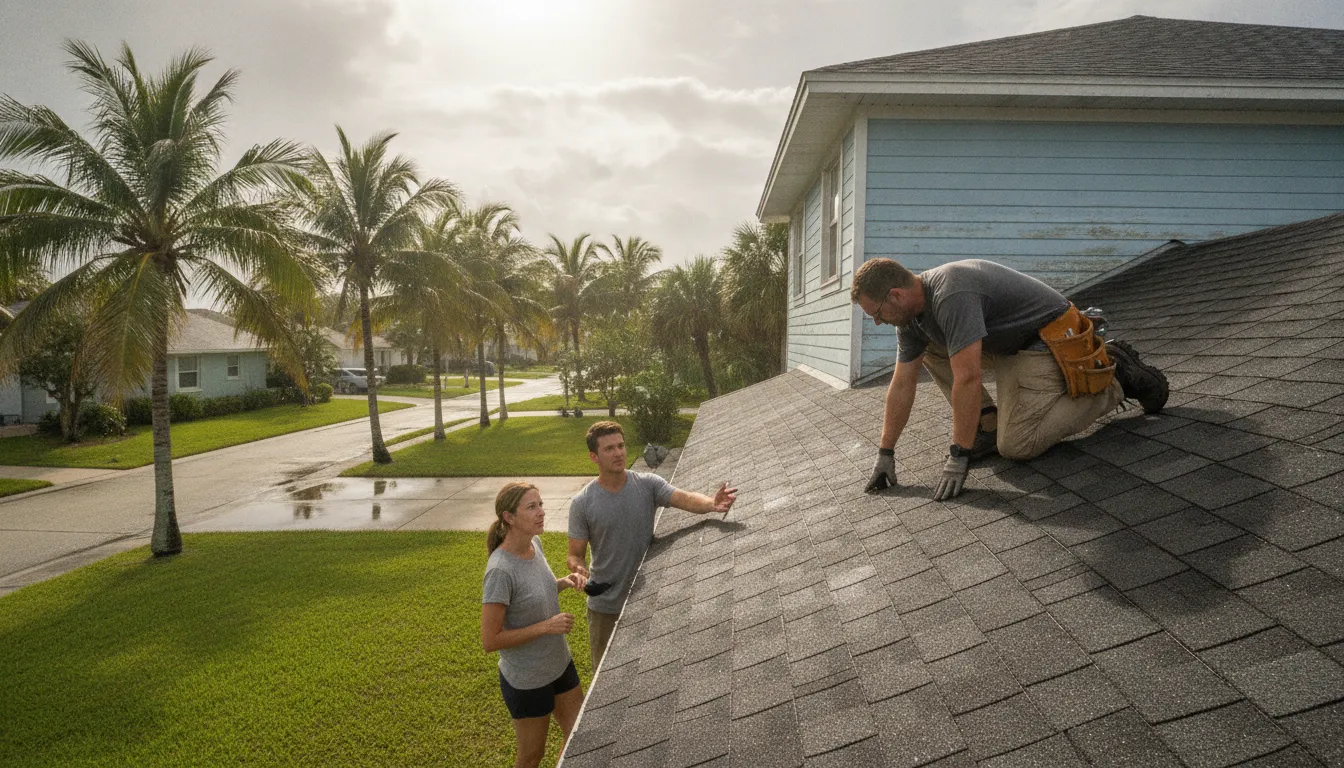
Emergency roof tarping St. Petersburg FL stops water from entering your home after a major storm. This process secures heavy duty sheets over damaged areas using wood battens to prevent leaks until a permanent repair is possible. Most Florida insurance policies require you to take these reasonable steps to mitigate further damage under the Florida Building Code. Failing to install a tarp can lead to the denial of your claim if additional rot or mold occurs in your attic. A professional tarp typically lasts between 30 and 90 days. This gives you time to work with your insurance adjuster and a licensed roofing contractor. By choosing local disaster recovery and storm damage restoration experts, you keep your home dry while you plan your next steps.
Many Pinellas County homeowners wonder if they should wait for an insurance adjuster before covering their roof. Understanding Why Immediate Roof Tarping Matters After a Florida Storm helps you protect your home and your future insurance claim. The path begins with
Emergency Roof Tarping St. Petersburg FL: Why Immediate Roof Tarping Matters After a Florida Storm
A big storm can leave your home open to the sky in minutes. St. Petersburg gets about 52 inches of rain every year, so a hole in your roof is an emergency. You must act fast to stop more damage from hitting your house. Emergency roof tarping is the first step in disaster recovery and storm damage restoration. It creates a temporary shield that keeps the rain out until a crew can make full repairs.
Prevent water damage and mold growth
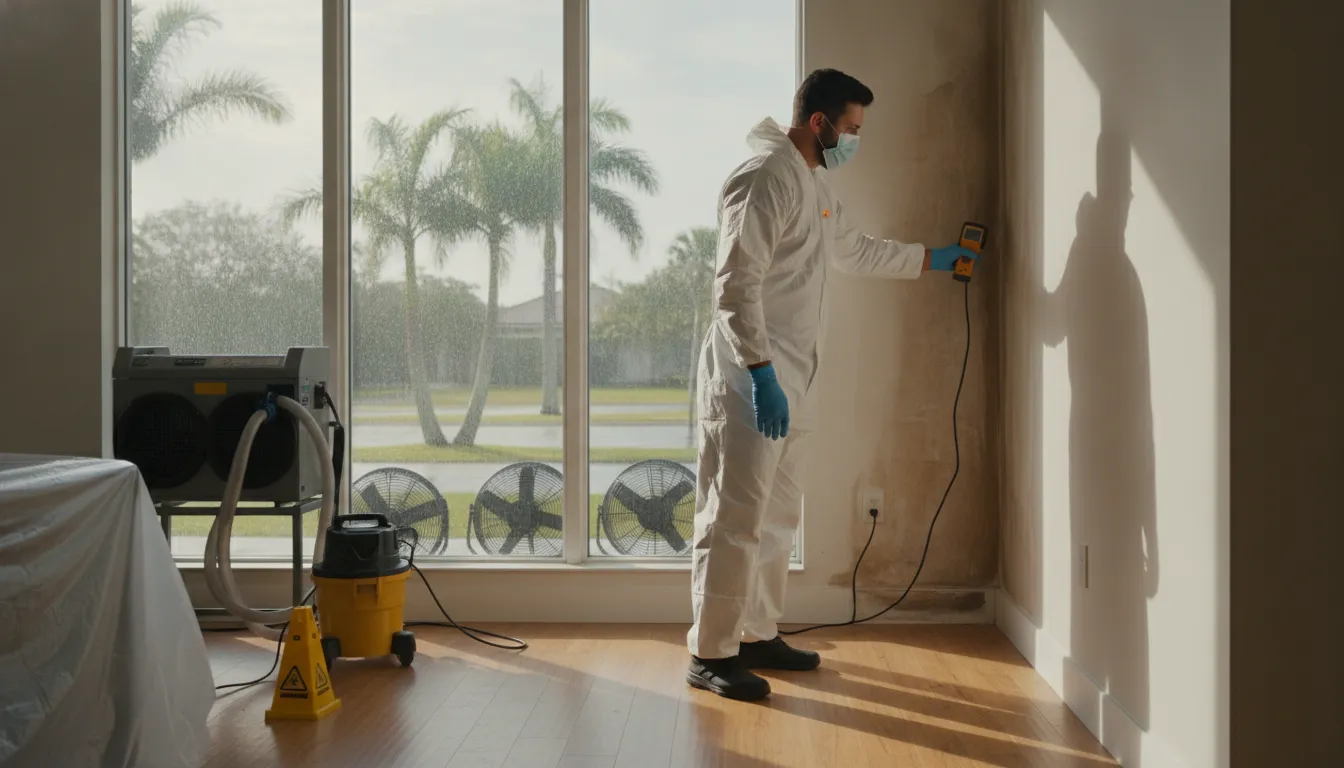
The 24 to 48 hours after a storm are the most critical for your home. Florida is hot and humid. These are the best conditions for mold to grow. If water stays inside your walls or attic for even a day, you may face a big mold problem. A tight tarp keeps moisture out and helps stop rot in your wood frames. By sealing the roof right away, you also protect your drywall and paint from stains and soft spots.
Stop electrical and structural hazards
Water does more than just ruin your rug or drywall. When rain leaks through a damaged roof, it can find its way into your light fixtures and wall outlets. This creates a high risk for electrical fires or shocks. Water also makes roof decking and wood beams heavy and weak. If you do not use emergency roof tarping St. Petersburg FL, the weight of the water could lead to a ceiling collapse. Keeping the structure dry is the best way to keep your family safe after a storm.
Meet insurance policy requirements
Most Florida insurance policies have a rule that you must protect your home from more damage after a loss. This is often called a duty to mitigate damage. If you leave a hole open and the next rain ruins your floors, the insurance company might not pay for those floors. They see it as damage you could have stopped. Using a tarp shows that you took the right steps to care for your house. This helps your claim move faster and ensures you get the full support you need from your policy.
When Should You Tarp vs. Call for a Full Roof Replacement?
After a storm hits St. Petersburg, you must decide how to protect your home. Some damage only needs a quick fix to stop leaks. Other times, the storm ruins the roof and you need a full replacement. You must act fast to stop water from getting inside and causing more harm.
Schedule your free roof inspection in St. Petersburg today. Call (727) 361-6905.
Small repairs and tarping
Small holes or a few missing shingles are perfect for professional roofing services and a tarp. If the damage covers a small area, a heavy tarp keeps the rain out. This gives you time to talk to your insurance company. Most tarps last for 30 to 90 days before you need a real fix.
You should also look for hidden issues. Storms in Florida often mean water damage restoration services are needed later. Even small leaks can soak your insulation. A pro will check your attic for wet spots or mold. If the roof deck is still strong, a tarp and a repair are often enough to keep your house dry.
If your home is in a coastal community like Madeira Beach, storm damage can be especially severe due to higher winds and salt spray. Our Madeira Beach roofing contractors understand the unique challenges of barrier island properties and can help you get your roof secured quickly after a storm.
When you need a new roof
A full replacement is needed when the damage is too big for a tarp. If more than 20 percent of your shingles are gone, a tarp will not be enough. You should also check for structural issues like sagging. Large holes or broken trusses mean your roof is not safe. In these cases, a temporary cover will not protect your home for long.
Older roofs are more likely to need a full change. If your roof is more than 15 years old, a storm may have done too much harm. It is better to get a new roof than to keep fixing an old one. This ensures your home stays safe from the next big storm. Use the table below to help you see which choice is best for your situation.
| Factor | Tarp and Repair | Full Replacement |
|---|---|---|
| Damage size | Under 3 square feet | Over 20% of roof area |
| Roof age | Under 10 years old | Over 15 to 20 years old |
| Deck state | Strong and dry | Sagging or soft spots |
| Missing parts | A few shingles lost | Wide sections of decking gone |
| Leak count | One small drip | Multiple leak points |
The Federal Emergency Management Agency (FEMA) says you must stop more damage right away. This often means putting a tarp over holes to keep the rain out. This step helps with your insurance claim later. If you wait too long, water will harm your walls and floors.
What Hidden Damage Should You Look for After a Storm?
A storm in St. Petersburg often leaves behind more than just missing shingles. While a hole in your roof is easy to spot, many serious issues stay hidden. These problems can slowly weaken your home until they cause a big failure. High winds and heavy rain can force moisture into tiny gaps. This leads to long-term rot and decay. Finding these issues early helps you decide if you need water damage restoration or a full roof rebuild.
Check the roofline and attic
Start your search by looking at the shape of your roof from the ground. A sagging roofline often means the wood deck or beams underneath have failed. Once you are safe, head into the attic. Look for light peeking through or wet spots on the floor. Florida storms can crack wood beams or soak your insulation. This adds heavy weight to your ceiling. These shifts are common after major storms and need a pro to find and fix them.
Find signs of moisture
Water does not always fall straight down from a leak. It often travels along beams and pipes before it drips. Look for yellow or brown stains on your drywall. Check for a musty smell in small spaces. These signs show that moisture has reached the wood structure. Even if you do not see a leak now, wet wood can lose its strength over time. According to the Federal Emergency Management Agency (FEMA), stopping water flow fast is the best way to prevent mold.
- Look for sagging decking: Check the roof from the street for any dips or waves in the surface. These spots often show where the wood deck has warped from moisture.
- Inspect the attic for light: Turn off the lights in your attic during the day. If you see pinpoints of sun through the roof, water can also get inside your home.
- Check for wet insulation: Feel the insulation near the edges of your roof. Wet insulation cannot keep your home cool and often points to a hidden leak nearby.
- Search for cracked beams: Use a light to see if any wood beams have split or cracked. High winds can put enough stress on your roof to break these vital supports.
- Look for granule loss: Check your gutters for a thick layer of shingle sand. If your shingles lose this layer, they will wear out fast in the hot Florida sun.
- Watch for ceiling stains: Trace any new spots on your ceiling back to the roof. Small stains often grow into large holes if you do not use disaster recovery and storm damage restoration services fast.
Ignoring these hidden signs can lead to much larger bills later. A small leak might rot your roof deck in just a few months in the humid air. If you find any of these signs, you need to act fast to protect your home. A quick check of your attic and roofline can save you from a roof collapse. Professional teams can find these deep issues. They can set up a plan to dry out your home and fix the wood structure.
How Go Time Restoration Handles Emergency Roof Tarping
When you call for emergency roof tarping St. Petersburg FL services, our team starts moving right away. We know that every minute counts after a storm hits your home. Our experts act fast to protect your property from the heavy rain common in Pinellas County.
Immediate response and dispatch
We provide 24/7 help because storms do not wait for business hours. Once you reach out, our team gets to your site fast. This quick start is vital because fema.gov and local codes stress the need to stop water from getting inside. We come prepared with the right tools to secure your roof and keep your family safe.
On-site damage assessment
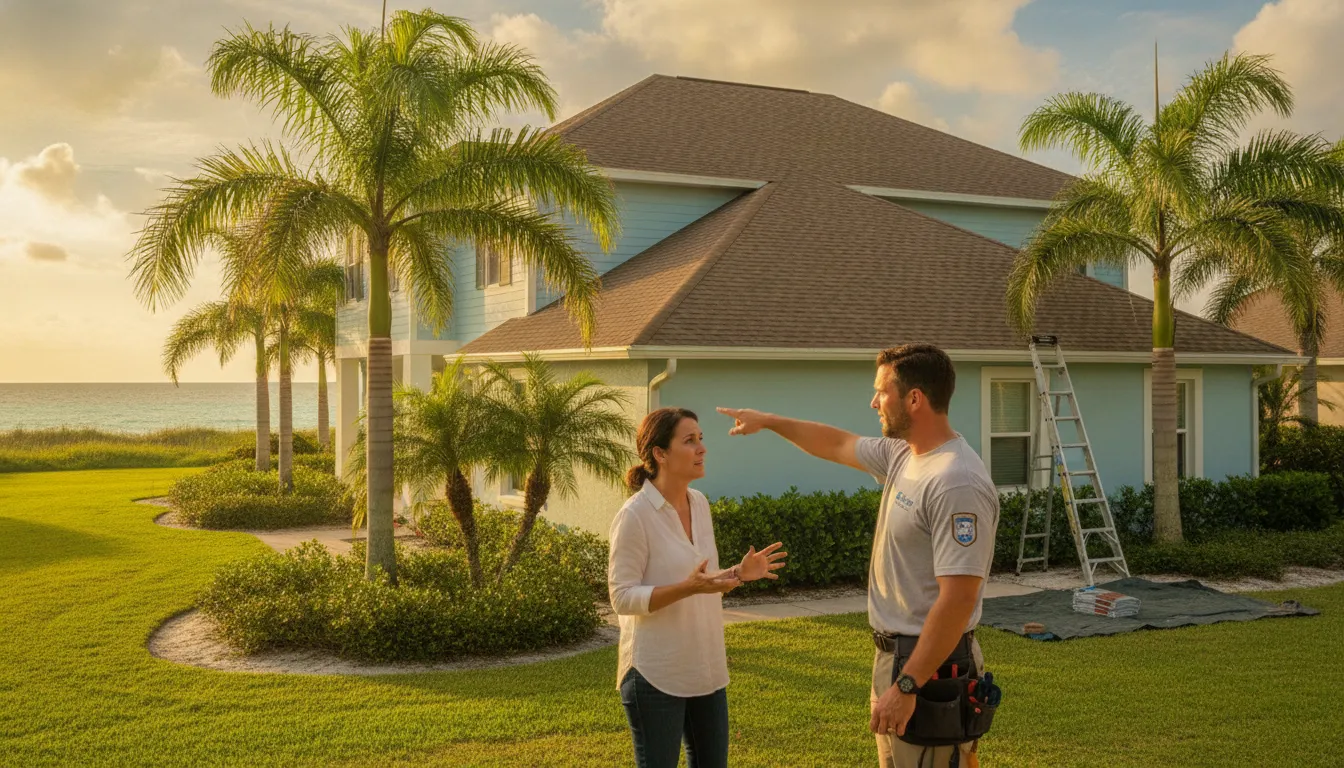
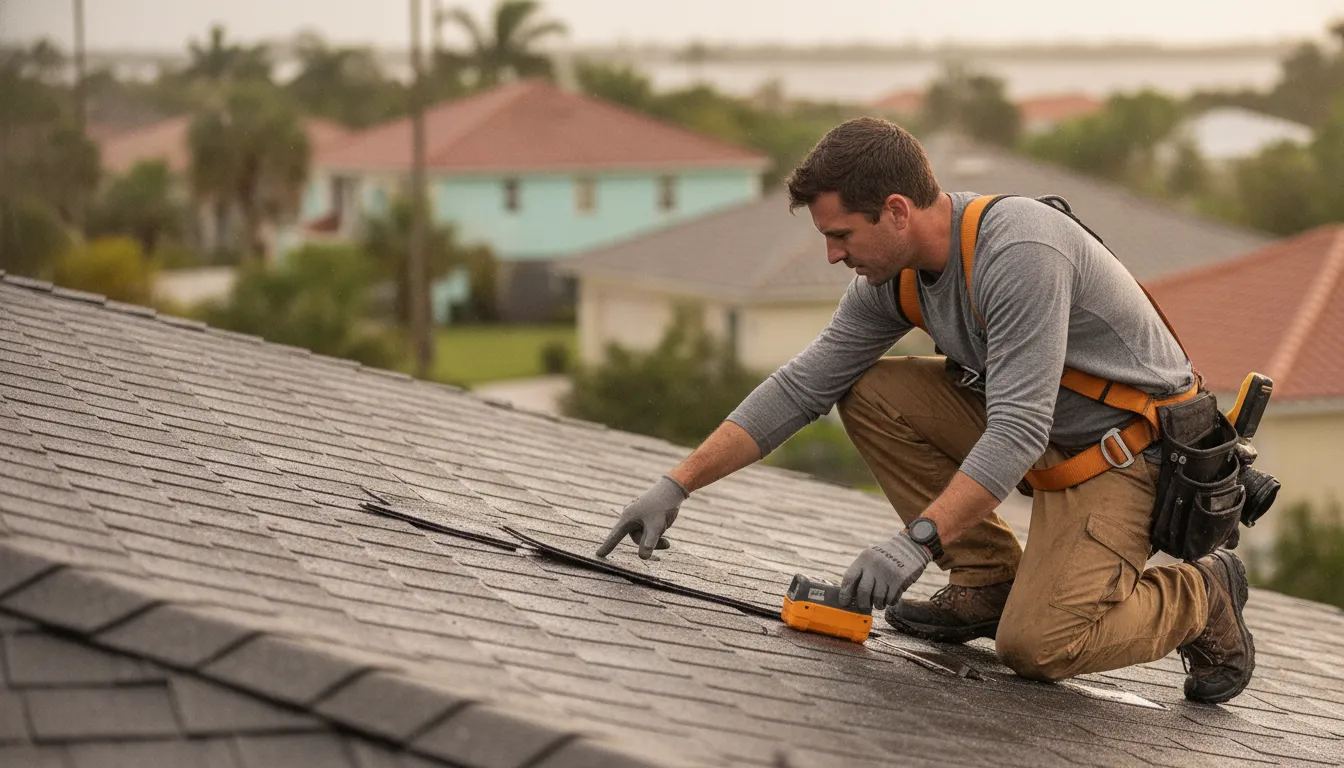
Our pros look at the damage before they start work. We check for missing shingles, holes, and signs that the roof deck is weak. As a licensed Florida contractor, we know what to look for after a hurricane. We take photos of all the damage. This is a key step because most insurance policies need proof of the damage before you fix it.
Professional tarp installation
We do not just throw a plastic sheet over your roof. Our team uses heavy-duty tarps to block water. We secure these tarps with wood battens and screws to hold them in place against high winds. This method follows the Florida Building Code rules for temporary repairs. It lasts much longer than a DIY fix and gives you peace of mind while you wait for a full repair.
Documentation for insurance claims
We help you with the paperwork needed for your claim. Our team keeps clear logs of the work we do. We record the time, the tools we used, and the state of the roof. Having these facts ready makes it easier for your adjuster to see the value of the work. You can contact us to get the process started and keep your claim moving forward.
Does Homeowners Insurance Cover Emergency Roof Tarping?
Most Florida homeowners insurance plans cover the cost of emergency tarping after a storm. This service falls under the “reasonable repairs” part of your plan. In fact, you have a duty to act fast. Florida rules say you must take steps to stop more damage after a leak starts. A professional tarp shows your agent that you did your part to protect the home. You can find more details on our frequently asked questions page.
The Duty to Mitigate Loss
In St. Petersburg, you must stop water from coming in once a storm ends. If you leave a hole in your roof open, rain and humidity will rot your wood and cause mold. Insurance firms might deny part of a claim if you did not try to stop the damage. Roof tarping is the best way to meet this rule. You can learn more about this on the FEMA website. By acting fast, you keep your claim in good standing and save your home from more harm.
Your Hurricane Deductible
When a named storm hits, your standard deductible might not apply. Instead, many Florida plans use a hurricane deductible. This is often a set rate between 1% and 5% of your home’s total value. For example, if your home is worth $300,000, a 2% deductible would be $6,000. You will have to pay this amount before your firm pays for the rest of the repair. You should check Florida statute 627.702 to see how these laws apply to your plan.
Critical Documentation Steps
You must prove the damage to get your money back. Take clear photos and videos of the roof before the crew puts the tarp down. This shows the agent exactly what the storm did to your home. If you do not have photos of the holes or missing shingles, the firm might push back on your claim. Keep all bills and receipts for the tarp work. Our team at Go Time Restoration provides full logs and photos for every job. We help you stay organized so you can file your disaster recovery and storm damage restoration claim with ease.
What Makes St. Petersburg Roofs Unique in Storm Season?
St. Petersburg sits in a high-risk zone for Gulf Coast storms. Its spot on the Pinellas County coast means roofs face heavy rain and high wind often. The local climate is humid and hot most of the year. This heat can make shingles dry and brittle before a storm even hits. When a hurricane or tropical storm nears, these weak spots become a major threat for homeowners. If your roof fails, you need emergency roof tarping in St. Petersburg FL to keep water out of your home.
The Gulf Coast Storm Risk
Florida leads the nation in hurricane landfalls. Pinellas County homeowners deal with some of the most active weather patterns in the state. High winds can lift shingle edges and let rain seep under the roof deck. St. Petersburg gets about 52 inches of rain per year according to NOAA data. This rain often falls in short, heavy bursts that test every seam and nail. Older homes may not meet the newest wind-load rules, making them even more likely to suffer damage.
Climate Impacts on Roof Materials
The humid subtropical air in Florida helps algae and moss grow on wet roofs. These organisms trap moisture against the surface and eat away at the lime in shingles. Over time, this makes the material thin and weak. When storm season arrives, these damaged roofs cannot stand up to the wind as well as new ones. You should check for dark streaks or green moss before hurricane season starts. If you find damage after a gale, professional roofing services can stop leaks from getting worse.
Florida Building Code Standards
The Florida Building Code sets strict rules for how roofs must be built. These standards ensure homes can handle the high wind speeds of a major storm. In St. Petersburg, roofs must meet specific wind-load ratings to pass local checks. If your home is older, the roof might not have the right clips or nails to stay put in a storm. Fixing these gaps helps keep your roof on the house when the wind picks up. Many homeowners also use flat roof services for porches or patios that need extra care in high winds.
Frequently Asked Questions
How much does emergency roof tarping in St. Petersburg, FL cost?
In St. Petersburg, the cost to tarp a roof often falls between $200 and $800. This price is based on the size of the hole and how steep your roof is. Most local plans cover this work as part of your storm claim. You must pay your deductible first, but the tarp stops more costly water damage inside your home.
Will a heavy duty tarp stop a roof leak during a storm?
A pro tarp will stop water from getting into your home if it is put on the right way. The tarp must go four feet past the damage on all sides to keep rain out. Pro crews use wood strips to pin the tarp down so it does not blow away. This keeps your attic dry while you wait for a full repair.
How long can a tarp stay on my roof in Florida?
Most tarps last for 30 to 90 days in the hot Florida sun. High heat and UV rays can make the plastic weak over time. You should check the tarp each week for tears or spots where water sits. If you see wear, you may need a new tarp to keep your home safe until a roofer can fix the leaks.
Can I install an emergency roof tarp by myself?
You can tarp your own roof, but it is very risky. Roofing is one of the most risky jobs in the country due to the risk of falls. As shown by FEMA, pros should do this work to make sure the tarp is tight and safe. A bad install can trap moisture and cause rot or mold in your wood.
Do I have to tarp my roof for insurance?
Most Florida rules say you must protect your home from more harm after a storm. This is often called the duty to stop more loss. If you do not cover a hole, the firm might not pay for the water damage that happens later. Tarping is the best way to prove you tried to stop the leaks and keep your claim valid.
Protect Your Home From Costly Storm Damage Now
Water can enter your home through a damaged roof after a storm. This leads to wood rot, ruined drywall, and costly mold growth soon. This wet mess ruins your walls and makes your home unsafe now. Acting now stops more harm and keeps your family safe and dry. Our team can help you with storm damage restoration after the rain. We work fast to get your life back to normal in St. Petersburg. Do not let a small leak turn into a huge crisis today. A quick fix now saves you from much larger bills later on.
Ready to act? Call (727) 361-6905 to schedule your emergency roof tarping service in St. Petersburg.