A house can look stable after a fire while smoke residue, contaminated water, and hidden structural damage continue affecting the property. In St. Petersburg, Florida’s heat and humidity can make delayed drying especially risky, so the first response should focus on safety, documentation, and prompt professional assessment rather than cleanup alone.
Schedule a no-obligation written fire damage assessment in St. Petersburg by calling (727) 361-6905.
Fire damage restoration St. Petersburg FL is a coordinated process that addresses the structure, smoke and soot, odors, and water used to suppress the fire. A qualified restoration team can secure the property, document conditions for your insurer, remove damaged materials, clean affected surfaces, and dry the building before repairs and recovery begin.
Knowing what happens at each stage can help you make safer decisions and recognize why a thorough restoration requires more than removing visible debris. The work begins with a careful look at the property’s condition and the hazards that may not be obvious at first.
What Does Fire Damage Restoration in St. Petersburg, FL Involve?
Fire damage restoration in St. Petersburg FL involves more than removing visible soot. It is a coordinated process that addresses fire, smoke, water, odor, and structural concerns so the property can be made safe and usable again. The work typically begins with an assessment, followed by water removal, smoke and soot cleaning, odor treatment, and repairs to affected building materials. For a complete overview of restoration services in St. Petersburg, see the services page.
For local homeowners, fast moisture control matters. Fire-suppression water can remain in walls, flooring, cabinets, and other porous materials, while St. Petersburg’s humid subtropical climate can increase the risk of secondary moisture damage and mold growth when drying is delayed. A restoration team should evaluate both the fire damage and the water left behind, rather than treating the visible smoke residue alone.
Assessment and emergency mitigation
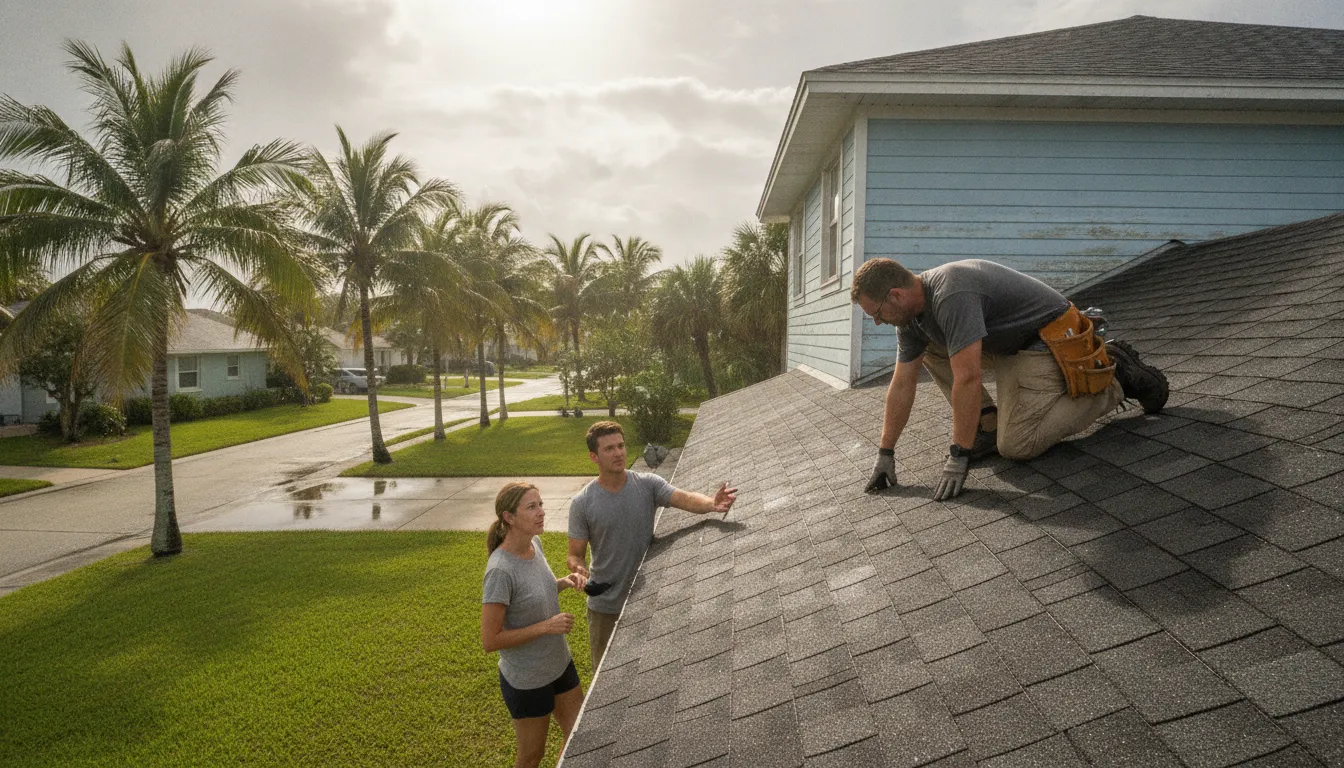
Technicians first assess structural conditions, identify areas affected by heat and smoke, and document the scope of work. They also locate moisture from firefighting efforts and begin mitigation where needed. This early evaluation helps determine which materials may be cleaned, which require controlled removal, and whether the property is safe to occupy. A professional provider can also prepare a no-obligation written assessment and detailed estimate to support discussions with an insurance adjuster.
Water removal, smoke cleaning, and odor control
Water extraction and structural drying help limit secondary damage. Once moisture is addressed, restoration technicians clean smoke and soot from surfaces and porous materials according to the level of heat and smoke saturation. Smoke particles can also move through HVAC systems, so air handling equipment and ventilation pathways may need attention. Specialized air scrubbing can help filter airborne particles during the work.
Odor treatment is a separate step because smoke smells can remain in wall cavities, insulation, and ventilation systems after surfaces appear clean. Depending on the conditions, professionals may use targeted methods such as thermal fogging or ozone treatment. The final stage can include repairing or replacing compromised structural components and restoring finishes.
Fire damage restoration stages at a glance
| Stage | What it addresses | Why it matters in St. Petersburg |
|---|---|---|
| Emergency response. | Board-up, tarp, safety hazards. | Humidity and rain can worsen damage within hours. |
| Inspection and documentation. | Structural assessment, moisture mapping, photos. | Thermal imaging detects hidden moisture in humid conditions. |
| Water removal and drying. | Extraction, dehumidification, mold prevention. | High humidity slows drying; fire-suppression water can fuel mold. |
| Smoke and soot cleaning. | Porous material treatment, HVAC cleaning. | Salt air and moisture can accelerate corrosion on exposed surfaces. |
| Odor neutralization. | Thermal fogging, ozone, HEPA air scrubbing. | Florida heat reactivates smoke odors in wall cavities. |
| Structural repair. | Drywall, flooring, electrical, finishes. | Licensed building contractor (CBC059332) handles reconstruction. |
Why restoration credentials matter
Fire cleanup combines several technical disciplines. Go Time Roofing and Restoration holds IICRC FSRT, or Fire and Smoke Restoration Technician, and WRT, or Water Damage Restoration Technician, certifications. Those credentials support standardized practices for managing both smoke damage and fire-suppression water during a restoration project.
Step 1: Emergency Response and Safety First
Answer: After a fire, protect people before property. Do not re-enter until the fire department or another qualified authority confirms that the structure is safe. Then arrange professional mitigation quickly because fire damage restoration is a 24/7 emergency service.
- Leave the property and wait for clearance. Account for everyone, move to a safe location, and do not go back inside to retrieve belongings. Fire can weaken structural components, leave hazardous debris, and create unseen electrical or air-quality risks. Re-entry should wait until emergency officials clear the building. If anyone has been exposed to smoke or injured, seek medical attention.
- Contact emergency services. Call 911 for an active fire, visible danger, injuries, or any need for fire department assistance. Follow instructions from firefighters and utility officials. Do not attempt to shut off utilities or investigate hidden damage unless responders tell you it is safe.
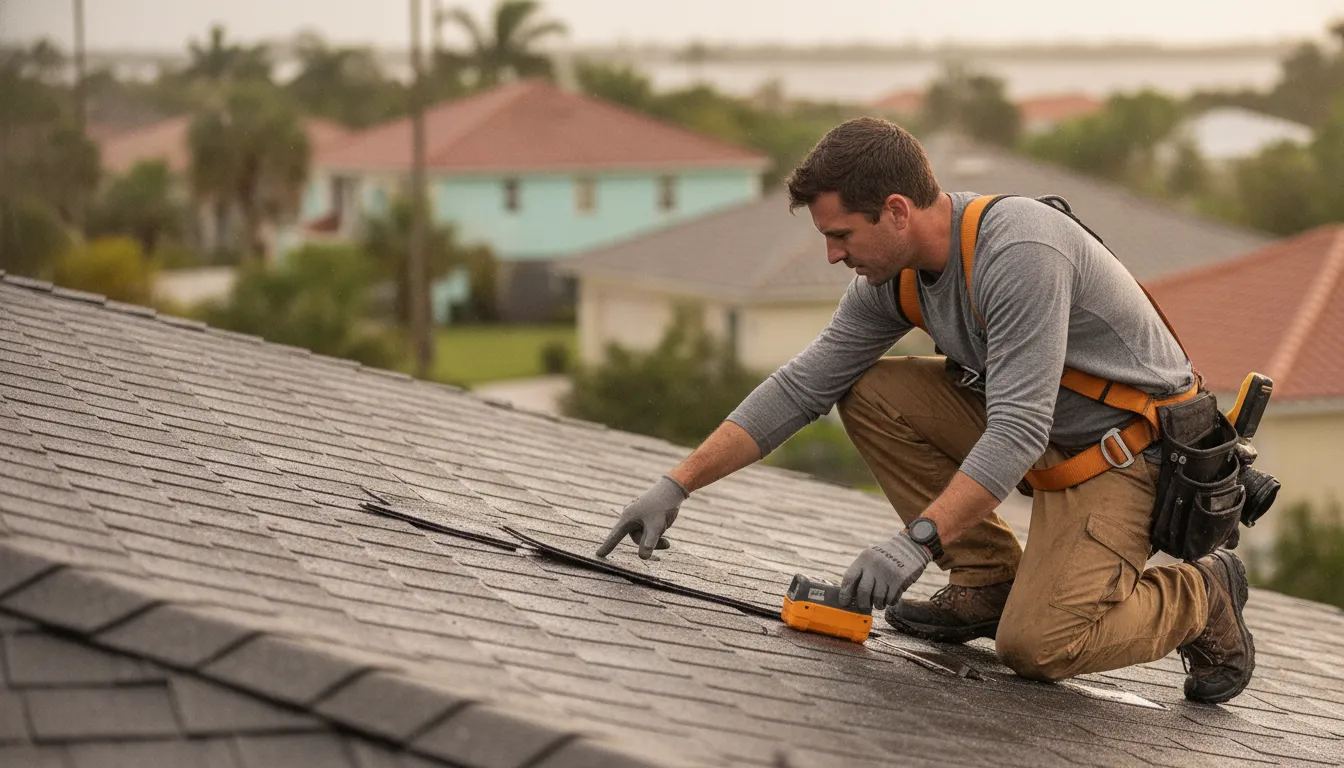
- Call a 24/7 restoration company. Once the scene is under control, request emergency board-up and tarp services to limit weather exposure, unauthorized entry, and additional property damage. In St. Petersburg and Pinellas County, prompt protection matters because heat, humidity, and rain can worsen moisture-related damage. Go Time’s disaster recovery services can coordinate immediate stabilization and the next restoration steps.
- Use appropriate protective equipment. Avoid handling soot, insulation, drywall, or debris without proper protection. The CDC recommends safety gear such as an N95 mask or higher-level respirator, goggles, heavy work gloves, and a hard hat during cleanup. Smoke particles and damaged materials can irritate the eyes and lungs, while unstable debris can cause impact or puncture injuries. Source: CDC disaster cleanup safety guidance.
- Never work alone. Keep cleanup and inspection activities to teams of at least two people, especially when moving heavy or bulky items. Tell someone where you are working, take regular breaks, and stop if you feel dizzy, short of breath, or unwell. A professional restoration team can handle unsafe debris, assess hidden damage, and establish controlled work zones instead of asking homeowners to take unnecessary risks.
Do not begin deep cleaning or discard damaged contents before the property has been documented and your insurer or restoration professional advises you on the next step. Early stabilization helps preserve evidence while limiting secondary damage.
Step 2: Professional Inspection, Assessment, and Documentation
A professional inspection determines what the fire damaged, what the suppression process affected, and which areas require immediate protection. This assessment creates a practical restoration plan and gives your insurer a clearer record of the work.
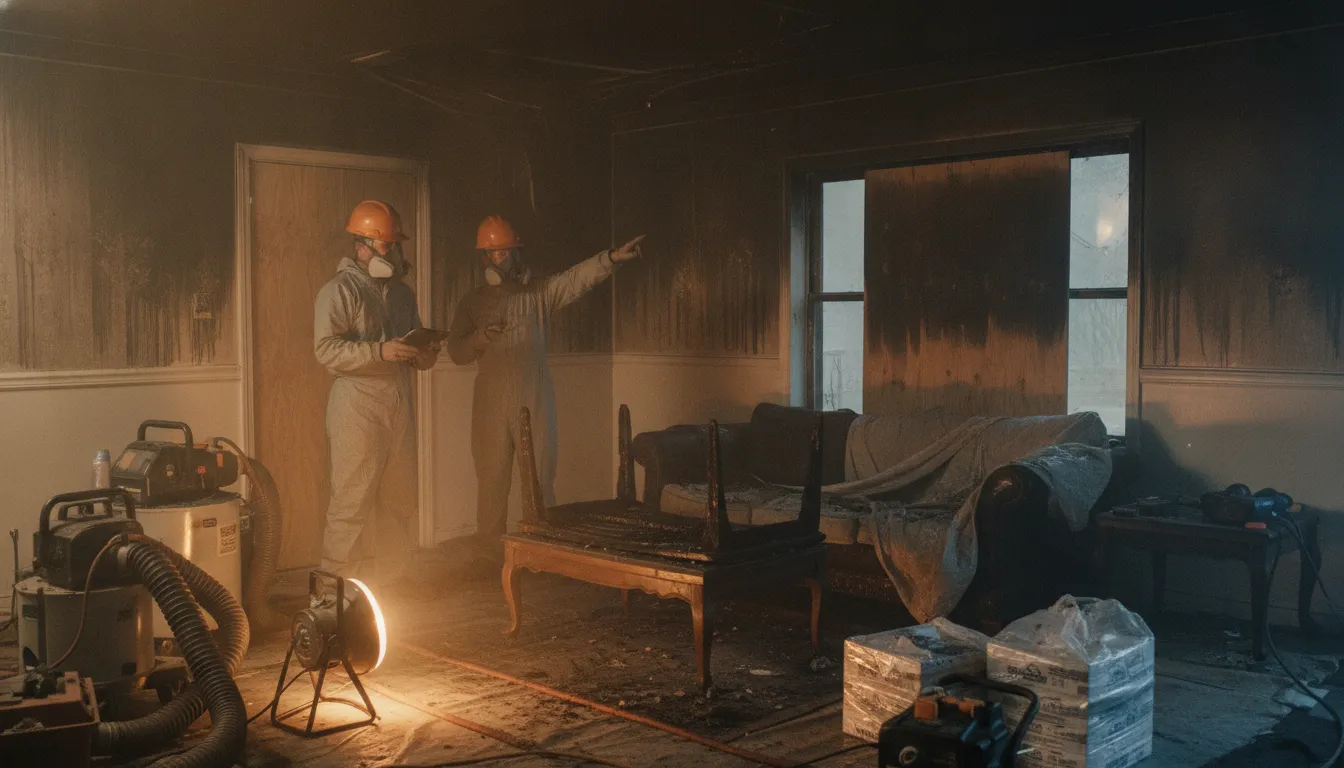
During this phase, a restoration technician evaluates structural components for damage from heat, smoke, and water. The review may include framing, drywall, ceilings, flooring, insulation, electrical areas, and other building materials that could be unsafe or compromised. Structural integrity must be assessed before affected rooms are considered safe for occupancy.
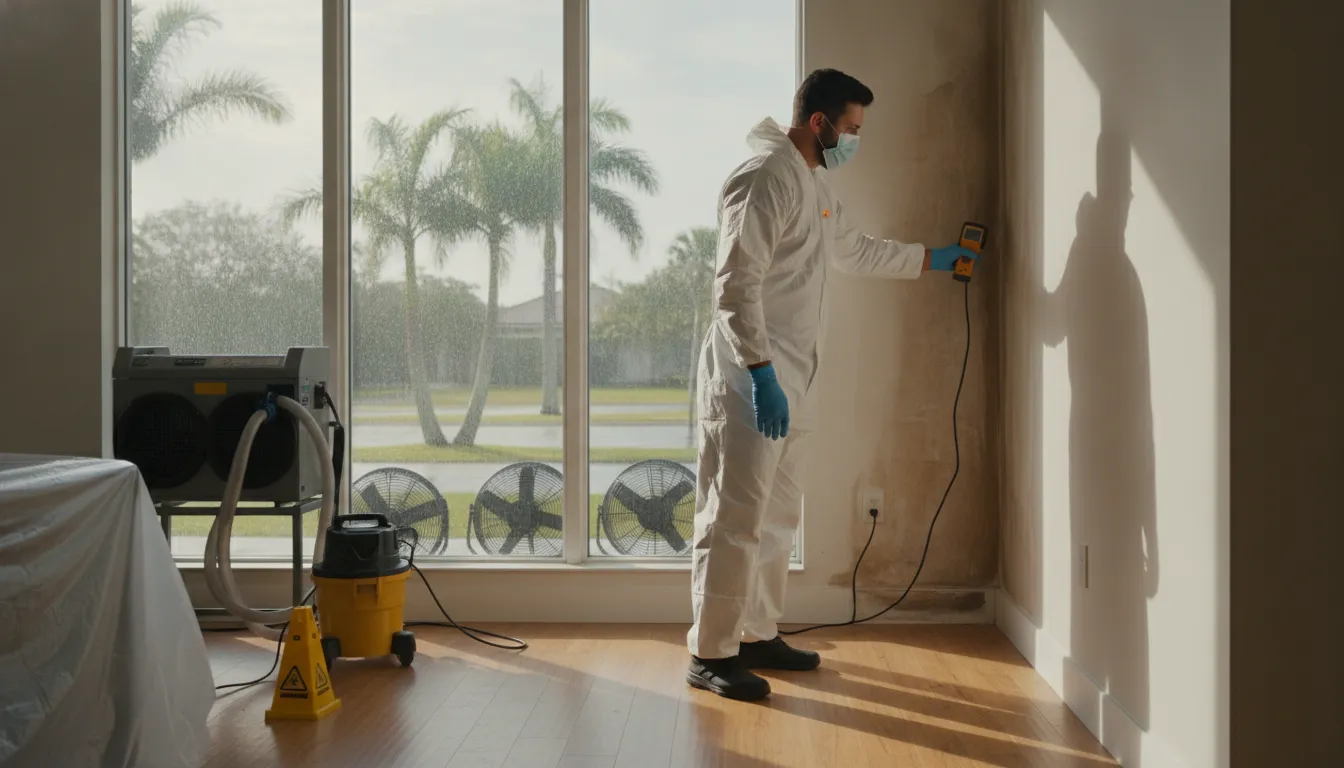
Technicians also use moisture meters, moisture mapping, and thermal imaging to locate water that is not visible from the surface. Firefighting water and suppression chemicals can remain behind walls, beneath flooring, or in other concealed spaces. That matters in St. Petersburg, where high humidity can slow drying and increase the risk of secondary damage if moisture is left unmanaged.
The damage is then classified by type and extent. A written assessment can distinguish direct fire damage from smoke and soot contamination, water damage, and materials that may be salvageable with specialized cleaning. This helps prevent useful contents or building materials from being discarded prematurely while identifying areas that require removal or repair.
Why photo documentation matters for insurance
Clear photographs should capture affected rooms, structural conditions, contents, visible soot, water impacts, and emergency repairs before cleaning or demolition begins. Before-and-after photos, itemized records, and receipts support the insurance claim and help establish what work was necessary. A professional restoration company can also prepare detailed, line-item estimates and coordinate with the adjuster so the proposed scope of work is understood before major repairs begin.
Go Time Roofing and Restoration provides a free, no-obligation written assessment to explain the observed damage and recommended next steps. For more information about the service, visit Fire & Smoke Damage Restoration.
Step 3: Water Removal and Structural Drying After Firefighting Efforts
Firefighting water and suppression chemicals can create a second layer of damage after the flames are out. Prompt extraction, moisture mapping, and controlled drying help limit damage to floors, walls, ceilings, and belongings while reducing the risk of mold in St. Petersburg’s humid climate.
Fire damage restoration often requires water damage mitigation at the same time. Firefighters may use substantial water to control the fire, and suppression chemicals can leave residues that require professional cleaning. Moisture can also move beneath flooring, behind baseboards, and into wall cavities where surface-level drying will not resolve the problem. A restoration team assesses both hazards together instead of treating the fire damage and water damage as unrelated issues.
Why fast extraction matters
Standing water should be removed as soon as the property is safe to enter. Technicians use commercial extraction equipment to collect water from affected flooring and other surfaces, then identify materials that may need specialized handling or removal. Porous materials can absorb moisture quickly, and concealed wet areas may continue damaging structural components after visible water is gone.
Fire suppression chemicals and water can also leave behind residues that should not be spread through the home during cleanup. Professional assessment helps determine which materials can be cleaned, which require controlled removal, and where additional protection is needed.
How structural drying and dehumidification work
After extraction, technicians use industrial air movers and dehumidifiers to lower moisture levels and support evaporation from affected materials. They monitor the drying process rather than relying on touch or appearance alone. Moisture readings help locate damp areas and show whether walls, subfloors, and other assemblies are approaching a safe, stable condition.
St. Petersburg’s humid subtropical conditions make this step especially important. High humidity can slow evaporation and increase the chance of secondary mold growth when fire-suppression water is not managed quickly. Drying plans may therefore include continued dehumidification, airflow control, and checks of enclosed spaces until moisture conditions are under control.
If your property has water intrusion after a fire, review our water damage restoration services for more information about local mitigation support.
Step 4: Smoke and Soot Removal from Every Surface
Smoke and soot removal requires more than wiping visible residue from walls and furniture. In fire damage restoration St. Petersburg FL homeowners should expect a methodical cleaning process that addresses porous materials, contents, ventilation systems, and the specific type of residue left by the fire.
Smoke particulates can settle across a home and penetrate materials such as drywall, upholstery, carpet, insulation, and unfinished wood. Porous contents may retain contamination even when their surfaces look clean. Whether an item can be restored depends on the extent of heat and smoke saturation, so technicians evaluate contents individually rather than treating every surface the same way.
Why fire residue requires different cleaning methods
Not all soot behaves alike. Protein-based fires, which can occur when food or other organic materials overheat, may leave a light, difficult-to-see residue with a strong odor. Fires involving synthetic materials can produce heavier, oily soot that smears easily and bonds to surfaces. These conditions call for different combinations of dry cleaning, vacuuming, wet cleaning, sealing, and content restoration. The appropriate method also depends on the surface, the temperature reached, and how long the residue remained in place.
Technicians use controlled cleaning techniques for non-porous surfaces, while porous materials may require specialized extraction, deodorization, or removal when contamination cannot be safely restored. Fire suppression water and chemicals can leave additional residues, making a complete assessment important before cleaning begins. Restoration work should cover walls, ceilings, flooring, cabinetry, personal property, and hidden areas where smoke may have traveled.
Cleaning the HVAC system and improving indoor air quality
Smoke particles can move through return ducts and supply vents, allowing the HVAC system to circulate residue after the visible fire damage is addressed. Professional restoration teams use containment, air scrubbing, and specialized HVAC cleaning to reduce airborne particles during the project and prevent recontamination of cleaned rooms. This step is especially important when soot has entered ductwork, filters, coils, or adjacent mechanical components.
St. Petersburg’s humid subtropical climate adds another reason to avoid leaving contaminated materials in place. Moisture from firefighting can slow drying and increase secondary damage risks, while lingering residue can continue affecting indoor air quality. A thorough cleaning plan, supported by documented inspection findings, helps determine which materials can be restored and which require controlled removal.
Go Time Roofing and Restoration’s IICRC FSRT-trained technicians follow a documented process for smoke particle removal, deep cleaning, and odor-related treatment. The work should continue until affected surfaces and contents have been evaluated, cleaned, and prepared for the next restoration stage.
Step 5: Odor Neutralization and Air Quality Restoration
Smoke odor can remain after visible soot has been removed because particles and odor compounds may penetrate wall cavities, insulation, furnishings, and ventilation systems. Professional fire damage restoration in St. Petersburg FL uses targeted treatment and air filtration to address both the odor source and the indoor air quality concerns it creates.
Surface cleaning alone is often not enough. Smoke can travel through concealed spaces and circulate through HVAC equipment. Leaving a persistent odor that returns when the system runs or when Florida’s heat and humidity increase indoor moisture. Technicians first identify affected areas and determine which materials, cavities, and air pathways require treatment.
Targeted odor treatment
Thermal fogging disperses a specialized treatment that reaches spaces conventional cleaning cannot, helping neutralize odor compounds at the molecular level. Ozone treatment may also be used in controlled conditions for deeply embedded smoke odors. These methods require professional planning because the property must be appropriately prepared, treated, and ventilated before occupants return.
Filtering smoke particulates from the air
HEPA air scrubbers continuously pull contaminated air through high-efficiency filters to capture fine smoke particulates during cleanup. Air scrubbing can support HVAC and contents cleaning, but it does not replace source removal. Porous materials, ductwork, insulation, or wall cavities that retain smoke may still need separate cleaning, sealing, or restoration.
Before the project is considered complete, the restoration team should perform post-remediation verification. This review checks that odor conditions have improved, treated areas have been addressed, and the indoor environment is ready for the next stage of restoration or reoccupancy. Documentation of the work also gives the homeowner and insurance adjuster a clear record of the services performed.
How Do Insurance Claims Work for Fire Damage in Florida?
Florida property insurance typically covers sudden and accidental fire damage, although exclusions, deductibles, limits, and policy conditions vary. A well-documented claim and a detailed restoration estimate can help your adjuster evaluate the damage and the work required.
Contact your insurance carrier as soon as it is safe, then ask what documentation and claim information it needs. Do not re-enter an unsafe structure or begin extensive cleanup before the property has been inspected by the appropriate authorities and a qualified restoration professional.
Schedule your free fire damage inspection in St. Petersburg today. Call (727) 361-6905.
Document the condition before cleanup
Take clear photographs and video of every affected area before contents are moved or surfaces are cleaned. Capture damaged roofing, walls, ceilings, flooring, appliances, furniture, and personal property. If conditions change during mitigation, document them again after emergency work. These before-and-after records can support the claim and show why specific repairs were necessary.
Keep copies of your claim number, emails, estimates, adjuster correspondence, and every receipt related to temporary repairs or emergency services. Receipts for reasonable steps that prevent additional damage, such as approved board-up work or water extraction, may be relevant to your claim. Ask your carrier before making nonessential repairs, and preserve damaged materials when practical until the adjuster has reviewed them.
Use a detailed estimate and coordinate with the adjuster
A professional restoration company should inspect the property, assess structural and contents damage, and prepare a detailed, line-item estimate. The estimate gives you and the insurance adjuster a clearer view of labor, materials, cleaning, odor treatment, water removal, and structural repairs. It also helps identify work that should be completed before reconstruction begins.
Experienced restoration professionals can coordinate with the adjuster so the scope of work is understood before major repairs start. IICRC-certified technicians follow documented industry practices, which can make the mitigation record easier to review. You can learn more about about our certified team before choosing a contractor.
Review contracts carefully before signing
Be cautious of companies that pressure you immediately after a fire or ask for a predatory contract based on a percentage of your insurance proceeds. Ask for written pricing, the specific services included, cancellation terms, and who is responsible for communicating with your carrier. A reputable contractor should explain the process clearly without promising a coverage decision or pressuring you to sign before you understand the agreement.
Because St. Petersburg’s humidity can accelerate secondary damage after fire-suppression water is introduced, prompt documentation and mitigation matter. Move the claim forward carefully, keep your records organized, and choose a qualified team that can address smoke, water, and structural concerns together.
Frequently Asked Questions
What should I do immediately after a fire in my home?
Put safety first and do not re-enter until the structure has been inspected and cleared by the proper authorities or qualified professionals. Once it is safe, contact an emergency restoration team to secure the property, assess structural conditions, and begin mitigation. Photograph damage before cleanup when possible, and keep receipts and correspondence for your insurance claim.
How long does fire damage restoration take?
There is no fixed timeline. The duration depends on the fire’s severity, the property’s square footage, the amount of smoke and water damage, and whether structural repairs are necessary. In St. Petersburg, fast water extraction and drying are especially important because local humidity can slow drying and increase the risk of secondary damage.
Does insurance cover fire damage restoration in St. Petersburg?
Florida property policies typically cover sudden and accidental fire damage, but exclusions, deductibles, and coverage limits vary by policy. Document emergency work with before-and-after photos, save receipts, and ask for a detailed, line-item estimate. Review any restoration agreement carefully and avoid contracts based on a percentage of insurance proceeds.
Why is water removal part of fire restoration?
Firefighting and suppression efforts can leave substantial water and chemical residue behind, even when the visible fire damage seems more serious. Technicians remove affected water, dry structural materials, and check hidden areas before smoke cleaning continues. This step matters in Pinellas County, where warm, humid conditions can make untreated moisture a source of additional damage.
Why hire IICRC-certified fire restoration technicians?
IICRC FSRT certification indicates training in recognized fire and smoke restoration practices, including documentation, cleaning, and odor-control procedures. A qualified team can coordinate the work with your adjuster and evaluate structural, smoke, HVAC, and water-related damage as one connected project. Also verify the contractor’s Florida licensing before authorizing major repairs.
Schedule Your Free Fire Damage Inspection
A professional inspection helps identify smoke, soot, water, and structural concerns so you can understand the restoration steps ahead. For a clear plan and written estimate, schedule a free fire damage inspection and estimate by calling (727) 361-6905. Our team can explain what to expect and help you move forward with practical guidance for your St. Petersburg home.