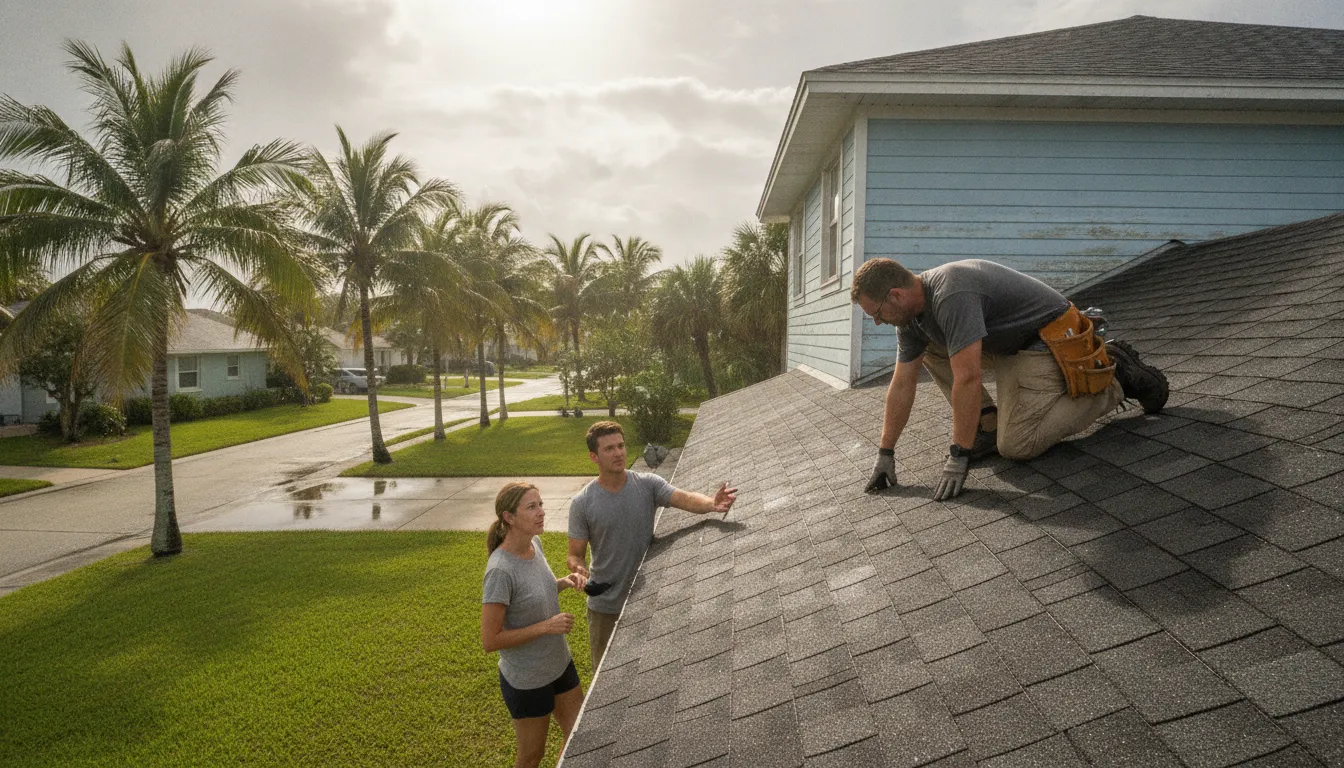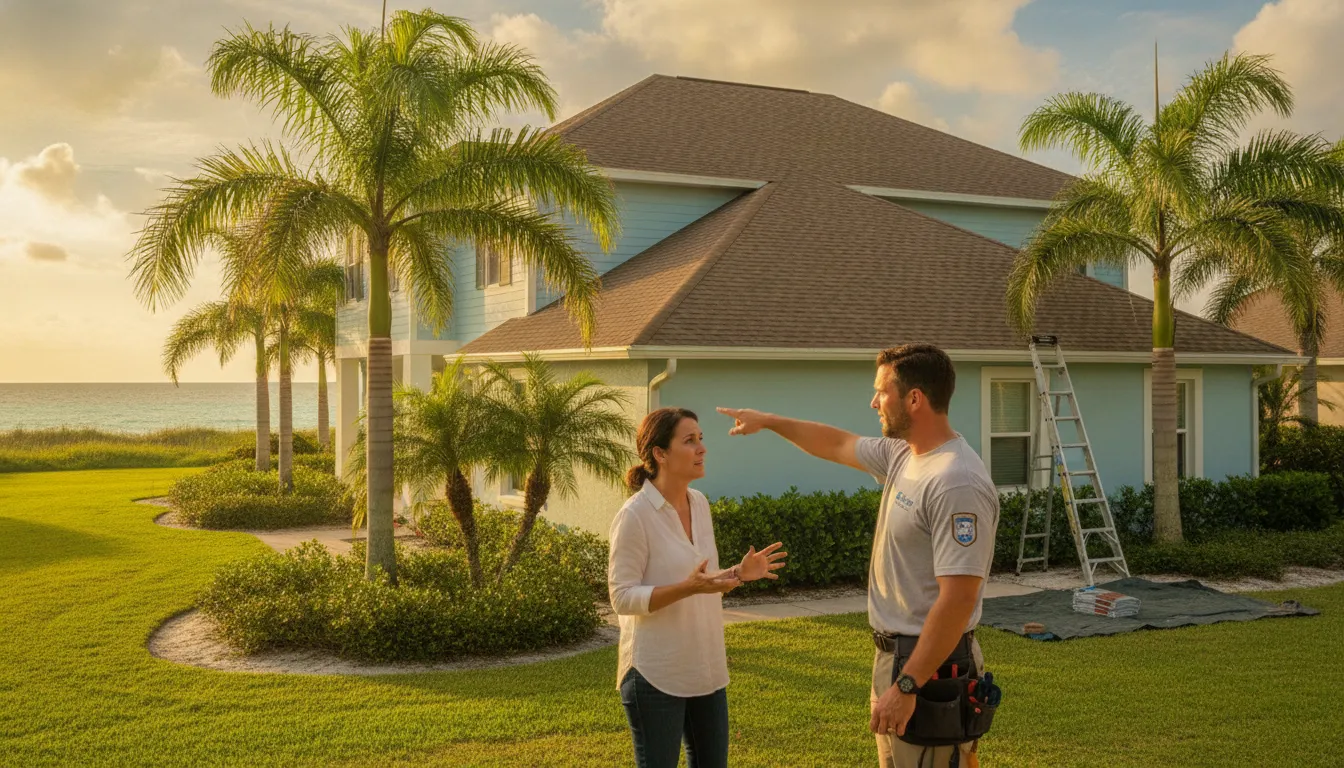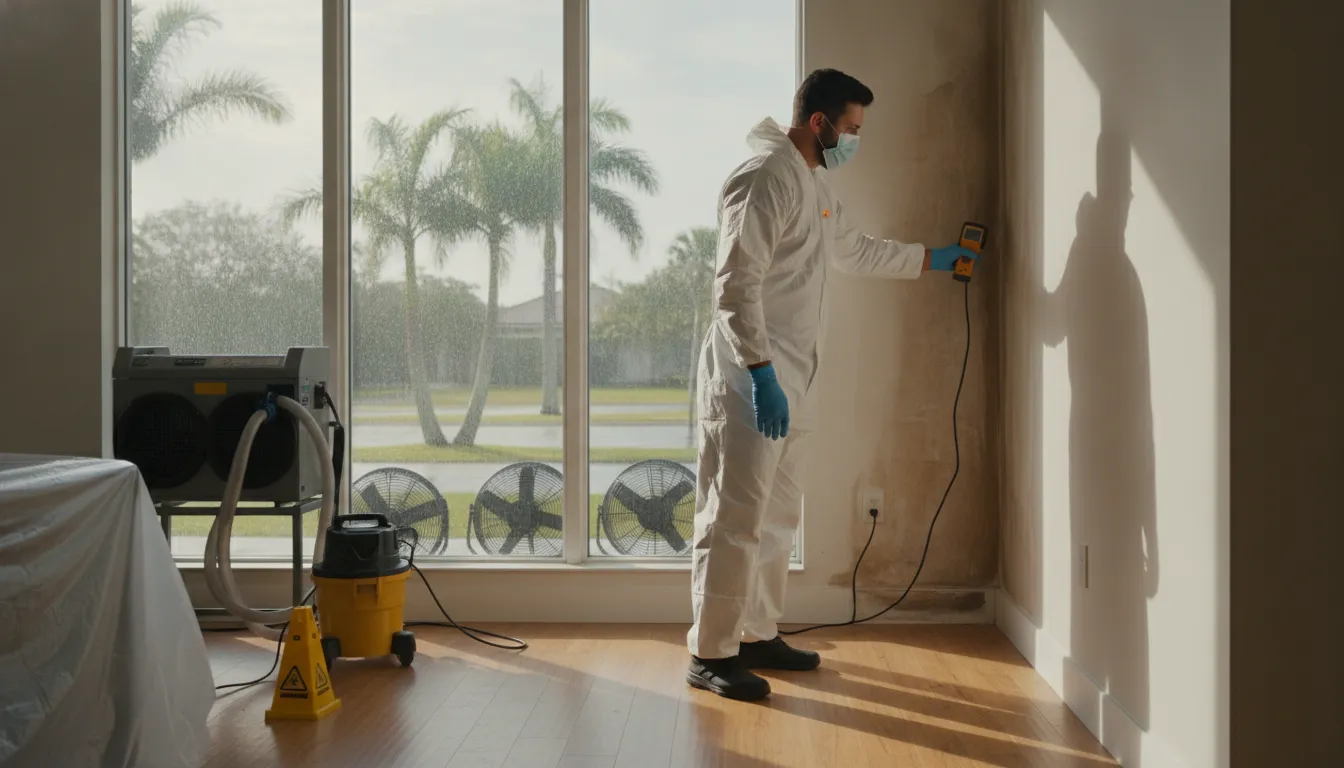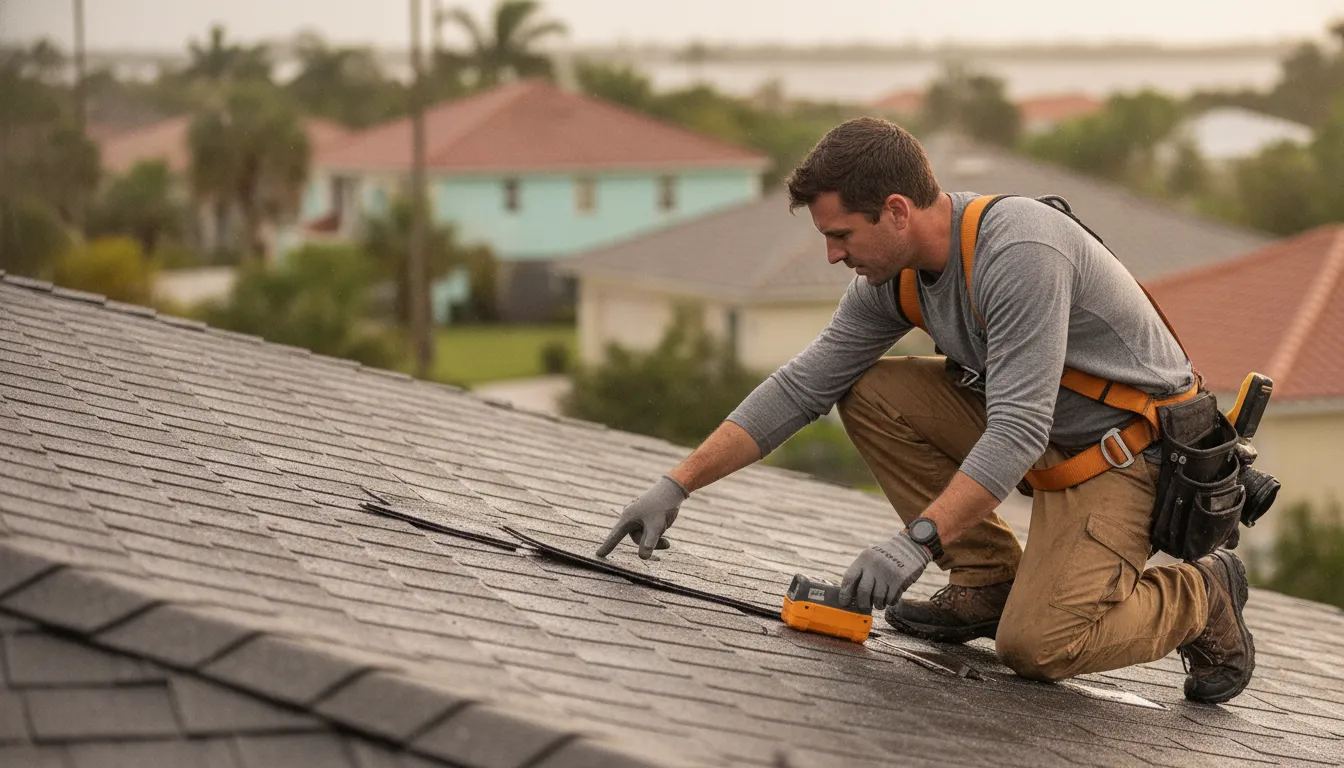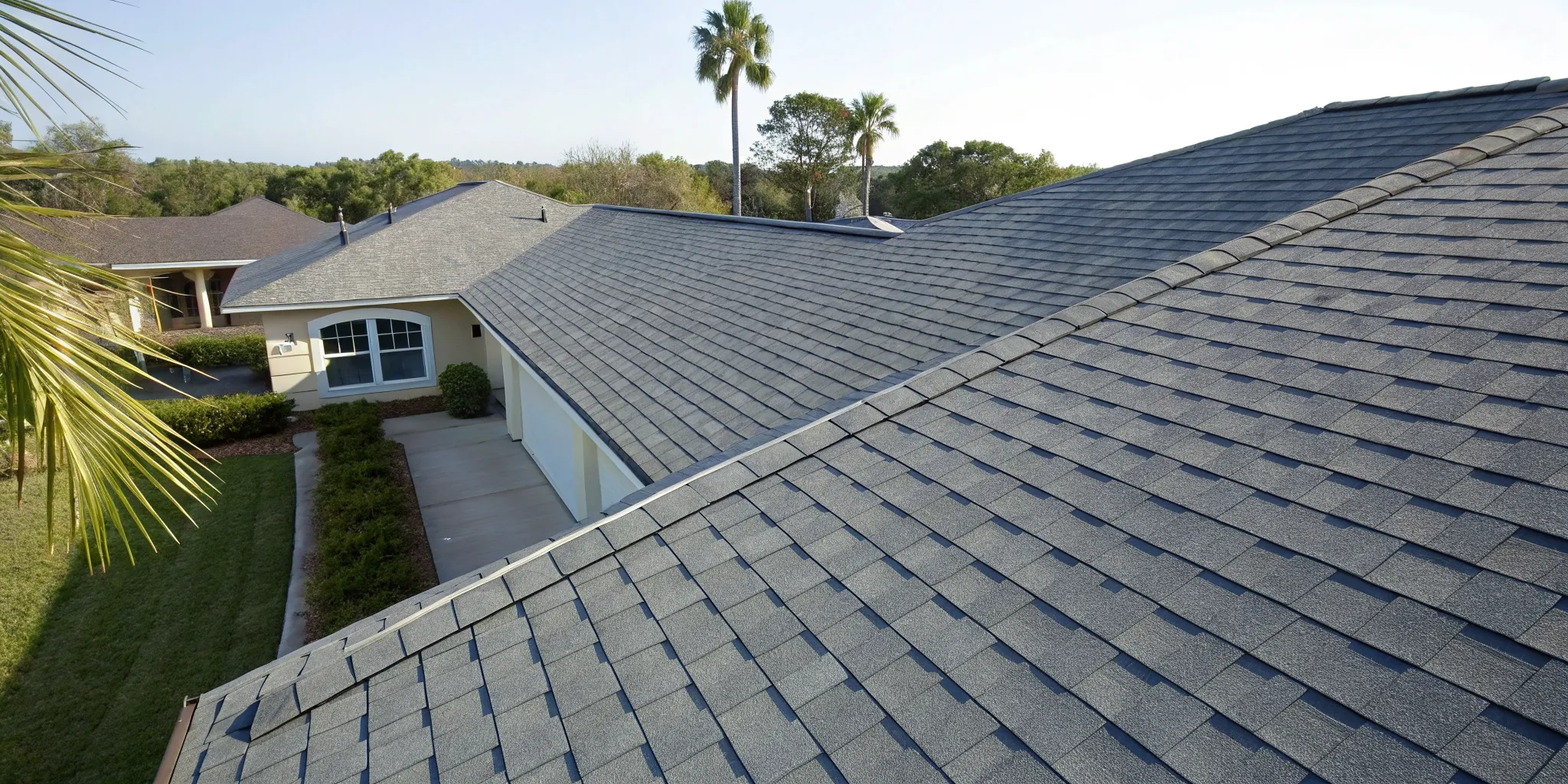
That dreaded notice from your insurance provider has arrived. Suddenly, your roof’s age is a huge problem. Insurers know that an asphalt shingle roof in Florida rarely lasts 15 years, and they view older roofs as a massive liability. This can leave you scrambling for coverage or facing a mandated replacement on a tight deadline. Getting ahead of this is key. By understanding your roof’s real-world lifespan and recognizing the signs of wear, you can plan a replacement on your terms—not an insurer’s—keeping your home protected and insurable.
Key Takeaways
- Your roof has a shorter lifespan in Florida: The manufacturer’s estimate doesn’t account for our state’s intense sun and storm seasons. Expect a shingle roof to last 10 to 25 years, not the 30-plus years advertised for milder climates.
- Architectural shingles offer the best value: While 3-tab shingles are cheaper upfront, they often fail in as little as 10 years. Investing in thicker, more durable architectural shingles gives you a longer lifespan (15-25 years) and better protection for our climate.
- Plan for the 15-year insurance rule: Many Florida insurance providers will not cover shingle roofs older than 15 years. Proactively planning for a replacement around this time can prevent you from losing your homeowners insurance or facing an emergency situation.
What Exactly Is an Asphalt Shingle?
If you look at most rooftops in America, you’ll likely see asphalt shingles. They are the most common roofing material for a reason, offering a reliable and cost-effective way to protect your home from the elements. At its core, an asphalt shingle is a waterproof covering designed to shed water and stand up to wind, rain, and sun. Their popularity comes from a winning combination of affordability, straightforward installation, and a wide variety of styles that can match almost any home’s aesthetic. For homeowners in St. Petersburg, they are a familiar and practical choice for weather protection.
Think of your roof as a system of overlapping layers, all working together to keep your home dry. The shingles are the first line of defense in that system. Each one is engineered with a specific job: the asphalt provides the waterproofing, a sturdy inner mat gives it strength, and a top layer of granules shields it from the sun’s harsh UV rays. When installed correctly by a professional team, these individual shingles create a seamless, protective barrier. This is why proper installation is so critical—it ensures every shingle can do its job effectively, safeguarding the structure of your home for years to come.
The Anatomy of a Shingle: Fiberglass, Asphalt, and Granules
While they might look simple from the ground, modern asphalt shingles are a composite of several materials, each with a distinct purpose. The three main components are a fiberglass mat, a layer of asphalt, and a top coating of mineral granules. The fiberglass mat acts as the skeleton, providing the structural integrity and durability needed to withstand high winds and resist tearing. The asphalt is the key waterproofing element, and the granules serve as a protective shield. Together, these layers create a product that is surprisingly resilient and perfectly suited for residential roofing services.
Fiberglass Mat and Asphalt
The foundation of a modern shingle is its fiberglass mat. This woven layer of glass fibers gives the shingle its strength and shape, making it resistant to fire and preventing it from curling or shrinking over time. This mat is then saturated with hot asphalt, which is what makes the shingle waterproof. The asphalt adheres to the fiberglass, creating a tough, flexible, and water-repellent core. This combination is what allows the shingle to effectively seal your roof against rain, which is especially important during Florida’s heavy downpours and hurricane season.
Protective Mineral Granules
The colorful, sandy texture you see on a shingle’s surface is made of mineral granules. These tiny, crushed rocks do more than just give the shingle its color; they play a crucial protective role. The granules are embedded in the top layer of asphalt to shield it from the sun’s damaging ultraviolet (UV) rays. Without this protection, the asphalt would quickly dry out, become brittle, and crack, leading to leaks. In a sunny climate like ours, this granular layer is essential for extending the life of your roof and maintaining its performance.
Why They’re the Go-To Choice for Most Homes
Asphalt shingles strike an ideal balance between cost, durability, and appearance, making them the default choice for millions of homeowners. They offer excellent protection for many years with minimal maintenance required. Plus, they come in a huge array of colors and styles—from simple 3-tab designs to more robust architectural shingles that mimic the look of slate or wood shake. This versatility allows you to find an option that not only protects your home but also complements its architectural style, all without the high price tag of other materials.
A Brief History of Asphalt Shingles
The story of the asphalt shingle begins in the early 20th century as a direct response to a major safety concern: fire. Before 1903, wood shingles were the norm, but they were also a significant fire hazard. An inventor named Henry Reynolds of Grand Rapids, Michigan, developed the first asphalt shingles by coating pieces of felt or rugged cotton with asphalt and embedding them with slate granules. By 1911, they were in widespread use, promoted by the National Board of Fire Underwriters as a safer, fire-resistant alternative to wood. This innovation marked a major step forward in residential construction safety.
This new roofing material quickly gained traction across the country. It was not only safer but also more durable and water-resistant than its predecessors. Early shingles were cut from large rolls of asphalt-coated felt, but manufacturers soon began producing individual shingles, which were easier to install and repair. The industry continued to refine the product over the decades, improving its performance and appearance. This history of constant innovation is what led to the reliable, high-performance asphalt shingles we use on homes today, making them a trusted solution for protecting properties everywhere.
From Organic Felt to Modern Fiberglass
The earliest asphalt shingles were known as “organic” shingles. This doesn’t mean they were eco-friendly in the modern sense; instead, the term refers to their core material, which was made of organic substances like felt, paper, or wood pulp. This organic mat was saturated with asphalt to make it waterproof. While effective for their time, organic shingles were heavy, less fire-resistant, and could absorb moisture over time, which sometimes led to warping. By the late 2000s, most manufacturers had phased out organic shingles in favor of a superior alternative: fiberglass.
A Quick Note on Older Roofs and Potential Asbestos
If your home was built before the early 1980s and still has its original roof, there’s a chance it could have organic shingles containing asbestos. Asbestos was once used as a strengthening and fireproofing agent in many building materials, including some roofing products. While these shingles are generally considered safe if left undisturbed, the fibers can become airborne and hazardous during removal or demolition. If you suspect your old roof may contain asbestos, it’s critical to have it handled by professionals. A licensed and insured team can ensure the material is managed safely during your roof replacement. When in doubt, it’s always best to contact us for a professional assessment.
How Long Does an Asphalt Shingle Roof Last in Florida?
If you’ve ever looked up the lifespan of an asphalt shingle roof, you’ve probably seen figures like 20, 30, or even 50 years. While those numbers might be accurate for homes in milder climates, they don’t tell the whole story for us here in Florida. Our state’s combination of intense sun, high humidity, and hurricane-force winds puts a unique strain on roofing materials, significantly shortening their expected service life. A roof that lasts 30 years in Ohio might barely make it to 15 in St. Petersburg.
Understanding this “Florida discount” on your roof’s lifespan is key to protecting your home and your wallet. The type of shingle you choose is the single biggest factor in determining how long your roof will last. From basic 3-tab shingles to premium luxury options, each offers a different level of durability and weather resistance. Making the right choice from the start can save you from premature leaks, constant repairs, and the stress of a failing roof. Our roofing services are designed to help you select and install the best material for your home’s specific needs and budget. We’ll walk you through the pros and cons of each option, ensuring you get the most value and protection possible for your investment. Let’s break down what you can realistically expect from each type of asphalt shingle in our area.
How Long Do 3-Tab Shingles Last?
3-tab shingles are the most traditional and budget-friendly asphalt shingle option. You can spot them by their flat, uniform appearance, with each shingle looking like three separate tabs. While their low upfront cost is appealing, it comes with a trade-off in durability, especially in our climate. Here in Florida, 3-tab shingles often last only 10 to 15 years. Their lighter weight and simpler construction make them more susceptible to damage from high winds and granule loss from constant UV exposure. For homeowners on a tight budget, they provide a functional roof, but it’s important to plan for a shorter replacement cycle compared to other options.
How Long Do Architectural Shingles Last?
Architectural shingles, sometimes called dimensional shingles, are a major step up in both performance and appearance. They are thicker and heavier than 3-tab shingles, with a laminated construction that creates a varied, textured look. This robust design is much better at handling Florida’s weather. Architectural shingles typically last 15 to 25 years, offering a longer window of protection for your home. Their superior wind resistance and durability make them the most popular choice for St. Petersburg homeowners, striking a great balance between cost and longevity. Investing in architectural shingles often provides the best all-around value for protecting your property from the elements.
How Long Do Luxury Shingles Last?
For homeowners seeking the best possible performance and a high-end look, luxury shingles are the top-tier choice. These premium shingles are the thickest and heaviest in the asphalt family, designed to mimic the appearance of natural materials like slate or cedar shake without the high cost and maintenance. Thanks to their superior construction, luxury shingles can last 20 to 30 years or more, even under the harsh Florida sun. They offer the highest level of protection against wind, rain, and impacts. While they come with a higher initial investment, their extended lifespan and exceptional durability can make them a smart long-term decision. If you’d like to explore which shingle is right for your home, you can contact us for a personalized consultation.
Why Florida’s Climate Is So Tough on Your Roof
Florida’s sunshine and beautiful weather are what draw so many of us here, but that same climate can be incredibly tough on our homes, especially our roofs. Unlike in milder regions, a roof in St. Petersburg faces a constant barrage of intense sun, thick humidity, heavy rains, and hurricane-force winds. These elements don’t just take turns; they often work together, creating a uniquely challenging environment that can significantly shorten the lifespan of your asphalt shingles. Understanding exactly how our local weather affects your roof is the first step in protecting your home from damage and getting the most out of your investment. From the slow bake of the sun to the sudden impact of a storm, each aspect of Florida’s climate plays a role.
Sun Damage and Shingle Granule Loss
That famous Florida sun is your roof’s number one enemy. The relentless UV rays beat down on your asphalt shingles day after day, essentially baking them. This constant heat causes the shingles to dry out, become brittle, and lose their flexibility. You’ll notice tiny, sand-like granules in your gutters or on your driveway; these are the protective top layer of your shingles flaking off. Once those granules are gone, the underlying asphalt is exposed directly to the sun, which speeds up deterioration even more. This process of granule loss is one of the clearest signs that your roof is aging and losing its ability to protect your home from the elements.
The Threat of Algae and Mold Growth
If you’ve ever seen dark, unsightly streaks running down a roof, you’ve seen the effects of Florida’s humidity. That thick, moist air creates the ideal breeding ground for algae (which causes the black streaks) and mold. While it might seem like just a cosmetic problem, this growth is actively harming your roof. Algae and mold trap moisture against the shingles, preventing them from drying out completely after it rains. This constant dampness can cause the shingles to rot and decay much faster than they should. If that moisture finds its way inside, you could be dealing with a much bigger mold remediation issue that extends beyond your roof.
Damage from Hurricane Winds and Driving Rain
Living in Pinellas County means preparing for hurricane season every year, and your roof is your home’s primary shield. The high winds from tropical storms and hurricanes can easily lift and bend shingles, causing them to crack or tear away completely. This leaves your roof’s underlayment exposed and vulnerable. Even worse is the driving rain that accompanies these storms. Wind pushes rainwater sideways, forcing it up and under the edges of your shingles where it can saturate the roof deck. This can lead to immediate leaks and widespread water damage inside your attic and ceilings, often before you even realize there’s a problem.
The Impact of Extreme Temperature Changes
It’s not just the consistent heat but the rapid temperature swings that put your roof through a workout. Think about it: your shingles bake under the intense Florida sun all day, then cool down quickly during an evening rain shower. This constant cycle of heating and cooling causes the shingles to expand and contract, a process known as thermal shock. Over time, this repeated stress makes the asphalt brittle and prone to cracking. The shingles can even shrink, pulling away from each other and exposing the nails that hold them down. This premature aging makes your roof far more vulnerable to leaks and can lead to major structural problems if not addressed, turning a small issue into a need for extensive disaster recovery services after the next big storm.
How Poor Installation Shortens Your Roof’s Life
Florida’s climate is unforgiving, and it will quickly expose any shortcuts taken during a roof’s installation. Even the highest-quality architectural shingles won’t last if they aren’t installed correctly. Common mistakes like improper nailing, inadequate sealing around vents and flashing, or poor shingle alignment can create weak spots from day one. These vulnerabilities are exactly what wind and rain will exploit, leading to premature leaks and failures. This is why choosing a qualified and experienced team is so critical. Professional roofing services ensure that every component is installed to withstand our local weather, giving your roof the strong foundation it needs to last.
Does Your Shingle Choice Really Matter in Florida?
Let’s get straight to it: yes, your shingle choice matters immensely here in Florida. It’s not just about color or curb appeal; it’s about choosing the right armor for your home against our unique and often intense weather. Think about everything your roof endures. The relentless UV rays bake the surface, high humidity creates a perfect environment for algae, and seasonal storms bring high winds and driving rain. A standard, entry-level shingle simply isn’t built to withstand that kind of assault year after year.
For example, basic 3-tab shingles might seem like a budget-friendly option, but their shorter lifespan means you could be facing a replacement much sooner than you think. Architectural shingles, on the other hand, are designed with durability in mind. They often feature a stronger fiberglass mat and are constructed to better resist wind, which is a non-negotiable feature in Pinellas County. Choosing a higher-quality shingle is an investment in your home’s structural integrity and your peace of mind. While the upfront cost might be higher, you’re paying for superior protection that can prevent costly water damage and extend the time between roof replacements. When you work with a professional, they can walk you through the best roofing services and material options for your specific home and budget, ensuring your roof is ready for whatever Florida throws at it.
Understanding Wind Resistance Ratings
In a place like Pinellas County, wind isn’t just a breeze; it’s a powerful force we have to respect, especially during storm season. This is where wind resistance ratings come into play. Shingles are tested to see how well they can withstand high winds without lifting or tearing off. The highest ratings are Class F (tested up to 110 mph) and Class H (tested up to 150 mph). While all shingles offer some wind resistance, architectural shingles are specifically engineered to perform better than basic 3-tab versions. Choosing a shingle with a high wind rating isn’t an upsell; it’s a fundamental part of building a roof that’s truly prepared for Florida weather. It’s one of the most important features our roofing services team discusses with homeowners.
What Is an Impact-Resistant Shingle?
When we talk about impact resistance, we’re talking about your roof’s ability to take a hit. While hail is less common here than in other parts of the country, our storms can kick up all sorts of debris, from small branches to other airborne objects. Impact-resistant shingles are designed to handle these blows without cracking or puncturing. The highest rating for this is Class 4. Having this level of protection can be the difference between a few scuffs and a serious leak. As an added bonus, many insurance providers recognize the value of this feature and may offer a discount on your premium for installing a Class 4 roof, making it a smart investment in both safety and savings.
Fire Resistance for Your Peace of Mind
While wind and water are our primary concerns, fire safety is another crucial aspect of a secure home. Thankfully, this is one area where you can have immediate peace of mind. The vast majority of modern asphalt shingles on the market today come with a Class A fire rating. This is the highest level of fire resistance available for residential roofing, meaning the materials are highly effective at preventing the spread of flames. This built-in protection is a standard feature, not an upgrade, so you can be confident that your new asphalt roof provides a strong defense against fire. Of course, no home is completely immune, and if the worst should happen, having a trusted partner for fire and smoke damage restoration is essential.
Choosing Algae-Resistant (AR) Shingles
Those dark, ugly streaks you see on so many roofs around Florida aren’t dirt—they’re colonies of blue-green algae. Our humid climate is the perfect breeding ground for this stuff, which not only looks bad but also harms your roof by trapping moisture. This is why algae-resistant (AR) shingles are a non-negotiable for any St. Petersburg home. These shingles are made with copper granules mixed into their surface. When it rains, the copper releases ions that are toxic to algae, preventing those streaks from ever forming. This keeps your roof looking its best and helps it dry properly, protecting the shingles from premature rot and decay. It’s a simple technology that makes a huge difference in your roof’s longevity.
Cool Roof Shingles and Energy Savings
We all know how hard our air conditioners work during a Florida summer. A “cool roof” can help give your AC a break. These shingles are designed with special granules that reflect more of the sun’s infrared radiation, rather than absorbing it as heat. This simple change can keep your attic and your entire home significantly cooler, which translates directly into lower energy bills each month. In some cases, installing energy-efficient shingles may even qualify you for tax credits or rebates, helping to offset the initial cost. Choosing cool roof shingles is a smart upgrade that turns your roof replacement into an investment that starts paying you back immediately through energy savings.
5 Ways to Extend Your Shingle Roof’s Lifespan
While you can’t control the Florida weather, you can take control of your roof’s health. A little proactive care goes a long way in protecting your home and your wallet. Think of it less as a chore and more as an investment in your property’s longevity. By staying on top of a few key tasks, you can significantly extend the life of your asphalt shingles, prevent small issues from turning into catastrophic failures, and avoid the stress of unexpected, costly repairs. Regular maintenance helps your roof stand strong against intense sun, heavy rains, and hurricane-force winds.
These five simple habits can help you get the most out of your roof. They are straightforward, effective, and can save you thousands in the long run. From routine inspections to keeping your surroundings in check, each tip is a piece of the puzzle. When you put them all together, you create a powerful defense for your home. And if you ever spot something that doesn’t look right, our team is always ready to help with professional roofing services to keep your home safe and secure.
Schedule a Yearly Pre-Hurricane Inspection
Think of an annual roof inspection as a yearly check-up for your home’s most important line of defense. Scheduling this before hurricane season kicks off on June 1st is one of the smartest moves a Florida homeowner can make. A trained professional can spot subtle signs of weakness, like loose shingles, cracked sealant around vents, or damaged flashing, that you might miss from the ground. Catching these issues early allows for simple repairs before a major storm can turn a small vulnerability into a massive leak. A professional inspection gives you peace of mind, knowing your roof is ready to handle whatever the season throws at it.
Schedule Biannual Professional Inspections
While a yearly check-up is a great start, Florida’s climate really calls for inspections twice a year—once before hurricane season and once after. This proactive rhythm allows a professional to catch any damage from the previous storm season and fortify your roof for the next one. A trained inspector has an eye for the subtle red flags you can’t see from the ground, like cracked sealant around vents or minor damage to the flashing. Identifying these small vulnerabilities early is the key to preventing a minor issue from becoming a major leak during a storm. Scheduling regular professional inspections is a simple, effective way to manage your roof’s health and avoid costly emergency repairs down the line.
What to Look For: Exposed Nails, Soft Spots, and Blistering
During an inspection, there are a few specific signs of trouble that need immediate attention. Exposed nails, for instance, might seem small, but they act as tiny highways for water to seep directly into your roof deck. Another critical sign is any soft or spongy spot you feel when walking on the roof (which should only be done by a professional). This indicates that moisture has already penetrated the shingles and is causing the underlying wood to rot, a clear sign of hidden water damage. You might also see blistering on the shingles, which looks like bubbles on the surface. This is caused by trapped moisture and heat, and it severely weakens the shingle, leading to faster deterioration and granule loss.
Keep Your Gutters Clean and Debris-Free
It’s easy to forget about your gutters, but keeping them clear is critical for your roof’s health. In Florida, where torrential downpours are common, clogged gutters can cause serious trouble. When leaves, pine needles, and other debris create a dam, rainwater has nowhere to go but back up onto your roof and underneath your shingles. This standing water can lead to wood rot, fascia damage, and eventually, leaks inside your home. Cleaning your gutters at least twice a year ensures that water flows away from your house as intended, preventing the need for complex water damage restoration later on.
Trim Back Overhanging Tree Branches
The beautiful trees that provide shade for your home can also pose a significant threat to your roof. Branches that hang over or touch your roof can scrape away the protective granules on your shingles every time the wind blows, accelerating wear and tear. They also drop leaves and twigs that clog your gutters. More importantly, a heavy limb can snap during a hurricane or severe thunderstorm, causing major structural damage on impact. To protect your home, make it a habit to trim back any branches that are within a few feet of your roofline. This simple step is a crucial part of storm preparation.
When Is It Time to Soft Wash Your Roof?
Have you noticed dark, ugly streaks on your roof? That’s usually a type of algae that thrives in Florida’s humid climate. While it’s mostly a cosmetic issue, it can hold moisture against your shingles and degrade them over time. The key to cleaning it is to be gentle. Never use a high-pressure washer on your asphalt shingles, as the intense force can strip away the protective granules and drastically shorten your roof’s lifespan. Instead, a professional soft wash using a low-pressure system and a roof-safe cleaning solution is the proper way to remove algae and dirt without causing damage, which can also help prevent future mold remediation issues.
Consider Zinc or Copper Strips to Prevent Algae
Those dark streaks you see on roofs all over Florida are caused by algae, and they’re more than just an eyesore. In our humid climate, this growth can trap moisture against your shingles, leading to premature decay. A smart, proactive way to fight this is by installing zinc or copper strips along your roof’s ridge. When it rains, water flows over the metal, carrying tiny particles down the roof that prevent algae from taking hold. Many modern shingles, often called Algae-Resistant (AR), already include copper granules for this purpose, as noted by the Asphalt Roofing Manufacturers Association. This simple step helps keep your roof looking clean and protects your investment by stopping moisture-related damage before it starts.
Don’t Ignore Small Roof Repairs
A single missing or cracked shingle might not seem like an emergency, but ignoring it is a gamble you don’t want to take. That small opening is a direct invitation for water to seep into your roof’s underlayment and decking, especially during one of our frequent rainstorms. What starts as a tiny drip can quickly lead to rotted wood, saturated insulation, and water stains on your ceiling. Acting fast is key. As soon as you notice any damage, no matter how minor, it’s best to contact us for a quick repair. Addressing problems immediately keeps your roof watertight and prevents a small fix from becoming a major restoration project.
Your Roof Is a System, Not Just Shingles
When we think about a new roof, our minds usually go straight to the shingles—the color, the style, the visible part that gives our home its character. But what protects your home isn’t just a single layer of shingles; it’s a complete, interconnected system of components working together as a team. From the wooden deck on your rafters to the very peak of your roof, each piece has a critical role to play in keeping your home safe and dry. In a place like St. Petersburg, where your roof is constantly tested by intense sun and powerful storms, the strength of this system is only as good as its weakest link. If one component fails, the entire structure is at risk.
Understanding this system-based approach is what separates a standard roof job from a professional installation designed to last. A truly durable roof is built from the deck up, with every layer and component chosen to work in harmony and stand up to Florida’s climate. This includes specialized underlayment to block moisture, reinforced edges to fight wind, and proper ventilation to manage heat and humidity. Our approach to roofing services is built on this very principle. We ensure that we don’t just replace your shingles—we install a complete, high-performance system that provides lasting protection for your home and family.
The Role of Underlayment and Ice & Water Barriers
Beneath your beautiful new shingles lies a hidden hero: the underlayment. This is a water-resistant layer that is installed directly onto your roof’s wooden deck, acting as a crucial secondary barrier against moisture. Think of it as a raincoat for your house. If wind-driven rain ever manages to get under your shingles during a severe storm, a high-quality synthetic underlayment is what stops that water from soaking into your roof deck and causing rot or leaks. In areas especially vulnerable to water intrusion, like valleys and eaves, an even more robust ice and water shield is applied. This self-adhering membrane creates a waterproof seal that is essential for preventing costly water damage.
How Starter Strips Protect Against Wind
One of the most vulnerable parts of any roof is its edges, which are the first point of contact for high winds. This is where starter strips come in. These are specialized shingles installed along the eaves and rakes of your roof before the first course of regular shingles goes down. Their primary job is to provide a strong, continuous seal along the perimeter of your roof. This seal prevents wind from getting underneath the first row of shingles and lifting them up, which can start a chain reaction of damage during a hurricane or strong thunderstorm. Using dedicated starter strips is a critical detail that significantly improves your roof’s wind resistance and is a hallmark of a professional, storm-ready installation.
Finishing the Job with Hip and Ridge Products
The peaks and angles of your roof, known as the hips and ridges, are high-stress areas that require special attention. To properly protect these joints where different roof planes meet, we use specially designed hip and ridge cap shingles. These products are thicker and more flexible than standard shingles, allowing them to conform to the sharp angles of the roofline while providing an extra layer of protection against leaks. Not only do they give your roof a clean, finished appearance, but their robust construction is essential for sealing the most vulnerable seams. This finishing touch is a non-negotiable part of a complete roofing system that’s built to withstand Florida’s heavy, wind-driven rains.
Why Proper Attic Ventilation Is Critical
A healthy roof needs to breathe, especially in Florida’s humid climate. Proper attic ventilation is a key, yet often overlooked, component of your roofing system that plays a huge role in its longevity. A well-ventilated attic allows hot, moist air to escape, preventing two major problems. First, it stops extreme heat from building up and essentially “cooking” your shingles from the inside out, which can cause them to become brittle and fail prematurely. Second, it prevents moisture from condensing on the underside of your roof deck, which can lead to wood rot and create the perfect environment for dangerous mold growth. Ensuring your attic has a balanced intake and exhaust system is vital for protecting your roof’s structure and preventing the need for future mold remediation.
Warning Signs: When to Replace Your Asphalt Shingle Roof
Even the most durable roof has a finite lifespan, and in Florida, the clock often ticks a little faster. Waiting for a leak to appear is a risky strategy. Instead, you can learn to spot the early warning signs that your roof is nearing the end of its service life. A quick visual inspection from the ground can tell you a lot about your roof’s health and help you decide when it’s time to call in a professional.
Look for Curling, Cracked, or Missing Shingles
One of the easiest signs to spot is the condition of your shingles. Take a walk around your property and look up. Do you see shingles with edges that are starting to curl upwards or downwards? Are there visible cracks, or worse, entire shingles missing after a storm? These are clear indicators that the asphalt is aging and becoming brittle. Damaged shingles can no longer create a watertight seal, leaving your home vulnerable to Florida’s heavy rains. If your roof is starting to look patchy or worn, it’s a good time to consider your options for roofing services.
Finding Shingle Granules in Your Gutters
Next time you clean your gutters, pay attention to what you find. If you see a collection of black, sand-like particles, those are asphalt granules. These granules form the top layer of your shingles and act as a shield against harsh UV rays and weather. When they start washing away into your gutters, it means your shingles are losing their primary layer of protection. Without this coating, the sun can bake the underlying asphalt, accelerating the aging process and making the shingles brittle and weak. It’s a subtle clue that your roof’s health is declining.
Spotting Water Stains on Your Ceiling
A discolored spot on your ceiling is more than just an eyesore; it’s a direct message from your roof that something is wrong. Water stains, which often look like yellowish or brownish puddles, mean water has already penetrated your roof, soaked through the decking and insulation, and reached your interior drywall. By the time you see a stain, the leak has been active for a while. Ignoring it can lead to structural rot and mold growth. If you spot any new stains, it’s critical to address the leak and the resulting damage with professional water damage restoration.
Noticing a Sagging Roof Deck
A sagging roof is a serious red flag that points to potential structural failure. From the ground, look along the rooflines to see if they appear straight or if there are any noticeable dips or depressions. A sag often indicates that the underlying roof deck, which is the wooden foundation of your roof, has been weakened by moisture and is starting to rot. This is not something to ignore or try to inspect yourself. A sagging roof is a safety hazard and requires an immediate professional assessment. If you notice any drooping, please contact us for an urgent evaluation.
Are Your Repair Bills Piling Up?
Are you finding yourself calling a roofer for repairs every year? While a one-off repair for minor storm damage is normal, a constant cycle of fixes is a sign that your roof is failing. Patching an old roof can feel like a game of whack-a-mole; you fix one leak just for another to appear somewhere else. At a certain point, it becomes more cost-effective to invest in a full replacement rather than continuing to spend money on temporary solutions. A new roof might seem like a big expense, but it’s far more manageable than paying for frequent repairs on top of the costly interior damage a major leak can cause.
Noticing Shingle Shrinking or Blistering
Another tell-tale sign of an aging roof is blistering or shrinking shingles. Blistering happens when moisture gets trapped within the shingle and is then baked by the intense Florida sun, creating bubbles on the surface. When these blisters pop, they leave the underlying asphalt exposed, much like granule loss does, speeding up deterioration. Shrinking is a similar result of constant heat exposure; the shingles dry out, become brittle, and pull apart from each other. This creates gaps between the shingles, leaving your roof’s underlayment vulnerable to our heavy rains. If you notice either of these issues, it’s a strong signal that your roof is losing its ability to protect your home and it’s time to explore professional roofing solutions.
How Your Roof’s Age Affects Your Florida Insurance Policy
In Florida, the age of your roof is more than just a number; it’s a critical factor that directly impacts your homeowners insurance. While you might only think about your roof when it leaks, your insurance provider thinks about it constantly. For them, an older roof represents a significant risk, especially with our state’s history of hurricanes and severe storms. This is why you might find your insurance policy renewal hinges on the condition and age of your roof.
Understanding this relationship is key to managing your home maintenance budget and avoiding unexpected coverage gaps. Insurers have specific guidelines, and if your roof doesn’t meet their criteria, you could be faced with a difficult choice: replace your roof or risk losing your policy. It’s a situation many Florida homeowners face, but knowing the rules can help you plan ahead and make the best decision for your property. A proactive approach to your roofing services can save you a lot of stress down the road.
Understanding Florida’s “15-Year Rule” for Roofs
You may have heard Florida homeowners talk about the “15-year rule,” and for good reason. While it isn’t a state law, it’s a common standard among insurance companies. Many insurers consider a shingle roof that is 15 years or older to be at the end of its effective life, even if it isn’t actively leaking. At this point, they see the roof as a high-risk liability that is more likely to fail during a storm, leading to expensive water and structural damage claims. This industry practice is a primary reason why many homeowners are required to replace their roofs simply to maintain their insurance coverage.
Can Your Insurer Force a Roof Replacement?
Insurance companies have the authority to mandate a roof replacement to continue your coverage. This process often begins with an inspection. Insurers may use various methods, including sending an inspector or even using drones, to assess your roof’s condition from afar. If they determine your roof is too old or shows signs of significant wear, they can issue a notice requiring you to replace it. Failure to comply can lead to the non-renewal of your policy, leaving you scrambling to find new coverage. This is why it’s so important to have a plan for your roof long before it becomes an urgent issue and you need disaster recovery services.
Lower Your Premium with a New Roof
While the upfront cost of a new roof can be significant, it’s an investment that often pays off. Insurance companies reward homeowners who proactively manage their property’s risk. A brand-new roof, installed to the latest building codes with high-quality materials, is one of the best ways to show your home is well-protected. As a result, insurers often offer lower premiums for homes with new roofs. After your replacement is complete, be sure to inform your insurance agent and ask about any available discounts. If you’re considering a replacement, you can contact us for a detailed estimate to help with your financial planning.
Roof Replacement Options: Tear-Off vs. Reroofing
When it’s time for a new roof, you have two main options: a complete tear-off or a reroof, also called a roof-over. A tear-off involves removing all the old shingles and underlayment down to the roof deck before installing the new system. A reroof, on the other hand, involves laying a new layer of shingles directly over the existing one. While a reroof might seem like a tempting way to save time and money, it’s a shortcut that often comes with significant risks, especially in Florida. Understanding the difference between these two approaches is crucial for making a decision that ensures the long-term health and safety of your home.
Can You Install New Shingles Over Old Ones?
While the technical answer is yes, you can install new shingles over old ones, it’s a practice that’s rarely the best choice for your home. The National Roofing Contractors Association advises that this method is only suitable if the existing roof has just a single layer of shingles and is in nearly perfect condition—no curling, no soft spots, and no moisture issues. For us in Florida, that’s a huge gamble. A reroof covers up potential problems, making it impossible to inspect the underlying wood decking for rot or water damage. If hidden issues exist, you’re just putting a new bandage on a bigger problem, which could lead to major leaks and the need for extensive water damage restoration down the line. A complete tear-off is the only way to guarantee a clean, solid foundation for your new roof.
The Environmental Side: Recycling Asphalt Shingles
A full roof replacement generates a lot of waste, but there’s a responsible way to handle the old materials. Asphalt shingles are heavy and take up significant space in landfills, but they are also highly recyclable. The Environmental Protection Agency encourages recycling shingles, which can be ground up and repurposed for use in new paving materials for roads. Choosing a tear-off over a reroof allows for this eco-friendly option. When you partner with a professional team for your roofing services, you can ensure your old shingles are disposed of properly and, when possible, recycled. It’s a small step that makes a big difference in reducing your project’s environmental impact and conserving natural resources.
Ready for an Expert Opinion? When to Call a St. Pete Roofer
It can be tempting to ignore a small roof issue, but in Florida, what seems minor can quickly become a major headache. Procrastination is a roof’s worst enemy, especially with our intense sun and hurricane seasons. If you notice any signs of wear, or if your roof is simply getting older, it’s always best to get a professional opinion. Waiting until you see a leak inside your home often means the damage is already widespread and far more expensive to fix.
You should call a roofing expert if you spot any clear warning signs. Take a walk around your property and look up. Are any shingles curling at the edges, cracked, or missing altogether? Check your gutters and downspouts for an accumulation of black, sand-like granules. These granules are the protective top layer of your shingles, and when they wash away, your roof becomes much more vulnerable to sun and water damage. These are not just cosmetic issues; they are your roof’s way of telling you it needs help. A professional can assess whether you need a simple repair or a full replacement.
Even if you don’t see obvious damage, your roof’s age is a critical factor. If your asphalt shingle roof is over 10 years old, it’s time to schedule a professional inspection. Florida’s insurance landscape often makes it difficult to maintain coverage on roofs older than 15 years, so staying ahead of the clock is smart. Delaying a replacement can be costly; a necessary roof replacement can turn into a massive project involving water damage restoration, mold remediation, and structural repairs. A proactive inspection gives you a clear picture of your roof’s health and helps you budget for future needs without the stress of an emergency. If you have any concerns at all, having an expert take a look provides peace of mind and a solid plan for protecting your home.
Related Articles
- Shingle Roof Lifespan: A Complete Homeowner’s Guide
- Architectural Asphalt Shingles: The Ultimate Guide
Frequently Asked Questions
Are the more expensive architectural or luxury shingles really worth the extra cost in Florida? Yes, in most cases, they are. While the initial price is higher, think of it as an investment in durability. Architectural and luxury shingles are thicker, heavier, and built to withstand high winds much better than basic 3-tab shingles. This means they often last years longer in our climate, saving you from the cost and hassle of premature repairs and a sooner-than-expected replacement. Over the full life of the roof, the better value often lies with the more durable option.
My roof is over 15 years old but looks fine. Why is my insurance company making a fuss about it? Insurance companies operate on risk assessment, and in Florida, a shingle roof older than 15 years is statistically a high-risk property. Even if it looks okay from the ground, its materials have been exposed to years of intense sun and storm seasons, making it more likely to fail during a hurricane. To limit their exposure to massive claims, insurers often require a replacement to ensure the home is protected by a roof that meets modern standards.
What’s the first thing I should do if I think a storm damaged my roof? Your safety comes first, so after a storm, perform a visual check from the ground. Look for any obvious signs of damage like missing shingles on your roof or pieces of roofing material in your yard. If you see anything concerning, or even if you don’t, it’s wise to call a professional for a thorough inspection. They can spot subtle damage, like lifted shingles or cracked seals, that can lead to major leaks later on.
Are the black streaks on my roof just a cosmetic problem, or should I be concerned? Those black streaks are a type of algae that loves feeding on the materials in your shingles, especially in our humid environment. While it starts as a cosmetic issue, it’s not entirely harmless. The algae can trap moisture against your roof’s surface, which prevents the shingles from drying properly and can accelerate their deterioration over time. It’s a good idea to have it professionally and gently cleaned to protect your shingles.
Can I just pressure wash my roof to clean it and make it last longer? Please don’t. Using a high-pressure washer on an asphalt shingle roof is one of the most damaging things you can do. The intense blast of water will strip away the protective granules that shield the shingle from the sun. This effectively causes premature aging and will significantly shorten your roof’s life. The correct method is a professional soft wash, which uses low pressure and specific cleaning solutions to remove algae and dirt without causing harm.