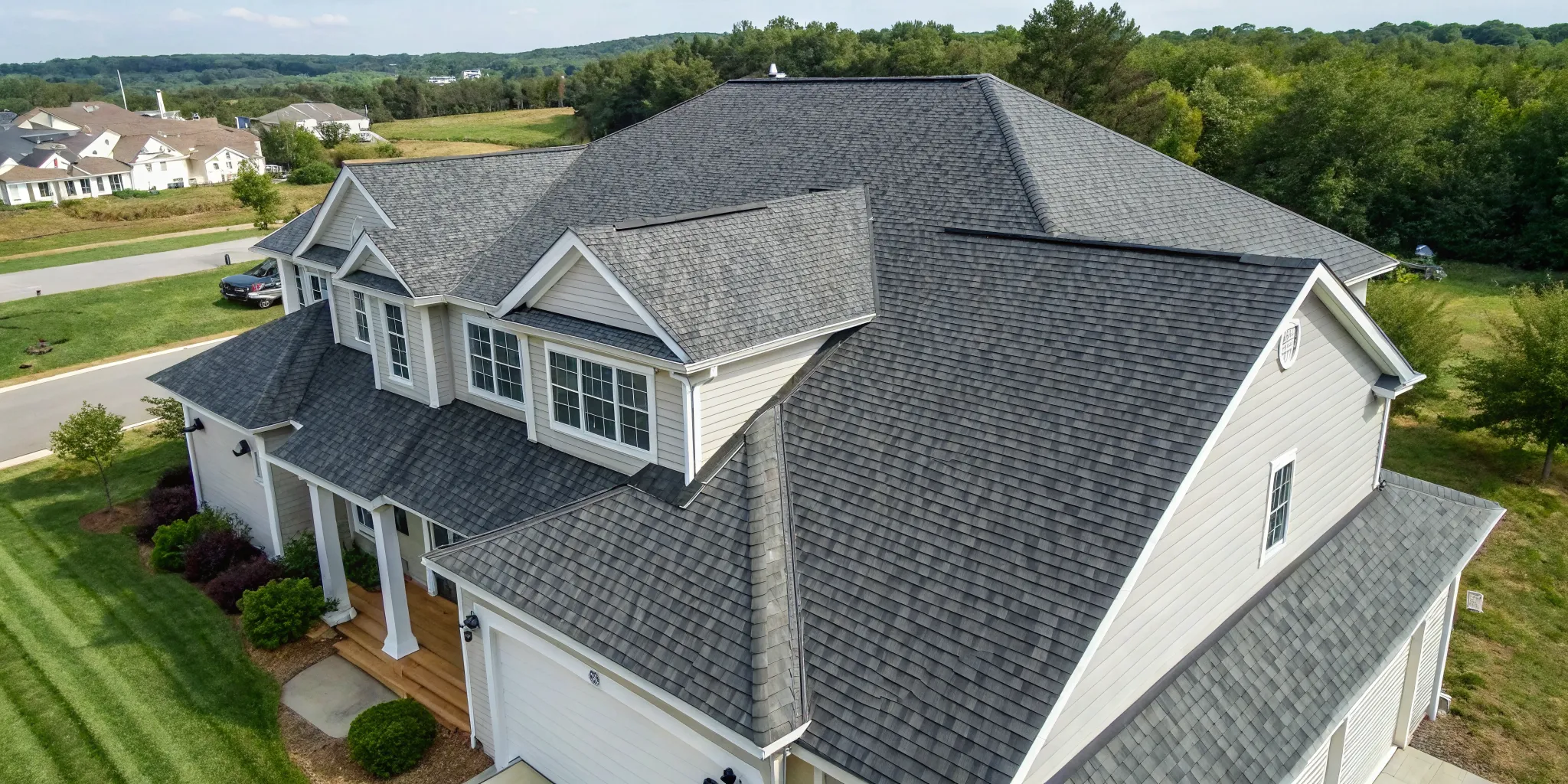
You’ve spotted those dark streaks on the ceiling or seen shingle granules in your gutters. These aren’t just small annoyances; they’re your roof’s way of telling you it’s time for a change. Ignoring these signals can lead to much bigger, more expensive problems like leaks and water damage. The key is knowing how to read the signs and when to act. We’ll walk you through the common indicators of roof failure and explain the entire asphalt shingle roof replacement process, so you can protect your home before a minor issue becomes a major disaster.
Key Takeaways
- Choose the right shingle for Florida’s climate: Your roof’s longevity starts with the right material. Architectural shingles are a smart choice for St. Pete homes because their durability and wind resistance stand up to our intense weather, protecting your home for longer.
- Hire a qualified professional for the job: Roofing is not a DIY project. A licensed and insured contractor ensures the work is done safely, correctly, and without voiding your material warranty, saving you from expensive problems later on.
- Maintain your roof to maximize its lifespan: Simple tasks like cleaning your gutters and trimming nearby trees make a big difference. Pairing your efforts with annual professional inspections is the best way to catch minor issues before they become major, costly headaches.
Choosing the Best Asphalt Shingles for Your Home
When you decide it’s time for a new roof, one of the first choices you’ll make is the material. For many homeowners in Florida, asphalt shingles are the go-to option. They offer a fantastic balance of durability, style, and affordability that’s hard to beat. But not all asphalt shingles are created equal. Understanding the different types available will help you pick the perfect one for your home’s needs, your aesthetic preferences, and your budget. Let’s walk through the basics so you can feel confident in your decision.
What Are Asphalt Shingles?
Asphalt shingles are the most common roofing material used on homes across the country, and for good reason. They are made from a fiberglass or organic base mat that is coated with waterproof asphalt and topped with ceramic granules to protect against UV rays, making shingle roofing a reliable option for many St. Petersburg homes. This construction makes them a reliable and budget-friendly choice for your roofing project. The specific type of asphalt shingle you choose will influence not only the final look of your roof but also its overall cost and how many years it will protect your home.
The Anatomy of a Composite Shingle
Ever wonder what actually makes up a shingle? It’s more than just a simple piece of asphalt. Think of a composite shingle as a multi-layered sandwich designed for maximum protection. At its core is a fiberglass mat, which provides the structural backbone and strength. This mat is then coated in waterproof asphalt, the key ingredient that keeps water out of your home. On top of the asphalt, a layer of ceramic granules is embedded. These tiny rocks do two important jobs: they shield the asphalt from the sun’s damaging UV rays, which prevents it from breaking down, and they provide the shingle’s color. This layered construction is what makes asphalt shingles so effective at protecting your home from the elements.
A Brief History of Asphalt Shingles
It’s interesting to think that the shingles on our roofs have a story that’s over a century old. The first asphalt shingles appeared in the U.S. back in 1903, created as a safer, more fire-resistant option than the wood shingles that were common at the time. Early versions were made from organic materials, but the real game-changer came with adding slate granules to protect against UV rays and add color. Over the decades, they just kept getting better. In the 1950s, self-sealing strips were added to improve wind resistance—a feature we can all appreciate here in Florida. Then, in the 60s, fiberglass mats replaced the organic base, making shingles lighter and even more fire-resistant. These continuous improvements, from better wind ratings to impact resistance, are why they remain such a trusted choice for protecting homes today.
3-Tab vs. Architectural: Which Shingle Is Right for You?
You’ll generally encounter three main styles of asphalt shingles. The most basic option is the 3-tab shingle, which has a flat, uniform appearance and typically lasts 15 to 20 years. A step up from that is the architectural shingle. These are thicker, more durable, and have a dimensional look that mimics wood shake. They often last 25 to 30 years. At the high end, you have luxury shingles, which are designed to replicate the appearance of natural slate or cedar shake. They offer the longest lifespan, often 30 to 50 years, and the highest level of durability.
Why Choose an Asphalt Shingle Roof?
Beyond their affordability, asphalt shingles come with several key benefits. They are relatively easy to install and repair, which can save you money on labor costs. They also come in a huge variety of colors and styles, making it easy to match your home’s exterior. Here in Florida, it’s also important to note that many asphalt shingles are impact-resistant, which is a huge plus during storm season. If you’re ready to discuss which shingle is right for your St. Pete home, our team is here to help you make the best choice. You can contact us for a professional consultation.
Compared to Metal Roofs
Metal roofs have certainly gained some attention for their modern look, but they aren’t always the right fit for every home or neighborhood. Asphalt shingles strike a perfect balance between beauty, performance, and affordability. While a full metal roof can be a bold statement, its specific style and often bright colors might not complement your home’s existing architecture. A great alternative is to use asphalt shingles for the main roof and add metal accents, like over a porch or bay window. This approach gives you a touch of that modern flair without the full commitment or cost, creating a unique look that still feels timeless. It’s a popular way to get the best of both worlds while staying within budget.
Compared to Slate Roofs
There’s no denying the classic beauty of a real slate roof. However, that elegance comes with a hefty price tag and significant weight. Natural slate is so heavy that it often requires structural reinforcement to your home, adding another layer of complexity and cost to the project. The good news is that you don’t have to give up on that sophisticated look. High-end architectural and luxury asphalt shingles are designed to mimic the appearance of natural slate at a fraction of the cost and without the structural concerns. This makes it possible to achieve a premium aesthetic for your home while choosing a practical, durable material that’s perfectly suited for Florida living.
Compared to Wood Shake Roofs
Wood shake roofs offer a rustic charm that many homeowners love, but they come with some significant downsides, especially in our humid climate. Over time, wood shakes are prone to splitting, curling, and rotting, which can compromise their ability to protect your home. Furthermore, due to fire safety concerns, some local building codes restrict or even prohibit their use. Modern asphalt shingles can give you that same beautiful, textured look of wood shake without the constant maintenance or fire risk. They are engineered to hold their appearance and integrity for decades, giving you peace of mind and lasting curb appeal without the potential problems that come with natural wood.
Understanding Shingle Performance Ratings
Choosing a shingle isn’t just about color and style. Behind the scenes, shingles are engineered products with specific performance ratings that tell you how well they’ll stand up to the elements. Independent organizations like ASTM International and Underwriters Laboratories (UL) set the standards for the roofing industry, testing shingles for their resistance to wind, impact, and fire. Understanding these ratings is like looking at the nutrition label on your food—it gives you the real story of what you’re getting. For Florida homeowners, paying attention to these details is especially important, as they directly impact how well your roof will protect your home during a hurricane or a severe thunderstorm.
Wind and Impact Resistance Ratings
Here in St. Petersburg, wind is a major concern. When you see a shingle’s wind rating, it tells you how well it can resist being lifted off your roof by high winds. For example, many architectural shingles meet the ASTM D3161 Class F standard, meaning they can withstand winds up to 110 mph. Some can even be rated up to 130 mph. This resilience comes from a combination of the shingle’s weight, its construction, and the strength of the adhesive sealant. However, even the best-rated shingle won’t perform correctly if it’s not installed properly. Professional installation ensures that every shingle is perfectly aligned and securely fastened, giving you the full benefit of its wind-resistant design and protecting your home from storm-related disaster recovery needs.
Fire Safety: The Class A Rating
Fire safety is another critical aspect of your roof’s performance. Shingles are rated on a scale from Class A to Class C, with Class A offering the highest resistance to fire. Most modern asphalt shingles, particularly those with a fiberglass mat, carry a Class A fire rating. This means they are effective against severe fire exposure and are less likely to spread flames originating from an external source, like embers from a nearby fire. While you hope you never have to test this feature, having a Class A roof provides an essential layer of protection for your property and peace of mind for your family. It’s one of the most important, yet often overlooked, safety features of a modern roofing system.
Specialized Shingles for Florida’s Climate
Living in the Sunshine State comes with unique challenges for our homes, especially our roofs. The intense sun, high humidity, and frequent rain create a demanding environment. Thankfully, shingle manufacturers have developed specialized products designed to tackle these exact issues. These aren’t your standard, run-of-the-mill shingles; they’re engineered with advanced technology to improve your home’s energy efficiency and maintain its curb appeal over time. Choosing a shingle designed for Florida’s climate is a smart investment that pays off in both comfort and long-term value, helping you get the most out of your new roof.
Cool Roof Shingles for Energy Savings
One of the best innovations for our hot climate is the “cool roof” shingle. These shingles are designed with special solar-reflecting granules that bounce a portion of the sun’s heat away from your roof instead of absorbing it. By reducing heat absorption, a cool roof can keep your attic and home significantly cooler, which means your air conditioning system doesn’t have to work as hard. This translates directly into lower energy bills each month, especially during our long, hot summers. While they might have a slightly higher upfront cost, the long-term energy savings make cool roof shingles a financially savvy choice for any Florida homeowner.
Algae-Resistant Shingles to Prevent Stains
Have you ever noticed ugly black streaks on roofs around your neighborhood? That’s not dirt—it’s a type of algae called Gloeocapsa magma that thrives in our humid environment. These stains can ruin your home’s curb appeal and make your roof look old before its time. To combat this, many manufacturers now offer algae-resistant shingles. These shingles are infused with copper granules that are slowly released over time, preventing algae from taking hold. This feature is a must-have in Florida, as it keeps your roof looking clean and new for years without the need for frequent, harsh chemical cleanings. It’s a simple way to protect your investment and prevent moisture-related issues, similar to how you’d want to prevent conditions that lead to needing mold remediation inside your home.
Choosing a Shingle Color to Increase Home Value
While performance is key, you also want a roof that looks great. The color you choose has a big impact on your home’s overall aesthetic and even its resale value. If you plan on selling your home in the future, it’s wise to stick with classic, neutral colors. Shades of black, gray, brown, and even dark blue are timeless choices that appeal to a wide range of buyers because they complement almost any exterior paint color or siding. A bold or trendy color might feel exciting now, but it could limit your pool of potential buyers down the road. If you’re struggling to decide, our team at Go Time Restoration can provide samples and help you choose a color that you’ll love and that will add lasting value to your home. Feel free to contact us for a consultation.
Is It Time for a New Roof? 3 Key Signs to Look For
Your roof is your home’s first line of defense against the elements, but it won’t last forever. Knowing the signs of failure helps you address problems before they lead to major damage. Some issues are obvious, while others are more subtle. Here are the key indicators that tell you it might be time to start planning for a roof replacement.
Spotting Damaged or Missing Shingles
Take a look at your roof from the ground. Do you see shingles that are cracked, curling at the edges, or completely missing? These are clear signs that your roof’s integrity is compromised. Shingles that are brittle and breaking apart can no longer protect your home from rain and UV rays. Another thing to look for is an excessive amount of shingle granules, which look like coarse black sand, in your gutters. This means your shingles are deteriorating. A few damaged shingles might be repairable, but widespread issues often mean it’s time for a full roof replacement.
Considering Your Roof’s Age
Even if it looks okay from a distance, an old roof can be a liability. Most asphalt shingle roofs are designed to last between 15 and 30 years. Standard 3-tab shingles typically have a lifespan of 15-20 years, while architectural shingles can last 20-30 years under the right conditions. If you don’t know your roof’s age, check the records from when you bought your home. If your roof is approaching or past its expected lifespan, it’s wise to start budgeting for a replacement. An older roof is far more vulnerable to damage from Florida’s strong storms and intense heat, so being proactive is key.
Watch for Cracking and Brittleness from Thermal Shock
Here in Florida, our roofs go through a lot. One minute they’re baking under the intense sun, and the next they’re being hit with a sudden, cooling downpour. This rapid temperature swing is known as thermal shock, and it takes a toll on asphalt shingles over time. The constant expansion and contraction cause the asphalt to dry out and lose its flexibility, making the shingles brittle. You might notice fine lines or larger cracks forming on the shingle surface. Brittle shingles can easily break or be lifted by strong winds, leaving your home vulnerable. If you see signs of cracking, it’s a strong indicator that your roof is aging and losing its ability to protect you from the elements, which can eventually lead to water damage.
Checking for Leaks and Water Stains Inside
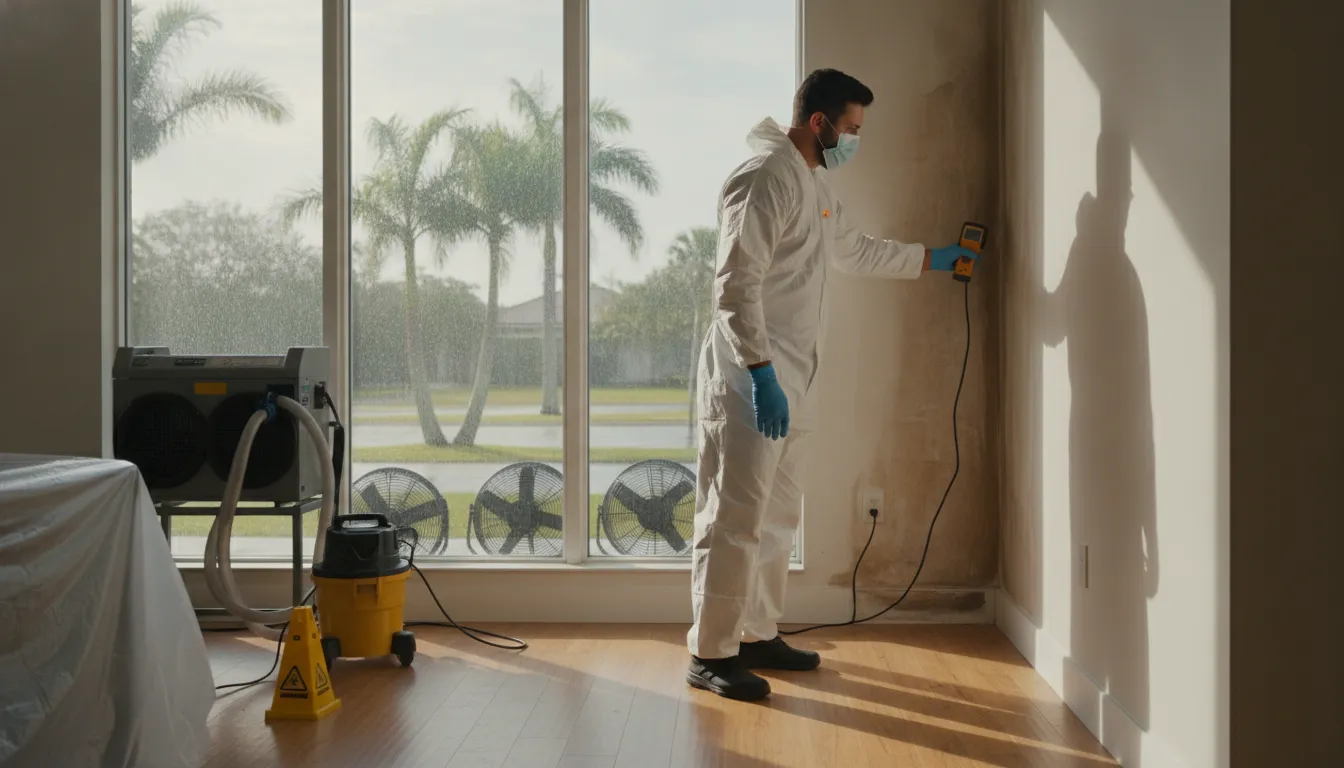
One of the most serious signs of roof failure is evidence of water inside your home. If you spot dark streaks or water stains on your ceilings or walls, your roof is likely leaking. Check your attic for signs of moisture, damp insulation, or daylight coming through the roof boards. By the time a leak becomes visible indoors, the problem has likely been going on for a while. Ignoring it can lead to serious structural issues and mold growth. If you see any signs of a leak, it’s crucial to contact a professional for an inspection and water damage restoration right away.
How Much Does a New Asphalt Shingle Roof Cost?
Planning your budget is one of the most important steps in any home improvement project, and a roof replacement is no exception. While every project is unique, understanding the key cost factors can help you prepare financially and avoid surprises. The final price tag for your new asphalt shingle roof will depend on its size, the materials you choose, and a few other variables we’ll cover below. Let’s break down what you can expect when budgeting for this essential investment in your home.
Estimating Cost Based on Roof Size
To get a general idea of what to expect, it helps to look at average costs. For a standard 2,000-square-foot home, most homeowners can anticipate spending between $7,000 and $17,000 on an asphalt shingle roof replacement. The typical cost often lands somewhere around $10,250. Think of this as a starting point. Your home’s specific dimensions will be the primary driver of your base cost, but this range gives you a solid ballpark figure to begin your financial planning and discussions with a roofing contractor in St. Petersburg.
Other Factors That Affect the Final Price
Beyond the basic size of your roof, several other elements influence the final price. The specific type of asphalt shingle you select plays a big role, as do the complexity and pitch of your roof. Features like chimneys, skylights, and vents require extra labor and materials to work around, which can add to the cost. If your contractor discovers that the underlying roof decking is rotted or damaged during the tear-off, it will need to be replaced. This necessary repair can add an additional $2.20 to $3.00 per square foot to your project’s total. Our team assesses all these factors during our initial inspection to provide a comprehensive quote for our roofing services.
Planning for Permits and Unexpected Costs
A few other costs can pop up during a roof replacement. In Florida, most projects require a complete tear-off of the old roof rather than layering new shingles on top. You’ll also need to budget for city or county permit fees. Depending on the age of your home, updates may be needed to meet current building codes, such as installing new underlayment or hurricane straps for better storm protection. The best way to get a clear picture of all potential expenses is by requesting a free roofing quote. A detailed quote will outline all these items, so you know exactly what you’re paying for.
Your Roof Replacement: A Step-by-Step Guide
A full roof replacement can feel like a huge undertaking, but it’s a manageable project when you break it down into clear steps. While every home is a little different, professional roofers follow a proven process to ensure the job is done safely, efficiently, and correctly. From the initial look at your old roof to the final cleanup, each stage is designed to give you a durable, long-lasting result.
Understanding this process helps you know what to expect when the crew arrives. It all starts with a thorough inspection and ends with a beautiful new roof ready to protect your home for years to come. A professional team handles all the heavy lifting, making sure every detail is covered. Our roofing services are designed to make this entire process as smooth and stress-free as possible for you.
Step 1: The Initial Inspection and Preparation
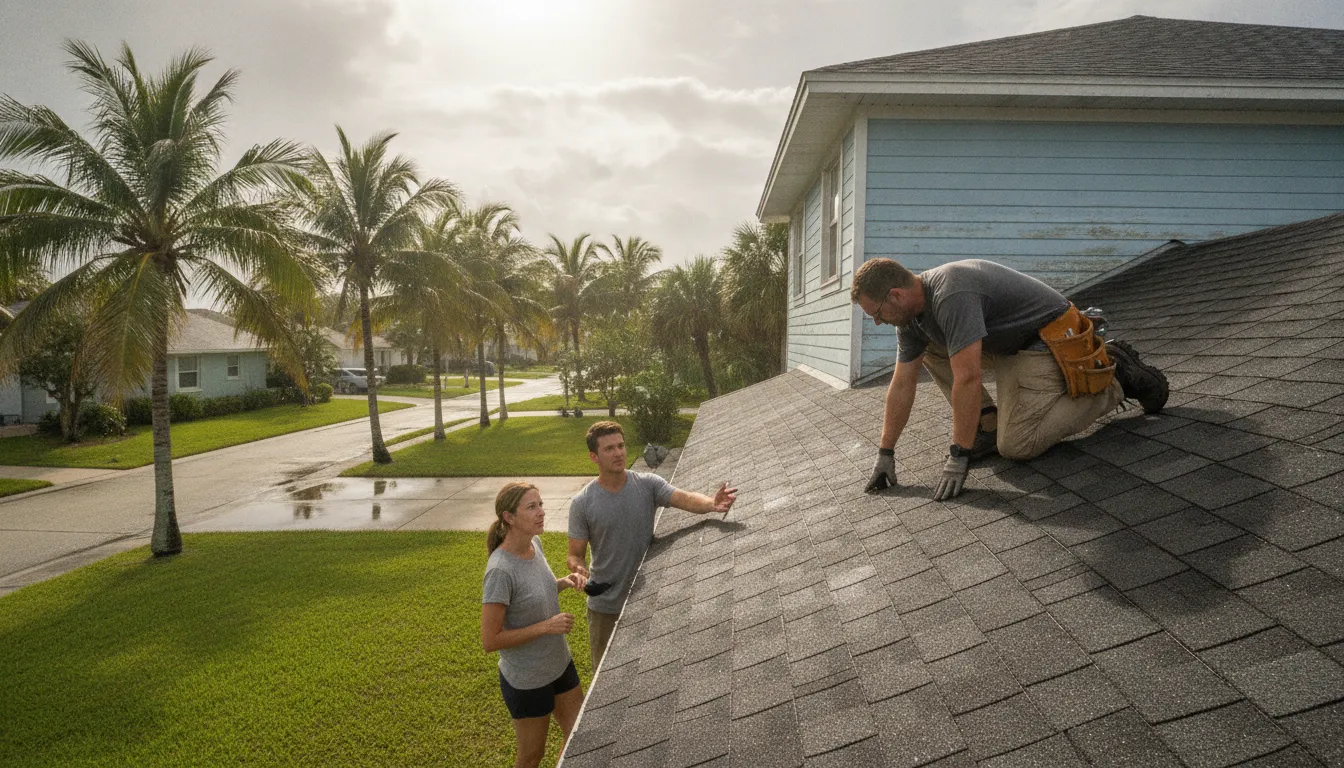
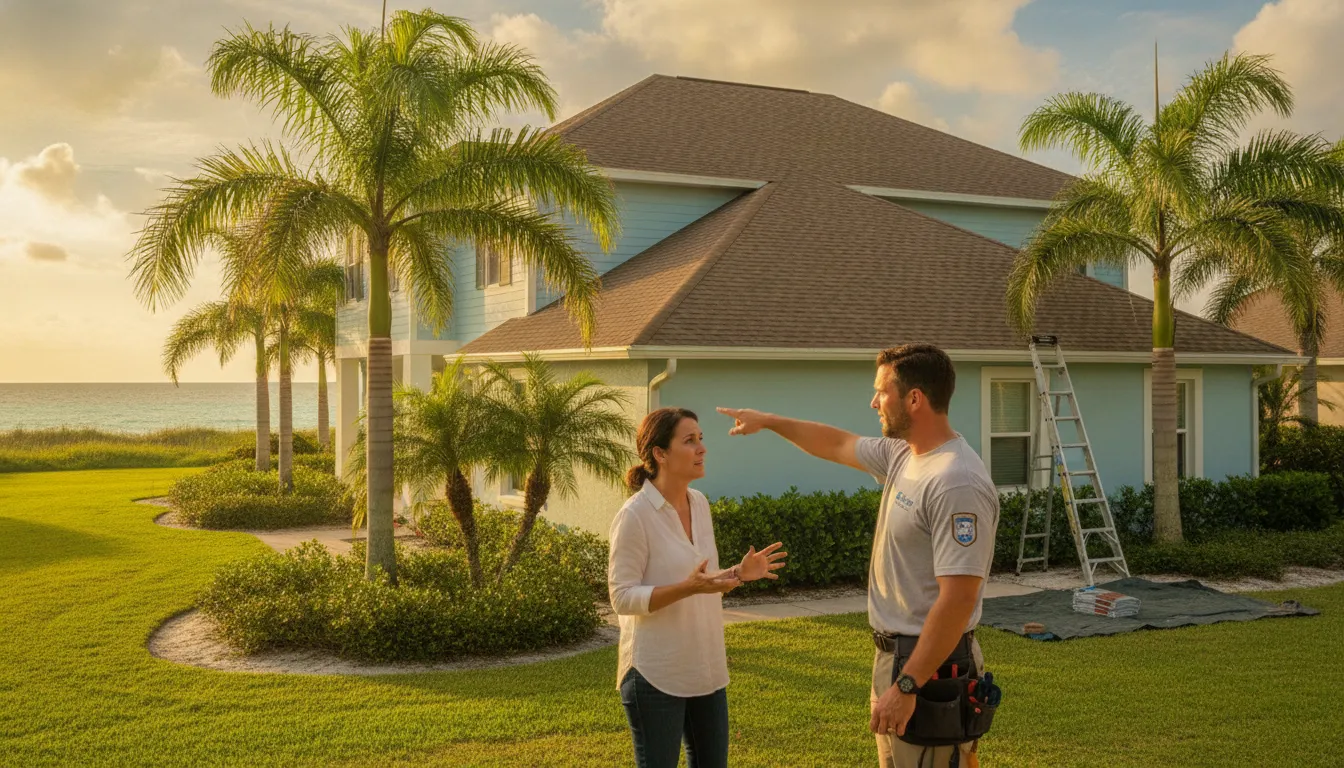
The first step is a detailed inspection. A roofing expert will get on your roof to assess the condition of your existing shingles, check for structural issues, and take precise measurements. This is also when you’ll discuss material options. It’s important to choose a roof that can handle Florida’s weather, especially hurricanes, so your contractor will help you select shingles with the right wind resistance and durability. Once the plan is set, the team prepares your property by covering landscaping, protecting siding, and designating a safe area for materials and debris. This careful preparation prevents damage to your home and yard.
Step 2: Tearing Off the Old Roofing Materials
Next comes the tear-off phase. The crew will systematically remove all the old roofing materials, including the shingles, underlayment, and flashing. To work efficiently, they usually start removing old shingles from the bottom of the roof and work their way up. They also take great care not to damage the house siding if shingles are installed against it. With the old roof gone, they can inspect the underlying wood deck for any rot or damage. This is a critical step because it allows for any necessary repairs before the new materials are installed, ensuring a solid foundation for your new roof.
Step 3: Installing Your New Roof
With a clean and repaired roof deck, it’s time to build your new roof. The installation begins with a protective layer, such as a synthetic underlayment or roofing felt. The team will install the felt from the bottom up, layering it like shingles to ensure water sheds properly. Next, they lay the new asphalt shingles, again starting from the bottom edge and working their way up the roof. They nail the shingles in the correct spots to secure them properly against high winds. Finally, they install flashing around chimneys and vents and add a ridge cap to seal the peak, completing your home’s new line of defense.
Step 4: The Final Walk-Through and Cleanup
The job isn’t finished once the last shingle is in place. A thorough cleanup is essential. The crew will remove all old materials and debris from your property, using magnetic rollers to pick up any stray nails from your lawn and driveway. After the cleanup, a final inspection is performed to ensure every detail meets quality standards. Once your new roof is installed, regular maintenance is key. You can keep your roof healthy by cleaning gutters and replacing any damaged shingles you spot. For a professional assessment of your current roof, feel free to contact us for an inspection.
What Happens to Your Old Roof? Disposal and Recycling
After the crew tears off thousands of pounds of old shingles from your roof, you might wonder where it all goes. It’s a great question, and the answer has a real impact on our local environment. In the past, most of this material went straight to the landfill, but today, there are more sustainable options available. Understanding what happens to your old roof can help you feel even better about your home improvement project. As a responsible contractor, we believe in handling every part of the job correctly, and that includes the final disposal of all materials.
The Environmental Impact of Shingle Waste
Asphalt shingles are the most popular roofing material in the country, but they also contribute significantly to landfill waste. Each year, roof replacements generate about 11 million tons of shingle debris across the U.S. Because these shingles aren’t biodegradable, they can take up space in landfills for hundreds of years. This not only contributes to overcrowding but also poses environmental risks. The good news is that recycling offers a powerful alternative. Choosing to recycle old shingles can dramatically reduce landfill waste and even lower greenhouse gas emissions, making it a win for both your project and the planet.
How Old Shingles Are Recycled
So, how does shingle recycling work? The process is surprisingly straightforward. Old shingles are collected and ground down into smaller pieces. This recycled asphalt material can then be used in a few different ways, most commonly as an additive in the asphalt mix used for paving roads. This practice not only diverts a massive amount of waste from landfills but also reduces the need to extract new raw materials. By recycling shingles, we can turn what was once considered trash into a valuable resource that helps build our community’s infrastructure. When you work with a professional team, you can trust that all debris is handled responsibly.
DIY vs. Pro: Who Should Install Your Roof?
The idea of a DIY project can be appealing, especially when you’re looking to save some money. While tackling a new paint job or landscaping can be rewarding, roofing is a different beast entirely. It’s a complex job where small mistakes can lead to big, expensive problems down the road. Deciding between doing it yourself and hiring a pro is about weighing the upfront cost against the long-term safety and security of your home.
The Risks of a DIY Roof Installation
First and foremost, roofing is dangerous work. The risk of falling is significant, and professionals have the training and safety equipment to manage it. Beyond personal safety, improper installation can cause serious issues for your home. A common mistake is failing to nail shingles correctly, which can lead to leaks, wind damage, and a much shorter lifespan for your roof. What’s more, many manufacturers will void your warranty if the shingles aren’t installed by a certified professional. This means if the materials fail prematurely, you’re on your own. What started as a cost-saving measure could end up costing you thousands in repairs and a full replacement sooner than expected.
Why Hiring a Professional Is Worth It
Hiring an experienced roofing team gives you peace of mind that the job will be done right the first time. A trusted company can manage the entire process and help you avoid common pitfalls, ensuring your investment is protected. Professionals can spot and address underlying issues, like soft spots in the decking or poor ventilation, that a DIYer might miss. They are also licensed and insured, which protects you from any liability in case of an accident on your property. Ultimately, you’re not just paying for a new roof; you’re paying for the expertise, safety, and assurance that your home is in good hands.
How to Choose the Right Roofing Contractor
Finding the right contractor is key to a successful roof replacement. Start by looking for local, established companies. A local roofer will be familiar with St. Petersburg’s specific building codes and climate challenges. Always confirm that any contractor you consider is licensed and insured in Florida. Don’t hesitate to ask for proof. Next, check online reviews and ask for references from recent projects. A reputable company will be happy to share them. Finally, get a detailed, written estimate from your top contenders. The estimate should clearly outline the scope of work, materials to be used, project timeline, and warranty information. Taking these steps will help you find a reliable partner for your roofing services.
How to Make Your New Roof Last for Decades
A new roof is one of the most important investments you can make in your home. It’s your primary shield against the elements, and with the right choices and care, it can protect your property for decades. But getting the most out of that investment isn’t just about picking a shingle color you like. The longevity of your roof depends on a combination of smart material selection, proper installation techniques, and strategic timing.
Especially here in Florida, where we face intense sun, heavy rains, and the constant threat of hurricanes, every detail matters. From the type of shingle you choose to the unseen layers beneath them, each component plays a critical role in the roof’s overall performance and lifespan. Making informed decisions at the start of your project will save you from costly repairs and give you peace of mind for years to come. Let’s walk through the key considerations for ensuring your new asphalt shingle roof is built to last.
Matching Your Shingles to Your Local Climate
Living in St. Petersburg means your roof needs to be ready for some serious weather. Choosing the right shingle is your first line of defense. While standard 3-tab shingles are common, architectural shingles are often the best choice for Florida homes. They are designed to be more durable and offer superior wind resistance, which is a must-have feature during hurricane season. These shingles not only provide better protection but also add dimension and curb appeal to your home. When you work with our team on your roofing services, we can help you select materials that offer the ideal balance of durability, aesthetics, and value for our local climate.
Why Proper Ventilation and Underlayment Matter
What’s underneath your shingles is just as important as the shingles themselves. Proper ventilation and a quality underlayment are essential for a long-lasting roof, particularly in Florida’s humid environment. Good ventilation allows hot, moist air to escape your attic, preventing heat buildup that can bake your shingles from below and shorten their lifespan. The underlayment acts as a secondary water barrier. If it’s not installed correctly, moisture can get trapped, leading to rot and leaks. This is why it’s critical to ensure the felt is layered properly to prevent water intrusion that could lead to a need for mold remediation down the road.
The Importance of Ice and Water Barriers
Think of an ice and water barrier as your roof’s secret weapon against leaks. While the name might make you think of snowy climates, this self-adhering membrane is a non-negotiable for handling Florida’s torrential downpours. It’s installed in your roof’s most vulnerable areas—like valleys, eaves, and around chimneys—before the shingles go on. This barrier provides an extra layer of protection by creating a waterproof seal that prevents wind-driven rain from getting underneath your shingles. It even seals around the nails used to install your roof, which is a critical feature for stopping water infiltration before it can cause damage that requires water damage restoration.
Using Starter Strips for Wind Protection
A strong roof needs a solid starting line, and that’s exactly what starter strips provide. These specialized shingles are the very first product installed along all the edges of your roof. Their main job is to create a powerful, continuous seal that locks down the first course of your main shingles. This is essential for preventing wind uplift, which is when strong gusts get under the edge of your roof and begin peeling shingles off—a major concern during a hurricane. By ensuring this first row is properly secured, starter strips are a simple but vital component of a durable roofing system built to withstand high winds.
Finishing with Hip and Ridge Products
The final, critical step in sealing your roof is installing hip and ridge cap shingles. These are the “crown” of your roof, covering the peaks (ridges) and angled joints (hips) where different roof planes meet. These areas face a lot of stress from weather, and standard shingles aren’t designed to bend over them without cracking over time. Specialized hip and ridge products are thicker and specifically designed to cap these vulnerable lines, providing a durable and aesthetically pleasing finish. Proper installation of these caps is crucial for the roof’s overall integrity and is a hallmark of a professional job that protects your home from the top down.
When Is the Best Time to Replace Your Roof?
Deciding when to replace your roof is a crucial step. If you know your roof is old or damaged, it’s best to act as soon as possible. An aging or compromised roof is a significant risk, especially with hurricane season on the horizon. Putting off a replacement could lead to much bigger problems later. It’s also practical to consider the daily forecast. We always plan our projects to avoid working during the peak heat of summer days, which ensures a safer and more efficient process for our crew. If you’re unsure about your roof’s condition, it’s a good idea to contact us for an inspection before the storm season begins.
How to Care for Your New Asphalt Shingle Roof
A new asphalt shingle roof is a significant investment in your home’s safety and value. Once the installation is complete, a little proactive care can make all the difference in its performance and lifespan. Protecting your roof doesn’t have to be complicated. By combining some simple at-home habits with professional oversight, you can ensure it protects your family for decades.
Easy DIY Maintenance You Can Do Seasonally
You can play a direct role in extending the life of your roof with a few straightforward tasks. Regularly cleaning out your gutters is one of the most important jobs. When gutters get clogged with leaves and debris, water can back up and seep under your shingles, potentially causing rot and leaks. It’s also a good idea to trim any overhanging tree branches that could scrape against the shingles or fall during a storm. A quick visual check from the ground a few times a year can also help you spot any debris or signs of algae growth before they become bigger issues.
Scheduling Regular Professional Inspections
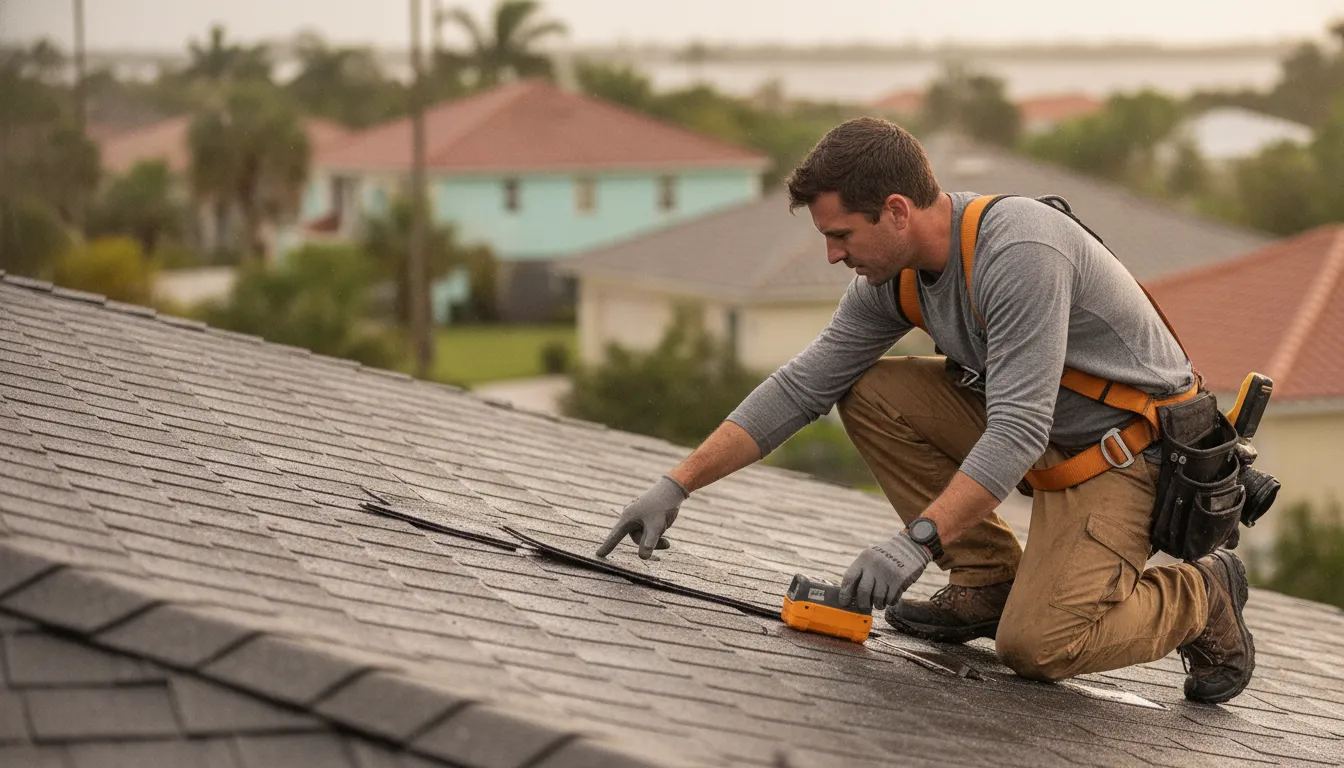
While your own checks are helpful, they can’t replace a professional’s trained eye. We recommend scheduling a professional roof inspection at least once a year or after any major weather event, like a hurricane. An expert can safely get on your roof to identify subtle signs of wear and tear, check the flashing around chimneys and vents, and spot potential problems you might miss from the ground. Finding these small issues early is the key to preventing expensive and stressful disaster recovery services down the road.
Protecting Your Investment for the Long Haul
Think of your roof as a complete system that protects your entire home. Consistent maintenance and professional inspections are the best ways to care for this system long-term. Here in St. Petersburg, our roofs endure intense sun, heavy rains, and strong winds, so staying ahead of potential damage is crucial. If an inspection reveals a minor problem, addressing it quickly will prevent it from turning into a major leak that could lead to serious water damage or mold growth inside your home. This proactive approach is the most effective way to protect your investment and maintain your peace of mind.
Related Articles
Frequently Asked Questions
How long does a typical roof replacement take? For an average-sized home, the entire replacement process usually takes between one and three days. This timeline can be affected by factors like the complexity of your roof’s design, the weather, and whether we find any underlying damage to the roof deck that needs to be repaired. We always aim to work as efficiently as possible while ensuring every detail is handled correctly.
Is it better to repair my roof or replace the whole thing? This really depends on the age of your roof and the extent of the damage. If your roof is relatively new and only has a small, isolated issue, a repair might be the perfect solution. However, if the damage is widespread, or if your roof is already nearing the end of its expected lifespan, a full replacement is often the more cost-effective and safer choice in the long run.
What happens if you find damaged decking after removing the old shingles? It’s fairly common to uncover some rotted or soft spots in the underlying wood decking, especially on older homes. If we find any damage, we stop work immediately to show you exactly what the issue is. We will then explain the necessary repairs and provide a clear cost for the new materials and labor before we proceed with the installation.
Will my homeowner’s insurance help pay for a new roof? Insurance coverage for a roof replacement depends entirely on your specific policy and the reason the roof failed. Generally, policies cover damage from sudden events like a storm or a fallen tree, but they typically do not cover replacement due to old age or lack of maintenance. We recommend reviewing your policy and speaking with your insurance agent to understand your coverage.
Why are architectural shingles a better choice for Florida homes? Architectural shingles are thicker and heavier than standard 3-tab shingles because they are made from multiple laminated layers. This construction makes them far more durable and resistant to the high winds we experience during hurricane season. They also hold up better against the intense, year-round sun, which helps them last longer and protect your home more effectively in our climate.