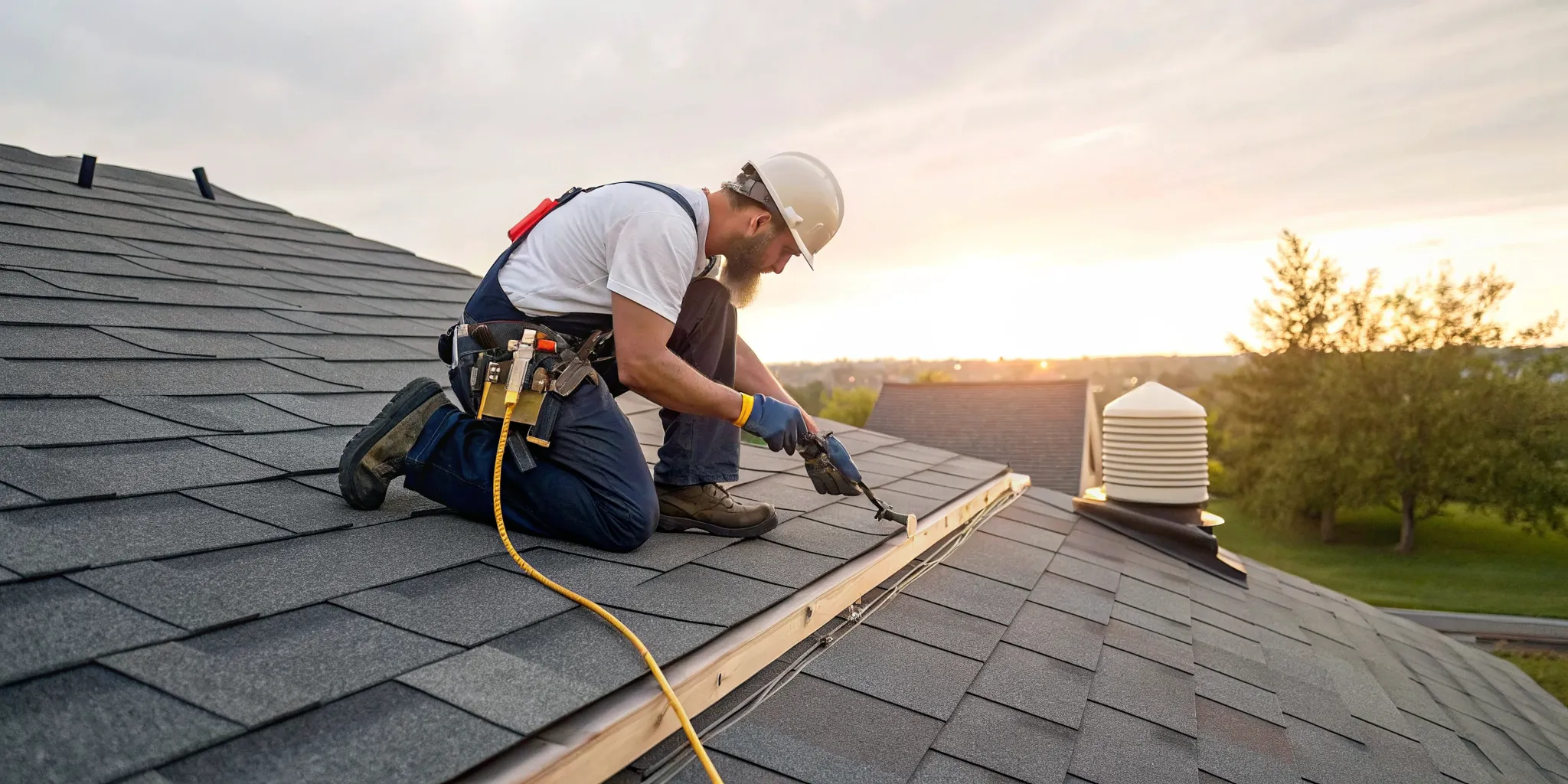
The sound of rain should be comforting, not a source of anxiety. But when you’re questioning if you need a roof repair, every storm can bring a fresh wave of stress. You find yourself checking ceilings for new water spots or wondering if that one loose shingle is about to cause a major leak. We want to help you get that peace of mind back. We’ll walk you through the clear indicators that your roof needs attention—from subtle signs in your attic to obvious damage you can see from the street—so you can feel confident your home is protected.
Key Takeaways
- Spot problems early by checking for warning signs: You can prevent bigger issues by regularly looking for damaged shingles outside and checking for water stains on your ceilings and in your attic.
- Know when to call a professional: Your safety comes first, so leave widespread damage, structural problems like a sagging roof, or any repair that feels beyond your skill level to a licensed expert.
- Control interior damage first in an emergency: If you have an active leak, use buckets to catch water and protect your belongings before you do anything else, then call for professional help right away to address the source.
Is Your Roof Damaged? Here’s How to Tell
Your roof is your home’s first line of defense, but it can’t always tell you when something’s wrong. Catching problems early is the key to preventing a small issue from turning into a major, expensive repair. The good news is that you don’t need to be a roofing expert to spot the most common warning signs. By knowing what to look for, both outside and inside your home, you can take action before the damage gets worse. Let’s walk through the key indicators that your roof needs attention.
Start Your Inspection Outside
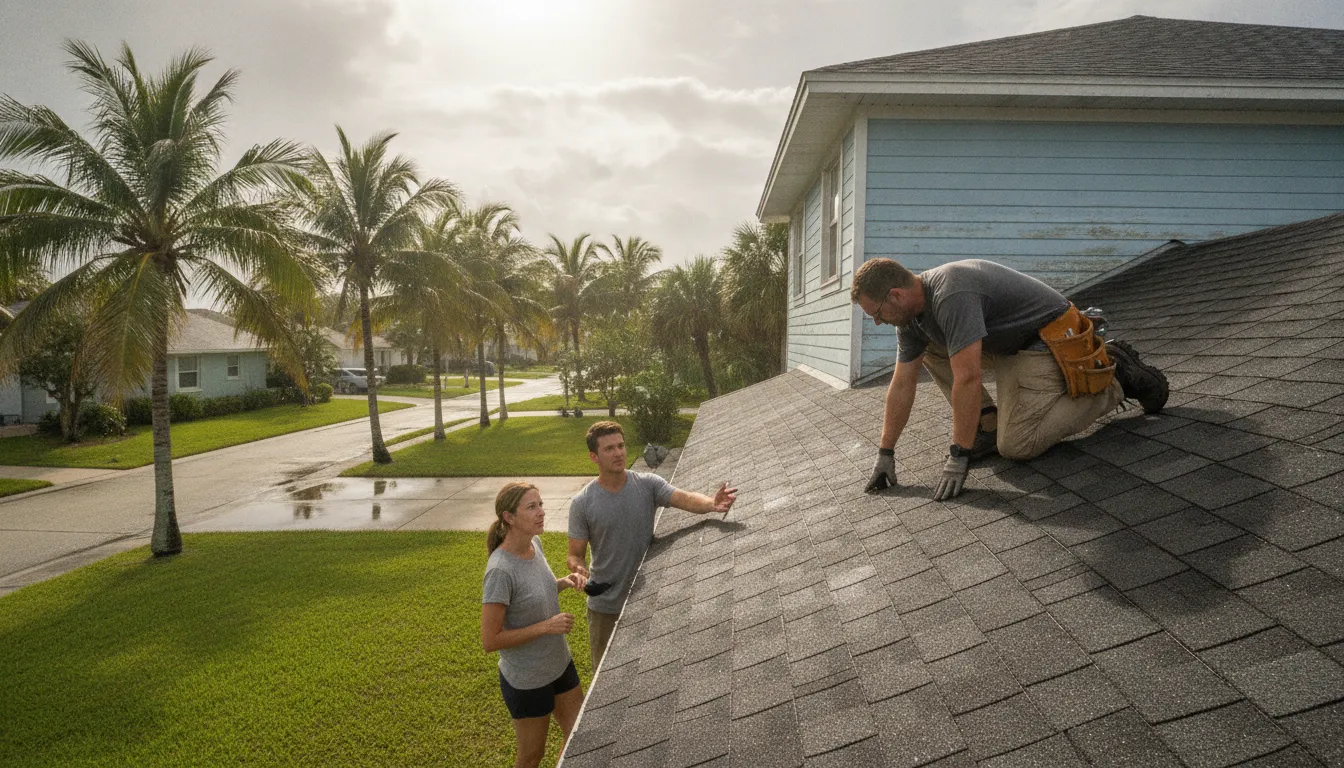
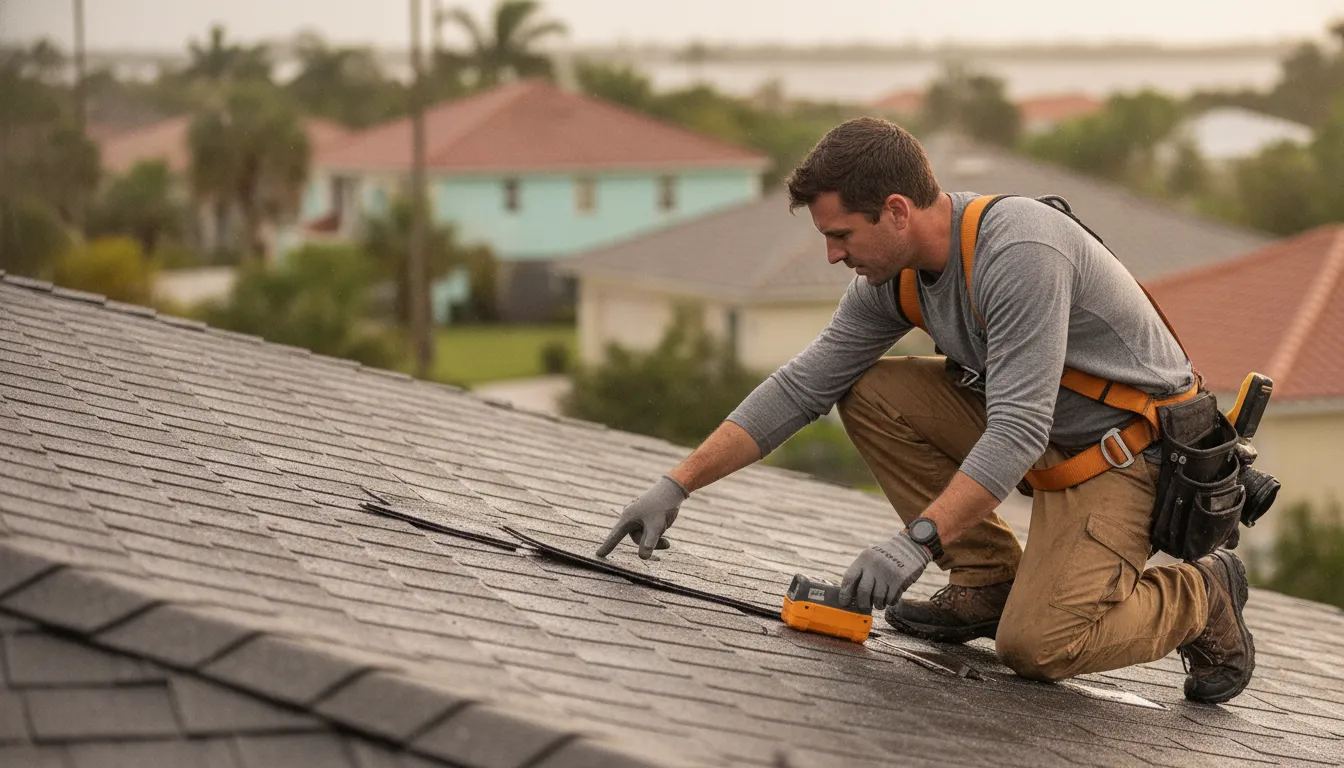
Start with a simple visual inspection from the ground. Look up at your roof for any shingles that are missing, cracked, or broken, as these gaps are an open invitation for water to get in. You should also watch for shingles that are curling up at the edges or look bubbly; this often means they’ve been weakened by sun and moisture. While you’re looking, pay attention to the flashing, which is the metal sealing around chimneys, vents, and skylights. If you see any rust, cracks, or gaps, it’s a sign that these critical seals are failing. These are all clear indicators you may need professional roofing services.
Find Signs of Damage Inside Your Home
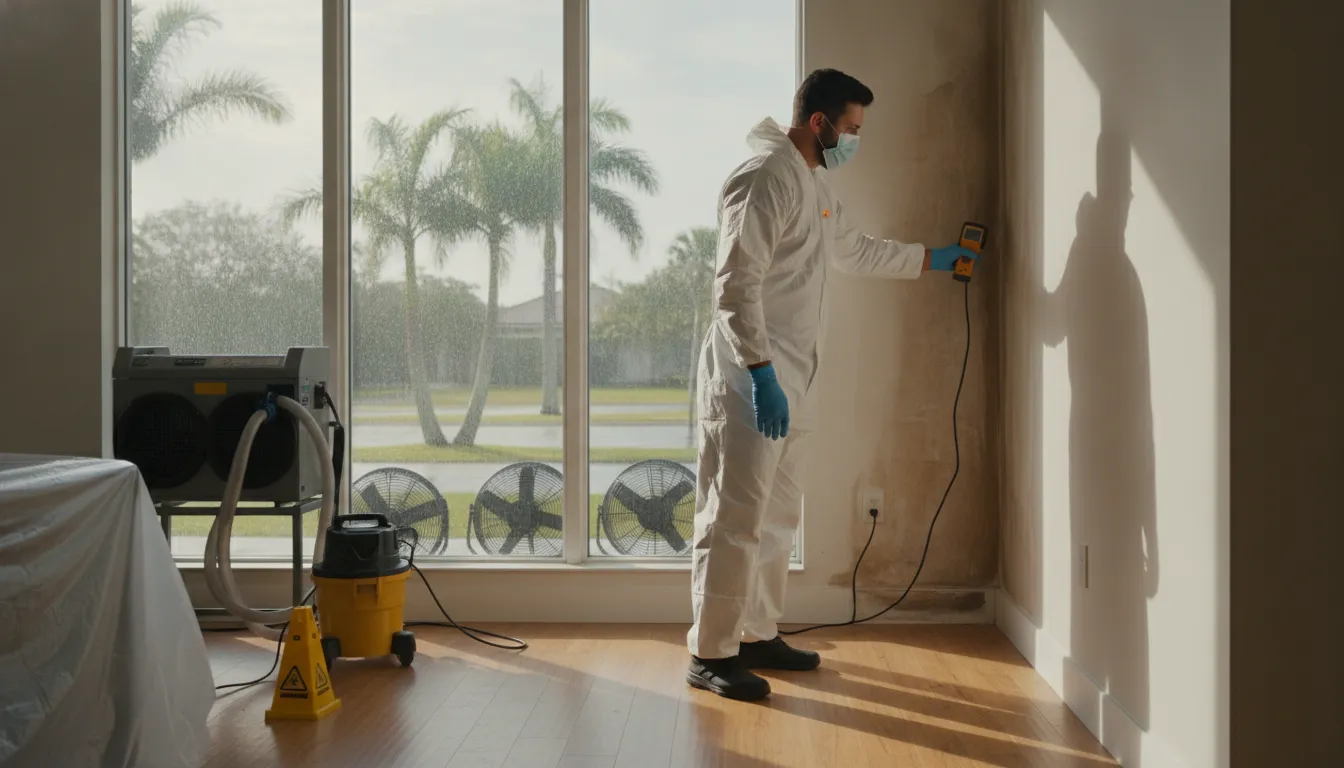
Sometimes, the most obvious signs of a roof problem show up inside your home. Check your ceilings and walls for any new or growing water stains. These discolored patches are a classic sign of a leak. If you can safely access your attic, take a look around for damp insulation, dripping water, or a musty smell. Mold growth is another red flag that points to a long-term moisture problem. Any of these issues suggest water is getting in from above, and it’s important to address the source of the leak quickly to prevent further water damage and protect your home’s structure.
How to Spot Major Structural Problems
While some roof issues are cosmetic, others point to serious structural problems that require immediate attention. A visibly sagging roof is one of the most urgent warning signs. If you notice a dip or curve in your roofline, it could mean the underlying supports are compromised. For flat roofs, be on the lookout for pooling water. If water isn’t draining properly and is collecting in certain areas, the constant weight and moisture can lead to significant structural damage over time. These are not DIY situations. If you spot either of these issues, it’s time to contact a professional for an assessment right away to ensure your home is safe.
What Are the Common Causes of Roof Damage?
A damaged roof often feels like it came out of nowhere, but the truth is, the causes are usually a mix of factors that build up over time. From our intense Florida weather to the simple age of your materials, understanding what puts your roof at risk is the first step toward preventing major problems. When you know the common culprits, you can be more proactive about maintenance and spot trouble before it turns into a full-blown crisis that affects your entire home. Let’s walk through the main reasons your roof might need repairs.
How Weather Wears Down Your Roof
Here in St. Petersburg, our roofs are on the front lines against some pretty harsh weather. The combination of intense sun, heavy rain, and high humidity creates a tough environment for any roofing material. Strong winds from tropical storms and hurricanes are notorious for lifting and tearing off shingles, leaving your home exposed. Even daily sun exposure can cause materials to break down and become brittle over time. Add in the potential for hail and flying debris during a storm, and it’s clear why our local weather is a leading cause of roof damage. Keeping your roof in shape is a key part of protecting your home from the elements, which is why professional roofing services are so essential in our area.
The Impact of Age and Wear Over Time
Every roof has a lifespan. Over the years, constant exposure to the elements naturally wears down even the best materials. A standard shingle roof, for example, typically lasts between 15 and 30 years. As your roof gets older, you might notice shingles starting to curl, crack, or lose their protective granules. Clay or concrete tiles can develop cracks, and flat roof membranes can shrink or blister. An older roof is far more vulnerable to storm damage and leaks. If your roof is approaching the 15-year mark or older, it’s a good idea to start thinking about a replacement to avoid the stress and cost of an emergency failure.
The Dangers of Bad Installation or Neglect
Sometimes, roof problems start on day one. A poor installation job can lead to chronic issues that only get worse over time. Improperly nailed shingles, poorly sealed flashing around chimneys and vents, or inadequate ventilation can all create weak spots where water can get in. On top of that, neglecting regular upkeep allows small issues to become big ones. For example, some roofers might try a quick fix on a cracked tile with silicone, but this often fails to address the underlying leak. Finding roof damage early is the best way to stop it from getting worse and prevent expensive disaster recovery services down the road. A professional inspection can catch these hidden problems before they escalate.
How to Safely Inspect Your Roof for Damage
After a storm or when you first notice a leak, your instinct is to figure out how bad the damage is. A thorough assessment is a critical first step, but it’s even more important to do it safely. Rushing up a ladder without the right precautions can turn a roof problem into a personal injury. This guide will walk you through how to inspect your roof from safe vantage points and what to look for, so you can gather the information you need before deciding on your next steps.
Your Pre-Inspection Safety Checklist
Your well-being is the top priority. Before you even think about getting on a ladder, run through this mental checklist. Are you comfortable with heights? Is the roof slippery from rain or debris? Do you have sturdy, non-slip shoes? If you hesitate on any of these, it’s best to inspect the roof from the ground, perhaps with a pair of binoculars. For a close-up look, especially after severe weather, the safest and most effective choice is to call a professional. A trained expert can spot issues you might miss and will have the right safety gear to do the job without risk.
A Simple Guide to Assessing the Damage
You can learn a lot about your roof’s condition from both outside and inside your home. Start with an exterior check from the ground. Look for missing, cracked, or broken shingles. Pay attention to any shingles that are curling at the edges or look bubbly, as this can be a sign of heat or water damage. Also, inspect the metal flashing around your chimney and vents for any rust, cracks, or gaps. Next, head inside to your attic. Look up at the roof deck for any signs of water damage or sagging. A dip of two inches or more could signal a serious structural problem that needs immediate attention.
Documenting Damage for Your Roofer and Insurance
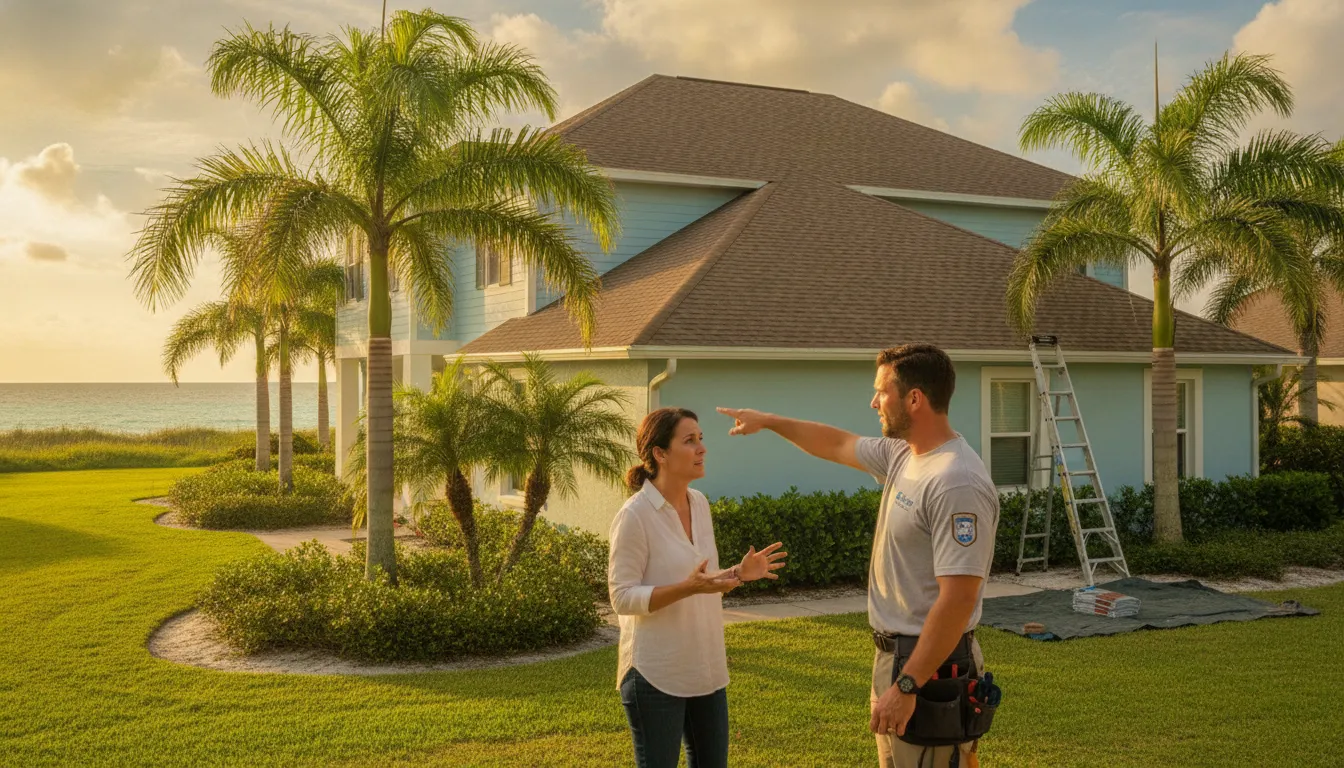
Once you’ve spotted potential issues, documenting them is your next move. This step is incredibly helpful when you contact a professional roofer. Use your phone to take clear, well-lit photos of every area of concern, both inside and out. Make a few notes about where the damage is located and what you observed. For example, “Water stain on the ceiling in the master bedroom, about a foot wide,” or “Several shingles missing on the west side of the roof.” This detailed record helps our team at Go Time Restoration understand the situation quickly and provide a more accurate estimate for your roofing services.
DIY Roof Repair: Should You Do It Yourself?
When you spot a loose shingle or a small leak, your first thought might be to handle it yourself. Tackling a home repair can be satisfying, but when it comes to your roof, the line between a simple fix and a serious problem is thin. Many roofs can be repaired instead of fully replaced, especially for small problems. Before you decide to climb up there, it’s important to weigh the scope of the damage against your own comfort level and skills.
Small Roof Repairs You Can Actually Do
If you’re experienced with home repairs and comfortable with heights, you can likely manage a few minor issues. Small problems like a single cracked shingle, a loose piece of flashing, or sealing a minor leak are often manageable DIY projects. The most important rule is to trust your gut. If you feel at all scared or uneasy about getting on your roof, it’s always best to hire a professional. Your safety is the top priority, and for anything more than a simple patch, calling for professional roofing services ensures the job is done safely and correctly.
What You’ll Need for a DIY Fix
Being prepared is half the battle. Before you start, make sure you have everything you need within reach. It’s incredibly helpful to have extra shingles left over from when your roof was first installed to ensure a perfect match. Your basic toolkit should include a hammer, a flat pry bar, a utility knife, and roofing nails. You’ll also want to grab some roofing caulk. This is essential for creating a strong, watertight repair that will hold up against the Florida rain, as you’ll use it to seal around nail holes and under shingle edges.
Your Step-by-Step Guide to Minor Repairs
First, carefully inspect the damage. Are the shingles just loose, or are they torn? If they’re only loose, you can often reuse them. To replace a shingle, gently lift the one above it and remove the nails from the damaged one. Slide the new shingle into place, secure it with roofing nails, and put a small dab of roofing caulk under the old nail holes to seal them. Always start your repair on the bottom row and work your way up. If you have a tile roof, there’s a special way to fix a cracked tile that can create a nearly permanent, leak-proof seal.
When Should You Call a Roofing Pro?
Tackling a home repair project yourself can be incredibly rewarding, but when it comes to your roof, the stakes are high. A small mistake can lead to bigger, more expensive problems down the road, like leaks, mold, and structural damage. While patching a single shingle might feel manageable, many roofing issues are more complex than they appear. Knowing when to put down the tools and pick up the phone is crucial for protecting your home, your wallet, and your own safety.
If you find yourself questioning whether a repair is out of your league, it’s always best to err on the side of caution. A professional assessment can give you a clear picture of the problem and prevent a minor issue from turning into a major headache. A licensed and insured team has the right equipment, materials, and expertise to get the job done correctly and safely, giving you peace of mind that your home is in good hands.
Red Flags That Mean You Need a Professional
Some roofing problems are clear signals that you need an expert. You might need professional roofing services if your roof is over 15 years old, as materials naturally degrade over time. Widespread damage, like numerous warped, cracked, or missing shingles after a storm, is another red flag. These issues often point to a deeper problem that a simple patch won’t solve.
Also, look for signs of significant water intrusion. If you see water stains on your interior ceilings or walls, notice a sagging roof deck, or find damp insulation in your attic, the leak is likely more serious than you think. Damage to the flashing around chimneys, vents, and skylights also requires a precise, professional touch to ensure a watertight seal. These are complex repairs that, if done incorrectly, can lead to extensive water damage.
Understanding the Risks of DIY Repairs
Your personal safety should always be the top priority. Roof repair involves working at heights, often on steep or slippery surfaces, which carries a significant risk of falling. If you are scared of heights or feel the least bit uncomfortable on a ladder, it’s best to hire someone to do the repair for you. Professionals are trained to work safely on all types of roofs and have the proper safety gear, like harnesses and anchors, to prevent accidents.
Beyond the risk of a fall, there’s also the potential for causing more harm to your home. Walking on a damaged roof incorrectly can break more shingles or tiles, and an improper repair can create new leaks. Hiring a licensed and insured contractor protects you from liability. If an accident happens on your property, their insurance covers it. When you’re ready for a safe and reliable solution, you can contact our team for help.
Repair or Replace? Key Factors to Consider
Deciding whether to patch up your roof or invest in a full replacement is a major financial decision. The right choice really depends on three key things: the age of your roof, the extent of the damage, and your budget. If your roof is relatively new and the damage is isolated to one small area, a repair is often the most sensible path. However, if your shingle roof is over 15 years old and showing widespread issues, putting money into repairs might just be a temporary fix. It’s also worth checking if your homeowners insurance covers the damage, as that can influence your decision. A full replacement, while more expensive upfront, can save you from the stress of repeated repairs on an aging roof. The best way to make a confident choice is with a professional assessment, which can give you a clear picture of your options.
Using Your Insurance and Warranty for Repairs
Calling a professional can also be the smartest financial move. Finding and fixing small roof problems early can save you a lot of money compared to waiting until you need a whole new roof. A professional inspection can uncover hidden issues you might miss, allowing you to address them before they escalate. This is especially important when dealing with your homeowner’s insurance.
Most insurance policies require professional documentation and estimates for claims. A certified roofer can provide a detailed damage report that will help your claim get approved. Furthermore, performing DIY repairs can sometimes void your roof’s warranty, leaving you on the hook for future costs. Working with a professional ensures the repairs meet warranty standards and helps you manage any potential disaster recovery services you may need.
What Homeowners Insurance Typically Covers
Most homeowners insurance policies are designed to protect you from unexpected events, not gradual wear and tear. This means your insurance will likely cover roof damage if it’s caused by something sudden and accidental. Think of events like a severe storm with high winds or hail, a tree branch falling on your house, or even damage from lightning. These are considered “covered perils” because they are beyond your control. However, if a leak develops slowly over time because of old, worn-out shingles or a lack of maintenance, your insurance company will probably view it as a preventable issue and may deny the claim.
Understanding Your Policy’s Coverage Types
When a covered event damages your roof, the protection often extends beyond the shingles themselves. If a roof leak caused by a storm leads to water staining your ceilings, ruining your drywall, or damaging your floors and furniture, your policy typically helps pay for those interior repairs, too. This is where your dwelling coverage (for the structure of your home) and personal property coverage (for your belongings) come into play. Understanding these distinctions is key, as it helps you know what to document when you have widespread issues that require professional water damage restoration.
Steps for Filing a Roof Damage Claim
Filing an insurance claim can feel intimidating, but it’s a straightforward process. First, take photos and videos to document all the damage, both inside and out. Next, contact your insurance provider to start the claim and get a claim number. They will likely send an adjuster to assess the damage. It’s also a good idea to get an estimate from a trusted roofing contractor. Remember that you will have to pay a deductible, which is the out-of-pocket amount you agreed to when you bought your policy. Your insurance will cover the remaining costs up to your policy’s limit.
The Role of Maintenance Records in Your Claim
Keeping good records can be a huge help when you file a claim. Save all receipts and documents from past roof inspections, maintenance, and repairs. This paperwork serves as proof that you’ve been proactive about taking care of your roof. When your insurance company sees a history of responsible upkeep, it helps strengthen your case that the current damage was caused by a sudden event, not by neglect. These records can make the difference between a smooth claims process and a frustrating denial, showing you’ve done your part to protect your home.
How to Hire a Reputable Roofing Contractor
Once you know you need a repair, finding the right person for the job is your most important next step. The quality of the contractor you hire will determine the quality and longevity of the repair. A reputable professional not only fixes the visible problem but also has the expertise to spot hidden issues you might have missed, preventing future headaches. Choosing a licensed, insured, and experienced roofer ensures the work is done correctly and safely, giving you confidence that your home is properly protected. Let’s walk through how to find a contractor you can trust.
Get Multiple Quotes for Comparison
It’s always a good idea to get a few different opinions before you commit to a contractor. Aim to get at least three quotes from local, reputable roofing companies. This allows you to compare not just the prices but also the scope of work each contractor proposes, the materials they plan to use, and the timeline they provide. Getting multiple estimates helps you understand the fair market rate for your repair and protects you from being overcharged. At Go Time Restoration, we provide clear, detailed estimates so you know exactly what to expect from our roofing services.
Where to Find Trusted Local Roofers
Start your search by asking for recommendations from friends, family, or neighbors who have recently had roof work done. You can also use online resources to check a company’s reputation. Look for contractors on sites like the Better Business Bureau (BBB), where you can see their rating and read customer reviews. Make sure any contractor you consider is licensed to work in Florida and carries both liability insurance and workers’ compensation. This protects you in case of accidents or property damage during the repair process.
Focus on Value Over the Lowest Price
While it’s tempting to go with the lowest bid, price shouldn’t be the only factor in your decision. A surprisingly low estimate can be a red flag for subpar materials, inexperienced labor, or a contractor who isn’t properly insured. A quality roof repair is an investment in your home’s safety and value. It’s better to choose a contractor based on their experience, positive reviews, and the quality of materials they use. A well-done repair will last longer and save you money over time, giving you the peace of mind you deserve.
Safety Tips for Any Roof Repair Project
Before you even think about climbing a ladder, let’s talk about safety. It’s the most important part of any roof repair, whether you’re replacing a single shingle or assessing widespread damage. Getting the job done right means getting it done without any accidents. We’ll cover the essential gear you need, why timing is everything, and how to know when it’s best to leave the work to a professional.
The Essential Safety Gear You Can’t Skip
Working on a roof requires more than just tools; it requires the right safety equipment. At a minimum, you should have a sturdy, well-fitting helmet and shoes with excellent grip to prevent slips. If your roof has a steep pitch, a safety harness is non-negotiable. Think of it this way: if the thought of gathering this gear or being up high makes you uneasy, that’s a perfectly valid feeling. It’s also a clear sign that calling for professional roofing services is your safest and smartest move. Your well-being is always the top priority, and there’s no shame in letting an experienced team handle the risks for you.
Choosing the Right Day for Your Repair
The weather in Florida can turn on a dime, and your roof is no place to be when it does. High winds can not only make you lose your balance but can also send loose materials flying. Rain, or even morning dew, can make a roof surface incredibly slick and dangerous. Always check the forecast for a clear, calm, and dry day before you start any work. Attempting repairs during or immediately after a storm is a recipe for disaster. If your roof has been damaged by severe weather, your first call should be for professional disaster recovery services that can secure your home safely while you stay on the ground.
How to Know When to Stop and Call for Help
Honesty with yourself is your best safety tool. If you feel unsteady on a ladder or uncomfortable with heights, that’s your cue to stop. Pushing past your comfort zone when you’re several feet off the ground is never a good idea. A moment of dizziness or a simple misstep can lead to serious injury. Trust your instincts. If a repair looks more complicated than you initially thought, or if you just don’t feel confident, it’s time to step back. There is always a team of professionals ready to take over. Don’t hesitate to contact us for an assessment; we’re equipped to handle the job safely and efficiently.
How Much Does Roof Repair Cost?
Figuring out the budget for a roof repair can feel like a guessing game, but several key elements determine the final price. Understanding these factors will help you know what to expect when you get an estimate. From the materials chosen to the complexity of the job, each detail plays a role in the total cost. It’s also important to remember that a small, planned repair will look very different from an emergency fix after a major storm. Let’s break down what goes into a roof repair estimate so you can feel prepared.
What Determines Your Final Repair Bill?
The biggest line item on your estimate will likely be the materials. Asphalt shingles are generally the most budget-friendly option, while materials like slate, metal, and clay tiles come with a higher price tag. The next major factor is labor. A simple, single-level roof requires less time and skill to repair than a steep, complex roof with multiple angles and features. Finally, there’s the possibility of hidden damage. Sometimes, when old shingles are removed, we find that the underlying wood deck is rotted from moisture. Repairing this adds to the overall cost, which is why a thorough inspection is a critical first step for any roofing project.
Average Costs for Minor vs. Major Repairs
Generally speaking, most homeowners can expect to pay between $350 and $1,900 for a roof repair, with the national average sitting around $1,150. For minor fixes, like replacing a few missing shingles or sealing the flashing around a vent, you’re likely looking at a cost between $150 and $450. These are the kinds of quick jobs that can prevent bigger headaches later. On the other hand, major repairs that address larger leaks, significant storm damage, or rotted wood under your shingles can range from $2,000 to $6,500 or more. The best way to know for sure is to get a professional estimate for your specific situation.
How Different Types of Damage Impact Price
The type of damage your roof has sustained plays a huge role in the final cost. A simple leak repair might cost anywhere from $200 to $2,200, depending on its source and the extent of the water intrusion. Wind damage that has lifted or torn off shingles typically falls in the $250 to $1,500 range. After a hailstorm, repairs can vary widely, from $600 to over $6,500, based on how widespread the impact was. If a tree branch has fallen on your roof, the cost to fix that impact damage can run from $900 to $6,500 or more. Each scenario requires a different approach, which is why a detailed inspection is so important for an accurate quote.
Repair Costs by Roofing Material
The material on your roof is another key factor in repair costs. Asphalt shingle repairs are usually the most affordable, typically ranging from $150 to $1,400. If you have a metal roof, you can expect to pay between $400 and $2,200 for a fix. For the tile roofs common here in Florida, repairs generally cost between $600 and $2,500, as the materials and labor are more specialized. Other materials like wood shake or slate have their own price points, reflecting their unique installation needs. Our team is experienced with the most common roofing types in St. Petersburg, including shingle, flat, and tile roofs, ensuring a proper repair no matter what your home has.
Factoring in Labor and Additional Expenses
Beyond materials, labor makes up a significant portion of your repair bill. Professional roofers typically charge between $50 and $120 per hour for each worker on the job. It’s also important to know that emergency repairs often come at a premium. If you need immediate help after a storm or on a weekend, the cost can be 25% to 100% higher than a scheduled repair. This is why addressing small issues before they become urgent is so beneficial. A planned repair is almost always more cost-effective than waiting for a crisis that requires immediate disaster recovery services.
Emergency vs. Scheduled Repairs: A Cost Breakdown
The cost of a roof repair can change dramatically depending on whether it’s a planned fix or an emergency. Catching a few cracked shingles or a minor leak early often means a straightforward and less expensive repair. However, if a small problem is ignored, it can lead to a much bigger issue. Water seeping under your shingles can cause significant water damage to your home’s structure, insulation, and ceilings, turning a simple fix into a major restoration project. Acting quickly on small repairs is one of the best ways to protect your home and your wallet from the high cost of an emergency.
Getting an Accurate Roof Repair Estimate
To get a clear and fair price, your best bet is to gather a few quotes from different licensed roofing companies. This allows you to compare not just the cost but also the scope of work and the materials they plan to use. Always make sure you hire a licensed and insured contractor for any inspection or repair work. A true professional will provide a detailed, written estimate that breaks down the costs for labor, materials, and any necessary permits. Don’t hesitate to ask questions if something isn’t clear. A trustworthy roofer will be happy to walk you through the estimate and explain every charge before you schedule the work.
Facing a Roofing Emergency? Start Here
When your roof is suddenly damaged, every minute counts. Acting quickly can make a huge difference in protecting your home from further harm. Your immediate goals are to control the damage, ensure your family’s safety, and get professional help on the way. Here’s a clear plan to follow when you’re facing a roofing emergency.
How to Minimize Damage Right Now
Before you even think about the roof itself, address what’s happening inside your home. If you have an active leak, your first priority is to minimize interior water damage. Move furniture, electronics, and any valuable items away from the affected area. Place buckets or large containers directly under drips to catch the water. If you notice a ceiling starting to bulge, place a bucket underneath and carefully puncture the center of the bubble with a small tool to release the pressure and prevent a larger collapse. Finding roof damage early stops it from getting worse and prevents expensive repairs later. Once you’ve contained the immediate mess, you can address the source, but containing the water is a critical first step for any water damage restoration.
Creating a Temporary Fix for Your Roof
If you feel safe doing so, you can take temporary measures to protect the damaged area of your roof. However, if you are scared of heights or uncomfortable getting on your roof, it’s best to hire someone to do the repair for you. Your safety should always come first. For those comfortable with the task, covering the damaged section with a heavy-duty tarp is an effective temporary solution. Lay the tarp flat over the hole or missing shingles, extending it at least four feet up past the peak and a few feet over the sides. Secure it with 2x4s or sandbags to hold it in place without putting new holes in your roof. This temporary patch will help keep more water from getting in while you wait for professional roofing services.
Why It’s Critical to Call for Help Immediately
While temporary fixes can help, they are not a permanent solution. It’s important to call a professional roofer immediately. If water gets under your roof, it can cause expensive damage to your home’s structure, leading to issues like wood rot and mold growth that you can’t see. A professional has the training to assess the full extent of the damage, identify underlying problems, and perform a lasting repair. Always use a licensed roofing contractor for inspections and repairs. They are experts and can help you make the right decision for your home’s safety and longevity. Don’t wait for a small problem to become a major one; contact a professional as soon as your home is secure.
How to Prevent Future Roof Damage
After going through a roof repair, the last thing you want is to face another one anytime soon. The best way to protect your home and your wallet is to be proactive. A little bit of prevention goes a long way in extending the life of your roof and stopping small issues from turning into major, expensive problems. It’s about shifting from a reactive mindset, where you wait for a leak to appear, to a proactive one, where you actively maintain your home’s first line of defense against the elements. This approach not only saves you money in the long run but also preserves the structural integrity of your entire home. By staying ahead of potential damage, you can feel confident that your roof is ready to handle whatever comes its way, especially during Florida’s unpredictable storm seasons. Taking these simple, consistent steps will help you maintain a strong, healthy roof for years to come, giving you peace of mind and saving you from future headaches and costly surprises.
Create a Simple Roof Maintenance Routine
Think of your roof like your car; it needs regular check-ups to perform its best. Establishing a simple maintenance routine is one of the most effective ways to prevent future damage. We recommend having your roof inspected twice a year, ideally in the spring and fall. This allows a professional to catch and fix minor issues, like a loose shingle or a small crack in the sealant, before they lead to leaks or structural problems. A consistent schedule for professional roofing services can save you a significant amount of money compared to waiting for an emergency repair.
Essential Maintenance Tasks for Homeowners
Between professional visits, there are a few simple things you can do to stay on top of your roof’s health. First, keep your gutters clean. Clogged gutters can cause water to back up and seep under your roof, leading to rot and leaks. At least twice a year, clear out any leaves and debris. Second, make a habit of doing a quick visual check from the ground, especially after a storm. Look for any missing, cracked, or curling shingles. Finally, periodically peek inside your attic and check your ceilings for any new water stains or signs of moisture. Catching these small issues early is the best way to prevent them from becoming major headaches that require extensive roofing repairs.
How to Prep Your Roof for Seasonal Weather
Florida weather can be tough on a roof, from the intense summer sun to hurricane-force winds. Preparing your roof for each season is key to its longevity. Before storm season hits, make sure to trim any tree branches hanging over your house to prevent them from falling and causing damage. It’s also a good idea to clean your gutters and roof surface of leaves, pine needles, and other debris, which can trap moisture and lead to rot. Checking that all seals around vents and chimneys are intact will also help keep your home dry during heavy downpours.
Catching Small Problems Before They Get Big
You don’t have to be a roofing expert to spot the early signs of trouble. Knowing what to look for can help you act quickly and prevent a small problem from escalating. From the ground, look for shingles that are cracked, curling, or missing altogether. Inside your home, keep an eye out for any discolored spots or water stains on your ceilings or walls, as these are classic signs of a leak. If you notice any of these red flags, it’s best to contact a professional for an assessment right away.
Understanding Building Codes and Regulations
Building codes are the official rules that ensure any construction on your home, including roof repairs, is done safely and correctly. These regulations aren’t just suggestions; they are legal requirements that protect your investment and are crucial for your homeowner’s insurance. If a repair doesn’t meet local code standards, an insurer could deny a future claim related to that work. The specifics can be complex, covering everything from the fire-resistance rating of your shingles to the type of nails used. Since these rules vary by location, it’s essential to work with a professional who knows the local requirements inside and out. A licensed contractor handles the permits and inspections, guaranteeing your repair is fully compliant and giving you confidence that your home is protected. This is a critical part of any professional roofing service and provides essential peace of mind.
Related Articles
Frequently Asked Questions
What are the most urgent signs that I need to call a roofer immediately? A visibly sagging roofline is the most critical warning sign, as it points to a serious structural problem that needs immediate professional attention. Other urgent issues include widespread damage after a storm, like many missing or broken shingles, or any signs of a major leak inside your home, such as dripping water or a rapidly growing ceiling stain. These are not situations for a DIY fix; your safety and your home’s integrity are the top priorities.
I see a water stain on my ceiling. Does that automatically mean I need a whole new roof? Not necessarily. A water stain is a definite sign that you have a leak somewhere, but it doesn’t always mean your entire roof has failed. The problem could be something as simple as cracked flashing around a vent or a single missing shingle. The key is to have a professional find the source of the leak quickly. An expert can determine the extent of the damage and let you know if a targeted repair will solve the problem.
My roof is actively leaking during a storm. What should I do first? Your first priority is to manage the water inside your home to prevent further damage. Move any furniture, electronics, or valuables out of the way. Place a bucket or container directly under the drip to catch the water. Once you’ve contained the immediate mess and everyone is safe, your next step is to call a professional restoration and roofing team. Do not attempt to get on your roof during a storm.
How often should I have my roof professionally inspected here in Florida? Given our intense sun and storm season, a proactive approach is best. We recommend having your roof professionally inspected twice a year, once in the spring before hurricane season begins and again in the fall to check for any damage that may have occurred. This regular maintenance allows you to catch and address small issues before they become major, costly problems.
Is it safe for me to do a small roof repair on my own? If you have solid home repair experience and are completely comfortable working at heights, you might be able to handle a very minor fix, like replacing a single cracked shingle. However, your safety is what matters most. If you feel at all hesitant, unsteady on a ladder, or unsure about the repair process, the safest and most effective choice is to call a professional. An improper repair can cause more damage, and no project is worth risking a serious fall.