The most destructive problems in a home are often the ones you don’t see coming. A burst pipe can feel sudden, but the signs are often there long before water starts pooling on your floor—if you know what to look for. From a strange gurgling sound in the walls to a sudden drop in water pressure, your home gives you clues. This guide will teach you how to spot those early warnings. More importantly, it will give you a clear, step-by-step action plan for when disaster strikes. We’ll cover everything you need to know about handling burst pipe water damage, from the first crucial minutes to the final restoration.
Key Takeaways
- Stay ahead of plumbing problems: You can prevent most burst pipes with proactive care. Schedule regular plumbing inspections to check water pressure and look for corrosion, and learn to spot early warning signs like a sudden spike in your water bill or faint dripping sounds.
- Act fast when a pipe bursts: Knowing your immediate steps can save you from major damage. Make sure everyone in your home knows how to shut off the main water valve, turn off power to wet areas for safety, and call a professional restoration team right away.
- Address hidden moisture to prevent long-term issues: The biggest threat from water damage is often what you can’t see. Professional restoration is critical because it addresses moisture trapped in walls and subfloors, which is the only way to prevent serious mold growth and structural rot.
Why Pipes Burst and How to Spot the Signs
A burst pipe can feel like a sudden, overwhelming disaster, but the problem often starts long before you see water pooling on your floor. Understanding what causes pipes to fail and recognizing the early warning signs can make all the difference. Catching a leak early can save you from extensive damage, costly repairs, and a lot of stress. It’s about knowing what to look for and listen for in your home.
Pipes can burst for many reasons, from the age of your plumbing system to external pressures you might not even be aware of. The good news is that your home usually gives you clues that something is wrong. By learning to spot these subtle hints, you can take action before a small issue becomes a full-blown emergency. Let’s walk through the common culprits behind burst pipes and the signs that signal it’s time to pay attention.
Common Causes of Burst Pipes
While we don’t get many freezing days here in Florida, it’s still helpful to know that cold snaps can cause water to freeze and expand inside pipes, leading to a break. More common issues in our area include high water pressure, which puts constant strain on your plumbing, especially at weaker joints. Over time, this pressure can cause a pipe to fail.
The age of your pipes is another major factor. Older plumbing materials can corrode and weaken from the inside out, making them much more likely to crack or burst. Physical damage is also a frequent cause. This can happen during a renovation project, from aggressive tree roots growing into your plumbing lines, or even from the soil shifting around your home’s foundation.
Spotting the Early Warning Signs
Some signs of a burst pipe are impossible to miss, like standing water in your home or major water stains appearing on walls and ceilings. You might also notice peeling paint or soft, sagging spots in your drywall. If the water stops running in several parts of your house at once, you likely have a major break.
However, many warning signs are much more subtle. Pay attention to a sudden drop in water pressure or strange sounds like dripping, hissing, or gurgling coming from behind your walls. A surprise spike in your water bill with no explanation is a huge red flag. You should also trust your nose; a persistent musty smell often points to a hidden leak and could mean you need professional mold remediation. If you spot any of these issues, it’s best to investigate immediately to prevent serious water and flood damage.
A Burst Pipe? Here’s What to Do Right Now
Discovering a burst pipe can send anyone into a panic, but taking immediate, calculated action can save you from much bigger headaches down the road. The water spreads fast, so every second counts. Your focus should be on stopping the source of the water, ensuring your family’s safety, and calling for professional help. By following these three steps, you can take control of the situation and minimize the potential damage to your home. Think of this as your emergency action plan to get you through the initial shock and onto the path of recovery.
Step 1: Shut Off Water and Power
Before you do anything else, you need to stop the flow of water. Find your home’s main water shutoff valve and turn it off completely. This valve is often located in a basement, crawl space, or utility closet. Turning it off is the single most important thing you can do to prevent more water from flooding your property. Once the water is off, turn your attention to the electricity. If water has reached areas with electrical outlets, appliances, or your breaker box, shut off the power to those affected areas. This is a critical safety measure to prevent the risk of electrical shock.
Step 2: Call for Emergency Help
With the immediate threats contained, your next call should be to a professional restoration team. While a plumber can fix the broken pipe, a specialized water damage restoration company is equipped to handle the aftermath. We have the industrial-grade equipment needed to extract water, dry out your home, and prevent secondary issues like mold growth. Acting quickly is key, as water can seep into drywall, subfloors, and insulation within minutes. Getting a team on-site as soon as possible protects your home’s structural integrity and gives you a clear plan for recovery.
Step 3: Document the Damage and Remove Water
While you wait for help to arrive, start documenting everything. Use your phone to take clear photos and videos of the burst pipe, the standing water, and any items that have been damaged. This visual evidence will be essential when you file your insurance claim. If it’s safe to do so, you can begin removing some of the water yourself. Use mops, buckets, and old towels to soak up what you can. This can help reduce the immediate damage to floors and furniture. However, leave the heavy lifting to the professionals, as a comprehensive disaster recovery service has the right tools to handle a large-scale water problem safely and effectively.
The True Extent of Burst Pipe Damage
A burst pipe is more than just a puddle on the floor. The water quickly seeps into every crack and crevice, causing damage that can be surprisingly widespread and destructive. It’s easy to underestimate the problem when you only see the surface, but the real issues often lie hidden from view. Understanding the full scope of what you’re up against is the first step toward a complete recovery. The damage isn’t just about what’s wet; it’s about what that water does to your home’s materials and the potential for long-term problems like mold and structural decay.
The initial shock of seeing water pour into your home can be overwhelming, but the secondary damage that follows is often more severe. This includes everything from warped floorboards and crumbling drywall to the silent, creeping threat of mold growth. A fast response is key, but a thorough one is what truly protects your home and your health. The longer materials stay wet, the more damage they sustain and the higher the risk of microbial growth. That’s why professional intervention is so important. Experts can see beyond the obvious mess to identify all affected areas, ensuring no moisture is left behind. Let’s break down the three main ways a burst pipe can affect your property.
Damage to Your Home’s Structure
When water from a burst pipe soaks into your home, it doesn’t just make a mess; it can weaken the very structure that holds everything together. Drywall becomes soft and crumbles, wood framing can warp and rot, and ceilings may sag under the weight. Over time, this moisture can even compromise your home’s foundation. This is why a quick cleanup isn’t enough. A professional water damage restoration team can assess the structural integrity of your home, ensuring that hidden weaknesses are addressed before they become bigger, more expensive problems down the road.
Loss of Personal Belongings
The damage from a burst pipe often extends to your personal belongings, and the loss can be both financially and emotionally draining. Water can ruin furniture, electronics, family photos, important documents, and irreplaceable heirlooms in an instant. While some items might be salvageable, many will be a total loss. It’s important to carefully document everything that has been damaged for your insurance claim. A professional team can help you sort through your belongings, identify what can be restored, and properly dispose of what can’t, making the difficult process of disaster recovery a little more manageable.
Hidden Damage in Walls and Floors
One of the biggest risks of a burst pipe is the damage you can’t see. Water is great at hiding, seeping behind walls and under floorboards. While the surface might seem dry, moisture can be trapped in the drywall, insulation, and subflooring. This hidden dampness creates the perfect environment for mold, which can begin to grow in as little as 24 to 48 hours. If you don’t address this hidden moisture, you could be facing a serious mold problem on top of the initial water damage. That’s why professional mold remediation is so critical after any water event.
What Are the Categories of Water Damage?
When you’re dealing with a burst pipe, it might seem like all water is the same: wet and destructive. But in the world of restoration, we classify water into three distinct categories based on its contamination level. Understanding which category you’re facing is crucial because it dictates the cleanup process, the safety precautions needed, and the potential health risks involved. Each category requires a different approach to ensure your home is not only dry but also safe and sanitary.
Think of it as a roadmap for recovery. Identifying the water source helps a professional team determine the right equipment and techniques to use. For example, the process for handling a clean water leak from a supply line is very different from cleaning up after a sewage backup. Knowing the difference helps you understand the urgency and why calling for professional water damage restoration is often the safest and most effective path forward. Let’s walk through what each category means for you and your home.
Category 1: Clean Water
Category 1 water is exactly what it sounds like: clean. It comes from a sanitary source, like a broken water supply line, a leaky faucet, or an overflowing bathtub. This water doesn’t pose an immediate health threat if you come into contact with it. However, don’t let the name fool you into thinking it’s harmless. If left unaddressed, clean water can quickly saturate drywall, insulation, and wood, leading to serious structural damage and creating the perfect environment for mold to grow. The key with Category 1 damage is speed. The faster you can get the water removed and the area dried, the less long-term damage you’ll have to deal with.
Category 2: Gray Water
Category 2, or gray water, is a step up in terms of contamination. This water comes from sources that contain some degree of chemical or biological contaminants. Think of water from a discharging dishwasher, an overflowing washing machine, or a toilet bowl with urine but no feces. While it’s not raw sewage, gray water can cause illness if ingested or if it comes into contact with open wounds. It’s important to handle this type of water with caution. Gray water can also degrade into a more hazardous category if it sits for too long, as bacteria and mold begin to multiply, making a swift and thorough cleanup essential.
Category 3: Black Water
Category 3 is the most serious and is known as black water. This water is highly contaminated and poses significant health risks. Black water sources include sewage backups, toilet overflows containing feces, and floodwaters from rivers or streams that have mixed with ground contaminants. It can contain dangerous bacteria, viruses, and other harmful microbes. You should never attempt to clean up black water on your own. It requires specialized equipment, protective gear, and specific disposal protocols to handle safely. If you suspect you have black water damage, your first call should be to a disaster recovery services team to protect your health and your home.
The Right Way to Dry Your Home After Water Damage
After you’ve dealt with the initial shock of a burst pipe, the next critical phase is drying everything out completely. This goes far beyond sopping up puddles with towels. Proper drying is a meticulous process that targets moisture you can see and, more importantly, moisture you can’t. If not handled correctly, lingering dampness can lead to serious problems like mold growth, wood rot, and compromised structural integrity. This is where a professional approach makes all the difference, turning a potential long-term headache into a manageable situation.
The goal is to return your home’s building materials to their normal moisture levels. Professionals use a combination of powerful equipment and scientific methods to achieve this efficiently. They understand how different materials absorb and release water, and they have the tools to measure moisture content accurately. A thorough drying process is your best defense against long-term issues that can be costly and hazardous. By following a structured approach involving water extraction, dehumidification, and moisture monitoring, you can ensure your home is safe, healthy, and truly dry. This is a cornerstone of any effective water and flood damage restoration plan.
Professional Water Extraction
The first order of business is to remove all standing water as quickly as possible. While you can start this process with a wet-dry vacuum or buckets, professional water extraction goes much further. Restoration teams use powerful, truck-mounted pumps and vacuums that can remove hundreds or even thousands of gallons of water in a short amount of time. This speed is essential because the longer water sits, the more damage it causes to flooring, drywall, and furniture.
Professionals will also identify and remove materials that are too saturated to save, like soaked carpet padding or warped baseboards. Getting these items out of the house helps accelerate the drying process for the structure itself. Calling for expert help ensures this crucial first step is done right, setting the stage for successful drying and preventing secondary damage.
Using Dehumidifiers and Air Movers
Once the standing water is gone, the focus shifts to removing moisture from the air and damp materials. This is where specialized equipment like industrial-grade dehumidifiers and high-velocity air movers come in. Dehumidifiers work by pulling moisture directly out of the air, which is especially important in Florida’s humid climate. Air movers, which are essentially very powerful fans, are strategically placed to create airflow across wet surfaces like walls, floors, and carpets.
This combination creates an environment that encourages rapid evaporation. The air movers help water molecules escape from wet materials, and the dehumidifiers capture that moisture from the air. This process is far more effective than simply opening windows. It’s a critical step in preventing the kind of damp, stagnant conditions where mold thrives, making it a key part of mold remediation and prevention.
Monitoring for Hidden Moisture
What looks dry on the surface might still be wet underneath. Water from a burst pipe can easily seep into wall cavities, under floorboards, and into insulation without showing obvious signs. This hidden moisture is a major risk, as it can lead to mold growth and structural decay over time. That’s why professionals don’t just guess when your home is dry; they use technology to be certain.
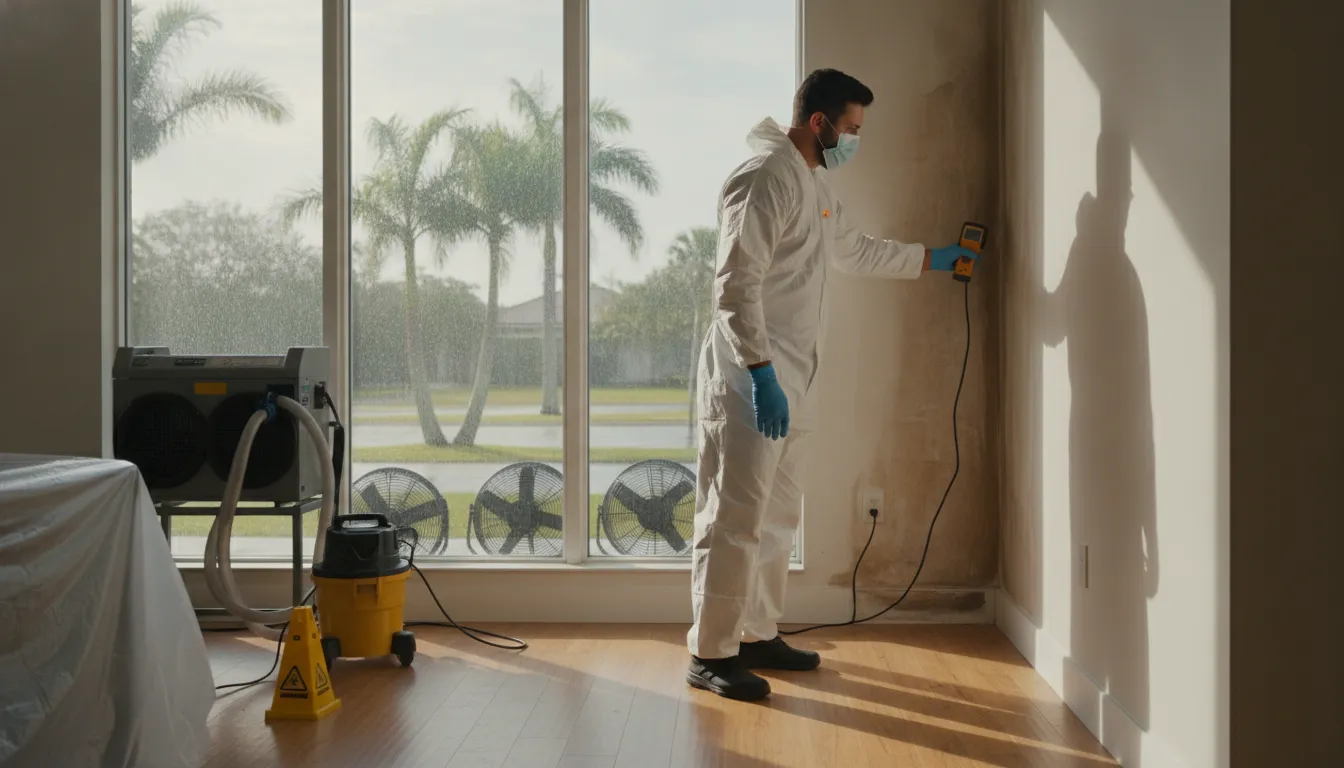
Restoration experts use tools like moisture meters and thermal imaging cameras to detect dampness that’s invisible to the naked eye. These instruments allow them to find hidden pockets of water in drywall, wood studs, and subflooring. If these materials are found to be wet, they may need to be opened up or replaced to ensure everything is completely dry. This careful monitoring is the final check that confirms your home is safe and fully restored.
Why Preventing Mold Is So Important
After a pipe bursts, your first instinct is to deal with the visible water. But the hidden threat that follows is often more damaging and harder to handle: mold. Once moisture seeps into your home’s structure, it creates the perfect environment for mold to thrive. This isn’t just about ugly spots on the wall; it’s a serious issue that can compromise your home’s air quality and structural integrity. Ignoring the potential for mold can lead to long-term problems that are far more expensive and complicated to fix than the initial water damage.
Taking swift, effective action is the only way to prevent a water problem from turning into a mold infestation. This is why a professional response is so critical. Experts have the right equipment and knowledge to thoroughly dry your property and apply treatments that stop mold before it can start. If you suspect mold is already present, tackling it requires specialized knowledge to ensure it’s removed safely and completely. A professional mold remediation plan is the best way to protect your home and your family’s health.
How Fast Mold Grows
It’s easy to underestimate how quickly mold can become a problem. In the right conditions, mold can begin to grow within just 24 to 48 hours of water damage. That’s an incredibly short window. By the time you’ve arranged for initial repairs and started cleaning up, mold spores could already be colonizing in damp drywall, insulation, or carpeting. This rapid growth is why you can’t afford to wait. Every hour that passes gives mold a better chance to take hold, spreading through hidden spaces and making the cleanup process much more complex. Immediate and thorough drying is your best defense.
The Health Risks of Mold
Mold’s impact goes far beyond property damage. When mold grows, it releases spores into the air that can cause a range of health issues, especially for those with allergies, asthma, or compromised immune systems. According to the Centers for Disease Control and Prevention, exposure can trigger symptoms like a stuffy nose, wheezing, and red or itchy eyes. For some, the reactions can be more severe. Living in a home with mold can lead to persistent respiratory problems and a general decline in well-being. Protecting your family’s health is one of the most important reasons to address potential mold growth immediately.
Professional Strategies to Prevent Mold
Preventing mold after water damage requires a more aggressive approach than simply opening a few windows. A professional team will start by removing any materials that are too saturated to save, like soggy drywall or insulation. Next, they use powerful, industrial-grade equipment like large dehumidifiers and high-velocity air movers. These tools are designed to run 24/7 to pull every last bit of moisture from the air and structural materials. Once the area is completely dry, surfaces are cleaned and sanitized to kill any lingering spores and prevent future growth, ensuring your home is safe and healthy again.
Common Water Damage Mistakes to Avoid
When you’re dealing with the stress of a burst pipe, it’s easy to make a few missteps. But knowing what not to do is just as important as knowing what to do. Avoiding these common mistakes can save you time, money, and a lot of future frustration.
Trying to DIY the Cleanup
It’s tempting to grab some towels and a bucket to handle a burst pipe on your own. While your quick thinking is great for initial water removal, a full DIY cleanup can cause more harm than good. Without the right equipment, it’s nearly impossible to remove all the moisture hidden in drywall, subfloors, and insulation. Incorrectly drying these areas can lead to structural rot and persistent musty odors. Professional water damage restoration teams use industrial-grade tools to ensure every last drop is gone, preventing these long-term headaches that often cost much more to fix down the road.
Misunderstanding Your Insurance Policy
One of the biggest shocks for homeowners can be discovering their insurance doesn’t cover all types of water damage. Many people assume a burst pipe is automatically covered, but policies can be tricky. Some might cover sudden and accidental events but exclude damage from slow, ongoing leaks that weren’t addressed. Before you even file a claim, it’s a good idea to review your policy to understand what’s included and what’s not. Calling your insurance agent right away can clear up any confusion and help you understand the next steps for a successful claim.
Overlooking Long-Term Damage
Water damage isn’t always as obvious as a puddle on the floor. Sometimes, the most serious problems are the ones you can’t see right away. A slight sag in the ceiling, a warped floorboard, or a faint stain on the wall can all signal trapped moisture. Ignoring these subtle signs is a recipe for disaster, as it gives mold the perfect opportunity to grow. What starts as a small, hidden leak can quickly turn into a major mold remediation project. Always inspect your home thoroughly after any water incident and address even minor issues before they become expensive, complicated problems.
Will Your Insurance Cover Burst Pipe Damage?
When you’re dealing with the shock of a burst pipe, one of the first questions that comes to mind is, “Who is going to pay for this?” The answer usually depends on your homeowners insurance policy and the specific cause of the break. While many policies do cover this type of disaster, the details can be tricky. Understanding what is typically covered, what’s excluded, and how to file a claim properly can make a huge difference in your financial recovery. It often comes down to whether the damage was sudden and accidental, not the result of a long-term problem you ignored.
What Your Policy Might Cover
The good news is that most standard homeowners insurance policies cover water damage from a burst pipe, as long as the event was sudden and accidental. Think of a pipe that freezes and cracks overnight or a supply line that abruptly fails without warning. Because this is a very common type of claim, insurance companies have a standard process for handling it. Your policy will likely cover the cost of drying out your home, repairing damaged drywall and flooring, and replacing ruined personal property. This is why it’s so important to call for professional water damage restoration immediately; your insurer wants to see that you’re taking steps to prevent further issues.
Common Policy Exclusions
Coverage isn’t guaranteed, and insurers will look closely at the cause. If the pipe burst because of a long-term, unaddressed maintenance issue, your claim will likely be denied. For example, a slow leak you knew about for months that eventually caused a pipe to corrode and break won’t be covered. Insurance is designed for unexpected events, not gradual neglect. It’s also important to know that while your policy may cover the water damage, it often won’t cover the cost of repairing the broken pipe itself. Additionally, some policies have specific limits or exclusions for mold, which can become a costly secondary problem after a pipe burst.
Tips for a Successful Claim
To give your claim the best chance of approval, you need to act quickly and document everything. Before you move or clean anything, take extensive photos and videos of the water-damaged areas, including soaked carpets, walls, furniture, and any affected belongings. This visual evidence is critical. Next, take immediate steps to prevent more damage, which is a requirement in most policies. This means shutting off the main water supply and calling a professional restoration team. When you contact us for emergency service, we can help you secure the area and begin the cleanup process. Finally, notify your insurance agent as soon as possible to get the claims process started.
When to Call a Professional for Water Damage
While a small spill can often be handled with a few towels, a burst pipe is a different league of problem. Knowing when to step back and call for professional help is key to protecting your home from serious, long-term issues. A DIY approach might seem faster or cheaper initially, but it can lead to bigger problems like structural damage and mold if the cleanup isn’t thorough.
When you’re facing a water emergency, the situation can feel overwhelming. Having a trusted team on your side makes all the difference. Professionals have the right equipment and expertise to handle the cleanup safely and effectively, giving you peace of mind when you need it most.
Signs It’s Time to Call the Pros
It can be tough to gauge the severity of water damage on your own. If you notice any of the following signs, it’s time to pick up the phone. Call a professional if you see significant flooding, standing water that isn’t receding, or visible cracks and breaks in your pipes. Another major red flag is water reaching electrical outlets or appliances; this creates a serious safety hazard that requires immediate expert attention. Even if the initial leak seems contained, water can seep into drywall, subfloors, and insulation, causing hidden damage that you might not discover until it’s too late. A professional water damage restoration team can find and address this hidden moisture.
What to Expect from a Restoration Team
When you call a professional team, you can expect a swift and organized response. The first step is always a thorough assessment to understand the extent of the damage. From there, the crew will get to work removing any standing water using powerful pumps and vacuums. Next, they’ll use specialized equipment like industrial-grade dehumidifiers and high-velocity air movers to dry out the affected areas completely. This step is critical to prevent mold growth, which can begin within 24 to 48 hours. Finally, they will clean and sanitize your home, restoring it to a safe and healthy condition. They’ll also monitor moisture levels throughout the process to ensure every last bit of dampness is gone.
How to Prevent Pipes from Bursting Again
After going through the stress and mess of a burst pipe, the last thing you want is a repeat performance. The good news is that you can take proactive steps to protect your home and plumbing system from future disasters. Preventing another burst pipe isn’t about luck; it’s about smart preparation and regular maintenance. By focusing on a few key areas, you can significantly lower the risk of facing another water damage emergency.
Think of it as a simple, three-part strategy for safeguarding your home. First, you’ll want to prepare your pipes for any sudden temperature drops, even here in Florida. Second, establishing a routine of regular inspections will help you catch potential problems long before they escalate. Finally, having a clear, practiced emergency plan in place ensures that if the unexpected does happen, you can act quickly to minimize the damage. Let’s walk through what each of these steps involves.
Prepare Your Pipes for Cold Weather
While we don’t face harsh winters in St. Petersburg, a sudden cold snap can still catch your plumbing off guard. Preparing your pipes for chilly weather is a simple but effective defense. Start by insulating any pipes located in unheated areas of your home, like the garage, attic, or crawl spaces. You can find pipe sleeves or insulation tape at any hardware store. Before temperatures drop, remember to disconnect and drain your outdoor hoses to prevent faucets from freezing. During a rare cold spell, open the cabinet doors under your sinks to allow warmer air to circulate around the pipes. If you’re concerned about a hard freeze, letting your faucets drip ever so slightly can keep water moving and prevent it from freezing solid.
Schedule Regular Pipe Inspections
Out of sight, out of mind is a dangerous approach when it comes to your home’s plumbing. Scheduling an annual inspection with a licensed plumber is one of the best investments you can make in preventing water damage. A professional can check your home’s water pressure to ensure it’s not too high, as excess pressure strains your pipes. They will also visually inspect accessible pipes for signs of corrosion, bulging, or small leaks that could signal a future break. This kind of preventative maintenance allows you to address minor issues with a simple repair, rather than dealing with a major catastrophe and costly restoration later on. It’s a small step that provides huge peace of mind.
Create a Home Emergency Plan
When a pipe bursts, every second counts. Knowing exactly what to do can save you thousands of dollars in damage. Your first step in any home emergency plan should be locating your main water shut-off valve. Make sure everyone in your household knows where it is and how to turn it off quickly. Practice turning the valve so you’re comfortable with it before an emergency strikes. Next, compile a list of emergency contacts and keep it somewhere accessible. This should include your insurance agent and a trusted, 24/7 restoration team. Having our number handy means you can get professional disaster recovery services on the way immediately to start mitigating the damage.
Related Articles
- St. Pete’s Top 5 Water Damage Restoration Services
- Water Damage Restoration: Your Guide to DIY vs. Pro
Frequently Asked Questions
What’s the difference between calling a plumber and a restoration company? Think of it this way: a plumber is like a surgeon who fixes the immediate injury, which is the broken pipe. A restoration company, like us, is the full recovery team. We handle the aftermath, addressing everything from water removal and structural drying to mold prevention and rebuilding damaged areas. You’ll likely need a plumber to repair the pipe, but you need a restoration specialist to make your home safe and whole again.
My water bill spiked, but I don’t see any water. What should I do? A sudden, unexplained increase in your water bill is one of the most common signs of a hidden leak. The water could be seeping into your foundation, behind a wall, or under your floorboards. The first step is to check for obvious sources like a running toilet. If you can’t find the cause, it’s best to call a professional to investigate. Ignoring it can lead to significant structural damage and mold growth over time.
How long does the professional drying process actually take? The timeline really depends on the extent of the damage, the materials affected, and the humidity levels. Generally, you can expect the drying equipment, like air movers and dehumidifiers, to run for about three to five days. Throughout this time, a professional team will monitor moisture levels with specialized tools to ensure everything, including the hidden spaces, is completely dry before they remove the equipment.
Is it safe for me to use a regular fan to dry a wet area? While it might seem helpful, using regular household fans can actually make the problem worse. They aren’t powerful enough to dry saturated materials effectively and can end up just spreading moisture around. More importantly, if the water is contaminated (Category 2 or 3), fans can blow harmful bacteria and mold spores into the air, creating a health hazard. Professional air movers are designed to create specific airflow patterns that promote rapid, controlled evaporation.
Will I have to move out of my house during the restoration? This depends entirely on the scope of the damage. For a smaller, contained issue, you can often stay in your home while we work. However, if the damage is widespread, affects essential areas like your kitchen or only bathroom, or if there’s a concern about air quality from mold, it may be safer and more practical to relocate temporarily. We can help you assess the situation and understand what to expect.