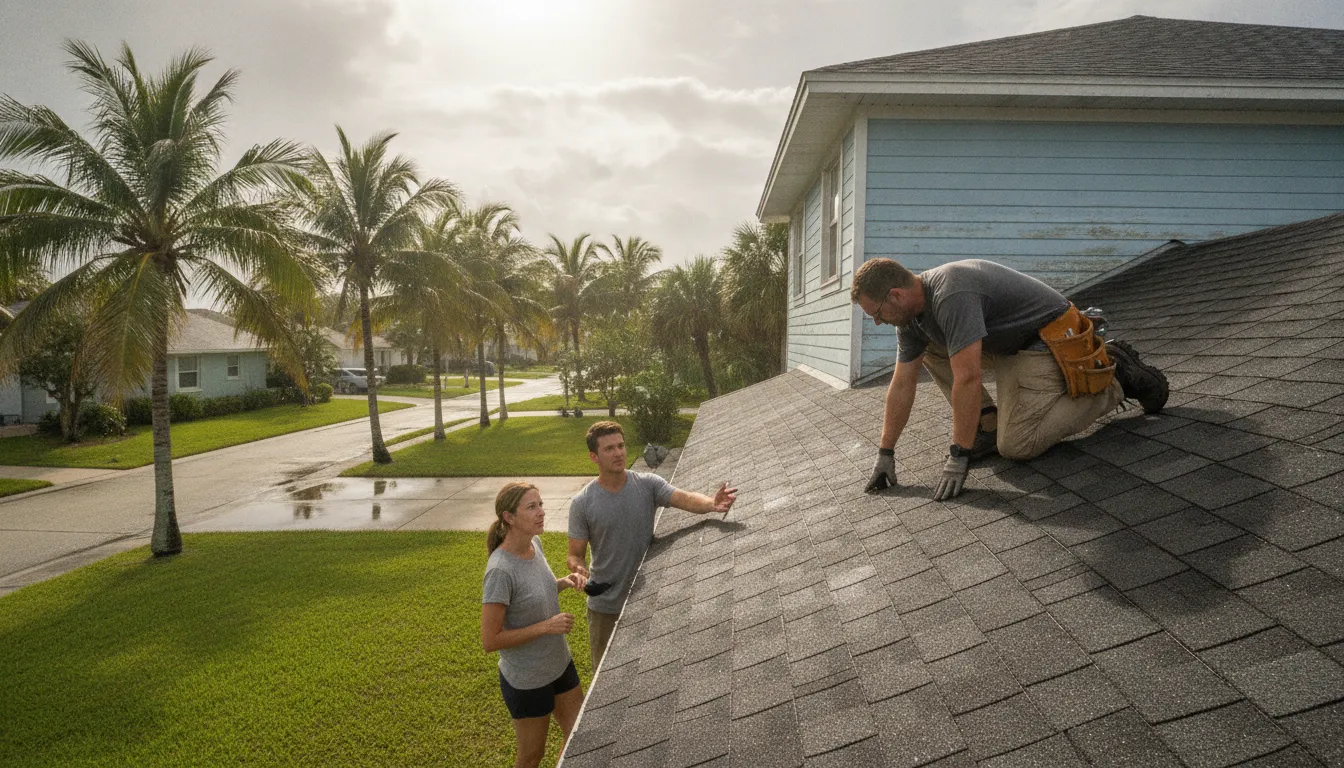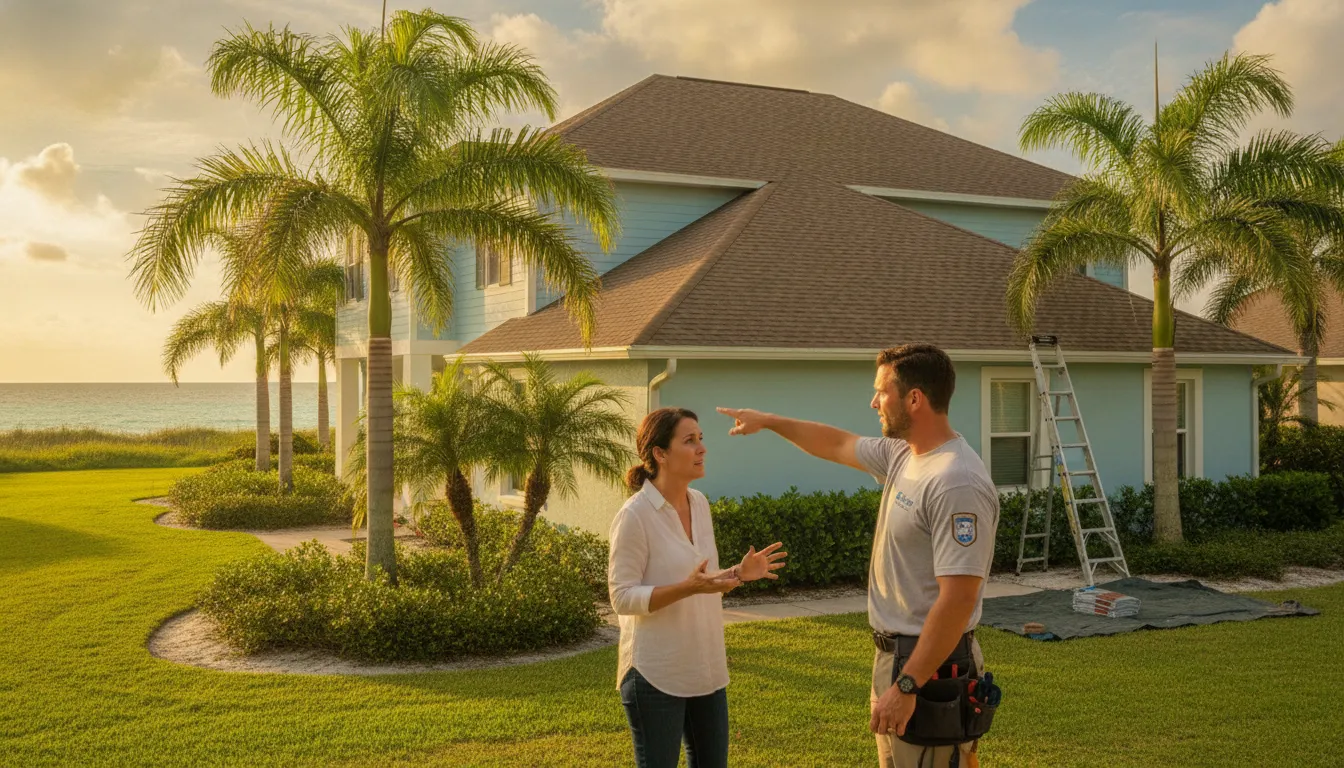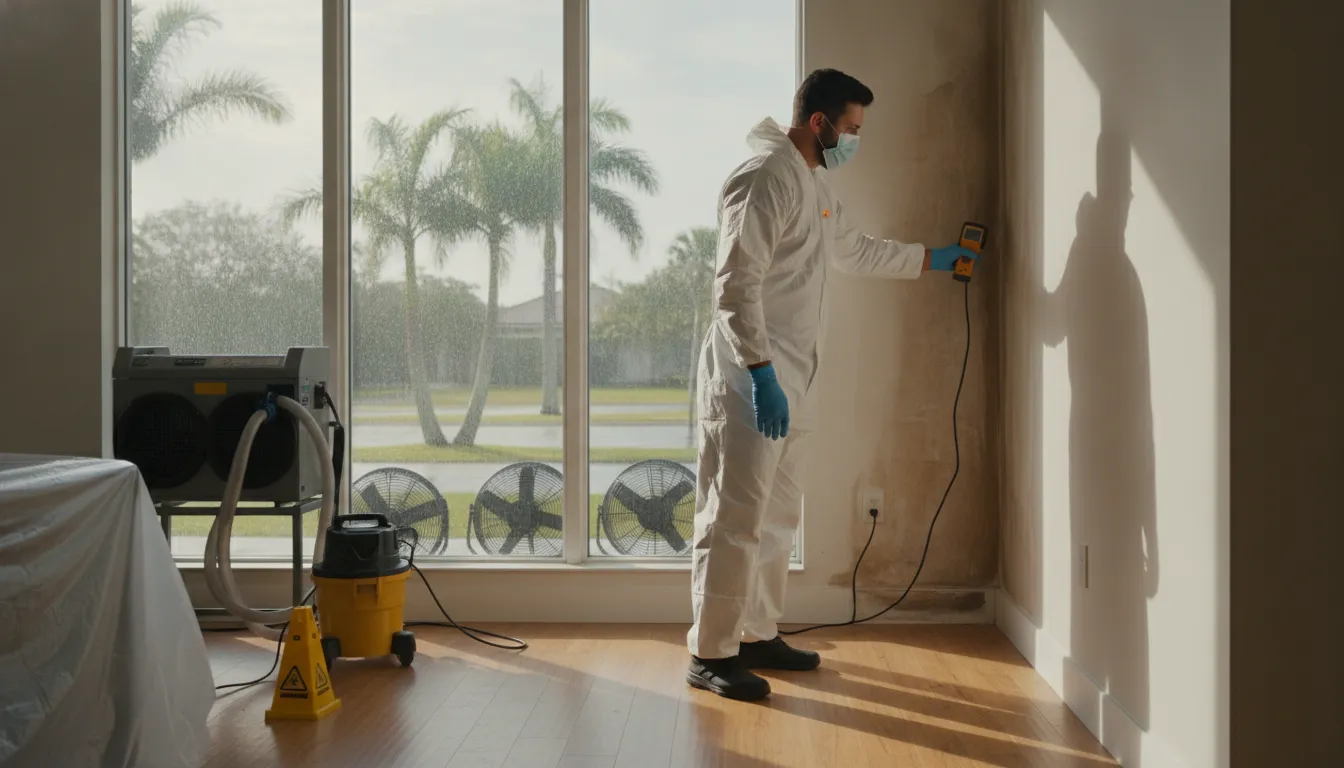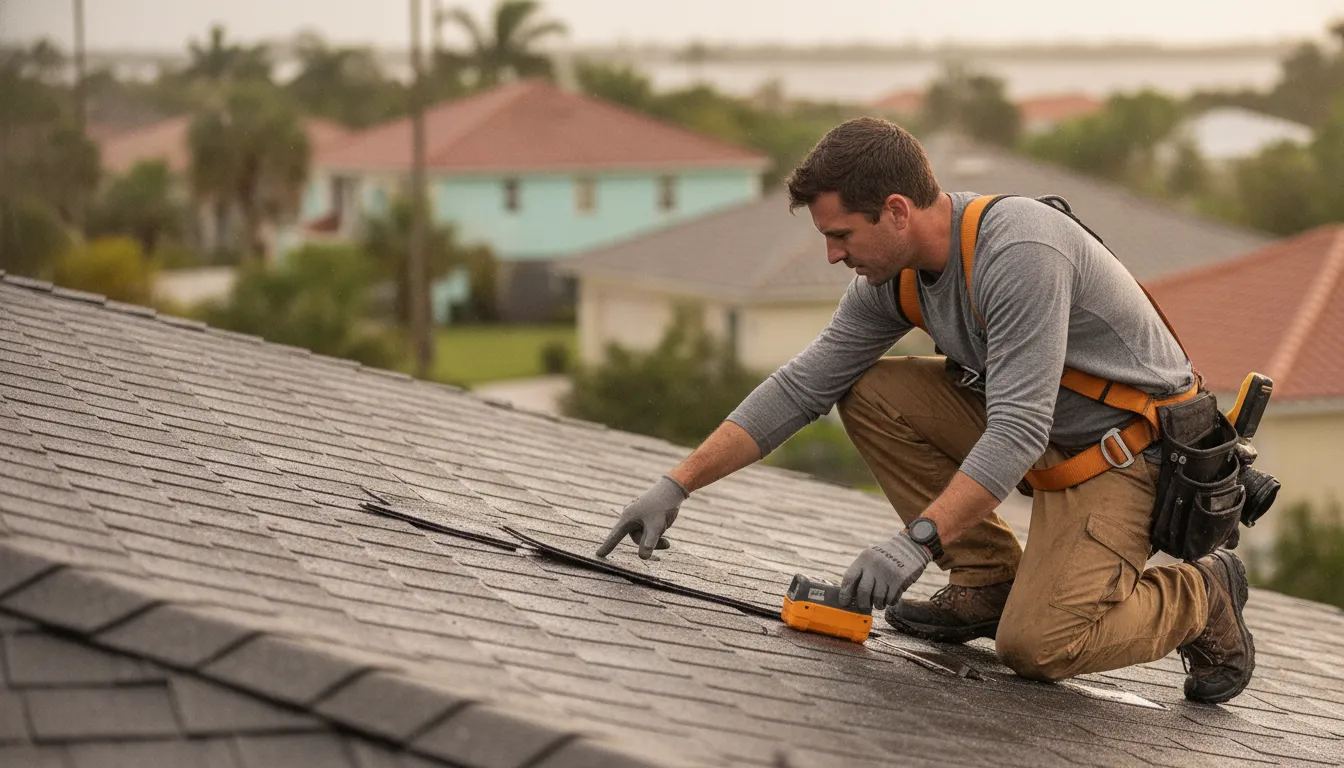
The water you can see is only the start of the problem. The real threat to your business often lies hidden beneath the surface. Moisture quickly seeps into drywall, insulation, and subflooring, creating a perfect breeding ground for mold in as little as 24 hours. This unseen damage can compromise your building’s structure and create serious health risks for your employees and customers. Simply mopping up the puddle isn’t enough. True commercial water damage restoration is a scientific process that uses specialized equipment to find and eliminate all moisture, protecting your property from long-term consequences.
Key Takeaways
- Act fast to limit business disruption: Water damage in a commercial property can cause mold in as little as 24 hours and lead to serious operational downtime. A quick response from a professional team is crucial to minimize financial losses and protect your building’s integrity.
- Choose a qualified restoration company: Not all companies are equipped for commercial jobs. Look for a team with 24/7 availability, industrial-grade equipment, and proper licensing and insurance to ensure the restoration is handled correctly and safely from start to finish.
- Be proactive with a prevention plan: You can reduce the risk and impact of water damage by creating an emergency response plan, scheduling regular property inspections, and installing water detection systems. A little preparation goes a long way in protecting your investment.
What is Commercial Water Damage Restoration?
Commercial water damage restoration is a specialized service designed to address water intrusion in business properties like offices, retail stores, warehouses, and multi-unit residential buildings. When water damage strikes your business, it’s not just about wet floors and damaged inventory. It can lead to serious financial losses, operational disruptions, and potential safety hazards for your employees and customers. The stakes are simply higher when your livelihood and the safety of others are on the line.
Unlike a simple cleanup, professional restoration involves a comprehensive, multi-step process. It starts with a thorough assessment of the damage, followed by immediate water removal, structural drying, dehumidifying, sanitizing, and finally, repairing the affected areas. The ultimate goal is to get your business back to its pre-damage condition as quickly and safely as possible. This requires industrial-grade equipment, technical expertise, and a strategic approach to minimize downtime. A professional water damage restoration team can handle everything from a burst pipe in an office building to widespread flooding after a storm, ensuring the job is done right so you can get back to work with peace of mind.
Water Mitigation vs. Water Restoration
When you’re dealing with a water-related disaster, you’ll likely hear the terms “mitigation” and “restoration” used, sometimes interchangeably. While they are related, they represent two distinct and crucial phases of the recovery process. Think of water mitigation as the emergency response. It’s the first thing that happens, and its goal is to stop the damage from getting worse. This includes extracting standing water, stabilizing the environment, and using specialized equipment to begin drying everything out. Speed is everything here. Since permanent damage and mold can begin to form in as little as 24 hours, immediate mitigation is essential to prevent mold growth and protect the structural integrity of your building.
Once the property is stable and dry, the water restoration phase begins. This is the process of repairing and rebuilding the areas that were damaged. Restoration focuses on bringing your property back to its original condition. This could involve replacing drywall, installing new flooring, or even major reconstruction, depending on the extent of the damage. You can’t have successful restoration without effective mitigation first. By stopping the source and removing the water quickly, you set the stage for a smoother and more efficient water restoration process, ultimately saving time and money while getting your business back on its feet.
Types of Commercial Properties We Serve
Water damage doesn’t pick and choose; it can impact any business at any time. The challenges, however, can be very different depending on the type of property. A leak in a restaurant kitchen poses different risks than a burst pipe in a multi-story office building or a flooded retail space. Each environment requires a unique approach to minimize disruption and address specific concerns, from protecting sensitive equipment and inventory to ensuring the safety of employees and customers. Understanding these nuances is key to effective commercial restoration and getting your operations back to normal as quickly as possible.
Our team has the experience and equipment to handle water damage across a wide range of commercial properties in the St. Petersburg area. We regularly work with property managers and business owners in various sectors, including office buildings, retail stores, restaurants and hospitality venues, warehouses, and multi-unit residential complexes like apartments and condos. No matter what type of business you run, you can trust that we have the expertise to manage the situation efficiently. We tailor our services to meet the specific needs of your property, ensuring a thorough recovery with minimal downtime.
Why Business Water Damage Hits Harder
Water damage in a commercial setting presents a unique set of challenges compared to a residential home. Business properties are typically larger and have more complex mechanical, electrical, and plumbing systems. This means water can travel farther and hide in more places, making the damage more extensive and difficult to contain. A small leak can quickly escalate, affecting multiple floors, neighboring units, or critical operational equipment.
Because of this complexity, time is absolutely critical. Every hour your business is closed or operating at a reduced capacity means lost revenue and productivity. The longer water sits, the greater the risk of structural damage and mold growth, which can lead to even costlier repairs and potential health issues for everyone in the building. A swift, professional response is essential to protect your assets and get your operations back on track.
Commercial vs. Residential: What’s the Difference?
The approach to commercial restoration is fundamentally different from residential work. The sheer scale is one of the biggest factors; a flooded warehouse requires a much larger team and more powerful equipment than a flooded basement. Commercial projects demand a well-coordinated approach to manage logistics, safety protocols, and communication with multiple stakeholders, including property managers, tenants, and insurance adjusters.
Furthermore, not all restoration companies are equipped to handle the demands of a commercial job. It requires a team with specific training and experience in commercial building codes and regulations. Choosing a company with a proven track record in disaster recovery services ensures they have the resources and knowledge to manage large-scale projects effectively, helping you reopen your doors with confidence.
Common Causes of Commercial Water Damage
Water damage doesn’t always announce itself with a dramatic flood. Sometimes, it’s a silent problem that grows behind the scenes. Understanding the common culprits can help you stay vigilant and protect your commercial property. From powerful coastal storms to a simple leaky pipe, the sources of water intrusion are varied, but the need for a swift response is always the same. Knowing what to look for is the first step in preventing a minor issue from becoming a major business disruption.
Storms and Severe Weather
Here in Florida, we’re no strangers to severe weather. Hurricanes, tropical storms, and intense thunderstorms can unleash a massive amount of water in a very short time, overwhelming drainage systems and causing flash flooding. High winds can damage your building’s exterior, creating openings for rain to pour in. When a major weather event hits, the damage can be immediate and extensive, shutting down your operations in an instant. Preparing your business for the aftermath is critical, and having a plan for disaster recovery can make all the difference in how quickly you can get back on your feet. A rapid response is key to mitigating the initial damage and preventing long-term problems.
Plumbing Failures and Leaky Roofs
Some of the most common causes of commercial water damage come from the building itself. A sudden burst pipe can flood an area within minutes, but slow, hidden leaks from aging plumbing can be just as destructive over time. This moisture can seep into walls, ceilings, and floors, compromising structural integrity and creating a perfect environment for mold to thrive undetected. Similarly, a compromised roof is a direct gateway for water intrusion. Even minor damage to your commercial roofing system can allow water to enter during a rainstorm, leading to stained ceilings, damaged insulation, and costly repairs if not addressed promptly. Regular inspections of your plumbing and roof are essential preventative measures.
Appliance Malfunctions and Sewer Backups
The equipment that keeps your business running can sometimes be the source of a water disaster. Malfunctions in HVAC systems, water heaters, fire sprinklers, or commercial-grade appliances can all lead to significant water release. These incidents are often unexpected and can cause damage to inventory, equipment, and the building itself. An even more hazardous issue is a sewer backup. This is considered a serious emergency because the water is contaminated with bacteria and pathogens, posing a significant health risk to anyone in the building. A sewer backup requires immediate professional intervention to ensure the area is safely cleaned, sanitized, and restored according to strict industry standards for handling contaminated water and flood damage.
Your Step-by-Step Guide to the Restoration Process
When your business is hit with water damage, knowing what comes next can provide some much-needed peace of mind. A professional restoration company follows a clear, systematic process to handle the situation efficiently and get you back to business. While every scenario is unique, the core steps are designed to address the damage thoroughly, from initial assessment to final repairs. Here’s a look at the five key stages of the commercial water damage restoration process.
Step 1: The Initial Damage Assessment
The first thing our team does upon arrival is a comprehensive assessment of the situation. Water damage in commercial properties presents unique challenges due to their size, complex systems, and the potential for major operational disruptions. We immediately work to identify the source of the water and stop it. Then, we classify the type of water (clean, gray, or black) to determine the right safety protocols. We carefully inspect and document the extent of the damage to walls, flooring, and contents. This detailed evaluation is crucial for creating an effective action plan and for your insurance claim process.
Step 2: Professional Water Extraction
Once the assessment is complete, the priority is to remove all standing water as quickly as possible. Time is a critical factor here. The longer water sits, the more damage it causes, and the risk of mold growth increases significantly, especially in large commercial structures. We use powerful, truck-mounted extraction equipment and submersible pumps to remove thousands of gallons of water in a short amount of time. This immediate action helps prevent secondary damage from spreading to unaffected areas of your property, saving you time and money on more extensive repairs down the road.
Step 3: Drying and Dehumidifying the Space
Removing standing water is just the beginning. Moisture can seep deep into porous materials like drywall, wood, and insulation, creating a hidden threat. Simply drying the surface isn’t enough. This phase requires a scientific approach and specialized equipment. We strategically place high-volume air movers to create airflow across surfaces, which accelerates evaporation. At the same time, industrial-grade dehumidifiers pull that moisture out of the air. We continuously monitor humidity levels and moisture content in materials to ensure your property is dried completely and correctly, right down to the structural level.
Estimated Drying Timelines
One of the first questions business owners ask is, “How long will this take?” The answer really depends on the situation. For minor issues, like a small leak from an appliance that’s caught quickly, the drying process might only take one to two days with proper airflow. For more moderate damage, such as a burst pipe that has soaked into drywall and flooring, you’re likely looking at three to five days. In cases of severe water intrusion from storms or major flooding, where water has deeply saturated structural materials, the drying process can take a week or even longer. The key is to start the professional drying process immediately to prevent further complications and get your doors back open.
Factors That Influence Drying Time
Several key factors determine how long it takes to dry your commercial property. The sheer volume of water is the most obvious one—more water simply takes more time to remove. The types of materials affected also play a huge role; porous materials like drywall, insulation, and carpet absorb moisture and take much longer to dry than non-porous surfaces. Here in Florida, the high ambient humidity can also slow down evaporation. This is why professional water damage restoration is so critical. Using industrial-grade air movers and dehumidifiers is the only way to effectively combat these factors and ensure your building is dried completely, which helps prevent secondary issues like mold growth.
Step 4: Cleaning and Preventing Mold
With the property thoroughly dried, the next step is to clean and sanitize the affected areas. This is essential for preventing the growth of mold, which can pose serious health risks and cause further structural damage. We use professional-grade antimicrobial treatments on surfaces to inhibit microbial growth. If mold has already started to develop, our certified technicians will begin the mold remediation process. Acting fast during the initial water removal and drying phases is the best way to reduce the chances of a widespread mold problem, which can add significant costs and delays to your recovery.
How Professionals Handle Mold Growth
Our primary goal is always mold prevention. By rapidly drying your property, we create an environment where mold simply can’t thrive. However, if mold has already taken hold, a professional approach is non-negotiable. We start by containing the affected area to prevent spores from spreading to other parts of your building. Using specialized equipment and following strict safety protocols, our team performs a thorough mold removal, addressing not just the visible growth but also the hidden spores within walls and other materials. After removal, we clean, sanitize, and treat the surfaces to ensure the mold doesn’t return, protecting the health of your employees and customers.
When to Call for Mold Remediation
Because moisture can create a breeding ground for mold in as little as 24 hours, you should act at the first sign of trouble. If you see visible mold spots—no matter how small—or notice a persistent musty odor, it’s time to call a professional. Even if you don’t see or smell anything, if water has been sitting in your property for more than 48 hours, it’s wise to get an assessment. The longer mold is left unaddressed, the more it spreads, leading to more extensive structural damage and higher repair costs. Don’t wait for a small issue to become a major problem; a quick response can save you significant time and money.
Step 5: Complete Restoration and Repairs
The final stage is bringing your property back to its pre-damage condition. This can range from minor repairs, like replacing drywall and painting, to major reconstruction, such as rebuilding entire sections of your facility. Our team handles all aspects of the restoration, ensuring that all repairs meet local building codes and regulations. We work diligently to get the job done right so you can reopen your doors with confidence. Our goal with our disaster recovery services is to minimize disruption and help you get your business back on track as smoothly and quickly as possible.
Step 6: Contents and Document Restoration
Water damage doesn’t stop at your walls and floors; it can ruin critical business assets like inventory, electronic equipment, and essential documents. Restoring these items is a specialized part of the recovery process that requires careful handling and specific techniques. Depending on the item, we might use methods like freeze-drying for important papers or specialized cleaning for electronics to salvage what’s possible. The goal is to save as much as we can to reduce your financial losses. Just like with the building itself, acting quickly is key to preventing irreversible damage and mold growth on your valuable contents. This careful attention to your business’s belongings is a vital step in a complete restoration service, helping you recover not just your space, but the essential items you need to operate.
The 3 Categories of Water Damage
Not all water is the same, especially when it’s flooding your property. When restoration professionals arrive, one of the first things they do is identify the type of water they’re dealing with. This helps them understand the health risks and determine the right approach for cleanup. Water damage is categorized into three main types, ranging from relatively harmless to seriously hazardous. Knowing the difference can help you understand the urgency and why calling for professional water damage restoration is so important for the safety of your employees and customers.
Category 1: Clean Water
Clean water is exactly what it sounds like: water that comes from a sanitary source. Think of a broken supply line, a leaky faucet, or an overflowing bathtub. While it’s the least dangerous of the three categories, don’t let the name fool you. Clean water can still cause immense damage to your building’s structure, flooring, and furnishings. If it’s not addressed quickly, it can soak into materials and create the perfect environment for mold to grow. The key with clean water is speed. The faster you get it removed and the area dried, the less long-term damage you’ll have to deal with.
Category 2: Gray Water
Gray water is the middle ground. It’s water that has been used, so it contains some level of contamination that could cause illness if ingested. Common sources of gray water include overflows from washing machines, dishwashers, or sinks. Because it contains soap, grease, and other waste, it’s not something you want to handle without proper protection. Gray water can quickly degrade and become more contaminated the longer it sits, so prompt and professional cleanup is essential. Our team has the right equipment to safely remove gray water and sanitize the affected areas to prevent health risks.
Category 3: Black Water
Black water is the most severe and hazardous type of water damage. It is grossly contaminated and contains harmful bacteria, pathogens, and toxins that pose a serious health threat. The most common sources of black water are sewage backups and floodwaters from rivers or streams, which pick up all sorts of contaminants on their way into your building. You should never attempt to clean up black water on your own. It requires specialized equipment and procedures to handle safely. If you’re facing a black water situation, your first call should be to a disaster recovery service to ensure the area is properly cleaned and disinfected.
Why a Fast Response Is Non-Negotiable
When your commercial property suffers water damage, time is not on your side. Every hour that passes allows the problem to worsen, leading to more extensive repairs, higher costs, and greater disruption to your operations. Acting quickly isn’t just about cleaning up a mess; it’s a critical business decision that protects your property, your finances, and your people. A swift response can be the difference between a minor inconvenience and a major catastrophe that puts your business on hold indefinitely.
The Critical 24-72 Hour Window
When water damage strikes your business, the clock starts ticking immediately. The first 24 to 72 hours are absolutely crucial, as this is when the most significant damage can be prevented. During this window, moisture seeps deep into porous materials like drywall, insulation, and subflooring, creating an ideal environment for serious problems. In fact, mold growth can begin in as little as 24 to 48 hours, introducing health risks and complicating the cleanup process. The longer water sits, the more it weakens structural components, turning a manageable issue into a costly one. A swift, professional water damage restoration response is the single best way to minimize damage and shorten the time your business is disrupted.
Prevent Mold and Further Damage
The most immediate threat after water damage is the potential for mold growth. In the humid Florida climate, mold can begin to develop within 24 to 48 hours in a damp environment. Commercial properties, with their complex HVAC systems and large, often windowless spaces, can be particularly susceptible. What starts as a simple water issue can quickly become a serious contamination problem requiring professional mold remediation. Beyond mold, prolonged exposure to moisture can cause secondary damage like warped flooring, crumbling drywall, and even compromised structural supports, turning a manageable repair into a complete overhaul.
Minimize Business Downtime
For any business, a closed door means lost revenue. Water damage can force you to shut down operations, leading to significant financial losses and disrupting the customer relationships you’ve worked hard to build. The longer your business is non-operational, the more it costs you. A rapid and effective response minimizes this downtime. By calling in a professional team for disaster recovery services immediately, you can get the restoration process started sooner, allowing you to reopen your doors and get back to business with minimal interruption to your bottom line.
Protect Your Employees and Customers
As a business owner, the safety of your employees and customers is your top priority. A water-damaged environment poses several health and safety risks. Beyond the respiratory issues caused by mold, standing water can conceal slip-and-fall hazards or compromise electrical systems, creating a risk of shock. The structural integrity of the building itself could also be at risk. Prompt water damage restoration addresses these dangers, ensuring your property is safe for everyone who walks through its doors. Taking immediate action is a fundamental part of maintaining a secure workplace.
What to Do While You Wait for Help
You’ve discovered water damage and made the crucial call for professional help. Those minutes while you wait for the team to arrive can feel helpless, but they don’t have to be. Taking a few immediate, strategic actions can significantly reduce the overall damage and streamline the restoration process. Think of it as first aid for your property. These steps are designed to protect your assets and ensure that when our team gets there, we can get to work as quickly and effectively as possible. Here’s what you can do to take control of the situation while help is on the way.
Turn Off the Water Source Safely
Your first and most important task is to stop the flow of water at its source. If you can safely identify where the water is coming from, like a burst pipe or a malfunctioning appliance, find the local shut-off valve and turn it off. If you can’t find the specific source or it’s not safe to approach, locate your building’s main water shut-off valve and close it. This single action can prevent thousands of gallons of additional water from flooding your space. Remember, safety is paramount. If water is near electrical panels or outlets, do not touch anything. In that case, it’s best to wait for the professionals who are trained to handle these hazardous situations.
Move Valuables to a Dry Area
While you wait, focus on protecting your most important assets from further harm. If the area is safe to enter, start moving valuable items to a dry, unaffected part of your building. This includes critical business documents, electronics, portable equipment, and high-value inventory. You can also place aluminum foil or wood blocks under the legs of heavy furniture to prevent water from wicking up and causing stains or damage. While mopping up visible water might seem like the right thing to do, the real threat is the moisture you can’t see. Leave the heavy-duty water extraction and drying to the experts, and concentrate on saving what you can.
Clear a Path for Restoration Professionals
When our restoration team arrives, we want to get to work immediately. You can help us do that by clearing a path to the affected area. Move any furniture, boxes, or equipment that might be blocking doorways or hallways. This ensures we can bring in our industrial-grade pumps, air movers, and dehumidifiers without delay. A swift response is essential to getting your operations back on track, and creating easy access allows our technicians to start the assessment and water removal process the moment they arrive. This simple step helps us work more efficiently, which ultimately speeds up the entire water damage restoration timeline for your business.
How to Choose the Right Restoration Company
When your business is flooded, choosing the right help can feel overwhelming. But the company you hire will determine how quickly and effectively you can reopen your doors. Not all restoration companies are created equal, and the differences in experience, equipment, and professionalism can have a huge impact on the outcome. You need a team that not only knows what they’re doing but also understands the urgency of getting your business back to normal. An inexperienced crew might miss hidden moisture, leading to costly mold problems and structural issues down the line. A professional team, however, can mean the difference between a minor interruption and a major financial loss. To make the best choice, focus on a few key areas: their expertise and tools, their availability, and their professional credentials. Taking a moment to verify these things upfront can save you from major headaches, additional costs, and prolonged downtime later.
Look for Certified Experts and Modern Equipment
Water damage restoration is a science. It requires professional expertise and specialized equipment to do the job right. A company without the proper training might miss hidden moisture, leading to mold growth and structural problems down the road. Look for a team with certified technicians who understand the complexities of water extraction and drying. They should arrive with industrial-grade equipment like powerful water extractors, commercial air movers, and dehumidifiers. This isn’t a job for shop vacs and house fans; the right tools ensure every last bit of moisture is removed from walls, floors, and other materials, preventing long-term issues.
Key Restoration Equipment to Look For
When a restoration crew arrives, you should see more than just a few fans. A professional team will use advanced tools to find and eliminate moisture you can’t see. They’ll likely start with moisture meters and infrared cameras to detect water hidden behind walls or under floors. This step is crucial because it pinpoints exactly where the problem areas are. After that, you’ll see the heavy-duty equipment come out: high-volume air movers to circulate air and speed up evaporation, and large commercial dehumidifiers to pull all that moisture out of the air. This combination is what truly dries out a structure and is a key part of any effective water damage restoration plan. Without this level of technology, you’re just guessing, and that can lead to bigger problems later on.
Confirm They Offer 24/7 Emergency Service
With water damage, every minute counts. The longer water sits, the more it soaks into your property, increasing the risk of mold and permanent structural damage. That’s why a company’s response time is so important. You need a team that offers a 24/7 emergency response and can be on-site quickly, no matter when disaster strikes. A swift response is the key to minimizing damage, controlling costs, and reducing the amount of time your business has to stay closed. When you call for help, the company you choose should be ready to act immediately.
Understanding Emergency Response Times
When a company promises a fast response, what does that actually mean for your business? It’s more than just a truck pulling into your parking lot. A truly effective emergency response means a team arrives ready to take immediate action, starting the water extraction and damage assessment process right away. The first few hours are absolutely critical. In Florida’s humid climate, mold can begin to form in as little as 24 hours, and prolonged water exposure can lead to serious structural issues. A delay of even a few hours can significantly increase repair costs and extend your business’s downtime. That’s why choosing a team committed to rapid disaster recovery services is one of the most important decisions you’ll make to protect your property and your bottom line.
Always Verify Their License and Insurance
Never hire a restoration company without verifying that they are fully licensed and insured. This is non-negotiable. A proper license proves they meet state and local requirements, while insurance protects you from any liability if an accident happens on your property during the restoration process. A professional company will also be familiar with local building codes and can help you manage the insurance claims process. Working with a licensed and insured team gives you peace of mind that the job will be done correctly, safely, and in compliance with all regulations. Always ask for proof before signing any contracts.
What Does Commercial Water Damage Restoration Cost?
When your business is hit with water damage, one of the first questions that comes to mind is, “How much will this cost to fix?” It’s a valid concern, as unexpected expenses can put a strain on any budget. The truth is, there’s no one-size-fits-all price for commercial water damage restoration. The final cost isn’t a standard figure because the process itself isn’t standard; it’s tailored to the unique circumstances of your property.
The price can vary widely based on how much damage occurred, the type of water involved, and the specific services your property needs to get back to normal. Think of it less like buying a product off the shelf and more like commissioning a custom repair plan. To give you a clearer picture, let’s break down the key factors that influence the cost, what you might expect to pay, and how your insurance provider fits into the equation. Understanding these elements will help you feel more prepared and in control during a stressful time.
What Factors Affect the Final Cost?
Several key variables determine the final cost of your restoration project. The most significant is the extent of the damage. A small leak contained in one room will naturally cost less than a major flood affecting multiple floors. The type of water is another critical factor; “clean water” from a supply line is simpler to handle than “black water” contaminated with sewage, which requires more intensive safety and cleaning protocols. Finally, the specific water damage restoration services required, such as mold remediation, structural repairs, or replacing drywall and flooring, will add to the total. Acting fast helps keep these costs down by preventing secondary issues from developing.
A Look at Average Restoration Costs
While every situation is different, it helps to have a general idea of potential costs. On average, commercial water damage restoration can range from $1,500 to $5,000. However, for severe cases involving extensive damage or large areas, the cost can easily exceed $10,000. These figures are simply a baseline. The price is directly tied to the size of the affected area, the amount of water that needs to be removed, and the complexity of the repairs. The best way to get an accurate figure for your specific situation is to have a professional from our team come out and provide a detailed assessment and estimate.
Costs by Class of Damage
Professionals classify water damage into four classes, which helps determine the scope of the work. Class 1 is the least severe, involving a small area with little absorbed water, and usually costs between $150 and $500 to address. Class 2 is more significant, with water soaking into carpets and up walls, pushing costs to between $550 and $1,000. When the damage is extensive, affecting ceilings, walls, and floors, it’s considered Class 3, with costs starting around $1,100 and going up to $3,200 or more. The most complex is Class 4, which involves hard-to-dry materials like concrete or hardwood. This requires specialized drying techniques, and costs can range dramatically from $20,000 to over $100,000.
Costs by Water Contamination Level
The type of water involved is another major factor in the final price. Category 1, or “clean water,” comes from a sanitary source like a broken pipe and is the most straightforward to handle, typically costing $3 to $4 per square foot. Category 2, or “gray water,” is slightly contaminated from sources like a dishwasher overflow and costs more to treat, around $4 to $7 per square foot. The most hazardous is Category 3, or “black water,” which contains dangerous contaminants from sewage or floodwaters. Due to the serious health risks, this cleanup is the most intensive and expensive, costing about $7 to $7.50 per square foot and often requiring the complete replacement of affected materials.
Costs Based on Location of Damage
Where the water damage occurs in your building also significantly influences the restoration cost. Damage contained to a ceiling might run from $300 to $1,000, while repairing a single water-damaged wall can cost between $500 and $2,000. Flooring is often more expensive, with costs ranging from $500 to over $5,000, depending on the material. Basements, being below ground, are prone to extensive issues and can cost anywhere from $2,000 to $10,000 to restore properly. If the water has compromised the building’s structural frame, the repairs become much more complex and critical for safety, with costs potentially ranging from $5,000 to $20,000 or more.
Typical Mold Remediation Costs
If water damage isn’t addressed quickly, mold growth is almost guaranteed, which adds another layer of complexity and cost to the project. Professional mold remediation is a specialized service that ensures your property is safe for everyone. On average, business owners can expect mold cleanup to cost between $3,000 and $10,000. This process involves containing the affected area to prevent cross-contamination, removing all mold growth, and treating surfaces to stop it from returning. A qualified restoration company can assess the extent of the mold problem and help you understand how it might be covered under your insurance policy.
How to Work With Your Insurance Company
Many business owners assume their insurance will cover the full cost, but it’s important to check your policy. While many commercial property insurance policies do cover water damage, the specifics can vary. It’s essential to understand your policy details to know what is and isn’t covered. A professional restoration company like Go Time Restoration can be a huge asset here. We provide thorough documentation, including photos and detailed reports of the damage and the work performed, which can simplify the insurance claims process. We’ll work with you and your provider to ensure everything is properly recorded, helping you get the coverage you’re entitled to.
What Insurance Typically Covers (and What It Doesn’t)
Generally, your commercial property insurance will cover damage from sudden and accidental events, like a burst pipe or a water heater failure. However, most standard policies have important exclusions. They typically won’t cover damage that results from a lack of maintenance, such as a slow, persistent leak you haven’t fixed. The biggest exclusion to be aware of, especially here in Florida, is damage from natural flooding. A standard policy does not cover water damage from rising rivers or storm surges. For that, you need a separate commercial flood insurance policy. The source of the water is what really matters. For instance, if a storm damages your roof and water gets in, the repairs are often covered. This is why it’s so important to read your policy carefully to understand its limits and work with a professional team that provides the detailed documentation your adjuster needs.
Common Restoration Hurdles Your Business Might Face
When your business is hit with water damage, the path to recovery can feel complicated. Unlike residential properties, commercial buildings present a unique set of obstacles that can make the restoration process more complex. From the sheer scale of the damage to the web of regulations and stakeholders involved, getting your business back on its feet requires a strategic approach.
Understanding these potential hurdles ahead of time can make a world of difference. It helps you prepare for what’s to come and ensures you partner with a restoration team that has the experience to handle every challenge. The goal is to get your doors back open as safely and quickly as possible, and knowing the landscape is the first step. A professional team can help you manage these issues, minimizing downtime and protecting your investment.
Managing Widespread Property Damage
One of the biggest challenges with commercial properties is the scale. A leak in an office building or warehouse isn’t just a puddle in the corner; it can affect multiple floors, complex HVAC systems, and specialized equipment. Because commercial structures are larger and have more intricate mechanical systems, water damage is often far more extensive than in a home. This can lead to significant operational disruptions and financial losses. A restoration company needs the right industrial-grade equipment and a large enough team to tackle the job efficiently, ensuring every affected area is properly addressed.
Staying Compliant with Building Codes
Getting your property back to its pre-damage condition isn’t just about repairs. It’s also about compliance. After a disaster, all restoration work must meet current building codes and local regulations, which may have been updated since your property was last built or renovated. This means securing the right permits and ensuring all repairs are up to standard, which adds another layer of complexity to the project. Working with a licensed and insured team that understands St. Petersburg’s specific requirements is essential for a smooth and legally sound disaster recovery process.
Juggling Tenants, Insurers, and Timelines
If you lease your commercial space, you’re not just dealing with the physical damage. You’re also managing communication with tenants who need to know when they can safely return and what to expect. On top of that, you have to work closely with your insurance provider, providing detailed documentation to support your claim. Juggling the needs and expectations of multiple parties requires clear communication and organization. A professional restoration partner can help manage these moving parts, providing the necessary reports for insurers and keeping everyone informed so you can focus on your business.
3 Commercial Water Damage Myths, Busted
When your business is hit with water damage, it’s easy to fall for common misconceptions that can lead to bigger problems and higher costs. Understanding the truth behind these myths helps you make smarter decisions when every minute counts. Let’s clear up a few things so you can protect your property, your employees, and your bottom line. Getting the facts straight from the start is the best way to get your business back on track quickly and safely.
Myth #1: “A little water is a simple DIY job.”
The urge to grab a mop and bucket is understandable, but commercial water damage is rarely a DIY job. What looks like a small problem on the surface can hide moisture trapped in walls, under flooring, and within structural materials. Attempting to manage the cleanup without professional equipment can lead to incomplete drying, which creates a perfect environment for mold growth. Professional water damage restoration uses specialized tools and expertise to ensure every affected area is thoroughly dried and sanitized, preventing long-term structural issues and health risks.
Myth #2: “My insurance policy covers all types of water damage.”
While your commercial property insurance is a critical safety net, it’s a mistake to assume it covers all types of water damage. Policies often have specific exclusions, such as damage from gradual leaks or certain types of floods. It’s essential to read your policy carefully to understand your coverage limits and requirements. A professional restoration company can help by providing detailed documentation of the damage, which is crucial for filing a successful claim. They can work with your provider to make sure all covered services are properly accounted for.
Myth #3: “The property will be back to normal in a day.”
Everyone wants their business back to normal as soon as possible, but proper water damage restoration isn’t an overnight fix. The timeline depends entirely on the extent of the damage, the type of water involved, and the materials affected. The process involves several critical steps, from water extraction and drying to cleaning and final repairs. Rushing the process, especially the drying phase, can lead to hidden moisture and future problems. A reliable disaster recovery team will give you a realistic timeline and keep you informed every step of the way.
How to Prepare Your Business for a Water Emergency
You can’t predict when a pipe will burst or a storm will cause flooding, but you can control how prepared you are. Taking proactive steps to create a plan and maintain your property is the best way to protect your business from the costly downtime and damage that water emergencies cause. A little preparation now can save you significant stress and money down the road. Here are three key actions you can take to get your business ready.
Develop an Emergency Action Plan
The worst time to figure out your emergency plan is during an actual emergency. A pre-disaster plan is your roadmap for what to do when water damage occurs. This document should outline every critical step, including a list of emergency contacts (like your restoration company, insurer, and plumber), clear evacuation routes, and simple instructions for shutting off utilities like water and electricity.
Make sure your team knows this plan exists and understands their roles. Keep a printed copy in an accessible place and a digital version saved to the cloud. Having a clear, established protocol helps everyone stay calm and take swift, effective action, which is essential for minimizing damage. A solid plan is the foundation of any effective disaster recovery.
Conduct Routine Maintenance Checks
Many major water damage incidents start as small, undetected problems. That’s why regular property inspections are so important. By proactively checking your plumbing, roof, and HVAC systems, you can catch potential issues before they become catastrophic failures. A slow leak under a sink or a few damaged shingles on the roof might not seem urgent, but they can lead to widespread water damage and mold growth over time.
Set a recurring schedule for professional inspections, especially for your roof, which is your building’s first line of defense against the elements. Keeping up with routine maintenance and repairs is one of the smartest investments you can make to prevent costly, large-scale water and flood damage later on.
Install Water Leak Detectors
Technology can be a powerful ally in preventing water damage. Modern water detection systems and smart sensors are designed to catch leaks the moment they start. These devices monitor moisture levels in vulnerable areas like bathrooms, kitchens, and basements. If they detect a leak or unusual moisture, they can send an immediate alert directly to your phone or building management system.
This early warning allows you to intervene quickly, often before significant damage occurs. For a business, this is especially valuable because it provides 24/7 monitoring, protecting your property even when no one is there. Installing these systems is a straightforward, cost-effective way to add another layer of protection and peace of mind for your commercial property.
Consider a Pre-Loss Disaster Plan
A pre-loss disaster plan is one of the most powerful tools you can have. It’s a detailed guide that outlines exactly what to do the moment a water emergency happens, so you’re not scrambling in a crisis. This plan should include a list of key contacts—think of your plumber, your insurance agent, and a trusted restoration team you can contact 24/7. It also needs clear, simple instructions for shutting off the main water and electrical supplies. By defining these steps and assigning roles to your team ahead of time, you replace panic with a clear, actionable strategy.
The real value of this plan is speed. When water is spreading, every second counts, and having a pre-defined protocol allows your team to act decisively. This swift response is crucial for minimizing the scope of the damage and reducing the amount of time your business has to stay closed. Make sure everyone on your team knows where to find the plan—both a physical copy and a digital one—so it’s always accessible. A well-communicated plan is the cornerstone of an effective disaster recovery strategy, turning a potential catastrophe into a manageable situation.
Related Articles
- How to Find the Best Water Damage Restoration Company
- Water & Flood Damage Restoration in Ranchero Village, FL
Frequently Asked Questions
What should I do immediately after discovering water damage at my business? First, prioritize safety. If there is significant standing water, shut off the electricity to the affected area to prevent any electrical hazards. If you can safely identify and stop the source of the water, like turning off a main water valve, do so. Then, your next call should be to a professional restoration company. The sooner our team can get on-site, the more effectively we can limit the damage and start the recovery process.
Can my business stay open during the restoration process? This really depends on the extent and location of the damage. For smaller, contained issues, we can often work by sectioning off the affected area to allow the rest of your business to operate with minimal disruption. However, in cases of widespread damage or contamination from black water, a temporary closure might be necessary for the safety of your employees and customers. Our primary goal is always to get you back to full operation as quickly and safely as possible.
How long does the commercial water damage restoration process usually take? The timeline varies for every project because it depends on factors like the size of the affected area, the materials involved, and the amount of water. A minor incident might only take a few days, while extensive damage could require several weeks. The drying phase is the most critical and cannot be rushed; ensuring your property is completely dry is key to preventing future mold growth. We will provide you with a clear and realistic timeline after our initial assessment.
What happens to my business’s equipment, furniture, and inventory? Protecting your assets is a key part of our process. We will assess all contents to determine what can be salvaged. Items that are salvageable may be moved to an unaffected area of your property or taken to a secure, off-site facility for specialized cleaning and restoration. We carefully document everything, which is essential for your insurance claim, and work to restore as much as we can to its pre-damage condition.
Is it possible to get rid of the musty smell after water damage? Absolutely. That musty odor is often a sign of lingering moisture or the beginning of microbial growth. A professional restoration process doesn’t just remove the water; it also eliminates the odors. We use industrial-grade air scrubbers, fogging equipment, and specialized cleaning agents to deodorize and sanitize the property, ensuring the air is clean and healthy when you reopen for business.