Just found water damage in Pinellas County? These are the critical first steps for safety, damage control, and effective property restoration.
Share:

Summary:
Your immediate priority after discovering water damage must be safety. Before rushing in, take a moment to assess potential hazards. The most significant risk is often electrical; if there’s substantial standing water or soaked ceilings near electrical outlets, appliances, or the breaker box, do not enter the area. Turn off the electricity at the main breaker if you can do so safely without wading through water. Also, be mindful of slip-and-fall hazards on wet surfaces. In cases of severe flooding or structural compromise (e.g., sagging ceilings), evacuate the building immediately. Once safety is addressed, try to identify the source of the water intrusion—is it a plumbing leak, an overflowing appliance, rainwater, or floodwater? Stopping the source is paramount; if it’s safe, shut off the main water supply valve to your property or the specific valve for the leaking fixture. Understanding the source also helps determine the water category (Clean, Gray, or Black water), which dictates the necessary safety precautions and the approach needed for water damage restoration
Before moving anything or starting extensive cleanup (beyond immediate safety measures), meticulously document the damage. This evidence is indispensable for your insurance claim and crucial for a smooth disaster recovery process. Use your smartphone or a camera to take numerous photos and videos covering all affected areas. Capture the extent of water intrusion, saturated carpets, wet walls (show the water line height if possible), damaged furniture, appliances, electronics, and any personal belongings impacted. Make a written inventory of damaged items as well. Resist the urge to discard damaged items immediately, as your insurance adjuster will likely need to inspect them, unless they pose a significant health hazard (like contaminated materials). Detailed documentation provides undeniable proof of loss and helps validate your claim for property restoration.
Before moving anything or starting extensive cleanup (beyond immediate safety measures), meticulously document the damage. This evidence is indispensable for your insurance claim and crucial for a smooth disaster recovery process. Use your smartphone or a camera to take numerous photos and videos covering all affected areas. Capture the extent of water intrusion, saturated carpets, wet walls (show the water line height if possible), damaged furniture, appliances, electronics, and any personal belongings impacted. Make a written inventory of damaged items as well. Resist the urge to discard damaged items immediately, as your insurance adjuster will likely need to inspect them, unless they pose a significant health hazard (like contaminated materials). Detailed documentation provides undeniable proof of loss and helps validate your claim for property restoration.
While waiting for professionals to arrive, and only if it is safe to do so (no electrical hazards, stable structure), you can begin some initial water removal. Removing excess standing water quickly helps minimize absorption into porous materials like drywall, wood subfloors, and furniture. Use mops, buckets, towels, or a wet/dry shop vacuum (plugged into a safe, dry outlet far from the water) to extract as much water as possible from hard surfaces and saturated carpets. You can also carefully move wet items like rugs or furniture off soaked carpets, placing foil or plastic blocks under furniture legs to prevent staining and rust marks. Professionals like Go Time Roofing and Restoration will arrive with powerful, truck-mounted or portable extraction units and submersible pumps capable of removing large volumes of water far more efficiently. Their initial flood damage cleanup also involves identifying and removing non-salvageable materials, such as soaked carpet padding, which acts like a sponge and hinders drying. Rapid water removal is a cornerstone of effective property restoration.
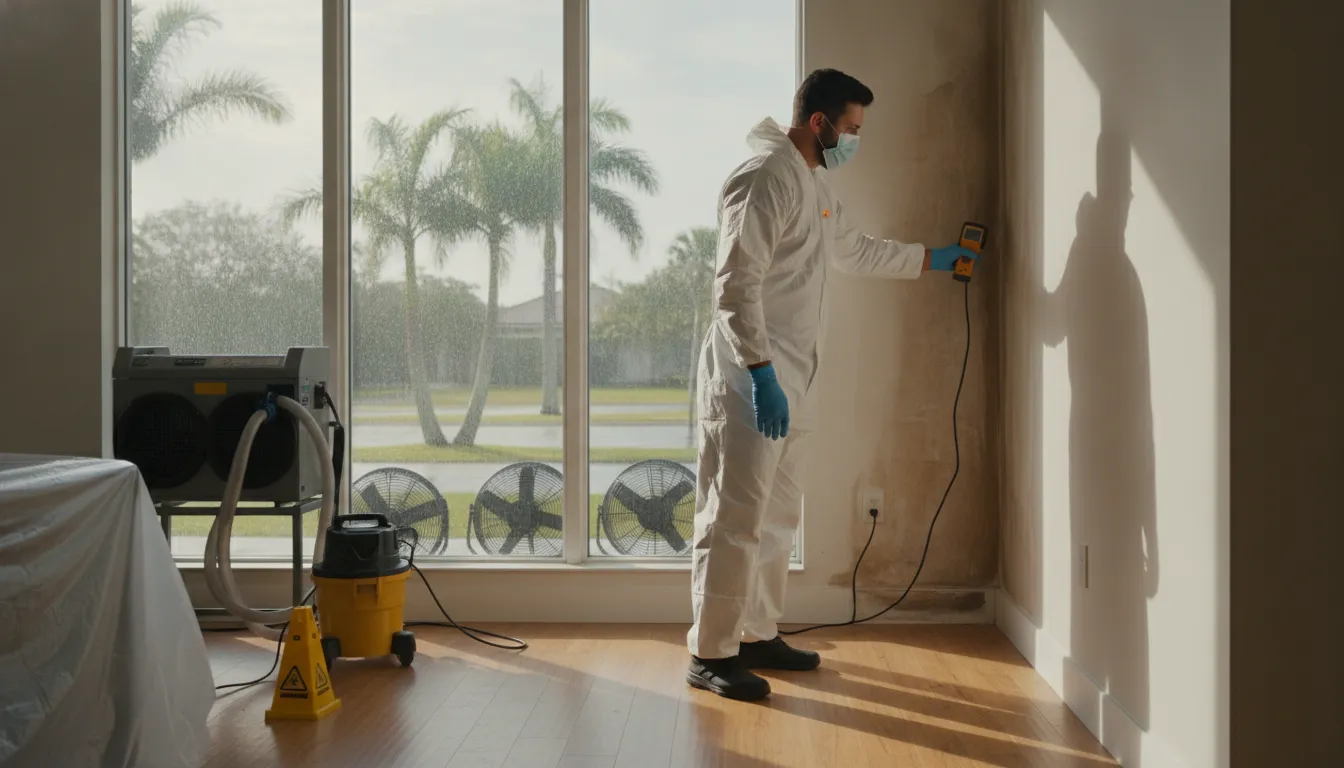
Water removal is just the first phase; thorough drying is essential to prevent devastating secondary damage, particularly mold growth. Mold can begin to develop within 24 to 48 hours in damp, humid conditions – a common scenario in Pinellas County. Professional water damage restoration focuses heavily on structural drying. Technicians use specialized equipment like high-velocity air movers strategically placed to accelerate evaporation from wet surfaces (floors, walls, ceilings). Commercial-grade dehumidifiers (refrigerant or desiccant types) run continuously to pull excess moisture from the air, drastically speeding up the drying process compared to simply opening windows. Crucially, professionals use moisture meters (both surface and penetrating types) and sometimes thermal imaging cameras to monitor the drying progress. This technology allows them to detect hidden moisture pockets within walls or under floors, confirming that materials are returned to their normal, dry standard. Following cleaning, EPA-registered antimicrobial agents may be applied to affected surfaces to inhibit microbial growth. Prompt and thorough drying minimizes the need for extensive mold removal later and prevents secondary issues like wood warping, drywall deterioration, insulation breakdown, and paint blistering.
Navigating the insurance claim process is a key part of disaster recovery after significant water damage. Keep your insurance provider informed from the outset. Contact your agent or the claims department as soon as possible after the incident to report the loss. Provide them with the detailed documentation (e.g. photos, videos, lists) you gathered earlier. Be prepared to answer questions about the cause and extent of the damage. Understand your policy coverage and deductible. Professional restoration companies like Go Time Roofing and Restoration frequently work directly with insurance companies, providing necessary documentation, estimates using industry-standard software, and progress updates, which can greatly simplify the claims process for you during a stressful time. Maintaining open communication with both your insurer and your chosen emergency restoration team facilitates a smoother path toward restoring your property.
In summary, discovering water damage demands immediate, decisive action. Prioritizing safety, stopping the water source, thoroughly documenting the scene, and contacting professionals without delay are the most critical first steps. These initial actions, especially when followed by rapid professional water removal and scientifically managed drying processes, are essential for minimizing damage, preventing mold growth, and setting the stage for effective water damage restoration. The hours immediately following water intrusion are pivotal; hesitation can lead to significantly increased damage and restoration costs. For expert assistance with emergency restoration, flood damage cleanup, and thorough property restoration in Pinellas County, rely on experienced professionals. Contact Go Time Roofing and Restoration today to start the recovery process and let their team guide you through restoring your property to its pre-damage condition safely and efficiently.
Article details:
Share:
Continue learning: