Go Time Roofing & Restoration helps Florida homeowners answer two urgent roof leak questions at the same time: how do you stop the water, and will insurance help pay for the damage? The short answer is that coverage depends on the cause. If the leak came from sudden storm damage, wind-driven rain, hail, or a fallen object, your policy may cover the roof damage and the related interior water damage. If the leak came from age, rot, poor upkeep, or a slow problem that was never repaired, the claim may be denied.
Call (727) 430-3079 for emergency roof leak help in St. Petersburg and Pinellas County.
So, does homeowners insurance cover roof leaks in Florida? It can, but only when the damage matches a covered peril in your policy and you document the loss the right way. Florida homeowners also have a duty to reduce further damage after a loss. That means temporary protection, photos, receipts, and a prompt call to your insurance company all matter.
This guide from Go Time explains what usually helps a roof leak claim, what can weaken it, and how a licensed roofing and restoration team can support the inspection and mitigation process.
Does homeowners insurance cover roof leaks in Florida?
The short answer
Florida homeowners insurance may cover a roof leak when sudden, accidental damage causes the water entry. A storm-damaged roof or wind-driven rain may fit that type of loss. A leak tied to long-term wear, slow seepage, or missed upkeep is often excluded.
The final answer comes from your policy, not from a general rule. Florida’s Department of Financial Services states that policy forms can differ among insurers. It also directs each consumer to refer to the specific policy for coverage information in its general disaster FAQs.
Cause of the leak
For a roof leak claim, the cause matters as much as the wet ceiling or damaged drywall. A carrier may review whether a sudden event opened the roof. It may also look for signs that water entered over time.
- A sudden roof opening after a storm may fall within covered damage, based on the policy terms.
- A slow leak, aged material, or poor maintenance may fall within exclusions.
- Coverage for roof repair and coverage for indoor water damage may be addressed separately in the policy.
This difference matters in Pinellas County, where one leak can affect roofing materials and rooms below. If indoor water damage needs prompt attention, Go Time Roofing and Restoration can help limit added damage while the claim is reviewed.
The same visible stain can start from more than one cause. A roofer can record roof conditions and needed repairs. The insurer decides whether the cause and damage fall within your policy terms.
What to check in your policy
Start with the declarations page, deductible terms, covered causes of loss, and exclusions. Look for roof age rules, windstorm or hurricane terms, water damage language, and any managed repair requirements. Ask the insurer or agent to explain unclear wording before repair work begins.
If a leak follows a storm, protect the home from more harm without hiding the cause. Florida consumer guidance says the insurance contract requires temporary repairs to prevent further damage. It also advises keeping receipts for emergency repair materials in the state disaster claim guidance.
Photograph the affected roof area, ceiling stains, wet materials, and temporary protection before permanent repairs. Report the loss as soon as possible, then keep claim messages and receipts together. Clear records help the insurer review what happened and which policy terms apply.
Covered roof leaks vs. denied roof leak claims
The cause matters most
When homeowners ask, “does homeowners insurance cover roof leaks in Florida,” the answer often starts with the cause. A sudden storm event may support a claim. A leak tied to long-term roof decline may not. Florida guidance is clear that your own policy controls specific coverage, since company forms can differ.
A roof leak is not one single type of loss. Wind-driven rain through storm-damaged roofing is different from water entering through worn flashing for months. An adjuster may look for the event, the roof condition, and signs of how long water was present.
Common coverage questions
The table below is a practical starting point, not a coverage decision. Use it to sort what happened before you report the loss. Then review your policy and speak with your carrier about the facts of your claim.
| Roof leak cause | Claim question | Helpful evidence |
|---|---|---|
| Wind or storm damage | Was the opening sudden? | Storm date, roof photos, wet areas |
| Hail impact | Did a storm damage roofing? | Impact marks, inspection notes |
| Falling object | Did an object create an opening? | Debris and damaged roof photos |
| Wear, rot, or age | Was decline already present? | Repair history, roof condition |
| Neglect or slow leak | Was water entering over time? | Stains, prior reports, mold signs |
| Animal damage | Does the policy exclude it? | Entry point and inspection notes |
For wind, hail, falling objects, or a storm-created opening, document the sudden event and resulting water damage. For wear and tear, rot, neglected repairs, slow leaks, or animal entry, expect closer review of exclusions. A claim may turn on whether the opening came from a covered event or an upkeep issue.
Separate what you observed from what you assume. Note when you first saw water, where it entered, and what the roof looked like after the event. Clear records help the carrier compare a sudden loss with damage that developed over time.
Evidence before repairs
Do not wait for stains to spread before taking safe action. Photograph the roof damage, ceiling marks, wet materials, and temporary work. Florida consumer guidance calls for temporary repairs that prevent more damage and receipts for emergency repair supplies.
Interior water damage may need fast drying while claim review continues. Go Time provides water damage cleanup services when a leak affects the home. Keep damaged items until the insurer completes its inspection, unless leaving them creates a safety risk.
Once the home is safe, notify the insurer and give a clear account of what happened. If storm damage caused the leak, include weather timing and photos. If the leak developed slowly, be accurate about that history rather than guessing at a cause.
What should you do after a storm causes a roof leak?
A storm leak can turn a small roof opening into wet ceilings, flooring, and belongings. Take action in order, but do not risk injury to reach damaged areas. A clear record can help show what happened and what emergency work was needed.
Start this process as soon as conditions are safe. Do not wait for the leak to stop before you record visible damage. A dry surface later may not show the extent of the first water entry.
Safe response steps
-
Protect people first: Keep people away from sagging ceilings, standing water, broken glass, and fallen lines. Turn off power near wet areas only if safe, and do not climb onto a damaged roof.
-
Limit further water damage: Place buckets under drips, move dry belongings, and cover openings only when the work is safe. Florida consumer storm guidance says insurance contracts require temporary repairs to prevent more damage.
-
Photograph and video the loss: Before cleanup, take wide room photos and close photos of damaged items. Record dripping water, stains, wet floors, and the water path; photograph the roof from the ground when safe.
-
Keep a storm file: Write down the storm date, the first sign of the leak, and each step you took. Save receipts for tarps, drying equipment, emergency labor, lodging, and other storm costs with your photos.
-
Preserve damaged materials: Do not discard wet drywall, insulation, flooring, shingles, or belongings before your insurer inspects them. The Florida Department of Financial Services advises keeping damaged property until the inspection is complete.
-
Notify your insurer: Once the home is safe and protected, contact your insurer or agent promptly. Provide the loss date and known damage; ask about inspections, claim steps, and vendor rules in your policy.
-
Schedule both inspections: Arrange a roof inspection to document storm openings, then arrange a water mitigation inspection for wet materials. For interior damage, review Go Time’s mold remediation services service, or call (727) 430-3079 for emergency help.
Records for a coverage review
This sequence answers the first question after a Florida storm: what should you do now? It does not decide whether homeowners insurance covers a roof leak in Florida. Coverage depends on your policy and the cause of the damage.
Your timeline, photos, receipts, and inspection reports create a clear record of the event. Include claim numbers, emails, estimates, and temporary repair invoices in one folder. These records help keep emergency work separate from later permanent repairs.
Do not sign permanent repair work before checking your insurer’s directions and getting the damage inspected. Emergency steps should protect the home while preserving evidence of the storm and leak.
Why water mitigation matters for a roof leak insurance claim
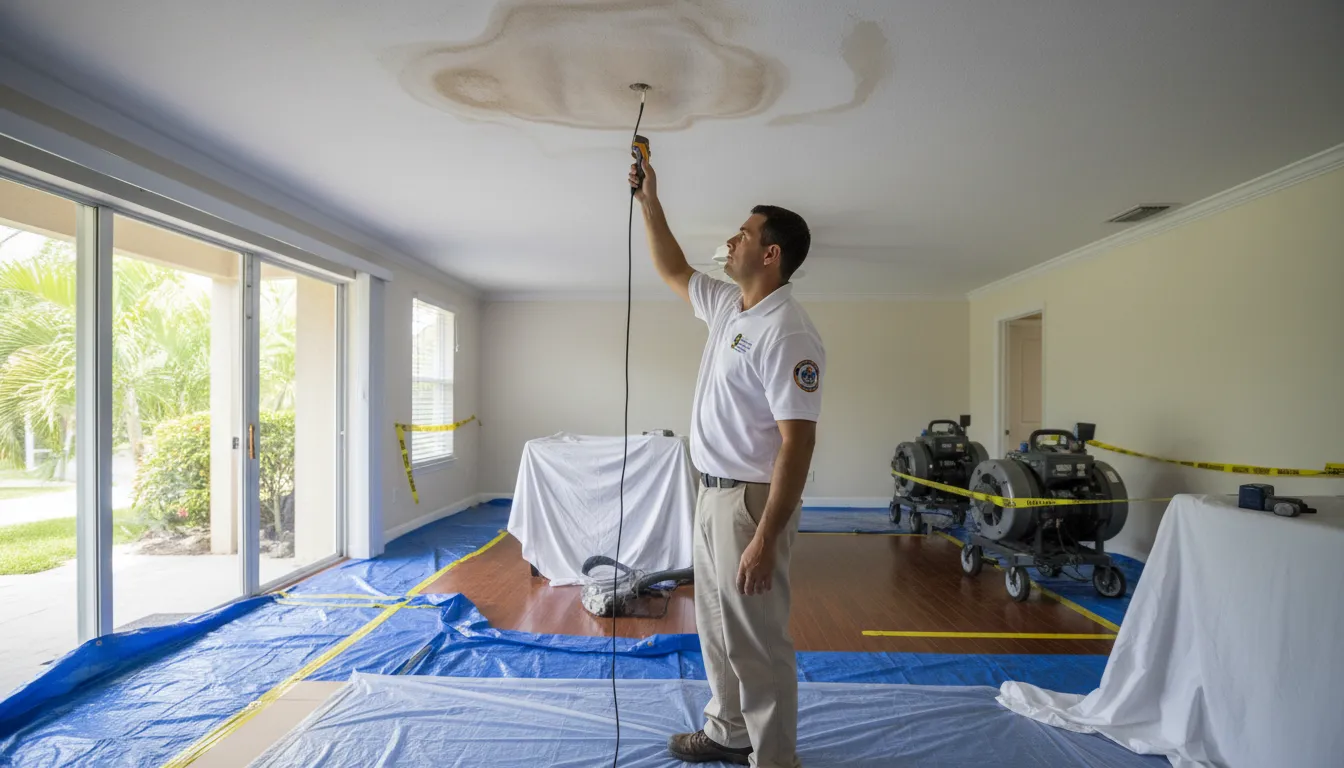
A roof leak claim is not only about what caused the opening in the roof. It is also about what happens after water enters the home. In Florida, homeowners should act quickly to stop added damage while keeping a clear record of the loss.
Temporary repairs after a leak
After a loss, the Florida Department of Financial Services states that an insurance contract requires temporary repairs to prevent more damage. That can include safe tarping, catching active drips, moving items from wet areas, or shutting off unsafe power.
Do not wait for an adjuster while rain continues to spread through ceilings, drywall, insulation, or flooring. Temporary work should limit the loss, not hide the source or replace needed inspection. Once the home is safe, notify your carrier and ask about repair vendor rules in your policy.
Records that support the claim
Mitigation also creates useful claim records. Photograph the roof opening, wet rooms, stained materials, and personal property before cleanup when safe to do so. The Florida department advises policyholders to take pictures and keep receipts for materials purchased for emergency repairs.
Save paid invoices, moisture readings, drying logs, and photos of removed materials. Keep damaged items until the insurer has completed its inspection, unless keeping them would create a safety risk. Organized records help separate the original leak from later damage that timely action may have prevented.
Interior water and coordinated mitigation
Water does not stop at a damaged shingle or flashing point. It can reach decking, attic insulation, ceiling surfaces, walls, and flooring. Damp building materials may call for prompt drying and a check for mold risk.
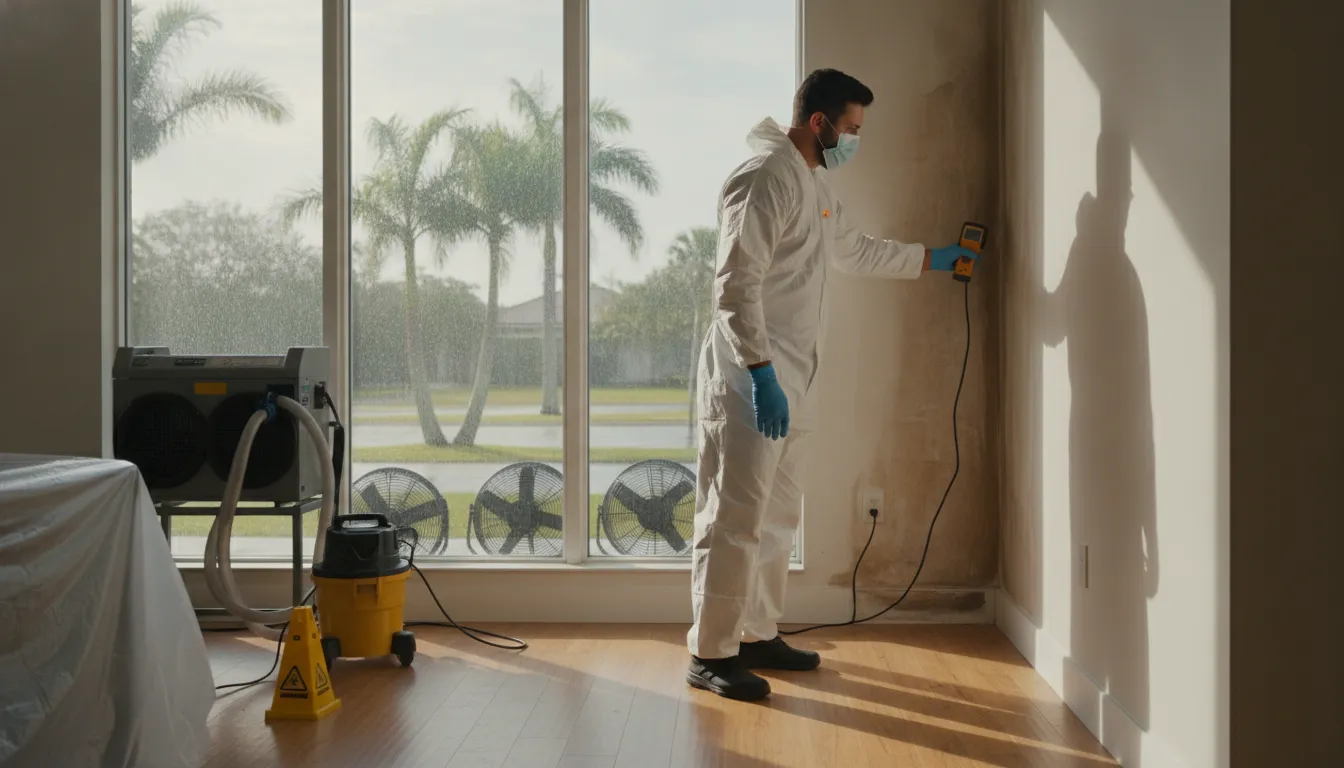
Interior damage may require steps beyond a bucket beneath a drip. Water may collect above a ceiling or soak a wall cavity where the surface looks dry. A mitigation team can track affected materials, remove damaged contents when approved, and record the drying work.
This is where roof work and restoration work need to be coordinated. Go Time can inspect the roof source and provide disaster recovery services for affected interior areas. IICRC-certified mitigation, including WRT, ASD, and AMRT training, supports a clear drying and remediation process.
When asking, “does homeowners insurance cover roof leaks in Florida,” remember that coverage depends on the cause and policy terms. Fast mitigation does not promise claim approval. It helps protect the home, records the response, and gives the insurer a clearer view of the reported damage. For urgent help in Pinellas County, call Go Time at (727) 430-3079.
Need help documenting a leaking roof and interior water damage? Call Go Time at (727) 430-3079 for a prompt inspection and mitigation plan.
Need roof leak documentation before your insurer reviews the claim? Schedule a free Go Time assessment so your roof and water damage records start in one organized file.
How Florida roof leak claims usually move from inspection to decision
When a roof starts leaking, the insurance process begins on two tracks: limit more damage and notify the carrier. A homeowner can take safe temporary steps while keeping a clear record of what happened. The insurer then reviews the reported loss under the policy terms.
Reporting and immediate protection
Report the claim promptly and note the date, claim number, adjuster contact, and instructions you receive. Florida consumer guidance tells homeowners to report a claim as soon as possible. After a severe storm, heavy claim volume may mean an adjuster visit takes longer.
Protect the property from added damage when it is safe to do so. A tarp may be part of that first response, but do not hide the original condition. Photograph the leak area, visible roof damage, wet materials, and temporary work.
Inspection and repair records
The carrier may send an adjuster to inspect the reported damage. Keep damaged materials until the inspection is done, unless leaving them creates a safety concern. A contractor’s photos, roof notes, repair estimate, and moisture findings can give the carrier a clear record.
If rainwater reaches ceilings, walls, or floors, drying and cleanup may happen before permanent roof repairs. Save bills, moisture logs, and photos from any free roofing quote work. Those records help connect emergency mitigation to the claimed event and completed work.
From records to insurer decision
After inspection, the carrier reviews cause, covered damage, policy duties, estimates, and mitigation bills provided with the claim. It may request more information before issuing a decision. The contractor documents conditions and repairs; the insurer decides coverage under the policy.
For Florida insurance claims involving property damage only, a state timeline applies. The insurer must pay or deny all or part of a claim within 60 days after notice. That rule allows delay when factors beyond the company’s control prevent timely action.
The 60-day rule is a decision deadline, not a promise of payment. Whether homeowners insurance covers roof leaks in Florida still depends on the cause of loss, policy wording, and claim record. Read the insurer’s written decision with your policy and keep each document together.
How a roof inspection supports your insurance claim
A clear record of storm damage
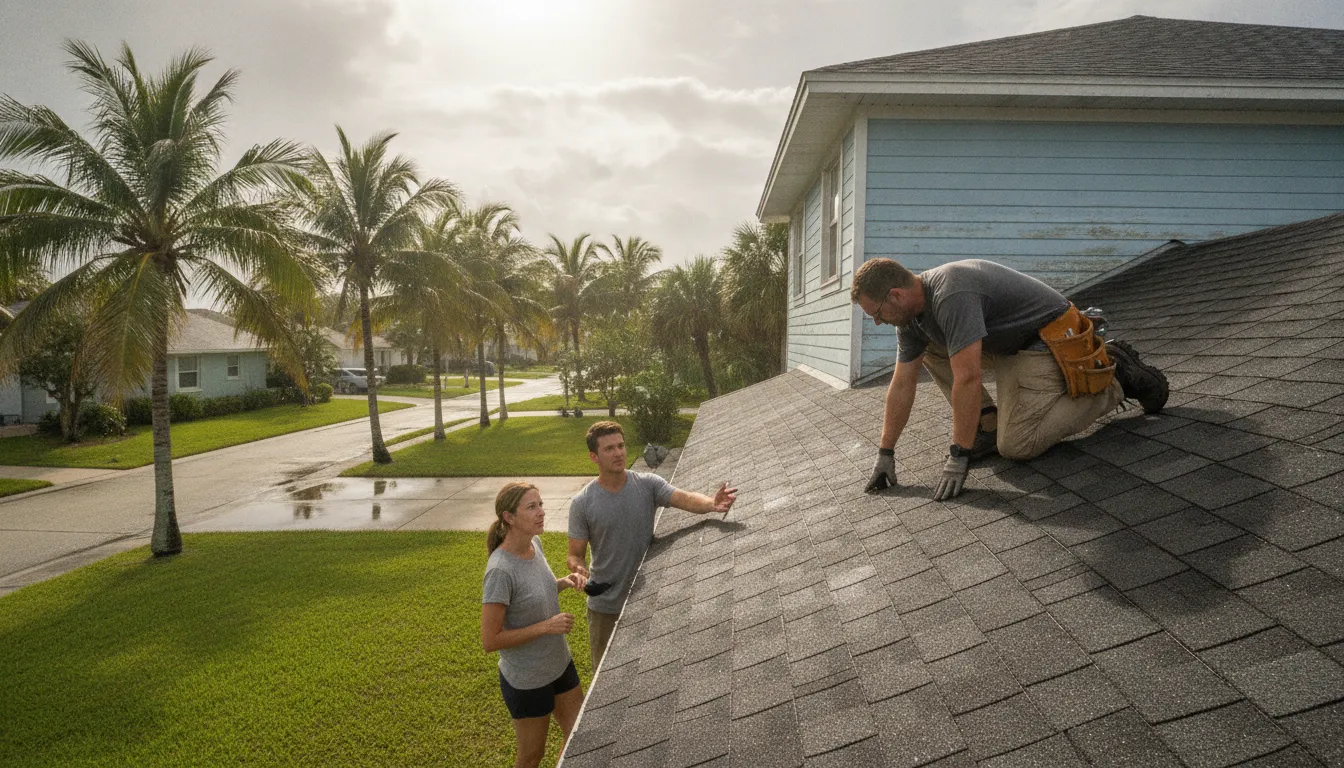
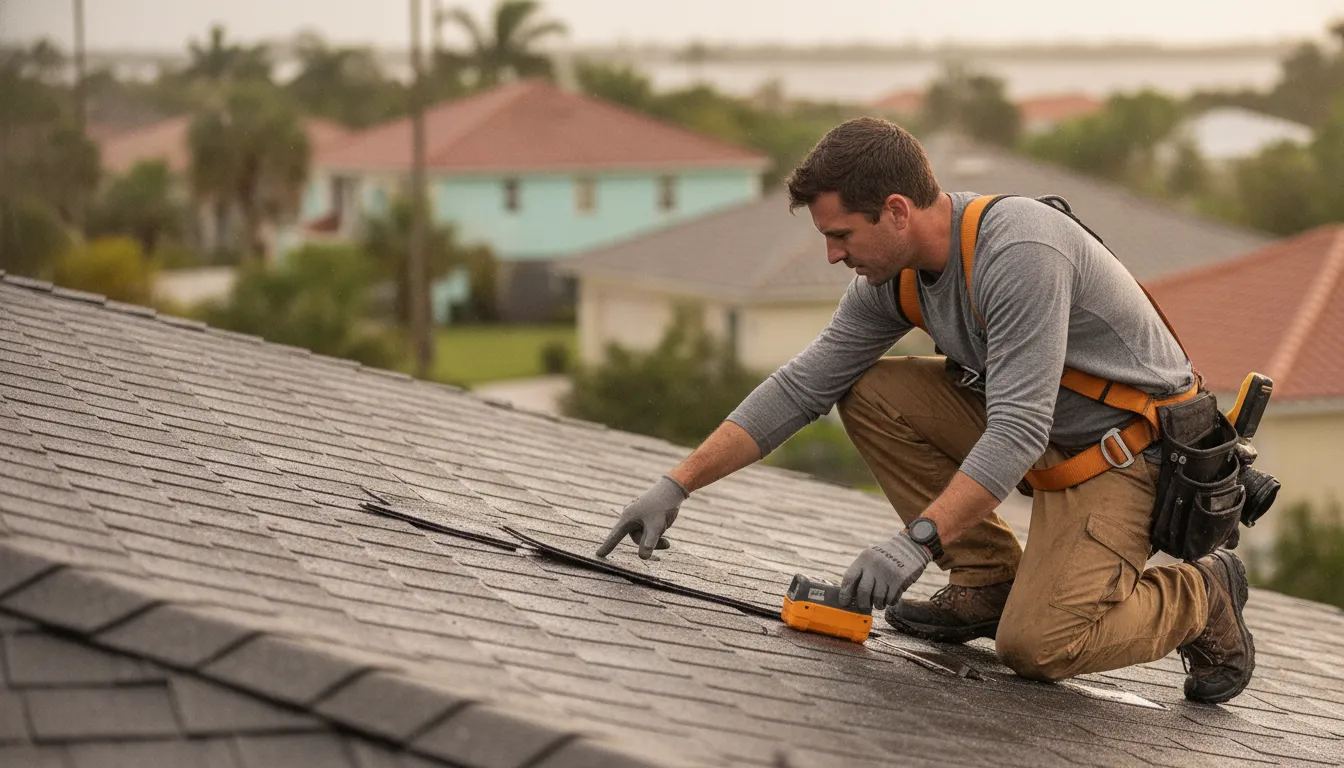
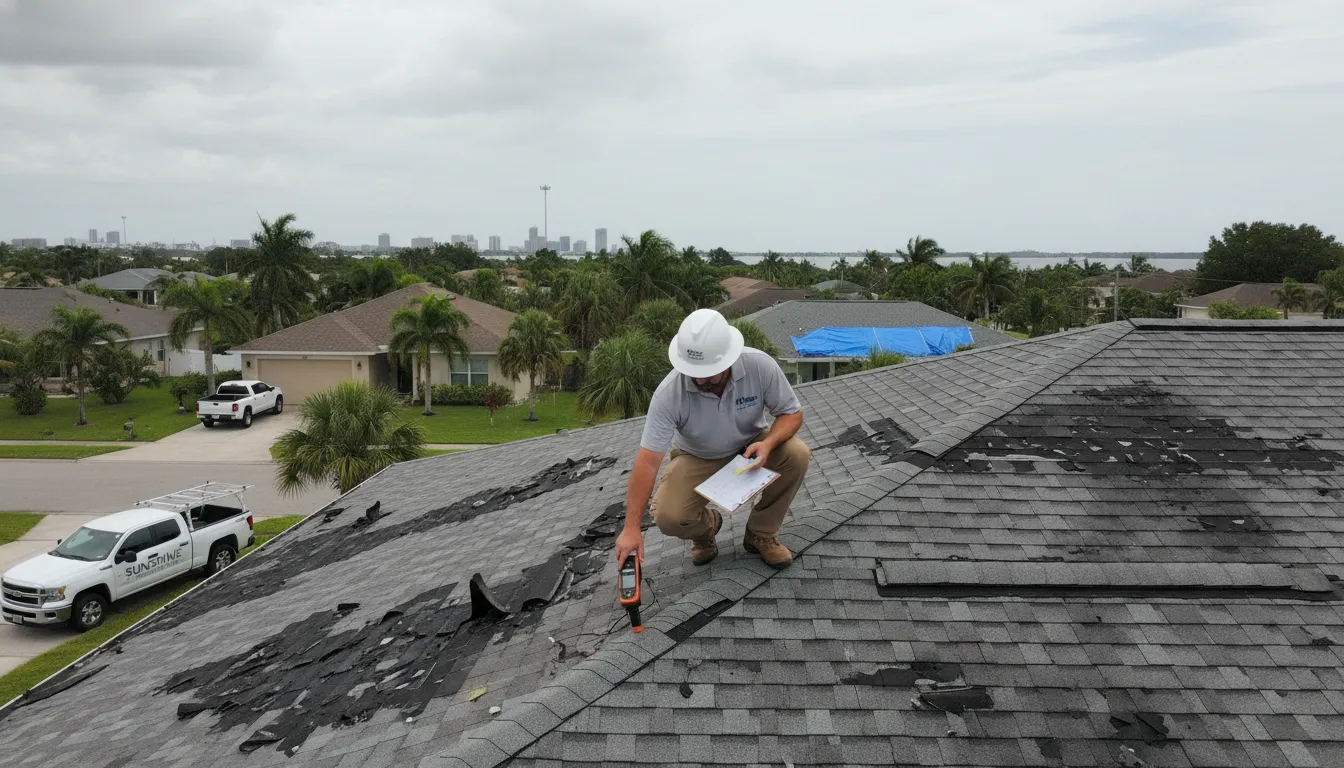
After a Florida storm, a roof inspection creates a record of visible conditions and urgent needs. A licensed roofing and restoration contractor can find likely entry points and mark affected roof sections. The report may note lifted shingles, missing shingles, broken tile, loose flashing, punctures, or debris impacts.
The inspection should connect roof findings with damage below the roofline. Water stains, wet insulation, damp drywall, ceiling damage, and moisture readings can help trace the water path. This record matters when asking, does homeowners insurance cover roof leaks in Florida, because the cause and policy terms matter.
Documents that support the claim file
A contractor’s report may include dated photos, moisture findings, and an itemized repair estimate. It can describe a tarp, water removal, or drying work used to limit further harm. This mitigation scope helps separate urgent protective work from later permanent repairs.
When a leak affects indoor materials, homeowners may need a free roofing quote alongside roof repairs. A single inspection record can show both the damaged roof area and the rooms that required drying or removal work.
Keep the claim file organized from the start. Include storm photos, inspection reports, drying logs, receipts, repair estimates, and messages with your insurer. Florida’s Department of Financial Services advises policyholders to take pictures of damage and keep receipts for emergency repairs.
A useful inspection file should cover the roof entry points and affected slopes or sections.
It should also note missing shingles, cracked tile, flashing damage, or punctures.
For the interior, include water stains, moisture readings, and wet materials.
Add temporary repairs and mitigation work already completed.
Finish with a repair estimate tied to the observed damage.
The contractor’s role and the insurer’s role
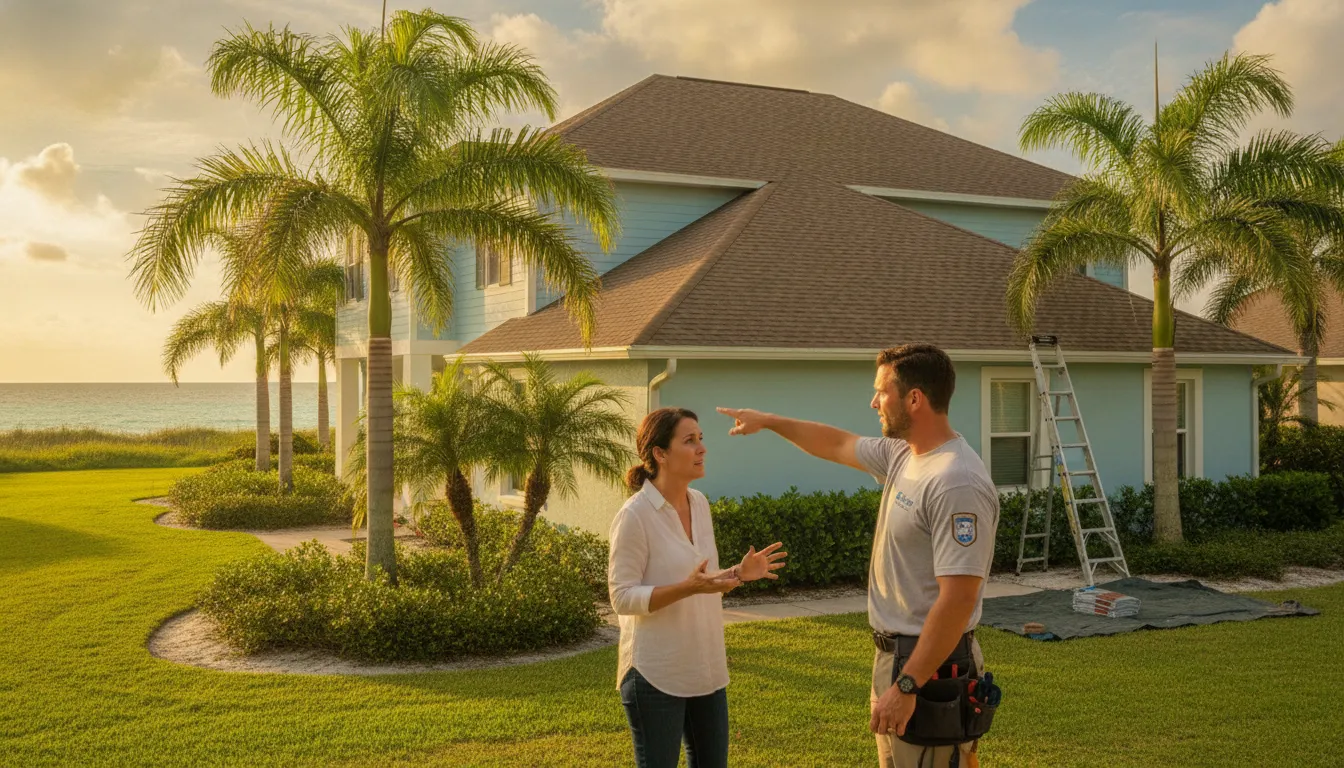
A contractor documents conditions, limits further damage when authorized, and gives an estimate for repair work. The contractor does not approve a claim, decide coverage, or promise payment. Coverage decisions come from the insurance company under the homeowner’s policy.
Once the home is safe, contact the insurer promptly and ask how to submit photos, reports, receipts, and estimates. Before signing a repair agreement, ask whether the policy has managed repair steps or vendor requirements. A careful inspection gives the insurer useful records while leaving the coverage decision where it belongs.
For homeowners who need one team to coordinate roof repairs and interior drying, Go Time offers 24/7 roofing and restoration help in Pinellas County.
Common mistakes that can weaken a Florida roof leak claim
Delay and added damage
When asking whether homeowners insurance covers roof leaks in Florida, do not treat a wet ceiling as a problem for later. A delay can make the loss harder to document. It can also allow water to reach drywall, insulation, flooring, or personal items.
Report the loss promptly after you make the home safe. Stopping added damage is different from completing permanent repairs. The Florida Department of Financial Services says your contract requires temporary repairs to prevent further damage. Use safe temporary measures when needed, then save photos and receipts.
Waiting for an adjuster does not mean leaving wet areas alone. Arrange emergency drying or protection when it is needed to limit more harm. Do not replace the roof or rebuild damaged rooms before the inspection, unless safety or urgent conditions require action.
Proof before cleanup
Do not throw out soaked drywall, flooring, furnishings, or roofing pieces before the insurer can inspect them. The state advises owners to keep damaged property until the company completes its inspection. Take clear photos and video before cleanup, during emergency work, and after temporary repairs.
Mitigation still matters while you preserve proof. If indoor water damage needs quick attention, licensed roofing and restoration team can help stabilize affected areas. Ask for a written scope, moisture records when available, dated photos, and receipts for claim records.
Contracts and coverage terms
Using an unverified contractor can create gaps in the repair record. Before work begins, check license details, insurance, written scope, and how proof of work will be provided. Avoid signing a broad contract under pressure. First ask your insurer about any managed repair program or required vendor process.
Another mistake is assuming every roof leak is covered. A sudden storm opening and a slow maintenance issue may be treated differently. Florida consumer guidance says policy forms can differ, and owners must review their own policy for coverage details.
- Report the loss promptly and prevent more damage safely.
- Photograph damage and keep receipts before items are removed.
- Verify contractor details and read each repair agreement.
- Check managed repair rules and your specific coverage terms.
Before you file or update a claim, call Go Time at (727) 430-3079 for roof leak documentation, emergency mitigation, and repair guidance.
Frequently Asked Questions
Does homeowners insurance cover roof leaks in Florida?
Florida homeowners insurance may cover a roof leak when a sudden, covered event damages the roof, such as storm-driven wind or rain. Leaks caused by neglected maintenance, gradual seepage, or long-term deterioration are often excluded. The Florida Department of Financial Services advises reviewing your policy, because coverage terms vary.
Does homeowners insurance cover roof leaks from hurricanes in Florida?
A hurricane-related roof leak may be covered when wind damages the roof and allows water to enter the home. Coverage depends on the policy, cause of damage, deductible, and investigation findings. The Florida Department of Financial Services advises homeowners to check their own policies for specific coverage information.
Does homeowners insurance cover water damage from a leaking roof?
Insurance may cover interior water damage when a covered storm event suddenly damages the roof and causes the leak. Damage linked to a slow leak or deferred maintenance may not be covered. After a loss, photograph wet areas and damaged materials, then keep emergency repair receipts, as advised by the Florida Department of Financial Services.
How can you prevent roof leaks after Florida storms?
After a storm, safely check for missing shingles, loose flashing, ceiling stains, or water in the attic. Do not climb onto a wet or damaged roof. If damage is present, photograph it before arranging temporary protection. The Florida Department of Financial Services states that insurance contracts require temporary repairs to prevent further damage.
If a roof leak is active now, call Go Time at (727) 430-3079 before water spreads into ceilings, walls, or flooring.
Ready to schedule an emergency roof leak inspection?
A roof leak left unchecked can spread damage, complicate records, and delay decisions about repairs and insurance. Starting now gives you time to document visible damage, limit further water entry safely, and understand your next repair steps. An inspection can identify what needs attention while details from a recent storm are still easy to capture.
Ready to protect your home after a suspected storm leak? Call (727) 430-3079 to schedule an emergency roof leak inspection without avoidable delay. Get clear observations for your records and a practical plan for urgent roof or water mitigation needs. If conditions are unsafe, stay clear of damaged areas and start the conversation from a safe location.