Emergency Roof Tarping in Pinellas County: When You Need It and What It Costs
When wind, falling limbs, hail, or flying debris opens part of your roof, emergency roof tarping in Pinellas County can be the difference between a controlled roof repair and a soaked ceiling, ruined insulation, and mold concerns inside the home. A properly installed temporary tarp helps stop active water intrusion while you document the damage, contact your insurance carrier, and plan the permanent roof repair.
Need help after storm damage? Contact Go Time Roofing and Restoration for emergency roof tarping Pinellas County help and fast guidance on protecting your home.
Go Time Roofing and Restoration serves St. Petersburg and the greater Pinellas County area with a dual roofing and restoration model. That matters after a storm because the same event that damages shingles, underlayment, flashing, or roof decking can also send water into drywall, attic insulation, flooring, and wall cavities. Instead of coordinating one contractor for the roof and another for interior mitigation, homeowners can work with one local team for roof protection and water damage response.
What Is Emergency Roof Tarping?
Emergency roof tarping is a temporary weather protection method used after roof damage creates an opening or leak path. A contractor covers the damaged area with a secure, water resistant tarp so rain has a temporary barrier until inspection, insurance review, and permanent repair work can be completed.
A tarp is not a roof repair. It is a short term mitigation step. The goal is to reduce further damage, protect the interior, and buy time for the right repair plan. In Pinellas County, that can be especially important during hurricane season, summer thunderstorms, and multi-day rain patterns that keep feeding an active leak.
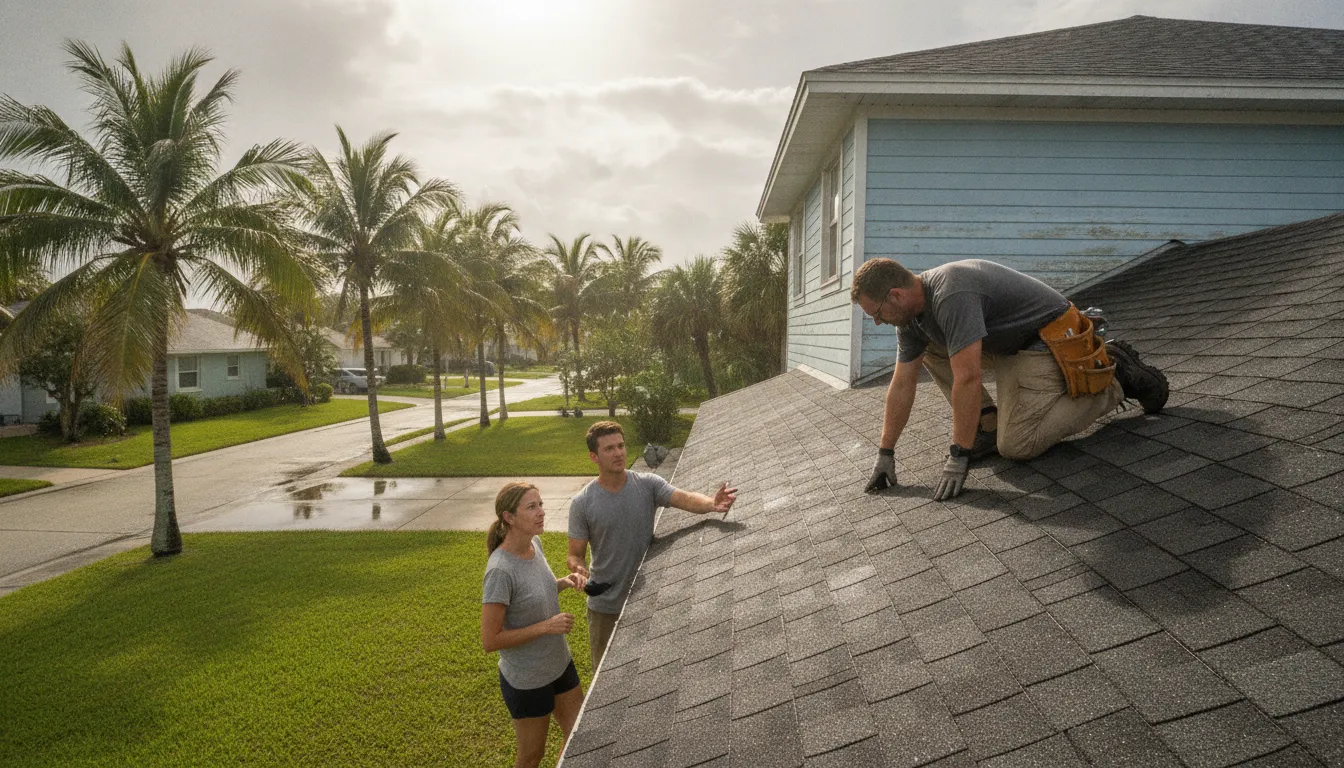
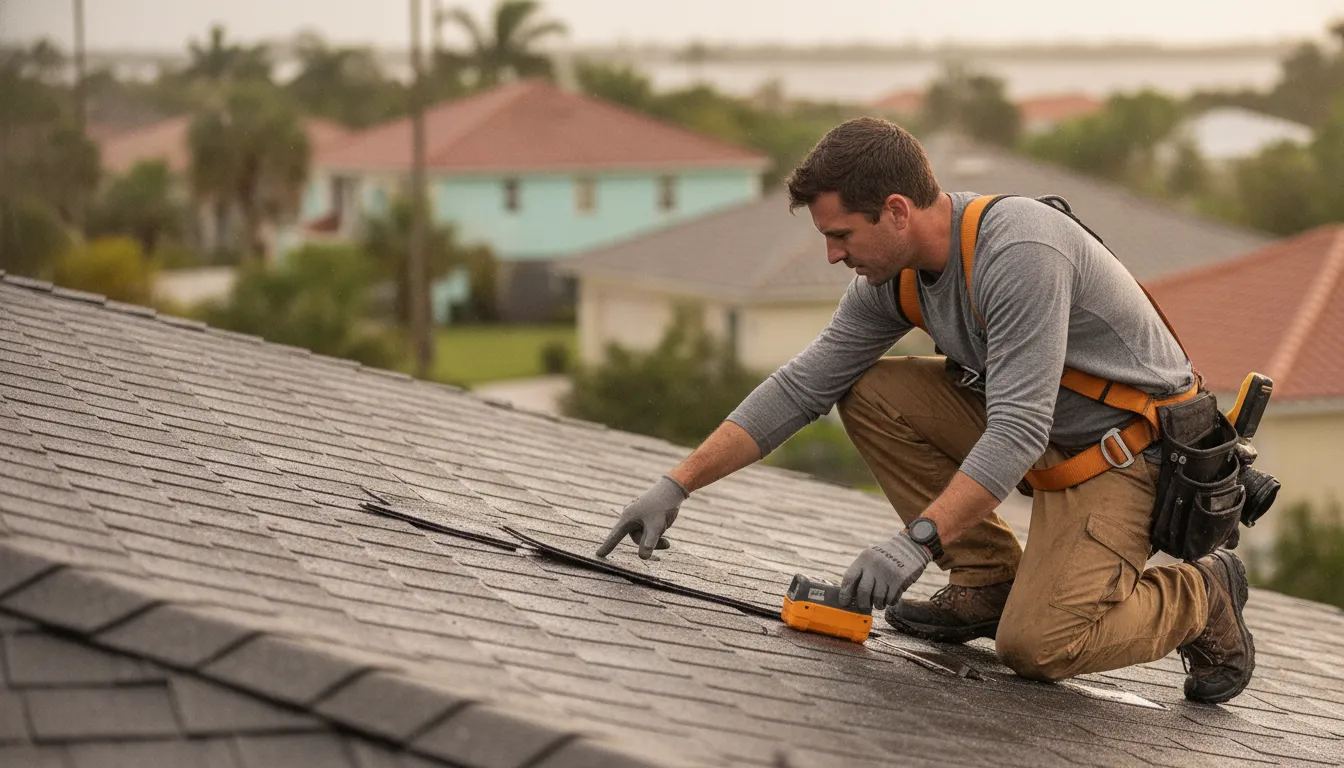
Professional tarping usually involves more than tossing plastic over shingles. The crew needs to identify the water entry area, cover enough roof surface to shed water beyond the damage, secure the tarp so wind does not lift it, and avoid causing unnecessary new penetrations. On steep, wet, storm damaged, or two story roofs, this is not a safe do it yourself project.
When Do You Need Emergency Roof Tarping in Pinellas County?
You need emergency roof tarping when roof damage has created an active leak, exposed roof decking, missing shingles over a vulnerable area, damaged flashing, or any opening that could let more rain into the building before permanent repairs happen.
Common situations include:
- Storm wind damage: Lifted, creased, or missing shingles can expose underlayment and roof decking.
- Falling debris: Tree limbs, palm fronds, branches, and windblown objects can puncture or scrape the roof surface.
- Hail or impact damage: Impact marks may weaken shingles and create leak points around vents, valleys, and edges.
- Roof leak after heavy rain: Water stains, dripping, or wet attic insulation may mean the roof needs temporary protection while the leak source is located.
- Delayed permanent repair: If materials, insurance approval, or scheduling will take time, tarping helps reduce additional water exposure.
If water is already entering the home, do not wait for the next storm band to test the roof again. Read Go Time’s related guide to emergency roof leak repair for immediate steps you can take while help is on the way.
How Does Roof Tarping Help Prevent Interior Water Damage?
Roof tarping helps prevent interior water damage by interrupting the path rainwater takes through damaged roofing materials into the attic, insulation, ceilings, walls, and flooring. The faster that path is blocked, the lower the chance of secondary damage spreading through the home.
Water does not stay politely under the damaged shingle. It follows gravity, framing, insulation, drywall seams, electrical openings, and air gaps. A small roof opening can show up as a ceiling stain several feet away from the actual roof damage. If rain continues, the problem can spread into:
- Attic insulation that loses performance when wet
- Ceiling drywall that stains, sags, or collapses
- Wall cavities that stay damp after the surface looks dry
- Flooring and baseboards below the leak path
- Humidity levels that increase the risk of microbial growth
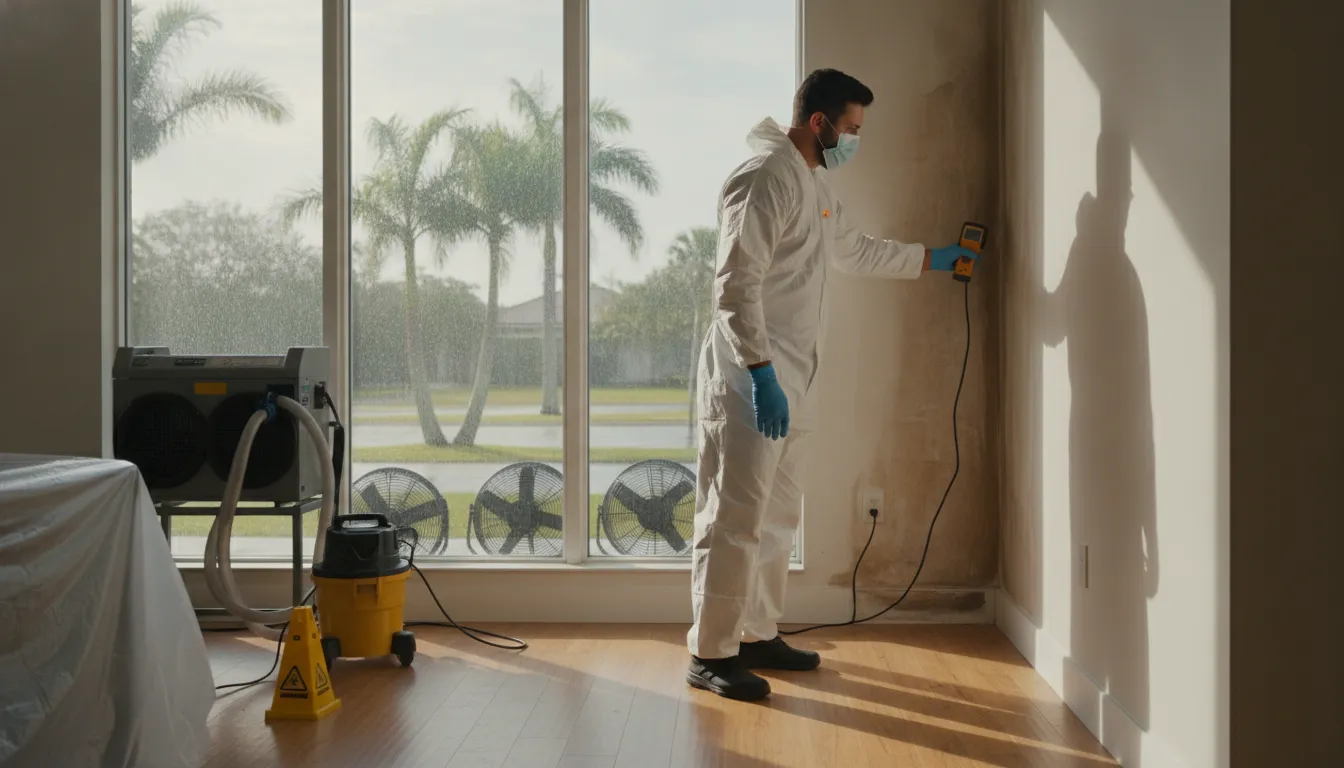
This is where Go Time Roofing and Restoration’s combined roofing and restoration capability becomes valuable. If the issue is only roof side, the response can focus on temporary protection and roof repair. If water has already entered the structure, Go Time can also assess moisture, drying needs, and restoration next steps through its water damage restoration services in St. Petersburg.
What Should Homeowners Document Before and After Tarping?
Before and after tarping, document the visible roof damage, interior water damage, weather event, temporary protection, and any emergency steps taken to prevent further loss. Good documentation helps your contractor understand the problem and gives your insurance carrier a clearer record.
Use your phone to capture clear photos and short videos before anything is moved, covered, dried, or discarded. If it is safe, document from the ground first. Do not climb onto a wet or damaged roof. A contractor can capture roof level photos during inspection and tarping.
Exterior documentation
- Missing, curled, cracked, or lifted shingles
- Damaged roof vents, flashing, ridge caps, valleys, or skylights
- Tree limbs, debris, or impact marks on the roof
- Gutters, soffit, fascia, and exterior wall staining near the leak area
- Wide shots that show the affected roof slope and surrounding area
Interior documentation
- Ceiling stains, bubbling paint, sagging drywall, or active dripping
- Wet attic insulation, darkened roof decking, or visible daylight through the roof
- Water on floors, furniture, cabinets, or stored belongings
- Damaged rooms from multiple angles
- Dates, times, and notes about when the leak started
Keep receipts, invoices, and written notes for emergency tarping, water extraction, drying equipment, and related mitigation. Many policies expect homeowners to take reasonable steps to prevent further damage, but coverage and claim handling depend on the policy and the facts of the loss. When in doubt, notify your carrier and ask what documentation they want.
What Does Emergency Roof Tarping Cost?
Emergency roof tarping costs depend on roof size, slope, access, damage location, urgency, tarp material, labor, and whether interior mitigation is also needed. A simple ground accessible section may cost far less than a steep, two story, after hours storm response with extensive damage.
Published national cost references often show roof tarping in the hundreds of dollars for smaller jobs, with higher totals for larger, steeper, urgent, or complex installations. Pinellas County pricing can vary after major storms because demand, access, material availability, and safety conditions change quickly.
| Cost factor | Why it affects price |
|---|---|
| Damaged area size | Larger openings require more tarp material, more anchoring, and more time. |
| Roof pitch and height | Steep or two story roofs increase safety requirements and labor difficulty. |
| Timing | After hours, weekend, holiday, or active storm response can cost more. |
| Damage type | Punctures, missing shingles, damaged flashing, and exposed decking may need different temporary protection. |
| Interior water damage | If water entered the home, drying, extraction, or restoration work may be needed in addition to tarping. |
| Access and debris | Tree limbs, blocked driveways, and unsafe roof surfaces can add time and equipment needs. |
The right question is not only, “How much is the tarp?” It is, “What is the lowest risk way to stop additional damage until the permanent repair is approved and completed?” A poorly secured tarp that blows loose can leave the home exposed again. A rushed installation that causes new roof penetrations in the wrong places can create more repair work later. For most homeowners, emergency roof tarping in Pinellas County should be treated as a damage control step, not a substitute for a full roof inspection.
If you have roof damage and water entering the home, call Go Time Roofing and Restoration before the next rain band. Start with roofing services or request help through the contact page.
Can You Tarp a Roof Yourself?
Some homeowners can place temporary interior protection, move belongings, and collect water safely, but roof tarping itself is risky. Wet shingles, hidden decking damage, high winds, steep slopes, and ladder work create serious fall hazards, especially after a storm.
Do not climb onto the roof if it is wet, dark, windy, structurally damaged, near power lines, or beyond your comfort level. Safer homeowner steps include:
- Move people and pets away from active leaks and ceiling bulges.
- Place buckets or containers under drips if it is safe.
- Move furniture, electronics, documents, and valuables away from the leak path.
- Take photos and videos of the damage.
- Call a qualified local roofing and restoration contractor.
- Contact your insurance carrier to report the loss and ask about emergency mitigation documentation.
If water has reached multiple rooms, saturated carpet, or entered wall cavities, review Go Time’s guide on what to do after water damage. Stopping the roof leak is only part of the job. The wet materials inside the home may also need professional drying.
What Happens During a Professional Roof Tarping Visit?
During a professional roof tarping visit, the contractor checks visible damage, identifies the likely leak path, documents conditions, installs temporary weather protection, and explains the next repair or restoration steps. The best visits also connect roof findings with interior moisture concerns.
A typical emergency visit may include:
- Safety assessment: The crew checks roof access, slope, weather, debris, and structural concerns.
- Damage documentation: Photos help show what existed before temporary protection covered the area.
- Temporary tarp installation: The tarp is placed to direct water away from the damaged section and secured against wind.
- Interior check: If water entered the home, the team looks for wet ceilings, insulation, walls, and flooring.
- Repair guidance: The homeowner receives next step recommendations for roof repair, replacement evaluation, or restoration.
For storm season preparation and post storm evaluation, Go Time’s hurricane roof inspection checklist for St. Petersburg can help homeowners understand what to look for before and after severe weather.
How Long Can a Temporary Roof Tarp Stay On?
A roof tarp should stay on only as long as needed to protect the home until permanent repairs can be completed. Weather, sun exposure, wind, installation quality, tarp material, and roof shape all affect how long temporary protection remains reliable.
In Pinellas County, sun, heat, salt air, and repeated thunderstorms can shorten the useful life of temporary materials. Check the tarp after heavy wind or rain from the ground if possible. Look for loose edges, flapping, pooling water, or new interior stains. If you see new leaks, call your contractor right away.
Do not treat a tarp as a long term repair. The longer damaged roofing stays unresolved, the greater the chance of hidden moisture, decking deterioration, and claim complications. If storm damage is widespread, Go Time can help evaluate whether targeted repair, broader repair, or replacement makes sense. Their guide to roof recovery versus replacement explains how repair decisions are often weighed.
Why Use One Company for Roof Damage and Water Intrusion?
Using one company for roof damage and water intrusion reduces communication gaps after a storm. Go Time Roofing and Restoration can look at the source of the leak and the interior consequences together, which helps homeowners move from emergency protection to recovery with fewer handoffs.
After a roof leak, separate contractors can accidentally create blind spots. A roofer may focus on shingles while a restoration company focuses on wet drywall. The homeowner is left coordinating schedules, photos, invoices, moisture findings, and insurance questions. A single source approach helps connect the roof opening, the leak path, and the interior damage in one recovery plan.
Go Time Roofing and Restoration is licensed and insured, based in St. Petersburg, and built around both emergency restoration and professional roofing services. For Pinellas County homeowners, that means one local point of contact for temporary protection, roof repair planning, moisture concerns, and restoration needs after storm damage.
For roof damage plus interior water concerns, contact Go Time’s water damage team and roofing team together so the source and the damage are addressed in the right order.
Emergency Roof Tarping Checklist for Pinellas County Homeowners
The safest emergency roof tarping plan is simple: protect people first, document the damage, stop additional water intrusion, notify insurance, and schedule permanent repairs. Acting in that order helps reduce risk and gives every party better information.
- Stay out of rooms with sagging ceilings or electrical hazards.
- Move belongings away from active leaks if it is safe.
- Photograph roof, attic, ceiling, wall, flooring, and contents damage.
- Call a roofing and restoration contractor for emergency protection.
- Ask whether interior moisture inspection or drying is needed.
- Notify your insurance carrier and keep all receipts.
- Schedule a full roof inspection and permanent repair plan.
- Monitor the tarp from the ground after wind or rain.
If a shingle has blown off but water is not yet pouring in, do not ignore it. Go Time’s guide on what to do when a roof shingle falls off explains why small exterior damage can become a bigger leak during the next storm.
FAQ: Emergency Roof Tarping in Pinellas County
How much does it cost to emergency tarp a roof?
Emergency roof tarping cost varies by roof height, slope, damage size, access, timing, and material needs. Smaller straightforward jobs may be in the hundreds, while larger or after hours storm responses can cost more. Get a local assessment because every roof and leak path is different.
Does insurance pay for roof tarping?
Many policies require homeowners to take reasonable steps to prevent further damage, and emergency tarping may be part of that mitigation. Coverage depends on your policy, cause of loss, deductible, and documentation. Take photos, keep invoices, and report the damage to your carrier promptly.
How fast should I tarp a storm damaged roof?
As soon as it is safe. If rain can enter the roof, waiting can allow water to spread into insulation, drywall, flooring, and wall cavities. Call for help quickly, especially if more rain is forecast in Pinellas County.
Can a tarp stop all roof leaks?
A properly installed tarp can reduce or stop water entry through the covered area, but it may not solve every leak. Water can enter through multiple damaged points, flashing, vents, or saturated materials. A full roof inspection is still needed.
Is roof tarping safe during a storm?
Roof work during active wind, lightning, or heavy rain can be dangerous. A contractor must decide when conditions are safe enough to access the roof. Homeowners should not climb onto a wet or storm damaged roof.
Who should I call if the roof leak already damaged the ceiling?
Call a company that can handle both the roof source and the interior water damage. Go Time Roofing and Restoration can help evaluate roof protection needs and water damage restoration steps for homes in St. Petersburg and Pinellas County.
Get Roof and Water Damage Help From Go Time
Emergency roof tarping in Pinellas County is about more than covering shingles. It is about stopping the damage from spreading, creating a clear record, and moving quickly toward permanent repair and interior recovery. If your roof was damaged by storm wind, debris, hail, or a sudden leak, Go Time Roofing and Restoration can help you protect the home and understand the next steps.
Call Go Time Roofing and Restoration at (727) 430-3079 or visit the contact page to request help after roof or water damage in St. Petersburg and Pinellas County.