Standing water inside a home can trigger toxic mold growth in less than forty-eight hours. Every minute that moisture sits in your floors and walls increases the risk of structural damage. Acting fast protects your property from costly rot and long-term health hazards.
Call (727) 361-6905 for emergency water damage restoration in St. Petersburg. Available 24/7.
Water damage restoration St. Petersburg requires fast, professional action because mold can start growing on damp surfaces in as little as 24 to 48 hours. The humid subtropical climate of Pinellas County makes this risk even higher since wet materials do not dry naturally on their own. Professional teams use industrial-grade air movers, dehumidifiers, and moisture meters to extract standing water and dry hidden moisture inside walls and under floors. Calling a certified restoration company right away stops secondary damage, protects your home’s structure, and helps ensure a smoother insurance claim process.
Knowing what to do in the first few hours can save your home and keep your family safe. This guide walks through every phase of a water emergency, from the moment you spot the leak through full recovery. Go Time Roofing and Restoration serves St. Petersburg homeowners with certified drying technicians who follow IICRC S500 standards.
Water Damage Restoration St. Petersburg: What to Do First After Discovering Water Damage in Your St. Petersburg Home
When you discover water damage in your St. Petersburg home, your first priority is safety. Shut off the water source if possible, then turn off electricity in affected rooms at the breaker panel. Document everything with photos and video before moving belongings to dry areas. The clock is running. So call a certified water damage restoration company immediately to begin extraction and drying within the critical 24- to 48-hour window before mold takes hold.
The first few minutes after discovering water intrusion set the stage for how much damage your home ultimately sustains. A structured response limits the scope of repairs and reduces overall costs.
Secure the Water Source and Electrical Safety
Find the source of the water and stop it if you can do so safely. A burst pipe requires shutting off the main water valve, usually located near your water heater or where the main line enters the house. A leaking roof may need a tarp or buckets to catch active drips until a contractor can assess the damage.
Water conducts electricity. Before stepping into any wet area, turn off the power at the breaker box for the affected rooms. If you cannot reach the breaker panel without walking through standing water, wait for a professional to handle the shutdown. Electrocution is a real danger in flood situations.
Document Everything for Insurance
Grab your phone and take wide-angle shots and close-ups of every affected area before you touch or move anything. Capture the water source, standing water levels, damaged belongings, and wet walls or flooring. These photos serve as critical evidence for your insurance claim. Flood damage documentation requirements often include detailed visual proof of the loss.
Move small furniture, rugs, electronics, and valuables to a dry room. Place aluminum foil or wood blocks under heavy furniture legs to prevent stains and wicking. Keep receipts for any supplies you buy, such as towels, buckets, or fans, because your policy may reimburse these as mitigation costs.
Start Air Movement Safely
Open windows if the outdoor humidity is lower than indoor levels. St. Petersburg’s climate means this is often not the case, but on drier days it helps. Set up box fans pointing outward to push moist air out of the room. These small steps buy time while professional help is on the way, but they cannot replace industrial drying equipment.
The Three Categories of Water Damage Every Homeowner Should Know
The Institute of Inspection, Cleaning and Restoration Certification (IICRC) classifies water damage into three categories based on contamination level. Category 1 comes from clean sources like broken supply lines. Category 2, or gray water, carries some contaminants from appliances like dishwashers or washing machines. Category 3 is black water from sewage backups, flooding, or storm surge, which contains harmful bacteria and requires specialized handling by trained professionals wearing full protective gear.
Not all water damage is the same. The contamination level determines the cleanup approach, the equipment needed, and the safety precautions required. Go Time Roofing and Restoration uses IICRC-certified protocols to handle every category safely.
| Category | Source | Risk Level | Cleanup Method |
|---|---|---|---|
| Category 1 (Clean Water) | Broken supply pipe, sink overflow, rainwater | Low | Extraction, drying, monitoring |
| Category 2 (Gray Water) | Dishwasher leak, washing machine, toilet overflow (no feces) | Medium | Extraction, cleaning, sanitization, drying |
| Category 3 (Black Water) | Sewage backup, floodwater, storm surge | High | Full containment, removal, disinfecting, HEPA filtration |
Category 1: Clean Water
A burst supply line or an overflowing sink produces water that is safe to handle. While the risk to human health is low, the water still damages building materials quickly. Drywall acts like a sponge, and wood flooring begins to swell within hours. Even clean water requires prompt extraction to prevent secondary damage.
Category 2: Gray Water
Water from a dishwasher, washing machine, or toilet bowl (without solid waste) contains detergents, food particles, or mild chemical residues. This water can cause skin irritation and should not be left in contact with porous surfaces. Gray water left untreated for more than 24 to 48 hours can escalate to Category 3 conditions as bacteria multiply.
Category 3: Black Water
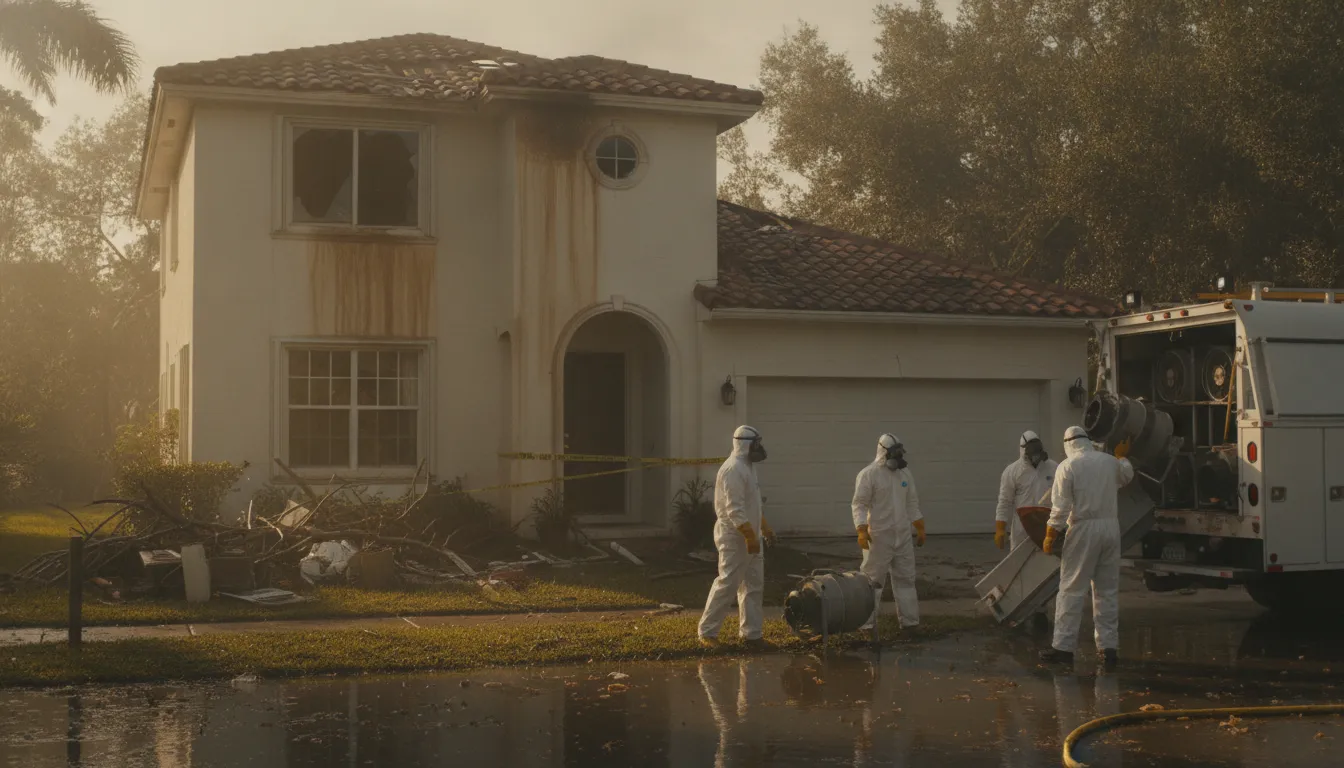
Sewage backups, river flooding, and storm surge contain bacteria, viruses, and chemical contaminants. The CDC advises that floodwater can carry harmful microorganisms that contaminate building structures. Never attempt to clean black water yourself. Professionals use full containment barriers, negative air pressure, and hospital-grade disinfectants to restore safety.
How Do Professional Water Damage Restoration Teams Dry Your Home?
Professional water damage restoration follows a five-phase process: assessment with moisture meters and thermal cameras, rapid water extraction using truck-mounted pumps. Structural drying with industrial air movers and dehumidifiers, antimicrobial cleaning and sanitization, and final restoration of drywall, flooring, and paint. Each phase builds on the previous one to ensure no hidden moisture remains inside walls or under flooring where it could cause rot or mold growth.
Restoration professionals do more than mop up visible water. They find moisture you cannot see and dry every surface to pre-damage conditions using calibrated equipment and measurement standards.
Phase 1: Assessment and Moisture Mapping
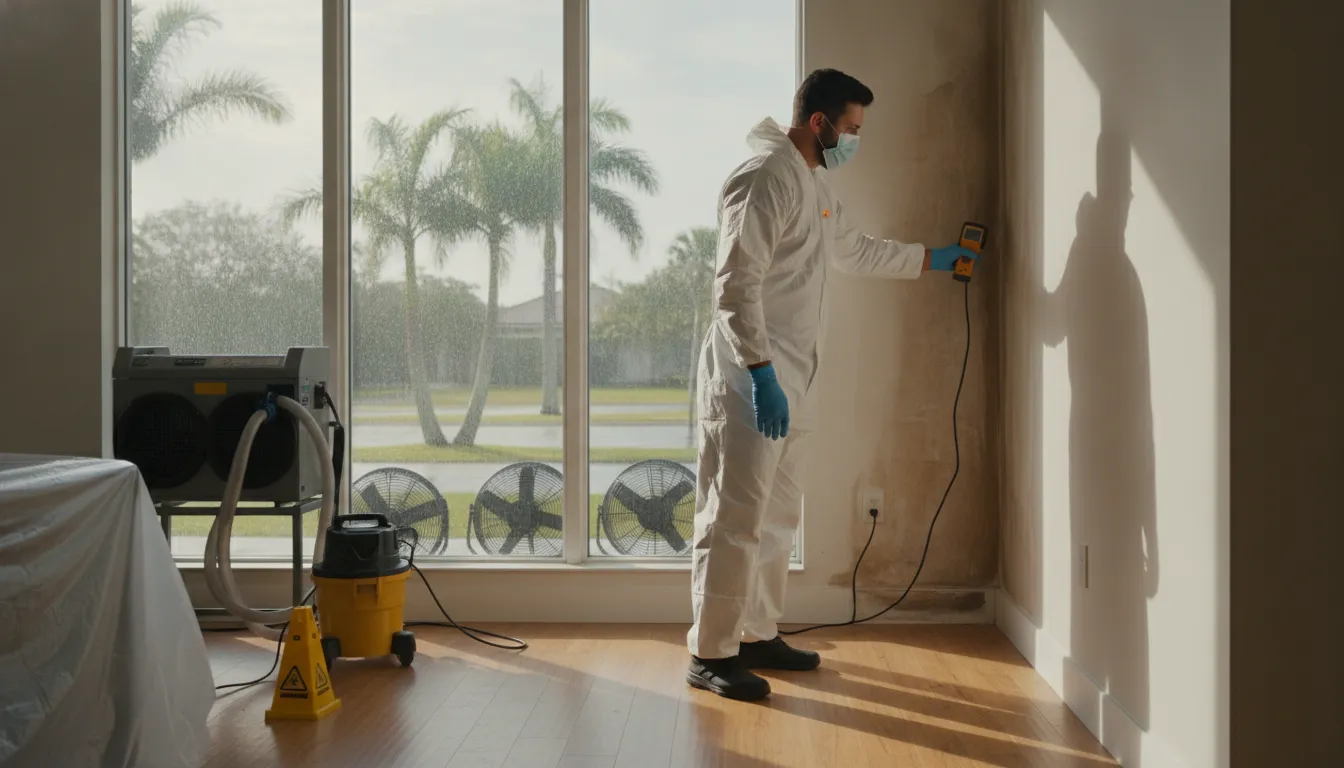
Technicians arrive with moisture meters, thermal imaging cameras, and hygrometers. They map the full extent of water migration, which often travels sideways under baseboards and upward inside wall cavities. This detailed evaluation creates a drying plan tailored to your home’s construction and the category of water involved.
Phase 2: Rapid Water Extraction
Truck-mounted pumps and submersible extractors remove standing water in minutes. The EPA confirms that quick water removal is the single most important step in preventing mold growth. Extraction removes the bulk of the water, making the drying phase faster and more effective.
Phase 3: Structural Drying with Humidity Control
High-velocity air movers create cross-flow ventilation across wet surfaces while industrial dehumidifiers pull moisture from the air. In St. Petersburg, where ambient humidity regularly exceeds 70 percent, dehumidification is critical. Without it, moisture evaporating from wet wood simply re-condenses on cooler surfaces. Disaster recovery specialists monitor moisture levels daily to confirm drying is complete before any reconstruction begins.
- Emergency response: Crew arrives within 60 minutes, assesses damage, and stabilizes the site.
- Water removal: Pumps extract all standing water from floors, carpets, and basements.
- Structural drying: Air movers and dehumidifiers dry wall cavities, subflooring, and framing.
- Sanitization: Antimicrobial treatments kill bacteria and mold spores on all affected surfaces.
- Restoration: Damaged drywall, insulation, flooring, and trim are replaced to return the home to its pre-loss condition.
Phase 4: Cleaning and Sanitization
Every surface that contacted water is cleaned with antimicrobial solutions. This step eliminates odors, kills bacteria, and prevents mold spores from germinating. Category 3 water damage requires HEPA vacuuming and fogging treatments to ensure airborne contaminants are neutralized.
Phase 5: Full Restoration and Repair
The final phase returns your home to its pre-damage state. This may involve replacing drywall sections, installing new flooring, repainting walls, or rebuilding cabinets. The goal is to make the damage invisible so you can resume normal life.
Why St. Petersburg’s Climate Demands Faster Water Damage Response
St. Petersburg’s humid subtropical climate creates conditions that accelerate water damage faster than in most U.S. cities. Average relative humidity in Pinellas County hovers above 70 percent year-round, which prevents wet building materials from drying naturally. Warm temperatures above 80 degrees Fahrenheit for much of the year speed up mold spore germination. A water leak in St. Petersburg that might take 48 hours to cause structural damage in a drier climate can begin producing visible mold growth in under 24 hours.
Florida’s Gulf Coast presents unique challenges for homeowners dealing with water intrusion. The combination of heat, humidity, and frequent storms means that every hour of delay compounds the damage.
Humidity Traps Moisture Inside Building Materials
When a home in a dry climate gets wet, opening windows and running fans often pushes moisture out effectively. In St. Petersburg, the outdoor air is frequently as humid as the indoor air. This means moisture inside walls and under floors has nowhere to escape. Wood studs, drywall, and insulation stay damp for extended periods, creating ideal conditions for rot and mold. Mold remediation in St. Petersburg is a common follow-up to water damage precisely because the climate traps moisture so effectively.
Warm Temperatures Accelerate Mold Growth
The EPA’s mold remediation guide identifies the 24- to 48-hour window for drying as the critical threshold. In St. Petersburg’s warm environment, mold spores can germinate at the lower end of that range. Temperatures above 80 degrees provide ideal conditions for Stachybotrys and Aspergillus species to colonize damp surfaces. These molds release allergens and irritants that can affect indoor air quality.
Storm Frequency Increases Exposure Risk
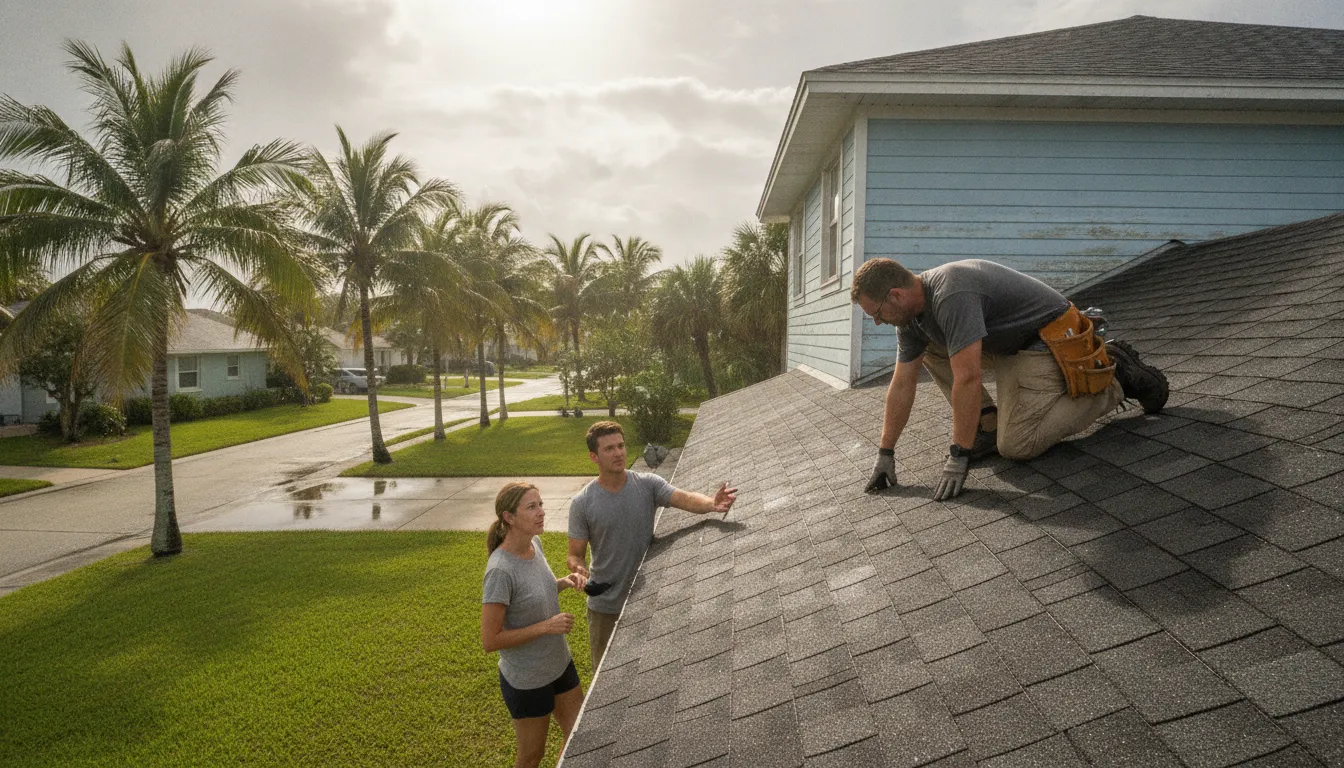
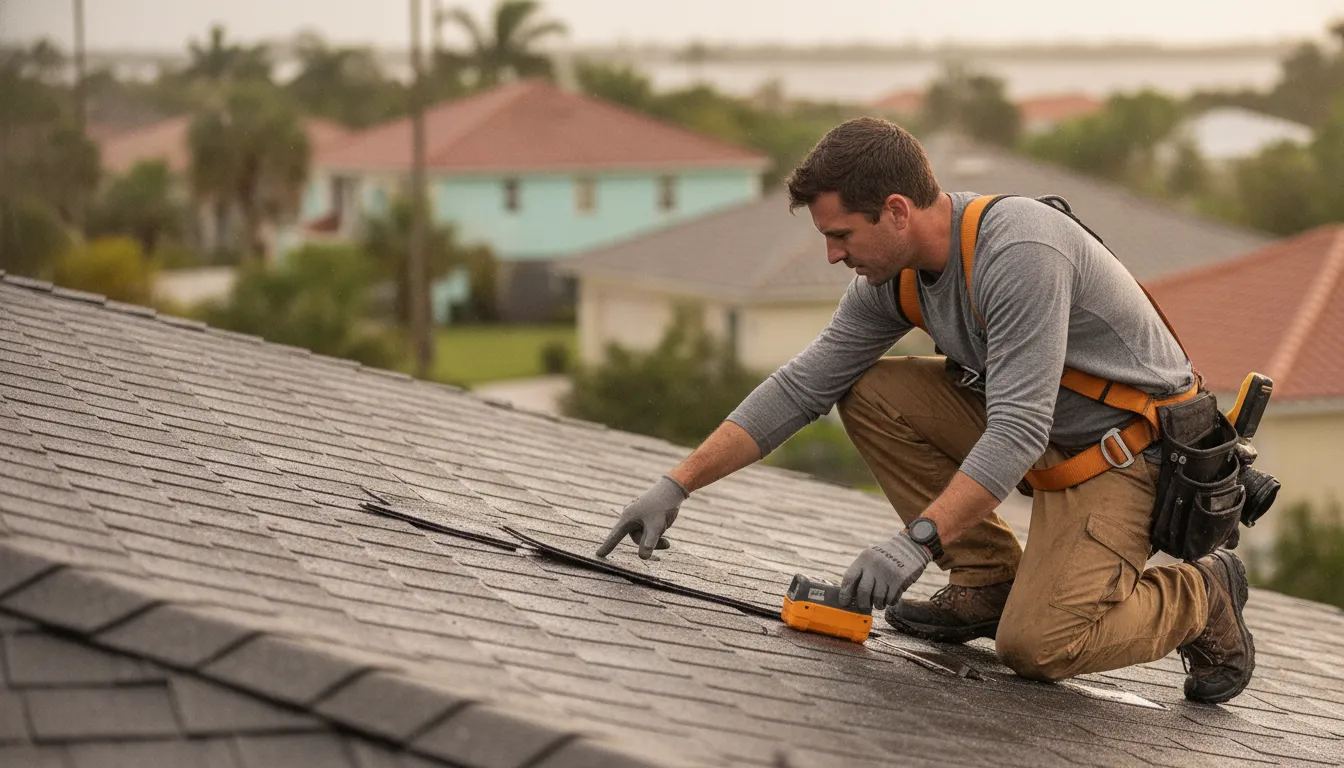
Pinellas County experiences frequent thunderstorms, tropical storms, and hurricane threats. Heavy rain finds small vulnerabilities in roofing, flashing, and window seals. Roofing issues from storm damage often allow water to enter attic spaces where it travels unseen through insulation and down interior walls. A roof inspection after every major storm can catch these entry points before they cause widespread interior damage.
How to Handle Insurance Claims After Water Damage in St. Petersburg
Filing an insurance claim after water damage requires thorough documentation and an understanding of your policy’s coverage structure. Most homeowners policies cover dwelling repairs, personal property replacement, and additional living expenses if you must relocate during restoration. Flood damage typically requires a separate NFIP or private flood policy. Working with a restoration company that documents the drying process with moisture mapping, daily readings, and photographic evidence strengthens your claim and helps prevent disputes with the adjuster.
Insurance paperwork adds stress to an already difficult situation. Knowing what to document and how your policy works removes much of that uncertainty.
Documenting Damage Immediately
Photograph and video every wet area before cleanup starts. Capture the source, the extent of standing water, damaged personal property, and any structural issues. Keep all receipts for emergency supplies, hotel stays if you must relocate, and any temporary repairs you authorize. Your insurance adjuster needs this documentation to process the claim efficiently.
Understanding Policy Coverage
Standard homeowners policies in Florida typically include three coverage types relevant to water damage. Dwelling coverage pays for structural repairs to walls, floors, roofing, and built-in systems. Personal property coverage reimburses you for damaged belongings like furniture, electronics, and clothing. Additional living expenses (ALE) covers hotel bills and meal costs if your home is uninhabitable during restoration.
Most standard policies exclude flood damage from rising water, storm surge, or groundwater seepage. Homeowners in St. Petersburg should verify whether they carry a separate flood policy through the National Flood Insurance Program or a private insurer. Go Time Roofing and Restoration’s FAQ explains common coverage questions for Pinellas County homeowners.
Professional Documentation Support
Your restoration team plays a key role in the claims process. Certified technicians produce moisture maps, drying logs, and daily progress reports that provide objective evidence of the damage and the scope of work required. Contact Go Time Roofing and Restoration for assistance with claim documentation. This documentation carries weight with adjusters and can be the difference between a fully covered claim and a disputed partial payment.
Preventing Mold and Secondary Damage During the Drying Process
The 24- to 48-hour window after water intrusion is your best opportunity to prevent mold colonization. During this period, professional drying equipment must maintain low moisture levels in all affected building materials. Hidden moisture inside wall cavities, under flooring, and behind baseboards is the most common source of post-restoration mold problems. Routine moisture checks during the drying process prevent these hidden issues from developing into full remediation projects later.
Secondary damage, such as warped flooring, delaminated drywall, and mold growth, often causes more total loss than the initial water intrusion. Preventing it requires vigilance and the right equipment.
The Critical Drying Window
The EPA recommends drying water-damaged materials within 24 to 48 hours to prevent mold growth. This window is even tighter in St. Petersburg’s environment. While waiting for professional help, increase air circulation with fans and remove wet rugs and upholstery from the affected area. Do not use your central HVAC system if it may circulate contaminated air through the rest of the house.
Detecting Hidden Moisture
Visible surface dryness does not mean the structure is safe. Water travels along joists, inside wall cavities, and under flooring where it remains trapped. The CDC warns that microorganisms can heavily contaminate building materials after a flood even when surfaces appear dry. Professional moisture meters and thermal imaging cameras detect these hidden pockets so they can be dried before rot or mold takes hold.
Post-Restoration Monitoring
After the drying process is complete, continue monitoring the affected area for several weeks. Watch for musty odors, discoloration on walls or ceilings, or new soft spots in flooring. These signs indicate residual moisture that was not fully addressed. Go Time Roofing and Restoration offers follow-up moisture checks to confirm the property remains dry after the initial restoration work.
Ready to Restore Your St. Petersburg Home After Water Damage?
Water damage does not wait, and neither should you. Every hour that passes increases the risk of structural decay, mold colonization, and higher repair costs. Go Time Roofing and Restoration provides certified water damage restoration services to St. Petersburg homeowners and property managers throughout Pinellas County.
Our IICRC-trained technicians arrive with industrial extraction equipment, high-capacity dehumidifiers, and moisture detection tools to dry your property thoroughly. We document every step for your insurance claim and stay on site until your home is fully restored.