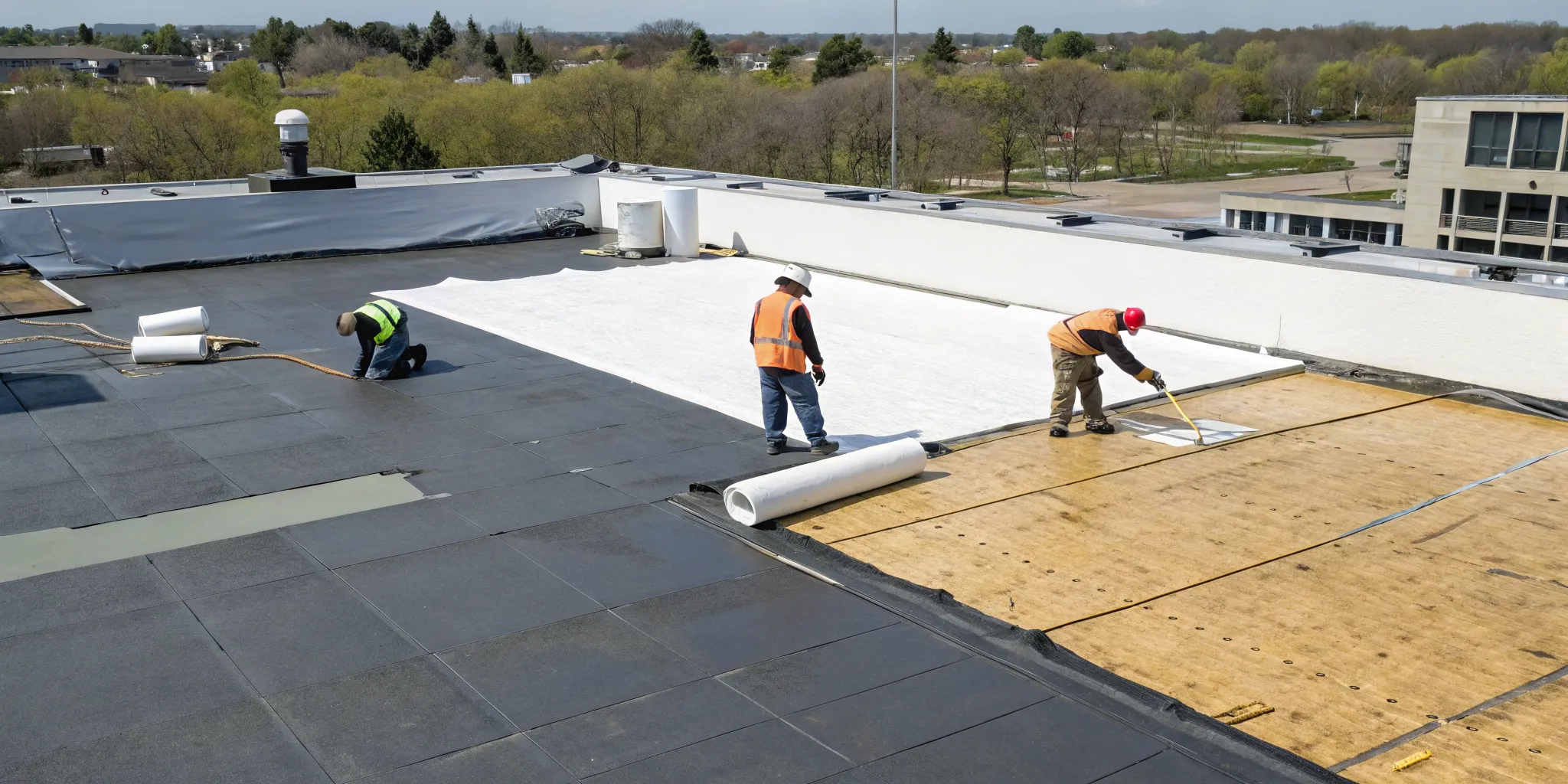
Here in St. Petersburg, our roofs don’t get a break. Between the intense sun, heavy seasonal rains, and constant humidity, flat roofs take a serious beating. When your roof starts to fail, it’s not just a minor headache—it’s a real threat to your property’s structure. Getting your flat roof replacement right is the key to protecting your investment for years to come. This guide is specifically for Florida property owners like you. We’ll walk through the best materials for our climate, common problems like poor drainage, and what a quality installation that can handle storm season actually looks like.
Key Takeaways
- Identify replacement signs and select the best material: A flat roof likely needs replacement if it’s over 15 years old, has persistent ponding water, or shows widespread blistering. When choosing a new roof, consider materials like TPO for its energy efficiency or PVC for its durable, heat-welded seams.
- Understand the costs and choose a qualified contractor: Your final cost depends on your roof’s size, the material you select, and any underlying damage. The most important decision is hiring a licensed and insured professional who provides a detailed estimate and has positive customer reviews.
- Know the process and commit to simple maintenance: A professional replacement includes handling permits, removing the old roof, installation, and a final inspection. To protect your new investment, keep the surface clear of debris and schedule an annual professional check-up to catch small issues early.
Why Choose a Flat Roof?
Beyond just covering your property, a flat roof offers some unique advantages that are especially well-suited for the Florida lifestyle. If you’re considering a replacement, it’s worth looking at why so many property owners are choosing this modern, functional option. From cost savings to creating new outdoor living areas, a flat roof can be a smart investment that pays off in more ways than one. It provides a clean, contemporary look while opening up possibilities that traditional pitched roofs simply can’t offer. Let’s explore a couple of the biggest reasons why a flat roof might be the perfect fit for your St. Petersburg home or business.
Affordability and Versatility
When you’re looking at roofing options, cost is always a major factor. Flat roofs often come out ahead as a more budget-friendly choice compared to traditional pitched roofs, mainly because the installation process can be simpler and require fewer materials. But affordability doesn’t mean you’re sacrificing options. Flat roofs are incredibly versatile, allowing you to choose from a range of modern materials that fit your property’s style. While our Florida weather doesn’t bring snow and ice, the intense sun and heavy rains demand the same level of quality. That’s why excellent workmanship and durable materials are non-negotiable for a long-lasting flat roof installation that can handle our unique climate.
Creates Usable Outdoor Space
One of the most exciting benefits of a flat roof is the potential to create a whole new living area. In a place like St. Pete, where we love our outdoor spaces, this is a huge advantage. A flat roof can be transformed into a rooftop patio for entertaining, a quiet rooftop garden, or the perfect spot for solar panels to help lower your energy bills. This isn’t just about adding square footage; it’s about enhancing your lifestyle and adding significant value to your property. Imagine having a private space to relax and enjoy the Florida sunshine. This modern approach to roofing turns an often-overlooked part of your home into a functional and stylish asset.
Is It Time to Replace Your Flat Roof?
Flat roofs are a fantastic, modern choice for many Florida properties, but like any part of your home, they have a lifespan. Generally, you can expect a flat roof to last about 15 to 20 years, depending on the material and how well it’s been maintained. While age is a good starting point, it isn’t the only thing to consider. Sometimes, a younger roof can have significant problems, while an older one might still have a few years left in it.
The real question is whether your roof needs a simple repair or a full replacement. Making the right call can save you from recurring issues and protect your property from water damage down the line. Knowing what to look for is the first step. From subtle interior clues to obvious exterior damage, your roof will give you signs when it’s in trouble. Understanding these warnings will help you decide on the best course of action for your home and your budget. Our team specializes in all types of roofing services and can help you make an informed choice.
Don’t Ignore These Flat Roof Warning Signs
Noticing a problem early can make all the difference. Start by looking for clues inside your home, like growing water spots or discoloration on your ceilings and walls. A persistent musty smell can also point to a hidden leak.
Next, if you can do so safely, check the roof itself. One of the most common red flags is ponding water, which are puddles that remain more than 48 hours after it rains. Also, look for cracks in the sealant, blisters or bubbles on the surface (often from heat damage), and any areas where the roofing material looks loose or is pulling away from the edges. These are clear indicators that your roof’s integrity is compromised and it may be time for a replacement.
Rising Energy Bills
Have you noticed your cooling costs creeping up without any other explanation? Your roof could be the culprit. A healthy flat roof acts as a crucial barrier, reflecting sunlight and insulating your home. When the roofing material starts to degrade, crack, or lose its reflective properties, it can’t manage heat as effectively. This forces your air conditioning system to work overtime just to keep your space comfortable, leading to a noticeable spike in your energy bills. While it’s a more subtle sign than a visible leak, a sustained increase in energy usage is a strong indicator that your roof is no longer performing its job and may need a professional evaluation.
Mold, Moss, or Algae Growth
In Florida’s humid environment, any sign of organic growth on your roof is a major red flag. If you see patches of mold, moss, or dark algae streaks, it means moisture is being trapped on the roof’s surface. This is often a sign that the protective top layer has failed, allowing water to saturate the materials underneath. Not only does this growth accelerate the deterioration of your roof, but it can also lead to moisture seeping into your home’s structure. If a roof leak is the source, you could soon face indoor air quality issues, which is why it’s critical to address the problem at its source. Our team is experienced in handling both roofing failures and the resulting mold remediation.
Buckling or Warped Materials
Take a look at the surface of your roof. Does it still look perfectly flat, or can you see areas that appear wavy, rippled, or buckled? This warping is a serious sign of roof failure. It typically happens when moisture gets trapped between the layers of roofing material, causing the membrane to detach from the insulation or roof deck below. Buckling creates weak spots that are highly susceptible to cracking and tearing, creating easy entry points for water. This isn’t just a cosmetic issue; it signals a structural problem that will only get worse over time and almost always requires a full replacement to correct properly.
Debris in Gutters
When you clean your gutters, it’s normal to find leaves and twigs. What isn’t normal is finding pieces of your roof. Pay close attention to any gravel-like granules, chunks of black material, or strips of membrane in your downspouts or gutters. This type of debris indicates that the surface of your flat roof is actively breaking down and disintegrating under the stress of sun and rain. As the protective top layer erodes, the underlying materials are left exposed and vulnerable, drastically shortening your roof’s lifespan. Finding roofing material in your gutters is a clear sign that your roof is deteriorating from the outside in.
Loose Flashing
Flashing is the material—usually metal or a rubber membrane—that seals the most vulnerable parts of your roof, like the edges, corners, and around vents or skylights. Its job is to direct water away from these seams. If you notice that the flashing is cracked, bent, or pulling away from the roof surface, you have a critical problem. Damaged flashing creates a direct pathway for water to get underneath your roofing system, leading to significant leaks and water damage. Since these are the areas most prone to failure, keeping an eye on your flashing is essential for roof health.
Should You Repair or Replace Your Flat Roof?
Deciding between a repair and a full replacement often comes down to three things: age, the extent of the damage, and cost-effectiveness. A repair is usually the best option if your roof is under 15 years old and the damage is minor and contained to one area. Fixing a small puncture or a single failed seam is a practical way to extend your roof’s life without a major investment.
However, a replacement is the smarter long-term solution if your roof is approaching 20 years or older, has multiple leaks, or shows widespread damage like extensive blistering. If you find yourself paying for frequent repairs, those costs can add up quickly. A new roof provides a fresh start and peace of mind. If you’re unsure, a professional inspection can give you a clear picture of your roof’s condition so you can make the best decision.
Choosing the Best Material for Your Flat Roof
Choosing the right material for your flat roof is a big decision, especially here in Florida where the weather can be so demanding. You need a roof that can stand up to intense sun, heavy downpours, and high humidity without failing. The good news is that modern roofing services offer several excellent options, each with its own set of benefits designed to protect your property for years to come.
Making the right choice comes down to balancing your budget, your goals for energy efficiency, and how much maintenance you’re willing to do. Some materials are champions of longevity, lasting half a century, while others offer superior heat reflection to help keep your cooling costs down. Understanding the key differences between them is the first step toward a successful roof replacement. Let’s walk through five of the most popular and reliable materials for flat roofs so you can feel confident you’re making a smart investment in your property.
EPDM Rubber Roofing
EPDM (Ethylene Propylene Diene Monomer) is a synthetic rubber membrane that is well-known for its incredible strength and durability. If you’re looking for a low-maintenance, long-term solution, this is one to consider, as it can last an impressive 40 to 50 years with proper care. EPDM typically comes in large black or white rolls. While the white version costs a bit more, it does a fantastic job of reflecting heat, which can help lower your cooling bills during those hot St. Petersburg summers. Its flexibility also allows it to handle temperature fluctuations without cracking, making it a solid choice for a reliable, long-lasting roof.
Pros of EPDM
One of the biggest draws of EPDM is its impressive lifespan. With proper installation and care, this synthetic rubber roof can easily last 40 to 50 years, making it a fantastic long-term investment. Its rubber composition is also incredibly flexible, allowing it to expand and contract with our dramatic temperature shifts without cracking or becoming brittle. For Florida property owners, the white EPDM option is particularly appealing. It acts as a cool roof, reflecting the sun’s intense rays instead of absorbing them. This simple feature can make a noticeable difference in your cooling bills during our long, hot summers, adding energy efficiency to its list of benefits.
Cons of EPDM
While EPDM is tough, it does have a key vulnerability: punctures. The membrane can be damaged by sharp objects like falling tree branches or tools, and even heavy, repeated foot traffic can cause holes over time. This is an important consideration if you have rooftop equipment, like an HVAC unit, that requires regular service. Additionally, the standard black color of EPDM absorbs significant heat, which can work against you in the Florida sun. While the more expensive white version solves this problem, it’s a trade-off to keep in mind. Any damage needs to be addressed quickly to prevent leaks from developing.
TPO (Thermoplastic Olefin)
If energy efficiency is at the top of your list, TPO is a material you’ll want to look at. This single-layer membrane is specifically designed to reflect harsh UV rays, making it a perfect match for sunny climates like ours. TPO is not only resistant to heat and UV radiation but also holds up well against fire and chemical exposure. It’s a popular choice for both commercial and residential buildings because it strikes a great balance between performance and cost. With a typical lifespan of 15 to 30 years, TPO offers dependable protection and can make a real difference in your property’s energy consumption.
PVC (Polyvinyl Chloride)
PVC is another robust plastic roofing material that offers fantastic durability. It’s highly resistant to some of the biggest threats to a roof in Florida: UV rays, high heat, and even chemicals. This strength helps it last for 20 to 30 years. A key feature of PVC roofing is that its seams are heat-welded together, creating a single, watertight sheet across your entire roof. This monolithic bond is incredibly strong and makes the roof less susceptible to leaks and potential water damage. Its fire resistance also adds an extra layer of security and peace of mind.
Pros of PVC
PVC is a powerhouse when it comes to durability, making it an excellent choice for Florida’s demanding climate. Its biggest advantage lies in its heat-welded seams. During installation, these seams are fused together to create a single, continuous membrane across your entire roof. This process forms an incredibly strong, watertight bond that is far less likely to develop leaks compared to roofs with glued or taped seams. This feature alone provides incredible protection against potential water damage. On top of that, PVC is highly resistant to UV rays, chemicals, and fire, all of which contribute to its impressive 20 to 30-year lifespan and give you lasting peace of mind.
Cons of PVC
While PVC has some major strengths, there are a couple of trade-offs to consider. The most significant is its upfront cost, which is typically higher than other flat roofing materials like TPO or EPDM. The installation process is also more specialized, requiring specific equipment and skilled technicians to properly weld the seams and ensure a flawless finish. Because of this, it’s not a project suited for DIY or less experienced roofers. While PVC is very durable, if the membrane does get punctured, repairs can sometimes be more complex than with other materials. These factors make it a premium option, but for many property owners, the long-term performance is well worth the initial investment.
Modified Bitumen
Modified Bitumen, often called “mod-bit,” is an asphalt-based product that comes in rolls. It’s reinforced with rubber or plastic polymers, which makes it tough and resistant to tears and punctures from foot traffic or flying debris during a storm. While it’s a durable and relatively easy material to install, it may not perform as well in extreme, prolonged heat compared to reflective options like TPO or PVC. Still, it’s a reliable and cost-effective choice for many property owners, offering a solid lifespan of 15 to 25 years when properly installed and maintained by a professional team.
Built-Up Roofing (BUR)
Built-Up Roofing, or BUR, is one of the most traditional and time-tested systems for flat roofs. It’s created by layering asphalt or tar with reinforcing fabrics, then topping it all off with a layer of gravel or other mineral aggregate. This multi-layer construction provides excellent protection and durability against the elements. One of the key advantages of a BUR system is that it’s fairly straightforward to repair if a problem arises. With a lifespan ranging from 15 to 30 years, this classic method remains a dependable and popular choice for property owners looking for a sturdy, proven roofing system.
GRP (Fiberglass) Roofing
GRP, which stands for Glass Reinforced Plastic, is another excellent modern option for flat roofs. You might know it better as fiberglass. This material is created by combining a polyester resin with glass fibers, resulting in a strong, lightweight, and completely waterproof surface. Unlike materials that come in rolls, GRP is applied as a liquid that hardens to form a single, seamless membrane across your entire roof. This method eliminates joints and weak points, which are often the primary culprits for leaks. Its sleek, smooth finish also gives it a clean, contemporary look that many property owners appreciate for its aesthetic appeal.
Pros of GRP
The biggest advantage of GRP roofing is its impressive durability. When installed correctly, a fiberglass roof can easily last for more than 30 years, making it a fantastic long-term investment for your property. Because it’s applied as a continuous layer with no seams, it offers superior protection against water intrusion, a critical feature during Florida’s rainy season. This seamless quality means there are no gaps or overlaps for water to exploit over time. GRP is also highly versatile and can be molded to fit complex roof shapes, vents, and skylights, ensuring a perfect, watertight seal all around. It’s a tough, resilient material built to withstand the elements for decades.
Cons of GRP
While GRP is a top-tier material, it does have a couple of drawbacks to consider. The installation process is highly sensitive to weather conditions. For the resin to cure properly, it needs to be applied on a dry day with mild temperatures, which can sometimes be challenging to schedule. If the conditions aren’t right, it can compromise the roof’s integrity, which is why professional installation is non-negotiable. The initial cost can also be higher than some other flat roofing systems. However, many property owners find that the exceptional lifespan and low maintenance needs justify the upfront investment, providing peace of mind for years to come.
How Much Does a Flat Roof Replacement Cost?
Figuring out the budget for a new flat roof is one of the biggest questions for any property owner. While it’s a significant investment, a new roof protects your home or business from the Florida elements and gives you peace of mind for years to come. The final price tag isn’t a one-size-fits-all number; it depends on a mix of factors, from the materials you choose to the current condition of your roof.
Think of it less as a single cost and more as a collection of components that add up to your final total. Understanding these components helps you see exactly where your money is going and allows you to make informed decisions. We can break down the costs into three main areas: the materials themselves, the specific details of your project, and the necessary permits and potential surprises that can pop up along the way. This approach helps demystify the process and prepares you for a conversation with a roofing professional.
A Cost Breakdown by Roofing Material
On average, you can expect a flat roof replacement to cost somewhere between $3 and $11 per square foot. This is a wide range because the type of material you select plays a huge role in the final price. For example, modern materials like TPO or PVC often have different price points than traditional options like modified bitumen.
While it’s tempting to go with the least expensive option, it’s important to consider the long-term value. A more durable, energy-efficient material might cost more upfront but could save you money on repairs and energy bills down the road. The best way to get an accurate estimate for your property is to have a professional assess your specific needs and discuss the pros and cons of different roofing services.
Other Factors That Affect Your Final Cost
Beyond the material, several other factors influence your total replacement cost. The size of your roof is the most obvious one; a larger surface area requires more materials and more labor. The condition of your existing roof also matters. If old roofing layers need to be torn off and disposed of, that will add to the labor costs.
Other key considerations include the height of your building, the need for new insulation, and any rooftop equipment that needs to be worked around, like HVAC units or vents. If our team discovers underlying structural damage to the roof deck once the old material is removed, those repairs will also affect the final bill. We always aim to be transparent about these possibilities from the start.
Your Geographic Location
Living in St. Petersburg means your roof has to withstand a unique set of challenges, from intense UV exposure to hurricane-force winds and torrential rain. Local building codes are stricter here for a reason—they ensure your roof is built to handle our specific climate. These regulations can influence everything from the type of materials you can use to the specific installation techniques required for proper wind resistance. While meeting these standards might add to the initial cost, it’s a critical investment in your property’s safety and longevity, ensuring your new roof is truly prepared for whatever Florida weather throws its way.
Roof Accessibility
How easily our crew can access your roof plays a direct role in the labor portion of your estimate. A straightforward, single-story building with plenty of space around it is simpler to work on than a multi-story property with tight access or delicate landscaping that needs protection. The condition of the existing roof is also a factor. If there are multiple old layers that need to be torn off and hauled away, it will require more time and effort. Our goal is always to perform our roofing services safely and efficiently, and clear access helps us do just that.
Decking and Insulation Needs
Sometimes, the true condition of a roof isn’t clear until the old material is removed. The roof deck—the wooden foundation your roof is built on—can hide problems like rot or soft spots caused by slow, undetected leaks. If we find any structural issues, they must be repaired to create a solid base for your new roof. This is also the ideal time to evaluate your insulation. Upgrading it can significantly improve your home’s energy efficiency, and in many cases, bringing it up to current code is a required part of the replacement process, preventing future issues like water damage.
Don’t Forget Permits and Hidden Costs
A full roof replacement isn’t just a construction project; it’s a process that needs to follow local regulations. Most municipalities in Pinellas County require a permit for a complete roof replacement to ensure the work meets safety and building codes. While a qualified contractor handles the permitting process for you, the fees associated with it are typically included in your overall project cost.
It’s also wise to plan for potential hidden expenses. Sometimes, issues like water damage or rotted decking aren’t visible until the old roof is completely removed. Setting aside a small contingency fund can prevent these surprises from derailing your budget. The best way to get a clear picture of all potential costs is to contact us for a thorough inspection and a detailed, all-inclusive estimate.
The Financial Benefits of a New Roof
A roof replacement is one of the most significant investments you can make in your property, but it’s much more than just a necessary expense. It’s a strategic financial decision that protects your home and can pay for itself in multiple ways. Beyond the immediate benefit of keeping your property safe from St. Petersburg’s sun and storms, a new roof adds tangible value that you can see on paper and feel in your wallet. Whether you’re planning to sell in the near future or want to build equity for the long term, understanding the financial perks can help you see your new roof as a powerful asset rather than just a line item on a budget.
How a New Roof Increases Home Value
A new roof boosts your home’s value in two key ways. First, it directly increases the official appraised value of your property. Appraisers see a new roof as a major capital improvement, recognizing that it extends the life of the home and reduces the need for near-term maintenance. Second, it significantly improves curb appeal and buyer confidence. According to real estate marketplace Opendoor, potential buyers view a new roof as a sign that a home is well-maintained and move-in ready. This perception is especially powerful in Florida, where a sturdy, modern roof provides peace of mind against hurricanes and heavy rain, making your property far more attractive than a comparable home with an aging roof.
Calculating Your Return on Investment (ROI)
When you invest in a new roof, you can expect to get a solid portion of that money back when you sell. The national average return on investment for a new asphalt shingle roof is between 61% and 68%. To put that in perspective, if you spend $15,000 on a roof replacement, you could see your home’s sale price increase by about $9,150 to $10,200. While this is a national figure, the ROI can be even higher in our local market, where a new, storm-resistant roof is a high-demand feature. It’s one of the few home improvement projects that offers such a direct and substantial financial return, making it a wise choice for any property owner.
Avoiding Buyer Negotiations and Loan Issues
An old or damaged roof is one of the most common red flags that appear during a home inspection. It gives buyers powerful leverage to negotiate for a lower price or demand significant repair credits, which can complicate or even derail a sale. By investing in a new roof before you list your property, you remove that major bargaining chip from the table. This leads to a smoother, faster closing process with fewer headaches. Furthermore, some lenders may hesitate to approve a mortgage on a home with a roof that’s near the end of its life. A new roof, installed by a professional team, eliminates that concern and ensures your sale proceeds without any financing snags.
How to Choose the Right Roofing Contractor
Selecting the right materials for your flat roof is only half the battle; finding the right person to install them is just as critical. The quality of the installation determines how well your roof performs and how long it lasts. A great contractor not only does the job correctly but also provides peace of mind, guiding you through the process with clear communication and professional advice. This partnership is your best defense against future leaks, damage, and costly repairs.
Think of your roofer as the guardian of your property. They are responsible for protecting your home or business from the elements, especially here in Florida where we see everything from intense sun to heavy rain. Taking the time to vet your options and choose a qualified, trustworthy professional is an investment in the longevity of your roof and the safety of everything underneath it. A little due diligence now can save you from major headaches down the road.
Your Contractor Checklist: What to Look For
Before you even look at a quote, make sure any potential contractor meets a few non-negotiable standards. First and foremost, they must be licensed and insured in the state of Florida. This protects you from liability if an accident happens on your property. Don’t just take their word for it; ask to see proof. Next, check their reputation. Look at online reviews and ask to see a portfolio of their past work, paying special attention to other flat roof projects. A history of happy customers is a strong indicator of quality roofing services. Finally, a professional contractor will provide a clear, itemized quote and communicate effectively, answering all your questions without pressure.
Ask These Questions Before Hiring a Contractor
Once you have a shortlist of qualified contractors, it’s time to interview them. Having a few key questions prepared will help you make an informed decision.
Start with the basics:
- What materials do you recommend for a flat roof in St. Petersburg’s climate?
- How do you handle project communication and updates?
- Can you explain the warranty for both the materials and your workmanship?
- What is the projected timeline for my roof replacement?
Their answers will reveal a lot about their expertise, process, and customer service. A confident, knowledgeable contractor will be happy to walk you through every detail, ensuring you feel comfortable before any work begins.
Red Flags to Watch Out For
Knowing what to avoid is just as important as knowing what to look for. Be wary of any contractor who uses high-pressure sales tactics or demands full payment before the work starts. Another major red flag is a vague or incomplete quote that doesn’t break down the costs for labor and materials. For flat roofs, pay close attention to how they talk about details like flashing and drainage. Many roof failures happen because a contractor rushed or skipped these critical steps. If they seem to dismiss your questions or can’t explain their process clearly, it’s best to walk away. You deserve a team that is transparent and professional from start to finish, so don’t hesitate to contact us for a detailed, no-pressure estimate.
Project Planning: Timing and Why DIY is a Bad Idea
A flat roof replacement is a complex job that requires specialized skills, and it’s definitely not a DIY project. While it might be tempting to try and save money, improper installation can lead to serious problems like persistent leaks, poor drainage, and even structural damage. Choosing the right materials is only half the battle; finding the right person to install them is just as critical. A professional team has the right tools, safety equipment, and experience to handle the unique challenges of flat roofing, from properly sealing seams to ensuring the roof is watertight. Attempting this yourself could void material warranties and end up costing you far more in future repairs. Trusting a professional gives you peace of mind that the job is done correctly and safely.
Selling Your Home? What to Know About Roof Replacement
If you’re planning to sell your home, the condition of your roof is one of the first things potential buyers and their inspectors will scrutinize. An old, worn-out roof can be a major deal-breaker, often leading to lowball offers or buyers walking away entirely. On the other hand, a brand-new roof is a powerful selling point. It signals that your home is well-maintained and removes a huge potential expense for the new owners. In fact, replacing your roof is one of the best exterior updates you can make for your home’s value. While the exact return on investment varies, a new roof can significantly increase your home’s resale value and make it much more attractive on the market.
Investing in a new roof before you list can streamline the entire selling process. It helps you avoid stressful negotiations over repair credits and can prevent delays in closing that often arise from a bad inspection report. A new roof gives buyers confidence and allows you to set a firm, competitive asking price. It’s a proactive step that shows you’ve taken excellent care of the property, making a strong first impression that can lead to a faster, smoother sale. The following sections break down what you need to consider when replacing your roof as part of your home-selling strategy.
Choosing Buyer-Friendly Materials and Colors
When you’re replacing a roof with resale in mind, the goal is to appeal to the widest possible audience. This isn’t the time for bold, personal style choices. Instead, stick with neutral tones that are consistently popular with buyers. For flat roofs, this often means choosing materials like white TPO or PVC. Not only do these have a clean, modern look, but they also come with the added selling point of being energy-efficient, which is a huge plus for buyers in Florida. A bright, reflective roof surface can help lower cooling costs, and that’s a feature your real estate agent can highlight. Choosing a classic, buyer-friendly option ensures your investment enhances curb appeal without turning off potential buyers.
The Importance of a Transferable Warranty
A new roof is a major investment, and a strong warranty is proof of its quality. When you’re selling your home, a transferable warranty is an incredibly valuable asset that you can pass on to the new owner. This gives them the same peace of mind you have, knowing that both the materials and the installation are covered for years to come. Make sure you receive warranty papers from your contractor that can be passed on to the new owner. At Go Time Restoration, we stand by our roofing services and provide clear documentation for both the materials we use and our workmanship, giving you a powerful selling tool that adds tangible value to your property.
Timing Your Replacement Before Listing
Timing is everything when you’re preparing a home for sale. Ideally, you should plan to replace your roof one to three months before you list your property. This buffer is crucial for a few reasons. First, it allows for any unexpected weather delays that are common here in St. Petersburg, ensuring the project is completed without rushing. Second, it gives you time to get all the necessary paperwork in order, including the final invoice and warranty documents. Most importantly, having the new roof finished well in advance means you can take high-quality listing photos that showcase your home’s beautiful, brand-new feature, which can attract more buyers from the very beginning.
Preparing Documentation for Appraisers
A new roof can have a positive impact on your home’s appraisal value, but you need to provide proof of the investment. Don’t assume the appraiser will know the roof is new or how much it cost. To ensure you get full credit, gather all your documents into a single folder and have it ready for the appraiser. This should include the signed contract, the final paid invoice, details about the materials used, and the transferable warranty papers. Having all receipts, warranty documents, and contractor details ready helps the appraiser accurately assess the quality and value of the roof, which can make a real difference in your home’s final valuation.
Common Challenges During a Flat Roof Replacement
Replacing a flat roof is a major project, and even with the best contractor, a few challenges can pop up. Knowing what to look for helps you stay informed and ensures the job gets done right. From surprise structural issues to Florida’s unpredictable weather, being prepared can make the entire process feel much smoother. Here are a few common hurdles you might encounter and how a professional team handles them.
Drainage and Ponding Water
One of the biggest enemies of a flat roof is ponding water. After a heavy St. Pete rain, you don’t want to see puddles lingering on your roof for more than a day or two. This standing water adds weight, speeds up material degradation, and eventually leads to leaks. A proper replacement isn’t just about laying down new material; it’s about fixing the root cause. Your contractor should assess the roof’s slope and drainage system to ensure water flows off efficiently. A well-executed project will prevent future water damage and protect your property for years to come.
Underlying Structural Problems
Sometimes, the real problems are hiding just beneath the surface. When the old roofing material is torn off, it can reveal issues like rotted decking, waterlogged insulation, or other structural weaknesses. Simply covering these problems up is a recipe for disaster. A reputable contractor will perform a thorough inspection and address any underlying damage before installing the new roof. This might involve replacing sections of the wood decking or adjusting the structure to create a slight pitch for better drainage. It’s a crucial step that ensures the integrity of your entire roofing system.
Weather Delays and Disruptions
We all know Florida weather can change in an instant. A sunny morning can quickly turn into a torrential downpour, and that can bring your roofing project to a temporary halt. Professional roofers will not work in the rain or high winds, as it’s unsafe for them and can compromise the quality of the installation. While delays can be frustrating, they are necessary to protect your home from water exposure during the replacement. A good contractor will keep you in the loop with clear communication about any weather-related schedule changes and work efficiently when conditions are safe.
Flashing and Preparation Mistakes
The details make all the difference in roofing, especially when it comes to flashing. Flashing is the metal material installed around vents, skylights, chimneys, and along the roof’s edges. Its job is to seal these vulnerable areas and prevent water from seeping in. Unfortunately, improper flashing installation is a leading cause of roof leaks. An experienced team knows that meticulous preparation and precise installation are key. They will ensure every penetration is perfectly sealed, providing a watertight barrier as part of their comprehensive roofing services.
Which Roofing Brands Should You Trust?
Choosing the right materials for your flat roof replacement is just as important as hiring a skilled contractor. The brand you select determines the durability and longevity of your roof for decades to come. With so many options on the market, it can be tough to know which ones deliver on their promises. Fortunately, a few manufacturers have consistently earned the trust of homeowners and roofing professionals through superior quality and reliable performance.
Top-Rated Roofing Manufacturers
When you start exploring your options, you’ll likely come across a few key brands known for their quality. GAF is a leader in the roofing industry, offering a huge variety of products and innovative solutions. Another trusted name is Owens Corning, well-regarded for its high-performance shingles designed to stand up to harsh weather. Atlas Roofing is also a popular choice, praised for its durable materials and aesthetic appeal. Working with a professional on your roofing services ensures you get authentic, high-quality materials from these top-tier brands, installed correctly the first time.
How to Compare Material Quality and Warranties
What makes one brand better than another? It often comes down to material quality and the warranty that backs it up. Top-tier manufacturers like GAF and Owens Corning invest heavily in creating products that exceed basic industry standards, giving you a roof that’s built to last. A strong warranty is your safety net. The best brands offer extensive protection, sometimes covering your roof for 25 years or even a lifetime. For example, some manufacturers provide comprehensive roofing system warranties that cover not just the materials but also the workmanship if you use a certified installer.
What Customer Reviews Are Saying
Before making a final decision, it’s always a good idea to see what other homeowners are saying. Customer reviews often highlight the real-world performance of different roofing brands. You’ll find that homeowners frequently praise the reliability of Owens Corning and GAF, noting how well the materials hold up over time. In areas with extreme weather like ours in Florida, the durability of brands like Atlas Roofing is a common theme in positive feedback. Reviews consistently point to the value of a strong warranty and the confidence that comes from knowing your home is protected. If you have questions about which brand is right for your home, we can help you find the perfect fit.
What to Expect During the Replacement Process
Knowing what happens during a roof replacement can make the entire experience feel much more manageable. From the initial paperwork to the final sign-off, having a clear picture of the process helps you plan accordingly and ensures there are no surprises along the way. A professional team will guide you through each phase, but it’s always helpful to understand the key milestones. This process is designed to be as efficient and non-disruptive as possible, getting your property protected with a new, durable roof. Here’s a breakdown of the typical steps involved, so you know exactly what’s happening on your property from start to finish.
Getting Started: Prep Work and Permits
Before the first tear-off shingle hits the ground, there’s some essential prep work to do. The most important step is securing the necessary permits from local St. Petersburg or Pinellas County authorities. This isn’t something you need to worry about; a licensed and insured contractor handles the entire process. We prepare and submit all the required plans and documentation to ensure your project is fully compliant with local building codes. This step protects you and guarantees that the work is done to the highest safety and quality standards. Our professional roofing services always include managing the permitting from beginning to end.
What’s the Timeline for Removal and Installation?
A common question we get is, “How long will this take?” While every project is unique, a typical flat roof replacement follows a predictable timeline. The removal of your old roof is the first major step, and for most residential or small commercial properties, this takes about a day. Once the underlying structure is inspected and prepared, the installation of the new roofing system begins. This phase can take an additional two to four days, depending on the size of your roof, the specific materials being used, and of course, the Florida weather. We always aim to complete the job efficiently while never compromising on quality.
How to Manage Noise and Disruption
There’s no way around it: replacing a roof can be noisy. From the tear-off of the old materials to the fastening of the new ones, you can expect a fair amount of commotion. A professional crew works to minimize the disruption as much as possible. We believe clear communication is key. We will always keep you informed about the work schedule, so you know when to expect the loudest periods. If you have tenants, pets, or work from home, this heads-up allows you to make any necessary arrangements to keep your day running smoothly.
Wrapping Up: The Final Inspection
After the installation is complete and the work area is cleaned up, we’ll conduct a final walk-through with you. This is your opportunity to inspect the finished product, ask any remaining questions, and point out anything you’d like to discuss. We want to ensure you are completely satisfied with the craftsmanship and the final result. This inspection is a crucial last step to confirm that all work meets your expectations and our high standards. Once you’re happy with your new roof, we’ll provide you with all the necessary warranty information and maintenance tips.
How to Maintain Your New Flat Roof
Your new flat roof is a significant investment, and with a little proactive care, you can ensure it protects your property for years to come. Unlike sloped roofs, flat roofs require specific attention to prevent issues like water pooling and membrane damage. Setting up a simple maintenance routine is the best way to extend its lifespan and avoid unexpected, costly repairs. By keeping an eye on a few key areas and scheduling professional check-ups, you can keep your roof in top condition and enjoy the peace of mind that comes with a well-maintained home.
Essential Maintenance for a Long-Lasting Roof
To get the most out of your new roof, it’s smart to perform your own visual inspections twice a year, ideally in the spring and fall. During these checks, clear away any leaves, branches, or other debris that has collected on the surface. This buildup can hold moisture against the roof membrane and, more importantly, clog your drains and scuppers. Proper drainage is critical for a flat roof, so ensuring water can flow off freely is your top priority. While you’re up there, take a look at any overhanging tree limbs and consider trimming them back to prevent future debris and reduce the risk of damage during a storm.
When to Schedule Professional Inspections
While your own check-ups are helpful, they don’t replace the expert eye of a professional. We recommend scheduling a professional inspection at least once a year. A trained roofer can spot subtle issues you might miss, like small punctures in the membrane, deteriorating sealant around flashing, or early signs of blistering. They have the tools and experience to assess the roof’s overall health and catch minor problems before they become major headaches. Think of it as an annual wellness check for your roof. A professional inspection provides a detailed report and a clear plan for any necessary roofing services to keep your investment secure.
How to Spot Problems Before They Start
Between professional visits, stay vigilant for signs of trouble both inside and outside your home. On the roof itself, watch for any areas where water consistently pools for more than 48 hours after it rains. Also, look for any cracks, blisters, or separating seams in the roofing material. Inside, be on the lookout for water spots on your ceilings or walls, which are clear indicators of a leak. A persistent musty smell can also signal hidden moisture, which might require professional water damage restoration to address properly. Catching these issues early is the key to preventing widespread damage and keeping your repair costs down.
Related Articles
- Residential Flat Roof Replacement: The Ultimate Guide
- Flat Roof Replacement Cost: A Complete Guide
- Price for Flat Roof Replacement: 2026 Guide
Frequently Asked Questions
How long does a flat roof really last in Florida’s climate? While the material lifespan estimates (15 to 30 years) are a great guide, Florida’s intense sun and heavy rain can be tough on any roof. The actual longevity of your flat roof depends heavily on the quality of the material you choose and how well it’s maintained. A well-installed, energy-efficient material like TPO or PVC combined with annual professional inspections will give you the best chance at reaching or even exceeding that 20-year mark.
Is a white, reflective roof worth the extra cost in St. Pete? Absolutely. Think of a white or light-colored roof as a shield against the Florida sun. It reflects UV rays instead of absorbing them, which keeps the roof surface cooler. This directly translates to a cooler building and less work for your air conditioning system, which can lead to noticeable savings on your energy bills over time. It’s an upfront investment that pays you back during our long, hot summers.
What happens if you find rotted wood or other damage after removing the old roof? This is a common concern, and a professional contractor will have a clear plan for it. If we uncover any structural issues like waterlogged insulation or rotted decking, we stop work immediately. We will show you the problem, explain the necessary repairs, and provide a clear change order detailing the additional costs. We never move forward with covering up a problem or with any extra work until you fully understand the situation and approve the solution.
Can you just install a new flat roof over the existing one to save money? While this is sometimes done, we almost always advise against it for flat roofs. A complete tear-off is the only way to properly inspect the underlying roof deck for hidden damage, rot, or moisture issues. Installing a new roof on a compromised foundation is a recipe for failure. A full removal ensures your new roof has a solid, secure base, which is essential for its long-term performance and warranty.
How do you protect my landscaping and property during the replacement? Protecting your property is a top priority for any professional crew. Before we begin, we cover nearby landscaping, siding, and windows with heavy-duty tarps to shield them from falling debris. We also establish a safe, designated path for our team to move materials. After the job is done, we perform a thorough cleanup of the entire area, including using magnetic rollers to pick up any stray nails or fasteners.