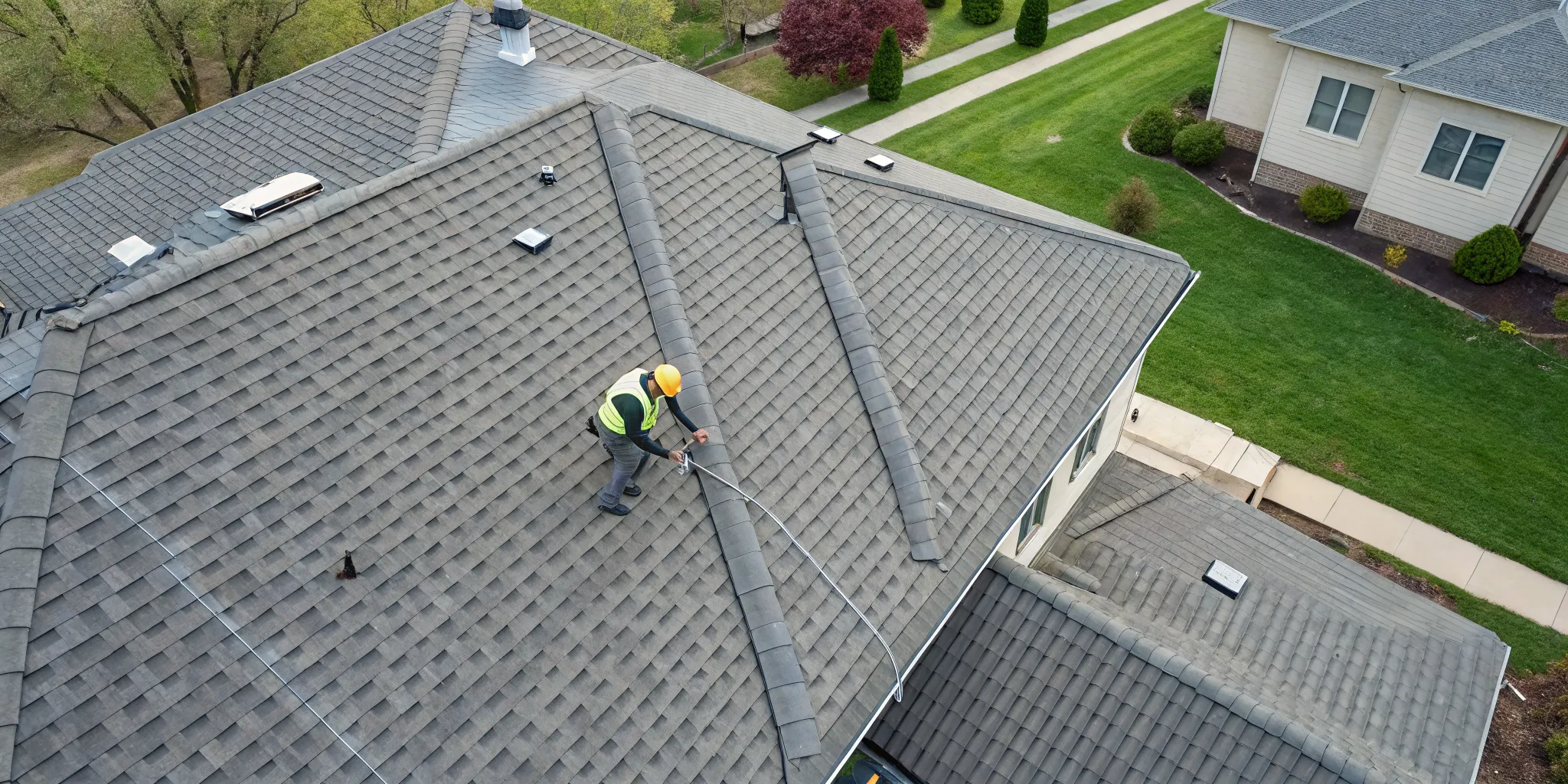
Dealing with a hail damage roof is stressful, but there’s a silver lining. This necessary repair is your chance to build a stronger defense for your home. Instead of just patching things up, you can upgrade to materials built for intense Florida weather. Think modern impact-resistant shingles or durable metal and tile options. These choices offer more than just a fix—they provide long-term peace of mind. A stronger roof can even lower your homeowner’s insurance premiums. We’ll walk you through the best material choices to turn this repair into a smart, lasting investment in your home’s safety and value.
Key Takeaways
- Prioritize immediate post-storm actions: Safely photograph any damage from the ground, notify your insurance company to begin the claims process, and call a professional for an inspection right away to prevent small problems from getting worse.
- Choose your roofer wisely: Work with a licensed, local professional for an accurate damage assessment and high-quality repairs. A trusted local team will support your insurance claim and help you steer clear of opportunistic “storm chasers.”
- Prepare for the claims and repair process: Understand your insurance deductible and keep organized records of everything to support your claim. When it’s time for a replacement, view it as a chance to upgrade to hail-resistant materials, which can strengthen your home and may even reduce your insurance costs.
Do You Have Hail Damage on Your Roof?
After a big storm rolls through St. Petersburg, your first thought might be about your roof. It’s your home’s main line of defense, after all, and hail can be surprisingly destructive. But figuring out if it actually caused any problems can be tricky. The damage isn’t always as obvious as a giant hole, and from the ground, your roof might look perfectly fine. Sometimes, the signs are subtle, random dings and bruises that are easy to miss if you don’t know what you’re looking for. These small impacts can compromise your roof’s integrity over time, weakening shingles and leading to leaks and more significant issues down the road. Ignoring potential hail damage can shorten your roof’s lifespan and lead to costly interior repairs from water intrusion. That’s why a post-storm check is so important. While you can spot some clues from the safety of your yard, the most accurate way to understand the full extent of the damage is with a professional inspection. Let’s walk through what to look for and when it’s time to call for backup. This will help you take the right steps to protect your property and start the repair process smoothly.
The Scope of Hail Damage in the U.S.
It might surprise you to learn that hail is one of the most expensive and destructive weather events for properties across the country. While we often focus on hurricanes here in Florida, hailstorms quietly rack up an estimated one billion dollars in damage each year. These storms produce hailstones that can range from the size of a pea to as large as a softball, and their impact is anything but minor. When hail hits, it doesn’t just dent cars; it can pulverize roofing materials, crack siding, and shatter windows. For homeowners in St. Petersburg, understanding this threat is the first step in protecting your investment. A single storm can compromise your roof’s ability to shield your home, making a post-storm inspection a non-negotiable task.
How Hail Size Impacts Your Roof
Not all hail is created equal, and size is the most critical factor in determining the potential for damage. Generally, hailstones need to be about one inch in diameter—roughly the size of a quarter—to start causing real problems for most roofing systems. At this size, hail can bruise the protective underlayment of your roof and knock off the granules that shield your shingles from UV rays. As hailstones grow, the danger escalates quickly. Hail measuring 1.5 inches can cause significant damage, while anything two inches or larger is almost guaranteed to cause serious harm to your roof and home exterior. This is why even a brief hailstorm can warrant a professional look, as the full extent of the damage is often invisible from the ground.
Other Factors That Influence Hail Damage
While hail size is a major player, it’s not the only thing that determines the severity of roof damage. Wind speed and direction can turn small hailstones into high-velocity projectiles, driving them sideways into your shingles and increasing their impact. The age and material of your roof also play a huge role. An older asphalt shingle roof will be far more brittle and susceptible to cracking than a newer one. Likewise, different roofing materials, like tile, metal, or flat roofing systems, all have unique vulnerabilities. Even the pitch of your roof matters; a steeper slope may deflect some impacts better than a flatter one. Because so many variables are at play, assessing hail damage requires a trained eye that can account for every factor.
Key Signs of Hail Damage on Your Roof
Hail damage often looks less dramatic than you’d think. Instead of large, obvious holes, you’re more likely to find smaller signs of impact. Look for dents on your shingles that have a random pattern. On asphalt shingles, this damage can create a “bruise” that feels soft to the touch, much like a bruised apple. This indicates the inner layer of the shingle is fractured. Another major clue is missing granules, which are the rough, sandpaper-like particles on the surface of your shingles. Hail can knock them loose, leaving bald spots. You’ll often find these granules collecting in your gutters and at the bottom of your downspouts, so be sure to check there.
Damage on Asphalt Shingles
On asphalt shingles, hail damage is often subtle. You’re looking for random dents that might feel soft or spongy, like a bruise on an apple. This softness is a red flag because it means the hail has fractured the shingle’s inner matting, compromising its strength. Another tell-tale sign is granule loss. Hailstones can knock off the sandpaper-like granules that protect your shingles from UV rays and weather. You might see bald spots on the shingles themselves or find a collection of these tiny granules in your gutters or at the base of your downspouts. These seemingly small issues can expose the shingle to the elements, accelerating its deterioration and setting the stage for future leaks.
Damage on Wood Shingles
When hail hits wood shingles, it tends to leave different clues. Instead of soft bruises, you’ll likely see splits in the wood. A key indicator of hail damage is that these splits will look fresh, with sharp edges and a brownish or orange color, showing the new wood underneath. They will appear in a random pattern across the roof, unlike the uniform cracking that can happen as wood ages naturally. You may also spot impact marks or dents right alongside these splits. It’s important to distinguish this from normal weathering, as fresh splits create direct pathways for water to seep into your roof deck, leading to rot and interior water damage if not addressed.
Damage on Tile and Clay Roofs
While tile roofs are incredibly durable, they aren’t immune to the force of large hailstones. Damage here is usually more obvious. Look for distinct cracks, chips, or even completely shattered tiles scattered across the roof. A significant impact can break a tile clean in half. You should also check for tiles that have shifted out of place or slid down, exposing the underlayment beneath. Even a single cracked or broken tile is a serious concern, as it breaks the seal of your roof system and allows water to get underneath, potentially causing widespread damage to the roof deck and the structure of your home.
What Isn’t Hail Damage? (Common Misconceptions)
It’s just as important to know what isn’t hail damage to avoid unnecessary repairs. Over time, all roofs experience normal wear and tear from sun and weather. On asphalt shingles, this can look like blistering, uniform cracking across many shingles, or general granule loss that makes the roof look faded. Algae growth, which often appears as dark streaks, is also a common cosmetic issue in Florida, not hail damage. Sometimes, issues can stem from manufacturing defects or improper installation. An honest contractor will help you tell the difference. Getting a professional assessment is the best way to confirm whether you’re dealing with storm damage or just the natural aging process of your roof.
Knowing When to Call a Professional
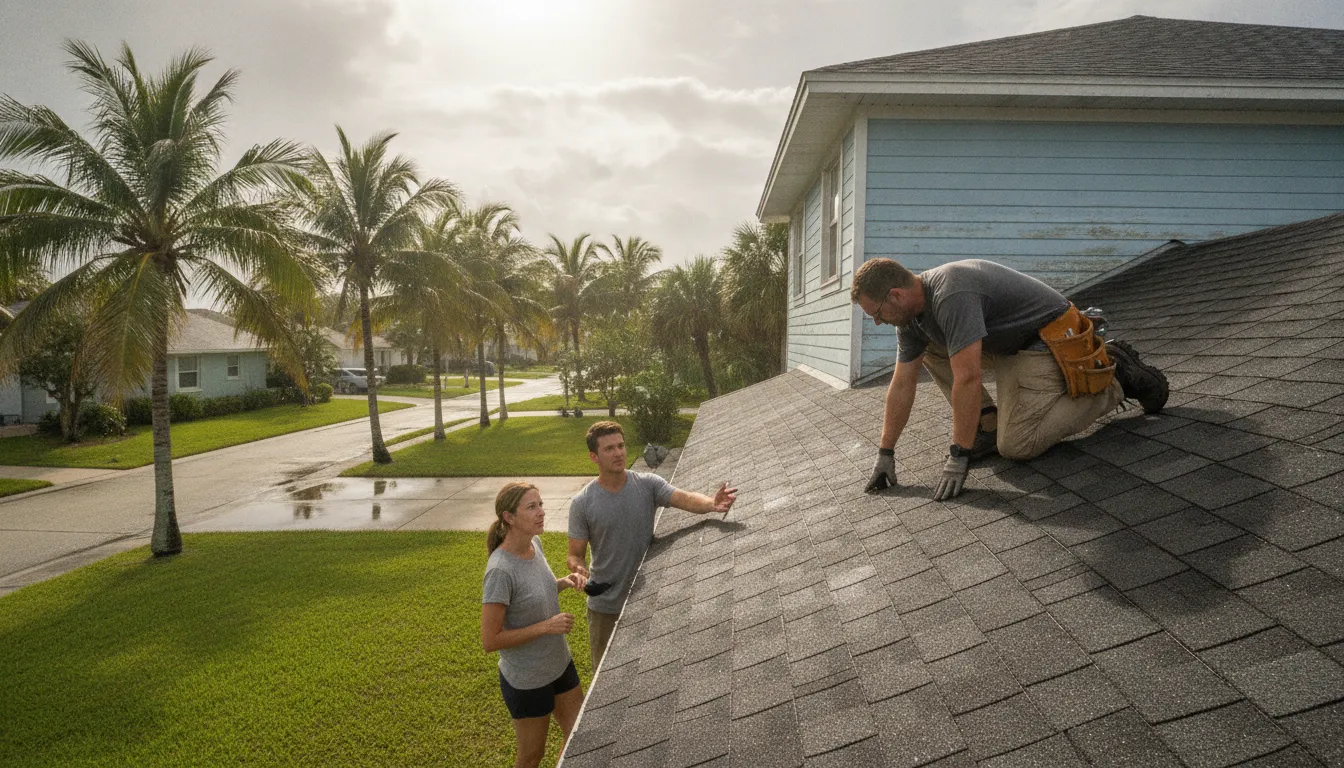
If you suspect any damage, your first move should be to call a trusted roofing professional. It’s best to schedule an inspection within 24 to 48 hours after the storm. Acting quickly helps prevent any existing damage, like small cracks or bruises, from turning into bigger problems like leaks. A professional can safely get on your roof and provide a thorough assessment, confirming whether the damage is significant enough to warrant an insurance claim. Getting an expert opinion from a team that handles roofing services in St. Petersburg is the most reliable way to understand your next steps and protect your home.
What to Do Right After a Hailstorm
The sound of hail hitting your roof is stressful enough, but the aftermath can feel even more overwhelming. Once the storm passes and it’s safe to go outside, taking a few key actions right away can make a huge difference in protecting your home and simplifying your insurance claim. It’s all about acting quickly and methodically. Your main priorities are to assess the situation safely, get the official process started with your insurance provider, and call in a professional to prevent any minor issues from becoming major headaches.
Think of these next steps as your immediate action plan. By documenting the damage, notifying your insurance company, and getting a professional inspection, you’re setting yourself up for a smoother restoration process. This isn’t just about fixing what’s broken; it’s about securing your home against future problems, like leaks or water damage, that can sneak up after a storm. Let’s walk through exactly what you need to do to get things under control.
How to Safely Document the Damage
Before you do anything else, grab your phone and take pictures. Your safety is the top priority, so stay on the ground and avoid climbing onto a potentially slick or unstable roof. From a safe vantage point, take clear, well-lit photos of any visible damage to your shingles, gutters, siding, and windows. Look for dents, cracks, or missing pieces. If you find hailstones on the ground, place a common object like a coin next to them for scale and photograph that, too. This visual evidence is essential for your insurance claim and helps your roofing services team understand the scope of the work ahead.
Making the Call to Your Insurance Company
Next, contact your insurance company to report the damage and start the claims process. The sooner you file a claim, the sooner an adjuster can be assigned to your case. Have your policy number handy when you call. Your insurance representative will walk you through the next steps and let you know what specific information they need from you. Don’t be afraid to ask questions if anything is unclear. This initial call gets the ball rolling and is a critical part of your home’s disaster recovery. Keep a record of who you spoke to and the date and time of the call for your records.
How to Prevent Further Damage to Your Home
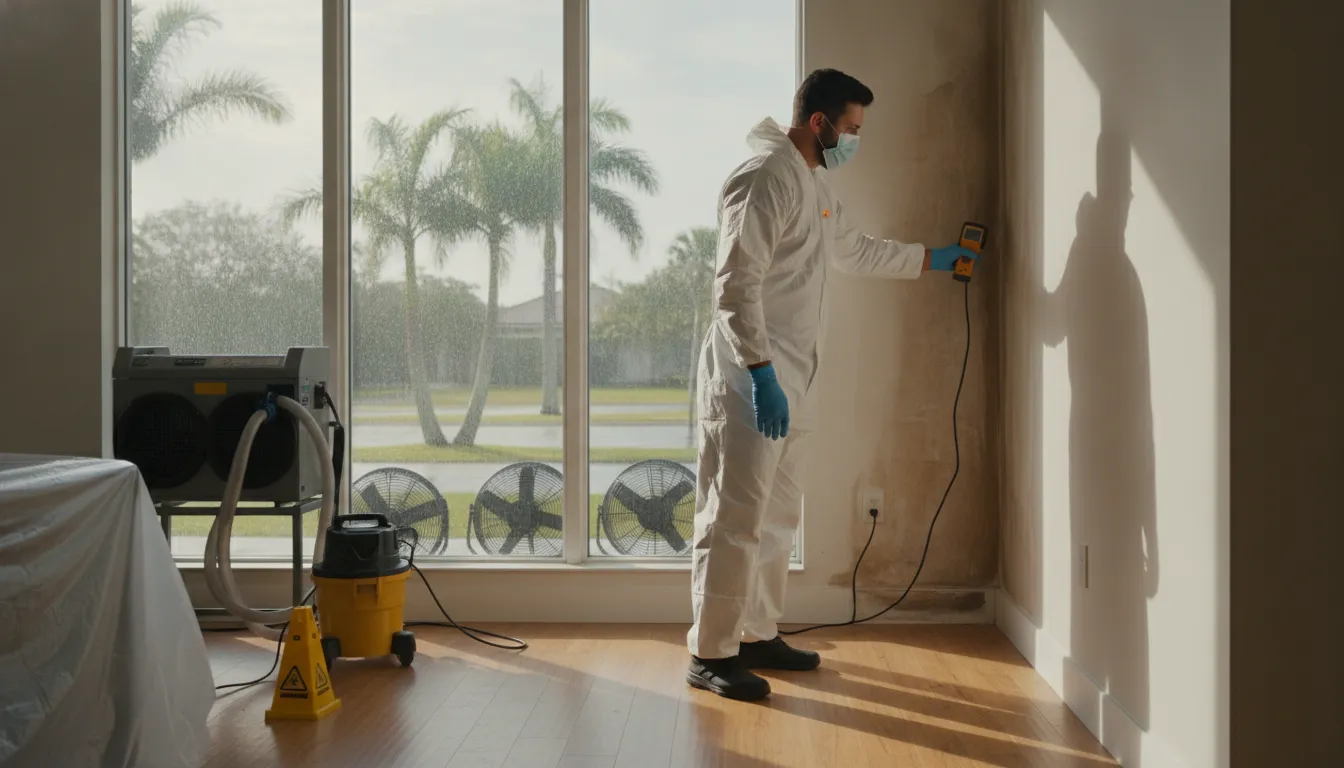
Hail can create small, unseen openings in your roof that leave your home vulnerable to the elements. That’s why it’s so important to schedule a professional inspection right away, ideally within 24 to 48 hours. A qualified roofer can safely get on your roof to identify damage you can’t see from the ground and perform temporary repairs, like tarping, to prevent leaks. Addressing these issues immediately helps you avoid secondary problems like water damage and mold growth inside your home. Getting an expert assessment also provides you with a detailed report to support your insurance claim.
Will Insurance Cover Your Hail-Damaged Roof?
After a hailstorm, the big question is about cost. The good news is your homeowners insurance likely covers hail damage, but the process has its own set of rules. Understanding your policy, knowing how to work with an insurance adjuster, and avoiding common mistakes are key to getting your claim approved and your roof repaired without a hitch. Navigating an insurance claim can feel like a lot, but you don’t have to do it alone. Let’s walk through what you need to know to make the process as smooth as possible.
Decoding Your Insurance Policy for Hail Damage
Most standard home insurance policies cover hail damage to your roof. This protection is part of your dwelling coverage, which pays for repairs to your home’s structure after an unexpected event. Before your insurance pays out, you’ll need to cover your deductible. It’s important to check your policy, as some homes in storm-prone areas have a separate, higher deductible specifically for hail. Remember, insurance is for sudden damage, not for routine maintenance or wear and tear. A professional inspection can help determine the exact cause and extent of the damage to your roofing.
What to Expect from the Insurance Adjuster
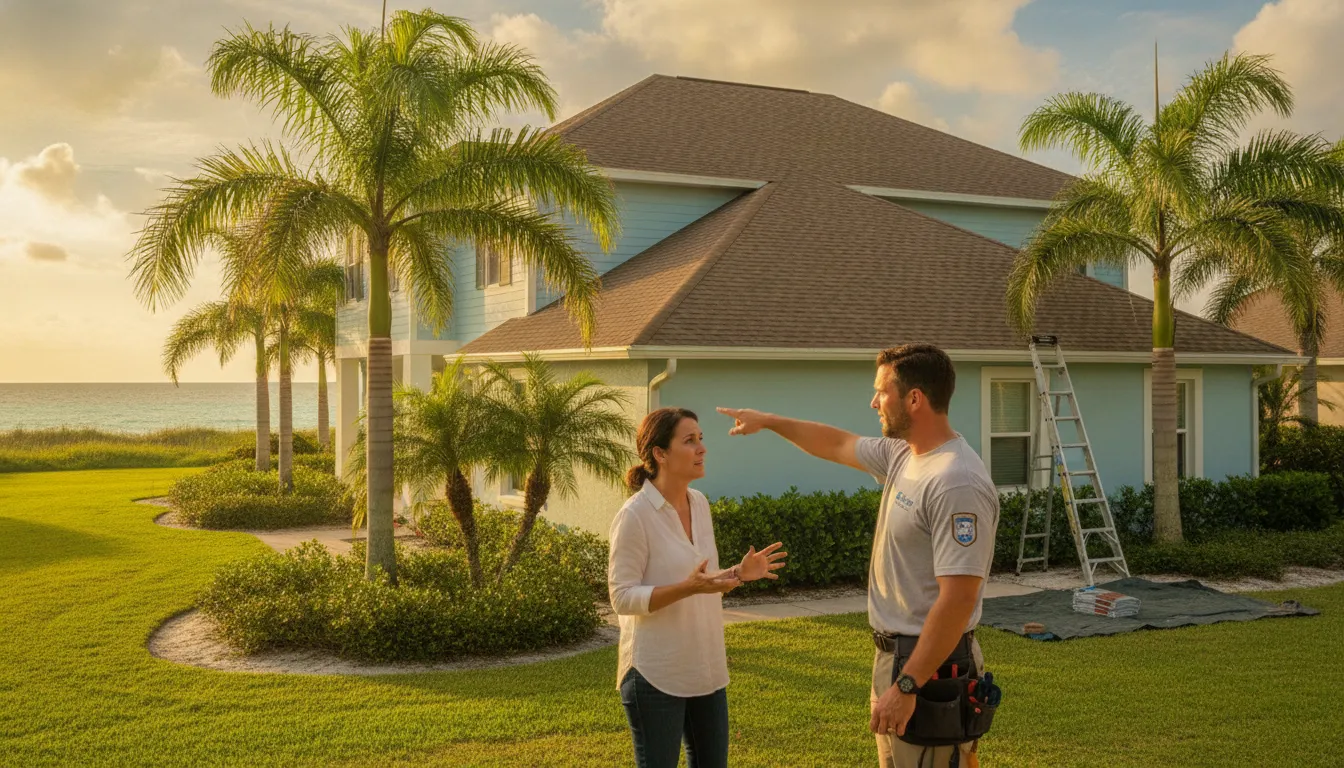
Once you file a claim, your insurance company assigns an adjuster to assess the damage. To help this process go smoothly, contact your insurer as soon as you notice a problem. Before the adjuster arrives, it’s a smart move to get an estimate from a trusted local roofing professional. This gives you a clear idea of the repair costs and helps you know if they exceed your deductible. Be prepared for the adjuster’s visit by having photos and videos of the damage ready. A detailed inspection report from your roofer also provides crucial evidence to support your claim and ensure a fair assessment.
Your Rights When Filing a Claim
When you file an insurance claim, it’s easy to feel like you’re just along for the ride. But it’s important to remember that you have rights as a policyholder. The insurance process is a negotiation, not a one-way street, and being informed is your best tool. Knowing you can choose your own repair team, question a settlement offer, and bring in your own advocate puts you in a much stronger position. This isn’t about being difficult; it’s about ensuring you get the fair treatment and full compensation you’re entitled to under your policy. Let’s go over the key rights you have that will help you manage your hail damage claim with confidence.
You Can Choose Your Own Contractor
Your insurance company might have a list of “preferred” contractors, but you are not required to use them. You have the right to choose your own licensed and insured professional to handle the repairs. This is a huge advantage because it allows you to select a local company with a solid reputation in the community, not an out-of-town “storm chaser” who might disappear once the work is done. Working with a trusted local team for your roofing services ensures you get an accurate damage assessment and high-quality work from people who stand by their repairs and understand St. Petersburg’s building codes.
You Can Negotiate the Settlement
The first settlement offer from your insurance adjuster is just that—an offer. It’s not the final word. If the amount seems too low to cover the full cost of a quality repair, you have the right to negotiate. This is where having an independent estimate from your chosen contractor becomes invaluable. It serves as your primary piece of evidence to justify a higher amount. A detailed quote demonstrates the true cost of materials and labor needed to restore your roof properly. Don’t be afraid to push back respectfully and provide your documentation to ensure you receive a fair settlement that covers the complete scope of the damage.
When to Hire a Public Adjuster
If your claim is complex, gets denied, or the settlement offer is far below what you need, you might consider hiring a public adjuster. Unlike the adjuster sent by your insurance company, a public adjuster works directly for you, the policyholder. Their job is to manage your claim, document all the damage thoroughly, and negotiate with the insurance company on your behalf to secure the maximum possible settlement. While they charge a fee (usually a percentage of the settlement), they can be a powerful ally when you feel stuck or overwhelmed by the disaster recovery process.
Why Claims Get Denied (And How to Avoid It)
A claim denial is frustrating, but you can avoid many common pitfalls. One of the biggest reasons a claim gets complicated is when a homeowner receives an insurance payout but doesn’t use it for repairs. If you don’t fix the roof, your insurance company can refuse to cover any future damage. They might even cancel your policy or decline to renew it. It’s also important to know that a filed claim stays on your record. The best way to avoid issues is to be transparent and follow through with the repairs. If you need guidance, contact us to work with a team that understands the insurance process.
How to Document Hail Damage for Your Insurance Claim
After a hailstorm, your insurance company will need proof of the damage to approve your claim. Think of yourself as a detective building a case. The more clear, detailed evidence you can provide, the smoother the entire process will be. Strong documentation is your best tool for ensuring you get the full coverage you’re entitled to. It removes guesswork and gives your insurance adjuster a complete picture of what happened to your property.
Keeping everything organized from the start will save you major headaches down the road. Create a dedicated folder, either physical or digital, to store all your photos, reports, and correspondence. This simple step can make a world of difference when you’re trying to manage repairs and communicate with your insurer. Your goal is to present a straightforward, undeniable record of the damage and the steps you’ve taken to address it. This preparation helps your claim move forward efficiently and sets you up for a successful restoration.
Photo and Video Tips for a Stronger Claim
Your first move should be to document the damage thoroughly. Grab your phone and take clear photos and videos of all the affected areas. Get close-ups of any visible damage, like dents on shingles, cracked tiles, or damaged gutters. It’s also smart to take wider shots to show the overall condition of the roof and how the damage fits into the bigger picture. If you can safely do so, place a ruler or coin next to a hail dent for scale. A video walkthrough can also be incredibly effective for showing the full extent of the storm’s impact on your property. This visual evidence is crucial for substantiating your claim.
Why You Need a Professional Inspection Report
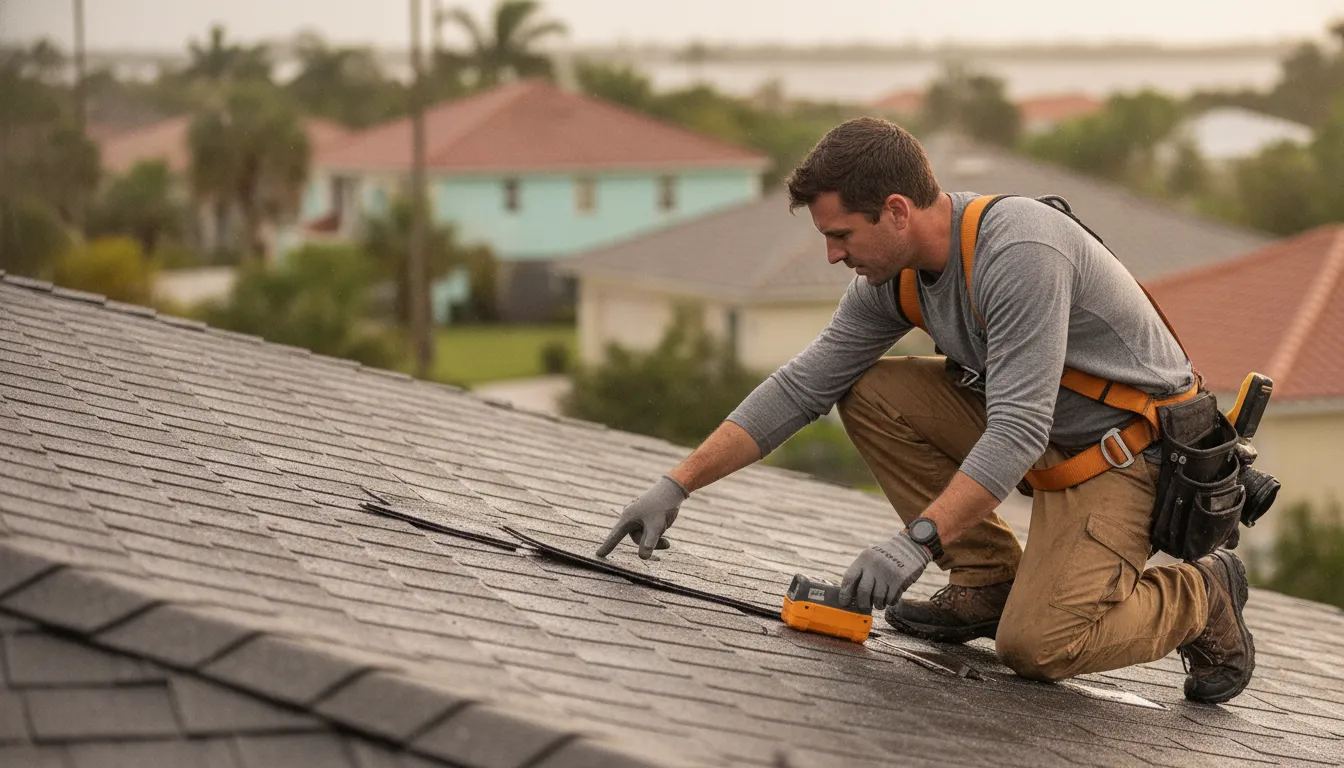
While your photos are a great start, they don’t replace an expert’s eye. Schedule a professional inspection to confirm and assess the damage. A trained roofer can spot issues you might miss, like subtle bruising on asphalt shingles or hairline cracks in tiles that can lead to future leaks. A professional can provide a detailed report that will be incredibly useful for your insurance claim. This formal assessment from a trusted expert validates the extent of the damage and gives your claim the credibility it needs. Our team provides thorough roofing services and can give you the detailed report you need.
How to Keep Detailed Records for Your Claim
From your very first call to the insurance company, start a log. Keep detailed records of all your communications, including the date, time, and the name of the representative you spoke with. Make notes on what was discussed during each conversation. This log should be kept with your photos, professional inspection report, and any receipts for temporary repairs, like tarps. Maintaining this thorough documentation will support your claim and ensure you have a clear, organized record of every interaction. When you’re ready to get started or have questions, you can always contact us for guidance.
The Roof Replacement Process for Hail Damage
Once your insurance claim is approved, you can move forward with the roof replacement. Knowing what’s ahead can make the entire experience feel much more manageable. The process isn’t just about a crew showing up one day; it involves careful planning, preparation, and execution to ensure your home is protected for years to come. From the initial tear-off of the old materials to the final cleanup, a professional team will handle each step.
The actual on-site work is surprisingly fast when handled by an experienced crew. Most of the time is spent in the preparatory stages, like getting materials delivered and protecting your property. Your contractor will walk you through their specific process, but it generally starts with removing the damaged roofing, inspecting the underlying wood deck for any secondary damage, and then installing the new system. This includes underlayment, flashing, and finally, your new shingles, tiles, or other roofing material. Communication with your contractor is key, so you’ll always know what’s happening and when.
A Realistic Timeline: From Claim to New Roof
One of the first questions homeowners ask is, “How long will this take?” The actual roof installation is often the quickest part. For an average-sized home, the physical replacement can take anywhere from one to five days. However, the full timeline from the day of the hailstorm to having a new roof over your head is longer.
The entire process includes scheduling a professional inspection, filing your insurance claim, meeting with the adjuster, and waiting for claim approval. Once approved, you’ll work with your contractor to select materials and get on their schedule. Weather and material availability can also influence the start date. It’s best to think of the process in weeks, not days, but a good contractor will keep you updated every step of the way.
How to Choose a Trustworthy Roofing Contractor
Your choice of contractor is the most important decision you’ll make in this process. You need a reliable, local expert who understands St. Petersburg’s weather and building codes. Start by scheduling a professional inspection right after the storm to get an accurate assessment of the damage.
When vetting companies, look for a licensed and insured team with a strong local reputation. Check online reviews and ask for references from previous jobs. A trustworthy contractor will provide a detailed, written estimate and won’t pressure you into signing a contract on the spot. Choosing a qualified pro for your roofing services ensures the job is done right and that your manufacturer’s warranty remains valid, giving you peace of mind for the long haul.
What Can Delay Your Roof Replacement?
Several variables can influence how long your roof replacement takes. Weather is the most obvious one, especially here in Florida. Rain and high winds can cause delays, as crews need safe conditions to work. The size and complexity of your roof also play a big role; a large, steep roof with multiple gables will take longer than a simple, smaller one.
The type of roofing material you choose can also affect the schedule. Some materials may have longer order times. Finally, your contractor’s schedule and the speed of your insurance company’s approval process are major factors. To keep things moving, it’s best to contact a roofer and get on their schedule as soon as you decide to file a claim.
How Much Does a Hail Damage Roof Replacement Cost?
After a hailstorm, one of the first questions on any homeowner’s mind is, “How much will this cost to fix?” The answer isn’t always straightforward, as the final price tag depends on several things: the severity of the damage, the type of roof you have, and even your specific location. While a few minor repairs might only set you back a few hundred dollars, widespread damage requiring a full replacement can be a significant investment.
Most homeowners can expect to pay somewhere between $1,500 and $8,000 for hail damage repairs, with the national average sitting around $4,250. However, if the damage is severe enough to warrant a partial or full roof replacement, the cost can climb to $8,000 to $25,000 or more. Understanding the key factors that influence these costs will help you prepare for your conversation with a roofing professional and your insurance company. It gives you a clearer picture of what to expect and helps you budget for any out-of-pocket expenses, like your deductible.
A Cost Breakdown by Roofing Material
The material on your roof is one of the biggest drivers of repair costs. Some materials are simply more expensive to purchase and more labor-intensive to install. For example, common asphalt shingles are generally the most affordable to repair, while tile or metal roofs often come with a higher price tag. To give you a better idea, here’s a general breakdown of repair costs per 100 square feet (a 10×10 foot area) for different roofing services:
- Asphalt Shingles: $350 to $1,200
- Tile Roofing: $900 to $2,400+
- Metal Panels: $700 to $2,000
Keep in mind these are just estimates. The best way to get an accurate number is to have a professional assess the damage firsthand.
What Else Affects Your Roof Replacement Cost?
Beyond the roofing material, a few other key elements will shape your final quote. The most obvious is the extent of the damage. A roofer will measure the total square footage that needs repair or replacement. As a rule of thumb, if 25% to 40% of your roof is damaged, many contractors and insurance companies will recommend a full replacement. Local labor rates also play a role, as costs can vary depending on demand in the St. Petersburg area, especially after a major storm. The complexity of your roof’s design, like its pitch and the number of valleys or skylights, can also add to the labor costs. Getting a detailed quote from a trusted local team can help you understand exactly what you’re paying for.
Budgeting for Your Deductible and Other Expenses
For most homeowners, insurance will cover a significant portion of the hail damage repair costs. However, you’ll still need to plan for your deductible. Many policies include a specific “wind/hail deductible,” which is often calculated as 1% to 2% of your home’s insured value. For a home insured at $350,000, that means your out-of-pocket cost could be between $3,500 and $7,000. It’s also important to review your policy, as some plans may not cover purely cosmetic issues, like dents on a metal roof that don’t affect its function. Proper documentation and a professional inspection are key to a smooth claims process and effective disaster recovery services.
Choosing Hail-Resistant Roofing Materials
After going through the stress of a hail-damaged roof, the last thing you want is a repeat performance. When it’s time for a replacement, you have a great opportunity to upgrade to materials that can better withstand Florida’s unpredictable weather. Choosing a hail-resistant roof isn’t just about repairs; it’s about investing in long-term protection and peace of mind for your home. By selecting the right materials now, you can save yourself from future headaches and potentially costly damage. Let’s look at some of the most durable and effective options available.
Are Impact-Resistant Shingles Worth It?
If you like the classic look of a shingle roof, you don’t have to sacrifice durability. Impact-resistant shingles are engineered specifically to handle what storms throw at them. These aren’t your standard asphalt shingles; they are tested and classified based on their ability to withstand force, with Class 4 being the highest rating available. Opting for Class 4 shingles can dramatically reduce the risk of damage from future hailstorms. Our team can help you explore the best shingle roof options that combine both aesthetic appeal and superior protection for your home.
Beyond Shingles: Metal, Tile, and Other Options
Beyond shingles, other materials offer excellent hail resistance. Metal and tile roofs are fantastic choices for their sheer durability. A metal roof can stand up to severe hail and high winds with ease, while a tile roof is known for its incredible longevity and ability to resist impact. Both are popular, resilient choices for Florida homes. On the other hand, the performance of a flat roof during a hailstorm really depends on the specific material used. It’s important to weigh the benefits of each option, considering factors like your budget, your home’s style, and long-term maintenance requirements.
Can a New Roof Lower Your Insurance Premiums?
Yes, installing a new, hail-resistant roof can often lead to a pleasant surprise: lower homeowner’s insurance premiums. From an insurer’s perspective, a stronger roof means a lower risk of them having to pay out a claim in the future. Many insurance companies offer significant discounts for homes with roofs that have a high impact rating, like Class 4 shingles. This potential for savings makes upgrading your roof a smart financial decision, not just a protective one. Before you make a final choice on materials, it’s a great idea to call your insurance agent and ask about the specific discounts they offer for hail-resistant roofing.
Common Mistakes to Avoid with Hail Damage Roof Repair
After a hailstorm, it’s easy to feel overwhelmed and rush into decisions. But taking a moment to understand the process can save you a lot of headaches and money down the road. The repair process is much easier when you know what to watch out for. Here are a few common missteps homeowners make and how you can steer clear of them to protect your property and your wallet.
Mistake #1: Hiring a “Storm Chaser”
After a big storm, you might notice an influx of salespeople going door-to-door. These are often “storm chasers,” out-of-town contractors who follow bad weather looking for quick jobs. They might offer a free inspection and pressure you into signing a contract on the spot, sometimes even finding “damage” that isn’t really there. This can lead to an unnecessary roof replacement, which drives up insurance costs for everyone in the area. It’s always best to work with a trusted, local company that has a stake in the community and a reputation to uphold. A licensed and insured team will be there for you long after the storm has passed.
Mistake #2: Assuming You Need a Full Replacement
Seeing marks on your shingles after a hailstorm doesn’t automatically mean your entire roof needs to be replaced. True hail damage involves bruises, holes, or tears that compromise the shingle’s integrity. A “bruise” will often feel soft to the touch, like a bruised apple, and may have a crack in the shingle’s inner layer. Minor cosmetic damage might not require a full replacement. Before you file a major claim, get an honest assessment from a professional who can tell you the true extent of the damage. A thorough roofing services inspection will determine if you need simple repairs or a complete overhaul.
Mistake #3: Waiting Too Long to Act
While you shouldn’t rush into hiring the first person who knocks on your door, you also shouldn’t wait to address potential damage. Even small dings from hail can allow water to seep under your shingles, leading to leaks, rot, and even mold growth inside your home. It’s best to call a professional for an inspection within 24 to 48 hours after the storm. Acting quickly helps you identify problems before they escalate into more serious issues. If you suspect any damage, scheduling a prompt inspection is the most important step you can take to protect your home from further harm.
Related Articles
- Hail Damage Roof: A Homeowner’s Complete Guide
- Hail Damage Roof: How to Spot It & What to Do
- Hail Damage Roof: A Complete Homeowner’s Guide
Frequently Asked Questions
What’s the most important first step after a hailstorm? Once the storm has passed and it’s safe, your first priority should be to document what you can see from the ground. Take clear photos of any visible damage to your roof, gutters, and siding, as well as any hailstones you find. This initial evidence is incredibly helpful, but your next call should be to a trusted roofing professional for a thorough inspection.
Do I really need a professional inspection if I can’t see any damage from the ground? Yes, it’s a really good idea. Much of the damage caused by hail isn’t obvious from a distance. Things like shingle “bruising,” which weakens the shingle’s core, or small cracks are nearly impossible to spot from your yard. A professional can safely get on the roof to identify these subtle issues that can lead to serious leaks and water damage later on.
How do I know if the damage is serious enough to file an insurance claim? This is where a professional inspection report becomes essential. A qualified roofer can give you a detailed assessment of the damage and an accurate estimate for the repairs. You can then compare that cost to your insurance deductible. If the repair costs are significantly higher than your deductible, it generally makes sense to file a claim.
What happens if I get the insurance money but decide not to fix the roof right away? This is a risky move that can cause major problems later. Insurance companies expect you to use the payout for the intended repairs. If you don’t fix the roof and it sustains more damage in a future storm, your insurer can deny the new claim. They might even choose not to renew your policy, so it’s always best to complete the repairs promptly.
Are more expensive, hail-resistant materials actually worth the investment? For many homeowners, they absolutely are. While materials like Class 4 impact-resistant shingles or a metal roof have a higher upfront cost, they offer superior protection and long-term peace of mind. Plus, many insurance companies offer significant discounts on your premium for installing a hail-resistant roof, which can help offset the initial cost over time.
Mistake #4: Misunderstanding Insurance Claim Risks
Filing an insurance claim might seem like a simple step, but it’s important to understand the potential risks. First, you’ll need to cover your deductible, and in storm-prone areas like Florida, your policy might have a separate, higher deductible just for hail damage. It’s also worth knowing that filing a claim can sometimes lead to an increase in your future premiums. The biggest pitfall, however, is receiving an insurance payout and not using it for the repairs. If you don’t fix the roof, your insurer can refuse to cover any future issues and may even cancel your policy. Being transparent and following through with the work is crucial for a smooth process and maintaining your home’s protection. Working with a professional team can help you manage these complexities and ensure your disaster recovery is handled correctly from start to finish.