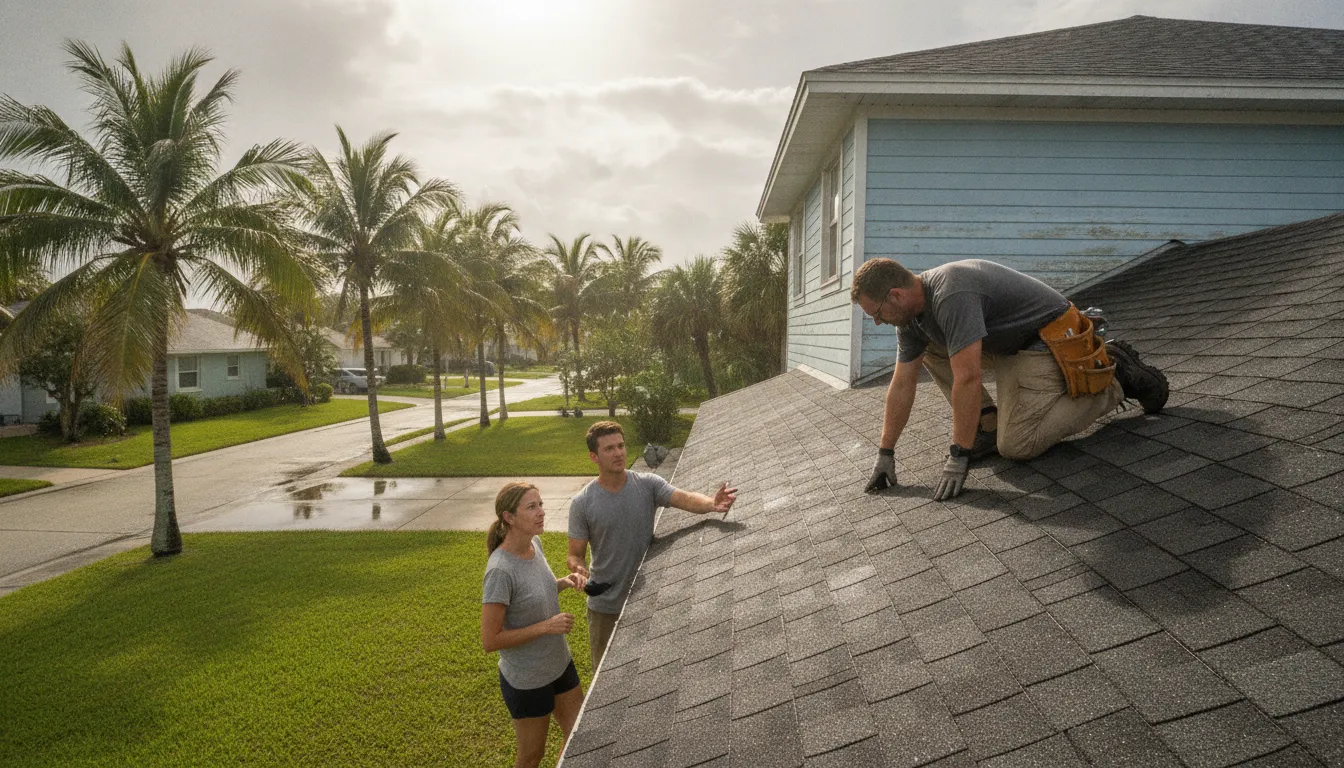
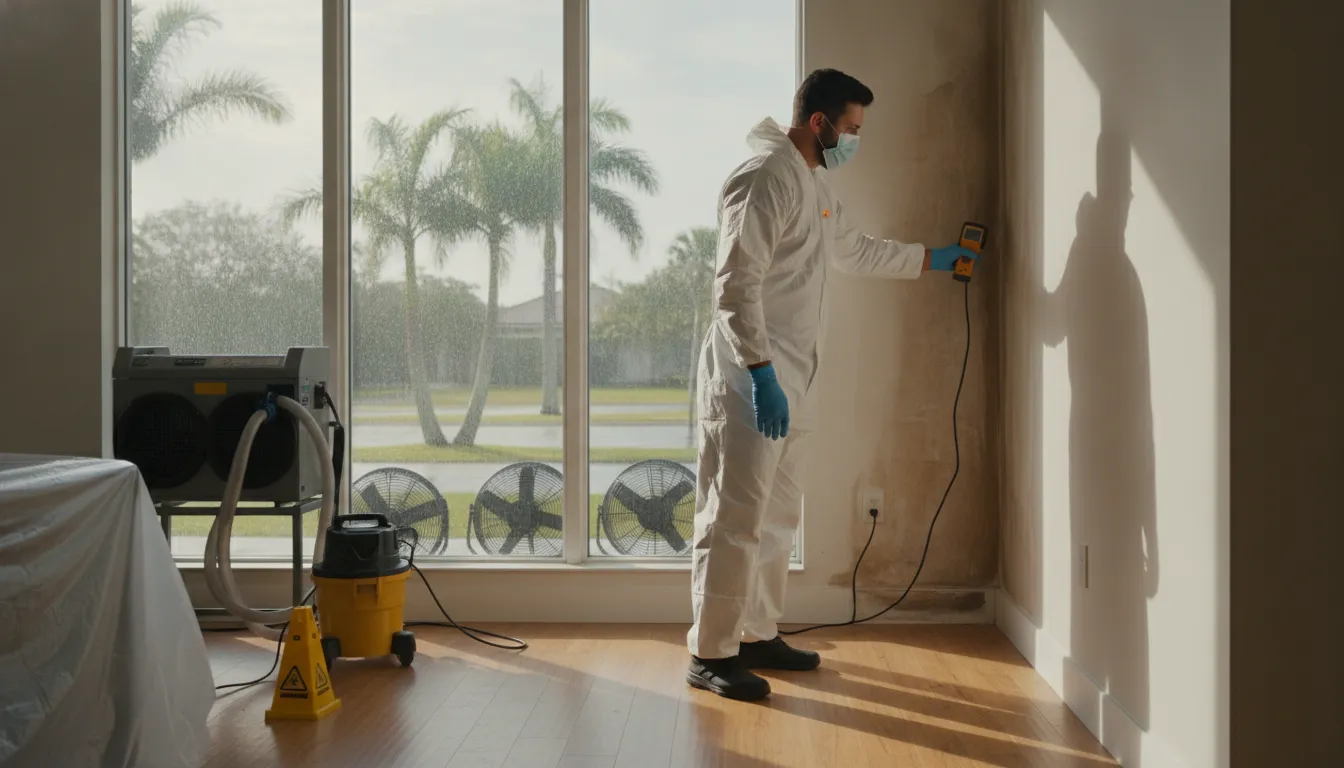
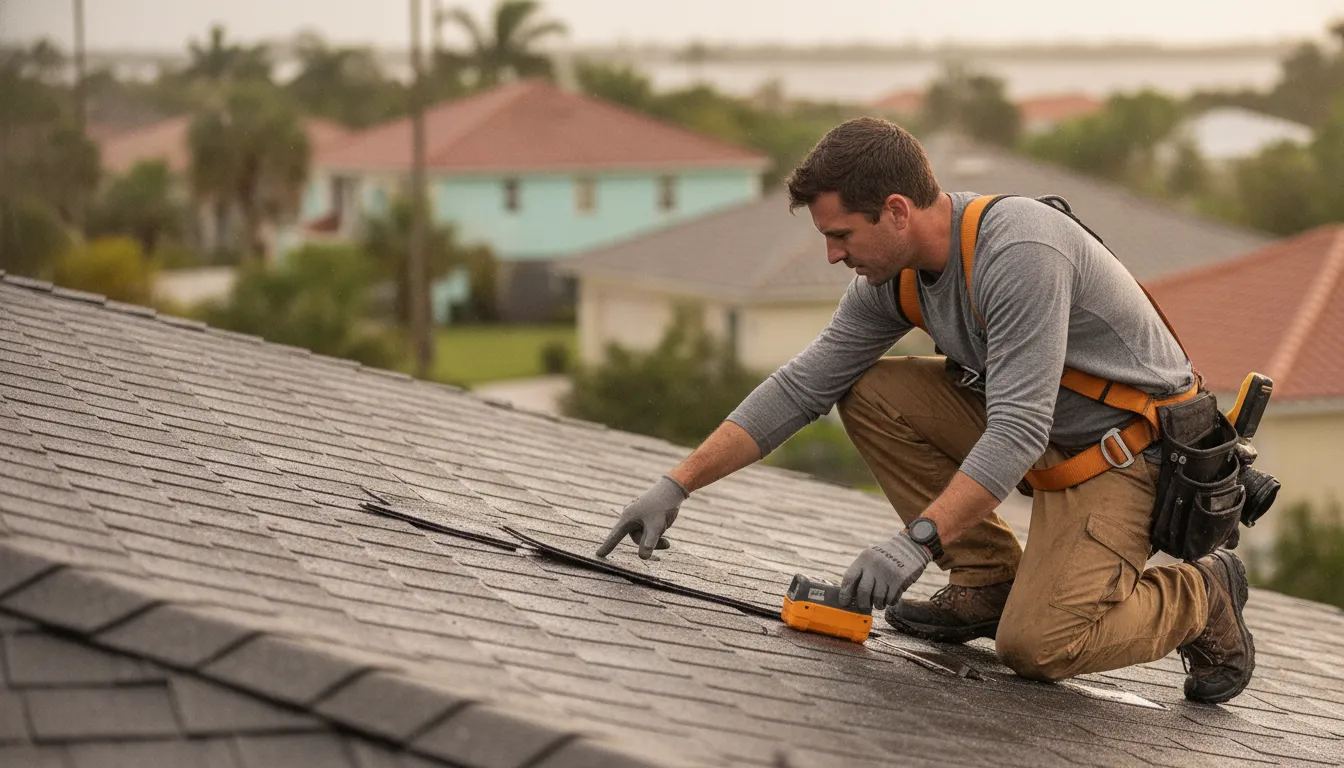
When a leak, roof intrusion, or flood affects your Florida home, the clock starts immediately. Mold after water damage can begin developing within 24 to 48 hours, especially when warm, humid air keeps drywall, flooring, insulation, or cabinets damp. The right first move is not to panic or start tearing materials out. It is to stop the water source if you can do so safely, document the damage, and arrange prompt water mitigation.
Go Time Roofing and Restoration helps St. Petersburg and Pinellas County homeowners move from water removal to a clear recovery plan. Moisture can remain behind walls or under flooring even when a room looks dry. Professional drying and moisture checks help reduce the risk that a manageable water loss becomes a larger mold problem.
This guide explains the mold risk timeline, the first steps to take, the warning signs to watch for, and when mold remediation may be needed alongside water mitigation. Start with the timeline, because every hour matters when moisture has entered porous building materials.
How fast can mold after water damage begin growing?
Mold after water damage can begin growing sooner than many homeowners expect. The key window is the first 24 to 48 hours after water reaches indoor materials. That does not mean mold waits until hour 48. It means drying should start at once, before damp materials give spores the moisture they need.
The first 24 to 48 hours
The EPA advises drying water-damaged areas and items within 24 to 48 hours to help prevent mold growth. Mold spores are already present in indoor and outdoor air. They can begin growing when they land on a wet surface. Fast action matters even when the leak seems small.
During the first day, stop the water source and remove standing water when it is safe to do so. Drying should cover the full affected area, not only the open floor. If the water source is unclear, damaged, or widespread, arrange water damage restoration services promptly. A quick response can limit the time moisture sits in the building.
Florida humidity and lingering moisture
Florida humidity makes the drying process harder. In St. Petersburg and Pinellas County, damp air can slow moisture control after a roof leak, plumbing failure, or storm. A room may feel less wet while porous materials still hold moisture. Drywall, carpet padding, trim, and other building materials need careful attention.
Visible dryness is not the same as a fully dry structure. A surface can look dry while moisture remains in less obvious places. That is why a visual check alone is not enough after water damage. The goal is to fix the water problem and dry affected materials, not simply remove the puddle.
Why the source and hidden areas matter
The response should match the source of the water. The National Institutes of Health notes that the first step is finding whether the moisture source is clean. Water can also travel beyond the spot where it first appeared. Check nearby walls, flooring edges, cabinets, and adjoining spaces for signs of dampness.
Do not wait for visible mold before acting. Mold spores are too small to see without magnification, and moisture is the condition that lets them grow. A dry-looking room may still need more drying work. Treat the first 24 to 48 hours as the window for prevention, not as a reason to wait.
What should you do first after finding water damage?
Start with a safe first look
Finding water inside your home is stressful, but a calm order of action helps. Start by keeping people and pets away from the wet area. Do not enter standing water if outlets, cords, or appliances may be exposed. If the ceiling is sagging or the water may be contaminated, stay out of the area.
Next, look for the source from a safe place. A visible supply line, leaking appliance, or roof opening can guide your next move. The National Institutes of Health notes that the first step is to find out whether the moisture source is clean. Treat water from an unknown source with care and avoid direct contact.
The first response sequence
Use this order to limit damage and lower the risk of mold after water damage. If any step puts you at risk, stop and call for help. A restoration team can handle water removal, hidden moisture checks, and controlled drying.
- Protect people first. Keep children, pets, and anyone with breathing concerns out of the affected space. Avoid wet electrical items and unstable ceilings.
- Stop the water only if it is safe. Shut off a nearby valve or the main water supply for an active plumbing leak. Do not climb onto a wet roof or enter unsafe areas.
- Document what you see. Take clear photos and video of the source, standing water, wet materials, and damaged belongings. Make notes before moving items when conditions allow.
- Begin water removal. Remove standing water as soon as possible when the area is safe. For larger losses, use professional water damage restoration services for extraction and mitigation.
- Check beyond the visible surface. Water can move into drywall, baseboards, flooring, cabinets, and nearby rooms. A professional moisture assessment helps map wet areas before drying starts.
- Dry the space with a plan. Use the drying setup chosen for the affected materials and the size of the loss. Extraction, air movement, and dehumidification may all play a role.
- Monitor the area. Watch for damp spots, stains, musty odors, or new surface changes after drying begins. Ask for follow-up moisture checks when hidden materials were affected.
Why the drying window matters
Prompt drying is not just about visible water. The EPA advises drying water-damaged areas and items within 24 to 48 hours to help prevent mold growth. That window makes early extraction and moisture checks important, even when a room looks dry at first glance.
Do not rely on touch alone. Dry flooring can hide damp padding, and dry paint can cover wet drywall. Keep monitoring until the affected materials have been checked and the water source has been fixed.
What are the warning signs of mold after water damage?
Warning signs can point to mold after water damage, but they do not confirm the full scope of the problem. Moisture can remain behind drywall, under flooring, or inside cabinets after the visible water is gone. Check the affected room and nearby spaces for changes that were not present before the leak or flood.
Odor and surface changes
A persistent musty odor is a common reason to look more closely, especially when the smell returns after cleaning. Watch for new spots, stains, or patches on walls, ceilings, baseboards, and stored items. Changes may appear white, green, gray, brown, or black, but color alone does not identify the type of mold.
The EPA explains that mold spores can begin growing when they land on wet indoor surfaces. That means a damp smell matters even when you cannot see a patch. Do not assume a clean-looking wall is dry inside.
Changes in building materials
Water can also leave visible changes in the materials around a room. Look for peeling paint, bubbling drywall, swollen trim, soft spots, or warped flooring. These changes are not proof of mold. They are signs that moisture may still be present and should not be ignored.
- Check the lower edge of drywall and baseboards near the original water source.
- Look beneath sinks, around cabinets, and near door frames for swelling or staining.
- Notice whether flooring feels soft, uneven, or lifted at the seams.
- Pay attention to odors that become stronger when the room is closed.
Time matters after a leak. The EPA advises drying water-damaged areas and items within 24 to 48 hours to help prevent mold growth. If materials stayed wet or the source is unclear, fast water restoration can help address the moisture before damage spreads.
Symptoms and a professional assessment
Some people notice symptoms when they spend time in a damp area. The EPA lists sneezing, a runny nose, red eyes, and skin rash among possible allergic responses to mold. Mold exposure can also irritate the eyes, skin, nose, throat, and lungs. Symptoms alone do not prove that mold is present.
A professional assessment is different from a visual check. It can help trace moisture, inspect hidden areas, and define the next step. This matters when an odor persists, materials stay damp, or visible changes keep returning. Professional water damage restoration services can address the water source and affected materials rather than only the surface signs.
Water mitigation and mold remediation solve different problems
Water mitigation and mold remediation are related, but they are not the same service. Mitigation limits the immediate damage from a leak, flood, or storm. Remediation addresses mold growth after moisture has already created a problem. A property may need one service or both.
Time matters after water enters a home. The EPA says water-damaged areas and items should be dried within 24 to 48 hours to help prevent mold growth. Prompt water damage restoration services focus on removing water and drying affected materials before the damage spreads.
Choosing the right response
The right starting point depends on what the inspection shows. Water mitigation is relevant when materials are wet, even when no mold is visible. Mold remediation becomes relevant when mold growth is found or suspected. Since mold spores are too small to see without magnification, a clean-looking surface does not always rule out a moisture issue.
| Comparison point | Water mitigation | Mold remediation |
|---|---|---|
| Main goal. | Limit water damage and dry affected areas. | Address mold growth and the conditions supporting it. |
| When it applies. | After a leak, flood, roof issue, or other water event. | When mold growth is found or suspected after moisture exposure. |
| Typical focus. | Water removal, drying, and moisture control. | Mold cleanup, affected materials, and moisture-source correction. |
| Why timing matters. | Fast drying can lower the chance of mold growth. | Prompt action helps keep existing growth from causing more damage. |
| How the services connect. | Drying can prevent a mold issue from starting. | Cleanup must include fixing the water problem. |
The services often connect during the same restoration plan. Water mitigation can reduce the risk of mold after water damage, but drying alone does not remove existing growth. The EPA advises homeowners to clean up mold promptly and fix the water problem. That means the moisture source still needs attention during mold remediation.
For example, a plumbing leak may call for water removal and drying first. If mold is found behind damp drywall, the scope changes. The response may then include both mitigation and remediation. This approach treats the active moisture problem and the growth linked to it.
Property owners should not wait for visible mold before responding to a water event. The EPA explains that mold can grow when spores land on wet surfaces. Its guide to mold and moisture also notes that molds will not grow without water or moisture. Acting quickly gives the drying process the best chance to prevent a larger issue.
In St. Petersburg and Pinellas County, humid conditions can make moisture control harder. A professional assessment can help define the scope. The goal is simple: stop the water, dry the structure, and address mold growth when it is present.
When should you call a professional in Florida?
Problems that need a closer look
Call a professional when you cannot see the full wet area or tell where the water traveled. Moisture can remain behind drywall, under flooring, inside cabinets, or above a ceiling. A small stain may not show the full scope. Florida humidity can also make moisture control harder after a leak or storm.
Timing matters when there may be mold after water damage. The EPA advises drying water-damaged areas and items within 24 to 48 hours to help prevent mold growth. If that window has passed, or you are not sure the materials are dry, schedule an inspection. A restoration professional can check the affected areas and plan the next step.
Get help when the affected area is large, hard to reach, or difficult to measure. The same applies when growth returns after cleaning. Recurring growth often points to a moisture problem that still needs attention. Professional water damage restoration services can address extraction, drying, and the source of the damp conditions.
Higher-risk water and air systems
Do not treat every water event as a simple cleanup job. Call a professional if the water may contain sewage or other contaminants. The National Institutes of Health says the first step after water enters a building is to identify whether the moisture source is clean. When the source is uncertain, avoid spreading the water into other rooms while you wait for guidance.
HVAC involvement also calls for care. Water or visible growth near a return vent, air handler, duct, or ceiling register can affect more than one room. Avoid running a system that may spread particles until a professional reviews the situation. A trained team can assess the source, the affected materials, and the need for containment.
Call promptly when musty odors return after cleanup or when spots appear in several places. Also get help when water came through a roof, wall cavity, or ceiling. These paths may hide damp insulation or wood. Florida homes often face added drying challenges because humid outdoor air can slow moisture control.
Credentials to ask about
Florida requires mold remediators to be licensed. Ask the company which license applies to your project and who will perform each part of the work. Some cases require separate assessment and remediation roles. A qualified provider should explain the scope clearly before work starts.
Ask about IICRC training as well. The Applied Microbial Remediation Technician, or AMRT, certification is a useful credential for mold work. It shows training in microbial remediation practices. For a water event, ask how the team will find hidden moisture and document drying. Ask how they will confirm the water source has been addressed.
You do not need to guess whether a damp area is minor. If the scope is unclear, the source is contaminated, the HVAC system may be involved, or growth keeps returning, call a professional. A timely assessment gives you a clear plan without downplaying the issue or causing panic.
How can you reduce mold risk while waiting for help?
To reduce the risk of mold after water damage, act quickly but do not rush into an unsafe area. The first goal is to stop more water from entering the home. If you can reach the source safely, shut off the water or place a container under an active drip. Do not enter rooms with standing water near electrical outlets, cords, or appliances.
Moisture control matters because mold needs water or damp conditions to grow. The EPA guide to mold and moisture says wet areas and items should be dried within 24 to 48 hours. That window makes an early call for water damage restoration services a practical step, even before visible growth appears.
Safe steps before the restoration team arrives
First, keep people and pets away from the affected rooms. Close interior doors when possible. Avoid carrying wet rugs, boxes, or soft materials through dry parts of the home unless a professional gives instructions. This helps limit contact with damp materials and keeps the affected zone easier to assess.
- Take photos from a safe location before moving anything.
- Write down when the leak, overflow, or storm damage began.
- Remove small amounts of standing water only if the area is safe to enter.
- Use clean towels for a small clean-water spill, then bag the wet towels.
- Keep wet items separate from dry belongings while you wait.
The water source also matters. The National Institutes of Health moisture guidance says the first step is to learn whether the source is clean. Leave sewage, stormwater, and any unclear source alone. A restoration team can set the right safety plan after checking the area.
Do not scrape, brush, cut, or pull apart material with visible or suspected mold. Do not aim household fans at those surfaces. Mold spores are tiny and can float through indoor air, so moving air across a suspect area is not a safe first step. Fans may be useful later, but placement should follow the restoration plan.
A dehumidifier may help in a nearby safe area if it does not require disturbing damaged materials. Keep it away from standing water and follow the maker’s safety directions. If the room smells musty or shows growth, wait for professional guidance before setting up equipment inside it.
Small actions should support the response, not create a larger cleanup. Focus on stopping safe-to-reach leaks, documenting the damage, and keeping the area separate. Leave demolition, material removal, and airflow decisions to the restoration team.
Frequently asked questions about mold after water damage
How fast does mold grow after water damage?
Mold can begin developing within 24 to 48 hours after water exposure. Florida humidity can make drying more difficult, so prompt extraction, dehumidification, and moisture checks are important even when surfaces appear dry.
Does water damage always lead to mold growth?
No. Prompt water mitigation can reduce the risk substantially. The key is removing standing water, drying affected materials thoroughly, and checking hidden areas where moisture can remain trapped.
What are the first signs of mold after water damage?
Watch for a musty odor, discoloration, staining, warped materials, or recurring dampness. Mold can also be hidden behind walls, below flooring, or inside cabinets, which is why a professional assessment may be useful after a larger leak.
Can I remove mold after water damage myself?
A minor surface issue may be easier to address than widespread or hidden contamination. Call a professional when the affected area is large or uncertain, sewage is involved, growth returns, or moisture may have reached HVAC components or concealed materials.
When should I call for professional help?
Call promptly when you cannot dry the area quickly, you suspect hidden moisture, or the damage involves multiple materials or rooms. In St. Petersburg and Pinellas County, professional water mitigation can help identify whether mold remediation is also appropriate.
Ready to stop water damage before mold spreads?
Waiting after water damage can leave moisture untreated, making cleanup more involved and disrupting your Florida household longer after a leak or flood indoors today. Starting now gives a restoration team time to remove water, dry affected areas, and check for mold before the problem becomes harder to manage. Prompt action helps you regain a dry, safer living space and keep hidden moisture from affecting more areas of your home.
Ready to limit further damage? Call (727) 430-3079 now to request 24/7 water damage mitigation and mold remediation help. Contact Go Time Roofing and Restoration today so the team can assess your home and explain the next steps for drying and cleanup.