Understand the key distinctions between mold remediation and mold removal, particularly for properties in Pinellas County, Florida.
Share:

Summary:
Mold remediation is a thorough process that goes beyond just wiping away visible mold. It involves a detailed mold inspection to locate all affected areas and identify the moisture source fueling the growth. Reputable services in Pinellas County undertake mold testing to determine the type of mold present. Following this assessment, the remediation process includes containing the mold, carefully cleaning contaminated materials, and treating the underlying moisture problem to discourage future mold development. For homeowners in Pinellas County, where damp conditions are common, this complete approach offers a more lasting resolution.
Mold removal, on the other hand, primarily focuses on the physical act of eliminating mold from surfaces. While removal can make an area look cleaner initially, it doesn’t tackle the conditions that allowed the mold to grow in the first place. Consequently, if the moisture issue isn’t resolved, the mold is likely to reappear. For a long-term fix in Pinellas County, a strategy that includes addressing the moisture is generally more beneficial than mere removal.
Mold removal, on the other hand, primarily focuses on the physical act of eliminating mold from surfaces. While removal can make an area look cleaner initially, it doesn’t tackle the conditions that allowed the mold to grow in the first place. Consequently, if the moisture issue isn’t resolved, the mold is likely to reappear. For a long-term fix in Pinellas County, a strategy that includes addressing the moisture is generally more beneficial than mere removal.
Before any remediation or removal efforts begin, mold inspection and mold testing play a vital role. These steps allow for an accurate understanding of the mold issue, including the species present and the extent of the contamination. In a location like Pinellas County, where specific environmental factors can contribute to mold growth, a detailed assessment provides essential information for a targeted response.
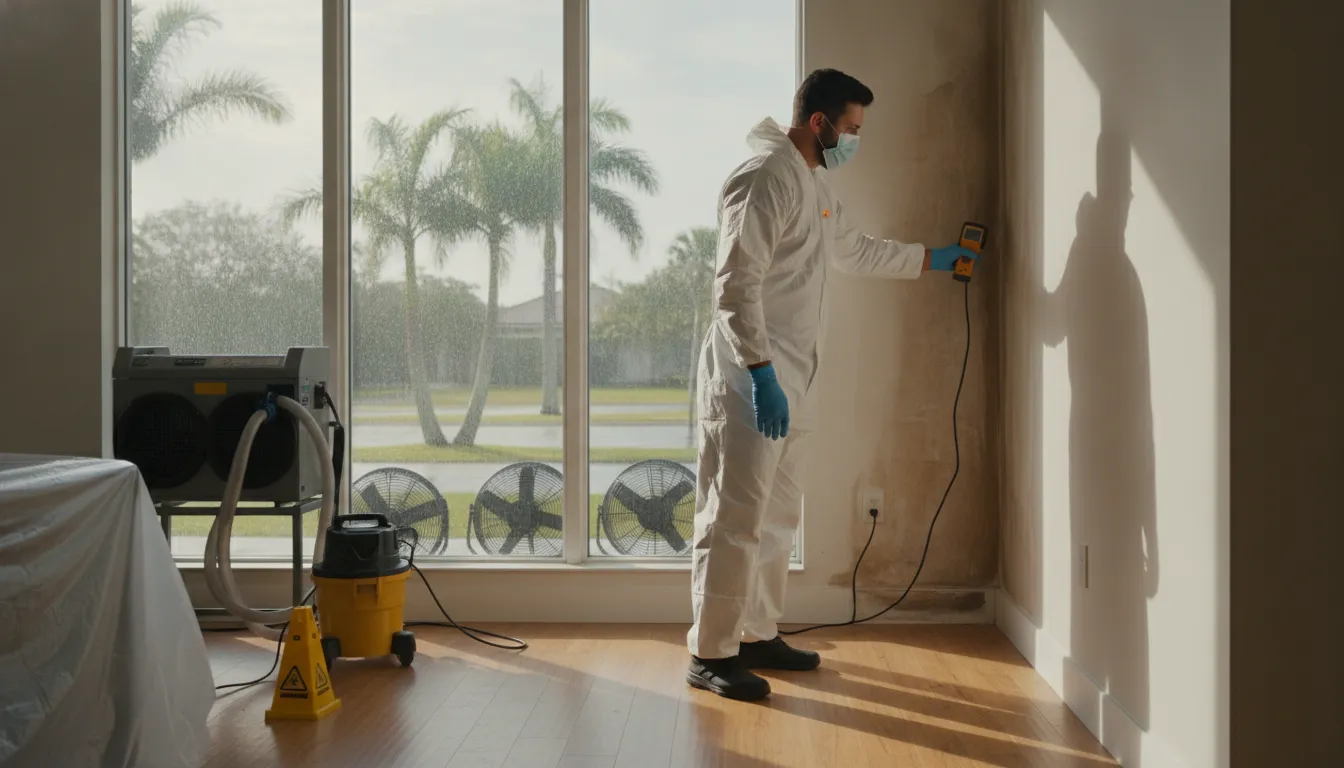
When you choose professional mold remediation services in Pinellas County, you can anticipate a structured approach. First, professionals conduct a thorough inspection, often including mold testing, to assess the situation. Second, they establish containment measures to prevent the spread of mold spores during the cleaning process. Third, they use specialized equipment and cleaning agents to eliminate the mold from affected surfaces and materials. For instance, porous materials like drywall or carpet heavily infested with mold might need careful removal and replacement, while non-porous surfaces can often be cleaned with antimicrobial solutions. Air filtration devices with HEPA filters are frequently employed to capture airborne mold spores. Finally, they address the underlying moisture problem, which might involve repairing leaks, improving ventilation, or installing dehumidifiers.
For small, contained mold issues, you might consider some initial cleanup actions. It’s important to wear appropriate personal protective equipment, such as gloves, a mask, and eye protection. Ensure the area is well-ventilated. For non-porous surfaces, you can try cleaning with a solution of mild detergent and water. However, remember that addressing the moisture source is key to preventing recurrence. For significant or persistent mold problems in your Pinellas County home, seeking professional mold remediation is the advisable course of action.
Ultimately, when faced with mold in your Pinellas County property, understanding the difference between mold remediation and mold removal is a significant first step. While removal addresses the immediate presence of mold, remediation offers a more complete solution by tackling the source and preventing future growth. If you’re dealing with a mold concern, reaching out to experienced professionals in Pinellas County can provide the guidance and services you need for a healthy home. Contact Us to discuss your specific situation and explore effective solutions.
Article details:
Share:
Continue learning: