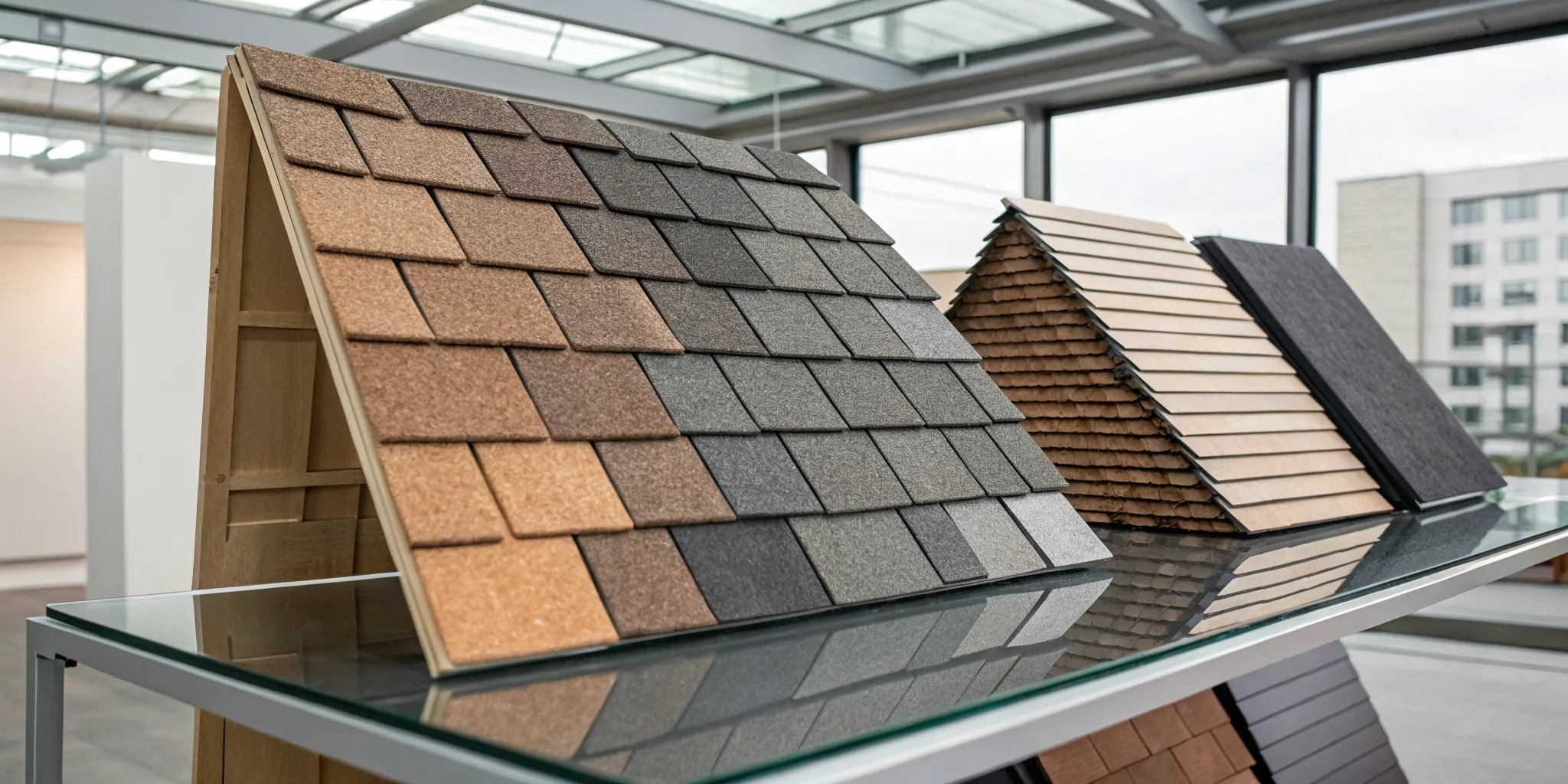
A Florida roof works overtime. It’s your home’s first defense against brutal sun, thick humidity, and hurricane winds. This tough job means choosing the right materials is everything, and it directly impacts your final cost. If you’re a St. Petersburg homeowner, getting a clear picture of roofing shingles prices is your first step. This guide gives you a straightforward breakdown of the costs for shingles that can handle our climate. We’ll look at energy-efficient options to lower cooling bills and durable materials for the best storm protection, helping you make a confident investment.
Key Takeaways
- Look beyond the shingle price: Your final quote is a combination of material quality, roof complexity, and professional labor, so it’s important to review every line item to understand the full investment.
- Installation is as important as the materials: Even premium shingles can fail if installed incorrectly, which is why a contractor’s workmanship guarantee is just as critical as the manufacturer’s product warranty.
- Make your new roof more affordable: You can manage the cost of a quality roof by asking about seasonal promotions, checking if your homeowner’s insurance covers storm damage, and exploring available financing options.
What Are the Best Shingle Types for Your Budget?
Choosing the right shingle for your home comes down to balancing your budget, desired aesthetic, and long-term performance goals. Each material offers a unique set of benefits, from classic affordability to modern energy efficiency. Understanding the price points and characteristics of each option is the first step toward making a confident decision for your roofing project. Let’s break down the most common shingle types to see how they stack up.
Asphalt Shingles: The Affordable Classic
Asphalt shingles are by far the most popular choice for homeowners, and for good reason. They offer a fantastic blend of reliability and affordability, making them an accessible option for nearly any budget. You’ll find a few different styles, with budget-friendly 3-tab shingles on the lower end and more durable, dimensional architectural shingles offering a richer look. According to current installation guides, you can expect the cost to range from $4 to $15 per square foot installed. For a typical home, this often puts the total project cost between $10,000 and $18,000, providing a dependable roof without a premium price tag.
3-Tab Asphalt Shingles
If your primary concern is keeping costs down without sacrificing protection, 3-tab asphalt shingles are a solid starting point. They are the most basic and affordable option on the market, characterized by their flat, uniform appearance. According to industry pricing guides, you can expect installation costs to fall between $3.50 and $5 per square foot. For an average-sized home in our area, this translates to a total project cost of around $7,000 to $10,000. While they don’t offer the same lifespan or wind resistance as their more advanced counterparts, 3-tab shingles provide dependable coverage that meets the needs of many budget-conscious homeowners.
Architectural Asphalt Shingles
For those willing to invest a bit more for enhanced durability and curb appeal, architectural shingles are an excellent middle-ground. Unlike the flat look of 3-tab shingles, these are thicker and laminated, creating a dimensional, textured appearance that can mimic more expensive materials like wood shake. This added thickness also means better performance against the elements. Installation costs for architectural shingles typically range from $4 to $8.50 per square foot, putting the total project cost for a standard home between $8,000 and $17,000. This makes them a popular choice for homeowners who want a beautiful, long-lasting shingle roof that offers a great return on investment.
Luxury/Designer Asphalt Shingles
At the top end of the asphalt shingle spectrum are luxury, or designer, shingles. These are the premium choice for homeowners who want maximum performance and a standout aesthetic without the maintenance or cost of natural slate or cedar. They are engineered to be incredibly durable and often come with the best warranties. The installation cost reflects their superior quality, ranging from $7 to $16 per square foot. This places the total project cost anywhere from $14,000 to $32,000. If your goal is to achieve a high-end look with a material that provides exceptional protection and longevity, luxury shingles are an investment in your home’s style and security.
Metal Shingles: Durable and Modern
If longevity and resilience are at the top of your list, metal shingles are an excellent investment. While the upfront cost is higher than asphalt, their incredible durability and energy efficiency can lead to savings over time. Metal roofs are fantastic at reflecting solar heat, which is a huge plus here in Florida. They are also highly resistant to wind and fire. Installation costs generally fall between $7 and $35 per square foot. While it’s a bigger initial expense, many homeowners find the low maintenance and decades-long lifespan make metal a worthwhile choice for protecting their property long-term.
Lifespan and Characteristics
When you’re investing in a new roof, you want to know it will stand up to Florida’s intense weather. Asphalt shingles are a popular choice because they offer a reliable lifespan without a hefty price tag. The standard 3-tab shingles typically last around 15 to 20 years. If you decide to upgrade to the thicker, more dimensional architectural shingles, you can expect them to protect your home for 25 to 30 years. This makes them a solid, dependable option for homeowners looking for a great balance of performance and value.
For those prioritizing durability and thinking about a long-term solution, metal is hard to beat. Metal shingles have an impressive lifespan, often lasting anywhere from 40 to 70 years. Beyond their durability, their characteristics are perfect for our climate. They are excellent at reflecting solar heat, which can help lower your cooling costs during those long, hot summers. Plus, their high resistance to wind and fire provides an extra layer of security. While the initial investment is higher, their incredible longevity means it could be the last roof you need to install on your home.
Wood Shingles: Natural Beauty and Charm
For a home with rustic or traditional charm, nothing compares to the natural beauty of wood shingles. They provide a timeless, classic look that adds significant curb appeal. However, this aesthetic comes with a commitment to regular maintenance to protect the wood from moisture, rot, and insects. The material itself costs around $4 to $7 per square foot, with the total installed price landing between $6 and $14.30 per square foot. If you love the look and are prepared for the upkeep, a wood roof can be a stunning feature for your home, as noted in recent pricing data.
Lifespan and Characteristics
When you’re investing in a new roof, you want to know it will stand up to Florida’s intense weather. Asphalt shingles are a popular choice because they offer a reliable lifespan without a hefty price tag. The standard 3-tab shingles typically last around 15 to 20 years. If you decide to upgrade to the thicker, more dimensional architectural shingles, you can expect them to protect your home for 25 to 30 years. This makes them a solid, dependable option for homeowners looking for a great balance of performance and value.
For those prioritizing durability and thinking about a long-term solution, metal is hard to beat. Metal shingles have an impressive lifespan, often lasting anywhere from 40 to 70 years. Beyond their durability, their characteristics are perfect for our climate. They are excellent at reflecting solar heat, which can help lower your cooling costs during those long, hot summers. Plus, their high resistance to wind and fire provides an extra layer of security. While the initial investment is higher, their incredible longevity means it could be the last roof you need to install on your home.
Slate Shingles: The Premium, Long-Lasting Option
Slate is the definition of a premium roofing material. Known for its exceptional durability and sophisticated appearance, a slate roof can easily last for over a century with proper installation. It’s a natural stone product, making it incredibly resistant to fire, rot, and insects. This level of quality comes at a price, as slate is one of the most expensive options available. Material costs range from $10 to $20 per square foot, with installation bringing the total to between $12 and $30 per square foot. For those seeking unparalleled longevity and a truly elegant look, a slate roof is an investment in your home’s future.
Lifespan and Characteristics
When you’re investing in a new roof, you want to know it will stand up to Florida’s intense weather. Asphalt shingles are a popular choice because they offer a reliable lifespan without a hefty price tag. The standard 3-tab shingles typically last around 15 to 20 years. If you decide to upgrade to the thicker, more dimensional architectural shingles, you can expect them to protect your home for 25 to 30 years. This makes them a solid, dependable option for homeowners looking for a great balance of performance and value.
For those prioritizing durability and thinking about a long-term solution, metal is hard to beat. Metal shingles have an impressive lifespan, often lasting anywhere from 40 to 70 years. Beyond their durability, their characteristics are perfect for our climate. They are excellent at reflecting solar heat, which can help lower your cooling costs during those long, hot summers. Plus, their high resistance to wind and fire provides an extra layer of security. While the initial investment is higher, their incredible longevity means it could be the last roof you need to install on your home.
Synthetic Shingles: High-Tech and Versatile
Want the look of slate or wood without the high cost and maintenance? Synthetic and composite shingles are the perfect solution. These engineered products are designed to mimic the appearance of natural materials while offering superior durability, impact resistance, and longevity. They are lightweight, often made from recycled materials, and require very little upkeep. This makes them a practical and attractive mid-range option for many homeowners. You can expect the installed cost to be between $8 and $14 per square foot, giving you a high-end look with modern performance.
Solar Shingles: Powering Your Home from Above
Solar shingles represent the cutting edge of roofing technology, integrating solar energy generation directly into your roof’s structure. Instead of mounting bulky panels on top of your roof, these shingles serve as both a protective barrier and a power source. The upfront investment is significant, with material costs running from $20 to $35 per square foot and installation bringing the total to between $21 and $30 per square foot. However, the long-term energy savings and tax credits can help offset the initial expense. For homeowners focused on sustainability and reducing their carbon footprint, solar shingles are an innovative and powerful choice.
What Really Determines Your Roofing Shingles Prices?
When you get a quote for a new roof, you’ll notice the price isn’t just a single line item. Several key elements come together to determine the final cost of your project. Understanding these factors will help you make an informed decision and know exactly what you’re paying for. From the type of shingle you pick to the unique shape of your roof, each detail plays a role in the total investment. Let’s break down what goes into the price of a new shingle roof.
How Material Quality Affects the Price Tag
The material you pick is one of the biggest things that will shape the cost of new shingles. Different materials like asphalt, wood, or metal come with their own price points and levels of durability. For example, standard asphalt shingles are often the most budget-friendly option, while premium materials like slate will be at the higher end of the price spectrum. The quality within each material type also matters. A basic three-tab asphalt shingle will cost less than a thicker, architectural asphalt shingle designed to last longer and withstand higher winds. Your choice will ultimately depend on your budget, aesthetic preferences, and how long you want your roofing services to last.
Does Your Roof’s Size and Shape Change the Cost?
It makes sense that a larger roof requires more materials and more time to install, which increases the overall cost. Roofs are typically measured in “squares,” where one square equals 100 square feet. Beyond just the total square footage, the complexity of your roof’s design also affects the price. A simple, flat gable roof is much easier and quicker to shingle than a roof with multiple valleys, steep pitches, dormers, and skylights. These complex features require more precise cutting, additional flashing, and more detailed labor, all of which contribute to higher installation costs.
Local Pricing in St. Petersburg, Florida
Where you live plays a significant role in what you’ll pay for a new roof. In Florida, our unique climate and high demand for roofing, especially after storm season, can influence both material and labor prices. Geographical pricing is a standard business practice where costs are adjusted based on local market conditions. This means prices in St. Petersburg might differ from those in other parts of the country due to local supplier costs, building code requirements designed for hurricane-prone areas, and the availability of skilled labor. It’s always best to get a quote from a local, trusted contractor who understands the specific market conditions in Pinellas County.
Why a Complex Roof Costs More to Install
Even the highest-quality shingles can fail if they aren’t installed correctly. The complexity of the installation process directly affects labor costs, which are a major part of your total roofing bill. Factors that add to the complexity include the steepness of your roof’s pitch, the need to tear off old roofing layers, and any necessary repairs to the underlying roof deck. A professional installation ensures your shingles perform as they should for their entire lifespan, protecting your home from the elements. That’s why it’s so important to work with a licensed and insured team that can handle your project with expertise.
Can Energy-Efficient Shingles Save You Money?
In a sunny place like Florida, energy-efficient shingles are a smart investment. These “cool roof” shingles are designed with special granules that reflect more of the sun’s rays, which helps keep your attic and home cooler. This can lead to significant savings on your air conditioning bills over time. While these shingles may have a higher upfront cost compared to standard options, the long-term energy savings can often offset the initial price difference. Think of it as a feature that not only protects your home but also helps lower your monthly expenses.
How Much Do Popular Shingle Brands Cost?
When you start shopping for shingles, you’ll quickly notice a few big names pop up again and again. Just like with cars or appliances, brand reputation matters in roofing. Top manufacturers invest heavily in technology to create durable, weather-resistant, and attractive shingles. While the prices I’ll share here are a great starting point, keep in mind that material costs can fluctuate based on your location and the specific product line you choose.
The best way to get an accurate price for your home is to work with a trusted local installer who can assess your specific needs. At Go Time Restoration, we provide detailed estimates for all our roofing services, ensuring you know exactly what to expect. Let’s look at what some of the most popular brands might cost.
GAF Shingle Price Guide
GAF is one of the most recognized names in the industry, and for good reason. They’re known for producing high-quality, durable shingles that stand up to tough weather. Their Timberline HDZ Laminated Shingles, a popular choice for many homeowners, cost around $40 per bundle. A “bundle” typically covers about 33 square feet of roof area. If you have a larger project, you can often get a discount for buying in bulk, which can bring the price down a bit. GAF is a solid investment for homeowners looking for reliability and a long lifespan.
Owens Corning Shingle Price Guide
Owens Corning is another top-tier brand, famous for its quality and innovation. Their Duration series shingles are a favorite, offering excellent performance and a wide range of colors. You can expect to see prices for these shingles ranging from $90 to $100 per “square.” In roofing terms, a square is a 100-square-foot area. This pricing makes Owens Corning a competitive option that balances cost and quality, providing a dependable solution for your home’s protection. Their commitment to quality makes them a go-to for many professional roofers.
CertainTeed Shingle Price Guide
If you’re looking for a cost-effective yet reliable option, CertainTeed is a brand worth considering. Their XT25 3-Tab Shingles are an excellent entry-level product, priced at about $35 per bundle. Like other brands, CertainTeed offers discounts on bulk orders, making it an even more budget-friendly choice for larger roofs. This brand proves you don’t have to break the bank to get a quality roof that looks great and performs well, which is why it’s a popular choice for many residential projects.
IKO Shingle Price Guide
IKO offers a wide variety of shingle styles, from traditional to more modern architectural designs. Their Cambridge Architectural Shingles generally fall in the range of $90 to $110 per square. The final price often depends on the specific product line and features you select. IKO focuses on providing high-quality materials that cater to different aesthetic preferences and budgets. Whether you need a standard shingle or something with a more premium look, IKO likely has a product that fits your disaster recovery and roofing needs.
How Much Should You Expect to Pay for Installation?
When you get a quote for a new roof, you’ll see that the cost of the shingles is just one piece of the puzzle. A significant portion of your total investment goes toward the labor required to install them correctly. Paying for a professional crew isn’t just about getting the job done; it’s about ensuring the work is done safely, efficiently, and in a way that protects your home for years to come. The expertise of a skilled team is what turns a pile of shingles into a durable, weather-resistant roof.
Several factors determine the final labor cost, from the specifics of your roof to the timing of the installation. Understanding these variables will help you make sense of your estimate and appreciate the value that a professional roofing service provides. A properly installed roof is your home’s first line of defense, and the quality of the labor is just as important as the quality of the materials.
Typical Installation Rates in St. Petersburg
In the St. Petersburg area, you can generally expect labor to make up about 30% to 40% of your total roofing cost. This percentage covers the skilled team, their insurance, and the time it takes to complete the job right. While it might seem like a large chunk, this investment ensures your roof is installed according to manufacturer specifications and local building codes. Hiring a licensed and insured team protects you from liability and gives you peace of mind knowing that experienced professionals are handling every detail, from tear-off to cleanup.
Factors That Change Your Labor Costs
Not all roofs are created equal, and the unique features of your home will influence the labor costs. The primary factors are your roof’s size, shape, and steepness. A larger roof naturally requires more time and materials. However, a complex roof with multiple angles, valleys, dormers, or skylights demands more intricate work and precision, which increases the time needed for installation. Similarly, a very steep roof requires additional safety equipment and a more methodical approach, adding to the overall labor hours and cost.
Breaking Down Labor Costs
The labor portion of your quote covers much more than just the physical work of installing shingles. It represents the expertise, insurance, and precision of the professional crew handling your project. In the St. Petersburg area, labor typically accounts for 30% to 40% of the total project cost. This investment ensures that every shingle is perfectly aligned, properly fastened, and sealed to withstand Florida’s intense weather. A professional installation is your home’s first line of defense, and the quality of the workmanship is just as critical as the quality of the materials you choose. Paying for skilled labor means you’re paying for a roof that will perform as promised for its entire lifespan.
The Cost of Tearing Off Your Old Roof
Before your beautiful new shingles can be installed, the old roof has to come off. This tear-off process is a crucial step and has its own associated cost, typically adding between $1 to $3 per square foot to your project. If your home has multiple layers of old shingles, you can expect this cost to be on the higher end because of the extra work involved. While it might seem like just a demolition phase, the tear-off is also a critical opportunity for your contractor to inspect the underlying roof deck for any hidden issues like rot or water damage. Addressing these problems before the new roof goes on is essential for ensuring a solid, long-lasting foundation.
Emergency vs. Scheduled Installation Costs
The timing of your roof installation also plays a role in the cost. A planned roof replacement allows for scheduling and preparation, which helps keep labor costs predictable. On the other hand, an emergency repair after a storm often comes at a premium. When you need immediate help to stop a leak and prevent further water damage, our team has to mobilize quickly. This urgent response can sometimes involve higher labor rates, especially if it requires work outside of normal business hours. These disaster recovery services are essential for protecting your property when the unexpected happens.
How to Calculate Your Total Roofing Cost
Figuring out the final price tag for a new roof involves more than just the cost of shingles. To get a realistic budget, you need to look at the complete picture, which includes the size of your roof, all the necessary materials, and local administrative fees. Breaking down these components helps you understand exactly what you’re paying for and ensures there are no surprises. A detailed estimate from a professional will cover all these bases, but knowing the key factors yourself puts you in a better position to plan for this important home investment.
Step 1: Measure Your Roof’s Square Footage
The size of your roof is the single biggest factor in determining the total cost. A larger roof naturally requires more materials and labor. For example, a 1,000-square-foot roof might cost between $3,500 and $16,000, while a 2,000-square-foot roof could range from $7,000 to $32,000. While you can get a rough idea from blueprints, the most accurate measurement comes from a professional. We can precisely calculate the area, accounting for your roof’s pitch and complexity, to give you a clear quote for our roofing services.
Understanding Shingle Bundles and Squares
When you start looking at roofing materials, you’ll come across terms like “bundles” and “squares.” It’s simpler than it sounds: roofing materials are sold in packages called bundles. Typically, it takes three bundles to cover one “roofing square,” which is a standard industry measurement for a 100-square-foot area. So, if your roof measures 2,000 square feet, you’ll need 20 squares of material, or about 60 bundles. Knowing this helps you understand material quotes and budget more effectively for your project. For example, with asphalt shingles being a popular choice, the cost of shingles can vary, but understanding these units allows you to compare prices accurately and make an informed decision for your home.
Step 2: Account for Additional Materials
The shingles are the star of the show, but they can’t do the job alone. A complete roofing system includes several other essential materials that contribute to the final cost. These include underlayment for a water-resistant barrier, flashing to seal joints around chimneys, and drip edges to direct water away from your fascia. You also have to account for nails, sealants, and potentially new ventilation. The cost of removing and disposing of your old roofing materials is another line item to consider. The quality of these additional materials will also influence the price.
Roof Decking
Think of the roof decking as the foundation of your entire roofing system. It’s the layer of wood, usually plywood or OSB, that sits on top of your roof trusses and provides a solid surface for the shingles. If your old roof had leaks, there’s a good chance some of this decking has suffered from water damage and will need to be replaced. This is often an unknown cost until the old shingles are torn off. Your final quote is a combination of material quality, roof complexity, and professional labor, so it’s important to review every line item to understand the full investment. Any necessary decking repairs are crucial for ensuring your new roof has a stable and secure base to rest on, preventing future issues with water damage.
Underlayment
Between your roof decking and your new shingles lies a critical layer of protection: the underlayment. A complete roofing system includes several other essential materials that contribute to the final cost, and this includes underlayment for a water-resistant barrier. This material is your roof’s secondary defense against moisture, catching any water that might find its way past the shingles. In Florida, a high-quality synthetic underlayment is often recommended over traditional felt because it offers superior tear resistance and protection against our high humidity and heavy rains. While it adds to the material cost, investing in a premium underlayment is a smart move for long-term peace of mind and the overall integrity of your roofing system.
Roof Flashing
Flashing is one of those small details that makes a huge difference. These thin pieces of metal are installed wherever your roof meets a vertical surface, like a chimney, vent pipe, or wall. A complete roofing system includes several other essential materials that contribute to the final cost, and this includes flashing to seal joints around chimneys and other protrusions. Its job is to direct water away from these vulnerable areas, preventing leaks where they are most likely to occur. Properly installed flashing is a hallmark of quality workmanship and a key part of our professional restoration services. Without it, even the best shingles can’t protect your home.
Fascia Boards
The fascia is the long, straight board that runs along the lower edge of your roof, and it’s where your gutters are typically attached. It’s not just for looks; it helps protect the edge of your roof from the elements. A complete roofing system includes several other essential materials that contribute to the final cost, including drip edges to direct water away from your fascia. Over time, fascia boards can rot due to moisture exposure, especially if gutters are clogged. During a roof replacement, we always inspect the fascia and recommend repairs if needed to ensure your entire roofing system is sound and ready to protect your home effectively. If you have concerns about your fascia, it’s always a good idea to contact a professional for an inspection.
Step 3: Factor in Permit and Inspection Fees
Before any work begins, your roofing project needs to be compliant with local building codes. Here in St. Petersburg and Pinellas County, most roof replacements require a permit to ensure the work meets safety standards. These permit fees can range from $150 to $500, depending on the project’s scope. A professional roofing contractor will handle the entire permitting process for you, from application to final inspection. This ensures your new roof is fully up to code without adding any administrative hassle. If you have questions about local requirements, feel free to contact us.
Cost Estimates for Common Roof Sizes
To give you a clearer picture of what to expect, let’s look at some cost estimates for common roof sizes. Keep in mind these are general ranges, as your final price will depend on the materials you choose and your roof’s specific design. For a standard 1,500-square-foot roof, the total project cost could fall anywhere between $6,000 and $24,000. If you have a larger, 2,000-square-foot roof, that range might be from $7,000 to $32,000. This wide gap is because an asphalt shingle installation is much more affordable than a premium slate or metal roof. The complexity of the job, including your roof’s pitch and features like chimneys or skylights, also significantly impacts the final quote for any roofing services.
What Do Shingle Warranties Actually Cover?
A new roof is a major investment, and the warranty is your safety net. But not all warranties are created equal, and the numbers on the packaging can sometimes be misleading. Understanding what’s covered, for how long, and by whom is the key to making a smart decision that protects your home for years to come. It’s about looking past the big print to see what your warranty truly offers.
Breaking Down Standard Asphalt Shingle Warranties
You’ve probably seen shingles advertised with a “30-year” or “lifetime” warranty. It sounds great, but it’s important to know what that really means, especially here in Florida. The intense sun, heavy rain, and hurricane-force winds mean that the actual lifespan of a standard asphalt shingle roof is often closer to 15 to 20 years. A manufacturer’s warranty typically covers defects in the materials themselves, not normal wear and tear. So, while a 30-year warranty provides some peace of mind, it doesn’t guarantee three decades without any roofing concerns. When you’re planning a new asphalt shingle roof, think of the warranty as protection against product failure, not a ticket to a maintenance-free roof.
What to Expect from Premium Material Warranties
If you’re looking for more robust protection, many manufacturers offer premium or extended warranties. These often provide more comprehensive coverage but come with specific requirements. To qualify, you usually need to install a complete roofing system from that single manufacturer. This includes not just the shingles but also the underlayment, starter strips, and ridge cap shingles. The idea is that all the components are designed to work together, creating a more durable and resilient roof. While this might mean a higher initial cost, the enhanced warranty can offer better long-term protection and value, which is a significant advantage in our storm-prone region.
Manufacturer vs. Workmanship: What’s the Difference?
Every new roof should come with two distinct warranties: one from the shingle manufacturer and one from your roofing contractor. The manufacturer’s warranty covers the physical product against defects. The contractor’s workmanship guarantee covers the quality of the installation. This is a critical difference because a perfectly good shingle can fail if it’s installed incorrectly. Many manufacturer warranties only cover the cost of the replacement shingles, not the labor to tear off the old ones and install the new ones. That’s why a strong workmanship guarantee is so important. It ensures that if a problem arises from the installation itself, your contractor will fix it. Be sure to ask us about our workmanship guarantee to understand how we stand behind our work.
The Value of a Transferable Warranty
When you invest in a new roof, you’re not just thinking about protecting your home now; you’re also thinking about its future value. A transferable warranty is a feature that allows the warranty coverage to pass from you to the next owner of your home. This might not seem like a big deal at first, but it can become a huge selling point if you ever decide to put your house on the market. It gives potential buyers confidence, showing them that the roof is not only new but also protected for years to come, which can make your property much more attractive.
Think about it from a buyer’s perspective: a home with a guaranteed, protected roof is a much safer investment. This feature can help your property stand out in a competitive market and can even help you justify a higher resale value. It essentially turns your roofing investment into a tangible asset that benefits both you and the future owner. When you’re discussing options for your roofing project, it’s always a good idea to ask about the transferability of the warranty, as it adds another layer of long-term value to your home.
Don’t Fall for These Shingle Pricing Myths
When you start shopping for a new roof, the range of prices can be confusing. It’s easy to fall for common misconceptions that could lead to a decision you’ll regret later. Let’s clear up a few things about shingle pricing so you can feel confident in your investment. The sticker price is just one part of the story; understanding what goes into that number is key to choosing a roof that protects your home for years to come.
Myth #1: All Shingles Are Created Equal
It’s a common mistake to think a shingle is just a shingle. In reality, the material you choose is one of the biggest factors in the final cost. Asphalt, wood, metal, and slate shingles all come with different price tags, lifespans, and maintenance needs. For example, basic asphalt shingles are budget-friendly, but premium architectural shingles or durable metal options will cost more upfront. Your choice directly impacts not only the initial expense but also how well your roof will stand up to Florida’s sun and storms. The right roofing services will help you compare these options for your specific home.
Myth #2: Cheaper Shingles Save You Money
Everyone loves a good deal, but opting for the cheapest shingles available is rarely a bargain in the long run. Lower-quality materials often have shorter lifespans and are more susceptible to damage from wind, rain, and debris. This means you could be facing costly repairs or even a full replacement much sooner than expected. Investing in high-quality shingles from the start saves you money and stress by reducing the need for frequent fixes. A durable roof is your home’s first line of defense against issues like water and flood damage.
Myth #3: The Installer Doesn’t Matter as Much as the Shingle
Even the most expensive, top-of-the-line shingles will fail if they aren’t installed correctly. Proper installation is critical for ensuring your roof is watertight, secure, and able to withstand the elements. A professional, experienced team knows how to handle every detail, from underlayment to flashing, preventing leaks and extending the life of your roof. Choosing a roofing company with a proven track record is just as important as selecting the right materials. When you’re ready for a flawless installation, it’s best to contact us for a team you can trust.
Key Installation Decisions: Tear-Off vs. Overlay
When it’s time to replace your roof, one of the first decisions you’ll face is whether to tear off the old shingles or simply install a new layer on top. This choice, known as a tear-off versus an overlay, significantly impacts both the upfront cost and the long-term health of your roof. An overlay can seem tempting because it saves on the labor and disposal costs of removing the old material. However, what looks like a shortcut can often lead to bigger problems down the road. A full tear-off provides a clean slate, ensuring your new roof is built on a solid foundation and giving you the best possible protection for your home.
Why a Full Tear-Off is Usually Recommended
While an overlay is cheaper, a full tear-off is almost always the better option. Installing new shingles over old ones can hide underlying issues like soft spots or rot in the roof deck, which is a serious concern in Florida’s humid climate. A complete removal allows your contractor to thoroughly inspect the decking and make any necessary repairs before the new materials go on. This single step can prevent future leaks and costly structural damage. Furthermore, adding a second layer of shingles adds a tremendous amount of weight that your home’s structure may not be designed to support. Most importantly, a tear-off ensures your new roof performs as intended and that your manufacturer’s warranty remains valid, making it the smartest long-term investment in your property’s safety.
DIY vs. Professional Installation: What You Need to Know
The idea of tackling a home improvement project yourself can be empowering, and many homeowners consider a DIY roof replacement to save on labor costs. While the ambition is admirable, roofing is one of those jobs where the risks often outweigh the potential savings. It’s a physically demanding and technically complex task that requires specialized tools, knowledge, and a strong focus on safety. A small mistake during installation can lead to significant problems, from persistent leaks to a shortened roof lifespan. Before you decide to climb that ladder yourself, it’s important to understand the full scope of the project and why hiring a professional team is often the wisest and safest choice for protecting your home.
The Risks of a Do-It-Yourself Roof Replacement
Trying to replace your own roof might seem like a way to cut costs, but it’s a dangerous and difficult job. As experts at Modernize point out, a poorly installed DIY roof can lead to leaks and damage that cost more to fix in the long run. The most obvious risk is safety; working at heights with heavy materials is hazardous without proper training and equipment. Beyond the physical danger, a flawless installation requires precision. Improperly installed flashing, incorrect nailing patterns, or poor sealing can create vulnerabilities that allow water to seep in, potentially leading to extensive water damage and mold growth. A licensed and insured team has the expertise and safety protocols to get the job done right, protecting both your home and your peace of mind.
A New Roof’s Impact on Your Home’s Value
A new roof is more than just a necessary repair; it’s a powerful investment in your property. While the primary goal is to protect your home from the elements, a roof replacement also significantly enhances its curb appeal and overall market value. For potential buyers, a brand-new roof is a huge selling point, signaling that the home is well-maintained and free from the looming expense of a future replacement. This peace of mind can make your property stand out in a competitive market and translate directly into a higher selling price. Understanding the return on investment, or ROI, helps you see the project not as a cost, but as a strategic upgrade to your home’s financial worth.
Calculating Your Return on Investment (ROI)
When you invest in a new roof, you’re not just paying for materials and labor; you’re adding tangible value to your home. According to a report from Opendoor, a new asphalt shingle roof can add over $15,000 to a home’s resale value. This means you can often recoup a significant portion of the project’s cost when you decide to sell. A new roof is a clear indicator to buyers that the home has been cared for, eliminating a major point of negotiation and making your property more attractive. In a market like St. Petersburg, this upgrade can be the deciding factor that leads to a quicker sale at a better price, making it one of the smartest improvements a homeowner can make.
Choosing the Right Shingle Color for Resale
If you’re thinking about selling your home in the next few years, the color of your new shingles can have a surprising impact on its resale value. While you might be drawn to a unique color that reflects your personal style, neutral tones are consistently the safest bet for appealing to the widest audience of potential buyers. Shades like charcoal, dark gray, weathered wood, and black are timeless choices that complement a variety of exterior paint colors and architectural styles. These classic options help create a clean, updated look that allows buyers to easily envision themselves in the home. When you select one of these popular colors for your roofing services, you’re making a strategic choice to maximize your home’s curb appeal and financial return.
How Can You Save Money on a New Roof?
A new roof is one of the most important investments you can make in your home, but that doesn’t mean it has to drain your savings. While it’s tempting to just look for the lowest price, true savings come from smart planning and knowing what questions to ask. Cutting corners on materials or installation can lead to more expensive repairs down the road. Instead, focus on finding ways to make a high-quality roof more affordable. By exploring a few key avenues, you can protect your home and your budget at the same time. Here are three practical strategies to help you manage the cost of your new roof without compromising on quality.
Keep an Eye Out for Seasonal Promotions
Timing can play a big role in how much you pay for a new roof. Many roofing companies offer seasonal promotions or discounts during their less busy months to keep their crews working. While Florida’s roofing season is a bit different from other parts of the country, it’s always a good idea to ask about potential savings. When you’re gathering quotes, simply ask if there are any current promotions or off-season rates available. A reputable contractor will be upfront about any deals they can offer. This simple question could lead to significant savings on the total cost of your project.
Find Out if Your Insurance Will Cover It
Before you pay for a full roof replacement out of pocket, take a moment to check your homeowner’s insurance policy. If your current roof was damaged by a storm, hail, or another covered event, your insurance might help cover the cost. Review your policy documents or give your agent a call to understand what’s included. Getting clarity on your coverage is a critical first step, especially after a major weather event. Our team is experienced in handling disaster recovery services and can help you navigate the process, but knowing your policy is the best place to start.
Don’t Forget to Ask About Financing
A quality roof is essential, but the upfront cost can be a hurdle for many homeowners. That’s why many roofing contractors offer financing plans that allow you to pay for your new roof over time. These plans break the total cost into more manageable monthly payments, making it easier to afford the best materials and installation for your home. Don’t hesitate to ask about financing when you request an estimate. Understanding the available payment options can make a necessary home improvement project feel much more achievable. If you’d like to learn more about our options, feel free to contact us directly.
When Is It Time to Replace Your Shingles?
Knowing when to replace your shingles isn’t just about aesthetics; it’s about protecting your home. Your roof is the first line of defense against Florida’s weather, and waiting too long for a replacement can lead to costly problems like leaks and structural damage. Paying attention to your roof’s age, its condition after a storm, and the extent of any wear will help you make a smart, timely decision. Here’s what to look for.
How to Spot Storm and Weather Damage
After a big storm rolls through St. Petersburg, it’s wise to check on your roof. Look for obvious signs like missing or cracked shingles. You might also notice what looks like black sand in your gutters; these are protective granules that have washed off, leaving your shingles vulnerable. Inside your home, check ceilings and the attic for new water stains, as this is a clear signal your roof is compromised. If you spot any of these issues, it’s best to get a professional roofing inspection to assess the damage.
Knowing When Your Roof is Simply Too Old
Even if your roof looks fine from the ground, its age is a critical factor. Most asphalt shingle roofs have a lifespan of 15 to 30 years. As shingles get older, they become brittle and lose their ability to protect your home from rain and sun. If you’re not sure how old your roof is, it’s worth finding out, especially if you’ve recently moved in. If your roof is approaching the 20-year mark, it’s a good time to start planning for a replacement. A proactive approach can save you from the stress of an emergency situation.
Repair or Replace? How to Make the Right Call
So, do you need a few repairs or a full replacement? A good rule of thumb is to consider the extent of the problem. If you only have a few damaged shingles in one area, a repair might be enough. However, if more than 30% of your roof shows wear or the damage is widespread, a full replacement is often the more cost-effective choice long-term. Constantly patching an old, failing roof can become a frustrating expense. A professional can assess the condition and help you decide which restoration service makes the most sense for your home.
Protecting Your Investment: Roof Maintenance Tips
Once your new roof is installed, the work isn’t over. Think of it like a new car; regular maintenance is the key to making it last as long as possible. A little proactive care goes a long way in protecting your investment, especially with the intense sun and storm seasons we get here in Florida. By staying on top of a few simple tasks, you can catch small issues before they turn into major headaches, ensuring your roof continues to protect your home effectively for years to come.
The Importance of Annual Inspections
One of the smartest things you can do for your roof is to schedule a professional inspection once a year. An expert can spot subtle signs of wear and tear that are easy to miss from the ground, like cracked sealant around vents or loose shingles. According to home improvement experts, yearly inspections are a fundamental part of roof care. Catching these minor problems early allows for simple repairs, preventing them from escalating into costly leaks or structural issues. A professional check-up gives you a clear picture of your roof’s health and peace of mind knowing it’s in solid shape to handle whatever the weather throws at it.
Keeping Gutters Clean and Trimming Branches
It might seem like a simple chore, but keeping your gutters clear is essential for your roof’s health. When gutters get clogged with leaves and debris, rainwater has nowhere to go. It backs up and can seep under your shingles, leading to rot in the underlying roof deck and fascia boards. This moisture can cause significant problems over time, often resulting in the need for water damage restoration. Similarly, trimming back overhanging tree branches is a crucial preventative step. During a storm, heavy limbs can break and fall, causing serious damage to your shingles and the structure of your roof.
Ensuring Proper Attic Ventilation
What happens in your attic has a direct impact on the health of your roof. Proper ventilation is crucial for regulating temperature and moisture levels. In our humid Florida climate, a poorly ventilated attic can trap hot, moist air, which bakes your shingles from the inside out and can lead to mold growth. This moisture buildup can compromise your home’s structural integrity and shorten your roof’s lifespan. Ensuring your attic has good airflow helps keep your home cooler, lowers your energy bills, and prevents the conditions that require professional mold remediation.
Related Articles
Frequently Asked Questions
What is the most popular and practical shingle for a Florida home? For most homeowners in our area, asphalt shingles hit the sweet spot. They provide excellent durability and weather resistance at a very reasonable price point. Specifically, architectural shingles are a fantastic choice because their dimensional design offers better wind resistance than basic 3-tab shingles, which is a huge plus here. They give you a high-end look and solid performance without the premium cost of materials like slate or metal.
Why is my roofing quote so much more than just the cost of the shingles? A roofing quote covers the entire system that protects your home, not just the shingles you see from the street. The total price includes the cost of skilled labor, which is essential for a correct and safe installation. It also accounts for other critical materials like underlayment, flashing, and ventilation, plus the fees for removing and disposing of your old roof and securing the necessary local permits.
How long will a new asphalt shingle roof really last in Florida? While many shingle packages advertise a “30-year” or “lifetime” warranty, the intense Florida sun and storm season mean the realistic lifespan is closer to 15 to 20 years. The manufacturer’s warranty protects you against product defects, but it doesn’t account for the normal wear caused by our harsh climate. Thinking in terms of a 15 to 20-year lifespan helps you plan more accurately for your home’s future.
Is it a bad idea to just choose the cheapest shingle option available? Opting for the lowest-priced shingle is rarely the most cost-effective decision in the long run. Cheaper materials tend to be thinner and less durable, making them more likely to sustain damage during a storm. This can lead to frequent, costly repairs and the need for a full roof replacement much sooner than you’d expect. Investing in a quality material from the start is a smarter way to protect your home and your wallet.
How can I tell if I need a simple repair or a whole new roof? If the damage is isolated to a small section, like a few missing shingles after a storm, a professional repair is often all you need. However, if you’re seeing widespread issues such as curling shingles across different parts of the roof, significant granule loss in your gutters, or if the roof is over 15 years old, a full replacement is usually the better investment. A professional inspection is the best way to get a clear answer.