Explore vital safety precautions fire damage restoration teams in Pinellas County should follow for effective smoke and soot cleanup.
Share:
Summary:
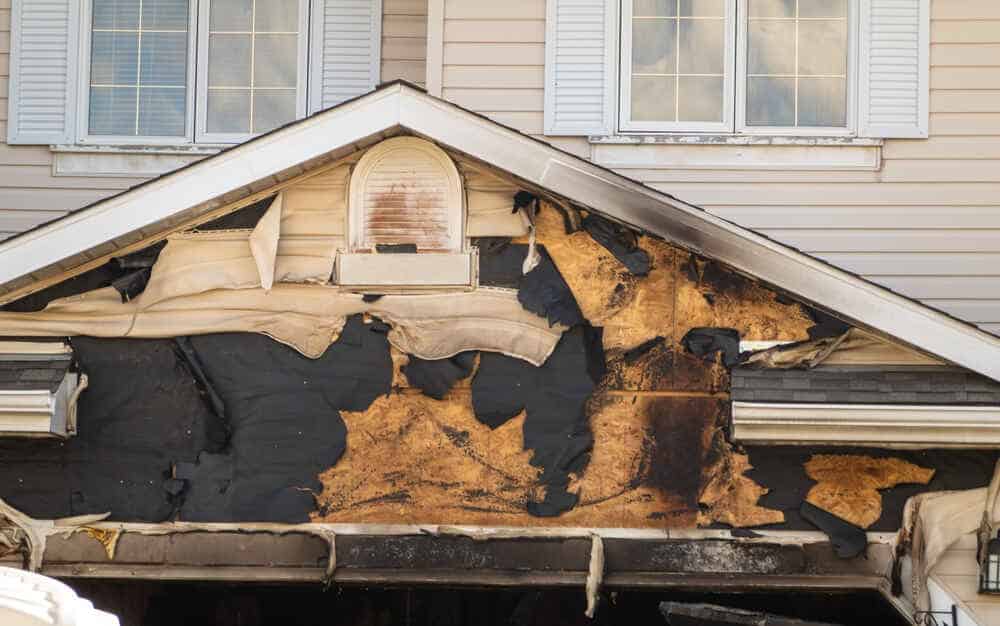
The process of Fire damage restoration involves several key steps, each with its own set of safety considerations. Firstly, this includes the thorough smoke damage cleanup, careful soot removal, and the systematic charred material removal. Each of these tasks brings specific risks that demand careful attention and handling to protect health and the building itself. For homes in Pinellas County, the persistent high humidity levels can unfortunately worsen the effects of fire damage, making it even more important for restoration teams to be vigilant. For instance, moisture in the air can cause soot to imbed deeper into porous materials and can also accelerate mold growth in areas affected by water used to extinguish the fire, if not dried properly. Professionals use specific equipment and techniques, such as High-Efficiency Particulate Air (HEPA) filters in air scrubbers and industrial vacuums. These tools are designed to capture very fine soot particles and other contaminants, helping to clear the air and reduce health risks for everyone in your home.
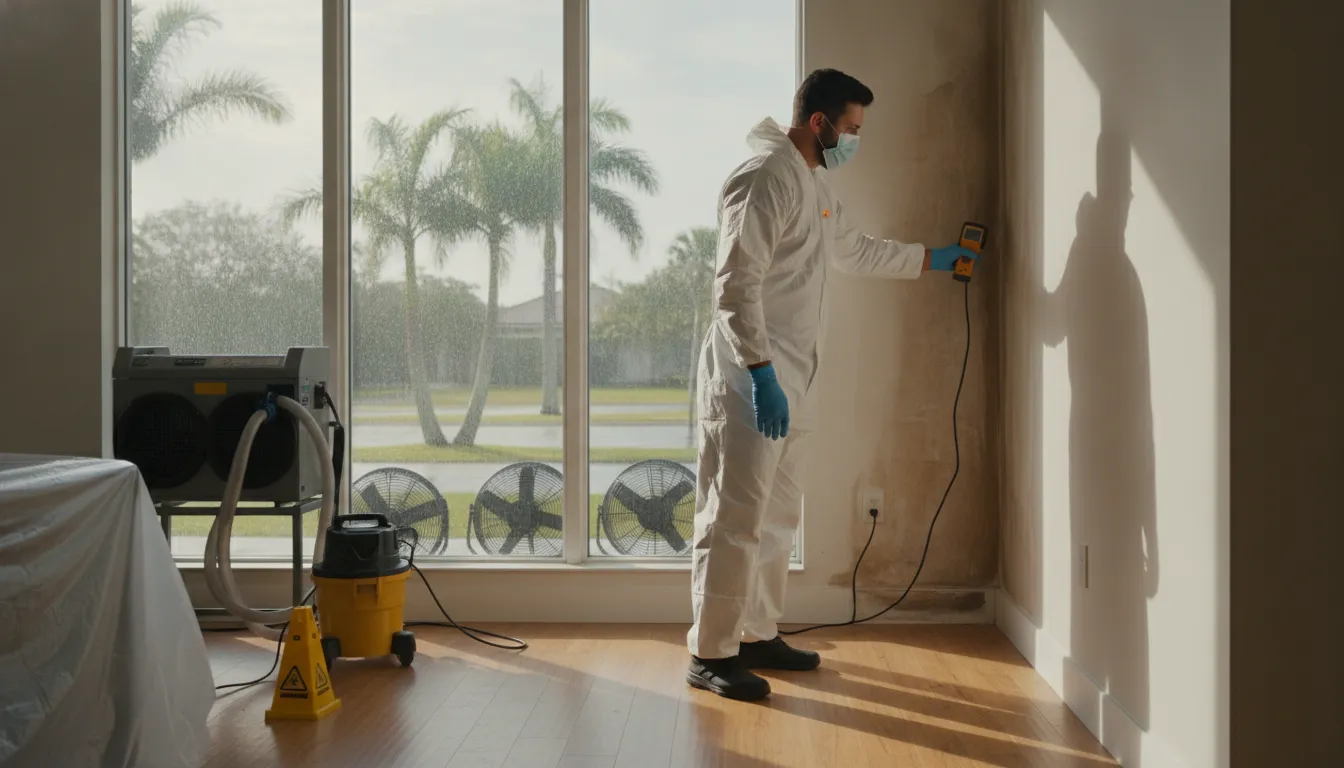
Personal Protective Equipment, commonly known as PPE, is absolutely essential for anyone involved in fire cleanup activities within your home. This isn’t just a recommendation; it’s a fundamental safety requirement because of the various hazards present. This protective gear includes items like respirators, which are vital to guard lungs against inhaling airborne particles and fumes during smoke odor removal. Different types of respirators exist, from N95 masks designed for particulate matter to full-face respirators equipped with specific cartridges for chemical vapors that might be present. Teams will also use heavy-duty, puncture-resistant gloves for handling debris, which might include sharp objects or materials contaminated with residues. Protective clothing, such as disposable coveralls, is also worn to prevent skin contact with hazardous substances often found in fire-damaged environments. In Pinellas County, where the Florida heat and humidity can be quite high, selecting PPE that is both protective and allows for some breathability is an important consideration for the well-being and effectiveness of the crew working on your property. The gear must protect without causing heat stress, which is a genuine concern for workers in such conditions.
Personal Protective Equipment, commonly known as PPE, is absolutely essential for anyone involved in fire cleanup activities within your home. This isn’t just a recommendation; it’s a fundamental safety requirement because of the various hazards present. This protective gear includes items like respirators, which are vital to guard lungs against inhaling airborne particles and fumes during smoke odor removal. Different types of respirators exist, from N95 masks designed for particulate matter to full-face respirators equipped with specific cartridges for chemical vapors that might be present. Teams will also use heavy-duty, puncture-resistant gloves for handling debris, which might include sharp objects or materials contaminated with residues. Protective clothing, such as disposable coveralls, is also worn to prevent skin contact with hazardous substances often found in fire-damaged environments. In Pinellas County, where the Florida heat and humidity can be quite high, selecting PPE that is both protective and allows for some breathability is an important consideration for the well-being and effectiveness of the crew working on your property. The gear must protect without causing heat stress, which is a genuine concern for workers in such conditions.
Once the initial cleanup phase of the Fire damage restoration is complete, structural repair is frequently necessary to return your property to its condition before the fire. This significant phase involves a detailed evaluation of your home’s framework – including walls, floors, and roofing supports – to identify any damage, weakness, or compromise caused by the fire, smoke, or the water used in firefighting. In Pinellas County, the combination of fire damage and the local weather patterns, such as high humidity or strong storms, can present particular challenges to the repair process. For example, wood framing that was waterlogged during firefighting efforts and then exposed to prolonged humidity is at high risk for rot or mold if not addressed correctly and promptly. Restoration teams must work closely with other qualified professionals, such as structural engineers or licensed general contractors, to plan and execute repairs. This collaboration helps to make certain that all repair work is performed safely, meets current Pinellas County building codes, and uses materials and techniques that can withstand both the aftermath of a fire and the area’s specific environmental conditions. This might include using mold-resistant drywall in moisture-prone areas or specific types of treated lumber for framing.
Smoke and soot residues are more than just unsightly marks; they can pose notable health considerations if not properly addressed during the Fire damage restoration. Swift and effective smoke damage cleanup and soot removal are vital for the well-being of your household. In Pinellas County’s humid climate, these residues can become particularly stubborn and pervasive, sometimes seeming to reappear if not thoroughly treated. To achieve effective smoke odor removal, restoration professionals utilize several advanced techniques. For example, thermal fogging involves heating a specially formulated deodorizing solution to create a fine mist, or “fog.” This fog behaves like smoke, penetrating porous surfaces such as drywall, wood, and upholstery to neutralize odor-causing particles at their source. Another method is ozone treatment, where an ozone generator produces O3 gas. Ozone is a highly reactive molecule that chemically alters and oxidizes odor compounds, effectively destroying them. However, because ozone can be hazardous to breathe, the treatment area must be completely evacuated and sealed off during the process, and then thoroughly ventilated with fresh air before it’s safe for re-entry. Air scrubbers, powerful filtration devices equipped with HEPA filters for capturing minute particulate matter and activated carbon filters for adsorbing odors and VOCs (Volatile Organic Compounds), are also constantly run to clean the air within your home. Some situations might also call for hydroxyl generators, which produce hydroxyl radicals that also break down odors and VOCs; these are often considered for use in areas where longer-term odor treatment is needed and can sometimes be used with more flexibility regarding occupancy. Finally, special cleaning solutions are used to meticulously wipe down all affected surfaces, and sometimes, porous surfaces might be sealed with a specialized sealant to lock in any remaining minute odor particles before new paint is applied. These combined methods help create a clean and healthy environment for you and your family to return to.
Thorough training is a fundamental component of safety in the Fire damage restoration field. It’s not enough for a team to simply have the right equipment; the individuals working in your home must possess the knowledge and skills to use it correctly, safely, and appropriately for the situation. Restoration crews should be well-versed in handling materials that may be hazardous, such as those contaminated by soot or chemicals. They also need proficiency in operating various types of restoration equipment, from water extraction units to dehumidifiers and air movers. Furthermore, understanding the local building codes and regulations specific to Pinellas County is very important. For instance, proper containment and disposal of fire debris are often regulated to protect public health and the environment, and technicians need to adhere to these rules. In Pinellas County, where Fire damage restoration must also take into account environmental factors like high humidity and the subsequent potential for mold growth, ongoing education and holding certain industry qualifications are very important. This continued learning helps to prepare teams, like the professionals at Go Time Roofing and Restoration, to manage a wide array of challenges they might encounter on your property. This preparation allows them to work carefully and proficiently, protecting both their safety and the well-being of your household during the restoration of your home.
Restoring your home after a fire in Pinellas County calls for a detailed and careful approach to safety at every single step, from the initial smoke damage cleanup and soot removal through to the final structural repair and finishing touches. By giving top priority to the correct use of personal protective equipment, the safe handling of fire-affected materials, and participation in continuous training and education, restoration teams can protect themselves and your property throughout the entire Fire damage restoration journey. The ultimate goal is to return your home to a condition that is not just visually restored, but also structurally sound and healthy for you and your family to live in for years to come. If you are facing the aftermath of a fire and need assistance with Fire damage restoration, please reach out. Contact Go Time Roofing and Restoration to discuss how your property can be restored with attention to safety and thoroughness.
Article details:
Share:
Continue learning: