A sewage backup in your St. Petersburg home is a serious health risk that needs a fast response. Waiting allows dirty black water to soak into floors and walls. Go Time Roofing and Restoration provides 24/7 sewage backup cleanup in St. Petersburg, FL to protect families and limit property damage.
Call Go Time Roofing and Restoration at (727) 361-6905 for 24/7 emergency sewage cleanup.
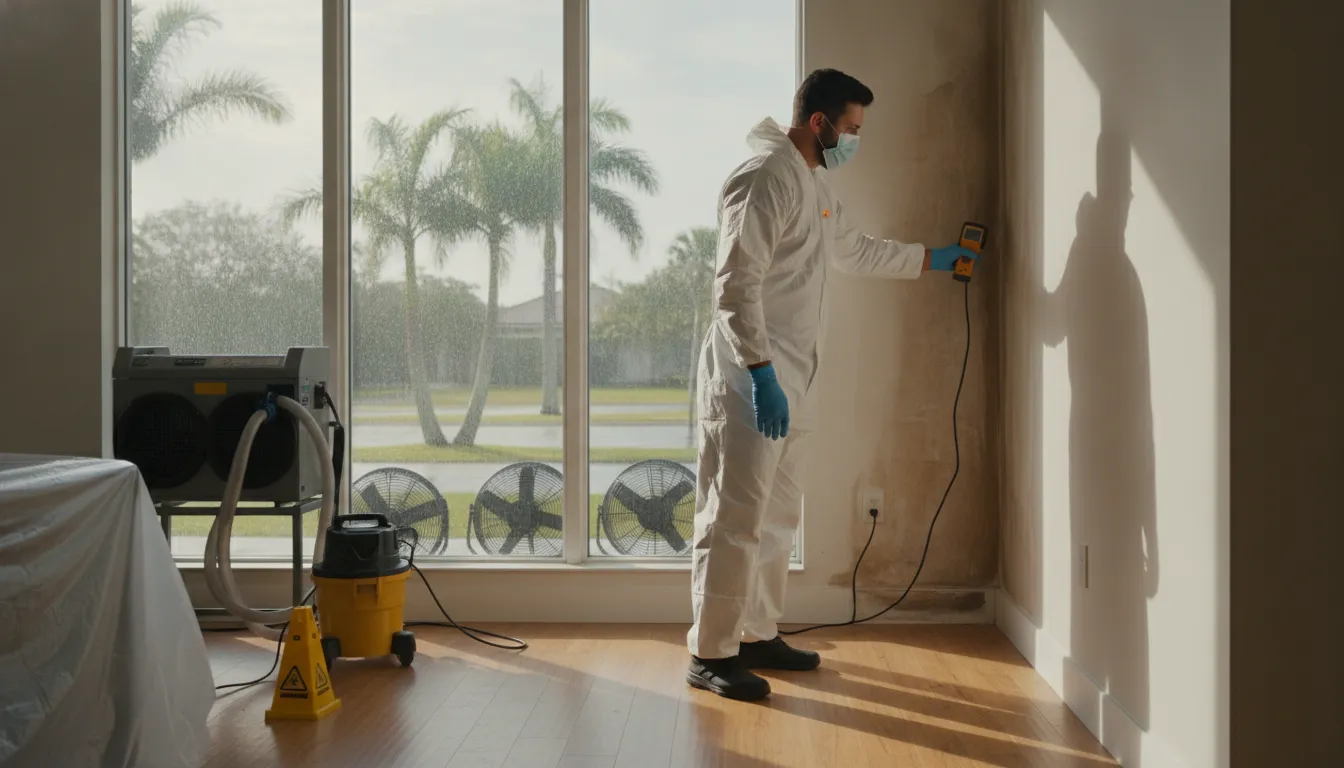
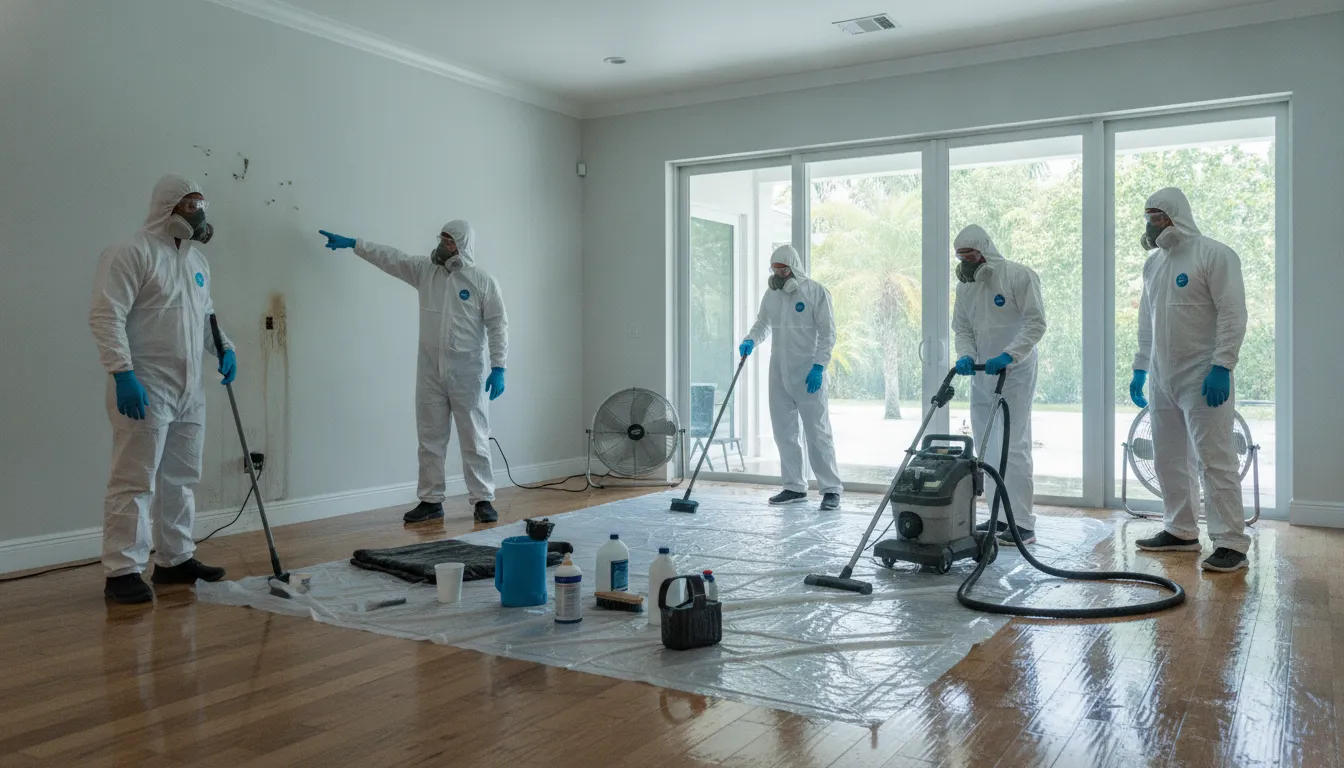
Sewage backup cleanup in St. Petersburg, FL is an expert repair process that removes Category 3 black water and cleans the living area. This water damage is dangerous because it contains human waste and germs that pose big health risks to your family. Expert cleanup uses heavy-duty pumps to remove water and takes out carpets or drywall that cannot be saved. Teams then use germ-killing cleaners and drying tools to make the home safe for your children and pets. According to the CDC, contact with dirty water can lead to rashes, stomach illness, and wound infections. Never try a DIY cleanup of raw sewage without professional safety gear and air systems to keep you safe.
Handling this waste requires a careful plan to avoid spreading germs through your home. Knowing the risks is the first step in fixing your house and staying healthy. Sewage backup cleanup in St. Petersburg, FL starts with safety, and here is how.
Sewage backup cleanup in St. Petersburg, FL starts with safety
Safety is the first step when you find a sewer spill in your home. You must stop the flow and keep people away from the mess. Sewage backup cleanup St. Petersburg FL needs care because the water carries germs. Wear rubber boots, gloves, and eye gear if you must go near the area. Call a team for professional water damage restoration to handle the germs and smell safely.
Why sewage is black water
Pros call sewage “Category 3” or “black water.” This means the liquid is very dirty and has harmful parts in it. It is not like a clean pipe leak from a sink. It often has waste and toxins that can make you sick. The water can hide sharp items or power lines that cause shocks. Most things that get wet with this water must be thrown out. This includes carpet, pads, and some wood floors.
Even small spills are a big risk. Germs can travel through the air or on your shoes. This is why pros use tools to keep the air clean in the work area. They set up walls and use fans to trap dust and bad air. This stops the germs from moving to other parts of your house. Clean water tools are not enough for this job. You need gear that can kill viruses and bacteria for good.
Health risks of exposure
Getting sewage on your skin or in your mouth can cause real health problems. You could get a bad rash or a stomach bug. Contaminated water can cause skin rashes, gut illness, and wound infections. If you have a cut, the waste can get inside and lead to a bad fever. If you get a deep cut from a dirty item, you may need a shot to stop lockjaw. Always wash your skin with soap and clean water if you touch the spill.
Some people have a higher risk than others. Young kids and older folks have weaker bodies. They can get sick much faster from the germs in a sewer backup. Pets are also at risk. They might walk through the water and then lick their paws. Keep all pets and kids out of the wet area until a pro says it is safe. This keeps your loved ones from getting a contamination and mold risks that can last a long time.
Safe steps for homeowners
Do not try to clean a big sewer spill with a home mop. You need more than just soap to make the area safe again. Start by turning off the power if the water is near outlets. Do not flush toilets or run sinks if the pipes are backed up. This will only add more waste to the floor. Open windows to let in fresh air, but do not turn on the central AC. The AC can blow germs to every room in the house.
Check your shoes and clothes after you leave the area. Wash all clothes in hot water and strong soap before you wear them again. If you have a big mess, you’ll need a pro with the right gear. They use big vacuums and fans to dry the area fast. They also use strong cleaners that you cannot buy at a store. These steps address both visible water and moisture below the surface. Call for help as soon as you find the leak to keep your family safe.
What should you do first after a sewage backup?
First, keep people and pets out of the affected area, stop using plumbing, avoid standing water near electricity, and call a trained cleanup team. Do not use a household vacuum or central HVAC system because either can spread contaminated particles.
Finding raw sewage in your home is a big crisis. This waste is black water. It carries germs that can make you very sick. You must act fast to protect your family and your home from contamination and mold risks after a leak or flood.
Protect your health
The most vital step is to keep people and pets away from the mess. Sewage can cause skin rashes or stomach pain. If you must go near the water, the CDC says to wear gear like rubber boots, gloves, and eye guards. Never touch the waste with your bare skin.
Secure the area
Stop using any plumbing in the house right away. Do not flush toilets or run sinks. This can force more waste into your rooms. You should also turn off the power if the water is near plugs or cords. Water and power are a deadly mix. Stay clear to stay safe.
- Clear the room. Get all people and pets out of the wet area. This stops them from getting sick or moving germs through the house.
- Stop the water. Shut off your main water line. Do not use any drains until a pro says it is safe to do so.
- Cut the power. If you can reach your breaker box safely, turn off the power to any rooms with standing water.
- Call for help. Contact a team that offers 24/7 emergency response for water damage to start the cleanup.
- Notify the city. If the backup is in the street or main line, tell your local utility office so they can fix the pipe.
- Take photos. Once you are in a safe spot, take pictures of the damage. This will help with your insurance claim later.
Get expert help
A sewage backup cleanup St. Petersburg FL job needs more than a mop. Expert teams use tools to keep bad air from moving into clean rooms. They have the right training to handle waste. They can document the affected areas and work performed for your records.
What should you avoid during sewage cleanup?
Avoid direct contact, household vacuums, bleach-only cleaning, premature fan use, and attempts to save porous materials touched by sewage. These actions can spread contamination or leave dangerous residue behind.
Sewage backups in St. Petersburg are more than just a big mess. This water is “Category 3” or black water. This means it has human waste and germs. You should never treat a sewage leak like a normal spill. In St. Petersburg, FL, local rains and pipe breaks can cause these backups at any time. To keep your family safe, you must know which common steps are unsafe. Trying to save money with home fixes often leads to higher costs later.
Why common tools are not enough
You might want to grab your home vacuum to clear the water. Do not do this. These vacuums are not made to filter out the tiny germs found in sewage. When you turn them on, the air can blow waste bits into the room. This turns a floor problem into an air quality crisis. You should also avoid using bleach alone to clean walls or floors. Bleach is a surface cleaner. It cannot reach the germs that soak deep into wood or floors. Expert sewage backup cleanup St. Petersburg FL teams use strong cleaners that kill germs without hurting your home. They have the skill to reach every hidden spot.
The risk of fans and air flow
Many people think the best way to dry a room is to turn on every fan in the house. This is a big mistake during a sewage backup. If you use fans before a pro sets up a barrier, you will blow dirty air into clean rooms. This can lead to mold growth in parts of the house that were never wet. Experts use negative air pressure to pull air out of the home through filters. This keeps the mess in one place and protects your health. If you suspect a mold issue from an old leak, you may need mold remediation to fix it. Good air flow needs tools that most owners do not have.
Contact with soft materials
You must avoid saving soft items that have touched black water. Things like carpet pads and drywall act like sponges. They soak up the waste and can never be fully cleaned. Keeping these items in your home poses a high risk of sickness. Even if they look dry, the germs stay inside. If you must enter the area to get your keys, wear rubber boots and gloves. If you get a cut while near the water, check with a doctor for a tetanus shot. These steps are key for your health.
| Safe Response | Dangerous DIY |
|---|---|
| Call experts for cleanup | Using a home vacuum |
| Shut off the HVAC system | Using fans before containment |
| Washing skin with soap | Touching water with bare skin |
| Throwing away wet carpet | Trying to clean porous items |
Do not wait to call for help. Sewage can spread into more materials while it remains in place. Go Time Roofing and Restoration offers 24/7 help in St. Petersburg and Pinellas County. You can reach our team at (727) 361-6905 to start the cleanup process. The team can document the affected areas and work performed for your records. Acting fast is the best way to protect your home and your peace of mind.
How professionals clean and disinfect a sewage backup
A sewage spill in your home is a major health risk. This type of mess is known as “black water” or Category 3 contamination. It contains germs and waste that can cause skin rashes or stomach illness. When you hire an expert for sewage backup cleanup in St. Petersburg, FL, they follow strict rules to keep your family safe.
Containment and safety gear
The first step in any cleanup is to stop the spread of germs. Pros use thick plastic sheets to block off the area. They also set up machines to create negative air pressure. This keeps bad air from moving into clean parts of your house. To stay safe, workers wear full gear like rubber boots, gloves, and goggles. The CDC warns that you must wear this gear if you have to enter a wet area after a flood.
Removing water and waste
Next, the crew uses pumps and vacuums to remove the standing water. Since sewage is thick with waste, they must use strong gear. They also look for porous items that cannot be saved. Things like carpet, pads, and drywall soak up the waste like a sponge. These items often need to be cut out and thrown away. This is a key part of professional water damage restoration because it stops mold and bad smells from growing deep in your walls.
Cleaning and deep disinfection
Once the water is gone, the real cleaning starts. Pros scrub all hard surfaces with strong soaps. Then, they use a special chemical to kill any left-over germs. The cleaning plan should match the materials affected and the level of contamination. This step helps address contamination left after the water is removed. If you have a mess now, our 24/7 team can help you start the process fast at (727) 361-6905.
Drying the property before repairs begin
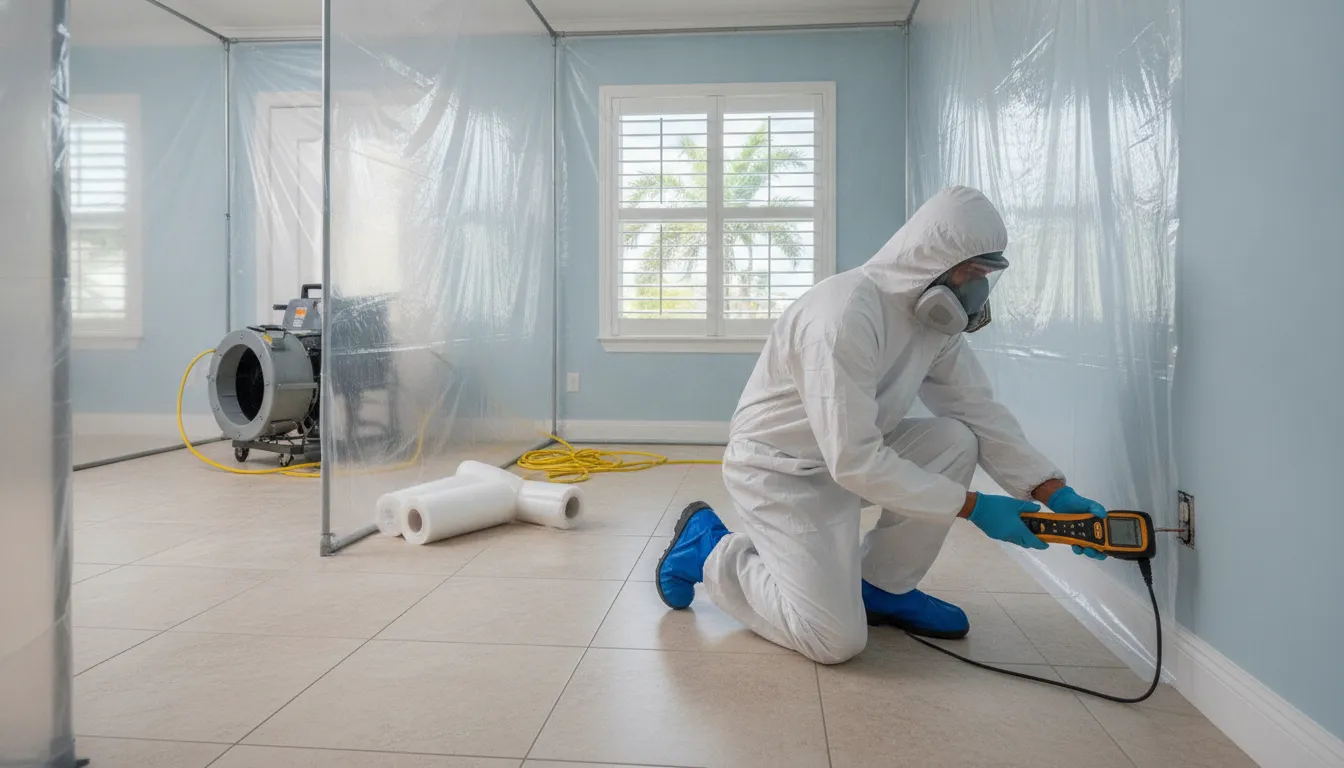
After the standing water is gone, the drying phase starts. This is a key step in any professional water damage restoration project. Water from a sewer line is full of risks. You must dry out every area to stop mold from growing. If you skip this, your home will have long-term issues. Proper drying takes time and the right tools. It is not just about clear air but also about deep moisture in the house frame.
Finding hidden moisture
Water often hides where you cannot see it. It soaks into wood studs, insulation, and floor beams. Experts use moisture meters to map out the wet spots. This process finds water trapped inside walls or under floorboards. Without these tools, you might think a room is dry when it is still wet. Leaving damp spots can lead to wood rot. It can also cause mold to spread fast through the house. Finding every wet area is the first job in a safe cleanup.
Mapping moisture helps create a drying plan. In a sewage backup cleanup St. Petersburg FL home, this mapping is vital for safety. Dirty water can stay in small cracks. The CDC says floodwater and sewage can carry harmful human waste and germs. If these stay in your walls, they pose a health risk. We track the water to make sure every inch gets treated. This keeps your family safe after the work is done.
Power tools for fast drying
Home fans are not enough for a big flood. You need power tools to pull water from the air and walls. High-speed air movers push dry air across wet surfaces. This helps the water turn into vapor faster. Then, big dehumidifiers pull that vapor out of the room. This stops the air from getting too humid. If the air is too damp, the drying stops. Our team uses tools that can handle big jobs in Pinellas County. They work all day to get your home ready for repairs.
These tools also help with smells. Sewage has a strong odor that can stay. Using the right fans helps move that air out of the building. We set up sealed zones to keep the damp air from moving to clean rooms. This protects the rest of your house. It also helps the tools work better in a smaller space. By controlling the air, we can speed up the whole process. This supports a controlled drying process.
Testing for a dry home
How do we know when the drying is over? We do not just guess by feel. We use sensors to check the moisture levels every day. We log these numbers to show the work. This data is part of the paperwork needed for insurance claims. Drying records may also support conversations with your insurer. We make sure the wood and drywall hit a safe target level. This protects you from future mold growth.
Checking dryness is the last step before we start repairs. Putting new walls over wet wood is a big mistake. It traps water and creates a spot for mold to grow. We check the air and the materials to be sure. A measured drying goal helps show when materials are ready for repair. Once we hit the goal, the building is ready for new paint and floors. It helps reduce the risk of closing walls over trapped moisture.
When should you call for emergency sewage cleanup?
Call for emergency sewage cleanup as soon as wastewater enters a living area, reaches porous materials or HVAC components, approaches electrical outlets, affects multiple rooms, or threatens children, pets, older adults, or anyone with health concerns.
A sewage backup is more than a mess. It is a health crisis. In St. Petersburg, FL, heavy rain or old pipes can push dirty water into your home. You need fast help to stop the spread of germs. If you see waste water, do not wait for the next day. Quick work is the only way to save your home and keep your family safe.
Spot the signs of an urgent backup
A flow of sewage is a top sign that you need help right now. If water keeps coming up from your drains, you have a crisis. This is a big deal if the mess moves into more than one room. When waste enters your home, it brings germs that can make people sick. Getting a fast emergency response for water damage is key. It stops the water before it ruins your floors and walls.
Keep your family and home safe
Safety is the most key part of any cleanup. Waste water often holds germs and toxins that pose high health risks from dirty flood water. If you have kids or pets, keep them away from the wet area. You must also watch for power risks. If water hits your wall plugs or vents, you could face fire or shock. Do not touch any wet cords or switches. It is best to let pros handle the work to keep all safe.
You should also call for help if sewage enters your air vents. Dirty water in your vents can spread bad smells and germs through the whole house. Pro teams use tools like air scrubbers and sheets to clean the air. This stops the mess from moving into clean rooms. In St. Petersburg and Pinellas County, we give help at any hour to fix these risks. Heavy Florida rains can make sewer lines back up fast, so do not wait to call.
What to say when you call for help
When you call our 24/7 team at (727) 361-6905, try to stay calm and tell us what you see. Tell us where the water is coming from and if it is still flowing. Let us know if the water has reached any rugs or wood floors. Tell us if the power is still on in the wet area. This info helps us start your sewage backup cleanup St. Petersburg FL with the right tools. We can also help you with claim notes and forms. Our goal is to make the cleanup fast and clear for you.
Documenting the loss and planning the next steps
Once you secure the area, you must start the records process for your claim. Safety is still the top goal during this step. Do not enter the water without the right gear, like rubber boots and gloves. The Centers for Disease Control and Prevention warns that sewage water can hide sharp items or power lines. If you must go in, wear full gear to stop skin contact.
Take safe photos and videos
You need proof of the damage for your insurer. Stand in a safe spot and take clear photos of all hit areas. Include shots of the floor, walls, and any ruined items. Video is also good to show the full scale of the sewage backup cleanup St. Petersburg FL event. Do not move or throw away anything until your agent says it is okay to do so.
Try to capture the source of the backup if it is seen. This helps experts find the cause and plan the right fix. Good records make it easier to get professional water damage restoration help later. Your photos will show the start of the problem before the work begins.
Call your insurance agent
Contact your insurance agent as soon as you find the backup. Most plans have strict rules about how fast you must report a loss. Tell them the facts and follow their steps. Do not make promises about what your plan covers. Let the adjuster make that call after they see the site. A local team can help you with insurance claims to make the process smoother.
Track every cost and receipt
A sewage backup causes many extra costs. You should keep a folder for all your files. Save every bill linked to the event, such as:
- Cleaning tools and safety gear.
- Hotel bills if you cannot stay at home.
- Bids and work orders from the restoration team.
- Lab tests for mold or bacteria.
Proper contamination and mold risks checks are vital. You should log these results too. Professional teams follow IICRC S500 standards for all work and logs. These records prove the team did the job right and used safe steps.
In St. Petersburg, having a local team that knows the area helps speed up the fix. They can work with you to make sure all files meet the needs of your insurance company.
Frequently Asked Questions
How much does sewage backup cleanup cost in St. Petersburg, FL?
The cost for sewage backup cleanup in St. Petersburg varies based on the size of the spill and the types of materials involved. A local assessment is necessary because every affected property and contamination path is different. A written scope can outline water removal, sanitation, debris disposal, drying, and other needed work. Factors like the depth of the water and how long it sat also change the final bill. You should ask for a local inspection to get an exact quote for your property.
Does homeowner insurance cover sewage backup restoration?
Many standard homeowner insurance policies do not include sewage backup coverage in the basic plan. You often need a special rider or add-on to your policy for these claims. According to Go Time Roofing and Restoration, having the right paperwork is vital for getting paid by your carrier. Professionals help by taking photos and logging moisture levels to support your claim. Always check with your agent to see if your plan covers biohazard cleanup.
How long does it take to clean a sewage backup?
Cleanup timing depends on the spill size, affected materials, and measured drying conditions. Initial work focuses on removing waste and sanitizing the area. Drying floors and walls with air movers and dehumidifiers may require several days. Large spills that reach multiple rooms can take longer. Quick action helps speed up the work and stops the growth of mold in your home.
What are the health risks of sewage exposure?
Sewage is a major health threat because it contains harmful bacteria and viruses. According to the CDC, exposure to this water can lead to skin rashes, wound infections, and stomach illness. Contact with feces also carries a risk of tetanus, which may need a doctor to check your booster status. It is best to avoid any contact with the water and wear rubber boots and gloves if you must enter the area.
Ready to get help with your sewage cleanup in St. Petersburg?
Sewage backup is a big health risk that needs fast care to keep your house safe. If you wait to start the cleanup, the dirty water will sink deep into your floors and walls. This can lead to bad smells and mold that is very hard to fix. Acting now stops the waste from spreading and helps you save more of your home. Our local team is ready to help you through this with the right tools and gear. We can also help you with your claim on our water damage help page. Do not let the damage get worse by waiting to start the work. Getting help right away is the best way to get back to your life.
Ready to call for 24/7 emergency response? Call Go Time Roofing and Restoration at (727) 361-6905 to talk to a cleanup expert.