Once the flames are out, it’s easy to feel a sense of relief. But the truth is, the real work is just beginning. What’s left behind—acidic soot, invasive smoke particles, and lingering moisture—can cause more lasting harm than the fire itself. These hidden dangers corrode surfaces, settle deep into your home’s structure, and create a breeding ground for mold. That’s why a professional fire damage cleanup isn’t just a good idea; it’s essential. This process is about more than appearances. It’s about ensuring your home is structurally sound and completely safe for your family.
Key Takeaways
- Look beyond the visible burn damage: A complete fire recovery addresses more than just charred surfaces; it involves professionally removing acidic soot, hidden smoke particles, and water damage from firefighting efforts.
- Time is critical for effective restoration: Acting within the first 48 hours is essential to prevent permanent issues like corrosion from soot and mold growth from water, which can make the cleanup process more complex and costly.
- Hire a certified, all-in-one restoration company: Choose a licensed and insured team that can manage the entire process, from securing your property and cleaning to handling repairs and helping with your insurance claim.
What Does Fire Damage Cleanup Involve?
After a fire, the first thing on your mind is getting back to normal. But the path to recovery involves more than just sweeping up ash. Fire damage cleanup is a comprehensive process designed to restore your property safely and thoroughly. It addresses not only the visible destruction from flames but also the hidden damage caused by smoke, soot, and even the water used to put the fire out. Understanding what this process involves is the first step toward making your space feel like home again.
Identifying the Different Types of Fire Damage
Fire damage cleanup is the process of repairing your property after it’s been affected by fire, smoke, and the chemicals left behind. It’s a multi-faceted issue that goes far beyond charred surfaces. The most common types of damage include smoke and soot, which can coat every surface and get into your ventilation system. There’s also heat damage that can compromise your home’s structure. On top of that, you’ll likely have significant water damage from firefighting efforts, which requires its own immediate attention. A professional fire and smoke damage restoration service is equipped to handle all these interconnected problems.
What to Do After a Chimney or Vehicle Fire
Chimney and vehicle fires might seem contained, but they can cause significant smoke and soot damage to your home. If you experience a chimney fire, your first priority is safety: close the damper to cut off the air supply, get everyone out of the house, and call 911. Once the immediate danger has passed, it’s crucial to call a certified chimney sweep to inspect the flue for cracks and structural damage before you even think about using it again. For both chimney and vehicle fires (especially those in a garage or near your home), the next step is to address the aftermath. The acidic soot and pervasive smoke can settle on walls, in your HVAC system, and on personal belongings. A professional fire and smoke damage team has the specialized equipment to safely clean these residues and eliminate lingering odors, ensuring your home is healthy and safe to live in.
Why You Need a Professional Cleanup Crew
It might be tempting to handle the cleanup yourself, but this is one job best left to the experts. If fire damage isn’t addressed properly and quickly, the problems can get much worse. Soot and smoke residue are acidic and can cause permanent staining and corrosion. Professionals have the specialized equipment, cleaning agents, and experience needed to thoroughly clean and restore your property. They know how to safely handle hazardous materials and can identify hidden structural issues you might miss. Bringing in a team for disaster recovery services ensures the job is done right, protecting your home and your health.
Fire Damage Myths: What’s Fact vs. Fiction?
There are a lot of misconceptions about fire damage that can lead to costly mistakes. One common myth is that the smoky smell will fade on its own. In reality, smoke particles get trapped in porous materials, and without professional deodorization, that smell will linger indefinitely. Another myth is that the damage is only surface-deep. Soot and smoke can penetrate walls and ductwork, causing long-term issues. Finally, don’t assume everything touched by flames is a lost cause. Experienced restoration teams can often salvage personal belongings and structural elements you might have thought were unsalvageable.
What to Do Immediately After a Fire
The moments after a fire can feel chaotic and overwhelming. Once the flames are out and everyone is safe, you’re left with the daunting task of figuring out what comes next. Taking the right steps immediately can make a huge difference in protecting your property and simplifying the recovery process. Here’s a clear, step-by-step guide to help you handle the immediate aftermath.
Is It Safe to Enter? A Quick Safety Check
Your first priority is always safety. Even after the fire is extinguished, your home can be a dangerous place. It’s essential to get official clearance before you try to go back inside. Make sure it’s safe to be in your home and listen to the guidance from first responders like firefighters. They can tell you if the structure is stable and if the air quality is hazardous. Resist the urge to rush in and check on your belongings. Hidden dangers like weakened floors, damaged electrical wiring, and toxic soot or smoke residue can pose serious health risks. Wait until a professional gives you the all-clear.
Your Responsibility for Securing the Property
Once the fire department gives you the go-ahead and leaves the scene, the responsibility for protecting your property from further damage or unauthorized entry falls on your shoulders. This can feel like a heavy weight, but taking a few immediate, deliberate steps can make a world of difference. If it’s safe to do so, remove any valuables, important documents, and medications. Then, do a walkthrough and lock any accessible doors and windows. If the fire has created openings or you can’t properly secure the building, it’s time to call for professional help to prevent your property from being vulnerable.
Acting quickly is about more than just security; it’s about preventing secondary damage. Openings in your roof or walls can let in rain, leading to water damage and mold. Soot and smoke residue are also highly acidic and will continue to corrode and stain surfaces until they are professionally removed. A professional disaster recovery team can immediately secure your property by boarding up windows and tarping the roof. This not only protects your home from the elements and intruders but also marks the first critical step in a smooth restoration process, setting you up for a successful recovery and insurance claim.
Taking Stock: Your First Look at the Damage
Once it’s safe to enter, the next step is to understand the full extent of the damage. This goes beyond what you can see. A fire often causes complex issues, including soot, smoke, and significant water damage from firefighting efforts. A professional fire damage restoration team will perform a thorough inspection to determine what can be saved and what needs to be replaced. They can give you a clear picture of the scope of the work, along with an estimated cost and timeline for repairs, which is crucial information for you and your insurance company.
How to Document Damage for Your Insurance Claim
Before anything is moved or cleaned, start documenting the damage for your insurance claim. From a safe distance, take as many photos and videos as you can. Capture wide shots of entire rooms and close-ups of specific damaged items. This visual evidence is incredibly important for your claim. Create a detailed list of all damaged property, including furniture, electronics, and personal belongings. As you move through the restoration process, keep a file with all your receipts and estimates. Thorough documentation will help ensure your insurance claim is processed smoothly and you receive fair compensation for your losses.
Your Health Comes First: Essential Safety Precautions
While your mind is likely racing with thoughts about your home and belongings, nothing is more important than your health. The air inside a home after a fire can be filled with toxic particles, and structural damage can create physical hazards. Before you even think about cleanup or recovery, you need to prioritize the well-being of yourself and your family. Taking these safety precautions seriously is the most critical first step you can take. It ensures you’re around and healthy enough to handle the restoration process when the time is right.
Watch for Delayed Symptoms of Smoke Inhalation
Even if you feel fine immediately after escaping a fire, it’s crucial to monitor your health closely. Breathing in smoke, soot, and hot air can cause internal damage that doesn’t show symptoms for hours. You might experience coughing, shortness of breath, or a sore throat long after the event. If you or anyone in your family starts to feel unwell, don’t wait. Seek medical attention right away. It’s always better to be cautious and get checked out by a doctor to rule out any serious respiratory issues caused by smoke inhalation.
Keep Vulnerable Individuals and Pets Away
The post-fire environment is particularly hazardous for certain individuals. Children, the elderly, and anyone with pre-existing respiratory conditions like asthma or allergies should stay away from the property until it has been professionally cleaned and deemed safe. The air can contain invisible particles that can severely aggravate their conditions. The same goes for your pets, who are also susceptible to these dangers. If your pet seems unwell or was exposed to smoke, contact your veterinarian for guidance. Your home won’t be safe for everyone until a professional fire and smoke damage restoration is complete.
Do Not Use Utilities Until They Are Professionally Checked
A fire can wreak havoc on your home’s essential systems. Electrical wiring can be damaged, gas lines can be compromised, and water pipes can be affected. For this reason, you should never turn your utilities back on yourself. Wait until a qualified professional, like a licensed electrician or plumber, has inspected everything and given you the green light. Attempting to use them beforehand could lead to another disaster, such as an electrical shock or a gas leak. Safety must come first, so leave this part of the assessment to the experts.
Discard All Exposed Food, Drinks, and Medicine
It might be tempting to salvage what you can, but when it comes to consumables, you can’t take any chances. Any food, beverages, or medicine—even items stored in your refrigerator or pantry—can be contaminated by smoke, soot, and the chemicals used to extinguish the fire. These contaminants are toxic and can make you very sick. To protect your health, you must discard anything that was exposed. This includes canned goods, as the heat can damage the seals and spoil the contents. When in doubt, throw it out.
Handling the Paperwork: Insurance, Landlords, and More
After ensuring everyone’s safety, your focus will shift to the administrative side of recovery. Dealing with insurance companies, landlords, and official documents is probably the last thing you want to do, but it’s a necessary part of the process. Getting organized from the start can make a world of difference in how smoothly your claim and recovery go. Think of it as creating a roadmap for rebuilding. Taking these steps methodically will help you feel more in control during a time that feels anything but.
Do Not Clean or Throw Anything Away Before Calling Your Insurer
Your first instinct might be to start cleaning up, but please resist the urge. Call your insurance company’s 24-hour helpline as soon as possible. Your provider will need to send an adjuster to assess the damage, and they need to see the property in its post-fire state. Cleaning or discarding items prematurely can seriously jeopardize your claim. Once you’ve spoken with your insurer, you can contact a professional team for disaster recovery services. We often work directly with insurance adjusters to streamline the process and ensure all damage is properly documented.
If You Rent, Contact Your Landlord Immediately
If you are a tenant, one of your first calls should be to your landlord or property manager. Inform them about the fire right away. Your lease agreement and local laws will determine their responsibilities regarding repairs to the structure. This conversation is also essential for figuring out your immediate housing situation and understanding what parts of the restoration you are responsible for. Your landlord will need to coordinate with their own insurance company, so keeping them in the loop is crucial for a timely and effective recovery for everyone involved.
Notify Local Police if the Property Will Be Vacant
If the fire has made your home uninhabitable, the property will be vacant for some time. It’s a good idea to notify the local police department of the situation. An empty, damaged property can unfortunately attract theft or vandalism. Letting law enforcement know that the home will be unoccupied allows them to keep an eye on it during their regular patrols. This simple step can provide an extra layer of security and peace of mind while your home is being restored and you are living elsewhere.
Steps for Replacing Important Lost Documents
A fire can destroy more than just your home; it can also take essential personal documents with it. Make a list of any important papers that were lost, such as driver’s licenses, birth certificates, passports, and social security cards. You’ll need to contact the appropriate government agencies to begin the replacement process. While you’re at it, continue documenting everything for your insurance claim. Keep a dedicated file for all communications, receipts for temporary living expenses, and estimates for repairs. Thorough records are your best tool for a successful insurance claim and recovery.
Protect Your Home from Further Damage
An open, unsecured property is vulnerable to weather, vandalism, and theft. One of the first things a professional team will do is secure your home. This often involves boarding up broken windows and placing tarps over a damaged roof to protect the interior from rain or intruders. These immediate disaster recovery services are critical for preventing further issues like water damage or mold growth. If it’s safe to do so, you can also move any undamaged items to a clean, dry location to protect them while the cleanup process begins.
What to Expect from a Fire Damage Cleanup Service
When you hire a professional team for fire damage cleanup, you’re getting more than just a cleaning crew. You’re bringing in experts who follow a systematic process to bring your home back to life. They understand the complexities of fire, smoke, and water damage and have the right tools for each stage of the recovery. From the moment they arrive, their goal is to secure your property, clean it thoroughly, and repair the damage so you can safely return. A professional fire and smoke damage restoration service handles every detail, giving you peace of mind during a stressful time. Here’s a closer look at what that process involves.
Board-Ups and Tarps: The First Line of Defense
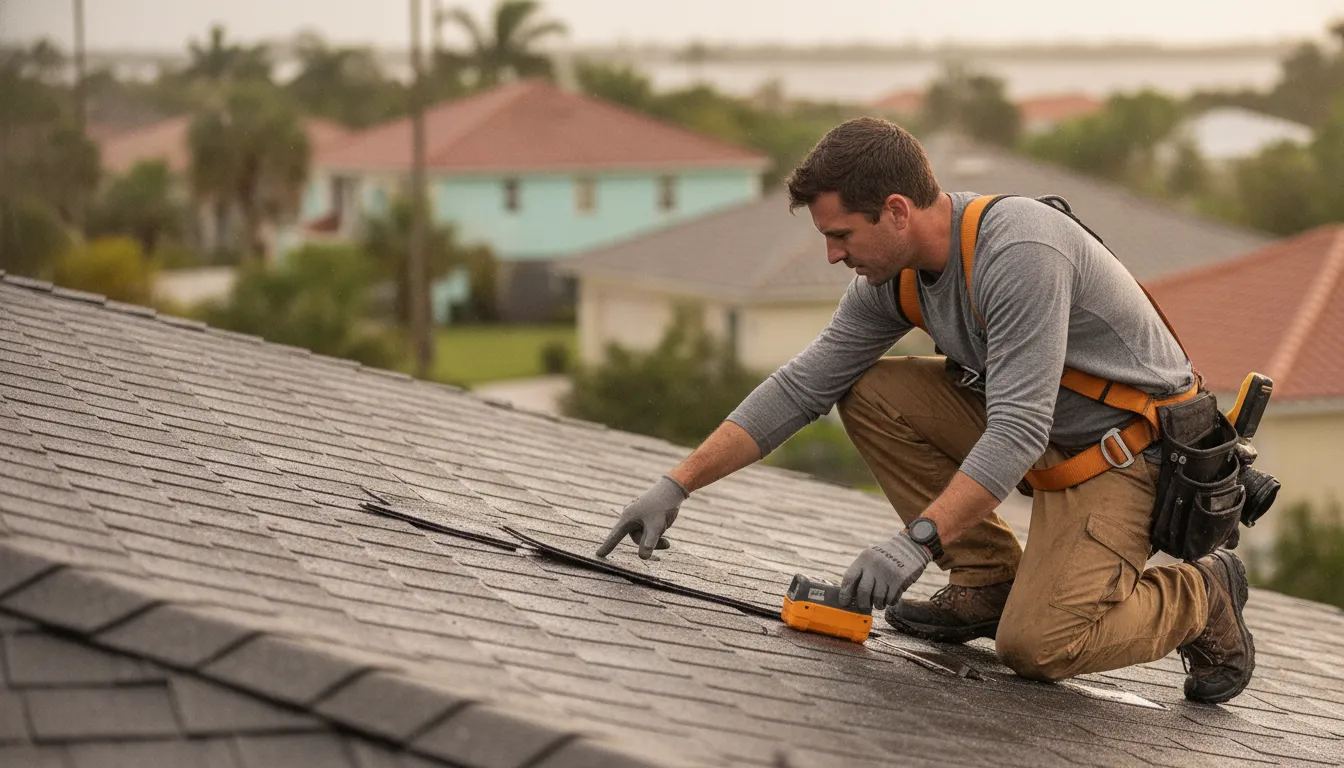
The first thing a restoration team will do is protect your home from any further harm. A fire can leave your property vulnerable, with broken windows, damaged walls, or a compromised roof. To prevent issues like weather damage or unauthorized entry, professionals will immediately board up any openings and place heavy-duty tarps over the roof. This crucial step stabilizes the scene and ensures that the restoration process can begin without new problems arising. It’s an essential part of the initial disaster recovery services that keeps your property and belongings as safe as possible while the cleanup gets underway.
Getting Rid of Smoke and Soot for Good
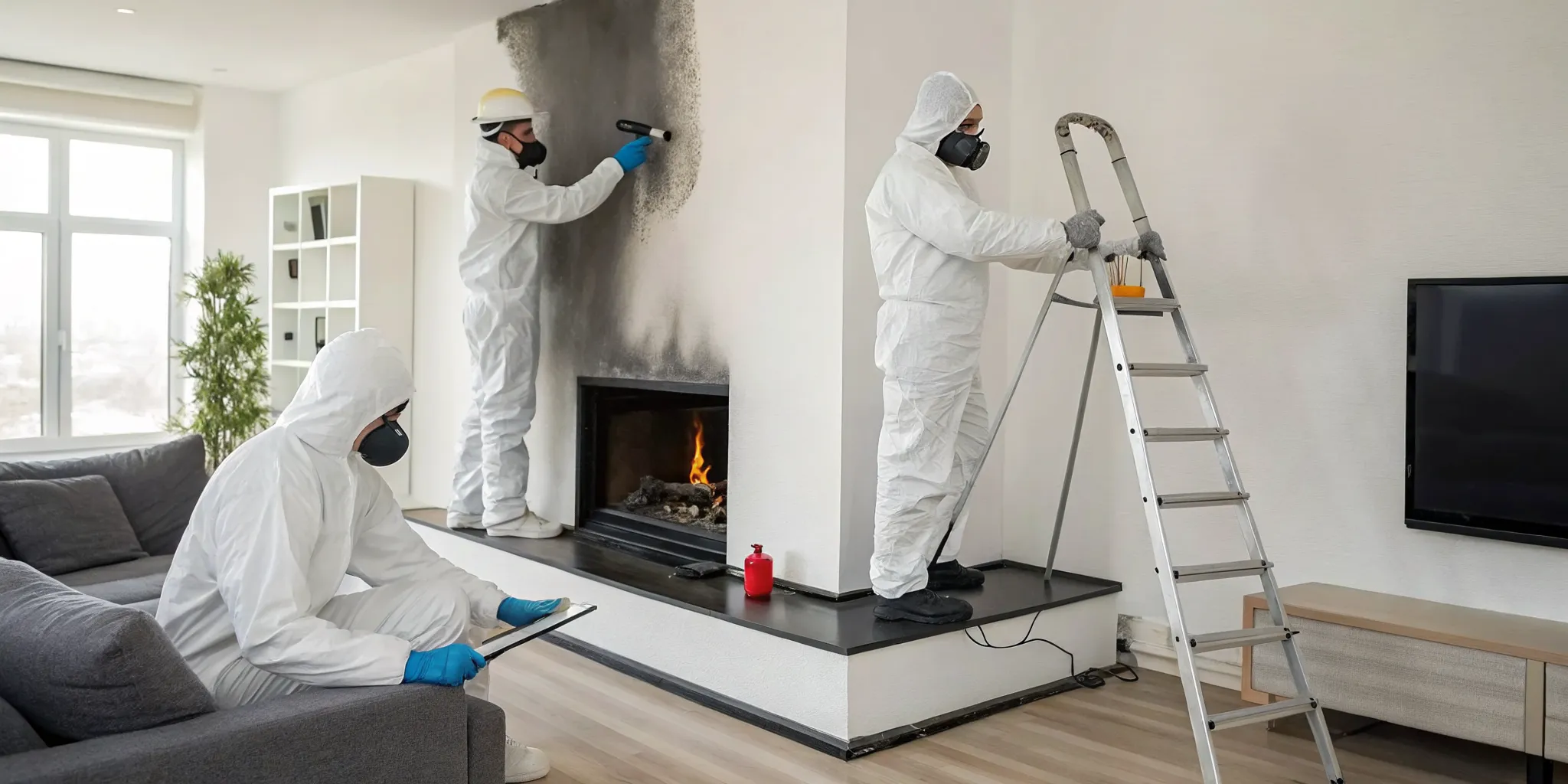
After a fire, smoke and soot can cover everything, leaving behind a greasy, acidic residue that can cause further damage if left untreated. This isn’t a job for household cleaners. Professionals use specialized equipment and cleaning agents to remove smoke and soot from all surfaces, including walls, ceilings, and personal belongings. They know how to treat different materials to prevent staining and etching. This deep cleaning is vital not only for restoring your home’s appearance but also for removing harmful particles that can pose health risks. The goal is to return every affected surface to its pre-fire condition.
The Importance of Proper Ventilation
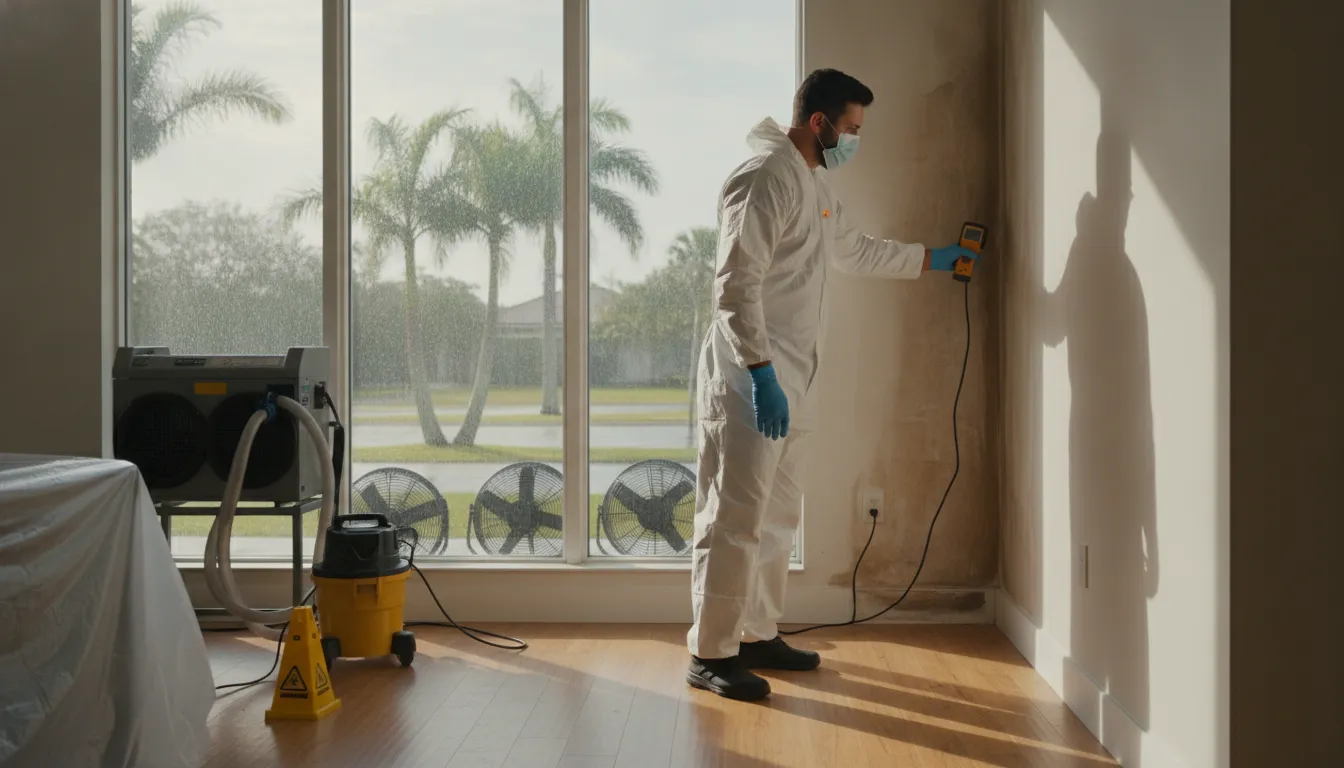
Airing out your home after a fire involves much more than just opening a few windows. Proper ventilation is a critical step for restoring safe indoor air quality. After a fire, the air is filled with invisible dangers. Microscopic smoke and soot particles get pulled into your home’s HVAC system and can continue to circulate for weeks or even months, posing ongoing health risks to your family. This is why professional ventilation is a non-negotiable part of the cleanup. It’s not just about getting rid of the unpleasant smell; it’s about actively removing these harmful contaminants from your environment. A professional fire and smoke damage team uses specialized equipment like air scrubbers and high-velocity fans to purify the air and also helps dry out the lingering moisture from firefighting efforts, which is essential for preventing a secondary mold problem from developing.
What About Water Damage from Firefighting?
It might seem strange, but a significant part of fire restoration involves dealing with water. The water used by firefighters to extinguish the flames can soak into your home’s structure, floors, and furniture, creating the perfect environment for mold and rot. A professional cleanup service will immediately begin the water damage restoration process. They use powerful pumps and vacuums to remove standing water, followed by industrial-grade dehumidifiers and air movers to dry everything out completely. This rapid response is key to preventing secondary damage and ensuring your home doesn’t develop a long-term moisture problem.
Rebuilding and Restoring Your Home’s Structure
Fire damage often goes deeper than the surface. The heat can weaken structural components, requiring significant repairs to make your home safe again. A full-service restoration company handles all necessary repairs, from replacing charred drywall and flooring to rebuilding entire sections of your home. They have the expertise to assess the structural integrity and perform the work needed to restore it. This means you won’t have to juggle multiple contractors. The same team that handles the cleanup can manage the reconstruction, streamlining the path to getting your home back to normal.
How Pros Eliminate Stubborn Smoke Odors
One of the most persistent reminders of a fire is the smell of smoke, which can seep into porous materials like wood, drywall, and upholstery. Simply airing out the house won’t get rid of it. Professional restoration teams use advanced techniques to eliminate these stubborn odors at their source. Methods like thermal fogging or ozone treatments neutralize the smoke particles, rather than just masking the smell. This step is a critical part of the fire and smoke damage process, ensuring that when you move back in, your home smells fresh and clean, with no lingering reminders of the fire.
Can Your Belongings Be Saved? The Salvaging Process
Seeing your personal belongings damaged by fire and smoke can be heartbreaking. However, many items can often be saved with professional help. Restoration experts will carefully sort through your possessions, identifying what is salvageable and what is not. They use specialized cleaning techniques to restore everything from furniture and curtains to electronics and important documents. This careful process of assessing and salvaging your belongings is handled with care and compassion, helping you recover as many of your cherished items as possible and reducing the emotional and financial toll of the fire.
Advanced Restoration Techniques like Freeze-Drying
You might assume that water-soaked photos, books, and important documents are lost forever, but modern restoration technology offers incredible solutions. One of the most effective methods is freeze-drying. This advanced technique involves freezing the water-damaged items and then placing them in a vacuum, which turns the ice directly into vapor without it becoming liquid again. This process gently removes moisture from delicate materials, preventing ink from running, paper from warping, and mold from growing. It’s a perfect example of how a professional fire and smoke damage service goes beyond simple cleaning, using specialized, non-invasive methods to salvage sentimental and valuable items that would otherwise be unsalvageable.
The Fire Restoration Process: A Step-by-Step Guide
When you bring in a professional team, you’re not just getting a cleanup crew. You’re getting a systematic, step-by-step plan designed to bring your home back to life safely and efficiently. A fire is chaotic, but the recovery process shouldn’t be. Experts follow a proven method to make sure every corner of your property is addressed, from the obvious destruction to the hidden damage caused by smoke and soot.
This structured approach is what separates a professional service from a DIY attempt. It involves a detailed assessment, immediate steps to prevent more damage, a thorough cleanup using specialized tools, and a final inspection to ensure your home is truly safe and clean. Understanding these stages can help you feel more in control during a stressful time and give you a clear picture of the path back to normalcy. Each step is crucial for a complete and lasting recovery.
Step 1: Assessing the Scope of the Damage
The first thing a professional team will do is conduct a thorough inspection of your property. This isn’t just a quick glance; it’s a detailed evaluation to understand the full extent of the fire and smoke damage. They’ll check how far the fire, soot, and water have spread, identifying which materials and belongings can be saved and which are unfortunately beyond repair. Based on this comprehensive assessment, they will create a detailed action plan, giving you a clear timeline and an estimate of the costs involved. This initial step sets the foundation for the entire restoration project.
Step 2: Stabilizing the Property to Prevent More Harm
After a fire, your home is vulnerable. The next immediate priority is to secure the property to prevent any further damage. This emergency stabilization can involve several actions. If the roof is damaged, professionals will cover it with tarps to protect it from rain and the elements. They will also board up any broken windows or damaged walls to secure the home from intruders and prevent weather from getting inside. This critical step protects your property while the detailed cleanup and restoration work gets underway, ensuring the situation doesn’t worsen.
Step 3: The Deep Clean and Restoration Work
This is where the heavy lifting happens. Using specialized equipment, the restoration team will begin the process of removing smoke and soot from every surface, including walls, ceilings, and floors. They will also professionally clean and sanitize any of your personal belongings that can be salvaged, like furniture and clothing. A major part of this phase is odor removal, as smoke can penetrate deep into materials. The team will also address any water damage that occurred from firefighting efforts, which is essential for preventing mold growth.
A Note on DIY Cleaning for Very Minor Soot
It can be tempting to grab a sponge and try to clean up a small patch of soot yourself, especially after a minor incident like a candle mishap. But before you start scrubbing, it’s important to know that soot isn’t like regular dust. The residue left by smoke is acidic and can cause permanent staining and corrosion on your walls and furniture if not handled correctly. Using standard household cleaners often just smears the greasy soot, making the problem worse and potentially driving the particles deeper into porous materials like drywall or wood. It’s a classic case where good intentions can accidentally lead to more damage.
If you decide to tackle a tiny spot, always wear protective gear like gloves, goggles, and a mask to avoid skin contact and inhaling harmful particles. However, even for what seems like a minor issue, calling a professional is the safest bet. A trained team can perform a thorough inspection to ensure there isn’t hidden damage you can’t see. They have the specialized cleaning agents and equipment to remove soot effectively without causing more harm, ensuring your home is truly clean and safe from any lingering acidic residue. This gives you peace of mind that you just can’t get from a DIY job.
Step 4: The Final Walkthrough and Approval
Once the soot, smoke, and water have been dealt with, the job isn’t quite finished. The final step is a meticulous inspection to ensure your home is returned to a safe, pre-fire condition. During this stage, all surfaces are thoroughly cleaned and disinfected one last time to remove any lingering dirt, bacteria, or harmful particles that might remain. This ensures the air quality is healthy and your home is truly clean. After this final walkthrough and your approval, you can have peace of mind knowing the restoration is complete and it’s safe to move back in.
How to Choose the Right Fire Damage Cleanup Company
After a fire, the company you hire to handle the cleanup can make all the difference in your recovery. This isn’t a decision to take lightly. You’re not just looking for a crew to clean up a mess; you’re searching for a trusted partner to help you put the pieces of your home and life back together. The right team will have the technical skills, the right equipment, and the compassion to support you through this overwhelming process.
Making an informed decision now will save you from potential headaches, shoddy work, and added stress down the road. To find a reliable and effective fire damage restoration company, focus on a few key areas: their credentials, their responsiveness, how they handle insurance, and the scope of their work. By asking the right questions and knowing what to look for, you can confidently choose a team that will restore your property correctly and efficiently.
Are They Legit? Checking Licenses and Certifications
Before you let anyone start working on your home, make sure they are properly licensed and insured. This is your first line of defense against unqualified contractors and protects you from any liability if an accident happens on your property. A professional company should be able to provide proof of their credentials without hesitation. Look for certifications from respected organizations like the IICRC (Institute of Inspection, Cleaning and Restoration Certification), which shows the team is trained in the latest industry standards. Professional restoration services have the specific knowledge and specialized equipment needed to do the job right, so don’t be afraid to ask for their qualifications.
Confirm They Have a Waste Carrier’s License
Here’s a detail that’s easy to overlook: how the cleanup company handles debris. After a fire, what’s left behind isn’t just regular trash; it can include toxic materials that require special disposal. That’s why you should only work with a company that has a waste carrier’s license. This license is proof that they are authorized to transport and dispose of hazardous waste according to local regulations. The Kent Fire and Rescue Service puts it simply: “If you hire a company to remove trash, ask to see their waste carrier’s license.” Taking this step protects you from legal issues and ensures the debris is managed responsibly, a key point in their post-fire safety guide.
Why Experience and a Fast Response Matter
When you’re dealing with fire damage, time is critical. Soot and smoke can continue to cause damage long after the flames are out, and water from firefighting efforts can lead to mold if not addressed quickly. That’s why you need a company that offers immediate disaster recovery services. Look for a team that guarantees a fast response time, ideally within a few hours of your call. Experience is just as important. A company that has handled numerous fire restoration projects will understand the complexities involved and can anticipate potential issues before they become major problems. An experienced local team knows how to restore homes in the St. Petersburg area effectively.
Will They Help with Insurance? What to Ask
Dealing with insurance paperwork is often one of the most stressful parts of fire recovery. A great restoration company will do more than just the physical repairs; they will also help you with the claims process. When you’re vetting companies, ask how they work with insurance providers. Do they document the damage thoroughly? Will they communicate directly with your adjuster? A team that can guide you through the intricate insurance process is an invaluable asset. This support helps ensure your claim is filed correctly and you get the coverage you’re entitled to for your fire and smoke damage restoration.
Do They Handle Everything? Find a Full-Service Company
Fire damage is rarely a single-issue problem. It often involves smoke and soot removal, structural repairs, and significant water damage restoration from extinguishing the fire. Hiring a company that offers a full range of services simplifies the entire process. Instead of you having to coordinate between different contractors for cleanup, repairs, and odor removal, one team manages everything from start to finish. This comprehensive approach is more efficient and ensures a seamless restoration. A full-service provider can assess all the damage, create a cohesive plan, and restore your property to its pre-fire condition without the extra hassle.
Always Get Multiple Free, Written Estimates
It’s wise to get at least two or three written estimates before making a final decision. A verbal quote over the phone isn’t enough. A professional estimate should be detailed, breaking down the costs for every part of the job, from labor and materials to specialized equipment. This transparency allows you to compare what each company offers and helps you spot any potential red flags or hidden fees. A trustworthy company will always provide a comprehensive, no-obligation estimate for free. This step is crucial for making an informed choice and ensuring you understand the full scope of the work before you commit. Don’t hesitate to contact us for a clear, upfront assessment of your property’s needs.
The Advantage of a Local Company Familiar with St. Pete Codes
Choosing a local company offers some significant advantages, especially when it comes to handling the aftermath of a fire. A team based in St. Petersburg will have a deep understanding of local building codes and permitting requirements, which is essential for any structural repairs or reconstruction. This local knowledge ensures the work is done correctly and up to standard, preventing future compliance headaches. Furthermore, a local company has a reputation to maintain within the community and is often more invested in providing quality service. They understand the unique environmental factors of our area, like high humidity, which plays a big role in preventing mold after water damage from firefighting.
How Much Does Fire Damage Cleanup Cost?
After a fire, one of the first questions on your mind is likely, “How much will this cost to fix?” The truth is, there’s no single price tag for fire damage cleanup because every situation is unique. The final cost depends on the extent of the damage, the materials involved, and the specific services needed to make your home safe again. Understanding these variables can help you prepare for the road ahead. Let’s break down what you can expect.
How Much Does Fire Damage Cleanup Cost?
After a fire, one of the first questions on your mind is likely, “How much will this cost to fix?” The truth is, there’s no single price tag for fire damage cleanup because every situation is unique. The final cost depends on the extent of the damage, the materials involved, and the specific services needed to make your home safe again. Understanding these variables can help you prepare for the road ahead. Let’s break down what you can expect.
National Averages for Professional Restoration
While every fire is different, looking at national averages can give you a general idea of what to expect. For a small fire with limited damage, costs might range from $3,500 to $5,000. However, for more extensive situations that involve structural repairs, soot removal, and water damage cleanup, the price can vary significantly, typically from $3,000 to over $50,000. The national average for professional fire damage restoration often lands between $20,000 and $30,000. These figures depend on the size of the affected area, the types of materials burned, and the extent of smoke and water damage. The best way to get an accurate picture is to have a professional assess your property and provide a detailed estimate.
Estimating Costs for Different Damage Types
Even a small, contained fire can cause widespread issues. Cleanup for a minor house fire can still cost thousands because the damage isn’t just from the flames. Smoke and soot travel through your home, settling on walls, furniture, and personal belongings. Plus, the water used to extinguish the blaze creates its own problems that require professional attention. When structural repairs are part of the fire damage restoration process, the total cost will naturally be higher, reflecting the complexity of making your home whole again.
What Factors Affect Your Final Bill?
Several key factors determine the final cost of cleanup. The size and severity of the fire are the most obvious, but professionals also consider the type of materials that burned, as some residues are harder to remove. The location also matters; a kitchen grease fire requires a different approach than a fire in a bedroom. Your quote will cover a combination of services, including soot removal, structural cleaning, and often, water damage restoration from firefighting efforts. Each of these requires specialized techniques and equipment, which are factored into the price.
How Your Insurance Coverage Affects Costs
The good news is that most homeowner’s insurance policies cover fire and smoke damage cleanup. Acting quickly is key to a smooth claims process, as delaying can lead to more damage and higher costs. A professional restoration company can help by providing immediate mitigation, thoroughly documenting everything for your claim, and working with your insurance adjuster. If you’re facing fire damage, don’t wait. Contacting a professional right away is the best first step toward getting your life back to normal and managing your insurance claim effectively.
Why You Can’t Afford to Wait on Cleanup
After a fire, it’s natural to feel overwhelmed and unsure of what to do next. While it might be tempting to take a moment to process everything, waiting to start the cleanup can lead to more significant problems. The damage doesn’t stop when the flames are out. Soot, smoke, and water from firefighting efforts continue to affect your property, creating new hazards. Acting quickly is the best way to protect your home and your health from further harm. The longer you wait, the more complex and costly the restoration process becomes.
The Risk of Permanent Structural Damage
A fire does more than just burn surfaces; it can severely weaken your home’s core structure. The intense heat can compromise the integrity of wood beams, flooring, and even metal supports, making the building unsafe to enter. What might look like minor charring could be hiding deep structural issues. A professional team can immediately assess the stability of your property and take steps to secure it. This often involves boarding up windows and doors or placing tarps over a damaged roof to prevent further exposure to the elements. These initial disaster recovery services are critical for preventing a bad situation from getting worse.
The Hidden Health Hazards of Smoke and Soot
The most visible reminders of a fire are smoke and soot, but their impact goes far beyond aesthetics. Soot is an acidic, oily residue that can stain and corrode surfaces within days. More importantly, both smoke and soot particles are microscopic and can carry toxic chemicals deep into your home’s ventilation system, furniture, and carpets. Breathing in these particles can lead to respiratory problems and other health issues. A professional fire and smoke damage cleanup involves using specialized equipment and cleaning agents to thoroughly remove these harmful contaminants from every surface and even the air itself, ensuring your home is safe to live in again.
Why That Smoky Smell Won’t Go Away on Its Own
One of the most stubborn problems after a fire is the lingering smell of smoke. This odor isn’t just in the air; it’s absorbed by porous materials like drywall, wood, insulation, and fabric. Standard cleaning methods and air fresheners only mask the smell temporarily because they don’t address the source. A smoke-damaged home will continue to smell like smoke until it has been professionally restored. Restoration experts use advanced techniques like thermal fogging or ozone treatments to neutralize odor-causing particles at a molecular level. This is the only way to permanently eliminate the smell and make your home feel like your own again.
From Fire to Flood: The Threat of Mold
While water is essential for putting out a fire, it introduces a whole new set of challenges. The large amounts of water used by firefighters can saturate your walls, floors, and belongings, creating the perfect breeding ground for mold. Mold can begin to grow in as little as 24 to 48 hours in damp conditions. This water is also often contaminated with soot and chemicals, making the situation even more hazardous. Prompt water and flood damage restoration is a crucial part of the fire cleanup process. Professionals will extract the water, dry the structure, and provide mold remediation to prevent a secondary disaster.
Facing the Aftermath: How to Handle Common Challenges
Recovering from a fire involves more than just repairing your property; it’s about putting your life back together. The path forward can feel overwhelming, with emotional hurdles, confusing paperwork, and unexpected financial pressures. Understanding these common challenges is the first step toward addressing them. With the right support system and a clear plan, you can face these obstacles head-on and begin the process of restoration for both your home and your peace of mind.
Coping with the Emotional Toll of a House Fire
A house fire is a deeply unsettling experience, and it’s completely normal to feel stressed, anxious, or disoriented. The emotional recovery is just as important as the physical one. Give yourself space to process what happened and lean on your support system, whether that’s family, friends, or a professional counselor. Partnering with a restoration company you trust can also relieve a significant amount of stress. When you have a team managing the cleanup and repairs, you can focus your energy on taking care of yourself and your loved ones. Knowing the practical side of recovery is in capable hands provides the stability needed to begin healing.
Making Sense of Your Insurance Claim
After a fire, you’ll need to file an insurance claim, which can be a complicated and time-consuming process. It requires meticulous documentation, clear communication with your insurance adjuster, and a thorough understanding of your policy. This is another area where a professional restoration team is invaluable. We can help you document the full extent of the damage, from the obvious structural issues to hidden smoke and soot residue. An experienced fire damage restoration company can communicate directly with your insurance provider, supplying the detailed reports and estimates they need to process your claim efficiently and fairly, ensuring you get the coverage you deserve.
How to Manage Timelines and Unexpected Costs
Time is critical after a fire. The longer soot, smoke, and water sit, the more damage they cause. This can lead to permanent staining, corrosion, and even mold growth, all of which add to the final repair bill. Acting quickly helps minimize these secondary issues and control costs. A professional assessment is key to uncovering hidden damage that could lead to unexpected expenses down the road. We provide a comprehensive evaluation and a transparent estimate, so you have a clear picture of the scope of work and the investment required. By addressing all the damage upfront, you can avoid costly surprises and get your property restored correctly the first time.
Where to Find Additional Support and Resources
You don’t have to manage fire recovery alone. Your primary source of support for the physical restoration will be a certified and experienced team that can handle everything from cleanup to reconstruction. At Go Time Restoration, we address all fire, soot, smoke, and water damage to return your home to its pre-loss condition. For other needs, organizations like the American Red Cross can offer immediate assistance with housing, food, and clothing. Remember to also take care of your emotional well-being. When you’re ready to start the restoration process, our team is here to provide the expert guidance and disaster recovery services you need.
When Should You Call a Fire Damage Professional?
After the shock of a fire, it’s tough to know what to do next. While your first instinct might be to start cleaning up yourself, some jobs are too big and too dangerous to handle alone. Fire damage is complex, involving not just burnt materials but also smoke, soot, and water damage. Recognizing when to bring in a professional team is a critical step in protecting your property and your health. A professional crew has the right tools and training to safely and thoroughly restore your home.
Why the First 48 Hours Matter Most
The clock starts ticking the moment the fire is out. The first 24 to 48 hours are the most critical window for recovery. During this time, acidic soot and smoke residue can cause permanent staining and corrosion. Water used to extinguish the flames can lead to mold growth if not addressed immediately. Acting fast can make the difference between salvaging your belongings and having to replace them. A rapid response from a fire and smoke damage restoration team can stop this secondary damage in its tracks, saving more of your property and preventing small problems from becoming much larger, more expensive ones.
Red Flags: Signs You Need a Pro Right Now
Even a small fire can cause significant issues that aren’t always visible. If you notice widespread soot on walls, ceilings, or furniture, it’s a clear sign you need professional help. A persistent smoky smell is another indicator, as it means soot particles have settled deep into porous materials. Smoke can also carry oils and chemicals that spread throughout your home, settling in hidden places. Don’t forget about the water damage left behind by firefighting efforts. If you see standing water or soaked carpets and drywall, it’s essential to call for water damage restoration to prevent mold and structural issues.
What Do Emergency Response Services Include?
When you call a professional restoration company, you’re getting more than just a cleanup crew. Their first priority is to secure your property to prevent any further damage. This often involves boarding up broken windows and placing tarps over a damaged roof to protect your home from the elements or intruders. An emergency response team is available 24/7 because they understand that disasters don’t stick to a 9-to-5 schedule. They will conduct a thorough assessment to create a detailed plan for restoration. If you’re facing fire damage, don’t hesitate to contact us for immediate assistance.
Related Articles
Frequently Asked Questions
Can I clean up minor fire damage myself? Even if a fire seems small, the damage is often more complex than it appears. Soot and smoke are acidic and can cause permanent staining or corrosion if not cleaned with the right products. Plus, there could be hidden water damage from putting the fire out, which can lead to mold. It’s always best to have a professional assess the situation to ensure all hidden risks are addressed properly.
How long does the fire damage restoration process usually take? The timeline for restoration really depends on the situation. A small, contained fire might only take a few days to clean up, while a more significant event involving structural repairs could take several weeks or even months. After a thorough initial assessment, a professional restoration team can give you a much clearer and more accurate timeline based on the specific damage to your property.
Will my insurance cover the cost of the cleanup and repairs? In most cases, standard homeowner’s insurance policies do cover the cost of fire and smoke damage restoration. The key is to contact your insurance provider as soon as possible and thoroughly document everything. A professional restoration company can be a huge help here, as they can provide detailed reports and work directly with your adjuster to make the claims process smoother.
What’s the most important thing to do right after a fire? Once everyone is safe, your top priority is to wait for official clearance from first responders before re-entering your home. After you get the all-clear, the next crucial step is to document the damage for your insurance claim. Take as many photos and videos as you can from a safe distance before anything is moved or cleaned.
Is it really possible to get rid of the smoke smell for good? Yes, it is absolutely possible to permanently remove the smell of smoke, but it requires more than just airing out the house. Smoke particles get trapped deep inside porous materials like drywall, wood, and fabric. Professional restoration teams use specialized equipment, such as thermal foggers or ozone generators, to neutralize these odor-causing particles at their source, ensuring the smell is gone for good.
After cleanup, a lingering smell can signal soot or smoke residue that remains out of sight. See our Florida homeowner guide to removing smoke odor after a house fire for the next steps.