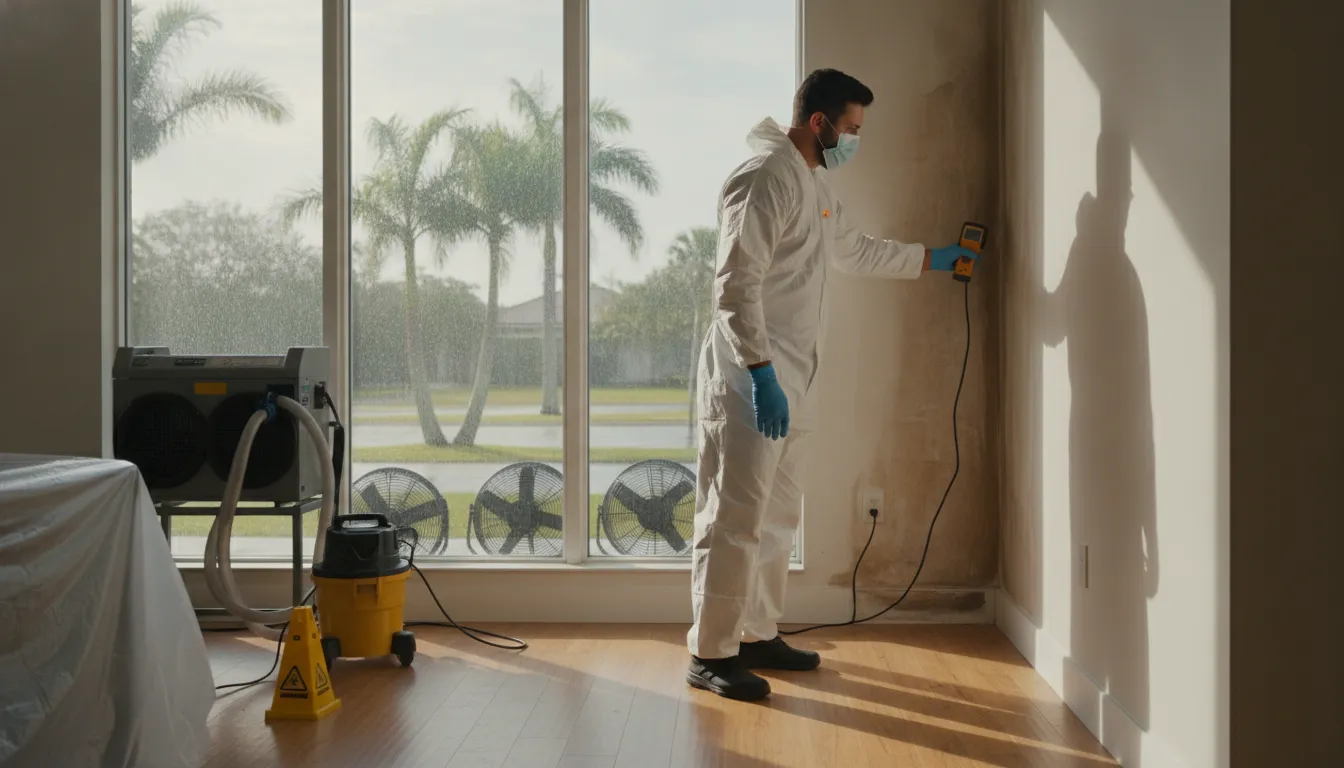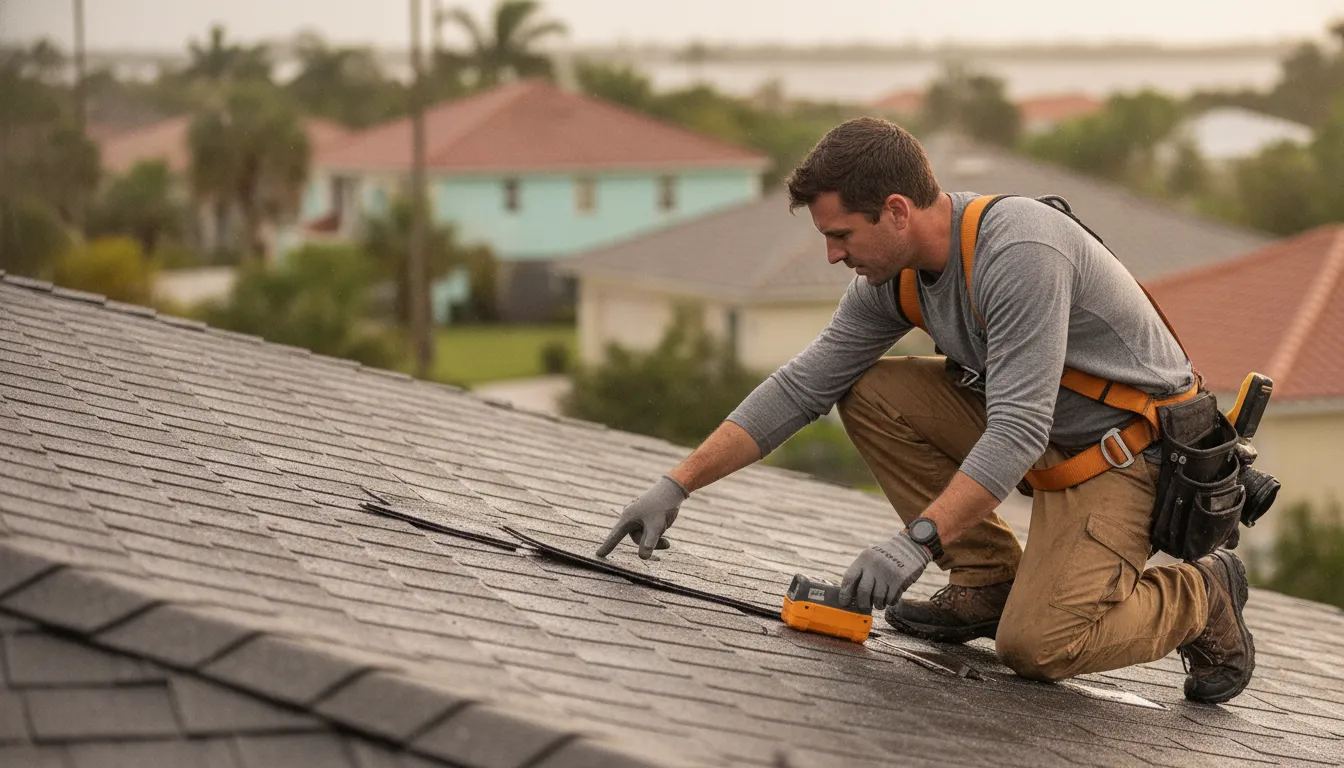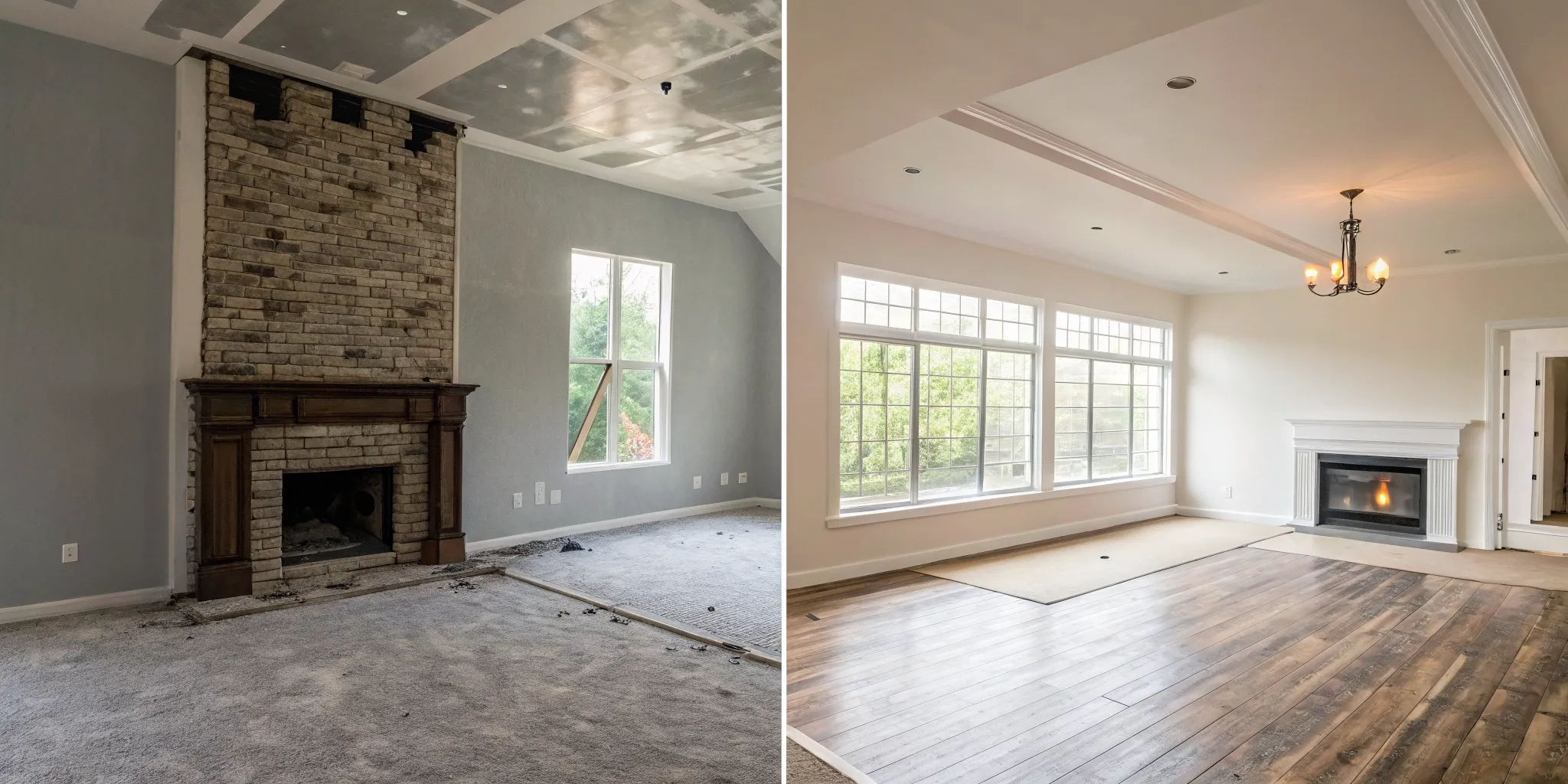
After a fire, the biggest threat isn’t always what you can see. It’s the invisible particles of soot and smoke residue that linger in the air. These contain toxic compounds that pose serious health risks to your family, triggering respiratory issues and aggravating asthma. Just painting over stains or using air fresheners won’t solve the problem—it only traps the danger inside. This is where professional smoke damage restoration becomes essential. It’s a meticulous process focused on removing harmful particles and purifying the air, making your home’s environment truly safe again.
Key Takeaways
- DIY Cleaning Isn’t the Answer: Soot is acidic and requires more than just household cleaners. Wiping surfaces can smear the residue and push it deeper, while painting over stains only traps harmful particles and odors, leading to bigger problems later.
- Pros Eliminate Odors at the Source: True restoration goes beyond surface cleaning by using specialized equipment like thermal foggers and air scrubbers. These tools neutralize odor-causing particles at a molecular level, removing them from deep within materials and the air itself.
- Prioritize Safety and Documentation First: After getting official clearance to re-enter your home, your first steps should be to thoroughly document all damage with photos for your insurance claim. Avoid walking through affected areas to prevent spreading soot, and open windows to ventilate the space.
The Reality of Fire and Smoke Damage
It’s a scenario no homeowner wants to imagine, but understanding the reality of house fires is the first step toward protecting your property. The aftermath isn’t just about what the flames destroy; it’s about the pervasive smoke, the stubborn soot, and the water damage left behind by firefighting efforts. These elements create a complex situation that requires a careful and professional response. Facing the facts about how often fires occur and what causes them can help you feel more prepared and highlights why a structured recovery process is so important for getting your life back to normal.
The Frequency and Cost of House Fires
The financial toll of a house fire can be staggering. Beyond the emotional distress, homeowners are often faced with extensive repair bills. In the U.S., fire and smoke repair costs average about $12,900 per incident. This figure doesn’t just account for rebuilding charred structures; it covers the meticulous process of soot removal, air purification, odor neutralization, and often, significant water damage restoration. Properly managing a professional fire and smoke damage restoration is crucial to ensure your home is safe and structurally sound, preventing bigger problems from surfacing down the road.
Common Causes of Household Fires
While we might worry about dramatic events like lightning strikes, the most common causes of house fires are surprisingly ordinary. Everyday activities are frequently the culprits, with data from SERVPRO showing that cooking is the leading cause of residential fires. Over a recent two-year reporting period, cooking was responsible for nearly 189,000 incidents in homes. Other common sources include malfunctioning heating equipment, unattended candles, and overloaded electrical circuits. This just goes to show how a simple moment of distraction can lead to a devastating event, underscoring the importance of being mindful during daily routines.
What Does Smoke Damage Restoration Involve?
After a fire, the flames are only part of the problem. The smoke and soot left behind can cause extensive damage, leaving a sticky, acidic residue on every surface and a persistent odor that’s impossible to ignore. Smoke damage restoration is the professional process of cleaning, repairing, and restoring your property to its pre-fire condition. It goes far beyond a simple surface clean. True restoration involves removing soot from hidden nooks and crannies, neutralizing stubborn odors that have seeped into porous materials, and addressing the invisible chemical residues that can continue to harm your home and health.
Think of it as a complete reset for your property. Professionals use specialized equipment and techniques to tackle everything from stained walls and ceilings to contaminated HVAC systems. The goal of fire and smoke damage restoration is not just to make your home look clean, but to make it safe and healthy to live in again. It’s a detailed, multi-step process that ensures every trace of the fire is gone, giving you a clean slate and peace of mind. Without this thorough approach, lingering soot and odors can cause long-term problems, including discoloration, corrosion, and serious health risks.
What Kind of Smoke Damage Are You Dealing With?
Not all smoke damage is created equal. The severity is often grouped into three categories: minor, medium, and major. Minor damage might involve light soot in a small, contained area, while major damage means severe structural and cosmetic harm throughout the property. The type of smoke also matters. For example, the smoke from a wood fire behaves differently than smoke from burning plastic. Each material creates a unique type of soot residue that requires a specific cleaning method. A professional assessment is crucial to identify the type and extent of the damage, ensuring the right techniques are used to restore your belongings and home effectively.
Factors That Determine Damage Severity
The aftermath of a fire can feel overwhelming, and the level of damage isn’t always straightforward. Several key factors determine how severe the impact will be. As restoration experts note, these include where the fire started, how hot it burned, how long it lasted, and the amount of smoke it produced. For instance, a quick, hot fire might cause intense localized damage, while a slow, smoldering fire can fill an entire house with thick, oily soot. The materials that burned also play a huge role. Burning plastics and synthetic materials create a much different—and often more toxic—residue than natural wood, requiring a specialized approach to cleaning and restoration. Understanding these variables is why a professional assessment is so important for creating a targeted restoration plan that safely and effectively returns your home to normal.
Smoke Damage from External Sources
You might think you’re in the clear if the fire wasn’t on your property, but smoke doesn’t respect property lines. Smoke from a neighbor’s house fire or even a nearby brush fire can easily infiltrate your home through open windows, doors, and your HVAC system. Even if you don’t see any flames, this airborne soot can settle on your walls, furniture, and inside your air ducts. Don’t underestimate the sneaky nature of smoke; its effects can be widespread and damaging, even from a distance. Even minor external fires can lead to significant smoke damage that requires professional cleaning to prevent long-term issues like persistent odors and discoloration. If you suspect your home has been affected, it’s always best to get a professional opinion.
Residue from Firefighting Chemicals
When firefighters arrive, their priority is to extinguish the flames as quickly as possible, and we’re all grateful for their work. However, the process of putting out a fire often involves more than just water. Fire extinguishers and firefighting foams contain chemicals designed to smother flames effectively. While these chemicals are essential for stopping the fire, they can leave behind a harmful residue on your walls, floors, and personal belongings. This is another reason why professional restoration services are so critical. Our process includes thoroughly sanitizing all affected areas to remove any lingering chemical residues, ensuring your home isn’t just visually clean but is also a healthy environment, free from the hidden dangers that can remain after the fire is out.
The Hidden Health Risks of Smoke Damage
The most important reason to address smoke damage properly is your health. Soot is made of tiny, toxic particles that can be easily inhaled by you, your family, and your pets. Breathing in these particles can lead to respiratory issues, worsen asthma, and cause other serious health problems. Even a small fire can spread smoke and soot throughout your entire property via the HVAC system, contaminating the air you breathe. Simply painting over a smoke-stained wall won’t solve the problem; it just traps the harmful particles underneath. Professional cleanup is essential to remove these hazards completely and ensure your home’s air is safe again.
The Pro Restoration Process, Step by Step
When you’re dealing with the aftermath of a fire, knowing what to expect can bring a sense of control to a chaotic situation. Professional restoration isn’t just about cleaning up the visible mess; it’s a systematic, multi-stage process designed to safely and thoroughly return your home to its pre-fire condition. Each step builds on the last, ensuring no detail is overlooked, from hidden moisture behind walls to microscopic soot particles that can travel throughout your entire home. A trained team follows a proven method to address everything from visible stains to the invisible, lingering odors that can cause long-term health issues if not properly handled.
Understanding this process helps you see the path forward and appreciate the expertise required to truly restore your space. It’s the difference between a quick fix, like painting over a smoke stain, and a complete recovery that ensures your home is safe, clean, and structurally sound. Let’s walk through the five key steps the pros take to handle fire and smoke damage restoration, so you know exactly what’s happening every step of the way.
Step 1: A Complete Damage Assessment
The first thing a professional team does is a thorough inspection of your property. This isn’t just a quick walkthrough; it’s a careful assessment to understand the full scope of the damage. Experts identify the type of smoke, how far it has traveled, and which materials have been affected. This initial evaluation is critical because it forms the foundation for the entire restoration plan. By determining the extent of the soot and odor penetration, the team can map out the most effective strategy to restore your home to its pre-loss condition, ensuring every necessary action is planned from the start.
Step 2: Securing Your Home from Further Harm
After a fire, your home is often vulnerable to further damage from the elements or security risks. A crucial early step is to secure the property. This can involve boarding up broken windows, covering damaged roofs with tarps, and taking other measures to protect the structure. If firefighting efforts left behind standing water, professionals will also begin the water removal process immediately to prevent secondary issues like mold growth or structural weakening. Securing your home quickly is essential for safety and for preventing a bad situation from getting worse while the restoration work gets underway.
Step 3: Tackling Soot Removal and Cleaning
Soot is acidic and can cause permanent staining and damage if left untreated. The cleaning process is meticulous and methodical. Restoration experts begin by sorting items based on the material type and the severity of the damage. This allows them to choose the most effective and safest cleaning techniques for each surface, whether it’s a delicate fabric or a hard surface like a countertop. Using specialized cleaning agents and equipment, they systematically remove soot residue from walls, ceilings, floors, and personal belongings to prevent long-term harm and prepare the space for deodorization.
Step 4: Getting Rid of Stubborn Smoke Odors
Simply cleaning the surfaces isn’t enough to get rid of the persistent smell of smoke. Odor removal is a multi-step process that targets smoke particles that have penetrated deep into porous materials. Professionals use advanced techniques and equipment, such as thermal foggers or ozone generators, to neutralize odors at a molecular level. This involves treating the air itself and all affected structures to ensure the smoke residue is completely removed. The goal isn’t to mask the smell but to permanently eliminate it, leaving your home smelling fresh and clean.
Step 5: Repairing and Restoring Your Space
Once the cleaning and deodorizing are complete, the final step is to repair and restore any structural damage. This can range from minor tasks like repainting walls to major repairs like replacing drywall, flooring, or even cabinetry. During this phase, professionals may apply a special sealant to walls and other surfaces to lock in any minuscule, remaining odor particles before applying a fresh coat of paint. This final touch ensures that the smoke is gone for good. The ultimate goal of these disaster recovery services is to return your home to its original state, making it feel like the fire never happened.
Navigating Local Building Codes and Permits
Once the cleaning and deodorizing are done, the rebuilding phase begins. But it’s not as simple as just putting everything back together. Any structural work must follow local building codes, and here in Pinellas County, that almost always means securing permits. These rules exist to make sure all repairs are done safely and correctly, protecting your family and your home’s structural integrity. Trying to manage the permitting process yourself can feel overwhelming, especially when you’re already dealing with so much. This is where a professional team makes a huge difference. An experienced company handles all the paperwork, ensuring every repair is up to code and properly documented as part of a complete disaster recovery plan. It gives you confidence that your home isn’t just restored, but also safe for the long haul.
What to Do Immediately After a Fire
The moments after a fire can feel chaotic and overwhelming. Once the immediate danger has passed and the fire department has given you the all-clear, you might be wondering what to do next. Taking a few key steps right away can protect your health, prevent further damage to your property, and make the restoration process smoother. Think of this as your immediate action plan to regain control of the situation before the professionals arrive. These actions are small but can make a big difference in the long run.
First Steps: Prioritize Safety and Air It Out
Your safety is the top priority. Before you re-enter your home, make sure you have official clearance from the first responders on the scene. Firefighters will let you know when the structure is secure and the immediate hazards are gone. Once it’s safe to go inside, and if the weather permits, open up all the windows and doors. This helps to ventilate the space, clearing out some of the lingering smoke and improving the air quality. While this is a good first step, it won’t completely solve the problem. Professional fire and smoke damage restoration is still necessary to remove soot particles and deeply embedded odors.
Contacting Local Authorities and Disaster Relief
After the fire trucks leave, you’re faced with the quiet but daunting task of picking up the pieces. Your first phone call should be to your insurance agent to get the claims process started right away. Your next call, which is just as important, is to a trusted restoration company. This brings an expert to your side who can assess the situation and begin the disaster recovery process. While you wait, please resist the urge to start cleaning. Soot is often toxic, and wiping at it can push the residue deeper into surfaces, making it harder to remove. A professional team not only handles the cleanup safely but can also help document everything for your insurance adjuster. For immediate needs like temporary shelter or food, don’t hesitate to reach out to organizations like the American Red Cross for support.
How to Stop Soot from Spreading
Soot can cause more damage than you might think. It’s oily, acidic, and can easily get ground into carpets and upholstery, causing permanent stains. To prevent this, try to limit how much you walk around the affected areas. Place clean towels or old sheets over carpets, rugs, and furniture in high-traffic zones. This creates a barrier that helps stop soot from spreading from one room to another. It’s also important to avoid wiping down walls or furniture yourself. Improper cleaning techniques can smear the soot, pushing it deeper into surfaces and making professional removal much more difficult.
Start Documenting for Your Insurance Claim
Before you touch or move anything, document the damage thoroughly for your insurance claim. From a safe distance, take as many photos and videos as you can. Capture wide shots of each room as well as close-ups of specific damaged items. This visual evidence is crucial for proving the extent of your loss to the insurance company. Don’t throw anything away until it has been documented and assessed by your insurance adjuster. The claims process can be complicated, but having clear documentation is your best tool. If you need immediate assistance, a professional restoration team can help guide you through these initial steps and the insurance process. You can contact us 24/7 for emergency help.
How Long Does Smoke Damage Restoration Take?
After a fire, one of the first questions on your mind is likely, “How long will this take to fix?” The honest answer is: it depends. There’s no one-size-fits-all timeline because every situation is unique. A small kitchen fire that was put out quickly will have a much shorter restoration period than a fire that affected multiple rooms and caused significant structural issues.
The entire process, from initial assessment to the final walkthrough, is influenced by a few key variables. Understanding these factors will give you a clearer picture of what to expect as you work to get your home back to normal.
What Factors Affect the Restoration Timeline?
The time it takes to complete a restoration project is shaped by several things. The most significant factor is the extent of the damage. This includes not just the size of the affected area but also the severity of the smoke and soot penetration. Porous materials like drywall, wood, and upholstery absorb smoke more deeply and require more intensive cleaning. The type of fire also matters, as a slow, smoldering fire creates a different kind of residue than a fast-burning one. Finally, how quickly you begin the process is critical. Immediately contacting a professional can prevent soot from setting in and causing further damage.
What to Expect While the Pros Work
A professional restoration follows a structured plan to ensure nothing is missed. It all starts with a thorough assessment to map out the scope of the work. From there, the team will focus on cleaning and removing soot from every surface. This is followed by deodorization, which uses specialized equipment to neutralize any lingering odors trapped in walls or fabrics. If the fire caused structural issues, repairs will happen after the cleaning is complete. In some cases, a special sealant is applied to walls and surfaces to encapsulate any final traces of smoke, ensuring the smell is gone for good. This methodical approach is central to a successful fire damage restoration.
How Much Does Smoke Damage Restoration Cost?
After a fire, one of the first questions on your mind is likely, “How much will this cost to fix?” It’s a completely valid concern, and the answer isn’t always straightforward. The final price for smoke damage restoration depends on several unique factors related to your property and the specific incident. Think of it less like a fixed price tag and more like a custom solution tailored to bring your home back to its pre-fire condition.
Understanding what goes into the estimate can help you feel more in control during a chaotic time. From the size of the affected area to the type of smoke you’re dealing with, each element plays a role in the total cost.
What Factors into the Final Cost?
The cost to restore a home after a fire can vary quite a bit because no two situations are exactly alike. The final price depends on how bad the fire was, the size of your property, and the type of materials that burned. The fire and smoke damage restoration process involves many steps, including water cleanup from firefighting efforts, soot removal, smoke odor elimination, and repairing damaged structures. Each of these services contributes to the total cost.
Key factors include the severity of the damage, the square footage of the affected area, and how quickly the restoration begins. While you might be able to handle some very minor cleaning on your own, it’s best to hire professionals for bigger jobs like structural repairs or getting rid of deep, persistent smoke smells.
How to Work with Your Insurance Company
The good news is that you probably won’t have to cover the entire restoration bill yourself. Your homeowner’s insurance policy usually helps pay for fire and smoke damage, but you should always check your specific plan to understand your coverage. The most important step you can take is to document everything before any cleanup starts.
Take clear photos and videos of all the damage, and make detailed notes. This evidence is crucial for getting the most from your insurance claim. A professional restoration company can also be a huge asset here, as they know how to document damage properly and can often work directly with your insurance adjuster. If you need guidance, a trusted team can help you manage the claims process to make sure everything is filed correctly.
Understanding Additional Living Expenses (ALE) Coverage
If a fire forces you out of your home, the last thing you need is the financial stress of finding another place to live. This is where Additional Living Expenses (ALE) coverage becomes so important. It’s a part of most homeowner’s insurance policies that covers the extra costs you incur when your home is unlivable. ALE helps pay for temporary housing, like a hotel or rental, and other necessities you might need while your property is being restored. The purpose of ALE coverage is to help you maintain your family’s normal standard of living, covering the difference between your usual expenses and your temporary ones. This could include the extra cost of restaurant meals, laundry services, or even a longer commute, ensuring you’re not shouldering the full financial weight of displacement during an already difficult time.
How to Choose the Right Restoration Company
After a fire, the last thing you want is the added stress of finding a reliable company to handle the cleanup. The team you hire will be responsible for restoring not just your property, but also your peace of mind. Making the right choice is crucial for a smooth and successful recovery. A great restoration partner will have the right credentials, be available when you need them most, and help you handle the complexities of the insurance process. Taking a few moments to vet your options will ensure your home is in capable hands.
Check for Licenses and Certifications
Before you let anyone start working on your home, make sure they are properly licensed and insured. This is non-negotiable. Licensing confirms that the company meets state and local requirements, while insurance protects you from any liability if an accident happens on your property. Professional restoration services have the specialized knowledge and equipment to do the job right, and their certifications are proof of that training. When you work with a licensed and insured team, you can feel confident that your home is being restored safely and effectively.
The Importance of IICRC Certification
One of the most important credentials to look for is certification from the IICRC, or the Institute of Inspection, Cleaning and Restoration Certification. This organization sets the industry standards for restoration work. When a company is IICRC-certified, it means their technicians have received special training and passed exams on the best practices for cleaning and restoration. This isn’t just a fancy badge; it’s your assurance that the team understands the science behind smoke and soot removal. They know how to handle the toxic particles left after a fire, ensuring the job is done safely and effectively.
Hiring an IICRC-certified team is crucial because they have the expertise to protect your family’s health. They are trained to eliminate the invisible dangers, like airborne soot, that can cause respiratory issues. This certification is proof that the company is committed to the highest standards of quality. For a job as critical as fire and smoke damage restoration, you want experts who won’t cut corners and will make sure your home is truly safe to live in again.
Do They Offer 24/7 Emergency Service?
Fires don’t stick to a 9-to-5 schedule, and neither should your restoration company. Smoke and soot damage worsens the longer it sits, seeping into porous materials and causing more complex problems. That’s why it’s essential to choose a company that offers 24/7 emergency response. The sooner the restoration process begins, the better the outcome for your home and belongings. A team that can be on-site quickly will secure your property, assess the damage, and start the cleanup right away, which can save you time, money, and stress in the long run.
Will They Help with Your Insurance Claim?
Dealing with your insurance company can feel like a full-time job, especially when you’re already managing the emotional toll of a house fire. Look for a restoration company that has experience working with insurance providers and can help you with the claims process. Many reputable companies can communicate directly with your adjuster, provide detailed documentation of the damage, and ensure all the necessary paperwork is filed correctly. This support can be a huge weight off your shoulders, allowing you to focus on your family while the experts handle the fire and smoke damage restoration.
Questions to Ask Before You Hire a Restoration Pro
To make an informed decision, you need to ask the right questions. Don’t be afraid to interview a few different companies before settling on one. This is your chance to gauge their professionalism, expertise, and customer service.
Here are a few key questions to get you started:
- Are you licensed, bonded, and insured in Florida?
- Can you provide references from past clients in the St. Pete area?
- What is your step-by-step process for smoke damage restoration?
- How will you protect my home and belongings during the cleanup?
- Who will be my main point of contact throughout the project?
Getting clear answers to these questions will help you choose a trustworthy partner. If you’re ready to talk, our team is here to help. You can contact us anytime to discuss your needs.
Common Smoke Damage Myths, Busted
After a fire, it’s easy to get overwhelmed by conflicting advice. You want to get your home back to normal as quickly as possible, but misinformation can lead to bigger problems and more expenses down the road. Let’s clear the air and bust a few of the most common myths about smoke damage so you can make the best decisions for your property. Understanding the facts is the first step toward a successful recovery, ensuring your home is not just clean, but truly safe and restored for the long haul.
Myth #1: “I can just clean it myself.”
It’s completely understandable to want to roll up your sleeves and start cleaning. Many homeowners think a DIY approach will save time and money, but when it comes to smoke damage, household cleaners don’t cut it. Soot particles are incredibly fine and acidic, getting into every nook and cranny. Professional fire and smoke damage restoration teams use specialized equipment to effectively remove soot and neutralize stubborn odors that typical cleaning methods leave behind. Without the right tools, you risk smearing the soot and pushing it deeper into surfaces, making the problem worse.
Myth #2: “A fresh coat of paint will fix it.”
Covering up smoke-stained walls with a fresh coat of paint seems like a simple fix, but it’s only a temporary illusion. Paint can’t seal in acidic soot particles or deeply embedded odors. Over time, stains will bleed through the new paint, and the smoky smell will return, especially in humid weather. A proper restoration involves thoroughly cleaning and sealing surfaces before any painting occurs. A professional assessment is the only way to know the full extent of the damage and create a comprehensive restoration plan that addresses the root cause, not just the symptoms.
Myth #3: “It’s not a big deal; I can wait.”
After the stress of a fire, it’s tempting to put off the cleanup. Many people believe the damage is done and won’t get any worse, but this is a dangerous misconception. Smoke and soot damage is an ongoing problem. Acidic soot will continue to corrode, etch, and stain surfaces the longer it sits. Odors will penetrate deeper into porous materials like drywall and wood, making them much harder to remove. The longer you wait, the more extensive and costly the restoration becomes. Taking immediate action is crucial to minimize the long-term impact on your property.
How the Pros Really Get Rid of Smoke
Getting rid of smoke odor isn’t as simple as opening a window or lighting a candle. Smoke particles are tiny, acidic, and incredibly invasive. They work their way into drywall, wood, textiles, and even your HVAC system, creating lingering smells and potential health hazards. Because these particles are so small, they can penetrate surfaces that seem solid, making them impossible to remove with standard cleaning methods. This is why a professional approach is the only way to truly eliminate the problem for good.
At Go Time Restoration, our fire and smoke damage restoration process uses specialized equipment and proven techniques to neutralize odors at their source. We understand the science behind smoke behavior and tailor our approach to the specific type of smoke you’re dealing with, whether it’s from a wood, protein, or synthetic fire. We don’t just mask the smell with fragrances; we use a combination of methods to physically and chemically remove the odor-causing particles from every affected surface and even the air you breathe. This comprehensive strategy is what separates a temporary fix from a permanent solution, giving you back a clean, safe, and fresh home.
Advanced Tools: Thermal Fogging and Ozone
For stubborn, deeply embedded smoke odors, we bring in the heavy hitters: thermal fogging and ozone treatments. Thermal fogging uses a special machine to heat a deodorizing agent into a fine mist, or fog. This fog penetrates porous materials like wood and upholstery, just like the original smoke did, neutralizing odor particles on contact. Ozone treatment is another powerful method where a generator releases ozone (O3) into the sealed-off space. The ozone chemically reacts with and destroys smoke molecules, effectively eliminating the smell. These techniques are highly effective but require professional handling to ensure they are used safely and correctly.
Using Thermal Cameras to Find Hidden Damage
What you can’t see after a fire is often just as destructive as the flames themselves. The water used to put out the fire doesn’t just disappear; it seeps into walls, floors, and ceilings, creating hidden pockets of moisture that are a breeding ground for mold. This is where thermal imaging cameras become one of our most important tools. These devices let us see temperature differences that are invisible to the naked eye, revealing the cold spots that signal trapped moisture. It allows us to pinpoint exactly where the water is without tearing open walls, guiding our water damage restoration efforts precisely and preventing a small problem from turning into a major mold issue.
Scrubbing the Air Clean with HEPA Filters
After a fire, the air inside your home is filled with microscopic soot and smoke particles that are harmful to breathe. To address this, we use industrial-grade air scrubbers equipped with HEPA filters. These machines continuously draw in the contaminated air, passing it through a series of filters that capture up to 99.97% of airborne particles. This process not only removes lingering odors from the air but also dramatically improves your home’s indoor air quality. Running these air scrubbers throughout the restoration process is a critical step in making your environment safe and breathable again.
Why Cleaning Your HVAC System Is Crucial
Your home’s HVAC system can act like a highway for smoke particles, spreading them to every room. If the system isn’t professionally cleaned, it will continue to circulate soot and odors long after the fire is out. Our team performs a thorough cleaning of your entire HVAC system, including the ductwork, coils, and blower motor. In some cases, we may also apply a special sealant to the inside of the ducts. This encapsulates any remaining odor-causing residues, preventing them from being released back into your home the next time you turn on the heat or air conditioning.
What About Your Personal Belongings?
We understand that the items in your home are more than just things; they’re memories. That’s why our disaster recovery services include careful restoration of your personal belongings. We begin by sorting items based on their material and the extent of the damage. From there, we use specialized cleaning techniques for everything from clothing and furniture to electronics and important documents. Our goal is to salvage as much as possible, carefully cleaning and deodorizing each item to return it to its pre-fire condition. This detailed attention helps you recover not just your house, but your home.
The Pack-Out and Content Cleaning Process
When your home has significant damage, it’s often not practical to clean everything on-site. This is where a “pack-out” comes in. A professional team will carefully inventory, pack, and transport your belongings to a secure, off-site facility for specialized cleaning. This process protects your items from further harm and allows for a more thorough restoration than would be possible in a damaged environment. It’s a crucial step in many disaster recovery plans, as it also clears the way for structural repairs to begin in your home without risking your personal property. Getting professional help is essential here; they know how to handle fragile, soot-covered items and document everything for your insurance claim.
What Can Be Salvaged After a Fire?
It’s heartbreaking to look at your belongings and wonder what’s lost forever, but you might be surprised by what can be saved. Generally, non-porous items like glass, metal, and ceramics have a high chance of being fully restored with professional cleaning. Washable items such as clothing, bedding, and towels can also often be salvaged if they only have light smoke damage and weren’t directly burned. Even some electronics might be recoverable if they weren’t hit by fire or water, though they require assessment by a specialist. The key is not to throw anything away until an expert has had a chance to evaluate it.
Special Care for Porous and Sensitive Items
Some items require extra attention because of the materials they’re made from. Porous materials like fabric, paper, and unfinished wood act like sponges, soaking up smoke and soot, which makes them very difficult to restore. Beyond the smoke itself, you also have to consider the chemicals used by firefighters. These can leave behind harmful residues on your belongings. This is why professional cleaning is so important; it’s not just about removing stains. A proper fire damage restoration process includes sanitizing items to ensure they are completely safe to bring back into your home for you and your family.
Fire Safety and Prevention in Your Home
While knowing how to handle the aftermath of a fire is essential, the best strategy is always prevention. Protecting your home and family doesn’t have to be complicated; it’s about building simple, consistent habits and being aware of the most common risks. From the kitchen to the bedroom, a few proactive measures can dramatically reduce the chances of a fire ever starting. It’s about taking control of what you can to safeguard your space. Taking the time to implement these safety tips gives you the ultimate peace of mind, knowing you’ve created a safer environment for everyone under your roof.
Essential Fire Prevention Tips
Many household fires are entirely preventable, often starting from everyday activities like cooking or using electrical appliances. Building a routine around fire safety is one of the most effective ways to protect your property. This means being mindful when you’re in the kitchen, regularly checking your smoke alarms, and being cautious with heating sources. These small, consistent actions create layers of protection that can stop a potential disaster before it begins. Let’s go over a few of the most critical habits to adopt in your home.
Installing and Maintaining Smoke Alarms
Your first line of defense is a working smoke alarm. Fires can spread much more rapidly in modern homes due to synthetic materials in furniture, reducing your escape time. This makes early warnings more critical than ever. For the best protection, you should install smoke alarms inside each bedroom, outside every sleeping area, and on every level of your home. It’s also a great idea to interconnect them so that when one sounds, they all do. Remember to test your alarms monthly and replace the batteries at least once a year to ensure they’re always ready.
Safe Practices for Cooking and Heating
The kitchen is the heart of the home, but it’s also where most fires start. The number one rule of cooking safety is to never leave the stove unattended, especially when you’re frying or broiling. If you have to step away, turn off the burner. It’s also smart to create a “kid-free zone” of at least three feet around the stove. Keep flammable items like oven mitts, wooden utensils, and towels away from your cooktop. The same caution applies to space heaters; keep them on a flat, level surface and at least three feet away from anything that can burn.
The Importance of Professional Inspections
Even with the best preventative measures, accidents can happen. If you experience a fire, even a small one, the danger may not be over. Smoke and soot can travel through your HVAC system, settling in hidden areas and leaving behind toxic particles you can’t see. A professional assessment is crucial because an expert can identify the full extent of the damage and create a plan to make your home safe again. A professional fire and smoke damage restoration ensures your home’s environment is truly clean by removing harmful residues and purifying the air. It’s the only way to be certain your home is fully restored and safe to live in.
Why Choose Us for St. Pete Smoke Damage Restoration?
Dealing with the aftermath of a fire is overwhelming, but you don’t have to face it alone. Having a local, trusted team by your side can make all the difference in getting your home and life back to normal. At Go Time Restoration, we’re more than just a service; we’re your neighbors in St. Petersburg, dedicated to helping you recover with compassion and expertise. We understand the urgency and the details involved in a full restoration, and we’re here to manage the entire process so you can focus on what matters most: your family.
Our 24/7 Emergency Response Team
Fires and smoke damage don’t stick to a 9-to-5 schedule, which is why our team is always ready to respond. We know that the longer soot and smoke residue sit, the more damage they can cause. That’s why we offer 24/7 emergency disaster recovery services throughout the St. Pete area. When you call us, day or night, you get a team that acts fast to secure your property and begin the restoration process immediately. Our quick response helps minimize secondary damage and gets you on the fastest path to recovery.
We Handle Everything from Start to Finish
Our goal is to handle every single step of the restoration so you don’t have to juggle multiple contractors. We provide complete fire and smoke damage solutions, from the initial assessment to the final touches. This includes cleaning up soot and smoke, eliminating stubborn odors, and even repairing water damage that occurred during firefighting efforts. We manage the structural cleaning, content restoration, and any necessary reconstruction to return your property to its pre-loss condition. With us, you get one dedicated team managing the entire project from start to finish.
A Licensed, Insured, and Trusted Local Team
When you’re letting someone into your home to handle repairs, trust is everything. Go Time Restoration is a fully licensed and insured team, giving you complete peace of mind. Our professionals have the experience and specialized equipment needed to restore your property safely and effectively. We also work directly with your insurance company to streamline the claims process, making a difficult situation a little bit easier for you. If you’re ready to work with a team that puts your safety and satisfaction first, contact us today.
Related Articles
Frequently Asked Questions
Can I just paint over smoke stains instead of hiring a professional? While painting over smoke stains seems like a quick fix, it unfortunately only hides the problem temporarily. The acidic soot particles remain trapped underneath, and the smoky odor will almost certainly return, especially during humid weather. Professional restoration involves thoroughly cleaning and sealing the surfaces first, which is the only way to permanently solve the issue and prevent stains from bleeding through the new paint.
Is it possible to completely get rid of the smoke smell for good? Yes, it is absolutely possible, but it requires more than just surface cleaning. Smoke particles are tiny and can get deep into porous materials like drywall, wood, and fabric. Professionals use advanced techniques like thermal fogging and ozone treatments to neutralize odor molecules at their source. This, combined with a deep cleaning of your HVAC system, ensures the smell is eliminated permanently, not just masked.
My fire was small and contained. Do I still need to call for restoration services? Even a small fire can create a surprising amount of smoke and soot that can travel throughout your entire home via the HVAC system. These microscopic particles can settle in rooms far from the original fire, causing hidden damage and lingering odors. It’s always a good idea to get a professional assessment, as they can identify the full extent of the smoke’s travel and address it before it causes long-term issues.
What’s the most important thing I should do right after a fire? Once the fire department has confirmed it’s safe to re-enter, your first priority is to limit movement inside to avoid spreading soot. Then, before touching anything, take as many photos and videos of the damage as you can for your insurance claim. This documentation is critical. Finally, call a professional restoration company as soon as possible, because immediate action can prevent the damage from getting worse.
How does the insurance process work with a restoration company? A reputable restoration company can be a huge help with your insurance claim. They are experienced in documenting damage in a way that insurance companies understand and can often communicate directly with your adjuster. This helps ensure that all the necessary work is accounted for and approved. This support can take a significant amount of stress off your shoulders, allowing you to focus on your family while the experts handle the logistics.
When a cleaned home still smells smoky, the remaining source may be inside porous materials, cavities, or the HVAC system. Our guide to smoke odor removal after a house fire explains how professionals trace and treat those hidden sources.