That moment you discover water flood damage in your home can feel completely paralyzing. The mess is overwhelming, and it’s hard to know where to even start. Do you call your insurance? Start moving furniture? Try to find a contractor? When you’re facing so much at once, having a clear plan is everything. This guide is designed to cut through the chaos. It gives you a straightforward checklist for the immediate, essential actions you need to take to secure your property, protect your health, and set yourself up for a smooth recovery.
Key Takeaways
- Prioritize safety before you step inside: Before entering your home, walk around the outside to check for structural damage like foundation cracks or bulging walls. Always turn off the main power and gas if you can do so safely.
- Document all damage before you start cleaning: Use your phone to take extensive photos and videos of every affected room and damaged item. This visual proof, along with a detailed written inventory, is essential for building a strong insurance claim.
- Know when professional help is necessary: While you can handle minor cleanup, widespread flooding, sewage contamination, or electrical hazards require an expert. Calling a professional restoration service ensures the job is done safely and prevents long-term issues like mold.
The Reality of Flood Damage: A Look at the Numbers
It’s easy to think of a major flood as something that happens to other people, but the statistics paint a different picture. Understanding the real-world frequency and financial toll of flooding is the first step in preparing for it. The numbers can be startling, but they underscore why having a plan is so important, especially for us here in Pinellas County. When you see how quickly costs can add up and how common these events are, you realize that preparation isn’t just a good idea—it’s a necessity for protecting your home and your finances. These figures aren’t meant to scare you, but to empower you with knowledge so you can make informed decisions before a disaster strikes.
The Financial Impact of Flooding
The financial fallout from a flood can be staggering, often catching homeowners by surprise. It’s not just about the cost of replacing a few items; water damage infiltrates every part of a structure, from the foundation to the electrical systems. Even seemingly minor incidents can spiral into major expenses, especially if not addressed immediately by professionals. This is why understanding the potential costs is so critical. It helps you appreciate the value of proper insurance coverage and the importance of a rapid, effective response to minimize the long-term financial burden and get your life back to normal as quickly as possible.
The High Cost of Minor Flooding
You might think a little water is no big deal, but even a few inches of water can cause an astonishing amount of expensive damage. That small amount is enough to saturate drywall, warp hardwood floors, and ruin carpets and furniture. More importantly, it creates the perfect breeding ground for mold, which can begin to grow in as little as 24 to 48 hours. What starts as a minor cleanup can quickly become a major restoration project involving demolition, drying, and mold remediation. This is why a swift and professional water damage response is crucial to prevent costs from escalating.
Average Flood Insurance Claims
To put the cost into perspective, the average flood insurance claim in the U.S. is around $52,000. Remember, that’s just the average. Depending on the extent of the flooding and the value of your home and belongings, the actual cost could be significantly higher. This figure typically covers structural repairs and replacing essential systems, but it highlights the substantial financial risk that flooding poses. Without the right insurance policy in place, a single weather event could put an overwhelming financial strain on your family, making recovery a long and difficult process. This is why knowing your coverage is just as important as knowing your evacuation route.
How Common is Water Damage?
Water-related disasters are far more common than most people realize. They aren’t isolated incidents confined to specific “flood zones.” From coast to coast, and especially in low-lying coastal areas like St. Petersburg, water poses a consistent threat. The statistics show that nearly every property is at risk, whether from a massive storm surge or a simple plumbing failure. This widespread vulnerability means that every homeowner should have a basic understanding of the risks and a plan for how to respond when water inevitably finds its way inside.
Flood Events Across the U.S.
If you think your area is immune to flooding, the data suggests otherwise. Between 1996 and 2019, a staggering 99% of all counties in the United States were impacted by a flood. This statistic shatters the myth that flooding only happens in designated high-risk zones. Here in Florida, with our hurricane season and frequent heavy downpours, the risk is a part of life. It’s not a matter of if, but when, our communities will face high water. This reality makes it essential for every property owner to take the threat seriously and prepare accordingly for a potential disaster.
Basement Water Intrusion Statistics
While basements are a rarity in Florida, the statistic that about 98% of them will experience water damage at some point speaks volumes about how persistent water can be. For us, this translates to ground-floor water intrusion from heavy rains, storm surges, or even plumbing issues. The lesson is the same: water will always find a way into the lowest levels of a home. Over the lifetime of your property, it’s almost a certainty that you’ll have to deal with some form of water intrusion. Being prepared for that eventuality is the best defense you have.
Flood Damage vs. Water Damage: What’s the Difference?
You might use the terms “flood damage” and “water damage” interchangeably in conversation, but in the world of insurance, they mean two completely different things. This distinction is one of the most critical—and often misunderstood—aspects of your homeowner’s policy. Knowing the difference can mean the success or failure of your insurance claim. Flood damage is caused by natural events and rising water from outside, while water damage originates from a source inside your home. Because they are covered by separate policies, getting the definition right from the start is essential for a smooth recovery process.
Defining Flood Damage for Insurance Purposes
When an insurance adjuster talks about a “flood,” they are using a very specific definition that might not match your own. It’s not just any water that enters your home. For insurance purposes, the source of the water is everything. Generally, it must be groundwater that has risen and entered your home from the outside. This could be from a hurricane storm surge, an overflowing river, or unusually heavy rainfall that pools and seeps inside. Understanding this specific definition is key to knowing which insurance policy you need to file a claim with.
The National Flood Insurance Program (NFIP) Definition
The official definition used by the National Flood Insurance Program (NFIP) is quite precise. A flood is defined as an event where a large amount of water covers land that is normally dry. To qualify, the water must cover two or more acres of land or affect two or more properties. This means that if a heavy rainstorm causes water to pool in your yard and seep into your house, but it doesn’t affect your neighbors, it might not be considered a “flood” by your insurer. It’s a technicality, but it’s one that has major financial implications.
Understanding Flash Floods
Flash floods are a specific type of flood characterized by their rapid onset, often occurring within three to six hours of heavy rain. These are particularly common in Florida, where a sudden, intense thunderstorm can quickly overwhelm local drainage systems. Because they happen so quickly, flash floods can catch homeowners completely off guard, leaving little time to prepare. The sudden rush of water can cause significant damage in a very short period, making a fast and professional disaster recovery response absolutely essential to mitigate the damage.
Defining Water Damage from Internal Sources
Unlike flood damage, water damage originates from a source inside your home. This is the type of water-related issue that is typically covered by a standard homeowner’s insurance policy. The key distinction is that the water has not touched the ground outside before causing damage. Think of it as “clean” water from your own plumbing system that has gone where it shouldn’t. Because these incidents are common, knowing what to look for and how your policy responds is a fundamental part of homeownership.
Common Causes of Water Damage
Water damage typically stems from sudden and accidental events within your home’s plumbing or appliances. Common culprits include a burst pipe under the sink, an overflowing toilet or bathtub, a leaking water heater, or a malfunctioning washing machine hose. Even a leak from your roof caused by storm damage can be classified as water damage, as long as the water didn’t touch the ground first. These incidents can release a huge volume of water quickly, requiring immediate action to stop the source and begin the cleanup process.
When Insurance Might Not Cover Water Damage
It’s important to know that not all internal water damage is covered. Standard homeowner’s policies often exclude damage that occurs over a long period due to a lack of maintenance. For example, if you ignored a slow leak under your sink for months and it eventually caused the cabinet to rot and mold to grow, your insurer might deny the claim. Insurance is designed to cover sudden and accidental events, not problems that arise from homeowner negligence. This is why it’s so important to address even minor leaks as soon as you spot them.
Understanding Your Insurance for Water-Related Disasters
Now that you know the critical difference between flood damage and water damage, it’s time to look at the policies that protect you from them. Navigating insurance can feel complicated, but it boils down to a simple fact: you need the right coverage *before* a disaster happens. A standard homeowner’s policy is your first line of defense for internal water issues, but it will leave you completely exposed to damage from external flooding. For those of us living in coastal areas like St. Petersburg, having both types of coverage isn’t a luxury—it’s a core part of a sound financial plan for protecting your biggest asset.
The Basics of Flood Insurance
Flood insurance is a specialized policy designed to cover the one major peril that your homeowner’s insurance won’t: damage from rising groundwater. Since flooding is the most common and costly natural disaster in the U.S., this separate policy is an essential safeguard. It’s typically purchased through the government-backed National Flood Insurance Program (NFIP) or from a private insurance company. This policy is what stands between you and financial devastation when a hurricane storm surge or torrential rain inundates your property, providing the funds needed to rebuild and recover.
Purchasing a Separate Flood Policy
This is the single most important thing to remember: your regular homeowner’s insurance policy does not cover flood damage. You must purchase a separate flood insurance policy to be protected. Many homeowners mistakenly believe they are covered for all types of water damage, only to face a devastating financial shock after a storm. If you live in a designated flood zone, your mortgage lender will likely require you to have this coverage. But even if you’re not in a high-risk zone, purchasing a policy is a wise investment, as more than 20% of flood claims come from properties outside these areas.
Coverage Limits and the 30-Day Waiting Period
One of the most critical details about flood insurance is that most policies come with a 30-day waiting period before they become effective. This means you can’t wait until a hurricane is churning in the Gulf to decide you need coverage. You have to plan ahead. This rule is in place to prevent people from buying insurance only when a disaster is imminent. By securing your policy well in advance of storm season, you ensure that your protection is active when you need it most. Don’t get caught without coverage because you waited too long.
What Flood Insurance Typically Excludes
It’s also important to understand what your flood insurance policy *doesn’t* cover. These policies are primarily designed to protect the structure of your home—the foundation, walls, electrical systems, and major appliances. Coverage for your personal belongings, or “contents,” is often optional and must be purchased separately. Furthermore, flood insurance generally does not cover anything outside the main structure of your house. This includes things like a detached garage, swimming pool, fences, or landscaping. Knowing these exclusions helps you set realistic expectations for what your policy will and won’t handle.
Does Car Insurance Cover Flood Damage?
While your home is the primary concern, don’t forget about your vehicles. Floods can easily damage or destroy cars parked in a driveway or garage. The good news is that car insurance can cover flood damage, but only if you have the right type of plan. Specifically, you need to have comprehensive coverage on your auto policy. This is an optional coverage that pays for damage to your vehicle from non-collision events, including theft, fire, hail, and flooding. Given the high risk of flooding in our area, checking to make sure you have comprehensive coverage is a smart move.
Is Your Home Safe to Re-Enter After a Flood?
After a flood, your first instinct is to get back inside and see what’s happened to your home and belongings. That pull is completely understandable. But before you rush through the door, it’s critical to pause and make sure it’s actually safe. Floodwaters leave behind a host of invisible dangers that can pose a serious threat to your health and safety, from a compromised structure to live electrical wires. Your well-being, and your family’s, has to be the top priority right now.
Even after the water is gone, your home might not be the secure place you remember. The damage isn’t always obvious. Water can weaken foundations, warp floorboards, and saturate drywall, creating risks of collapse. The leftover mud and puddles can hide sharp objects or be contaminated with sewage and chemicals. This is why a “safety-first” mindset is so important. Taking a few moments to assess the situation from the outside and check for key warning signs can prevent a terrible accident. Never enter a building until you are confident it is structurally sound and free from immediate threats. If you have any doubts at all, it’s always best to wait for a professional assessment. This initial patience is one of the most important steps in your entire recovery process. Before you take that first step inside, let’s walk through the specific hazards you need to look for and the precautions you must take.
How to Spot Structural Damage and Hidden Hazards
Floodwaters are incredibly powerful and can seriously compromise your home’s structure. Before you even think about going inside, take a slow walk around the exterior. Look for new cracks in the foundation, walls that appear to be bulging or leaning, or a shifted roofline. These are all red flags. If you do decide it’s safe enough to enter, proceed with extreme caution. Listen for creaking or groaning sounds. Look up at the ceilings for sagging and look down at the floors for warping or soft spots, as they could be at risk of collapse. Remember, the remaining water and mud can also hide dangers like broken glass and other sharp debris. If you notice any of these issues, it’s a clear sign you need a professional water and flood damage team to evaluate the property’s safety.
Checking for Electrical and Gas Dangers
Water and electricity are a lethal combination, and this is one of the most immediate dangers in a flooded home. Before you enter, you must make sure the utilities are off. If you can safely reach your main electrical breaker and gas shutoff valve without stepping in water, turn them off. If you have any uncertainty, do not attempt it. Once the power is off, do not turn it back on yourself. Your home’s entire electrical system needs to be thoroughly inspected by a qualified electrician before it’s safe to use again. Also, be on high alert for any downed power lines outside your home. Treat every wire as if it is live and call your utility company immediately to handle them.
Specific Health Risks from Contaminated Water
It’s easy to look at floodwater and just see a big, muddy mess, but what’s lurking within it is far more serious. Floodwater isn’t just rain; it’s a mixture of everything it has picked up along its path. This often includes raw sewage, chemicals from lawns and garages, and dangerous bacteria. Coming into contact with this contaminated water can lead to a range of health problems, from skin infections to serious gastrointestinal illnesses. Your health is the one thing you can’t replace, so treating every inch of floodwater with extreme caution is non-negotiable. This is especially true in warm, humid climates like ours in Florida, where bacteria and mold can thrive. If the water has a foul odor or you know it’s been contaminated by sewage, it’s best to leave the cleanup to professionals who have the right protective gear and cleaning agents.
Understanding Waterborne Diseases like Leptospirosis
One of the specific illnesses you need to be aware of after a flood is Leptospirosis. According to the CDC, this is a sickness caused by germs that can spread easily after heavy rain or hurricanes. The bacteria often come from animal urine that contaminates the soil and water. If you have even a small cut or scrape on your skin and you touch this contaminated water, you can get sick. Symptoms can range from flu-like feelings to more severe kidney or liver problems. It’s a stark reminder that the water in your home isn’t just dirty—it can be actively dangerous. This is why wearing waterproof boots and gloves is so important, and why any open wounds should be kept far away from floodwater.
EPA Safety Warnings for Vulnerable Individuals
The risks associated with flood cleanup aren’t the same for everyone. The U.S. Environmental Protection Agency (EPA) specifically warns that certain people should stay away from the cleanup process entirely. This includes individuals with breathing problems like asthma, those with weakened immune systems, children, and pregnant people. The air in a flooded home can be filled with mold spores and other contaminants that are especially harmful to these groups. For them, exposure could lead to severe respiratory issues or other health complications. If anyone in your household falls into these categories, their safety must come first. It’s another reason why calling in a professional team for mold remediation and water removal is often the safest choice for your family.
The Physical Dangers of Floodwater
Beyond the invisible bacteria and germs, the floodwater itself presents very real physical threats. Unlike clean water from a burst pipe, floodwater is often murky and opaque, hiding what lies beneath the surface. It can conceal sharp objects like broken glass, nails, or displaced pieces of metal that could cause serious injury. The force of the water can also move heavy furniture, appliances, and other debris into unexpected places, creating tripping hazards. It’s important to remember that floodwater is often dirty and can carry germs, making any cut or scrape much more dangerous than a typical injury. Moving slowly and carefully with a sturdy pole to probe the area in front of you can help you identify hidden obstacles before you step on them. Never wade through floodwater without sturdy, waterproof boots and protective clothing.
When to Wait for a Professional Go-Ahead
Sometimes, the safest and smartest thing you can do is wait. In the aftermath of a significant flood, local authorities will often declare certain areas off-limits until they have been inspected and deemed safe for residents to return. It’s absolutely essential to respect these boundaries. They are in place for your protection and to give emergency crews the space they need to work without interference. Even if your street looks clear, don’t re-enter your home or building until you get the official all-clear. Once you do have permission, if the damage looks extensive or you feel overwhelmed, that’s your cue to call for help. A professional disaster recovery services team can take over, safely managing the entire restoration process from start to finish.
What Are the First Steps to Take After a Flood?
Once it’s safe to re-enter your property, your immediate actions can make a huge difference in the recovery process. Focusing on a few key steps will help you regain control and protect your home from further harm. Here’s what to do first.
First Things First: Shut Down Your Utilities
Your first priority is to eliminate immediate dangers. If you can safely access your home’s main electrical panel and gas lines, turn them off. Floodwater can damage wiring and create a serious risk of electrical shock or fire. If you see sparks, smell gas, or the area is still flooded, do not attempt this yourself. Stay out and call your utility company and a professional for help. Never take chances with your safety; it’s always better to wait for an expert to give the all-clear before beginning any water damage restoration.
Assessing the Initial Water Flood Damage
Before you move or clean anything, start documenting the damage for your insurance claim. Use your phone to take extensive photos and videos of every affected room and all damaged items. Capture everything from soaked drywall and ruined carpets to waterlogged furniture and appliances. Create a detailed inventory of what was damaged or lost. The more thorough your documentation, the stronger your claim will be. This initial record serves as proof of loss and helps ensure you get the compensation you need to recover. You can’t over-document, so capture more than you think you’ll need.
Understanding Water Contamination Categories
It’s crucial to understand that not all floodwater is the same. Professionals sort water damage into three categories based on the contamination level, which helps determine the health risks and the right cleanup approach. The first is Category 1, or “Clean Water,” which comes from a sanitary source like a broken supply line or an overflowing sink. While it’s the least dangerous, it can quickly become contaminated if it sits too long. Next is Category 2, “Gray Water,” which is water that’s already somewhat contaminated, like from a washing machine overflow or a leaky dishwasher. This water can contain bacteria and viruses that could make you sick. Finally, there’s Category 3, “Black Water,” which is grossly contaminated and poses a serious health threat. This includes sewage backups and floodwaters from rivers or streams, which can carry waste, chemicals, and dangerous pathogens. Never try to handle black water yourself; it requires professional water damage restoration to ensure the area is safely decontaminated.
Classifying the Extent of Water Damage
Along with the water category, restoration experts classify the extent of the damage into four classes. This helps them create the most effective drying plan for your home. Class 1 is the least severe, involving a small area with materials that don’t absorb much water, like a small leak on a concrete floor. Class 2 damage affects an entire room, with water wicking up the walls less than 24 inches. Class 3 is more severe, often coming from an overhead source like a burst pipe in the ceiling, saturating insulation, walls, and flooring. Class 4 involves specialty drying situations where water has deeply saturated low-porosity materials like hardwood or plaster. Understanding these classes allows a professional team to bring the right equipment and techniques to get your home dry and prevent long-term issues like mold growth, ensuring a thorough and efficient recovery.
Gear Up: Essential Protective Equipment You’ll Need
Floodwater is often a toxic mix of sewage, chemicals, and bacteria. To protect yourself, you must wear the right protective gear before starting any cleanup. This includes waterproof rubber boots, heavy-duty gloves, and an N95 mask or a P100 respirator to avoid inhaling harmful contaminants. Long pants, a long-sleeved shirt, and safety goggles are also essential to protect your skin and eyes. Taking these precautions is non-negotiable for your health and helps prevent illness or injury during the cleanup, which often requires professional mold remediation to address hidden growth.
Build Your Emergency Contact List
With immediate safety hazards addressed, it’s time to make some important calls. First, contact your insurance company to report the flood and start the claims process. The sooner you file, the sooner an adjuster can assess the damage. Next, you’ll want to find a trusted, local restoration company. Having a professional team on your side early can prevent costly mistakes. You should also have the numbers for your local utility companies on hand. For additional support, resources like United Way 211 can connect you with non-profit groups. Don’t hesitate to contact us for immediate help.
How to Document Flood Damage for Your Insurance Claim
After you’ve confirmed your family is safe, the next big task is documenting the damage for your insurance claim. I know this can feel like a huge weight, especially with everything else going on, but getting this part right is crucial for a smooth and fair claims process. Think of yourself as a detective building a case; the more clear evidence you gather, the stronger your claim will be. Taking the time to be thorough now will help you recover financially and get your home back to normal that much sooner. Let’s walk through exactly what you need to do.
Take Detailed Photos and Videos
Before you move or throw anything away, pull out your smartphone and start recording. Your goal is to capture the full extent of the damage. Take wide-angle photos and videos of every affected room to show the overall scene. Then, move in for close-up shots of specific items, like ruined furniture, soaked drywall, and damaged appliances. Be sure to photograph the high-water marks on your walls, as this is critical evidence of the flood’s severity. There’s no such thing as too much visual proof, so document everything before you begin the cleanup process.
Create an Inventory of Damaged Belongings
Alongside your photos and videos, you’ll need a written list of everything that was damaged or destroyed. Go room by room and create a detailed inventory. For each item, write down a description, its brand or model number if possible, where you bought it, and its approximate age and value. This list should include structural elements like flooring and drywall as well as personal belongings like electronics and furniture. This detailed record helps ensure you account for all your losses when you file your claim and provides a clear picture for your insurance company.
How to Back Up Your Documentation
Your documentation is incredibly valuable, so you need to protect it. Upload all your photos, videos, and your inventory list to a secure cloud service like Google Drive or Dropbox. This creates a digital backup in case your phone or computer gets damaged. Also, start a folder for all receipts related to the flood. This includes costs for temporary lodging, cleaning supplies, or any emergency repairs you have to make. Keeping these financial records organized will make it much easier to get reimbursed for your out-of-pocket expenses.
Tips for Working With Your Insurance Adjuster
Contact your insurance company as soon as you can to report the flood and start the claims process. They will assign an adjuster to your case who will schedule a visit to assess the damage in person. When they arrive, provide them with copies of all the documentation you’ve gathered. Having your photos, videos, and inventory ready will speed up the process significantly. A professional water damage restoration team can also work directly with your insurance adjuster, providing expert assessments and estimates to support your claim and take some of that pressure off you.
Don’t Make These Common Insurance Claim Mistakes
Unfortunately, disasters can attract scammers. Be cautious of unsolicited contractors who show up at your door offering immediate repairs. Always verify that any company you hire is licensed, insured, and has a good reputation in the St. Petersburg area. Never sign a contract under pressure or pay for the entire job upfront. If you’re feeling overwhelmed and need a trustworthy partner to guide you through the restoration, our team at Go Time Restoration is here to help. You can contact us anytime for a reliable and professional assessment.
Cleaning Up and Preventing Further Damage
Once you’ve documented the damage, it’s time to start the cleanup. Acting quickly is key to preventing long-term problems like mold and structural issues. The goal is to get your home clean, dry, and safe as soon as possible. While you can handle some minor cleanup tasks yourself, extensive flooding requires professional equipment and expertise. A professional water damage restoration team can safely and thoroughly handle the process from start to finish, giving you peace of mind that the job is done right.
Getting the Water Out and Drying Your Space
The first priority is to get all the standing water out of your home. For significant amounts of water, you may need to use a sump pump or a wet/dry vacuum. Once the puddles are gone, focus on drying out the space completely. Open up all the windows and doors to get air circulating. If it’s safe to use electricity, set up high-powered fans and dehumidifiers to pull moisture from the air, floors, and walls. This step is crucial because the longer materials stay damp, the higher the risk of mold growth and permanent damage.
Using Portable Generators Safely
If you’re relying on a portable generator for power, safety is non-negotiable. These machines produce deadly, odorless carbon monoxide gas, so they must never be used inside your home, garage, or even on a covered porch. According to the EPA, you must place your generator outside and at least 20 feet away from any windows, doors, or vents to prevent fumes from entering your home. Point the engine exhaust away from your house. This isn’t just a suggestion; it’s a critical step to protect your family from carbon monoxide poisoning while you work on getting your home back in order.
Proper Use of Fans for Drying
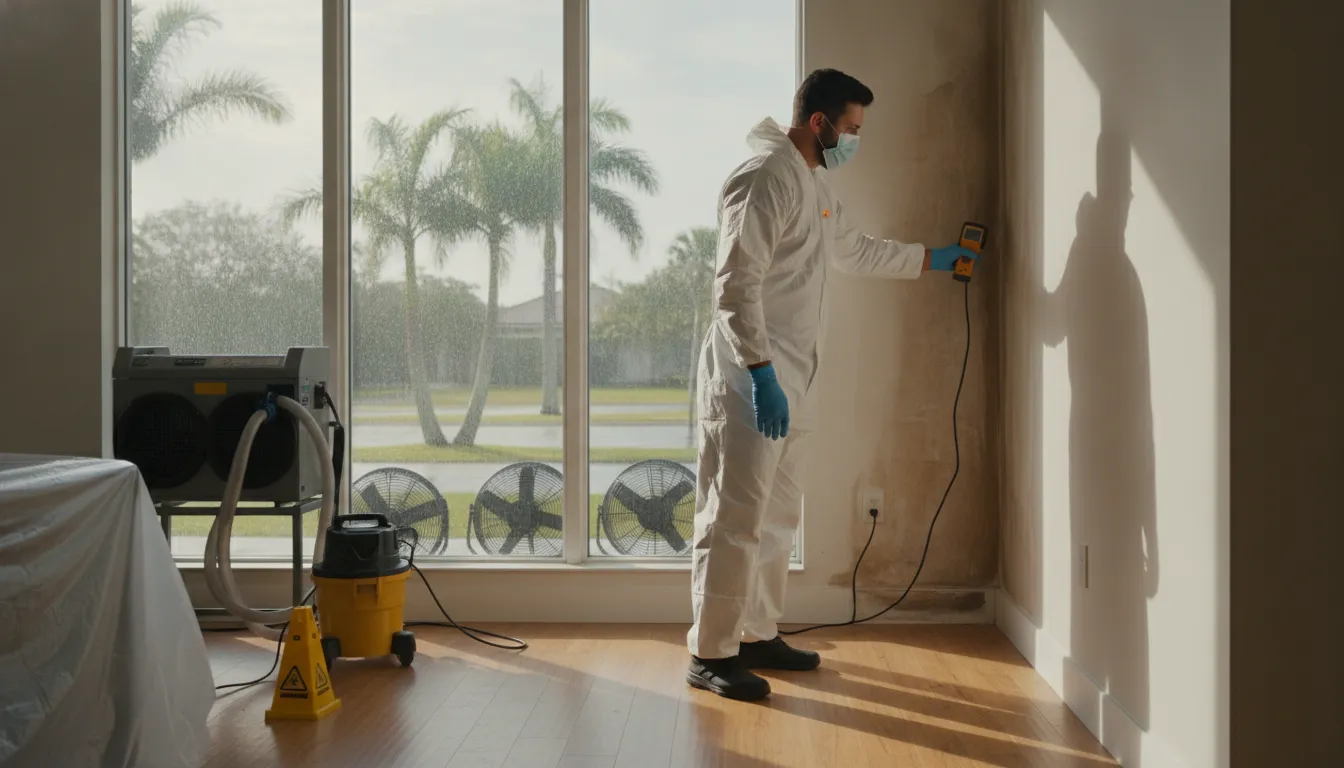
To effectively dry out your home, you need to create as much airflow as possible. If the air outside isn’t too humid, open all your windows and doors to get a cross-breeze going. Inside, open every closet door, cabinet, and even remove drawers to help hidden, damp areas breathe. Position fans to push the moist air out of the house. While household fans help, professional water damage restoration teams use industrial-grade air movers and dehumidifiers that are far more powerful. These specialized tools dramatically speed up the drying process, which is essential for salvaging building materials and preventing mold from taking hold.
How to Know When Materials Are Truly Dry
Just because your walls or floors feel dry to the touch doesn’t mean they are. Moisture can remain trapped deep inside materials, creating a hidden breeding ground for mold. The only way to know for sure is by using a moisture meter. Professionals rely on these devices to get accurate readings and ensure materials have reached a safe moisture level, which is typically 15% or less. Skipping this step is a huge risk that can lead to serious structural and health problems down the road. Proper mold remediation isn’t just about cleaning what you can see; it’s about confirming the source of the moisture is completely gone.
How to Safely Clean and Disinfect Everything
Floodwater isn’t just water; it often contains bacteria, chemicals, and other contaminants. You’ll need to clean and disinfect every surface the water touched. Start by scrubbing all hard surfaces with hot water and a heavy-duty cleaner. After cleaning, disinfect the area to kill any lingering germs. A solution of one cup of household bleach mixed with five gallons of water is effective for non-porous surfaces. Remember to never mix bleach with ammonia or other cleaning products, as this can create toxic gas. Always wear gloves and eye protection during this process.
What to Do with a Wet HVAC System
If floodwater reached your HVAC unit, your first and most important step is to shut it off at the breaker. Do not turn it back on under any circumstances. Even if the unit looks dry, turning it on could cause a dangerous electrical short or permanently damage the system. More importantly, if water got into your ductwork, activating the system can blow contaminated air, mold spores, and bacteria throughout your entire home. A qualified HVAC technician needs to perform a thorough inspection first. They will check all the electrical components, clean or replace soaked insulation and filters, and ensure the ductwork is completely dry and decontaminated. This isn’t a DIY job; handling a flood-damaged HVAC system requires professional expertise to ensure it’s safe to operate and won’t lead to future problems like hidden mold growth.
Stopping Mold Growth Before It Starts
In Florida’s humid climate, mold can begin to grow within 24 to 48 hours of a flood. This makes rapid drying absolutely essential. After removing wet items and saturated drywall, you can treat exposed wood and concrete to discourage mold. Some DIY methods suggest spraying surfaces with hydrogen peroxide, followed by vinegar. However, if you see or smell mold, it’s best to stop and call for help. Widespread contamination requires professional mold remediation to ensure it’s removed safely and completely, protecting your home and your health.
Is Your Well Water Safe? How to Test It
If your home uses a private well for its water supply, you must assume it is contaminated after a flood. Floodwaters can seep into wells, introducing harmful bacteria like E. coli. Do not drink or cook with your well water until you’ve had it professionally tested. Your local health department can provide information on how to collect a sample and where to send it for testing. Until you get the all-clear, use bottled water for drinking, cooking, brushing your teeth, and washing dishes to keep your family safe from waterborne illnesses.
What to Keep vs. What to Throw Away
One of the hardest parts of flood recovery is deciding what to keep and what to throw away. You need to be realistic and ruthless here. Porous items that absorbed contaminated floodwater, like mattresses, upholstered furniture, carpets, and particleboard, are nearly impossible to clean and should be discarded. Get these items out of the house immediately to prevent them from contributing to mold growth. Hard, non-porous items like metal, glass, and hard plastics can usually be cleaned and salvaged. When in doubt, it’s safer to throw it out.
Common Cleanup Mistakes to Avoid
In the rush to get back to normal, it’s easy to make mistakes that can cause problems later. Be wary of contractors who show up unannounced offering to do cheap repairs; post-disaster scams are unfortunately common. Always work with a licensed, insured, and reputable local company. Another major mistake is performing work without the proper permits. Unpermitted repairs can create safety hazards and may cause issues when you try to sell your home in the future. If you’re feeling overwhelmed, contact a trusted restoration expert to guide you through the process correctly.
Proactive Home Maintenance to Prevent Water Damage
After going through the stress and expense of a flood, the last thing you want is a repeat performance. While we can’t control Florida’s weather, we can take control of our homes to make them as water-resistant as possible. Proactive maintenance is your best defense against future water damage. It might sound like another chore on your to-do list, but trust me, spending a few hours on these tasks a couple of times a year can save you from the massive headache and cost of another restoration project. Think of it as an investment in your peace of mind. These simple checks can catch small problems before they turn into catastrophic failures, keeping your home safe, dry, and secure.
A comprehensive maintenance plan looks at your home from the outside in. It starts with your exterior, ensuring your roof and gutters are effectively shedding water away from your foundation. Next, it moves inside to check on the appliances and plumbing systems that can cause unexpected and devastating leaks. Finally, for those of us living in coastal areas, it involves taking extra steps to fortify our homes against the specific risks that come with the territory. By breaking it down into these three key areas, you can create a manageable routine that covers all your bases and significantly reduces your risk of future water intrusion. Let’s get into the specifics of what to look for.
Exterior Maintenance Checks
Your home’s first line of defense against rain and storms is its exterior shell. Your roof, gutters, and foundation work together as a system to keep water out and away from your house. When one part of that system fails, it puts the entire structure at risk, allowing moisture to seep into your walls, attic, and foundation. That’s why regular exterior check-ups are so important. A little bit of attention to these key areas can prevent water from ever finding a way inside. It’s about stopping the problem at the source, long before you find a puddle on your living room floor. The two most critical outdoor maintenance tasks are keeping your gutters clear and your roof in good repair.
Cleaning Gutters and Extending Downspouts
It’s easy to forget about your gutters until they’re overflowing, but by then, the damage might already be starting. When gutters get clogged with leaves and debris, rainwater has nowhere to go but over the sides, where it pools directly against your foundation. This can lead to cracks, leaks, and a flooded basement or crawl space. Make it a habit to clean them out at least twice a year. To take it a step further, add downspout extenders to channel water at least five to ten feet away from your home. This simple and inexpensive fix is one of the most effective ways to prevent foundation water issues.
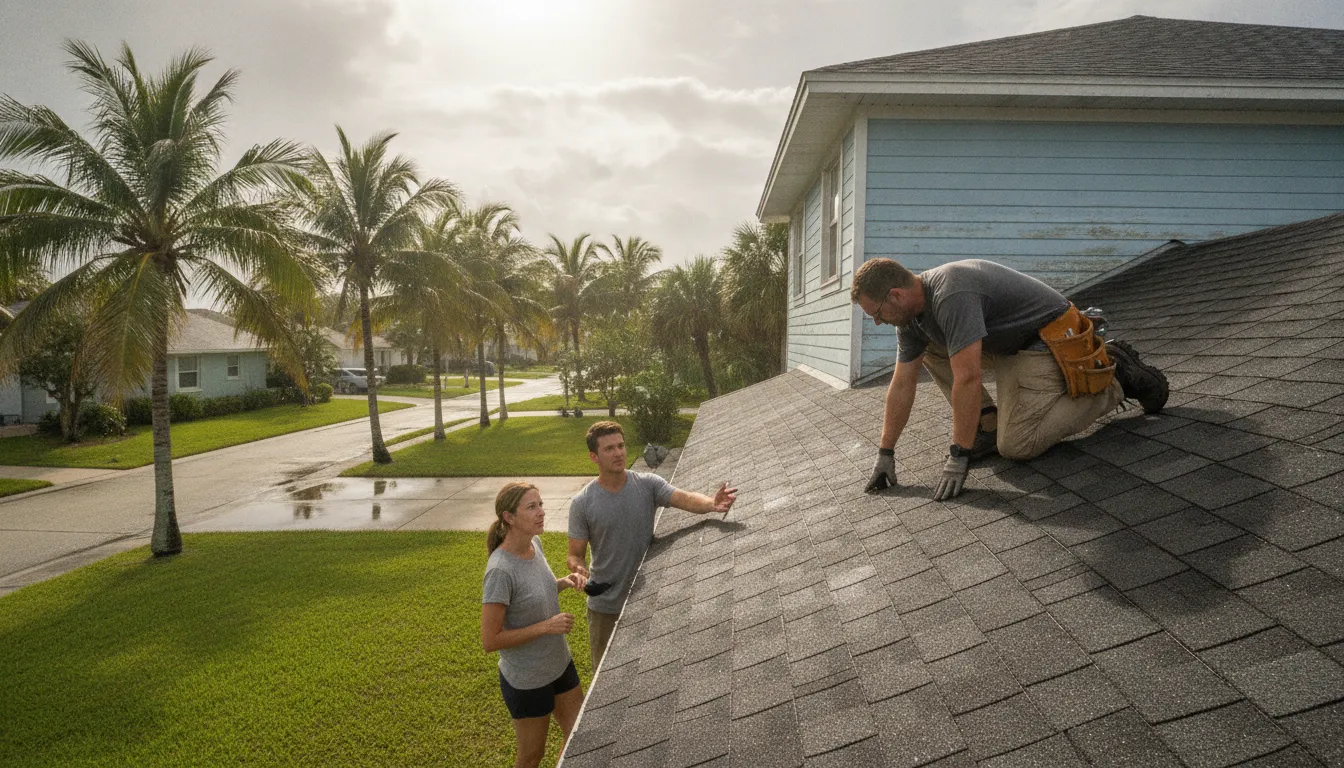
Regular Roof Inspections
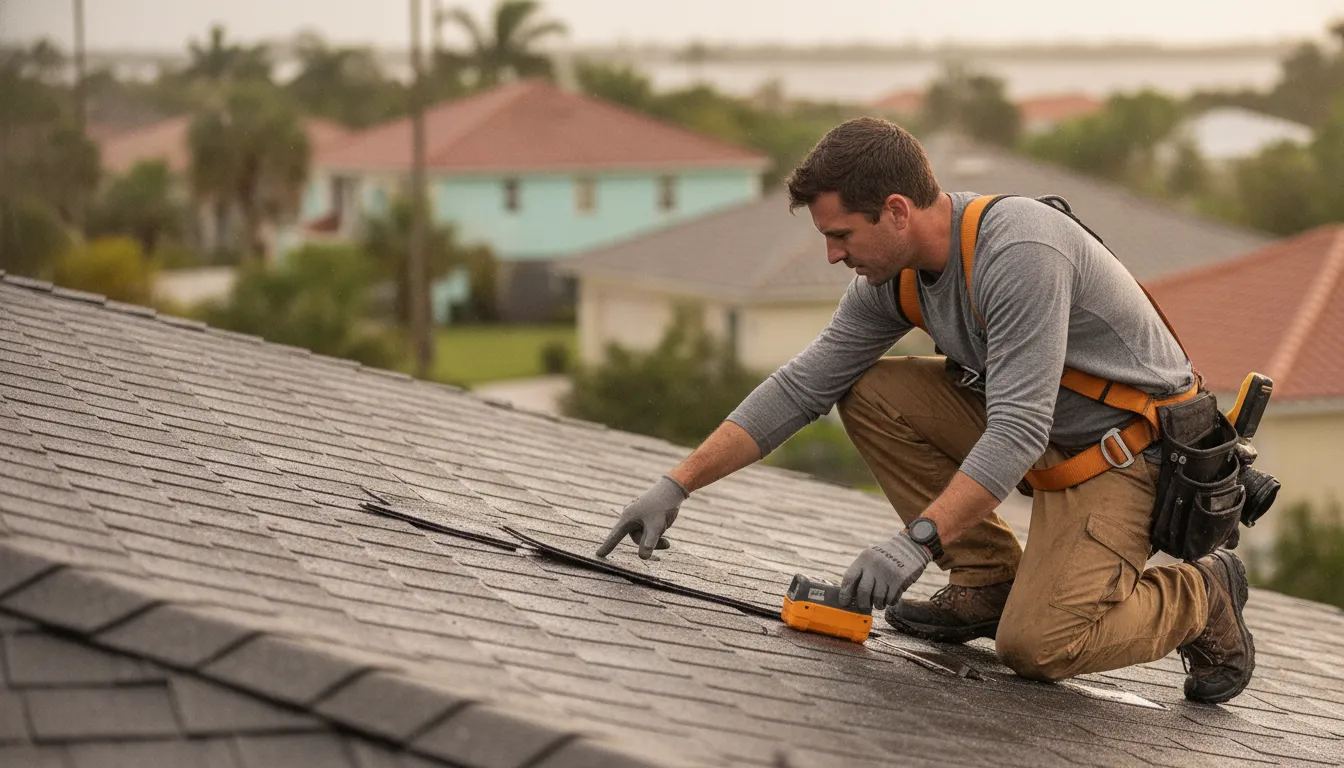
Your roof is your home’s primary shield against the elements, and even minor damage can lead to major leaks. After a big storm or at least once a year, take a look at your roof from the ground. Check for missing, cracked, or curling shingles. Pay attention to the flashing around chimneys, vents, and skylights, as these are common spots for leaks to start. While a visual check is a good start, some issues aren’t visible from the ground. For a thorough assessment, it’s always best to call in a professional. An expert can safely inspect the entire surface and identify potential problems you might miss, ensuring your home is protected. Having a trusted expert handle your roofing services gives you confidence that your first line of defense is solid.
Interior Maintenance Checks
While we often worry about storms and outside water sources, some of the most common and destructive water damage incidents actually start inside the house. Aging appliances and faulty plumbing can fail without warning, releasing gallons of water in minutes. A burst washing machine hose, a leaking water heater, or a cracked supply line under a sink can cause just as much damage as a heavy rainstorm. That’s why your interior maintenance routine is just as important as your exterior one. Regularly checking on these systems can help you catch a potential disaster before it happens, saving you from a messy and expensive cleanup and the need for emergency repairs.
Checking Appliances and Sump Pumps
Take a few minutes every few months to inspect the hoses connected to your washing machine, dishwasher, and icemaker. Look for any bulges, cracks, or signs of moisture, and plan to replace them every five years, even if they look fine. For homes with basements or crawl spaces, your sump pump is a critical piece of equipment. You need to know it will work when you need it most. Test it by pouring a bucket of water into the sump pit to ensure the pump kicks on, removes the water, and shuts off properly. A functioning sump pump is your last line of defense against groundwater flooding during heavy rains.
Protecting Your Home in Flood-Prone Areas
Living in a beautiful coastal area like Pinellas County means we have to be extra vigilant about flood risks. Beyond standard maintenance, there are additional steps you can take to fortify your home. One of the smartest investments you can make is installing smart water detectors. These small, affordable sensors can be placed near water heaters, under sinks, and behind toilets. If they detect moisture, they’ll send an alert straight to your phone, allowing you to address a leak before it becomes a full-blown flood. This early warning system can be a true lifesaver, giving you the chance to stop a disaster in its tracks and protect your property.
When Should You Call a Professional Restoration Service?
While tackling some home projects yourself can be rewarding, flood cleanup is rarely one of them. The risks of hidden moisture, structural damage, and mold are just too high. Knowing when to hand the reins over to a professional team is key to protecting your home and your health. Here’s how to know when it’s time to call for help and what to look for in a reliable restoration partner.
Signs It’s Time to Call a Professional
If you’re dealing with more than a few inches of water in a single room, it’s time to call a professional. Large-scale flooding requires industrial-grade equipment for effective water removal and drying. Another major red flag is any sign of electrical danger. If floodwaters reached your electrical outlets, you absolutely need an expert to assess the situation before you even think about plugging anything in. Also, consider the type of water. If the flood involves sewage or contaminated water, professional water damage restoration is non-negotiable to handle the biohazards safely. Don’t risk your health or your home’s integrity by underestimating the damage.
Choosing the Right Restoration Company in St. Petersburg
When your home is on the line, you need a team you can trust. Start by confirming that any company you consider is fully licensed and insured in Florida. This protects you from liability and ensures they meet state standards. Ask for local references and check online reviews to hear from other homeowners in the St. Petersburg area. A reputable company will be transparent about their process and pricing, providing a detailed estimate in writing. Be cautious of anyone demanding a large cash deposit upfront. A trustworthy partner will work with your insurance company and guide you through the process, making a stressful situation more manageable. Your goal is to find a team that offers comprehensive restoration services with a solid local reputation.
What Does a Full Restoration Service Include?
Professional flood recovery is much more than just pumping out water. A complete service starts with a thorough assessment to identify all affected areas, including hidden moisture in walls and under floors. Next, technicians use powerful pumps and vacuums for water extraction. The crucial drying and dehumidification phase follows, using specialized equipment like high-velocity air movers and dehumidifiers to prevent swelling and warping. After the structure is dry, the team will clean and sanitize all salvageable items and surfaces. This step is vital for preventing the spread of bacteria and other contaminants. Finally, a top-tier service includes proactive mold remediation to stop mold before it can even start.
How Long Does Professional Restoration Take?
Patience is key during flood recovery. While it’s tempting to want everything back to normal overnight, a thorough drying process can take several weeks. Rushing it can trap moisture inside walls, leading to long-term structural problems and mold. Professionals may need to remove baseboards or drill small holes to help air circulate and ensure every layer of your home is completely dry. The total timeline depends on the extent of the flooding, the materials affected, and the local humidity levels. A good restoration company will keep you informed every step of the way, explaining the process and providing a realistic schedule for your home’s disaster recovery.
How to Avoid Contractor Scams
Unfortunately, disasters can attract opportunistic scammers. Protect yourself by being vigilant. Never hire a contractor who shows up uninvited or uses high-pressure tactics to get you to sign a contract immediately. Always ask for proof of their license and insurance. Be wary of anyone who suggests doing work without the proper permits, as this can cause major problems later on. A legitimate contractor will provide a detailed, written contract outlining the scope of work, costs, and payment schedule. It’s also wise to verify your insurance adjuster’s credentials before letting them inspect your property. If you have any doubts, it’s always best to contact a trusted company for a second opinion.
Related Articles
Frequently Asked Questions
How do I know if the water damage is serious enough to call a professional? A good rule of thumb is to call for help if the water covered more than a small area of one room, if it came from a contaminated source like a sewer backup, or if it soaked into drywall and insulation. The biggest danger isn’t the water you can see; it’s the moisture you can’t. Professionals have specialized tools to find and dry hidden dampness inside walls and under floors, which is essential for preventing long-term structural damage and mold.
I see some mold starting to grow. Can I just clean it myself with bleach? This is a common impulse, but it’s not a good idea. Spraying bleach on a porous surface like drywall or wood only cleans the surface mold and doesn’t eliminate the roots growing within the material. Disturbing the mold can also release spores into the air, spreading the problem to other parts of your home. For your health and safety, any mold growth larger than a small patch should be handled by a certified mold remediation team.
The floodwater is gone and the power is back on. Is it safe to use my appliances? No, you should not use any appliances that were touched by floodwater until they have been inspected by a qualified technician. Even if an appliance seems to turn on, its internal wiring, insulation, and components could be corroded or damaged. Using it could create a serious risk of electrical shock or fire. It’s always better to be safe and wait for a professional to give you the all-clear.
My insurance company is pressuring me to start cleaning up. What if I haven’t documented everything yet? Your first priority is to thoroughly document all the damage for your claim. You can politely and firmly inform your adjuster that you are in the process of taking photos and creating an inventory, and that you will begin mitigation efforts as soon as that is complete. Comprehensive documentation is your best tool for ensuring a fair settlement, so don’t let anyone rush you through this critical step.
What’s the biggest mistake people make during flood cleanup? The most common mistake is underestimating the extent of the moisture and trying to dry the home out too quickly with just fans. A house that looks and feels dry on the surface can still hold a dangerous amount of moisture deep inside walls, subfloors, and insulation. This trapped water is what leads to widespread mold and structural rot down the road. Proper drying requires professional-grade dehumidifiers and air movers to get the job done right.