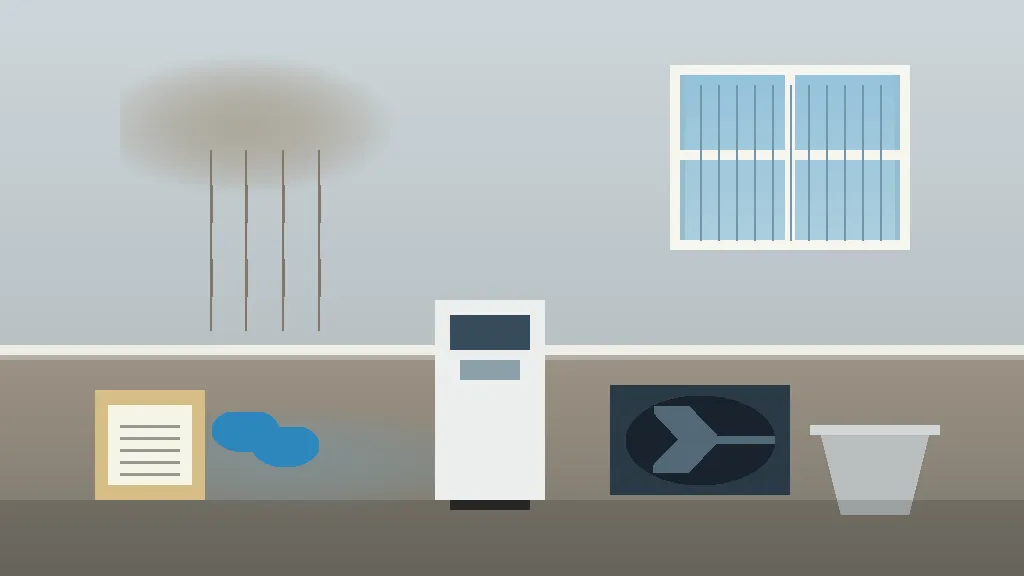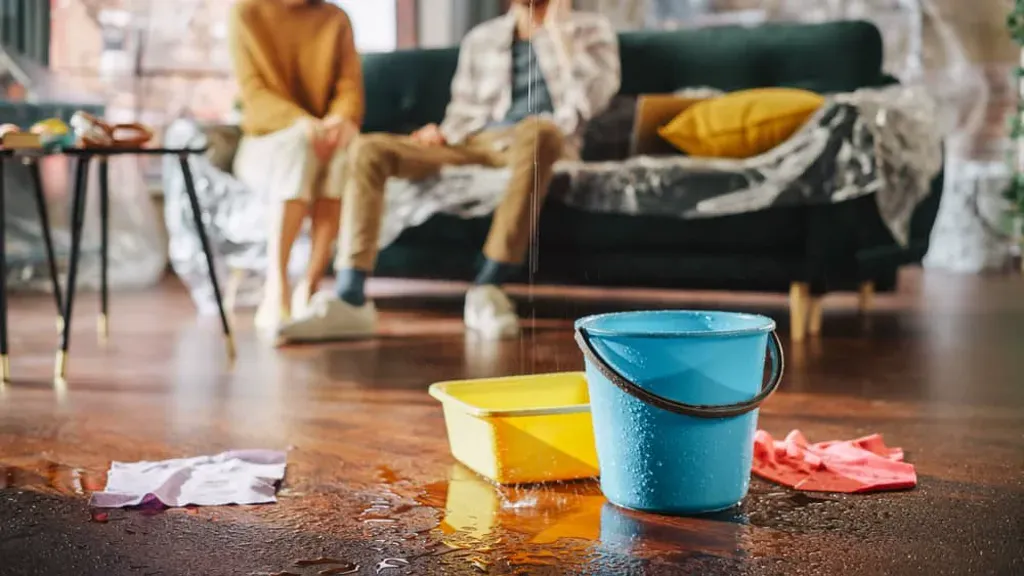
That faint, musty smell you can’t quite place. The paint that’s starting to bubble near the baseboard. The floorboard that seems to have a new, subtle warp. These are the quiet signs of water’s secret work. While a burst pipe is an obvious catastrophe, slow, hidden leaks are often more destructive because they go unnoticed for weeks or months. By the time you see the evidence, the damage behind your walls or under your floors can be extensive. Understanding these telltale signs is your best defense. This article will help you become a detective in your own home, so you can spot hidden trouble and know when it’s time to call for professional water damage restoration before a small issue becomes a major crisis.
Leonardo da Vinci noted that water is the driving force behind all of nature. While that statement captures the majesty of nature, Florida homeowners see the destructive side of water when it enters their homes as a catastrophe. One minute, they’re relaxing in a warm, sun-filled room, and the next minute, they’re standing in water that has covered their wood flooring. Panic is usually the first reaction, and then an immediate frantic rush to dry everything out happens next. Not every time you spill something needs to involve a professional restoration company, but incorrectly thinking you can manage a severed pipe with a wet/dry vacuum can lead to significant problems. Many homeowners do not realize that the difference between a simple DIY project and needing restoration services from professionals is that overestimating your abilities can ultimately lead to billions of dollars in repairs caused by mold growth and/or water damage. This guide will help you differentiate between types of moisture issues that can be handled by yourself and those that need to be handled by professionals.
Assessing the Source and Clarity of the Water
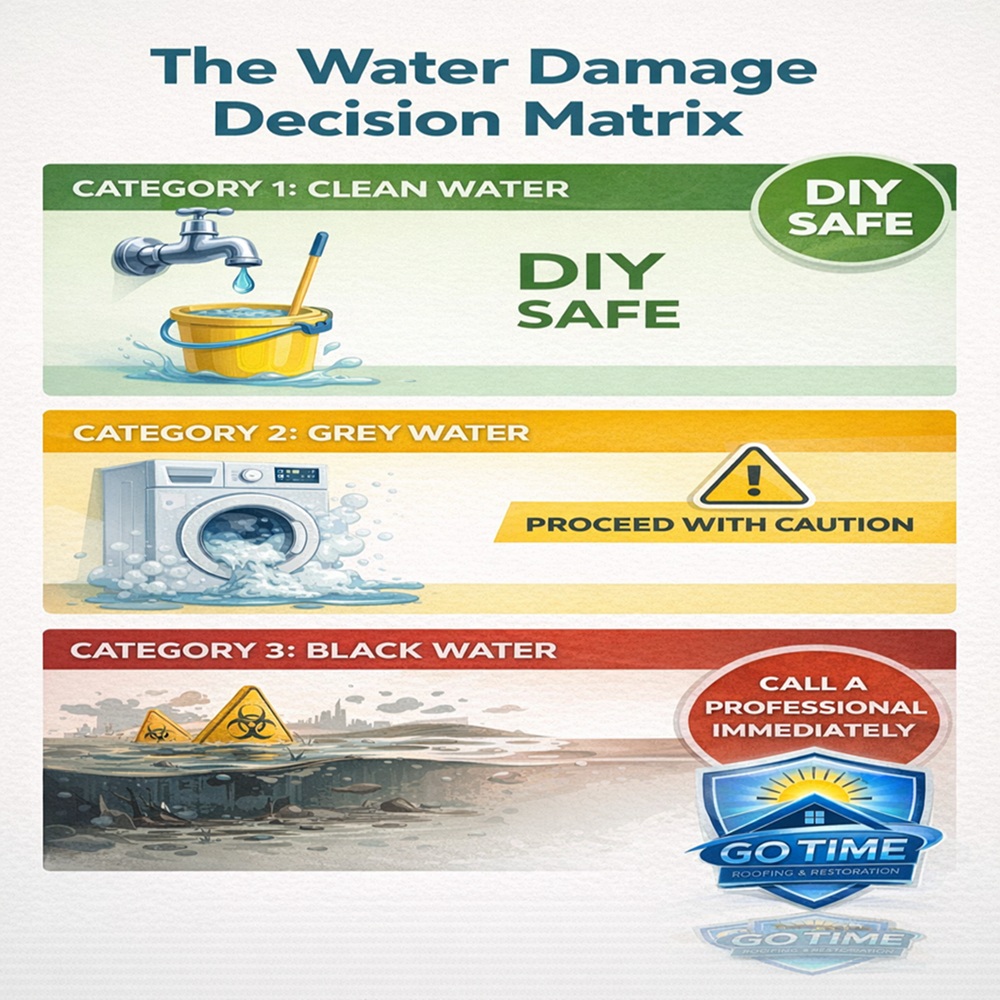
Before you grab a mop or dial the phone, pause for a moment to evaluate the water itself. Industry standards categorize water into three distinct types based on contamination levels. Understanding these categories is the first step in deciding your response. Category 1: Clean Water – This originates from a sanitary source. Examples include a broken water supply line, a tub overflowing with fresh water, or rain entering through an open window. If the volume is manageable and you catch it quickly, this is often safe to handle on your own. Category 2: Grey Water -This water contains significant contamination and has the potential to cause discomfort or sickness if consumed or touched. Sources include washing machine overflow, dishwasher leakage, or toilet discharge with urine but no feces. You might be able to manage small amounts with proper protective gear, but calling for help is usually safer. Category 3: Black Water – This is grossly contaminated and can contain pathogenic, toxigenic, or other harmful agents. Examples include sewage, seawater, rising water from rivers or streams, and ground surface water entering the home. Never attempt to clean this yourself. The health risks are too high. Immediate professional containment is necessary.
Understanding Water Damage Categories
The type of water you’re dealing with is a major factor in how you should respond. Professionals use a simple system to classify water based on its contamination level. According to restoration industry standards, there are three categories. Category 1 is “Clean Water” from a source like a broken supply line; it’s generally harmless. Category 2 is “Gray Water,” which is slightly contaminated from sources like a dishwasher or washing machine overflow. Finally, Category 3 is “Black Water,” which is highly unsanitary and can contain dangerous bacteria from sources like sewage backups or floodwaters. While you might handle a small Category 1 spill, Gray and Black Water situations almost always require professional help to ensure the area is safely and thoroughly decontaminated.
Understanding Water Damage Classes
Beyond the water’s cleanliness, professionals also assess the extent of the damage using four distinct classes. These classes help determine the amount of water and the types of materials affected, which dictates the equipment and techniques needed for proper drying. A Class 1 situation is the least severe, involving minimal moisture, while a Class 4 event represents a complex scenario with deep saturation into materials that are typically very difficult to dry. Understanding these classes can help you communicate the severity of your situation when you call for help and give you a clearer picture of the restoration process ahead.
Class 1: Minor Damage
Think of Class 1 damage as the least destructive scenario. This involves a small amount of water affecting a limited area. Crucially, the water has only touched materials with low porosity, like tile, concrete, or vinyl. An example would be a small overflow from a sink onto a bathroom tile floor. Because the water doesn’t soak in deeply, evaporation is slow, and the cleanup is relatively straightforward. In many cases, this is something a homeowner can manage if it’s addressed immediately, but it’s still important to ensure the area is completely dry to prevent any hidden moisture issues.
Class 2: Significant Damage
Class 2 water damage is a step up in severity. This class involves a larger amount of water that has wicked up into porous materials. Imagine a washing machine hose breaking and soaking the carpet and the lower portion of the drywall in your laundry room. The water has spread across a room and has been absorbed by materials that will hold onto moisture. This scenario requires a much faster response and more thorough drying methods, as the risk of secondary damage like mold growth or structural issues increases significantly. Professional extraction and drying equipment are typically necessary to resolve a Class 2 situation properly.
Class 3: Severe Damage
When you’re facing Class 3 damage, the situation is serious. This is the fastest rate of evaporation, meaning a large volume of water has saturated nearly everything in its path. Often, the water comes from an overhead source, like a burst pipe in the ceiling or a major roof leak, drenching drywall, insulation, carpets, and furniture from above. The sheer volume of water means everything is soaked through, creating a complex and urgent problem. This level of damage requires immediate, professional intervention to mitigate losses and begin the extensive drying process needed to save the structure.
Class 4: Specialized Drying Needed
Class 4 damage presents the most complex challenge. This class is reserved for situations where water has deeply saturated materials with very low porosity, such as hardwood floors, plaster, brick, or concrete. The moisture is trapped within these dense materials, making it incredibly difficult to remove. A common example is a flood that soaks a concrete slab foundation. Standard drying methods are often insufficient, and specialized equipment and advanced techniques are required to draw the moisture out. This is a job exclusively for experienced professionals who can prevent long-term structural integrity problems.
How Water Contamination Worsens Over Time
Time is your biggest enemy when dealing with water damage. What starts as a relatively clean water issue can quickly degrade. As water sits, it comes into contact with building materials, dirt, and bacteria, causing its contamination level to rise. A Category 1 leak can become a Category 2 situation in just a day or two. More alarmingly, the clock is ticking for mold growth. According to experts, mold can begin to grow in as little as 48 hours. This is why a rapid response is so critical. Delaying cleanup not only makes the water dirtier but also invites a secondary mold problem, which requires its own specialized remediation process and can pose health risks to your family.
Common Causes of Water Damage
Water damage can feel like a random, unlucky event, but it often stems from a few common culprits inside and outside the home. Understanding these sources can help you stay vigilant and potentially prevent a disaster before it happens. Many issues originate from within the house itself, such as failing appliances, leaky pipes, or malfunctioning HVAC systems. Other times, the threat comes from the outside, with Florida’s intense weather testing the integrity of our roofs and foundations. From a slow, hidden drip inside a wall to a sudden deluge from a summer storm, the causes are varied, but the result is the same: unwanted water where it doesn’t belong. Knowing what to look for is the first step in protecting your property.
Plumbing and Appliance Failures
Some of the most frequent causes of water damage are hiding in plain sight. Your home’s plumbing system and water-reliant appliances work hard every day, but they don’t last forever. A sudden burst pipe is obvious, but slow leaks from old plumbing behind walls or under sinks can cause immense damage over time before you even notice them. Appliances like washing machines, dishwashers, and water heaters are also common offenders. A worn-out hose or a malfunctioning part can lead to a significant flood in your kitchen or laundry room. Regular inspections of these systems can help you catch potential problems early, but when a failure does occur, you need a fast and effective water damage restoration plan.
HVAC System Issues
Your air conditioning system is essential for comfort in St. Petersburg, but it can also be a sneaky source of water damage. Your HVAC unit naturally produces condensation as it cools the air. This moisture is supposed to drain away through a dedicated line. However, if that drain line becomes clogged with dust, algae, or debris, the water can back up and overflow the drain pan. This can lead to slow leaks that damage ceilings, walls, and floors around the unit, often in an attic or closet where it might go unnoticed for some time. Regular HVAC maintenance is key to preventing these clogs and ensuring everything flows as it should.
Roofing and Structural Problems
Your roof is your home’s first line of defense against the elements, especially during Florida’s rainy season. Even minor damage, like a few missing or cracked shingles, can create an entry point for rainwater. Over time, this water can saturate insulation, seep into your attic, and eventually stain your ceilings and walls. Clogged gutters can also cause water to back up and seep under the roofline. That’s why maintaining a healthy roof is so critical for preventing water intrusion. If you suspect a leak or see signs of water damage after a storm, it’s crucial to have professional roofing services inspect the issue right away to prevent a small problem from becoming a major restoration project.
Weather-Related Events
Living in Pinellas County means we get to enjoy beautiful weather, but it also means we’re vulnerable to severe storms and hurricanes. Heavy, driving rain can overwhelm gutters and find its way through tiny cracks in windows, doors, and foundations. In more extreme cases, flooding from storm surges or torrential downpours can lead to catastrophic water levels entering the home, resulting in widespread Category 3 “black water” contamination. These events are often unavoidable and cause some of the most extensive damage a property can face. When a storm hits, having a trusted disaster recovery team ready to respond can make all the difference in protecting your home and starting the recovery process.
The DIY Zone: When It Is Safe to Grab a Bucket
You do not need a brigade of trucks for every spill. If the water is clean (Category 1) and confined to a small area, you can likely manage the cleanup if you have the right tools and physical stamina. For instance, if a supply line under your kitchen sink leaks slightly and you catch it immediately, you can resolve this. Shut off the water valve. Use towels and a wet vacuum to remove the standing water. Place fans in the cabinet to circulate air. However, success depends on thoroughness. The surface might look dry while the particleboard beneath remains soaked. If you choose to handle it yourself, you must be relentless in checking moisture levels. You need to ensure the area is 100% dry within 24 to 48 hours to prevent mold spores from germinating. If you lack industrial fans or dehumidifiers, even a small leak can turn into a lingering problem.
The Danger Zone: Recognizing Hidden Threats
Water is deceptive. It follows the path of least resistance, seeping into baseboards, under flooring, and up into drywall. This is where the DIY approach frequently fails. You might dry the carpet, but the padding underneath stays wet like a sponge. There are specific scenarios where calling a professional is not just recommended but essential. Structural Instability: If you see sagging ceilings or warped floorboards, the damage is already serious. Water adds immense weight to building materials. A wet sheet of drywall can collapse without warning. Professionals know how to brace structures and remove compromised materials safely. Electrical Hazards: Water and electricity are a lethal combination. If the water level has reached outlets or if the leak is coming from the ceiling near light fixtures, do not enter the room. Turn off the power if you can do so safely from a dry location and wait for Water Damage St. Petersburg experts to assess the safety of the site. The Scale of the Intrusion Volume matters. If the water covers more than one room or has seeped into the substructure, a shop vacuum will not suffice. You need extraction units that can pull gallons of water out of the premises efficiently.
Telltale Signs of Hidden Water Damage
Sometimes the most significant water problems are the ones you cannot see. A slow leak behind a wall or under a floor can go unnoticed for weeks, causing rot, mold, and structural decay. Your senses are your best tool for early detection. Paying attention to subtle changes in your home can help you catch hidden water damage before it becomes a catastrophe. If you notice any of the following signs, it is time to investigate further and consider calling in a professional to assess the situation.
Unexplained Stains or Smells
One of the first clues of a hidden leak is often a persistent, musty odor you cannot seem to place. This earthy smell is a byproduct of mold and mildew growth, which thrives in damp, dark places like wall cavities or beneath flooring. You might also notice discoloration on your ceilings or walls. These stains are typically yellowish or brownish and can expand over time. They are a clear sign that water is saturating the drywall from behind. Ignoring these sensory warnings allows moisture to continue its destructive work, potentially leading to a much larger mold remediation project down the road.
Changes in Walls, Floors, or Ceilings
Take a moment to look closely at the surfaces in your home. Do you see any areas where the wall seems to be bowing or feels soft to the touch? Is your hardwood flooring starting to warp, cup, or separate at the seams? These are classic signs that building materials have absorbed a significant amount of water, compromising their strength. A sagging ceiling is an especially urgent red flag, as it indicates a heavy accumulation of water that could lead to a collapse. These are not cosmetic issues; they point to a serious, active leak that is weakening your home’s structure and requires immediate water damage restoration.
Peeling or Bubbling Paint
Paint is designed to adhere to a dry, stable surface. When moisture gets trapped behind a wall, it breaks that bond. The water vapor pushes outward, causing the paint to bubble, blister, or peel away from the drywall or plaster. You will most often see this occur around window frames, in bathrooms, or on walls adjacent to plumbing fixtures, but it can happen anywhere a leak is present. While it might be tempting to simply scrape and repaint the area, that only hides the symptom. The underlying moisture problem will persist, continuing to damage the wall and creating an ideal environment for mold.
Why Expert Intervention Matters for Water Damage in St. Petersburg
When you hire a certified restoration firm like Go Time Cleaning and Restoration, you are paying for more than just labor. You are paying for science and technology. Advanced Diagnostics Professionals do not guess where the water went. They use thermal imaging cameras and moisture meters to map the migration of moisture. They can detect wet insulation behind a dry wall or moisture trapped under tile. This ensures that no pocket of dampness is left behind to rot the structure. Industrial Grade Drying Restoration teams use air movers and dehumidifiers that are exponentially more powerful than consumer-grade equipment. They understand the physics of evaporation and psychrometry (the science of drying). They position equipment to create a vortex of airflow that pulls moisture out of materials rapidly. Mold Prevention In the humid climate of St. Petersburg, mold is a constant threat. Speed is vital. Mold can begin to grow on damp surfaces in as little as 24 hours. Professionals apply antimicrobial treatments to inhibit growth while the drying process takes place. 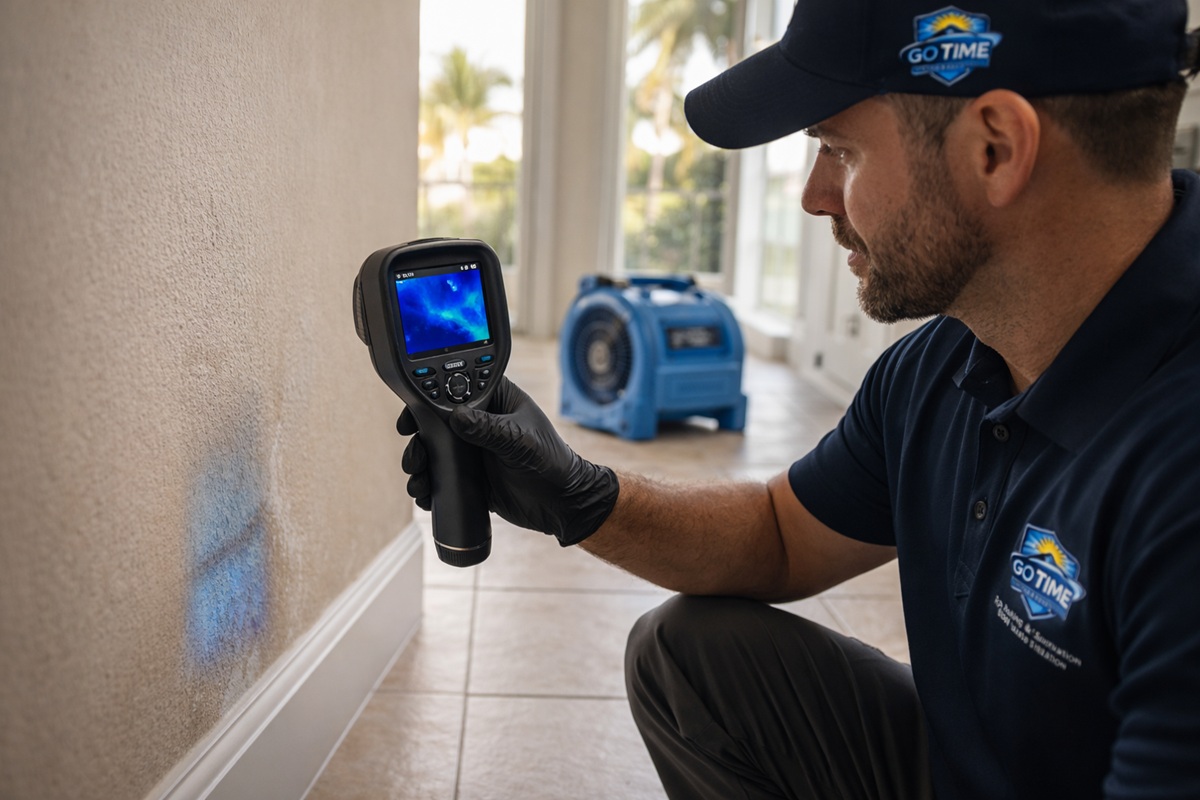
The Professional Restoration Process Step-by-Step
When professionals arrive, they don’t just start randomly tearing out wet materials. They follow a meticulous, science-backed process designed to be as efficient and effective as possible. This structured approach ensures every bit of moisture is found and removed, preventing long-term issues like mold and structural decay. Understanding these steps can help you know what to expect when you make that important call for help. Each phase is critical for bringing your home back to its pre-damage condition safely and completely.
Step 1: Emergency Inspection and Damage Assessment
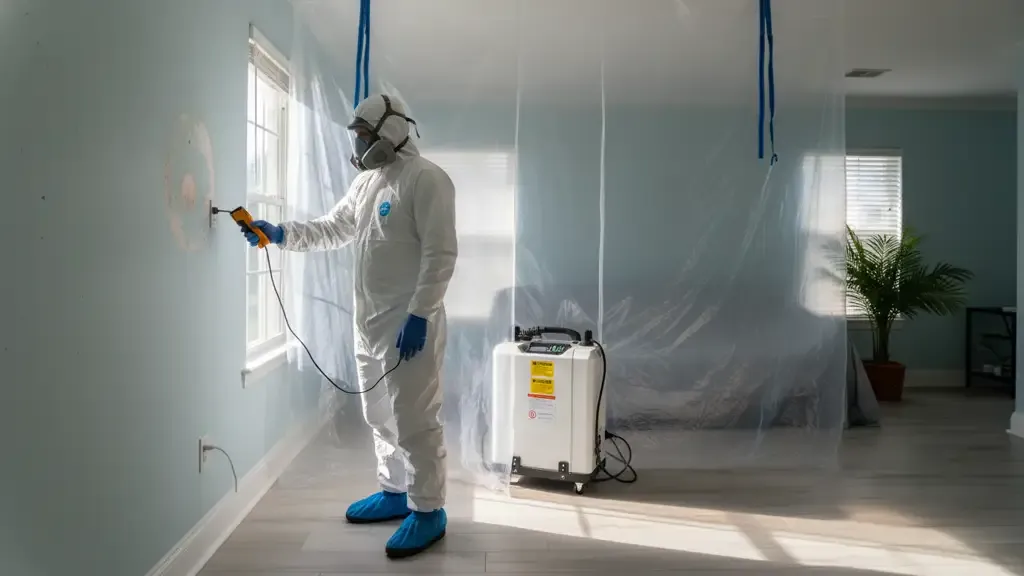
The first thing a professional team does is a thorough assessment. This isn’t just a quick look around; it’s a high-tech investigation. Experts use tools like thermal imaging cameras and moisture meters to precisely map where the water has traveled. They can see moisture hidden behind a wall that feels dry to the touch or find water trapped under your flooring. This detailed evaluation allows them to create a targeted plan of action, ensuring no hidden moisture is left behind to cause problems later on.
Step 2: Professional Water Removal
Once the extent of the damage is clear, the water removal begins immediately. For significant flooding, your shop vacuum simply won’t cut it. Professional crews use powerful, truck-mounted extraction units capable of pulling out hundreds or even thousands of gallons of water quickly. The goal is to remove as much standing water as possible from carpets, floors, and other surfaces. This rapid extraction is a crucial first step in minimizing further damage and shortening the overall drying time.
Step 3: Thorough Drying and Dehumidification
After the bulk of the water is gone, the focus shifts to drying out everything that remains wet. Restoration teams bring in industrial-grade equipment, including high-speed air movers and powerful dehumidifiers. They strategically place these machines to create optimal airflow, which speeds up evaporation. This process is based on psychrometry, the science of drying, which helps them pull lingering moisture from porous materials like wood, drywall, and insulation, leaving the area completely dry and stable.
Step 4: Cleaning, Sanitizing, and Odor Removal
Water damage often leaves behind dirt, contaminants, and unpleasant odors. A professional cleanup goes beyond simple drying. Technicians use specialized cleaning techniques for different materials in your home. To prevent mold from taking hold in Florida’s humid climate, they apply antimicrobial treatments to affected surfaces. They also use equipment like thermal foggers or hydroxyl generators to neutralize any lingering musty smells, leaving your home clean and fresh.
Step 5: Repair and Reconstruction
The final step is restoring your home to its original condition. Sometimes, materials like drywall, insulation, or flooring are too damaged to be saved and must be removed. The restoration process can include minor repairs, such as replacing a section of drywall, or major reconstruction, like rebuilding entire rooms. A full-service company like Go Time Restoration can handle the entire project, from the initial water removal to the final coat of paint, simplifying the process for you.
Restoring Your Personal Belongings
Water damage affects more than just the structure of your house; it can ruin your personal belongings. The good news is that many items you might think are lost forever can often be saved. Professional water restoration services include content restoration, where specialists use advanced techniques to clean and salvage items like furniture, important documents, and even precious family photos. They carefully assess each item to determine the best method for restoration, helping you recover the things that make your house a home.
The Importance of IICRC Certification
When choosing a restoration company, look for one with IICRC certification. The Institute of Inspection, Cleaning and Restoration Certification (IICRC) is a non-profit organization that sets the standards for the restoration industry. When a company’s technicians are IICRC-certified, it means they have undergone extensive training and passed exams on the proper procedures for water damage restoration. This certification is your assurance that the team you hire is equipped with the knowledge and skills to handle the job correctly and safely.
How Long Does Water Damage Restoration Take?
One of the first questions homeowners ask is how long the process will take. While every situation is unique, most home water restoration jobs are completed in about two to five days. A small, clean-water leak that’s addressed quickly might be on the shorter end of that spectrum. However, extensive damage involving contaminated water or saturated structural materials will naturally take longer. A professional team can give you a more accurate timeline after their initial assessment of the damage.
What to Do Immediately After Discovering a Water Leak
Finding a water leak or flood in your home can be overwhelming, but your first few actions are critical. Acting quickly can significantly reduce the amount of damage and the cost of repairs. The primary goals are to ensure safety and stop the source of the water as soon as possible. If you’re facing a serious situation, especially one involving electricity or contaminated water, your first call should be to a professional restoration company. For property owners in St. Petersburg, the team at Go Time Restoration is ready to provide an immediate disaster recovery response.
Your Action Plan for a Burst Pipe
If you discover a burst pipe, there are a few immediate steps you can take while you wait for help to arrive. First and foremost, shut off the main water valve to your house to stop the flow of water. If the leak is near any electrical outlets or appliances, turn off the power at the breaker box if you can do so safely from a dry location. Next, begin removing as much standing water as you can with towels or a wet/dry vacuum. Finally, open cabinets and doors and use fans to get air circulating, which will give the drying process a head start.
Finding Reliable Water Damage Restoration Near Me
When the crisis hits, you rarely have the luxury of researching companies for days. However, knowing what to look for can save you from poor service. Look for a company that offers immediate response capabilities. Water continues to degrade materials every hour it sits. You need a team that answers the phone and mobilizes crews instantly, regardless of the time or day. Check for proper licensing and insurance. A reputable company will be transparent about its credentials. They should also have experience working with insurance companies to help you navigate the claims process, which can be just as stressful as the damage itself. Go Time Cleaning and Restoration serves the St. Petersburg community with a commitment to restoring your property to its original condition. They combine technical expertise with a genuine understanding of the stress you are under. Before moving, let’s explore a few FAQ’s
Frequently Asked Questions About Water Intrusion
How long does it take for mold to grow after a leak? Mold spores are always present in the air. When they find a food source (like wet drywall) and moisture, they can begin to colonize within 24 to 48 hours. This is why immediate drying is critical. Can I just open the windows to dry out the room? In Florida, opening windows often introduces more humidity into the home rather than letting it out. It is far more effective to close the area and use dehumidifiers to control the internal environment. Will I be covered for water damage under my homeowners’ insurance? Most home insurance will cover sudden accidental water damage. i.e., a bursting pipe. This will not cover damages due to lack of maintenance over time, such as gradual leaks. Be sure to get a copy of the damage documentation from the restoration company you hire so that they can assist you in processing your claim. Does all wet carpet need to be replaced? Not always. If found before it began to dry and if the water is from a clean source (i.e., a leak), carpet can usually be saved. Most padding needs to be replaced as it deteriorates very quickly. If the water came from sewage, both carpet and padding will need to be thrown away. How will I know when the affected area is completely dry? Touching the area is an unreliable method. Although something may feel dry to the touch, it may still have an excessive amount of moisture present. Professionals utilize moisture meters to determine whether all materials in the area are dry according to the manufacturer’s specifications.
Conclusion
The decision to handle a spill yourself or call for help depends on the severity of the situation and the source of the water. While a minor splash from a sink is a quick fix, substantial flooding requires the heavy artillery of a professional team. Ignoring the signs of deep water intrusion can lead to complicated issues that threaten the integrity of your home and the health of your family. By understanding the risks and knowing when to ask for assistance, you can protect your investment. When you face a situation that surpasses your resources, knowing you have a partner ready to assist makes all the difference. For residents facing the aftermath of a leak or flood, professional Water Damage Restoration Near Me is just a phone call away. Contact Go Time Cleaning and Restoration today for a rapid assessment and expert recovery of your property.### Working With Your Homeowners Insurance Navigating an insurance claim can feel like a second crisis right after you’ve dealt with the first. The key is to understand what your policy typically covers. Most standard homeowners insurance policies will pay for damage that is “sudden and accidental,” like a burst pipe or a washing machine hose that fails without warning. However, they generally won’t cover issues that result from a lack of maintenance, such as a slow, dripping leak under the sink that you’ve known about for months. As soon as you’ve ensured the immediate safety of your home, your next call should be to your insurance agent to start the claims process. Document everything with photos and videos, as this evidence will be crucial for your claim. #### The Role of the Loss Adjuster Shortly after you file a claim, your insurance company will assign a loss adjuster, also known as a claims adjuster, to your case. This person is responsible for investigating the incident, assessing the extent of the damage, and determining the value of the loss covered by your policy. While the adjuster works for the insurance company, a professional restoration team works for you. Be sure to get a copy of the damage documentation from the restoration company you hire so that they can assist you in processing your claim. At Go Time Restoration, we provide meticulous documentation, including moisture readings and photographic evidence, to ensure the adjuster has a clear and accurate picture of the damage, helping you secure a fair settlement. ## Proactive Steps to Prevent Water Damage The absolute best way to handle water damage is to prevent it from ever happening. While you can’t stop a hurricane, there are many simple steps you can take to stop leaks and burst pipes from happening. Taking a proactive stance doesn’t require a lot of time or money, but it does require a bit of awareness and consistency. By making a few simple checks part of your regular home maintenance routine, you can protect your property from the stress and expense of a major water event. These preventative measures are your first line of defense and can save you from needing extensive water damage repair down the road. ### Year-Round Prevention Tips A few habits can make a huge difference in keeping your home dry and secure throughout the year. First, know your stopcock: find your main water shut-off valve and make sure you can turn it off easily. Test it regularly so you know it works in an emergency. You should also periodically inspect the hoses connected to your washing machine, dishwasher, and refrigerator ice maker for any bulges or cracks. In Florida, it’s also vital to keep your gutters and downspouts clear of debris. Clogged gutters can cause rainwater to overflow and seep under your roof, leading to significant damage. A well-maintained roof is essential, so if you notice any issues, it’s wise to consult with a professional for roofing services. ### Preparing Your Home for Travel or Cold Weather An empty house is especially vulnerable to water damage, as a small leak can go undetected for days or weeks, causing catastrophic damage. If you leave your home empty for a while, turn off the main water supply if it’s safe to do so. This single action can prevent a plumbing failure from turning into a full-blown flood while you’re away. While St. Petersburg doesn’t see many freezing days, it’s still a good practice to insulate any pipes in unheated areas like a garage or crawl space. Before a long trip, also consider having a trusted neighbor or friend check on your property periodically. A few minutes of prevention provides invaluable peace of mind.
Key Takeaways
- Know when to call for help: A small, clean water spill is often a manageable DIY task, but contaminated water or widespread flooding requires immediate professional intervention to ensure a safe and thorough cleanup.
- Act quickly to prevent mold: Moisture creates the perfect environment for mold to grow in as little as 24 to 48 hours, so a fast response is your best defense against turning a water problem into a more serious health hazard.
- Look for the hidden signs of damage: Water isn’t always visible; pay attention to musty smells, peeling paint, or warped floors, as these are often clues to a hidden leak that requires professional tools to locate and repair properly.