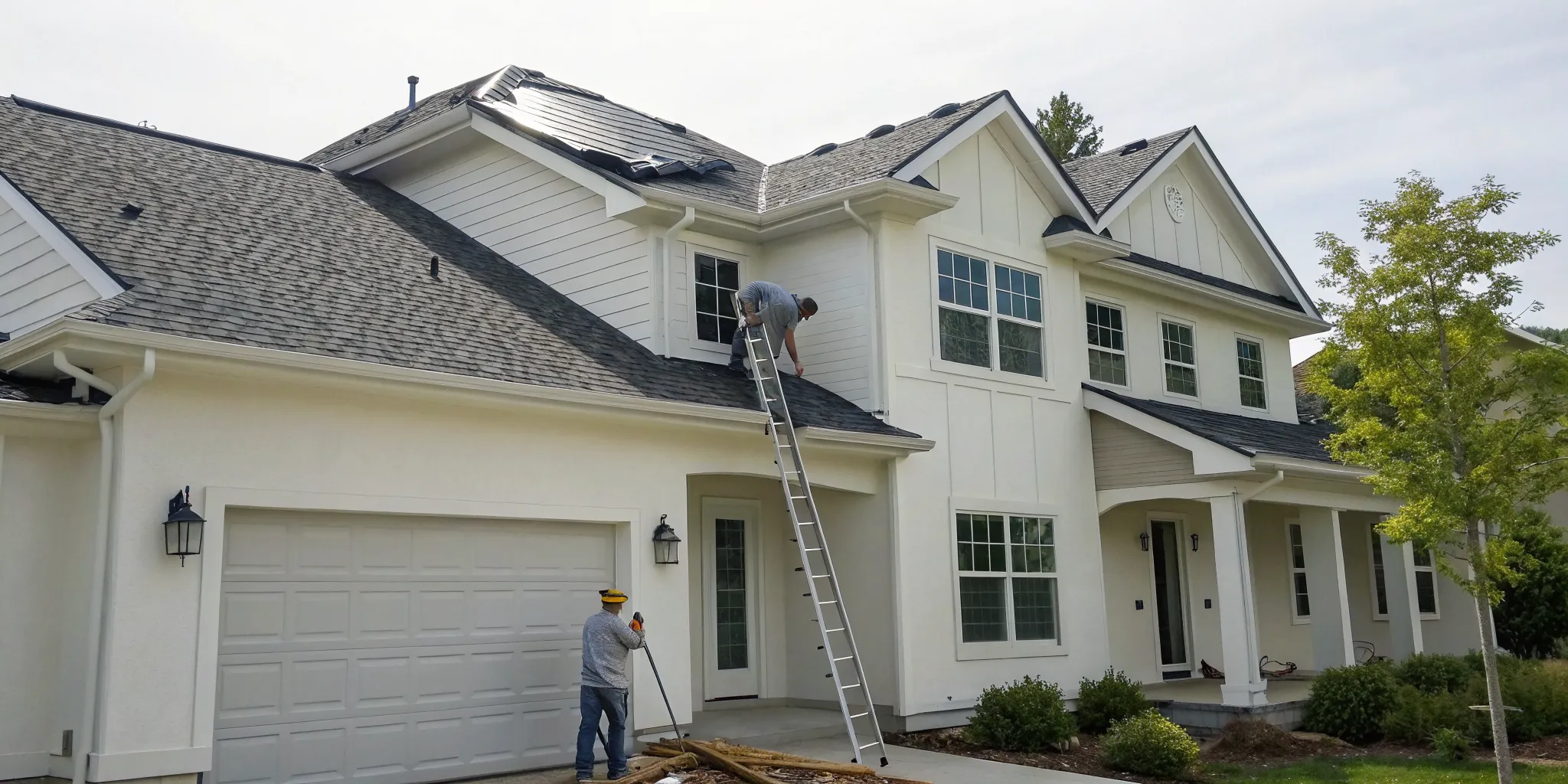
So you found a shingle on your lawn and thought, “It’s just one, what’s the big deal?” It’s a common reaction, but that single missing piece is a serious breach in your roof’s armor. When a roof shingle fell off, it creates a direct path for water to seep into your home’s structure. This can lead to hidden leaks, wood rot, and mold growth in your attic. What starts as a small exterior issue can quickly become a major, expensive interior problem. We’ll show you how to fix it now, preventing that small gap from turning into a significant repair project.
Key Takeaways
- Assess the situation safely from the ground: Before doing anything else, inspect your roof from a safe distance, take photos of the damage for your records, and check inside for any signs of water leaks in your attic or on your ceilings.
- Understand the root cause of the problem: A missing shingle is often a symptom of a larger issue, such as storm damage, advanced age, or even faulty installation. A professional inspection is the best way to accurately diagnose the problem and prevent future shingle loss.
- Prevent future issues with routine care: You can protect your roof by creating a simple maintenance plan that includes annual professional inspections and regular gutter cleaning. This proactive approach helps you find and fix small problems before they become expensive repairs.
A Roof Shingle Fell Off? Here’s Your Action Plan
Finding a shingle lying in your yard can be unsettling. Your first thought might be about the cost and hassle of a roof repair. But before you worry, take a deep breath. A single fallen shingle could be a minor issue or a signal of a larger problem, but a calm, methodical approach will help you figure out your next steps. Acting quickly can prevent a small problem from turning into a major headache. Here’s a practical guide to what you should do right away to assess the situation and protect your home.
Start with a Safe Ground-Level Inspection
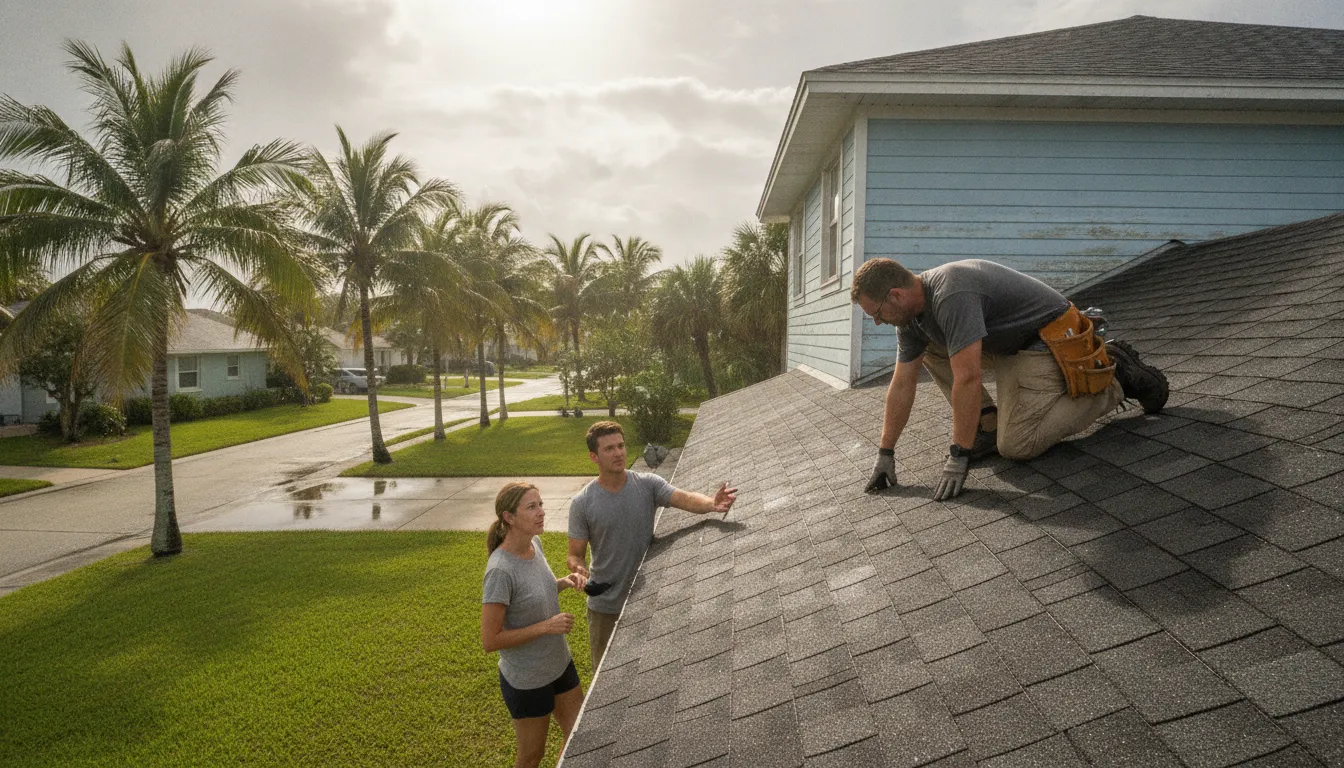
Your safety comes first, so resist the urge to climb on the roof. You can learn a lot from a simple visual inspection from the ground. Grab a pair of binoculars if you have them and look up at the area where you think the shingle came from. Can you see a discolored or exposed patch? Do any of the surrounding shingles look loose, curled, or cracked? A single missing shingle might just be a fluke, but if you see widespread issues, it could point to a more significant problem. This initial check will give you valuable information when you call for professional roofing services.
Grab Your Phone and Document Everything
Once you’ve spotted the problem area, your phone is your best tool. Take clear photos of the fallen shingle, the spot on the roof where it came from (if visible), and any other damaged areas you can see from the ground. Be sure to capture images from a few different angles. This documentation is incredibly useful. These photos create a record of the damage, which is essential if you plan to file an insurance claim. They also give a roofing professional a clear idea of the issue before they even arrive at your home, helping to streamline the repair process.
Don’t Forget to Check Inside for Leaks
A missing shingle is like an open door for water. The next crucial step is to head inside and check for any signs of a leak. Go into your attic and look at the underside of the roof deck directly above the damaged area. Use a flashlight to search for damp wood, dark stains, or active drips. You should also inspect the ceilings in the rooms below for any discoloration, water spots, or peeling paint. Catching a leak early can save you from extensive water and flood damage and the potential for mold growth down the line.
How to Make a Temporary Patch Before a Storm
If there’s rain in the forecast, you need to take temporary action to prevent water from getting inside. If the damaged area is easily and safely accessible, you can cover the exposed spot with a tarp. Secure the tarp with heavy objects or nails to keep it from blowing away. This is not a permanent solution, but it will help keep your home dry until a professional can perform a proper repair. Remember, this is only a stopgap measure. A temporary patch won’t hold up for long against Florida’s weather, so be sure to contact us for a lasting fix.
Why Did My Roof Shingle Fall Off?
Finding a shingle in your yard can be unsettling, but it’s a fairly common issue for homeowners. Shingles don’t just fall off for no reason; there’s always an underlying cause. Understanding what made that shingle come loose is the first step toward finding the right solution and preventing more from following suit. From our intense Florida weather to the simple passage of time, several factors can weaken your roof’s first line of defense. Pinpointing the culprit helps you decide whether you’re looking at a simple repair or a sign of a bigger problem. Let’s walk through the most common reasons your shingles might be giving up their post.
The Impact of High Winds and Storms
Here in St. Petersburg, we’re no strangers to severe weather. Tropical storms and hurricanes bring powerful winds that can easily get underneath a shingle, breaking its adhesive seal and ripping it right off the roof. Even a strong afternoon thunderstorm with winds over 40 mph can be enough to cause damage. Hail is another problem, as it can strike your shingles, weakening them and making them more vulnerable to being torn away by the next gust of wind. After any significant storm, it’s a good idea to do a quick visual check of your roof from the ground. If you see signs of storm damage, getting professional disaster recovery services can help you secure your home quickly.
Was Your Roof Installed Incorrectly?
Sometimes, the problem isn’t the weather but the way the roof was installed in the first place. A shingle roof is a system, and every component needs to be placed correctly for it to work. If the previous installer used too few nails, placed them too high on the shingle, or drove them in at an angle, the shingles won’t be secure. Improperly sealed shingles or incorrectly installed flashing around vents and chimneys can also create weak points. Unfortunately, these installation errors can cause even brand-new shingles to fail prematurely. This is why choosing a licensed and experienced team for your roofing services is so critical for the long-term health of your roof.
Is Your Roof Simply Showing Its Age?
Just like anything else, roofing materials have a lifespan. Most asphalt shingle roofs are designed to last between 15 and 25 years. As your roof ages, the shingles start to break down. The Florida sun beats down on them day after day, causing them to dry out, lose their protective granules, and become brittle. You might notice them starting to curl at the edges or crack. An older, brittle shingle is much more likely to snap and break off in strong winds. If your roof is getting up there in age and you’re starting to lose shingles, it’s often a sign that it’s time to start planning for a replacement.
How Heat and Poor Ventilation Weaken Shingles
Your attic’s health is directly linked to your roof’s durability. An attic without proper ventilation can trap immense amounts of heat and moisture, especially during our hot, humid summers. This trapped heat can essentially bake your shingles from the inside out, causing the adhesive that holds them down to soften and fail. Over time, this constant heat exposure can make the shingles brittle and accelerate their aging process. Good airflow in your attic is essential to keep temperatures down and allow your roofing system to function as it should. A professional roofer can assess your attic’s ventilation during an inspection to ensure it’s not silently damaging your roof.
Nail Pops from Temperature Changes
It might sound strange, but the wood decking of your roof is constantly moving. As temperatures fluctuate here in Florida, the wood expands in the heat and shrinks when it cools. This constant, subtle movement can cause the nails holding your shingles in place to slowly back out, or “pop.” When a nail pops, it pushes the shingle up, breaking the seal and creating a small gap. This makes the shingle loose and an easy target for the next strong gust of wind. Nail pops can also be a sign of moisture in the wood, which is why a professional inspection is so important to identify the true source of the problem before it leads to more widespread shingle loss.
Improper Adhesive Curing on New Shingles
Each shingle has a strip of thermally activated adhesive that’s designed to bond with the shingle below it, creating a solid, wind-resistant surface. This adhesive needs heat from direct sunlight to properly cure and form that seal. If your roof was installed during a cooler, overcast period and a storm rolls in before the shingles have had enough time in the sun, that seal may never fully form. Without a proper bond, the shingles are left vulnerable. Even a moderate wind can get underneath them and lift them off. This is a common issue with new roofs and highlights why the timing and technique of a roof installation are so critical to its long-term performance.
Is It Time to Call a Roofing Pro?
Deciding between a quick DIY fix and calling in a pro can be tricky. While it’s tempting to handle a single missing shingle yourself, getting on a roof comes with real risks. Your safety is always the top priority, and a professional assessment can uncover hidden issues you might not see from the ground. A small, visible problem can sometimes be a sign of a much larger one, like underlying water damage or widespread wear.
Think of it this way: a professional roofer has the training, safety equipment, and experience to do the job right without putting anyone at risk. They can accurately diagnose the problem, from a simple shingle replacement to more complex issues affecting your roof’s structure. Understanding when to make that call is key to protecting your home and your wallet in the long run. Let’s walk through how to assess the damage, prioritize safety, and spot the clear warning signs that mean it’s time to bring in an expert.
How to Assess the Seriousness of the Damage
A single shingle lying in your yard might not seem like a big deal, but it’s your roof’s way of telling you something is wrong. The first step is to figure out if this is a minor issue or a symptom of a bigger problem. If it’s just one shingle and the surrounding area looks intact, it could be a straightforward repair. However, if you spot several missing shingles scattered across the roof, it’s a clear indicator of more significant issues.
Take a look from the ground with binoculars. Do you see other shingles that are cracked, curling, or split? This kind of damage, especially after a storm, suggests your roof needs a thorough professional inspection. An expert can identify underlying problems that aren’t visible from a distance, ensuring a small repair doesn’t turn into a major leak down the road.
Why DIY Roof Repair Is a Risky Idea
Before you even think about pulling out a ladder, let’s talk about safety. Getting on a roof is dangerous, especially if you’re not used to it. A steep pitch, a second-story roof, or even a bit of morning dew can create a hazardous situation. Professional roofers use specific safety equipment, like harnesses and proper footwear, for a reason. Your well-being is far more important than saving a few dollars on a repair.
If your roof is steep or you feel the least bit unsteady on a ladder, the decision is simple: call a professional. There’s no need to risk a serious fall. Even on a low-slope roof, it’s best to have someone with you if you decide to go up. Remember, a professional team can handle the repair safely and efficiently, giving you peace of mind without the personal risk.
Red Flags That Mean You Need an Expert
Some situations are clear-cut and demand a professional’s touch. If you notice any of the following red flags, it’s time to put down the tools and pick up the phone to contact a licensed roofer. Call an expert immediately if you see multiple missing shingles, as this often points to a systemic issue like faulty installation or advanced age. Also, check your gutters for an excessive amount of shingle granules, which look like coarse black sand. This means your shingles are losing their protective layer.
Other non-negotiable signs include visible water damage on your interior ceilings or walls, or if you simply cannot safely access your roof to see the damage up close. These issues go beyond a simple patch and require a comprehensive evaluation to prevent long-term problems like leaks, mold, and structural decay.
When Does a Roof Problem Become an Emergency?
It can be tough to know when a roof issue crosses the line from “I should get that checked” to a full-blown emergency. Here’s a simple rule: if water has a direct path into your home, it’s an emergency. Even one missing shingle can let water into your home, causing rot and damage to your house’s structure. With Florida’s frequent rain, that small opening can quickly lead to significant water intrusion. This moisture can get trapped in your attic and walls, creating the perfect environment for mold to grow, which poses a risk to both your property and your family’s health.
The situation becomes even more urgent if you see multiple missing shingles or any visible water damage inside your home. Dark stains on your ceiling or peeling paint on your walls are clear signs that the problem has already escalated. At that point, you’re not just dealing with a roof repair; you’re facing potential water damage restoration needs. After a severe storm, you should treat any visible roof damage as an emergency to prevent further issues. Our team is ready to provide immediate disaster recovery services to secure your home and prevent a bad situation from getting worse.
Will Insurance Cover a Missing Shingle?
Figuring out your insurance coverage can feel like a puzzle, especially when you’re already stressed about a missing shingle. The short answer is: maybe. Homeowner’s insurance policies vary, but they generally draw a clear line between sudden, accidental damage and problems that arise from a lack of maintenance. Understanding this distinction is the first step in knowing whether you can file a successful claim. It’s always a good idea to review your specific policy, but here are the key factors that typically determine if your insurance will cover the repair.
Storm Damage vs. Wear and Tear: What’s Covered?
The most important factor for your insurance company is the cause of the damage. If a shingle was ripped off by high winds during a hurricane or cracked by hail, your policy will likely cover the repair. This is considered storm damage, which is exactly what homeowner’s insurance is for. However, if your roof is old and a shingle simply fell off due to age and deterioration, that’s usually classified as normal wear and tear. Insurance companies view routine maintenance as the homeowner’s responsibility, so they typically won’t pay for repairs related to an aging roof. After a major storm, it’s wise to have a professional assess the situation to determine the exact cause of the damage.
How to Build a Strong Insurance Claim
If you believe the damage is covered, your next step is to gather evidence. Strong documentation is your best friend when filing an insurance claim. Before you do anything else, take clear, date-stamped photos of the missing shingle and any other visible damage to your roof. Get pictures from different angles, showing both close-up details and the wider context of the roof. If you can safely do so, also photograph any fallen shingles or debris on the ground. Keep a record of the date you first noticed the damage and any relevant weather events that occurred around that time. This proof will be essential for your insurance adjuster.
Tips for a Smooth Meeting with Your Adjuster
Before you pick up the phone to file a claim, take a moment to weigh your options. First, get a professional estimate for the repair costs. Compare that cost to your insurance deductible. If the repair is less than your deductible, it doesn’t make sense to file a claim. You should also consider how a claim might affect your future insurance rates. If you see more than a few missing shingles or a roofer finds widespread damage, you should definitely call your insurance company. Having a detailed report from a trusted roofing professional can also strengthen your position when speaking with the adjuster.
Checking for a Workmanship Warranty
If your roof is relatively new, the problem might not be the weather but the quality of the installation. A shingle roof is a complex system, and if the previous installer cut corners—using too few nails, placing them too high, or failing to seal the shingles properly—it can lead to premature failure. This is where a workmanship warranty comes in. This type of warranty is a guarantee from your roofer that covers defects in their installation. If your missing shingle is a result of poor craftsmanship and your roof is still under this warranty, the original installer should cover the cost of the repair. This is a huge reason why it’s so important to hire a reputable, licensed team for your roofing services, as it ensures your investment is protected against installation errors.
When Insurance Might Deny Your Claim
While storm damage is often covered, insurance companies can deny a claim for a few key reasons. The most common one is ‘wear and tear.’ If your roof is old and a shingle fell off simply because it has reached the end of its life, your insurer will likely classify it as a maintenance issue, which is the homeowner’s responsibility. Another reason for denial is if the damage was caused by faulty installation that was never corrected. Insurance policies are designed to cover sudden and accidental events, not gradual deterioration or pre-existing problems. If you’re unsure about the cause, it’s always best to contact us for a professional assessment before you file a claim. We can help document the true source of the damage.
What Happens If You Ignore a Missing Roof Shingle?
It’s easy to look at one missing shingle and think, “It’s just one, how much trouble can it cause?” But that single gap is like a tiny hole in a raincoat. It might not seem like a big deal at first, but it compromises the entire system designed to keep you dry. Your roof works the same way. Ignoring that small problem allows water, heat, and pests to get in, creating a domino effect that can lead to significant and costly damage throughout your home. Addressing it quickly is one of the smartest moves you can make as a homeowner. It’s about protecting your investment and preventing a minor repair from turning into a major renovation project. Let’s walk through exactly what’s at stake when a shingle goes missing.
The Immediate Risk: Water Damage and Leaks
Think of your roof as a shield. Each shingle is an essential piece of that shield, overlapping with others to create a waterproof barrier. When one is gone, it leaves a vulnerable spot. Rainwater no longer rolls off into your gutters; instead, it can seep into the layers underneath. This initial moisture might seem minor, but it can quickly saturate the underlayment and the wooden roof deck. Over time, this constant exposure leads to warping, cracking, and rot. Before you know it, you’ll see water stains on your ceiling or walls, a clear sign that you have an active leak. What started as a simple exterior issue has now become a serious interior problem requiring professional water damage restoration.
How Leaks Lead to Mold and Structural Problems
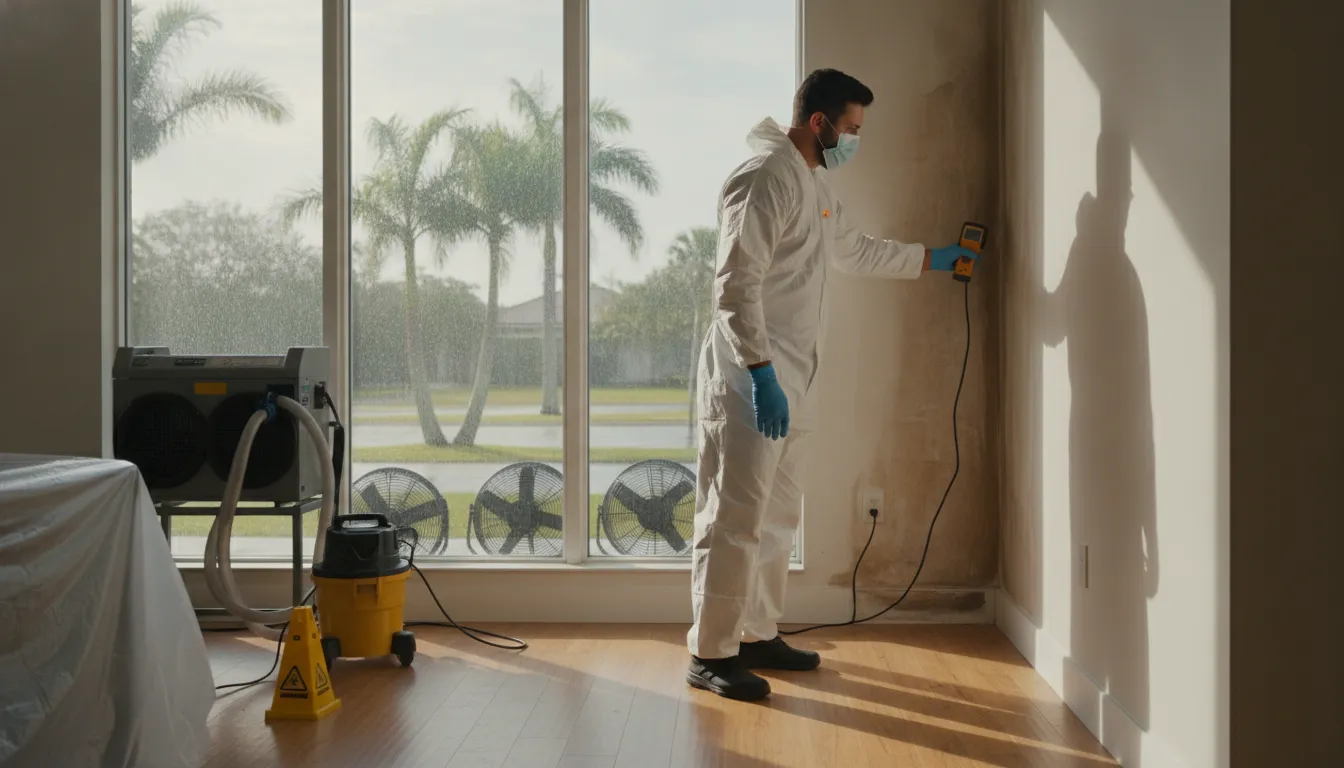
Once water finds its way into your attic and insulation, it creates the perfect environment for mold to grow. Mold thrives in dark, damp spaces, and a leaky roof provides an ideal breeding ground. This isn’t just an aesthetic issue; mold can compromise your home’s air quality and spread quickly, making your home less healthy and energy-efficient. Beyond mold, persistent moisture can cause the wooden framework of your roof to rot, weakening its structural integrity. This slow but steady decay can jeopardize the safety of your entire roof system. If you suspect moisture has led to fungal growth, it’s crucial to seek expert mold remediation to protect your home and family.
How a Small Problem Turns Into a Major Expense
Here’s the bottom line: procrastination is expensive. Replacing a single shingle is a relatively quick and affordable fix. However, letting the problem fester invites a cascade of much larger issues. The cost of repairing interior water damage, remediating a mold infestation, and fixing rotted structural supports will always be significantly higher than the initial repair. In a worst-case scenario, widespread damage to the roof deck could mean you need a full roof replacement, a project that costs thousands of dollars. By acting quickly, you can handle a small problem now and avoid a major financial headache later. Getting a professional assessment of your roofing services needs is the first step toward a cost-effective solution.
An Open Invitation for Pests
That gap in your roof isn’t just a problem when it rains; it’s a welcome mat for pests. Insects, rodents, and even birds are always looking for a safe, sheltered place to build a nest, and the space under your roof deck is prime real estate. Once water seeps in and the wood becomes damp, it becomes even more attractive to destructive pests like termites and carpenter ants. What starts as a missing shingle can quickly lead to an infestation that causes further damage to your home’s wooden structure. Sealing that entry point promptly is your best defense against unwanted critters setting up camp in your attic and walls.
Rising Energy Bills from Poor Insulation
Your roof is a critical part of your home’s insulation system, also known as its thermal envelope. A missing shingle creates a breach in this envelope, allowing the air you pay to cool to escape and the hot, humid Florida air to get in. This forces your air conditioning system to work much harder to maintain a comfortable temperature inside your home. You might not notice it right away, but over time, you’ll see the impact on your monthly energy bills. Fixing that small gap helps keep your home properly insulated, ensuring your AC can run efficiently and saving you money in the long run.
Damage to Your Home’s Value and Curb Appeal
A missing shingle is more than just a functional problem; it’s an eyesore that detracts from your home’s curb appeal. From the street, a patchy roof can make a property look neglected and poorly maintained. This can be a major issue if you ever decide to sell, as a damaged roof is a huge red flag for potential buyers and home inspectors. It suggests that other, more serious problems could be hiding beneath the surface. Protecting your home’s value starts with maintaining its first line of defense. Promptly addressing issues with professional roofing services ensures your home looks great and retains its worth.
Repair vs. Replacement: Making the Call
So, you have a missing shingle. The big question now is whether you’re looking at a simple repair or a full roof replacement. The answer depends on a few key factors: the age of your roof, the extent of the damage, and the underlying cause. A single shingle blown off in a storm on an otherwise healthy roof might just need a quick patch. However, if your roof is older and you’re seeing multiple missing shingles, widespread cracking, or granules collecting in your gutters, it could be a sign of systemic failure. In that case, a replacement is often the smarter long-term investment.
Making this decision can feel overwhelming, but you don’t have to do it alone. A professional inspection is the most reliable way to understand the true condition of your roof. An expert can identify not just the obvious damage but also subtle signs of wear and tear that point to a larger issue. They can assess everything from the shingle integrity to the state of the underlayment and attic ventilation. This comprehensive evaluation gives you the clarity needed to choose the right path forward, ensuring you invest your money wisely and protect your home for years to come. When in doubt, it’s always best to contact a professional for an honest assessment.
Guidelines for When to Repair or Replace
Deciding between a repair and a replacement often comes down to a simple cost-benefit analysis. A repair is usually the right choice if the damage is isolated and your roof is still relatively young. For instance, if you lost one or two shingles in a recent storm but the rest of the roof is in excellent condition, a targeted repair makes the most sense. This approach addresses the immediate problem without the expense of a full replacement. It’s a practical solution for newer roofs that have sustained minor, localized damage.
On the other hand, a replacement becomes the more logical option when the problems are widespread or the roof is nearing the end of its lifespan. If you see several missing shingles scattered across different sections, or if you notice extensive curling, cracking, and granule loss, you’re likely dealing with systemic aging. Simply patching these areas is like putting a band-aid on a much larger wound; you’ll just be calling for another repair in a few months. Investing in a full replacement provides a lasting solution and a fresh start for your home’s most important protector.
Is Your Roof Over 15 Years Old?
The age of your roof is one of the most critical factors in the repair-versus-replace debate. Most asphalt shingle roofs in Florida have a lifespan of about 15 to 25 years. If your roof is approaching or has surpassed this age range, a missing shingle is often a sign that the entire system is beginning to fail. At this stage, the shingles have likely become brittle from years of sun exposure, making them prone to cracking and breaking. While you could repair the single missing spot, it’s highly probable that other shingles will fail soon after. In this situation, a full replacement is often the more cost-effective and reliable long-term solution.
Are More Than 20 Shingles Missing?
If a recent storm has left your roof with significant damage, such as 20 or more missing shingles, a simple repair is no longer a viable option. Losing this many shingles at once indicates a major failure, either from extreme weather or a fundamental flaw in the roof’s installation. Attempting to patch such a large area would be impractical and unlikely to restore the roof’s integrity. This level of damage requires a comprehensive solution, which almost always means a full roof replacement. It’s also a clear signal to seek professional disaster recovery services to assess the full scope of the damage and secure your home properly.
Understanding the Potential Costs
When you’re dealing with a roof issue, cost is naturally a top concern. It’s helpful to think about it in three categories: the cost of a minor repair, the cost of a full replacement, and the potential cost of doing nothing. A minor repair, like replacing a few shingles, is by far the most affordable option and is perfect for addressing small, isolated problems quickly. A full roof replacement is a much larger investment, but it provides a long-term solution for an aging or extensively damaged roof, protecting your entire home for decades.
The third category, however, is the one to avoid at all costs. Ignoring a missing shingle might seem like you’re saving money in the short term, but it almost always leads to far greater expenses down the road. The price of fixing secondary issues like water damage, structural rot, and mold infestations will always be significantly higher than the initial roof repair. By understanding the potential costs, you can make an informed decision that protects both your home and your finances.
Cost of Minor Shingle Repairs
The cost of a minor repair is relatively low, making it an easy decision for small-scale damage. If you only have one or a few missing shingles and the rest of your roof is in good shape, a professional can typically fix the issue quickly. The process involves removing any damaged material, sliding a new shingle into place, and securing it with the proper nailing technique and sealant. This straightforward fix restores your roof’s protective barrier and prevents immediate water intrusion, all without a major financial outlay.
Cost of a Full Roof Replacement
A full roof replacement is a significant home improvement project, but it’s also a valuable investment in your property’s safety and longevity. The cost will vary based on the size of your roof, the materials you choose (like shingle, tile, or flat roofing), and the complexity of the job. While it’s a larger upfront expense, a new roof comes with the peace of mind of a brand-new system and a long-term warranty. When your roof is old or has widespread damage, a replacement is the only way to guarantee your home is fully protected. Our team can provide a clear estimate for all your roofing service needs.
The High Price of Structural Damage
The most expensive scenario is always the one that results from neglect. When a missing shingle is ignored, water intrusion can lead to a cascade of costly problems. You could be looking at extensive water damage restoration for soaked insulation and drywall, professional mold remediation to address fungal growth in your attic, and even structural repairs to replace rotted roof decking and support beams. These secondary damages can easily add up to thousands of dollars, far exceeding the cost of the initial roof fix. Acting quickly is the best way to avoid these major expenses.
How to Prevent Future Shingle Loss
After you’ve dealt with a missing shingle, the last thing you want is a repeat performance. The good news is that you can be proactive about your roof’s health. Taking a few preventative steps can extend the life of your roof, save you money on future repairs, and give you peace of mind, especially when a storm is brewing on the horizon. It’s all about shifting from a reactive mindset to a proactive one. A little maintenance goes a long way in protecting your home from the top down. By staying ahead of potential problems, you can often stop a small issue from turning into a major, costly headache.
Why You Need Routine Professional Inspections
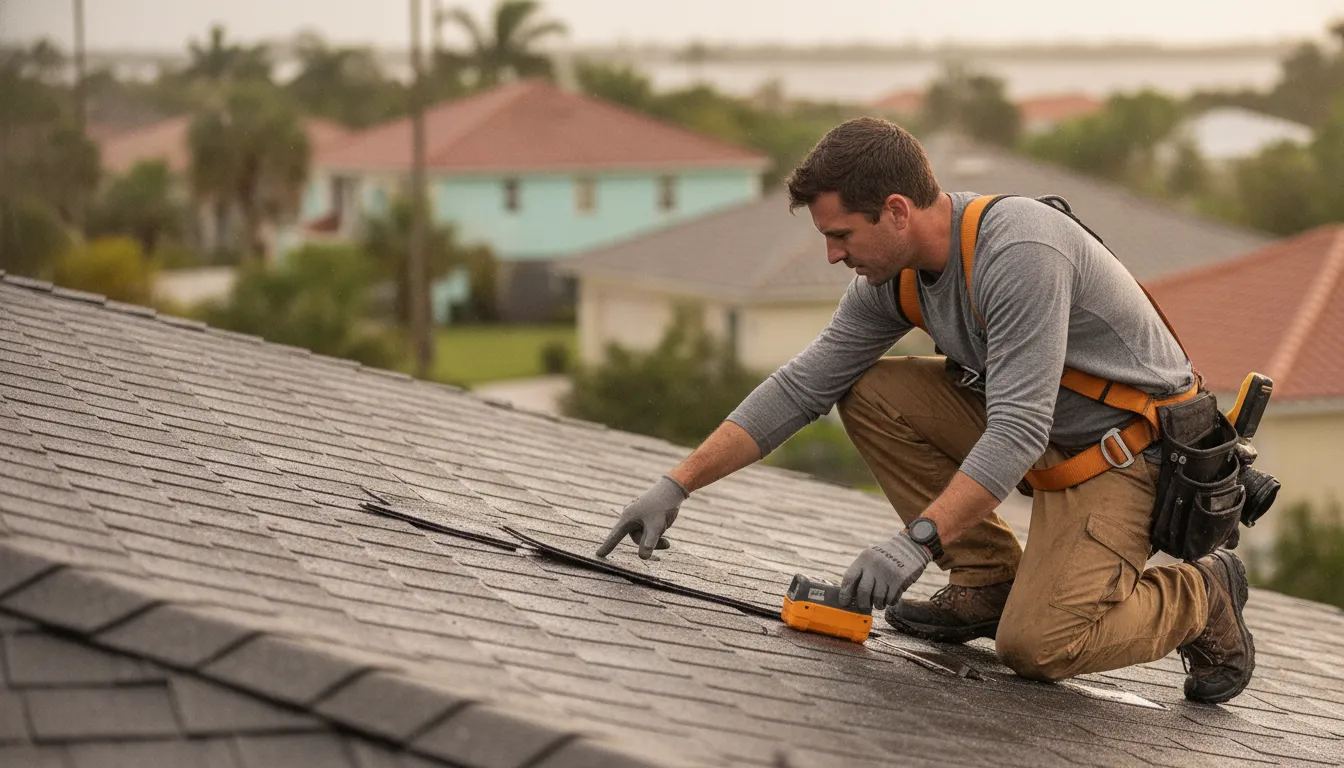
Think of a roof inspection as a wellness check-up for your home. Having an experienced roofer take a look at your roof regularly can help you catch and fix minor damage before it leads to bigger issues, like widespread shingle loss or leaks. A professional knows exactly what to look for, from subtle curling on shingle edges to cracked sealant around vents. They can assess the overall condition of your roof and identify vulnerable spots you might not notice from the ground. Scheduling professional roof inspections at least once a year, and especially after a major hurricane or tropical storm, is one of the smartest investments you can make in your property.
Check Your Attic’s Ventilation System
What happens in your attic doesn’t stay in your attic; it directly affects your roof. Proper attic ventilation is essential because it allows heat and moisture to escape. If your attic gets too hot, it can essentially bake your shingles from the underside, causing them to become brittle and fail prematurely. Likewise, trapped moisture can lead to rot in your roof’s decking, which weakens the grip of the shingle nails. You can help by making sure your vents aren’t blocked by insulation or storage boxes. A professional can also assess whether your current ventilation system is adequate for your home’s needs.
Choosing Shingles Built for Florida’s Climate
Here in Florida, our roofs are up against a lot: intense sun, high humidity, heavy rains, and hurricane-force winds. That’s why selecting the right roofing materials is so important for preventing shingle loss. Some materials are simply better designed to withstand our unique weather conditions. For example, architectural shingles are heavier and more wind-resistant than standard 3-tab shingles. Even the timing of installation matters, as asphalt shingles adhere best when installed in moderate temperatures. When it’s time for a new roof, working with a local contractor who understands the demands of our climate ensures you get a roofing system built to last.
Keep Overhanging Tree Branches Trimmed
Those beautiful, mature trees that provide shade for your yard can also pose a significant threat to your roof. During a storm, a heavy branch can snap and fall, causing immediate and severe damage to your shingles and the structure beneath. But even on a calm day, overhanging limbs can cause problems. As the wind blows, branches can scrape against your roof, slowly but surely wearing away the protective granules on your shingles. This constant friction acts like sandpaper, accelerating the aging process and leaving your shingles vulnerable. Trimming back any branches that hang over your roof is a simple, proactive step to prevent both sudden impact damage and long-term wear and tear.
The Importance of Routine Roof Cleaning
It’s easy to forget about your gutters until they’re overflowing, but keeping them clean is one of the most critical parts of roof maintenance. Gutters are designed to channel water away from your home, but when they get clogged with leaves, pine needles, and other debris, they can’t do their job. Water backs up, spilling over the sides and potentially seeping under the edge of your roof. This trapped moisture can rot the roof decking and fascia boards, creating the perfect conditions for shingle failure. Keeping your roof and gutters clear of debris ensures that water flows freely, preventing the kind of water buildup that can lead to costly water damage and compromise your roof’s integrity.
How to Create an Easy Maintenance Schedule
A roof maintenance schedule doesn’t have to be complicated. You can protect your roof with a few simple, seasonal habits. Make it a point to clean your gutters twice a year, typically in the late spring and late fall, to clear out any accumulated debris. Once a year, take a walk around your property and assess your trees, scheduling a trim for any branches that are getting too close to the house. Most importantly, schedule a professional inspection annually. An expert can spot subtle signs of wear and potential issues you might miss. After a major storm, it’s also a good idea to have a professional give your roof a once-over. This simple routine is the best way to catch problems early and ensure your roof is always ready to protect your home. When you’re ready for a professional check-up, you can contact us to schedule an inspection.
How to Find the Right Roofer in St. Petersburg
Choosing a roofing contractor can feel like a big decision, especially when you’re dealing with unexpected damage. You want someone reliable, honest, and skilled to protect your home. The good news is that finding the right professional in St. Petersburg is straightforward when you know what to look for. It’s all about asking the right questions and partnering with a local team that understands Florida’s unique challenges.
What Makes a Great Roofing Contractor?
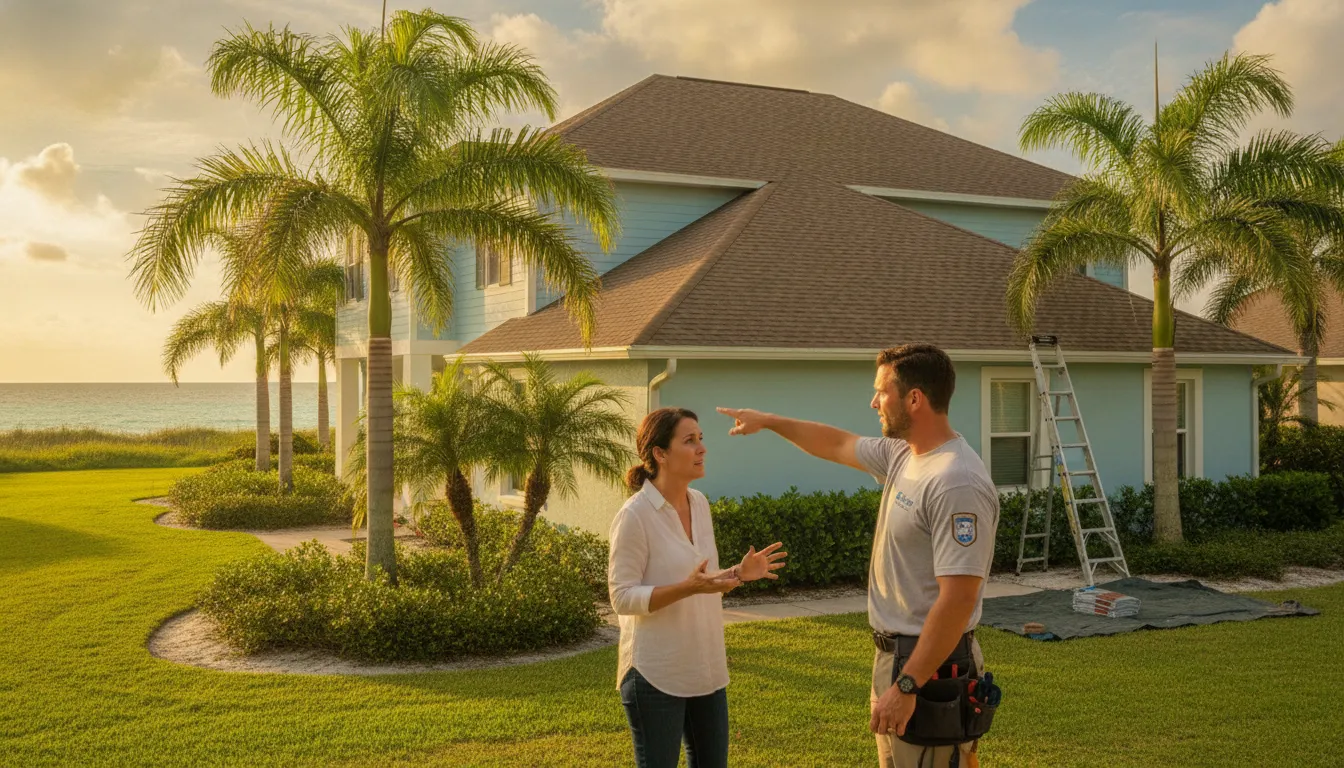
First things first, a reputable roofer should be fully licensed and insured. This protects you from liability and ensures they meet state standards. Look for a contractor with a strong local presence and positive reviews from your St. Pete neighbors. Experience matters, especially in Florida, where roofs face intense sun, heat, and hurricane-force winds. A professional will also prioritize safety. They have the right equipment and training to inspect your roof properly, which is crucial if it’s steep or you can’t safely check it yourself. A great contractor offers comprehensive roofing services, from minor repairs to full replacements.
Questions to Ask Every Potential Roofer
Before you commit, have a few key questions ready. Ask for proof of their license and insurance. Inquire about their experience with your specific type of roof, whether it’s shingle, tile, or flat. It’s also wise to ask for a detailed written estimate that breaks down the costs for labor and materials. Be cautious of roofers who show up at your door unannounced, especially after a storm. It’s always better to find a trusted company through research or a recommendation. A reliable roofer will be happy to answer your questions and provide references, so don’t hesitate to contact us to get the conversation started.
How to Check a Roofer’s Credentials
Many homeowners don’t notice roof damage until a leak appears inside, but by then, the problem is often much bigger. That’s why having a trusted local roofing partner is so important. A local expert understands how St. Petersburg’s weather affects your home and can offer proactive solutions to prevent small issues from becoming major expenses. At Go Time Restoration, we are committed to helping Florida property owners with expert roof repair, replacement, and ongoing maintenance. Think of us as your go-to team for everything from a single missing shingle to emergency disaster recovery services when you need them most.
Your Simple Long-Term Roof Protection Plan
Taking care of your roof isn’t just about reacting to problems like a missing shingle. It’s about having a proactive plan to protect your home and your wallet. A little bit of planning can prevent small issues from turning into major headaches, especially with Florida’s unpredictable weather. Creating a long-term protection plan helps you stay ahead of wear and tear, catch potential problems early, and extend the life of your roof. Think of it as routine healthcare for your home’s most important shield.
A solid plan doesn’t have to be complicated. It involves a simple maintenance schedule you can follow and knowing exactly when a situation calls for professional help. By understanding what to look for and who to call, you can handle anything from a single lost shingle to post-storm cleanup with confidence. The goal is to keep your roof in top condition year-round, ensuring it’s always ready to stand up to the sun, wind, and rain. Our team provides expert roofing services that can form the foundation of your home protection strategy.
How to Create an Easy Maintenance Schedule
A great roof protection plan starts with a simple, consistent maintenance routine. First, schedule a professional roof inspection once a year, and always after a major storm passes through. This helps you spot hidden damage before it worsens. Second, keep your gutters clean. Clogged gutters cause water to back up and seep under your shingles, leading to rot and leaks. Finally, you can perform your own visual checks from the ground. Use a pair of binoculars to safely look for cracked, curling, or missing shingles without having to climb a ladder.
When Does a Roof Problem Become an Emergency?
Some situations require immediate professional attention. If you spot a missing shingle, it’s time to call for help, especially if your roof is steep or you can’t safely assess the damage yourself. A quick repair now can save you from much bigger and more expensive problems later on. Waiting can allow water to penetrate your roof’s underlayment, leading to leaks, mold, and structural damage. It’s always cheaper to fix a small problem today than a major one tomorrow, so don’t hesitate to contact us for a timely and professional repair.
Related Articles
Frequently Asked Questions
Is one missing shingle considered an emergency? While it might not require a middle-of-the-night call, a missing shingle does need your immediate attention. Think of it as a serious warning sign. The gap leaves your roof’s underlayer exposed to rain and sun, which can quickly lead to water damage inside your attic or home. The best approach is to take photos, check for interior leaks, and call a professional for an assessment right away to prevent a small issue from becoming a major, costly problem.
Can I just repair a single missing shingle myself? It can be tempting to grab a ladder and try a quick fix, but roofing work is best left to professionals for safety reasons. Roofs can be steep and slippery, and a fall can be serious. Beyond the risk, a professional roofer can do more than just replace the shingle; they can identify why it came loose in the first place, check for less obvious surrounding damage, and ensure the new shingle is sealed correctly to withstand Florida’s weather.
My roof isn’t that old. Why would a shingle fall off? Age is a common reason for shingle failure, but it’s definitely not the only one. Here in Florida, high winds from a strong thunderstorm or tropical storm can easily lift and tear off even newer shingles. Another frequent cause is faulty installation. If the original roofer didn’t use the correct number of nails or placed them improperly, the shingles won’t have the holding power they need to stand up to the elements.
Is it worth filing an insurance claim for just one or two missing shingles? This really depends on your insurance deductible. The first step is to get a professional estimate for the repair cost. If the cost is less than your deductible, it makes more sense to pay for the repair out of pocket. Filing a small claim may not be worth it in the long run. However, if a roofer inspects the roof and finds widespread damage from a recent storm, then contacting your insurance company is absolutely the right move.
What’s the best way to prevent this from happening again? The most effective strategy is proactive maintenance. The best thing you can do is schedule a professional roof inspection once a year and always after a major storm. An expert can spot and fix small issues, like loose shingles or cracked sealant, before they fail. You can also help by keeping your gutters clean, as clogged gutters can cause water to back up and damage the roof deck, weakening the entire system over time.