Assuming your insurance policy covers mold is a common—and often costly—mistake. The hard truth is, coverage depends entirely on what caused the mold in the first place. Insurance is designed for sudden, accidental events, like a burst pipe, not problems from deferred maintenance or a gradual leak. This distinction is critical because it determines whether you’ll receive financial help or be left with the entire bill. Understanding this difference is the key to knowing who pays for mold remediation. We’ll walk you through the fine print, explain what’s covered, and outline the steps for filing a claim.
Key Takeaways
- Know the cause of the mold: Insurance coverage and who pays for cleanup almost always depend on whether the moisture came from a sudden accident or a long-term maintenance issue. Documenting the source is key to a successful insurance claim.
- Hire a professional for effective removal: DIY cleaning can spread spores and often fails to fix the underlying moisture problem. A professional team can safely contain and eliminate mold, address the root cause, and provide the necessary proof for your insurance claim.
- Prevent mold by controlling moisture: The best way to avoid costly remediation is to stop mold before it grows. Stay on top of home maintenance, fix leaks as soon as you spot them, and use fans or dehumidifiers to keep your home dry.
What Exactly Is Mold Remediation?
When you discover mold in your home, your first instinct might be to grab a bottle of bleach and start scrubbing. While that’s understandable, it’s important to know that true mold removal is much more involved. Mold remediation is the complete process of finding, containing, and eliminating mold growth while also addressing the source of the moisture that allowed it to grow in the first place.
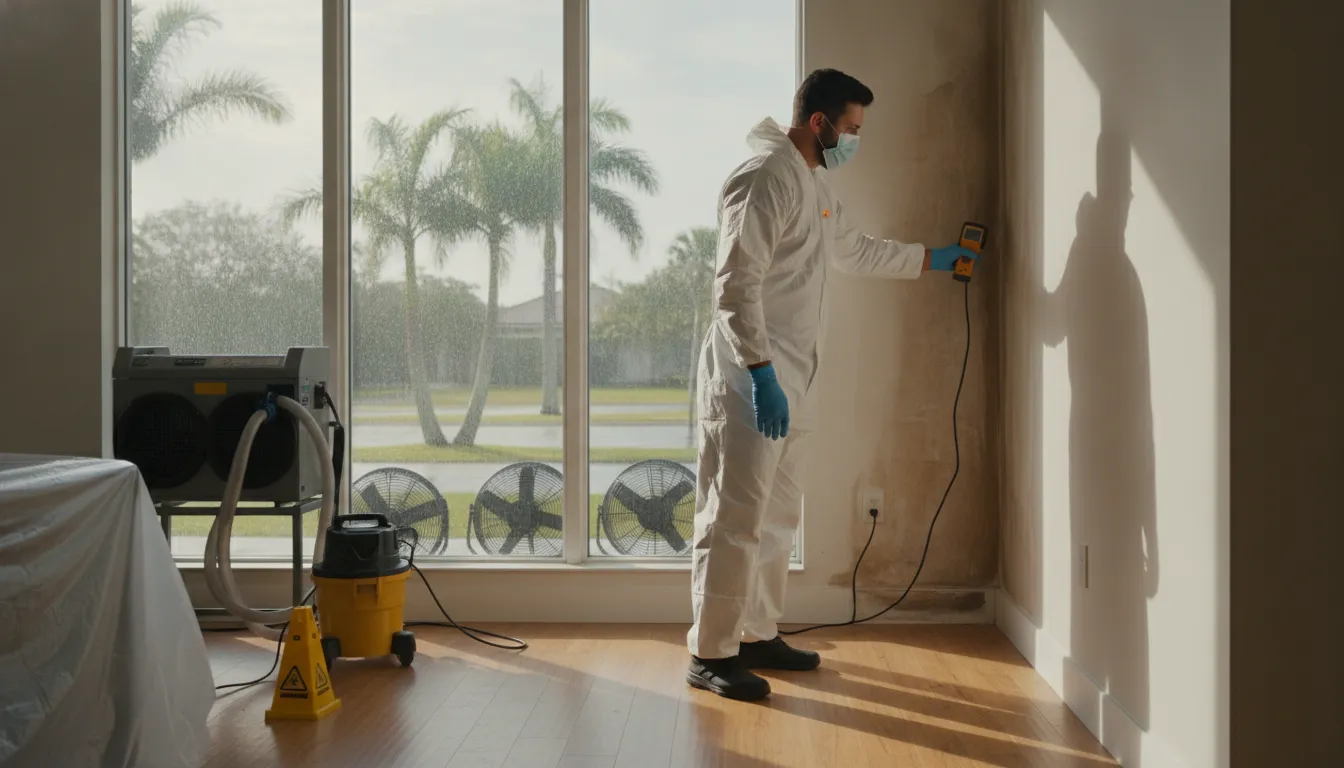
Think of it less as a simple cleaning job and more as a multi-step restoration project. A professional remediation process includes containing the affected area to prevent spores from spreading, removing contaminated materials like drywall or insulation, cleaning and disinfecting the remaining surfaces, and ensuring the area is completely dry. The goal isn’t just to get rid of the visible mold; it’s to make your home safe and prevent the problem from coming back.
The Goal of Remediation: Control, Not Elimination
It’s a common misconception that mold remediation sterilizes your home, removing every last spore. The truth is, mold is a natural part of our environment, and its spores are everywhere, both indoors and out. The actual goal of professional remediation is control, not total elimination. According to the Environmental Protection Agency (EPA), it’s impossible to get rid of all mold and mold spores indoors. Instead, a successful remediation project brings the mold levels in your home back to a normal, safe baseline. It focuses on removing the visible, active growth and, most importantly, fixing the moisture issue that fueled it. This ensures the problem doesn’t return, protecting your home and your family’s health from excessive mold exposure.
Mold vs. Mildew: What’s the Difference?
You might hear the terms “mold” and “mildew” used interchangeably, but they aren’t the same thing. Both are types of fungi that love damp environments, but they differ in appearance and impact. Mildew is typically a surface fungus, appearing as a flat, powdery patch that’s gray or white. You often find it on shower curtains or damp windowsills, and it can usually be cleaned with household products. Mold, on the other hand, is more invasive. It often looks fuzzy or slimy and can be black, green, or other colors. It penetrates deeper into materials like drywall and wood, causing structural damage and posing more significant health risks. Understanding this difference is key to knowing when a simple cleanup will suffice versus when you need professional help.
How Quickly Can Mold Spread?
One of the most alarming things about mold is how quickly it can take over. In the right conditions—meaning moisture and a food source like drywall or wood—mold can begin to grow and spread in as little as 24 to 48 hours. A small, undiscovered leak from a pipe or a roof can quickly escalate into a widespread contamination problem that affects multiple areas of your home. This rapid growth is why immediate action is so critical. The longer you wait, the more extensive the damage becomes, and the more complex the remediation will be. If you’ve experienced any kind of water and flood damage, addressing it right away is the best way to prevent a major mold headache down the line.
Is Mold Making You Sick?
Mold is more than just an ugly spot on the wall; it can have a real impact on your well-being. One of the most common health effects of mold exposure is respiratory problems. For people with asthma or allergies, mold spores can trigger attacks and worsen symptoms. Even if you don’t have a pre-existing condition, you might experience allergic reactions like sneezing, a runny nose, red eyes, or a skin rash. Because mold spores are a prevalent indoor allergen, they can circulate through your home’s air system, making it difficult to find relief. Long-term exposure can lead to more persistent issues, which is why addressing a mold problem quickly is so important for your family’s health.
Health Risks to Your Family and Pets
It’s not just your own health on the line; mold can affect everyone under your roof, from your children to your pets. You might notice persistent allergy-like symptoms like coughing, sneezing, watery eyes, or even unexplained headaches and skin rashes. These issues can be especially tough on family members with asthma or compromised immune systems. Your pets are also vulnerable and can suffer from similar respiratory and skin problems. Since these symptoms can easily be mistaken for a common cold, the true cause is often overlooked. If your family—two-legged or four—is dealing with ongoing health complaints, it’s a strong signal that you might need professional attention to address a hidden mold problem.
How Mold Damages Your Home’s Structure
Beyond the health concerns, mold poses a serious threat to the structural integrity of your house. Mold feeds on organic materials, which means it can eat away at things like wood, drywall, and even wallpaper. As it grows, it weakens these materials, which can lead to significant structural damage over time. The root of the problem is almost always moisture. Building defects, especially water infiltration from leaks in the roof or plumbing, create the damp environment mold needs to thrive. That’s why a small, untreated leak can quickly become a major mold infestation, compromising your home from the inside out. Addressing any water and flood damage promptly is the best way to protect your property.
Signs of Hidden Mold Behind Walls
Just because you can’t see mold doesn’t mean it isn’t there. It often thrives in hidden places like behind drywall, under floorboards, or in your attic. One of the biggest clues is a persistent, musty smell that you can’t seem to locate. You should also keep an eye out for physical signs on your walls, such as bubbling or peeling paint, discoloration or dark spots, and even warping. These are all red flags that moisture has gotten trapped, creating a perfect breeding ground for mold. If you notice any of these issues, especially after a leak or water event, it’s a strong indicator that a bigger problem is lurking out of sight. Since even a small patch of visible mold can signal a much larger, hidden colony, it’s important to investigate these signs right away to address potential health effects and protect your home.
Who Pays for Mold Remediation?
Figuring out who is financially responsible for mold cleanup can feel complicated, but it usually comes down to what caused the mold in the first place. Whether you’re a homeowner, landlord, or tenant, understanding your role is the first step. The source of the moisture problem is the biggest clue. Once you know the cause, you can determine who needs to arrange and pay for professional mold remediation to make the property safe again.
When You’re Responsible as the Homeowner
As a homeowner, you are generally responsible for the cost of mold removal, especially if the mold grew because of deferred maintenance. For example, if a slow leak under your sink that you knew about causes a mold problem, the cleanup costs will likely fall on you. However, your homeowner’s insurance might cover the cost if the mold is the result of a sudden, covered event, like a burst pipe or a washing machine overflow. It’s important to know that even with a covered claim, most policies have a limit, often between $1,000 and $10,000, for mold-related damages.
When Your Landlord Is on the Hook
Landlords have a duty to provide a safe and habitable living space, which includes keeping the property free of mold. In most situations, the landlord is responsible for paying for mold remediation. This applies if the mold is caused by a structural issue, an accident, or a problem you reported that wasn’t addressed in a timely manner. For instance, if a leaky roof leads to mold growth in your apartment, your landlord is expected to handle the cleanup. Keeping a record of communication about any leaks or water issues is always a smart move.
When You’re Responsible as the Tenant
While landlords are usually responsible, there are times when a tenant might have to cover the cost of mold remediation. This typically happens if the tenant’s actions or negligence led to the mold growth. For example, if you consistently let your bathroom stay damp without proper ventilation or fail to report a leak you caused, you could be held responsible for the resulting mold. The key is communication. Always let your landlord know about any signs of water damage as soon as you spot them to prevent bigger problems down the road.
Does Insurance Cover Mold Remediation?
Figuring out if your insurance will cover mold removal can feel complicated, but it usually comes down to one key question: what caused the mold in the first place? Insurance policies are very specific about what they will and won’t pay for. Understanding these details can help you know what to expect when you file a claim.
Generally, if the mold is a direct result of a sudden, covered event, you have a good chance of getting the remediation costs covered. However, if the mold grew over time due to maintenance issues or neglect, you will likely have to pay for the cleanup yourself. Let’s break down what this means for homeowners and renters.
What Your Homeowners Insurance May Cover
Your homeowners insurance policy may pay for mold remediation, but only if the mold was caused by a “covered peril.” This means a sudden and accidental event that your policy already covers. Think of things like a burst pipe, a malfunctioning washing machine that floods the laundry room, or water damage from extinguishing a fire. In these cases, the mold is seen as a consequence of the initial covered incident.
It’s important to check your policy for coverage limits. Even if your claim is approved, many insurance companies cap the amount they will pay for mold removal, often between $1,000 and $10,000. You would be responsible for any costs that exceed this limit.
What Your Renters Insurance May Cover
If you’re a renter, you typically aren’t responsible for paying for mold cleanup. That responsibility usually falls to your landlord, especially if the mold resulted from building problems, accidents, or issues you reported that weren’t fixed in a timely manner.
However, there are exceptions. You could be held responsible for the cost if the mold grew because of your own carelessness or if you failed to notify your landlord about a water leak or other moisture problem. The key is to report any water issues immediately to protect yourself and the property.
Common Mold Insurance Myths to Avoid
Many homeowners are surprised to learn what their insurance doesn’t cover. Policies almost always exclude mold caused by long-term issues or lack of maintenance. This includes mold from a slow, dripping faucet you never fixed, humidity from poor ventilation, or water seeping in through poorly sealed windows. Insurance companies view these situations as preventable.
Similarly, damage from general flooding is not covered by a standard homeowners policy; you would need separate flood insurance for that. If you discover mold and suspect it’s from a gradual leak or maintenance issue, it’s best to contact a professional for damage restoration services to assess the situation.
Common Reasons Your Mold Claim Could Be Denied
Figuring out your insurance policy can feel like a puzzle, especially when it comes to mold. While many policies offer some level of coverage, they almost always come with specific exclusions. Knowing what isn’t covered is just as important as knowing what is. It helps you set realistic expectations and take the right steps to protect your property before a problem starts. Let’s walk through some of the most common reasons a mold claim might be denied.
Issues from Poor Maintenance or Neglect
Insurance policies are designed to cover sudden and accidental damage, not issues that arise from a lack of upkeep. If mold growth is traced back to a long-term problem you were aware of but didn’t fix, your claim will likely be denied. This could be a slow-leaking pipe under the sink you never repaired or persistent humidity from poor ventilation. An old, poorly maintained roof that lets moisture in is another common culprit. Insurers expect homeowners to perform regular maintenance to keep their property in good condition, so staying on top of repairs is your first line of defense.
Understanding Your Coverage Limits
Even when your mold claim is approved, you might discover your policy has a coverage limit. This is a cap on the total amount the insurance company will pay for mold remediation, and it’s often between $1,000 and $10,000. If the cost to remove the mold and repair the damage exceeds this limit, you are responsible for paying the difference out of pocket. It’s so important to read your policy documents carefully to understand what your specific limits are. This detail can make a huge difference in your financial planning if you ever have to file a claim.
Mold Caused by Floods or Storms
This is a big one, especially here in Florida. Standard homeowners insurance policies do not cover damage from flooding. That means if a hurricane or heavy storm causes flooding that leads to mold, your standard policy won’t cover the remediation. You would need a separate flood insurance policy. Even then, coverage isn’t guaranteed. The National Flood Insurance Program may cover mold if the flood damage itself is a covered event and you took immediate action to dry out your home and prevent mold growth. When facing widespread water damage, professional disaster recovery services can help you act quickly.
How Much Does Mold Remediation Cost?
When you discover mold, one of the first questions that comes to mind is, “How much is this going to cost?” The truth is, there’s no simple answer. The price for professional mold remediation can range from a few hundred dollars for a small, contained spot to tens of thousands for a widespread problem. The final cost depends entirely on your specific situation.
The size of the mold growth, where it’s located in your home, and the types of materials affected all play a significant role in the final bill. A small patch on your bathroom tile is a much different project than a colony that has spread through your drywall and into your HVAC system. The complexity of the job, the equipment needed, and the level of containment required will all be factored into the quote you receive. Understanding these variables can help you get a clearer picture of the potential costs and prepare for the mold remediation process. It’s not just about cleaning what you can see; it’s about safely removing the contamination and addressing the moisture issue that caused it in the first place. Below, we’ll break down the factors that influence the price, provide some average cost estimates, and highlight some hidden expenses to keep on your radar so you can feel more prepared.
What Factors Influence the Cost?
Several key factors determine the cost of a mold remediation project. The most obvious is the size of the affected area; the more square footage the mold covers, the more labor and materials are required. The location also matters. Mold in an open, accessible area like a basement floor will be less expensive to treat than mold hidden inside walls or ductwork, which requires demolition and more complex containment. The type of material the mold is growing on is another major factor. Non-porous surfaces like glass or metal can often be cleaned, while porous materials like drywall, carpet, and insulation usually need to be removed and replaced.
Average Remediation Costs by Area Size
While every job is unique, looking at average costs can give you a general idea of what to expect. For a small, isolated area, you might pay between $500 and $1,500. If the mold is confined to a crawl space or attic, the cost typically ranges from $2,000 to $6,000. When mold has spread extensively and caused widespread structural damage, the price can easily climb into the $10,000 to $30,000 range or even higher. These figures generally cover the cost of containing the area, removing the mold, and cleaning the air. Remember, these are just estimates, and the only way to know for sure is to get a professional assessment.
Hidden Costs to Keep on Your Radar
When you budget for mold remediation, it’s easy to focus on the cost of removal itself, but there are often other expenses to consider. The biggest one is usually repairs. If mold was growing on porous materials like drywall, insulation, or carpet, those items will need to be torn out and replaced. Depending on the extent of the damage, this could mean rebuilding walls, laying new flooring, or even repainting. Another potential cost is addressing the original moisture source. If a leaky roof or faulty plumbing caused the mold, you’ll need to pay for those repairs to prevent the problem from returning. It’s wise to factor these potential roofing or plumbing repairs into your overall budget from the start.
Why You Shouldn’t DIY Mold Removal
Tackling a mold problem yourself might seem like a way to save money, but it often ends up costing more in the long run. Without the proper training and equipment, you can easily make the problem worse. Scrubbing mold can release millions of spores into the air, spreading the contamination to other parts of your home. You also risk exposing yourself to harmful mycotoxins. Professional remediation teams use specialized containment methods, air scrubbers, and protective gear to safely eliminate the mold and ensure it doesn’t come back. They also have the expertise to find and fix the underlying moisture issue, which is the key to a permanent solution. When it comes to mold, calling a professional is the safest and most effective choice for your home and family.
Watch Out for These Hidden Costs
The estimate for mold removal often doesn’t include everything. One of the biggest additional expenses is the cost of repairing the source of the moisture. Whether it’s fixing a leaky pipe or getting a full roof replacement, you have to stop the water to prevent the mold from returning. Another cost to consider is reconstruction. Since remediation often involves removing contaminated drywall, flooring, or cabinetry, you’ll need to budget for rebuilding those areas. It’s also important to check your insurance policy for coverage limits. Many policies cap mold damage payouts at $1,000 to $10,000, leaving you to cover the rest.
Waste Disposal Fees
When you’re dealing with mold, you can’t just toss contaminated materials like drywall or carpet into your regular trash bin. These items are often considered hazardous waste and require special disposal to prevent spores from spreading and to comply with local regulations. This is a necessary step that adds to the overall project cost. A professional team handles the safe bagging, removal, and proper disposal of all contaminated debris as part of their mold remediation service. This ensures the process is handled correctly from start to finish, giving you one less thing to worry about.
Temporary Housing
Depending on the scale and location of the mold, it might not be safe for you to stay in your home during the remediation process. If the mold is in your kitchen, main bathroom, or bedrooms, or if the contamination is extensive, you’ll likely need to find temporary housing. The cleanup process can be disruptive, involving containment barriers and loud equipment. You’ll need to budget for a hotel or other accommodations for your family and pets. It’s worth checking your homeowners insurance policy for “loss of use” coverage, as it might help with these expenses, but it’s never a guarantee.
Post-Remediation Clearance Testing
After the remediation crew has finished their work, how can you be sure the mold is truly gone? This is where post-remediation clearance testing comes in. This final step involves hiring an independent industrial hygienist to test the air and surfaces in the treated area. It’s the only way to scientifically verify that the mold has been successfully removed and that the air quality has returned to a safe level. While it is an additional expense, this verification provides crucial peace of mind and is often required to close out an insurance claim or for real estate transactions. A reputable restoration company will always recommend this step to confirm their services were effective.
Beware of Inflated Estimates and Sales Tactics
When you’re stressed about a mold problem, the last thing you need is to worry about being overcharged. Unfortunately, some companies use high-pressure sales tactics or provide inflated estimates, taking advantage of a homeowner’s urgency. It’s not unusual to see wildly different quotes for the same job—some homeowners have received estimates ranging from $20,000 to over $60,000 for a single project. To protect yourself, always get at least three detailed estimates from different licensed and insured companies. This helps you get a baseline and spot an outlier. For context, the average cost for mold removal is typically between $592 and $2,378, so an extremely high quote should be a red flag. Be wary of anyone who pressures you to sign a contract on the spot. A trustworthy professional will give you a clear, itemized quote and the space to make an informed decision. For a transparent assessment you can rely on, contact a trusted team to understand the true scope of your project without the sales pressure.
How to Get Your Mold Claim Approved
Getting your mold claim approved often comes down to one key question: what caused the mold in the first place? Most standard homeowner’s insurance policies don’t have a blanket “mold coverage” clause. Instead, they cover mold damage if it’s the result of a specific, covered event, often called a “covered peril.” This means if a burst pipe floods your kitchen and mold grows as a result, your policy will likely cover the cleanup. However, if the mold grew slowly over time due to high humidity or a long-neglected leak, you’ll probably have to pay for the remediation yourself.
Understanding your policy is the first step. Every policy is different, so it’s a good idea to review yours or speak with your insurance agent to understand your specific coverage limits and exclusions. Knowing what to expect can help you prepare a stronger claim and get the support you need. If you’re dealing with a sudden water event, getting professional help quickly can make all the difference in preventing mold growth and strengthening your insurance claim.
The Difference Between Sudden and Gradual Damage
Insurance providers draw a clear line between sudden, accidental damage and problems caused by poor maintenance. Your policy is designed to protect you from unexpected events. Think of a broken washing machine hose that floods the laundry room or water damage from extinguishing a fire. If mold grows as a direct result of these types of incidents, your insurance is likely to cover the mold remediation.
On the other hand, insurers usually won’t cover mold that stems from a lack of maintenance. This includes issues like a slow-leaking faucet you never fixed, condensation buildup from poor ventilation, or water seeping in through poorly sealed windows. These are considered preventable, and the responsibility for cleanup typically falls on the homeowner.
Why Your Documentation Is Crucial
To get your claim approved, you need to prove the mold was caused by a covered event. This is where documentation becomes your best friend. As soon as you discover the problem, start taking clear photos and videos of the water damage and any visible mold. Write down a detailed timeline of what happened, including when you discovered the leak or water issue and when you first noticed the mold.
This evidence is crucial for building a strong case with your insurance adjuster. The more detailed your records are, the easier it is to connect the mold directly to a sudden, covered incident. Keep all your notes, photos, and any receipts for initial repairs organized in one place to support your claim and show you’ve acted responsibly.
File on Time or Risk Denial
Once you’ve documented the damage, don’t wait to file your claim. Most insurance policies have rules about how quickly you need to report an incident. Waiting too long can give the insurance company a reason to argue that the damage worsened due to your delay. Promptly filing a claim shows you are taking the issue seriously.
It’s also important to avoid cleaning up the mold yourself before the insurance adjuster has a chance to inspect the area. Disturbing the scene could jeopardize your claim. Instead, your first call should be to a professional restoration team. We can assess the damage, help you with documentation, and take immediate steps to prevent the mold from spreading while you contact us and your insurance provider.
What to Do if Your Insurance Claim Is Denied
Receiving a denial letter from your insurance company can feel like a major setback, especially when you’re already dealing with the stress of mold in your home. But it’s important to know that a denial isn’t always the final word. You have options and clear steps you can take to challenge the decision or find other ways to manage the cost of remediation. Taking a calm, organized approach is the best way to move forward and get the help you need to make your home safe again.
How to Appeal a Denied Claim
The first step is to formally appeal the insurance company’s decision. Start by carefully reading your denial letter to understand exactly why the claim was rejected. The reason they provide is the specific point you’ll need to address in your appeal. Once you understand their reasoning, contact your insurance agent to begin the official appeals process. They will guide you on the required steps, which usually involve writing a formal letter and submitting it with any new evidence you have. Remember, if the mold was caused by a covered peril, like a sudden pipe burst, you have a strong foundation for an appeal.
Gather Evidence from Professionals
A successful appeal often comes down to having solid proof. Your goal is to clearly show that the mold resulted from a specific, covered event. This is where professional documentation becomes essential. Having a certified mold remediation team assess the situation can provide the evidence you need. A professional report, complete with photos and detailed findings about the source and scope of the mold, can directly counter the insurer’s reason for denial. This expert assessment demonstrates the seriousness of the issue and links it back to a covered cause, strengthening your case significantly.
Exploring Other Ways to Pay
If your appeal is denied or if you discover your policy truly doesn’t cover mold, you still have other avenues for financial help. For mold damage caused by a major storm or declared disaster, you may be eligible for federal assistance. FEMA’s Individuals and Households Program can sometimes provide funds to homeowners for disaster-related mold cleanup and repairs. Additionally, many restoration companies offer financing options to help you manage the out-of-pocket costs. This allows you to pay for the necessary remediation over time, ensuring you don’t have to delay making your home healthy and safe.
Government Grants and Small Loans
If your insurance appeal doesn’t go through, don’t lose hope. You might have other financial avenues, especially if the mold was caused by a major natural event. Here in Florida, we know that major storms can leave behind more than just structural damage. If the mold in your home is the result of a presidentially declared disaster, you may be eligible for federal assistance. FEMA’s Individuals and Households Program can sometimes provide funds to homeowners for disaster-related mold cleanup and repairs. This is a crucial resource to look into when widespread events like hurricanes lead to extensive water damage and subsequent mold growth.
Company Financing Options
We understand that even with some insurance help, the out-of-pocket cost for mold remediation can be a major financial strain. You shouldn’t have to delay making your home safe because of budget concerns. That’s why many professional restoration companies, including our team at Go Time Restoration, offer financing options. This allows you to address the mold problem immediately and pay for the work over time through manageable monthly payments. When you contact us for an estimate, feel free to ask about the financing plans we have available. Our goal is to help you restore your home’s health and safety without the overwhelming burden of a large, upfront expense.
What to Keep and What to Toss After Mold Damage
After discovering mold, you’re faced with a tough and often emotional task: deciding what to keep and what to throw away. It’s overwhelming to look at your belongings and wonder what’s safe and what could still pose a health risk. The good news is that you don’t have to guess. The decision almost always comes down to one simple factor: whether an item is porous or non-porous. Mold can be thoroughly cleaned from hard, non-porous surfaces, but it embeds itself deep into porous materials, making it nearly impossible to remove completely. Understanding this difference is the key to making confident choices for your home and family’s health.
This process can feel like a huge responsibility, and it’s easy to second-guess yourself, especially with sentimental items. When you’re unsure, the safest rule of thumb is to discard the item. However, you don’t have to make these decisions alone. A professional restoration team can help you assess the damage and determine what can be safely salvaged and what needs to go. They have the experience to identify materials that can be successfully cleaned and those that are too risky to keep. This guidance can save you from the stress of uncertainty and help you focus on getting your home back to normal.
Items That Can Be Salvaged
Let’s start with the good news: not everything is a lost cause. Many of your belongings can be saved with proper cleaning and disinfection. The items that are easiest to salvage are those made from hard, non-porous materials. Think of things like glass, metal, ceramics, and hard plastics. These surfaces don’t allow mold to penetrate, so a thorough cleaning is usually enough to make them safe again. According to the Environmental Protection Agency, these items can be cleaned with a detergent and water solution. Even some electronics and appliances can often be salvaged if they weren’t heavily saturated with water and are cleaned by a professional. Similarly, wood that has been treated and sealed can typically be cleaned and restored, which is great news for structural beams or furniture.
Items That Should Be Discarded
Now for the tough part. It can be hard to let go of personal items, but some materials are simply too difficult to clean safely once mold takes hold. Porous and soft items are the biggest culprits. This includes things like carpets, mattresses, upholstered furniture, pillows, and stuffed animals, as mold spores get trapped deep within the fibers. The same goes for paper products like books, photo albums, and magazines. Building materials such as drywall and insulation are also impossible to clean effectively and must be removed and replaced. When you’re dealing with a widespread issue, having a professional team handle the mold remediation ensures that all contaminated materials are safely disposed of, protecting you from future growth.
Should You DIY or Hire a Pro?
When you find mold, the first question is always: can I clean this myself? For a tiny spot, a DIY approach might seem tempting. But before you reach for the bleach, it’s crucial to understand the risks. Tackling mold improperly can spread spores, making the problem worse and exposing your family to potential health risks. The decision to DIY or hire a professional isn’t just about cost; it’s about effectively and safely protecting your home and your health. Knowing when to call for backup is key to solving your mold issue for good.
The Hidden Dangers of DIY Mold Removal
That “10 square feet” guideline you might see online is a good starting point, but even small mold patches can be deceptive. Scrubbing at mold without proper containment can release thousands of microscopic spores into the air, allowing them to travel and settle in new areas of your home. This not only spreads the problem but can also trigger allergies and respiratory issues for anyone inside. Furthermore, what you see on the surface is often just a fraction of the actual growth hiding within your walls, under flooring, or in your HVAC system. Simply cleaning the visible mold doesn’t address the underlying moisture issue that allowed it to grow in the first place. Without fixing the source, the mold will almost certainly return.
Why the EPA Doesn’t Recommend Bleach
It’s a common myth that a bottle of bleach is the ultimate weapon against mold, but that’s not the full story. While bleach can kill surface mold on non-porous materials like tile or glass, it can’t penetrate porous surfaces like drywall or wood. This means it leaves the mold’s “roots” behind, allowing it to grow back quickly. In fact, since bleach is mostly water, using it on porous materials can actually feed the underlying mold by adding more moisture. This is why the EPA doesn’t usually recommend bleach for routine mold cleanup. For small, hard surfaces, a simple solution of soap and water is often just as effective without the added risks.
Critical Safety Warning: Never Mix Bleach and Ammonia
This is one piece of advice you absolutely cannot ignore: never mix bleach with ammonia or any other household cleaning products. When these chemicals combine, they create a toxic gas called chloramine, which can cause serious respiratory damage. Even brief exposure can lead to coughing, shortness of breath, chest pain, and nausea. Many household cleaners, especially glass cleaners, contain ammonia, so it’s easy to make this dangerous mistake without realizing it. This critical safety risk is one of the biggest reasons why DIY mold removal can be hazardous. It’s always better to stick to one cleaning solution at a time and ensure the area is well-ventilated.
Alternative DIY Cleaning Methods for Small Spots
If you’re dealing with a very small mold spot—generally less than 10 square feet—on a hard, non-porous surface, you can often handle it yourself with simple household cleaners. Instead of reaching for bleach, try a solution of soap or detergent and water. Use a scrub brush to clean the mold off the surface, then rinse the area thoroughly with clean water. The most important step is to dry the area completely with a fan or dehumidifier. Remember, moisture is what allows mold to grow, so eliminating it is key to preventing a return. For anything larger, or if the mold is on porous materials like drywall, it’s time to call for professional mold remediation to ensure the problem is handled safely and effectively.
When You Absolutely Need to Hire a Pro
If the mold covers more than 10 square feet, is hidden inside walls, or if you smell a musty odor but can’t see the source, it’s time to call for professional mold remediation. Professionals have the specialized equipment to contain the area, filter the air, and safely remove contaminated materials without cross-contaminating your home. More importantly, they can identify and repair the source of the moisture, which is often a hidden leak or ventilation issue. If you plan to file an insurance claim, calling a pro is essential. Your insurance company will need to inspect the damage before any cleanup begins, and a DIY attempt could jeopardize your coverage. Don’t risk your health or your home’s value; let an expert handle it correctly.
Questions to Ask Before You Hire a Specialist
Choosing the right specialist is a huge step, and you deserve to feel confident in your decision. Before you hire anyone, have a list of questions ready to go. Start with the basics: are they certified and fully insured? This is non-negotiable. Next, get a clear understanding of their process. A reputable company should be able to explain exactly how they will contain the work area to prevent spores from spreading and what their professional assessment entails. Ask how they determine which materials can be cleaned versus which must be removed. Finally, find out if their services include the final restoration work. Knowing the full scope of their mold remediation plan upfront helps you avoid surprises. When you’re ready to ask these questions, a trustworthy team will be happy to provide the answers and documentation you need to move forward.
How to Prevent Mold and Save Money
The best way to handle a mold problem is to stop it before it starts. Being proactive about mold prevention can save you from the stress, health concerns, and high costs associated with remediation. Since mold thrives in damp environments, the key to keeping your home mold-free is controlling moisture. Small, consistent efforts to keep your property dry can make a huge difference.
Think of it as simple home wellness. By paying attention to potential problem areas and performing regular upkeep, you protect your investment and your family’s health. It’s far easier to fix a small leak or improve ventilation than it is to deal with a widespread mold infestation. If you do find yourself facing an existing issue, professional mold remediation is the safest and most effective solution, but the following tips can help you avoid getting to that point in the first place.
Simple Steps for Controlling Moisture
Since moisture is mold’s best friend, your first line of defense is to keep your home as dry as possible. Start with the simple things. Clean up spills as soon as they happen and don’t let water sit on surfaces. In humid areas like bathrooms and kitchens, use exhaust fans to vent moisture outside. If you notice condensation on your windows, that’s a sign that the humidity in your home is too high. A dehumidifier can help maintain a healthy moisture level, especially during Florida’s humid seasons. If you spot a leak, act fast. Fixing the source and addressing any resulting water damage quickly is crucial to preventing mold from taking hold.
Key Humidity and Drying Time Targets
To get serious about mold prevention, it helps to know the numbers. Experts recommend keeping your home’s relative humidity between 30% and 50%. This range is the sweet spot for inhibiting mold growth and helping wet materials dry efficiently. Once humidity levels climb above 60%, you’re essentially rolling out the welcome mat for mold. Just as important is the timeline. After any water event, you have a critical window of about 24 to 48 hours to prevent mold growth by getting things completely dry. Using fans to circulate air and a dehumidifier to pull moisture from the environment are your best tools for hitting that target.
Why Routine Home Maintenance Is Your Best Defense
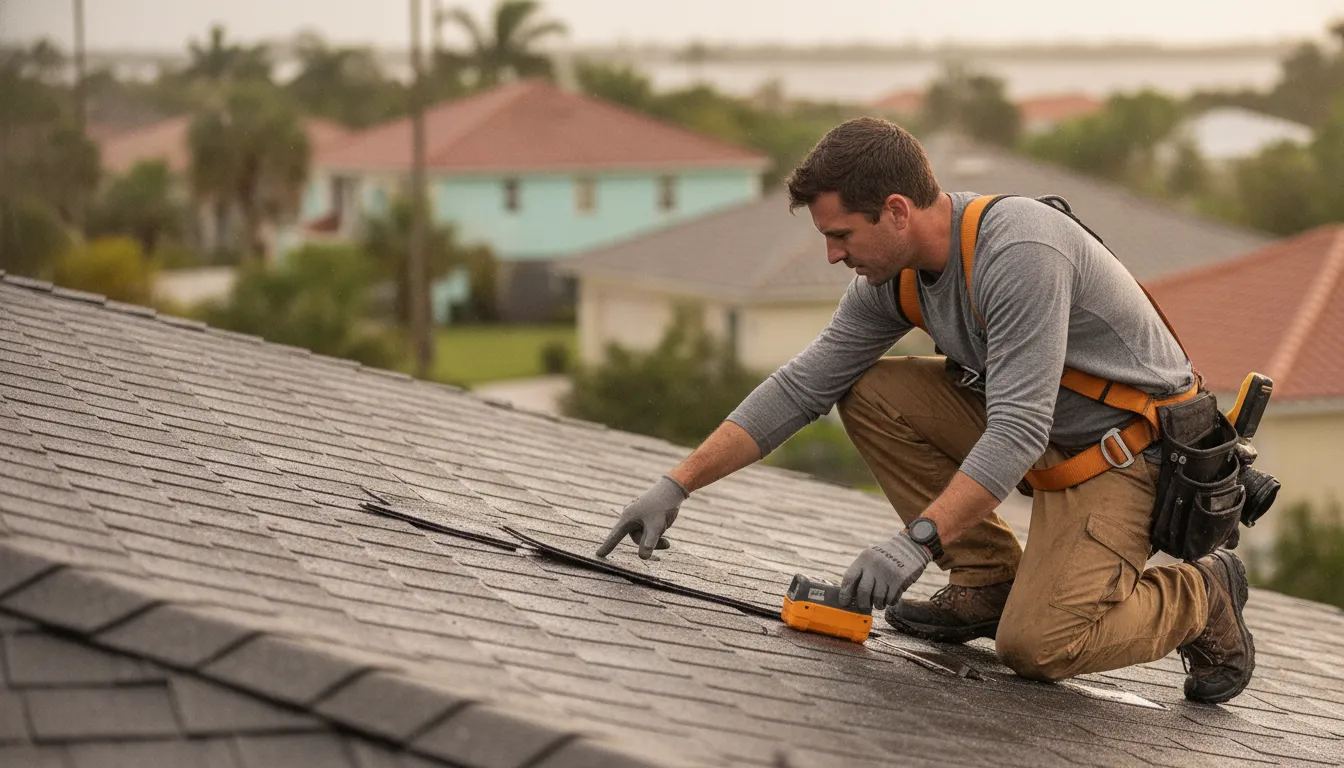
Consistent home maintenance is essential for preventing the structural issues that often lead to mold. Water can find its way inside through a leaky roof, cracked foundation, or poorly sealed windows, creating the perfect breeding ground for mold. Scheduling regular checks of your roofing system, plumbing, and HVAC system can help you catch these problems early. Remember, mold can always return if the original moisture source isn’t completely fixed. By staying on top of home repairs and maintenance, you’re not just preserving your property’s value; you’re actively creating an environment where mold can’t grow. It’s a simple investment of time that offers a huge return in peace of mind.
Related Articles
Frequently Asked Questions
What are the signs that I might have a hidden mold problem? Often, your nose will know before your eyes do. A persistent, musty, or earthy smell is one of the most common indicators of mold, even if you can’t see it. You might also notice physical signs of water damage that hint at a deeper issue, like stained or discolored ceilings, peeling wallpaper, or warped walls. If you’re experiencing an increase in allergy symptoms only when you’re at home, that can also be a clue that hidden mold is affecting your air quality.
I only see a small spot of mold. Can I just clean it with bleach? While it seems like a quick fix, using bleach on mold is generally not a good idea. Bleach can’t penetrate porous surfaces like drywall or wood, so it only cleans the surface while the mold’s roots remain. More importantly, scrubbing at mold without proper containment can send millions of spores into the air, potentially spreading the problem to other areas of your home. A small visible spot can also be the tip of the iceberg, signaling a much larger colony behind the wall.
Why won’t my homeowner’s insurance cover mold from a slow leak? Insurance policies are designed to cover sudden and accidental events, not problems that result from a lack of maintenance. A burst pipe is sudden and accidental, so the resulting mold damage is often covered. A slow, dripping faucet that you haven’t fixed is considered a maintenance issue. Insurers view this type of gradual damage as preventable, so the responsibility for the cleanup typically falls to the homeowner.
After professional remediation, can mold come back? Yes, mold can return, but only if the original moisture problem isn’t solved. Professional mold remediation is a two-part process: removing the existing mold and fixing the source of the water that allowed it to grow. A reputable team won’t just clean the mold; they will identify and address the leaky pipe, roof issue, or ventilation problem. As long as the source of moisture is completely eliminated, the mold will not grow back in that area.
My insurance claim was denied. What’s my first step? Don’t panic; a denial isn’t always the final answer. Your first step is to carefully read the denial letter to understand the specific reason your claim was rejected. This is the exact point you will need to address. Then, you can begin the appeals process by gathering professional documentation, like a detailed report from a certified restoration company, to provide evidence that counters the insurance company’s reasoning and supports your claim.
Money-Saving Tip: Handle Cosmetic Repairs Yourself
After the professionals have finished their work, you might be looking at a few areas that need some cosmetic love to feel like home again. The cost of professional mold remediation can vary widely—from a few hundred dollars for a small spot to tens of thousands for a major issue—so finding ways to save on the final steps can be a huge relief. One great way to manage your budget is by handling the cosmetic fixes yourself. Tasks like painting, replacing baseboards, or patching up drywall are often manageable DIY projects that can save you money on labor costs and give you control over the final look of your space.
Before you break out the paint rollers, however, it’s crucial to ensure the original moisture problem has been completely resolved. Remember, “one of the biggest additional expenses is the cost of repairing the source of the moisture.” If the leaky pipe or damaged section of your roofing system isn’t properly fixed, the mold will inevitably return, undoing all your hard work. Make sure the core issue is handled by a professional first. Once you have that peace of mind, you can confidently take on the cosmetic updates, knowing you’re rebuilding on a safe, dry foundation and preventing future problems.