That musty smell you can’t quite place? Or a water bill that’s suddenly higher than usual? These might be the only warnings you get. A water pipe burst under your house doesn’t always announce itself with a flood. More often, it’s a silent disaster, leaking water into your foundation and crawl space for weeks or even months. This hidden moisture warps your floors, compromises your home’s structure, and creates the perfect breeding ground for mold. I’m here to help you spot the subtle signs so you can act fast and protect your home from this costly threat.
Key Takeaways
- Know what to look and listen for: A sudden spike in your water bill, damp floors, musty odors, or strange hissing sounds are all early warnings of a hidden pipe leak that needs your attention.
- Follow a clear emergency plan: If a pipe bursts, your first steps are always the same: shut off the main water valve, turn off the electricity if it’s safe, and call a professional restoration team to handle the cleanup.
- Prevent future disasters with simple maintenance: You can protect your home by scheduling annual plumbing inspections, insulating vulnerable pipes before a cold snap, and monitoring your water pressure to avoid putting extra strain on your system.
Do You Have a Burst Pipe? Look for These Signs
A burst pipe under your house isn’t always as dramatic as a geyser in your living room. Often, the signs are subtle. Catching them early is the key to preventing widespread water damage and costly repairs. Since these pipes are hidden beneath your foundation, you’ll need to rely on your senses to spot the clues. Paying attention to small changes in your home and yard can help you identify a problem before it gets out of hand. Let’s walk through the specific warning signs to look for.
Visual Clues Around Your Property
One of the first clues is an unexpected spike in your water bill. If your usage habits haven’t changed but your bill is suddenly 20% higher, it’s a red flag that water is leaking somewhere. Inside your home, keep an eye out for damp or warped spots on your flooring, especially on the ground level. You might also notice water stains appearing at the base of your walls. A persistent musty smell is another common indicator, often pointing to hidden moisture that can lead to mold growth. These signs are your home’s way of telling you something is wrong.
Check Common Problem Areas
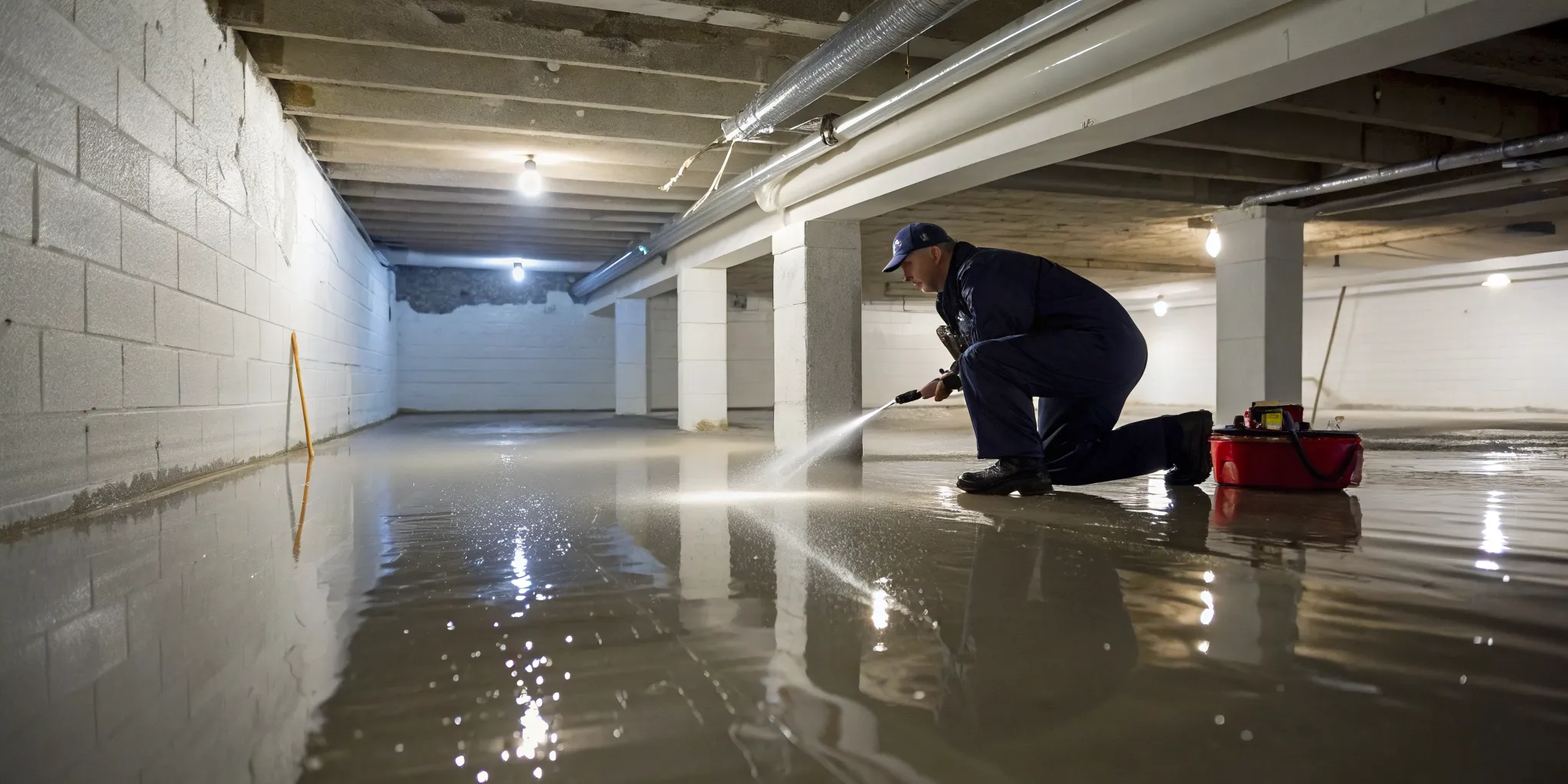
When you suspect a leak, it helps to know where to focus your search. Certain spots in your home are more likely to show the first signs of trouble. Start by checking under sinks in your kitchen and bathrooms for any drips or damage to the cabinet floor. From there, move to your water heater area; look for wet spots on the floor or rust on the tank itself. If you have a crawl space, take a peek for any standing water. Also, inspect your exterior walls, especially after a cold spell, as pipes there are vulnerable to freezing and bursting. A quick, regular check of these key areas can help you spot a problem early.
Sometimes the signs are much more direct. You might find visible water stains—usually brown or yellow—creeping up your walls or spreading across the ceiling. Peeling paint or drywall that feels soft to the touch are also clear indicators that moisture is present where it shouldn’t be. If you discover any of these issues, it’s a sign that a pipe has likely been leaking for a while, and immediate action is needed to prevent further structural issues. Addressing this kind of water damage quickly is essential to protect your home’s integrity and avoid more complex problems down the road.
Weird Noises and Weak Water Flow
Sometimes, you can hear a burst pipe before you see any evidence. Listen for strange noises coming from your walls or floors, like hissing, whistling, or even a faint banging sound. These are often caused by water escaping the pipe under pressure. Another major sign is a sudden drop in your water pressure. If your shower feels weaker or the kitchen faucet is just trickling, it could mean water is being diverted through a break in the pipe. When you experience a drop in pressure across multiple fixtures, it’s a strong signal of a leak in your main water line.
Sputtering Faucets and Unusual Humidity
If your faucets start sputtering or spitting water, it’s a clear sign that air has gotten into your plumbing system. This often happens when there’s a crack or break in a pipe, allowing air to be pulled into the water line. You might also hear other strange sounds, like gurgling from your drains or the sound of rushing water behind a wall, even when all your taps are off. Another major clue is a sudden change in your home’s atmosphere. If the air feels unusually humid or muggy, it could be caused by moisture escaping from a hidden leak. These symptoms are your home’s way of telling you there’s a problem that needs immediate attention to prevent widespread water damage and potential mold growth.
A Rotten Egg Smell
While some signs of a burst pipe can be subtle, a rotten egg smell is an unmistakable alarm. You should never ignore this odor or hope it just goes away. It almost always points to a serious break in your sewer line. The smell itself is hydrogen sulfide gas, which is released from raw sewage when a pipe is compromised. A broken sewer line isn’t just a plumbing issue; it’s a significant health hazard that can contaminate your property with dangerous bacteria. If you notice this smell, especially if it’s paired with slow drains or soggy patches in your yard, it’s critical to call for professional help. This situation requires a swift and thorough disaster recovery response to safely manage the cleanup and repairs.
A Soggy Yard or Murky Water
The signs of a burst pipe can also show up outside your home. Look at your yard for any unusual changes. Do you see a patch of grass that is suddenly much greener than the surrounding area? Or have you noticed soft, sinking spots or persistent puddles, even when it hasn’t rained? These are classic signs that a pipe has broken underground. You might also see changes in the water from your taps. If it appears discolored, rusty, or has dirt in it, contaminants could be entering your water supply through the break. These issues require immediate attention from a team that handles disaster recovery services.
Use Your Water Meter to Confirm a Leak
If you suspect a leak but can’t find the source, your water meter is your best detective. This simple check can confirm if you have a hidden problem without needing any special tools. First, make sure every single water-using appliance and faucet in your home is turned off—don’t forget the washing machine, dishwasher, and outdoor spigots. Once everything is off, go find your water meter, which is usually in a box near the curb. Take a look at the meter’s dial. If it’s still moving, even slowly, you’ve got a leak. This is a tried-and-true method that can help you identify a leak before it causes major issues. Finding it early can save you from extensive and expensive water damage repairs.
Your First Steps After a Water Pipe Burst
A burst pipe can feel overwhelming, but taking quick, decisive action can make a huge difference. The moments right after you discover the leak are critical for minimizing damage to your home and belongings. Don’t panic. Just follow these three steps to get the situation under control and start the recovery process. Acting fast not only protects your property but also helps prevent bigger problems like structural issues and mold from developing down the line. Your goal is to stop the water, assess the safety of the area, and get professional help on the way as soon as possible.
Your First Move: Cut the Water and Assess Safety
Before you do anything else, find your home’s main water shut-off valve and turn it off immediately. This stops the flow of water and prevents the damage from getting worse. The valve is often located in a basement, crawl space, or utility closet. Once the water is off, take a moment to assess the situation for any safety risks. If water has reached electrical outlets, appliances, or your fuse box, it’s best to turn off the electricity at the breaker panel if you can do so safely. If you see significant flooding or feel unsafe for any reason, leave your house and call for help from a safe location.
Open Faucets to Drain Remaining Water
After you’ve shut off the main water supply, your next step is to go through the house and open all the faucets, including both hot and cold taps. This might seem counterintuitive, but it’s a crucial move. By opening the taps, you drain any remaining water that’s sitting in your plumbing system. This action helps to relieve the built-up pressure inside the pipes, which can prevent the break from worsening and stop more water from escaping. Make sure to flush all the toilets as well to empty their tanks. It’s a simple but effective step that helps you gain more control over the situation while you wait for professional help to arrive.
Next, Remove Water and Begin Drying
As soon as it’s safe, start removing as much standing water as you can. You can use buckets, mops, old towels, or a wet-dry vacuum to get the bulk of the water out. The faster you remove the water, the less chance it has to soak into your floors, drywall, and furniture, which is key to preventing mold growth. After you’ve removed the standing water, open up windows and doors to get air circulating. If you have them, set up fans and dehumidifiers in the affected areas to speed up the drying process. This initial effort can significantly reduce the overall damage.
Finally, Call a Pro and Document Everything
With the immediate crisis handled, your next call should be to a professional water damage restoration team. Experts can properly assess the damage, use commercial-grade equipment to dry everything completely, and prevent secondary issues like mold. While you wait for help to arrive, start documenting everything. Take clear photos and videos of the burst pipe, the standing water, and any damaged items or parts of your home. This evidence will be essential when you file a claim with your insurance company. Once you have your documentation, contact your insurance agent to report the incident. If you need immediate assistance, contact us 24/7.
What Causes a Water Pipe Burst?
A burst pipe under your home can feel like a random, out-of-the-blue disaster, but it’s almost always the result of specific stressors building up over time on your plumbing system. Understanding what causes these breaks is the first and most important step in preventing them from happening in the first place. Think of it like this: your home’s pipes are a hidden network, working silently day in and day out. When one fails, it’s usually not a sudden event but the final straw after a long period of strain. The causes can range from environmental factors like shifting soil and sudden temperature drops to internal issues like high water pressure and the simple wear and tear of time. By getting familiar with these common culprits, you can be more proactive about your home’s plumbing health. Knowing the risks helps you stay ahead of potential problems and protect your property from the extensive water damage that follows a burst pipe. Let’s look at the most common reasons pipes fail beneath your foundation, so you can spot the warning signs before it’s too late.
Frozen Pipes: The Most Common Culprit
When water freezes, it expands. This simple fact of physics is a major threat to your pipes. As ice forms inside a pipe, it creates immense pressure that can easily crack or burst the metal or plastic. While we don’t deal with prolonged freezes here in St. Petersburg, a sudden, unexpected cold snap can be enough to damage pipes that aren’t properly insulated, especially in exposed areas like crawl spaces or along exterior walls. Even a few hours below freezing can be enough to cause a catastrophic break, leading to serious flooding once the ice thaws and water begins to flow again through the newly formed crack.
How Freezing Causes Pipes to Burst
It’s a simple concept from science class: when water freezes, it expands. Inside the rigid, confined space of a pipe, that expansion has nowhere to go. The ice creates an incredible amount of pressure that pushes outward against the pipe walls, whether they’re made of metal or plastic. This force is often more than the material can handle, leading to a crack or a complete rupture. The process can happen faster than you might think, with pipes starting to freeze in just a few hours at 32°F. The real trouble often begins when the temperature rises again. As the ice plug melts, water rushes through the new crack, causing significant flooding and requiring immediate water damage restoration.
The Strain of High Pressure and Old Pipes
Your home’s plumbing is designed to handle a specific amount of water pressure, typically between 40 and 80 PSI. If the pressure gets too high, it puts a constant strain on every pipe, joint, and fixture in your house. This is especially dangerous for older plumbing systems. Over the years, pipes naturally weaken from use and the slow process of corrosion. An older, more fragile pipe that might have held up under normal conditions can easily fail when subjected to consistently high pressure. It’s a combination that often leads to a sudden and messy burst right under your feet, turning a hidden weakness into an urgent problem.
Understanding “Water Hammer”
Have you ever heard a loud banging sound coming from your walls right after you turn off a faucet or the washing machine stops filling? That’s a phenomenon called “water hammer.” It happens when the flow of water stops abruptly, sending a powerful shockwave back through the plumbing. While it might just seem like a noisy quirk, it’s actually a sign of serious stress on your pipes. If pipes aren’t properly secured within the walls, this shockwave causes them to physically shake and bang against the framing. Over time, this constant, jarring movement weakens the pipe joints and fittings until they eventually loosen, crack, or break entirely, leading to a hidden leak or a sudden burst.
The Lifespan of Different Pipe Materials
Just like any other part of your home, pipes have a limited lifespan and will eventually wear out. The material they’re made from is a major factor in how long you can expect them to last before they need replacing. For instance, older galvanized steel pipes typically have a lifespan of 50 to 70 years, while copper pipes can last anywhere from 40 to 60 years or more. Even modern PEX piping has a lifespan of around 40 to 50 years. If you live in an older home, there’s a good chance your plumbing is nearing the end of its service life. As pipes age, they can become corroded and brittle, making them much more likely to fail under pressure and cause significant water and flood damage.
Other Causes: Soil Shifts, Rust, and Accidents
Pipes buried underground face a unique set of challenges. Here in Florida, our sandy soil can shift over time, putting direct physical stress on the pipes running beneath your home. Aggressive tree roots are another common issue, as they can wrap around and eventually crush plumbing lines as they search for water. Internally, corrosion can eat away at pipes from the inside out, thinning the walls and making them brittle. Finally, accidental damage during landscaping or nearby construction projects can nick or crack a pipe, creating a weak spot that may burst later under normal pressure. Any of these issues can compromise your plumbing and lead to a need for professional disaster recovery services.
Why a Burst Pipe Is More Than Just a Leak
A burst pipe is more than just a plumbing headache; it’s a serious threat to your home’s safety and stability. The initial flood is just the beginning. Water quickly finds its way into every crack and crevice, leading to a cascade of problems that can affect your home from the foundation up to the roof. Understanding the full scope of potential damage is the first step in protecting your property. The consequences can be extensive and costly if not addressed immediately by professionals who specialize in disaster recovery services.
The damage often happens out of sight, silently weakening your home’s core and setting the stage for long-term issues. A deluge of water can saturate drywall, warp floorboards, and compromise the very framework holding your house together. Below, we’ll cover the three main ways a burst pipe can impact your home: by damaging its structural integrity, creating health hazards like mold, and posing electrical risks while ruining your personal belongings. It’s a chain reaction where one problem quickly leads to another, making a fast response absolutely critical to minimize the fallout and protect your investment.
Risking Your Home’s Structural Integrity
When a pipe bursts, the water doesn’t just stay on the surface. It seeps deep into your home’s building materials, including drywall, insulation, and wooden supports. This prolonged moisture exposure can weaken the structural integrity of your walls, ceilings, and floors. In severe cases, a sudden gush of water can cause a ceiling to collapse or walls to buckle under the weight. The water can also make its way down to your home’s foundation, causing cracks or shifts over time. This kind of damage isn’t always visible right away, but it requires professional water and flood damage restoration to prevent serious issues down the road.
Why Mold Growth Is a Serious Health Risk
One of the most urgent problems after water damage is the risk of mold. It only takes 24 to 48 hours for mold spores to begin growing in damp, dark places like the space behind your walls or under your flooring. Once it starts, it can spread quickly throughout your home. Mold doesn’t just cause unsightly stains and musty odors; it can also pose significant health risks, especially for people with allergies, asthma, or compromised immune systems. Professional mold remediation is often necessary to safely and completely remove the growth and prevent it from returning, protecting both your property and your family’s well-being.
Electrical Dangers and Damaged Belongings
Water and electricity are a dangerous combination. If water from a burst pipe reaches electrical outlets, wiring, or appliances, it can create a serious risk of short circuits, electrical shock, or even fire. It’s crucial to turn off your home’s power if you suspect water has come into contact with your electrical system. Beyond the safety hazards, a burst pipe can destroy your personal belongings. Furniture, electronics, rugs, and sentimental items can be ruined in an instant. The financial toll adds up quickly, from the cost of repairs and higher water bills to replacing your valued possessions and addressing any potential fire and smoke damage.
Understanding the Costs of a Burst Pipe
When a pipe bursts, the first question on everyone’s mind is, “How much is this going to cost?” The answer isn’t simple because you’re dealing with two separate issues: the plumbing repair and the water damage cleanup. The cost to fix the pipe itself is often just the tip of the iceberg. The real expense usually comes from restoring everything the water touched, from your floors and walls to the structural supports of your home. It’s important to understand all the potential costs involved so you can prepare for the road ahead and make informed decisions about repairs and restoration.
Think of it as a two-part process. First, a plumber needs to stop the leak and repair or replace the broken pipe. Then, a specialized team needs to handle the aftermath. This is where professional water damage restoration becomes essential. They address the widespread impact of the water, which can include everything from drying out your home’s structure to preventing mold growth. Breaking down the costs into these two categories will give you a much clearer picture of the total financial impact and help you plan your next steps effectively.
Cost to Repair the Pipe Itself
Let’s start with the source of the problem. The cost to fix the actual burst pipe typically falls somewhere between $400 and $2,000. This price generally covers the plumber’s labor and the necessary parts to patch or replace the broken section. For more extensive damage, you might see costs calculated per foot, often ranging from $150 to $250 for each foot of pipe that needs to be replaced. While these are average figures, the final bill can vary dramatically based on the specifics of your situation. In some minor cases, you might get away with a bill as low as $100, but for severe breaks with difficult access, costs can climb toward $10,000.
Factors Affecting Repair Costs
Several factors influence the final cost of a pipe repair. The plumber’s labor is the biggest variable, as their time can make up about 80% of the total bill. Plumbers often charge between $100 and $350 per hour, plus a service fee just for the visit. The location and accessibility of the pipe also play a huge role; a pipe under a concrete slab will be far more expensive to get to than one in an exposed crawl space. Finally, the pipe material matters. Modern materials like PEX and PVC are generally less expensive to repair than older materials like copper or cast iron.
Cost of Water Damage Restoration
Once the pipe is fixed, the second phase of recovery begins: addressing the water damage. This is often the most expensive part of the process. The cost here depends entirely on how much water escaped and how long it was sitting. Restoration can involve removing and replacing flooring, which might cost anywhere from $4 to $15 per square foot. If carpet was soaked, having it professionally removed and dried could run about $0.70 to $1.60 per square foot. These costs add up quickly, which is why calling a professional restoration team immediately is so important to mitigate the damage and keep expenses from spiraling.
Professional Mold Removal Costs
Where there’s water, there’s a risk of mold. In Florida’s humid climate, mold can begin to grow in as little as 24 to 48 hours after a water event. If mold takes hold behind your walls or under your floors, it’s not something you can ignore. Professional mold remediation is crucial for your health and safety, but it comes at a price. The cost for professional mold removal can range from $1,500 to $6,000, depending on the extent of the growth and the areas affected. This is a powerful reminder of why a fast response to water damage is your best defense against more costly secondary problems.
Drywall and Structural Repair Costs
Water-soaked drywall is rarely salvageable. It loses its structural integrity and becomes a breeding ground for mold. The cost to cut out and replace damaged drywall is typically between $2 and $6 per square foot. If the burst pipe created a significant hole in your wall or ceiling, patching a medium-to-large area could cost between $500 and $800 or more. These repairs are essential for returning your home to its pre-damage condition. A full-service restoration company can handle these structural repairs as part of the overall recovery project, ensuring a seamless process from cleanup to reconstruction.
How to Hire the Right Professional
After a pipe bursts, you’ll likely need to hire at least two different types of professionals: a plumber to fix the pipe and a restoration company to handle the cleanup. Choosing the right people for the job is one of the most important decisions you’ll make. A qualified and trustworthy team will not only do the job correctly but also help you through the insurance process and prevent future issues. Rushing to hire the first person you find can lead to shoddy work, inflated bills, and even more stress. Taking a little time to vet your options will pay off in the long run, giving you peace of mind that your home is in good hands.
Finding a Qualified Plumber
Your first call will be to a plumber to stop the leak. Their job is to diagnose the problem, access the broken pipe, and perform the necessary repairs to get your water system functioning again. While a plumber handles the direct plumbing work, they typically don’t manage the extensive cleanup and drying process that follows. That’s where a restoration company comes in. It’s helpful to understand this distinction so you can coordinate both services effectively. For the plumbing repair, focus on finding someone who is experienced, reliable, and transparent about their pricing.
Get Multiple Written Estimates
Unless you have water actively flooding your home and need the first available person, it’s wise to get at least three different price estimates. When you contact potential plumbers, ask for a written estimate that breaks down the costs for labor and materials. A verbal quote over the phone isn’t enough; you need something in writing to avoid any surprises on the final bill. This allows you to compare apples to apples and see who is offering a fair price for the work required. A reputable professional will have no problem providing a detailed, written quote for you to review.
Check for Licensing and Insurance
Never hire a plumber or restoration company that isn’t properly licensed and insured. This is non-negotiable. Licensing proves they meet state and local standards for their trade, while insurance protects you from liability if a worker is injured on your property or if they cause further damage to your home. At Go Time Restoration, we are a fully licensed and insured team, because we believe in protecting our clients and our crew. Ideally, you should look for professionals who have been in business for at least five years, as this demonstrates a history of stability and experience.
Key Questions to Ask Before Hiring
Before you agree to any work, take a moment to ask a few key questions. This will help you gauge their professionalism and ensure they’re the right fit for your needs. Start by asking, “Are you licensed, insured, and bonded?” Follow up with questions about their pricing structure, such as, “Do you charge a flat fee for this type of job, or do you bill by the hour?” It’s also a great idea to ask for references from recent clients. A confident, experienced professional will be happy to answer your questions and provide the information you need to feel comfortable moving forward.
Will Homeowners Insurance Cover a Burst Pipe?
Dealing with a burst pipe is stressful enough without worrying about the cost. The good news is that your homeowners insurance policy often provides coverage, but it’s important to understand the specifics. Insurance policies are designed to protect you from sudden and unexpected disasters, not issues that arise from a lack of maintenance. Knowing what is and isn’t covered can help you manage the situation and set clear expectations when you file a claim.
Understanding Your Coverage (and Its Limits)
Most standard homeowners insurance policies cover water damage if it’s the result of a sudden and accidental event, like a pipe bursting unexpectedly. This means if a pipe freezes and cracks or abruptly ruptures, your policy will likely help pay for the resulting damage to your floors, walls, and personal belongings. However, the key here is “sudden.” Damage that occurs slowly over time from a gradual leak, corrosion, or general wear and tear is typically not covered. Insurance companies consider that part of regular home maintenance, which is the homeowner’s responsibility. It’s also worth noting that while the policy covers the water damage, it often won’t cover the cost of repairing the broken pipe itself.
Documenting Damage for Your Insurance Claim
When you’re dealing with a flood of water, your first instinct is to clean it up immediately. But before you do, take a moment to document everything for your insurance claim. Use your phone to take plenty of photos and videos of all the affected areas. Get close-ups of soaked carpets, damaged furniture, and wet drywall. Make a detailed list of all damaged property. It’s also a good idea to keep a log of every conversation you have with your insurance company, noting the date, time, and who you spoke with. Hold on to all receipts for any immediate repairs or costs you incur, like hiring a water damage restoration team or staying in a hotel. This detailed evidence will be essential for a smooth claims process.
Burst Pipe Insurance Myths, Busted
One of the biggest myths is that homeowners insurance covers all types of water damage. As we’ve covered, policies almost always exclude gradual damage from things like slow leaks or old, rusty pipes. If a problem develops over time, it’s unlikely to be covered. Another common misconception is that your insurance will pay to replace the faulty pipe. In reality, the policy is there to cover the consequences of the burst pipe, not the pipe itself. It will help pay to tear out and replace the drywall to access the pipe, but the plumbing repair bill is usually your responsibility. Understanding these distinctions helps you see why preventative maintenance is so important for protecting your home and your finances.
Preventing a Future Water Pipe Burst
After dealing with the stress and mess of a burst pipe, the last thing you want is a repeat performance. Taking a few proactive steps can save you a lot of future trouble and give you peace of mind. Protecting your plumbing system is one of the smartest investments you can make in your home. By staying ahead of potential problems, you can prevent the kind of widespread damage that disrupts your life and your budget. Here are a few practical ways to keep your pipes in top condition.
Get Your Pipes Inspected by a Pro
Think of it like a yearly check-up for your home’s plumbing. Scheduling an annual inspection with a licensed professional is one of the best ways to catch small issues before they turn into major disasters. A professional can check your home’s water pressure to ensure it’s not too high, which puts unnecessary strain on your pipes. They will also inspect visible pipes for signs of corrosion or wear and check that your valves are working correctly. This simple yearly appointment helps you stay informed about your plumbing’s health and allows you to make small repairs before you need our disaster recovery services.
Keep Pipes Warm with Insulation and a Steady Temp
While St. Petersburg isn’t known for harsh winters, an unexpected cold snap can still put your pipes at risk. Pipes in unheated areas of your home, like the attic, crawl space, or garage, are the most vulnerable. Wrapping them with pipe insulation is a simple and inexpensive project that provides a crucial layer of protection. On the rare nights when temperatures dip close to freezing, you can take extra precautions. Open the cabinet doors under your sinks to allow warmer air to circulate around the plumbing. You can also let faucets drip slightly, as moving water is less likely to freeze than standing water.
Seal Crawlspace Vents in Cold Weather
Your crawlspace vents are great for circulating air and preventing moisture buildup during our hot, humid summers. But in the winter, they can work against you by letting cold air flow directly under your floors. This makes your crawlspace, an already unheated area, even colder and puts any plumbing that runs through it at risk. When a rare Florida cold snap hits, this constant flow of frigid air can be enough to freeze the water inside your pipes. As we’ve learned, freezing water expands, creating immense pressure that can lead to a burst pipe and significant water damage. You can easily prevent this by installing temporary vent covers. They’re inexpensive, easy to find at any hardware store, and can be put on in minutes. Just remember to remove them once the weather warms up in the spring to let the air circulate again.
Monitor Pressure and Consider a Leak Detector
Consistently high water pressure acts like a constant stress test on your plumbing system, weakening pipes and joints over time. You can keep an eye out for warning signs yourself. Pay attention to sudden, unexplained increases in your monthly water bills or listen for new sounds when you run the water. For an added layer of security, consider installing smart water leak detectors. These small devices can be placed near water heaters, sinks, and washing machines. If they detect moisture, they can send an alert directly to your phone, giving you the chance to shut off the water and prevent a minor leak from becoming a major water damage event.
Related Articles
Frequently Asked Questions
What’s the very first thing I should do if I think a pipe has burst? Before you even think about cleanup, find your home’s main water shut-off valve and turn it off. This single action stops more water from flooding your home and is the most critical step you can take to limit the damage. Once the water is off, you can safely assess the situation and call for professional help.
My water bill went up, but I don’t see any water. Could it still be a burst pipe? Yes, absolutely. A sudden, unexplained spike in your water bill is one of the most common signs of a hidden leak, especially from a pipe under your foundation. The water might be seeping directly into the ground beneath your house, so you wouldn’t see puddles inside. Pay attention to other subtle clues like faint hissing sounds, musty odors, or soft spots in your yard.
How quickly can mold grow after a pipe bursts, and is it really that serious? Mold can begin to grow in as little as 24 to 48 hours after water damage occurs. It thrives in damp, dark spaces, like behind walls or under flooring, which are exactly the areas affected by a burst pipe. It is a serious issue because it can damage your home’s structure and release spores that can cause health problems, particularly for those with allergies or asthma.
Will my insurance automatically cover all the damage from a burst pipe? Not always. Homeowners insurance typically covers damage that is “sudden and accidental,” like an abrupt pipe rupture. However, it generally won’t cover damage from slow, long-term leaks that could have been prevented with regular maintenance. The policy also usually pays for the water damage itself, like ruined floors and drywall, but not the cost of repairing the actual broken pipe.
Besides insulating pipes, what’s a simple way to protect my plumbing system? Keeping your home’s water pressure in a safe range is one of the best things you can do. Consistently high pressure puts a lot of strain on your entire plumbing system, leading to weak spots and eventual breaks. You can have a professional check the pressure during a routine inspection and install a pressure regulator if needed. It’s a simple fix that prevents a lot of future headaches.